Tomato Varieties That Ripen in Time in Alabama
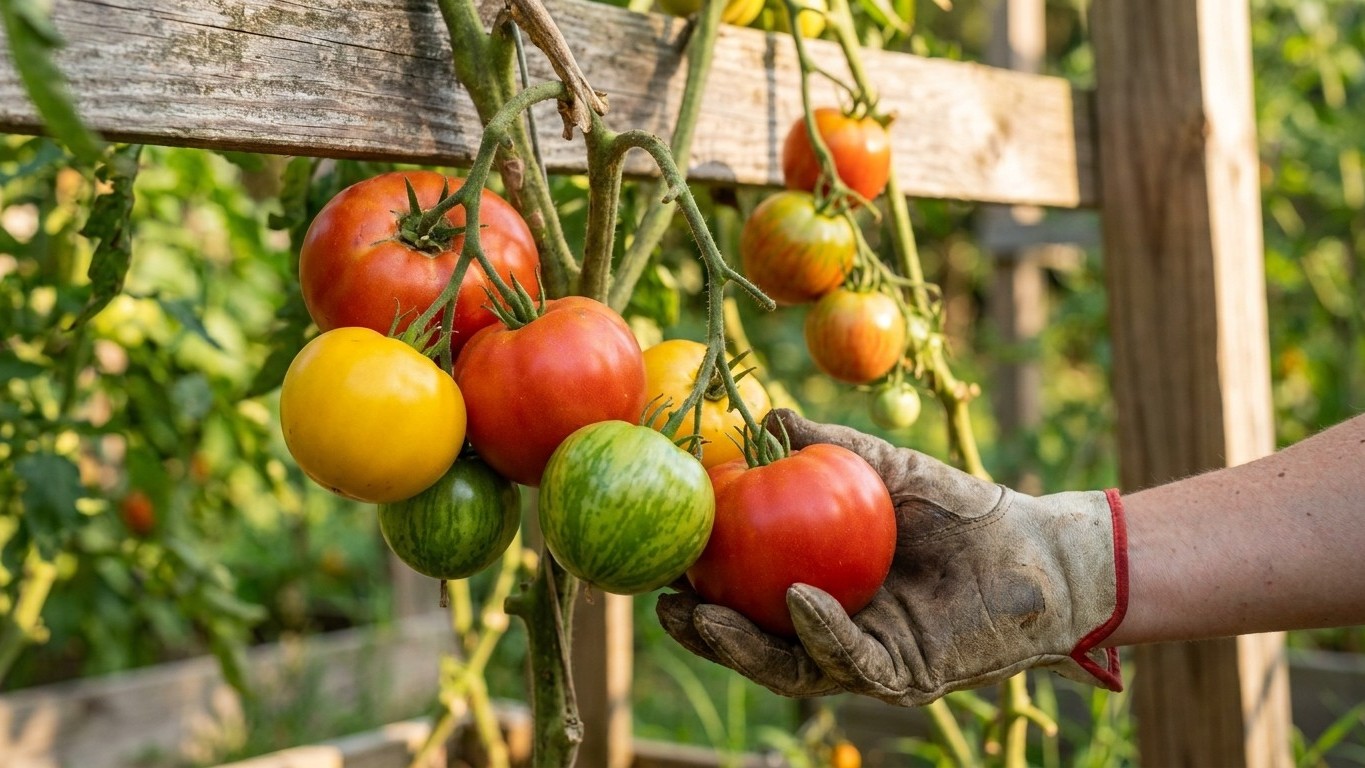
Nine tomato varieties, from 55-day cherry tomatoes to 85-day paste tomatoes, matched against Alabama’s frost window to show which ones finish with room to spare.
Home & garden, state by state
Nine tomato varieties, from 55-day cherry tomatoes to 85-day paste tomatoes, matched against Alabama’s frost window to show which ones finish with room to spare.
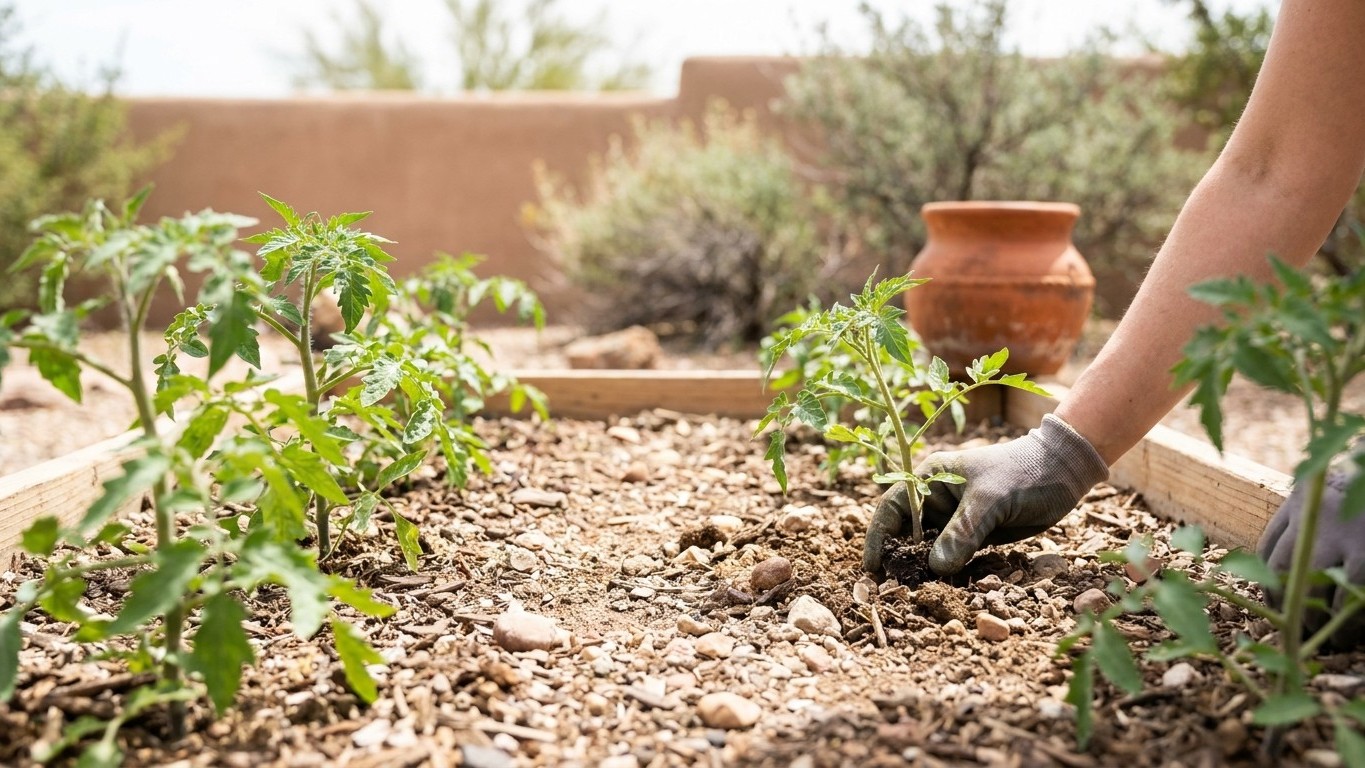
Phoenix’s frost-free winters mean tomato planting dates in Arizona’s low desert follow summer heat, not a frost calculation, while high country counties still need their own frost data.
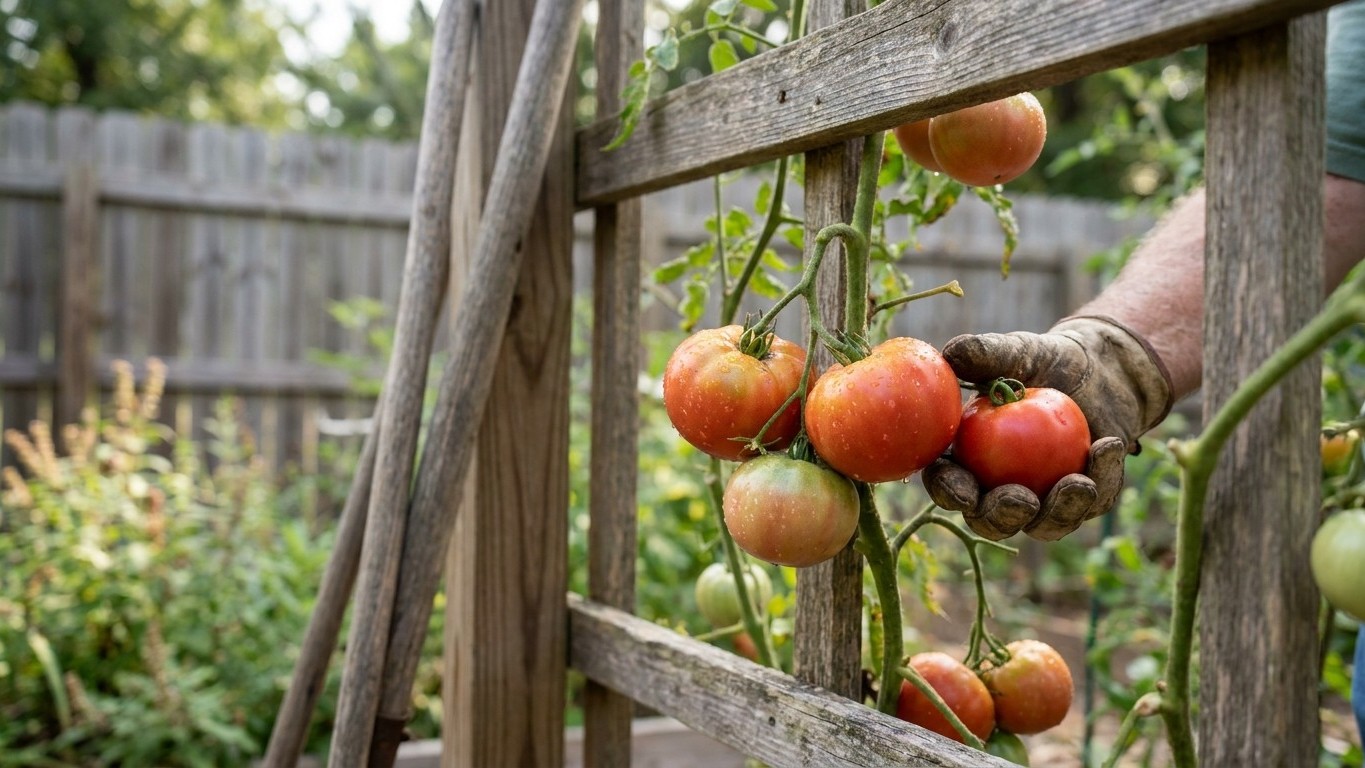
Little Rock’s frost-free window is long enough for most tomatoes to ripen; disease resistance, not days to maturity, decides the real winners here.
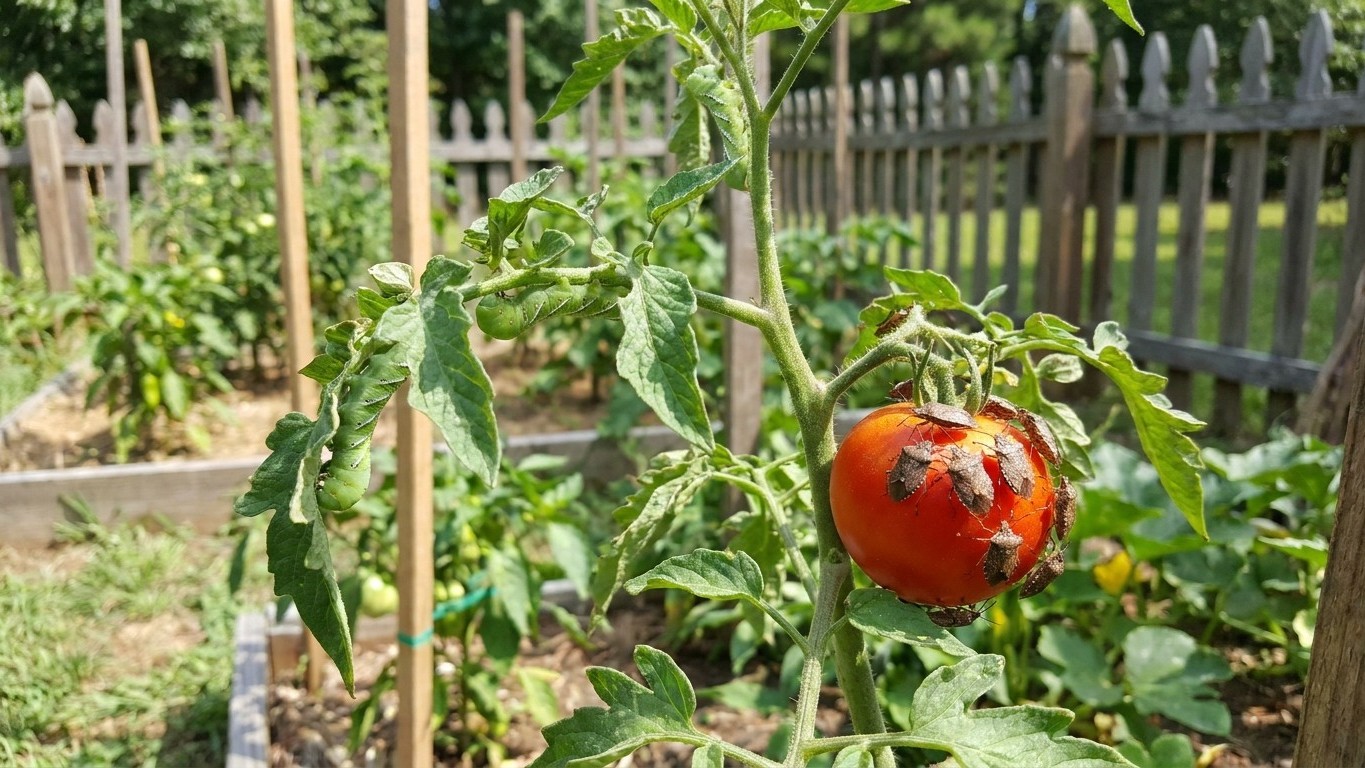
A season-by-season rundown of the tomato pests that actually appear in Alabama gardens, how to identify each one, and what controls them.
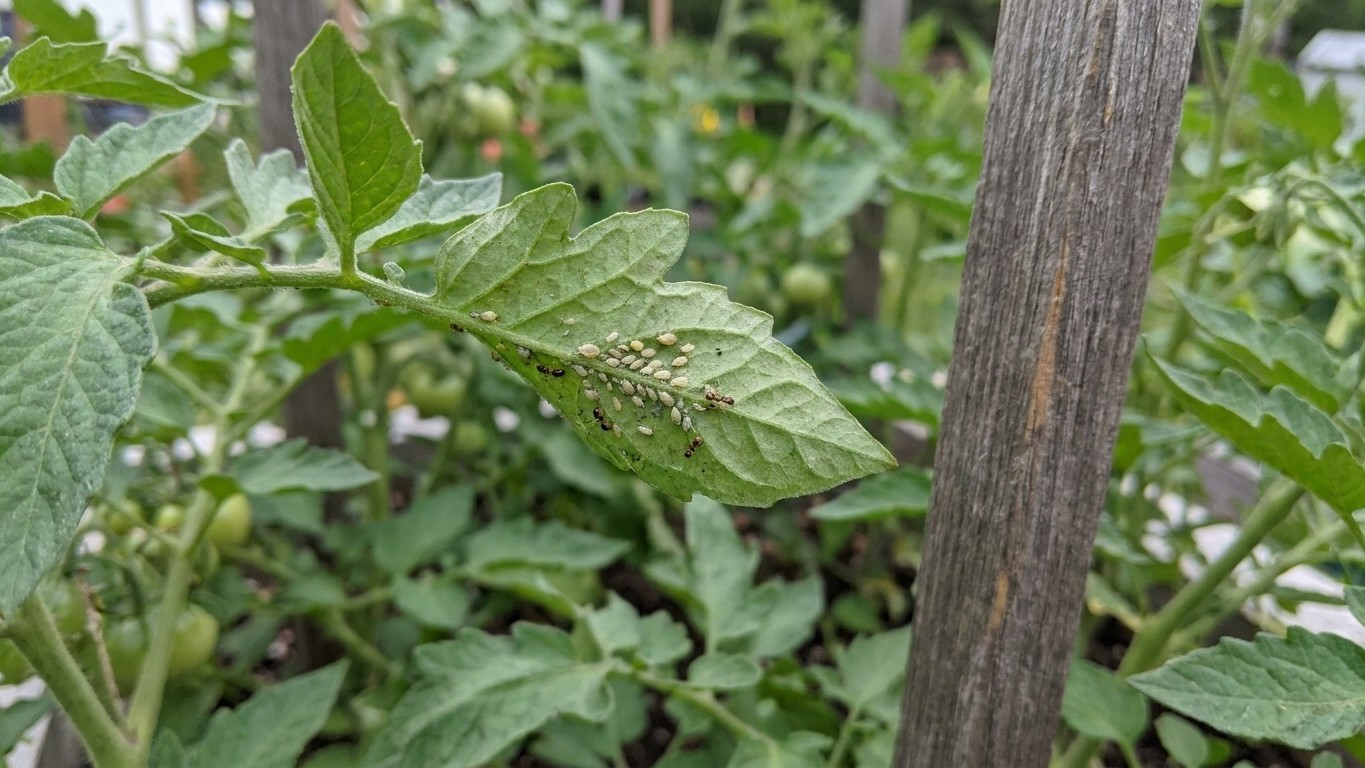
Alaska’s short season and mostly-covered growing keep out major field pests, but aphids, spider mites, whiteflies, and slugs remain common problems for tomato growers.
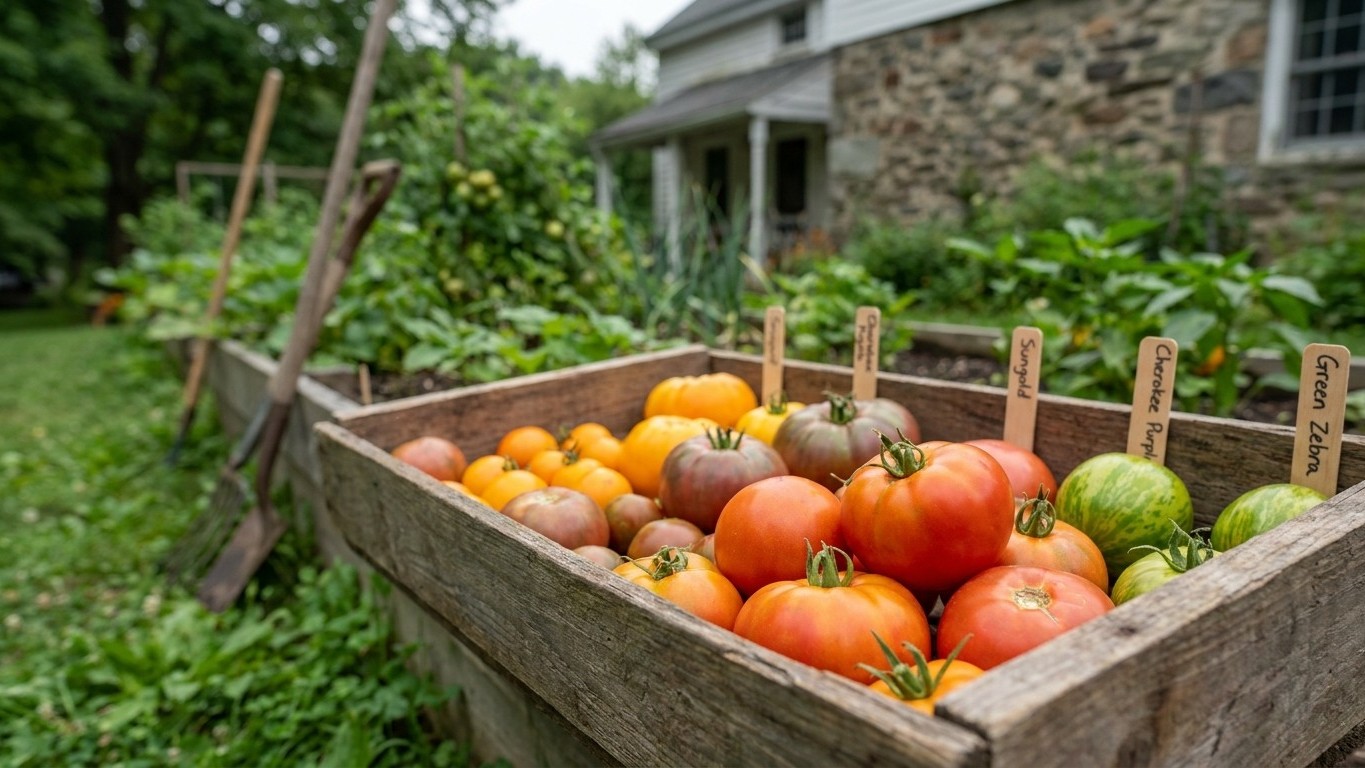
This page lists tomato varieties, from 55-day cherries to 85-day pastes, that finish ripening before Connecticut’s average fall frost date.
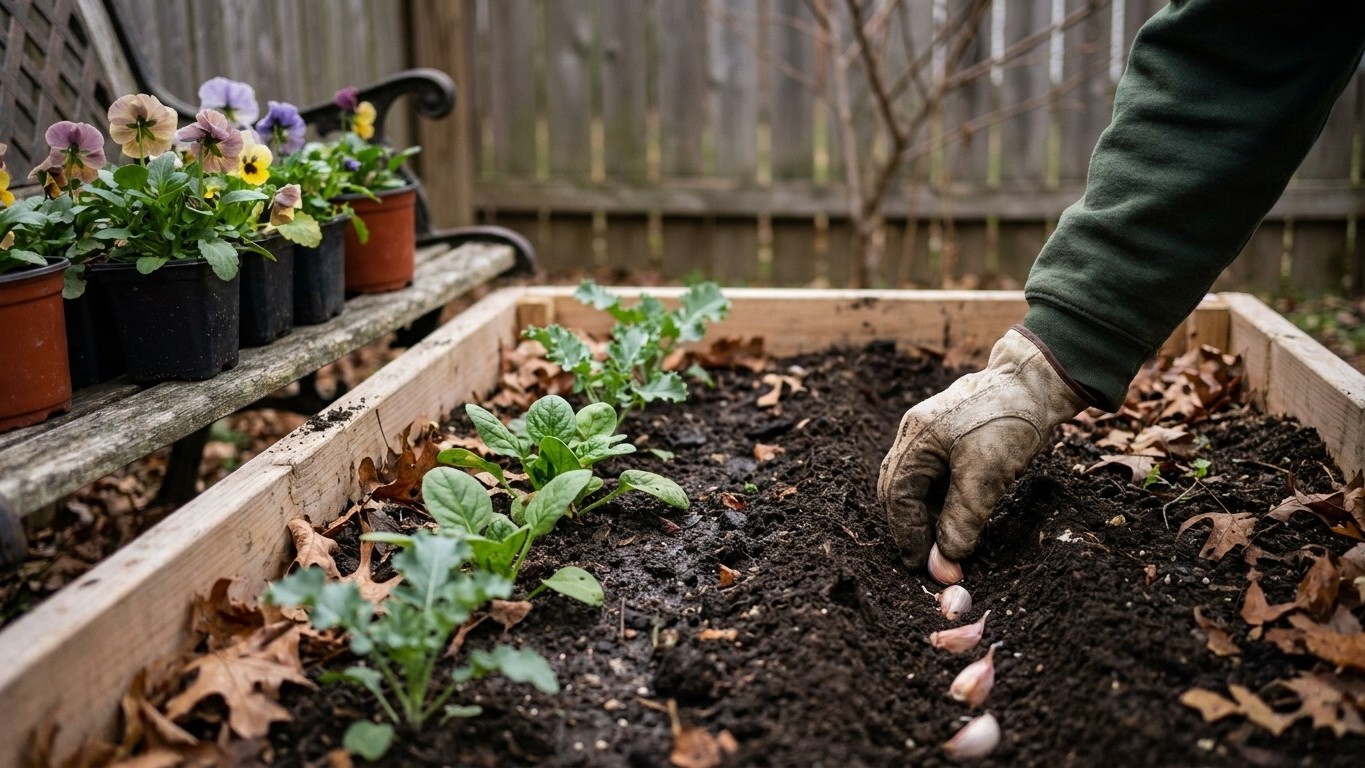
Garlic, shallots and cold-frame greens are the only safe October plantings in Ohio, while OSU Extension’s fall frost window closes out everything tender.
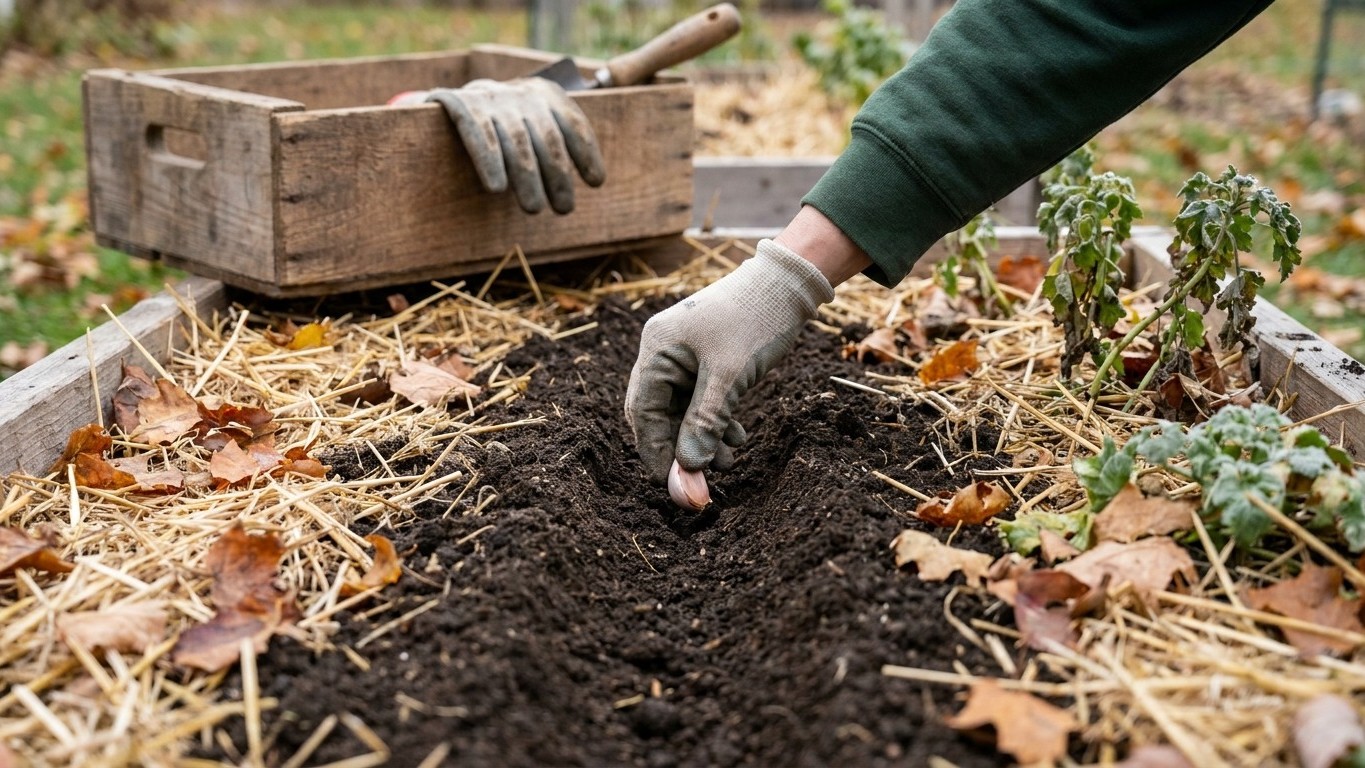
A month-by-month look at what Ohio gardeners can still plant, harvest, and prepare once the fall frost window has passed.
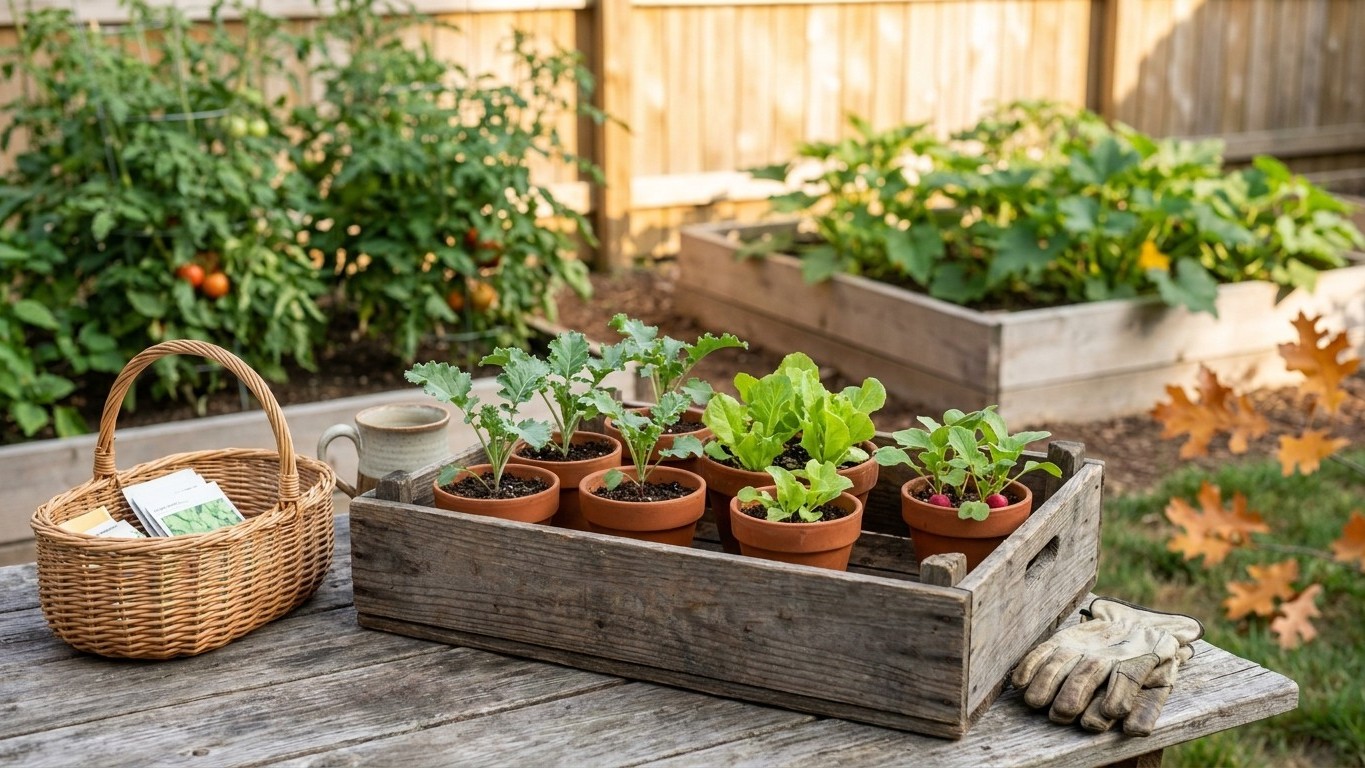
Ohio State University Extension’s Columbus figures set the frost window that determines which crops still have time to mature if planted in August.
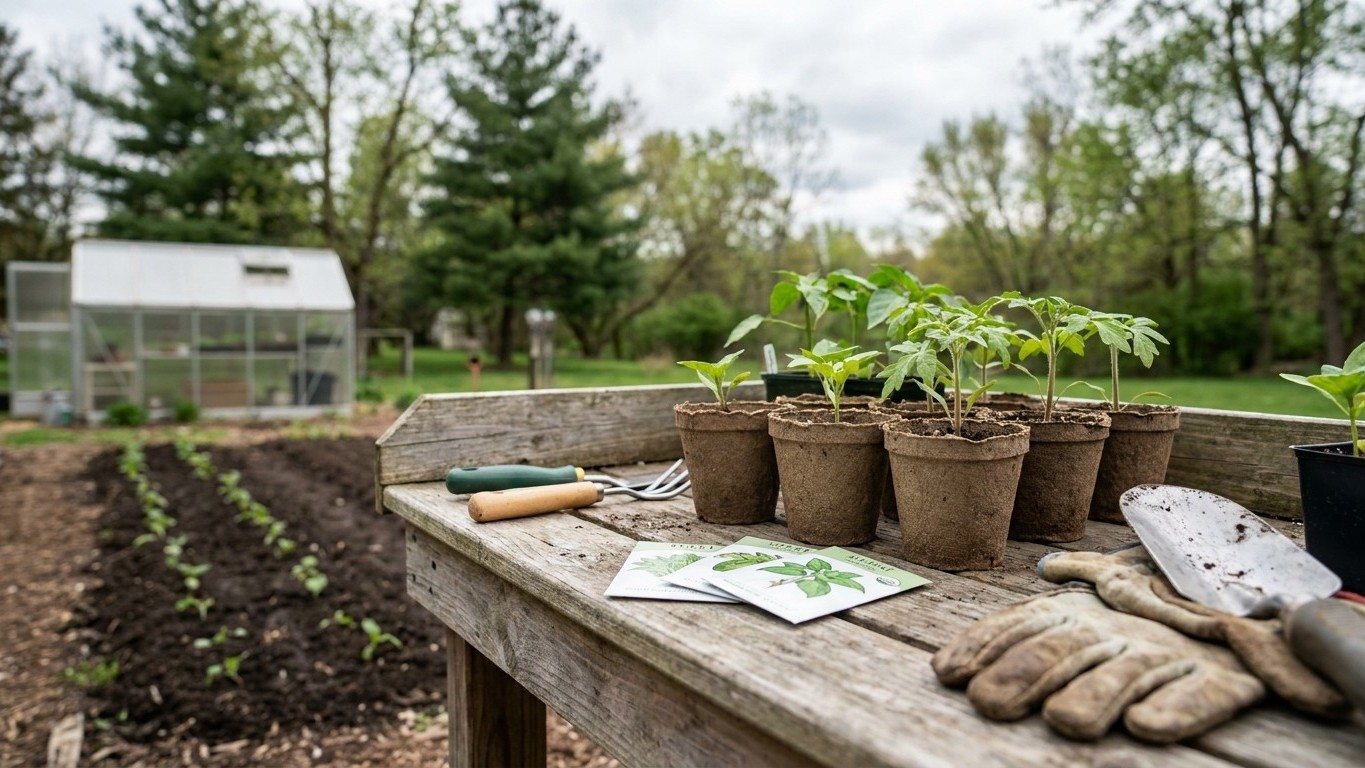
Ohio’s April garden sits before the last frost, so cold-hardy crops go in now while tomatoes and peppers wait for warmer soil in May.