Roof Snow Load, Wind Speed and Ice Barrier Rules in Idaho
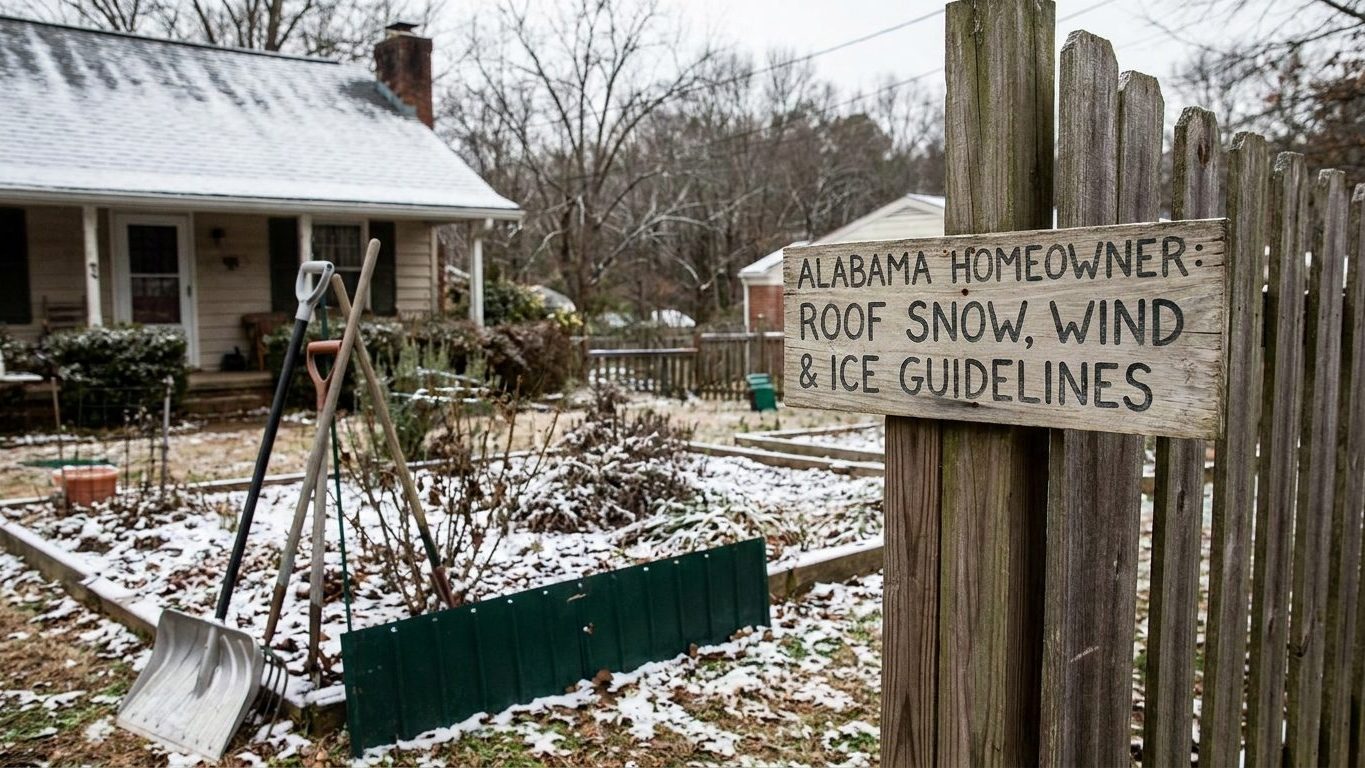
Idaho’s Boise-area design figures for roof snow load, wind speed and ice barrier rules, explained plainly with the code editions and reference city they come from.
Home & garden, state by state
Idaho’s Boise-area design figures for roof snow load, wind speed and ice barrier rules, explained plainly with the code editions and reference city they come from.
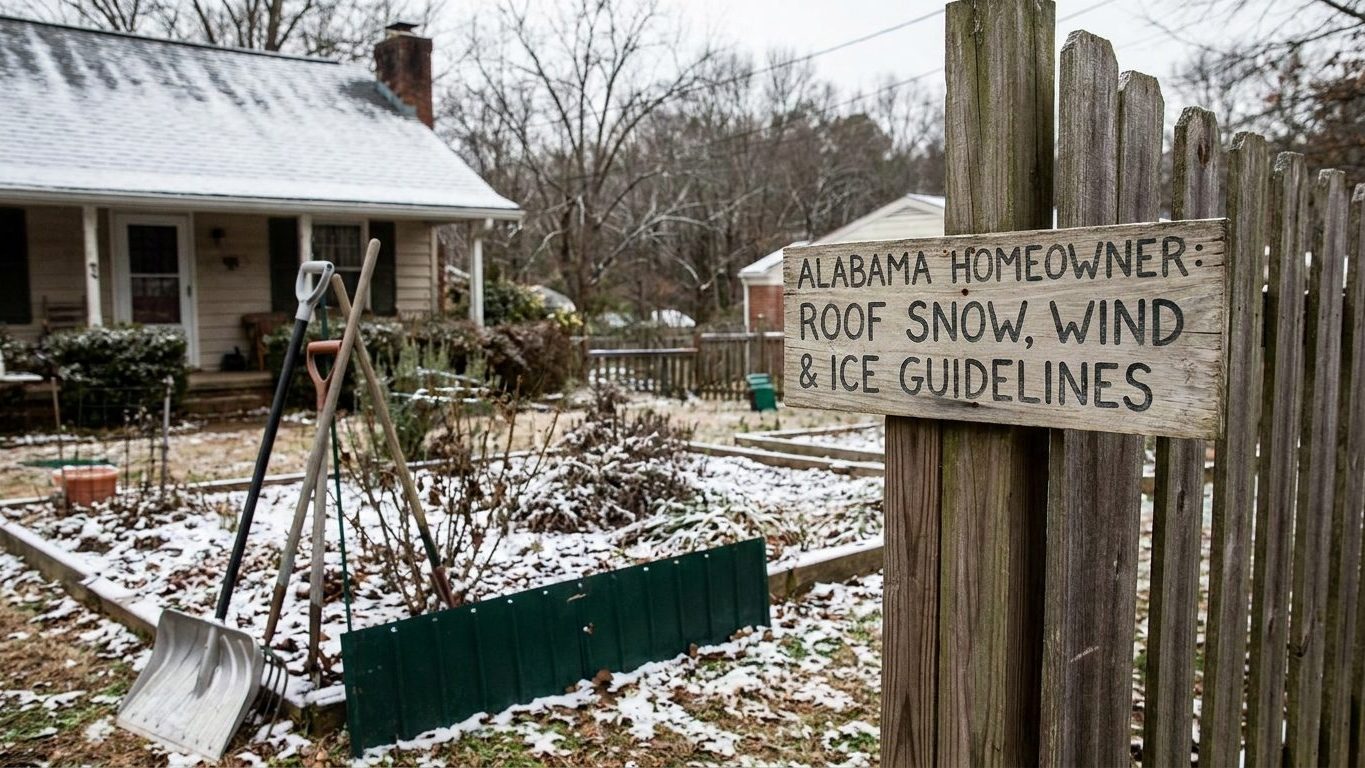
Delaware’s roof snow load, wind speed and ice barrier requirements start from Wilmington’s mapped figures, then shift with elevation, coastline and county code adoption.
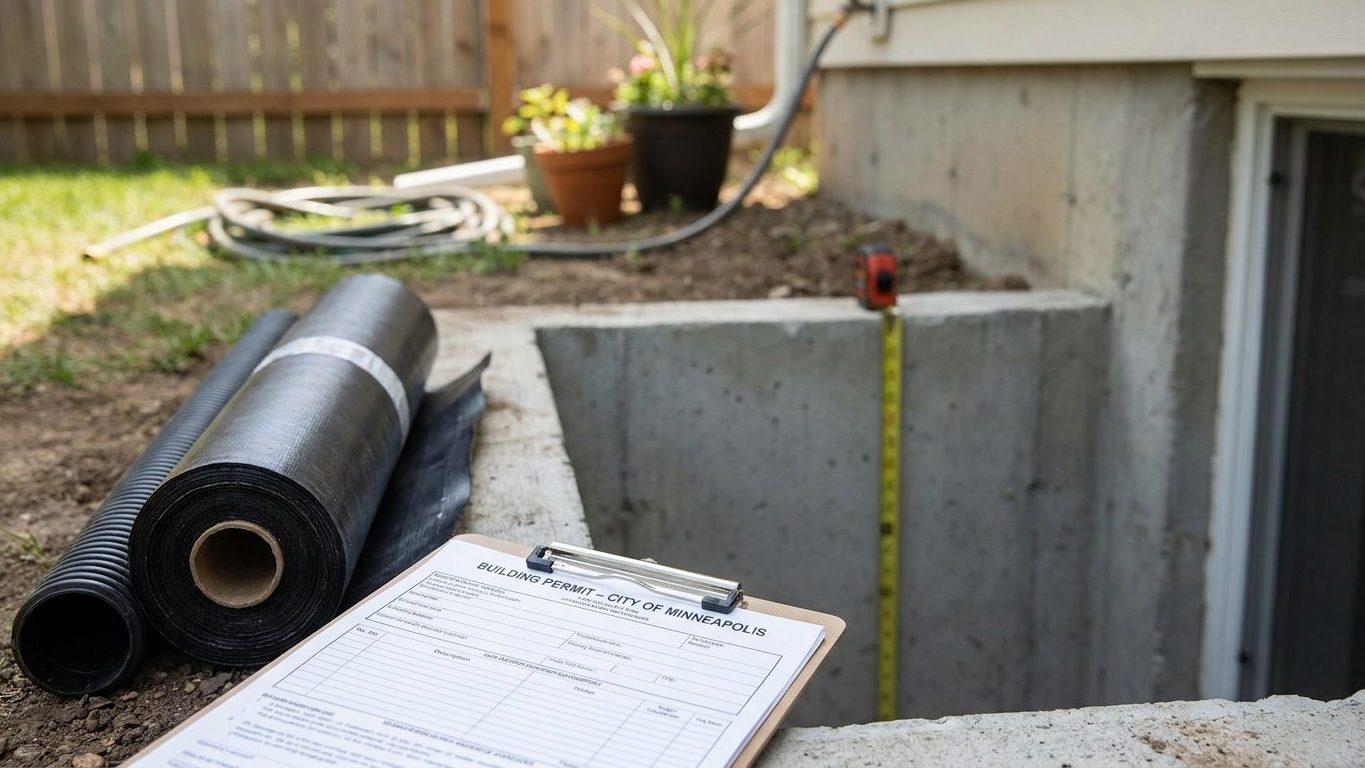
Illinois sets no state basement code, so permit rules, ceiling height minimums, egress window sizes and waterproofing steps all depend on your local building department.
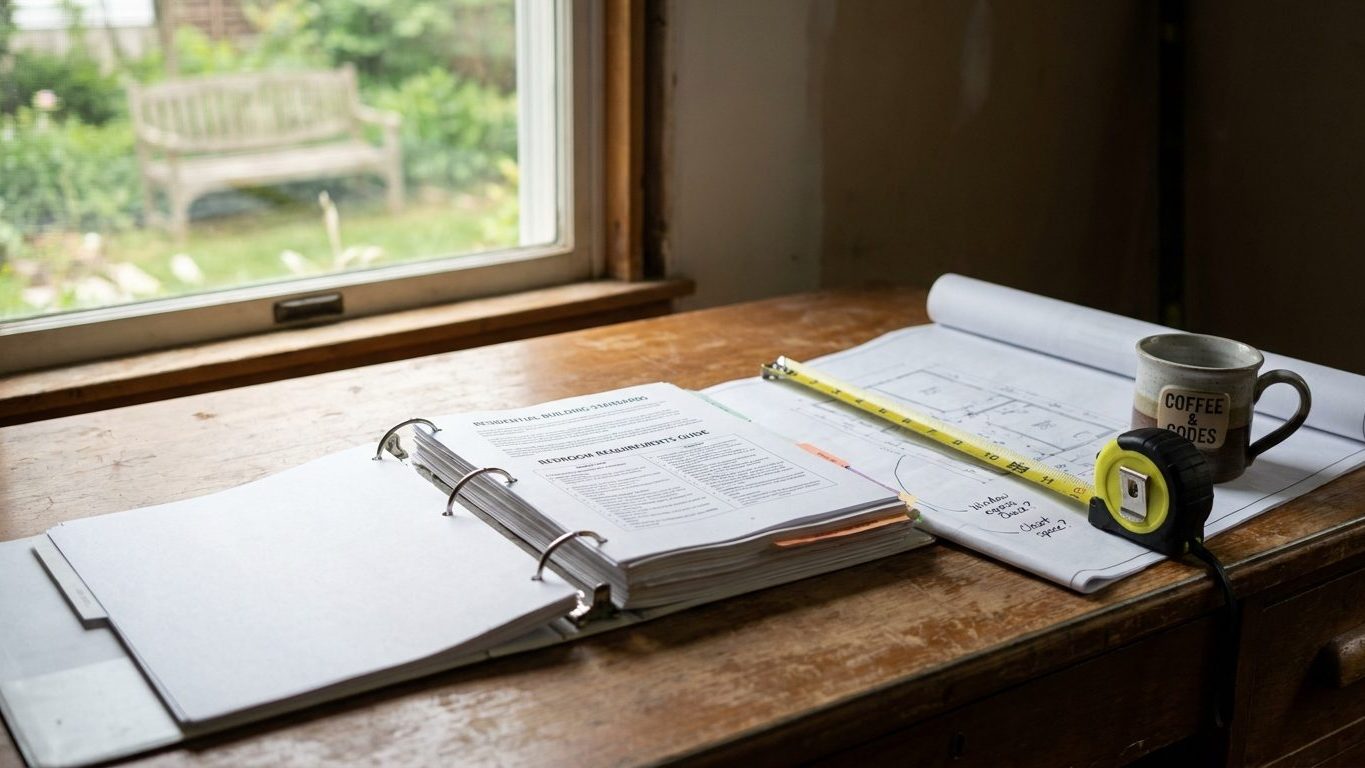
Explains when a spare room used for sleeping must have an escape opening and a smoke alarm, no matter what the floor plan calls it.

Leyland cypress takes its cue from its own growth, not from a date on the calendar.
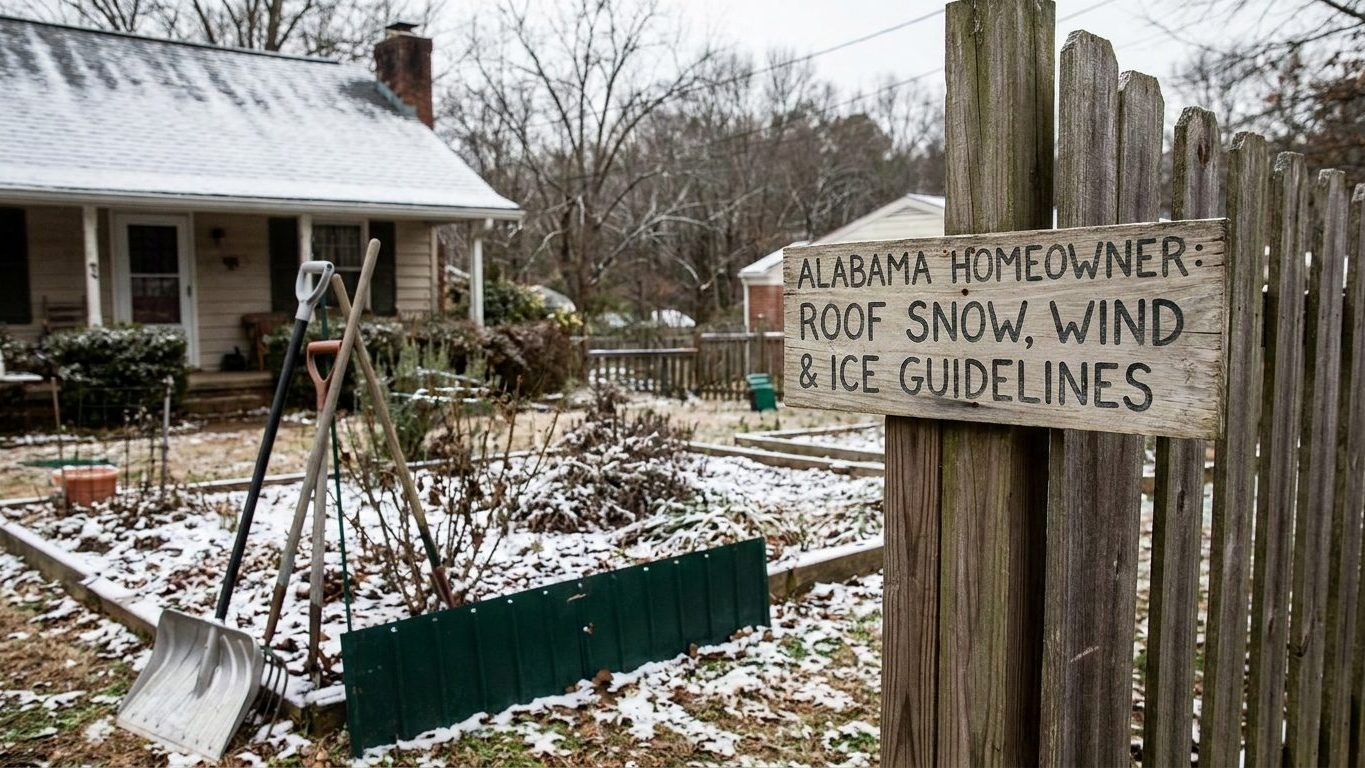
Connecticut roof permits use Bridgeport’s 30 psf ground snow load and 119 mph wind figures, converted for slope, drift, and the state’s ice barrier rule.
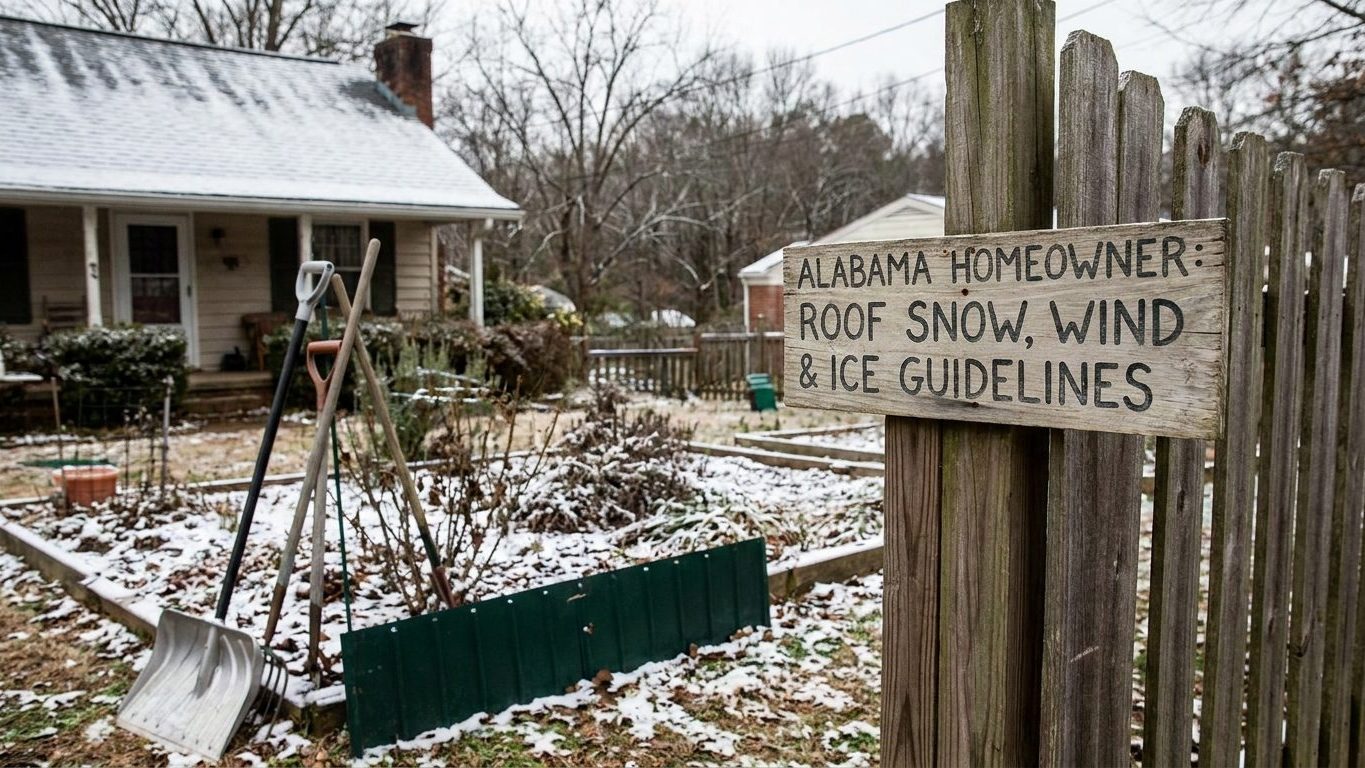
Denver’s design snow load, wind speed and ice-barrier rules explained, including why Colorado has no statewide figure and what governs your local permit.
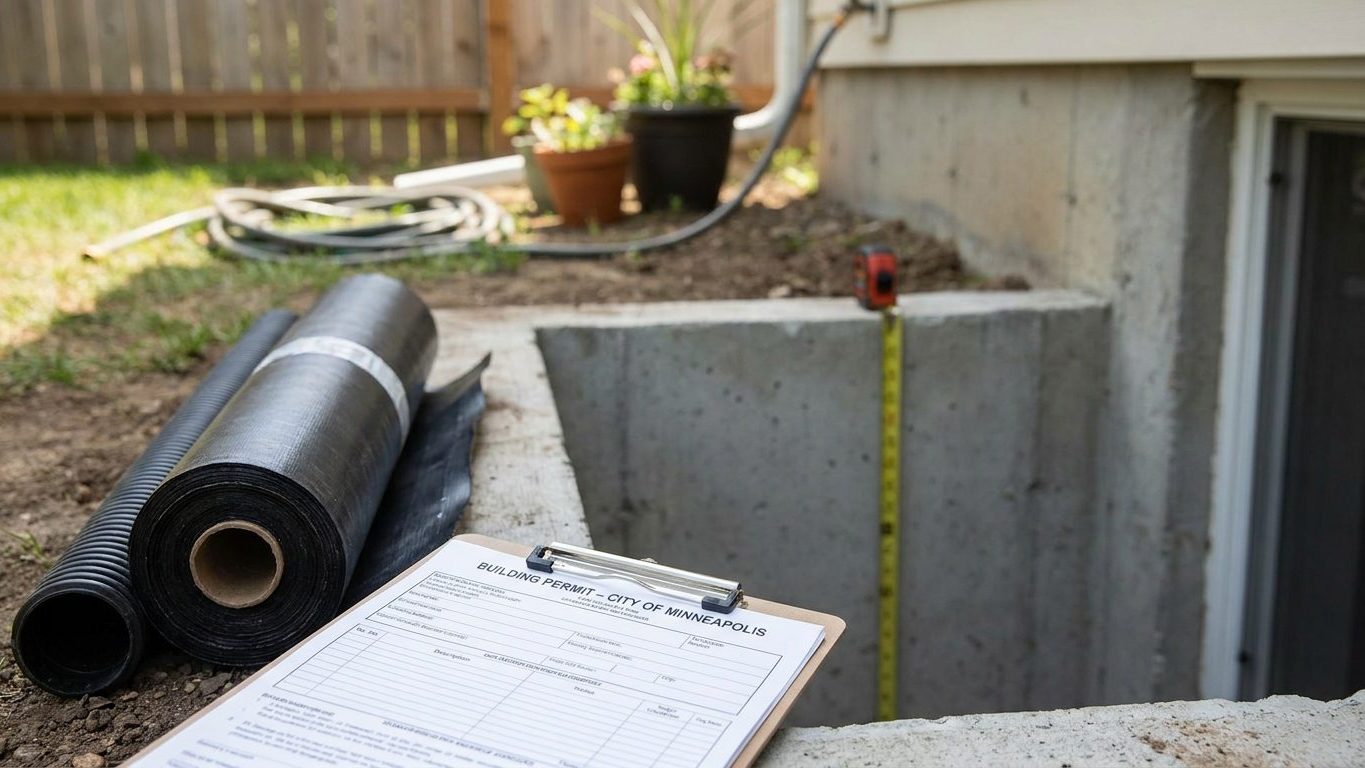
Delaware has no statewide residential code, so basement permits, ceiling height minimums and egress window rules are set county by county, not by the state.
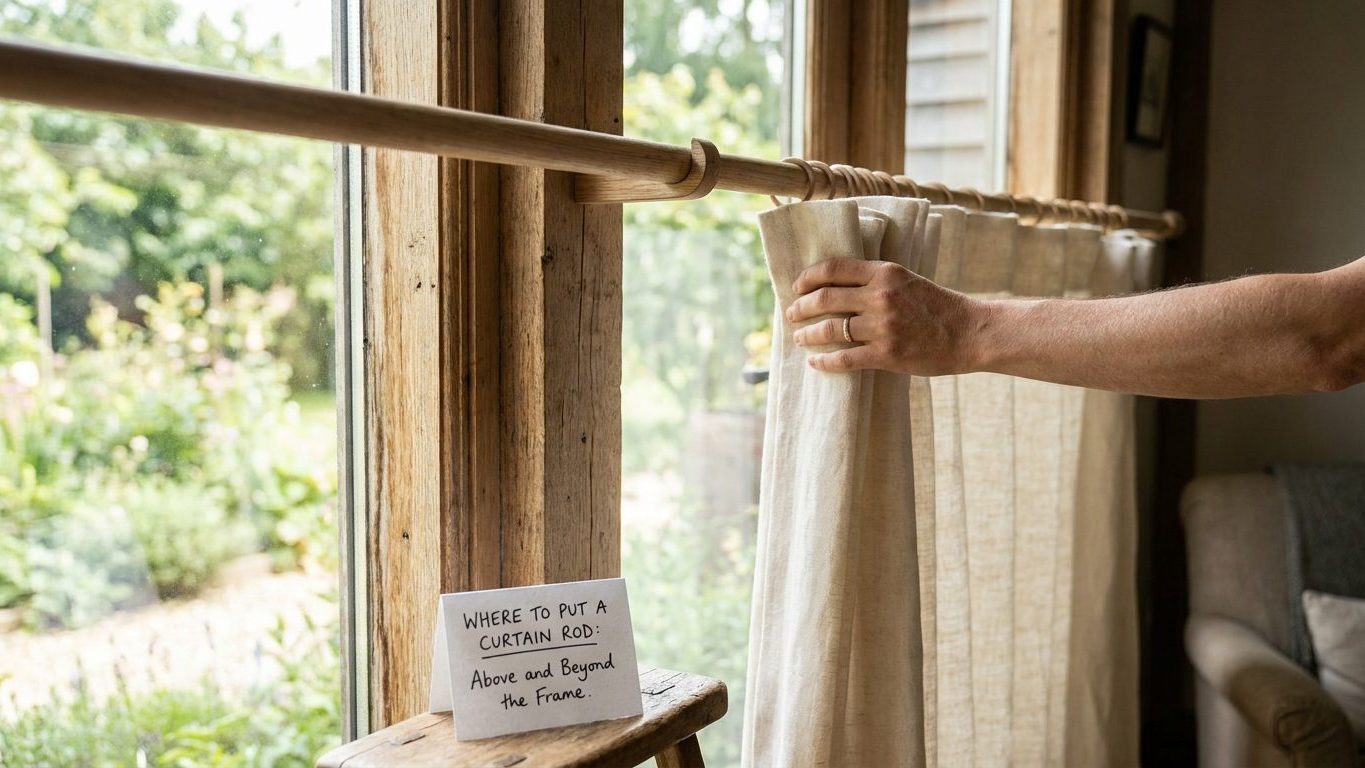
Curtain rods hang 4 to 6 inches above the frame and 8 to 12 inches past each side, with length breaking at the sill, apron or floor.
Vancouver’s design snow and wind figures come from the National Building Code, and they set what a permit or truss package must meet, not what your roof proves safe.