Skip to content

The Homestead Post

Home & garden, state by state

  • Home
  • Garden
    • Flowers
    • Lawn
    • Soil & Compost
    • Trees & Shrubs
    • Vegetables
  • Home Care
    • Electrical
    • Foundations
    • HVAC
    • Plumbing
    • Roofing
  • Energy
    • Heating & Cooling
    • Insulation
    • Rebates & Credits
    • Solar
  • Pests
    • Ants
    • Mosquitoes
    • Rodents
    • Termites
    • Ticks
  • Decor
    • Bedrooms
    • Kitchens
    • Living Rooms
    • Outdoor Spaces
  • DIY
    • Repairs
    • Tools
    • Weekend Projects
  • State Guides
    • Northeast
      • Connecticut
      • Maine
      • Massachusetts
      • New Hampshire
      • New Jersey
      • New York
      • Pennsylvania
      • Rhode Island
      • Vermont
    • Southeast
      • Alabama
      • Arkansas
      • Delaware
      • Florida
      • Georgia
      • Kentucky
      • Louisiana
      • Maryland
      • Mississippi
      • North Carolina
      • South Carolina
      • Tennessee
      • Virginia
      • West Virginia
    • Midwest
      • Illinois
      • Indiana
      • Iowa
      • Kansas
      • Michigan
      • Minnesota
      • Missouri
      • Nebraska
      • North Dakota
      • Ohio
      • South Dakota
      • Wisconsin
    • Southwest
      • Arizona
      • New Mexico
      • Oklahoma
      • Texas
    • West
      • Alaska
      • California
      • Colorado
      • Hawaii
      • Idaho
      • Montana
      • Nevada
      • Utah
      • Wyoming
    • Pacific Northwest
      • Oregon
      • Washington
    • Canada
      • Alberta
      • British Columbia
      • Manitoba
      • New Brunswick
      • Newfoundland and Labrador
      • Northwest Territories
      • Nova Scotia
      • Nunavut
      • Ontario
      • Prince Edward Island
      • Quebec
      • Saskatchewan
      • Yukon

When to Prune American hornbeam, and How Far Back You Can Cut
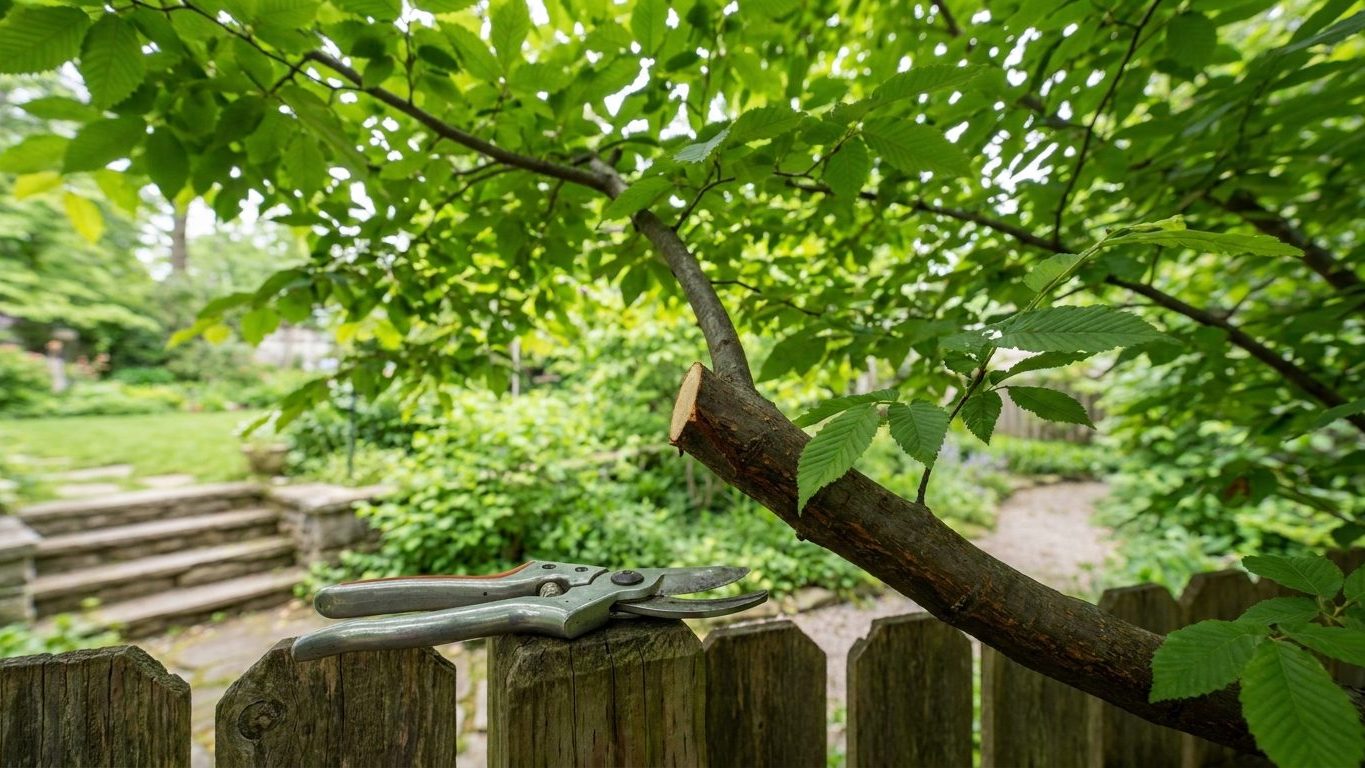
When to Prune American hornbeam, and How Far Back You Can Cut

Prune American hornbeam in early summer, once the first flush of spring growth has hardened off and stopped stretching.
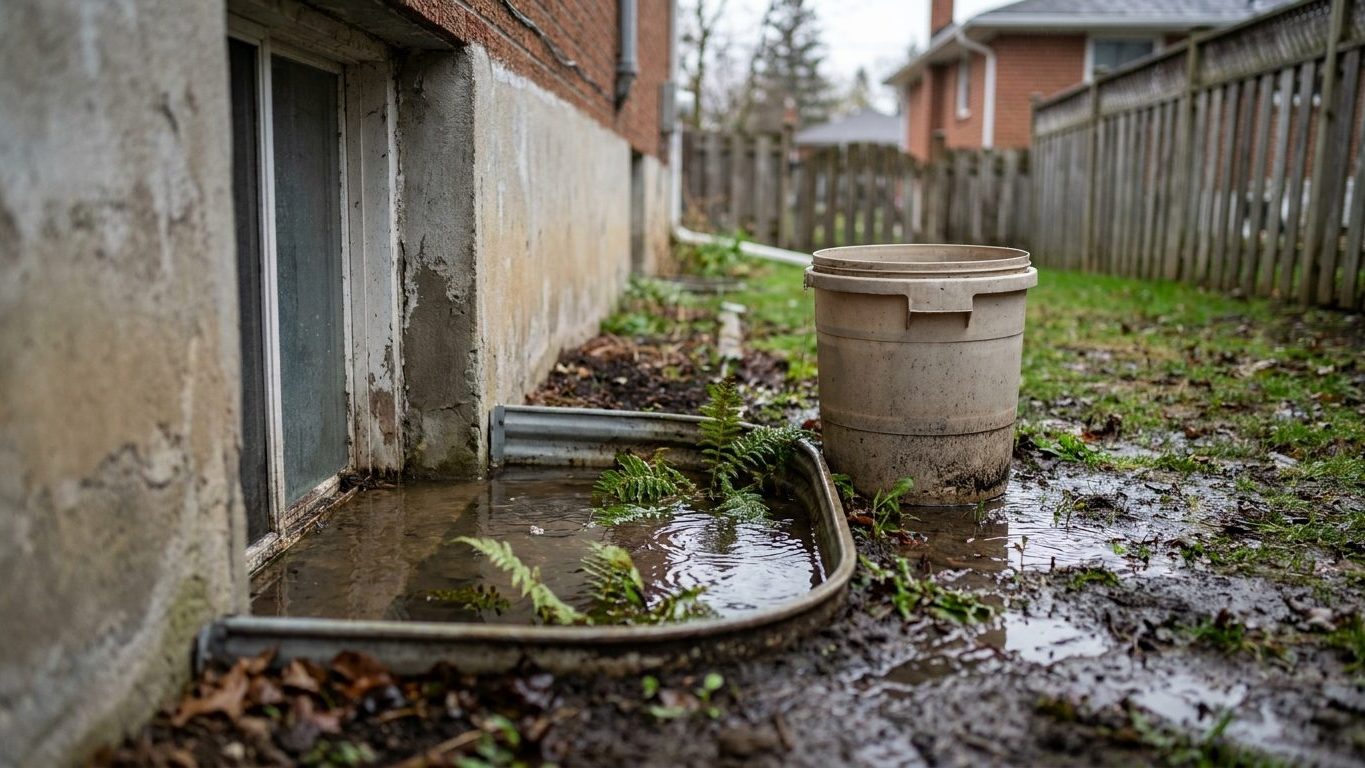
Foundations and Basements: Almost Everything Here Is Water

Foundations and Basements: Almost Everything Here Is Water

Foundation and basement problems, from cracks to musty smells, are almost always caused by water, and every fix starts with checking drainage outside before anything indoors, plus a radon test.

The Kitchen Work Triangle: 4 to 9 Feet Per Leg

The Kitchen Work Triangle: 4 to 9 Feet Per Leg

NKBA guidelines set each work triangle leg at 4 to 9 feet and the total at 13 to 26 feet, a design recommendation rather than a code requirement.

Orange Jelly on Your Red Cedar: Cedar-Apple Rust

Orange Jelly on Your Red Cedar: Cedar-Apple Rust

Those lumpy brown growths on eastern red cedar that swell into slimy orange tentacles after a spring rain are cedar-apple rust galls, caused by a fungus…
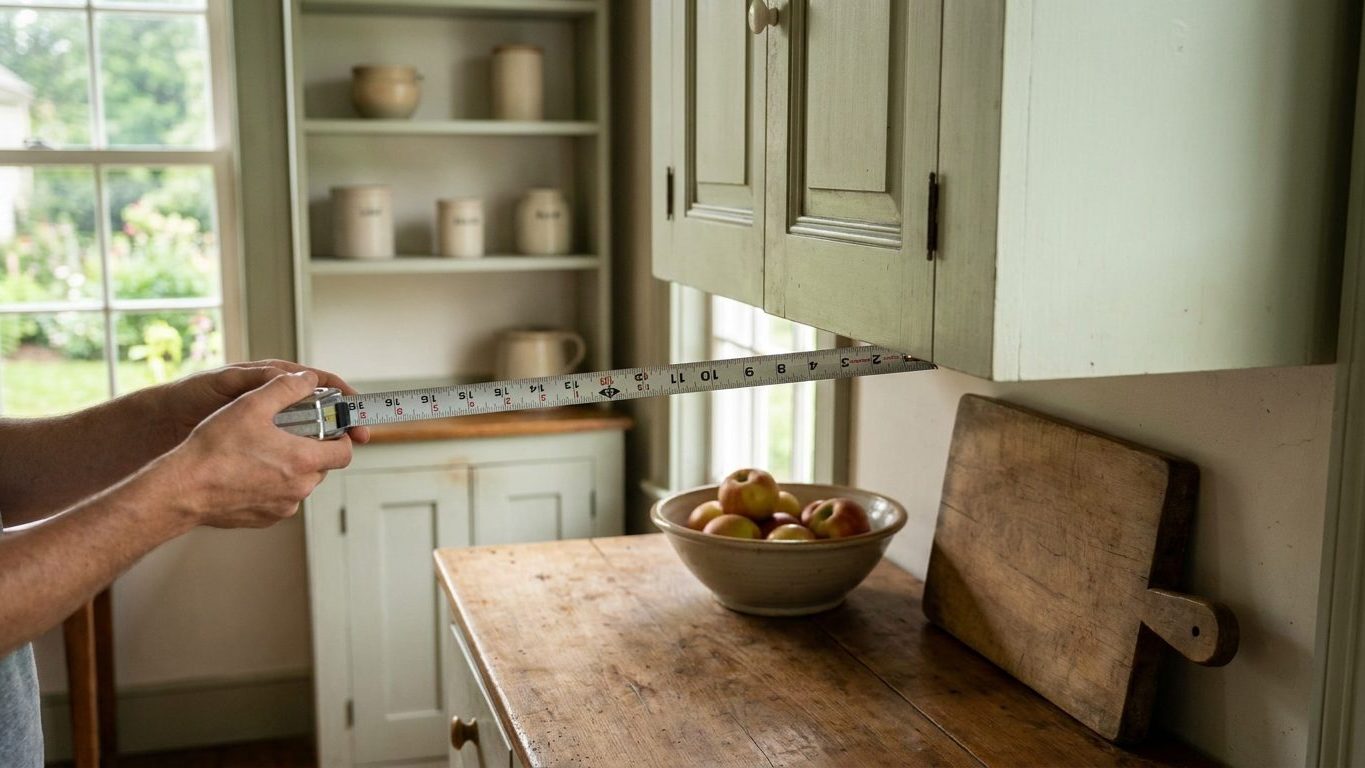
How High to Hang Upper Cabinets Above the Counter

How High to Hang Upper Cabinets Above the Counter

NKBA sets the standard 18-inch cabinet gap, but a cooktop below changes the rule entirely under building code clearance requirements.
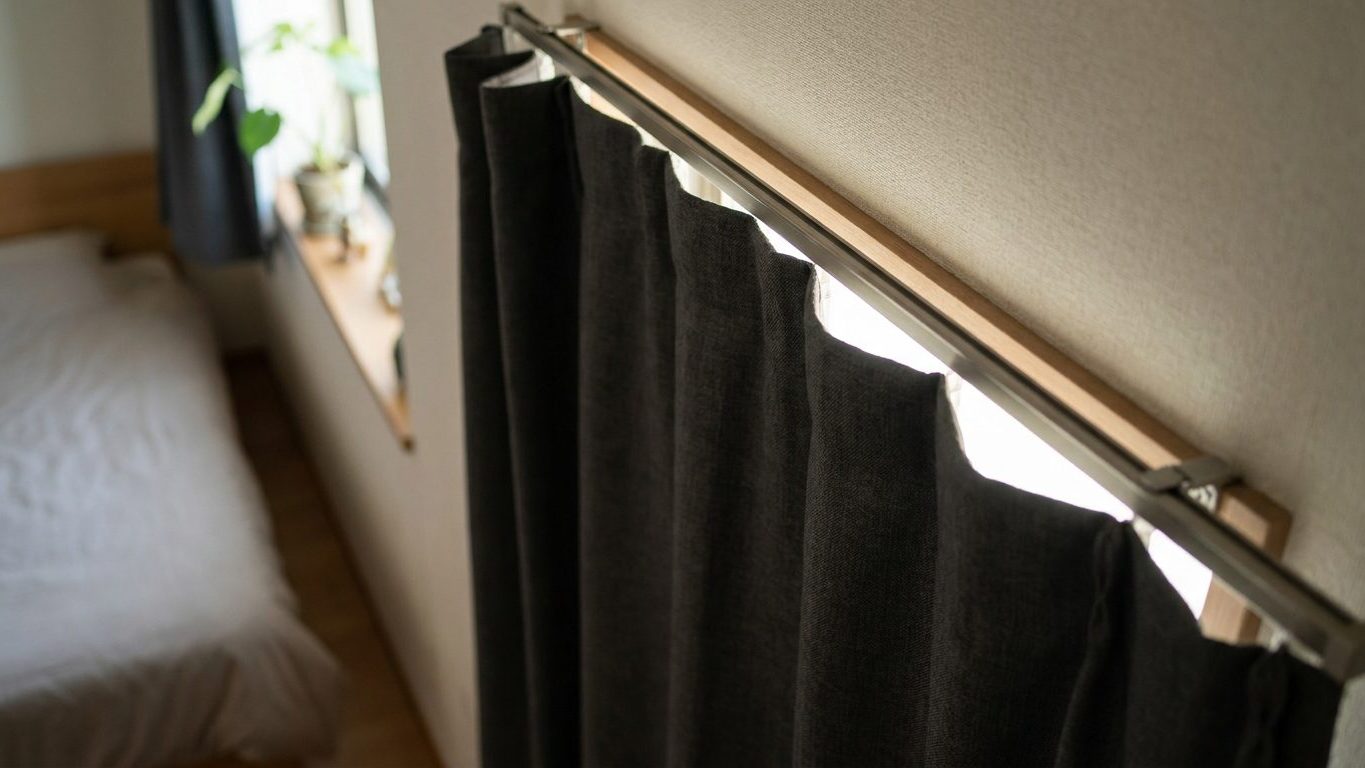
Why Blackout Curtains Still Leak Light

Why Blackout Curtains Still Leak Light

Blackout curtains fail at the perimeter, not the fabric, so panel overlap, rod height and return sides matter more than fabric weight.
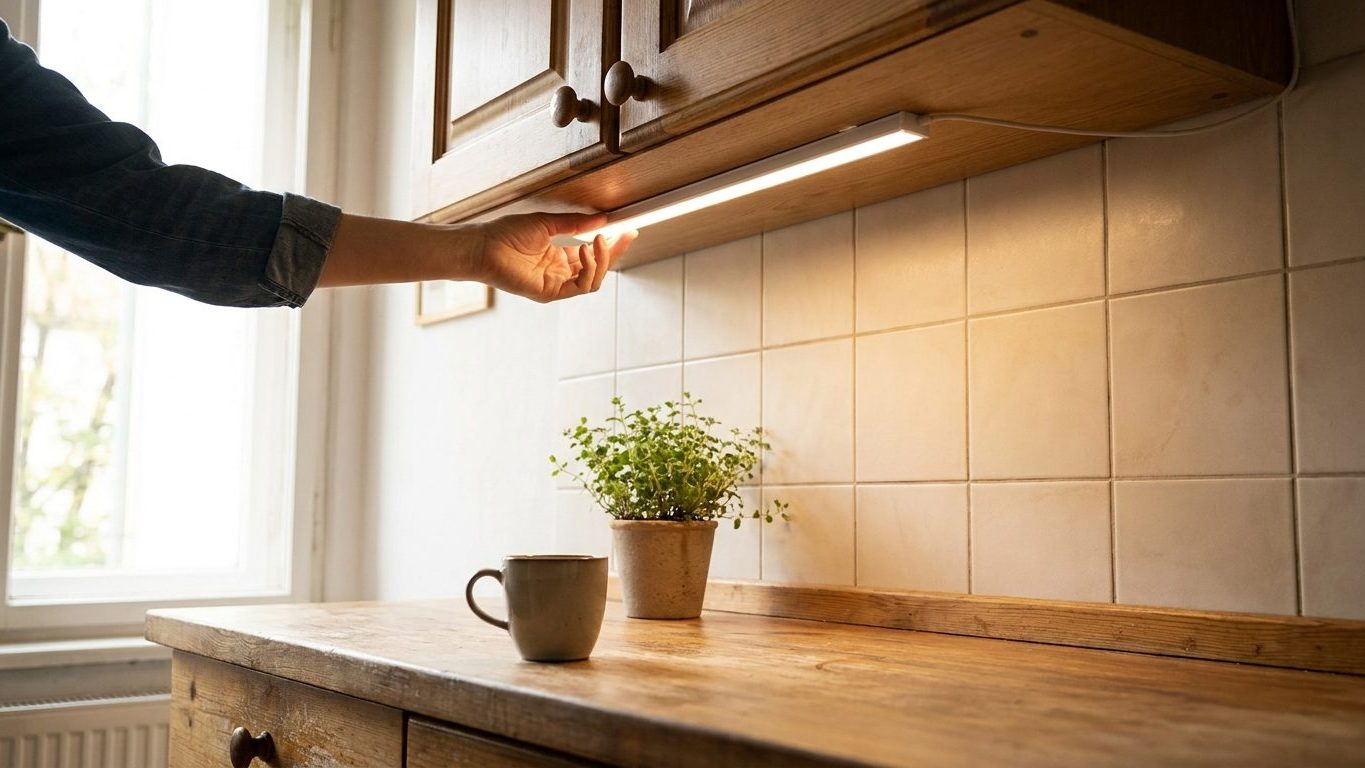
Where to Put Under-Cabinet Lights So They Don’t Glare

Where to Put Under-Cabinet Lights So They Don't Glare

IES RP-1 recommends placing under-cabinet lighting at the front edge of the cabinet so it lights the counter instead of glaring off a glossy backsplash.

When to Prune Holly, and How Far Back You Can Cut

When to Prune Holly, and How Far Back You Can Cut

Prune holly in late winter, while the plant is still dormant and before new growth starts.

What Size Bed Actually Fits Your Room?

What Size Bed Actually Fits Your Room?

Bed sizes only fit a room once you add mattress dimensions, walking clearance and the room’s minimum floor area together, not just floor space.

How Tall Should a Bedside Lamp Be?

How Tall Should a Bedside Lamp Be?

The right bedside lamp height puts the shade at sitting eye level, not standing eye level, and the nightstand decides where that lands.

Older posts
Newer posts
← Previous Page1 … Page18 Page19 Page20 … Page42 Next →

The Homestead Post

Home and garden advice with the numbers attached — written for your climate, your season and your local rules.

Sections

  • Garden
  • Home Care
  • Energy
  • Pests
  • Decor
  • DIY

Popular states

  • California
  • Texas
  • Florida
  • New York
  • Pennsylvania
  • Ohio
  • Georgia
  • North Carolina
  • All states →

The Post

  • About us
  • Contact
  • Editorial guidelines
  • Affiliate disclosure
  • Privacy policy
  • Terms of use
© 2026 The Homestead Post·Home & garden, state by state