Skip to content

The Homestead Post

Home & garden, state by state

  • Home
  • Garden
    • Flowers
    • Lawn
    • Soil & Compost
    • Trees & Shrubs
    • Vegetables
  • Home Care
    • Electrical
    • Foundations
    • HVAC
    • Plumbing
    • Roofing
  • Energy
    • Heating & Cooling
    • Insulation
    • Rebates & Credits
    • Solar
  • Pests
    • Ants
    • Mosquitoes
    • Rodents
    • Termites
    • Ticks
  • Decor
    • Bedrooms
    • Kitchens
    • Living Rooms
    • Outdoor Spaces
  • DIY
    • Repairs
    • Tools
    • Weekend Projects
  • State Guides
    • Northeast
      • Connecticut
      • Maine
      • Massachusetts
      • New Hampshire
      • New Jersey
      • New York
      • Pennsylvania
      • Rhode Island
      • Vermont
    • Southeast
      • Alabama
      • Arkansas
      • Delaware
      • Florida
      • Georgia
      • Kentucky
      • Louisiana
      • Maryland
      • Mississippi
      • North Carolina
      • South Carolina
      • Tennessee
      • Virginia
      • West Virginia
    • Midwest
      • Illinois
      • Indiana
      • Iowa
      • Kansas
      • Michigan
      • Minnesota
      • Missouri
      • Nebraska
      • North Dakota
      • Ohio
      • South Dakota
      • Wisconsin
    • Southwest
      • Arizona
      • New Mexico
      • Oklahoma
      • Texas
    • West
      • Alaska
      • California
      • Colorado
      • Hawaii
      • Idaho
      • Montana
      • Nevada
      • Utah
      • Wyoming
    • Pacific Northwest
      • Oregon
      • Washington
    • Canada
      • Alberta
      • British Columbia
      • Manitoba
      • New Brunswick
      • Newfoundland and Labrador
      • Northwest Territories
      • Nova Scotia
      • Nunavut
      • Ontario
      • Prince Edward Island
      • Quebec
      • Saskatchewan
      • Yukon

When to Prune Eastern hemlock, and How Far Back You Can Cut
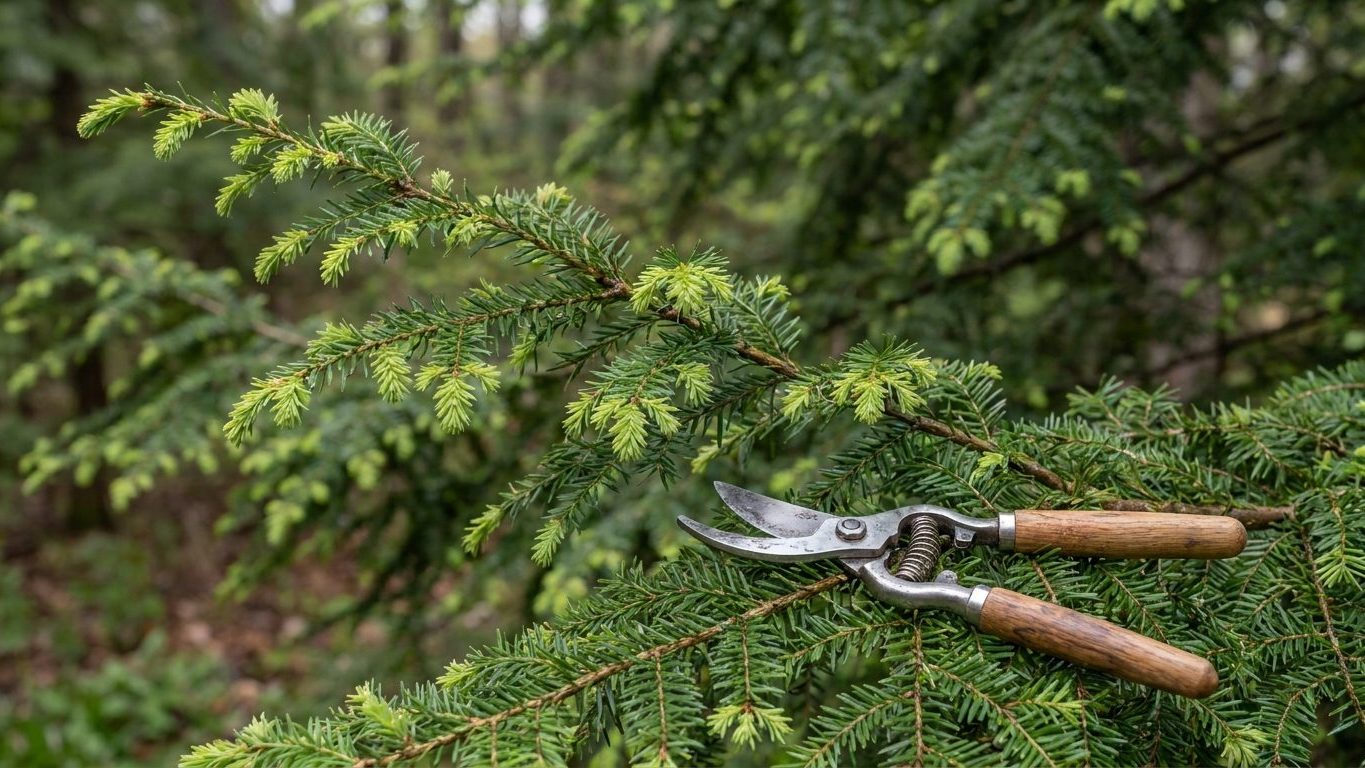
When to Prune Eastern hemlock, and How Far Back You Can Cut

Prune eastern hemlock in late spring, right as new growth starts pushing from the branch tips.

How Deep Should Pantry Shelves Be? Deeper Is Worse

How Deep Should Pantry Shelves Be? Deeper Is Worse

NKBA planning guidelines set pantry shelf depth at 12 to 16 inches, deep enough for packaging but shallow enough nothing gets lost.
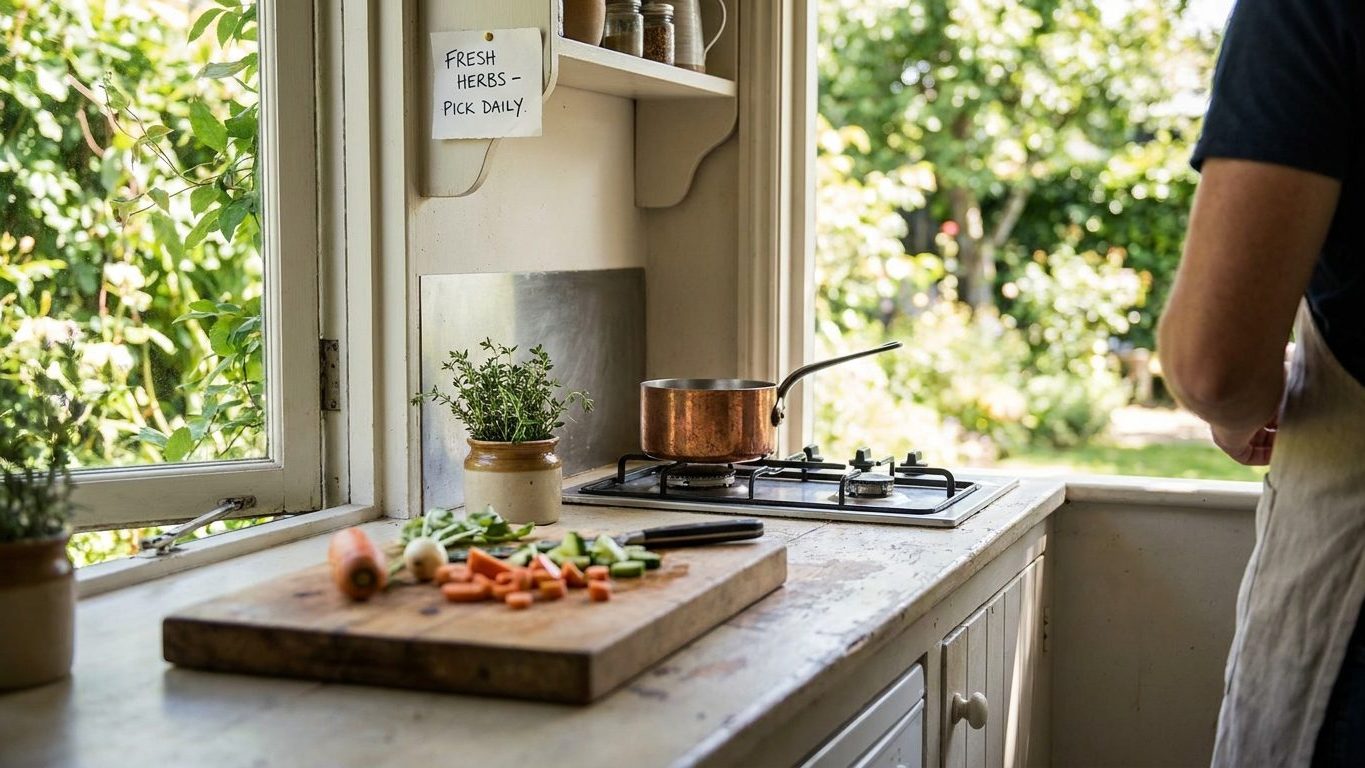
How Small Can a Kitchen Be and Still Work?

How Small Can a Kitchen Be and Still Work?

No code sets a minimum kitchen size. The number that actually matters is 13 linear feet of usable counter, per NKBA planning guidelines.

How Big Does a Kitchen Island Have to Be to Be Worth It?

How Big Does a Kitchen Island Have to Be to Be Worth It?

The NKBA’s minimum functional kitchen island is 24 by 48 inches, and adding seating, a sink, or a cooktop pushes that footprint considerably larger.
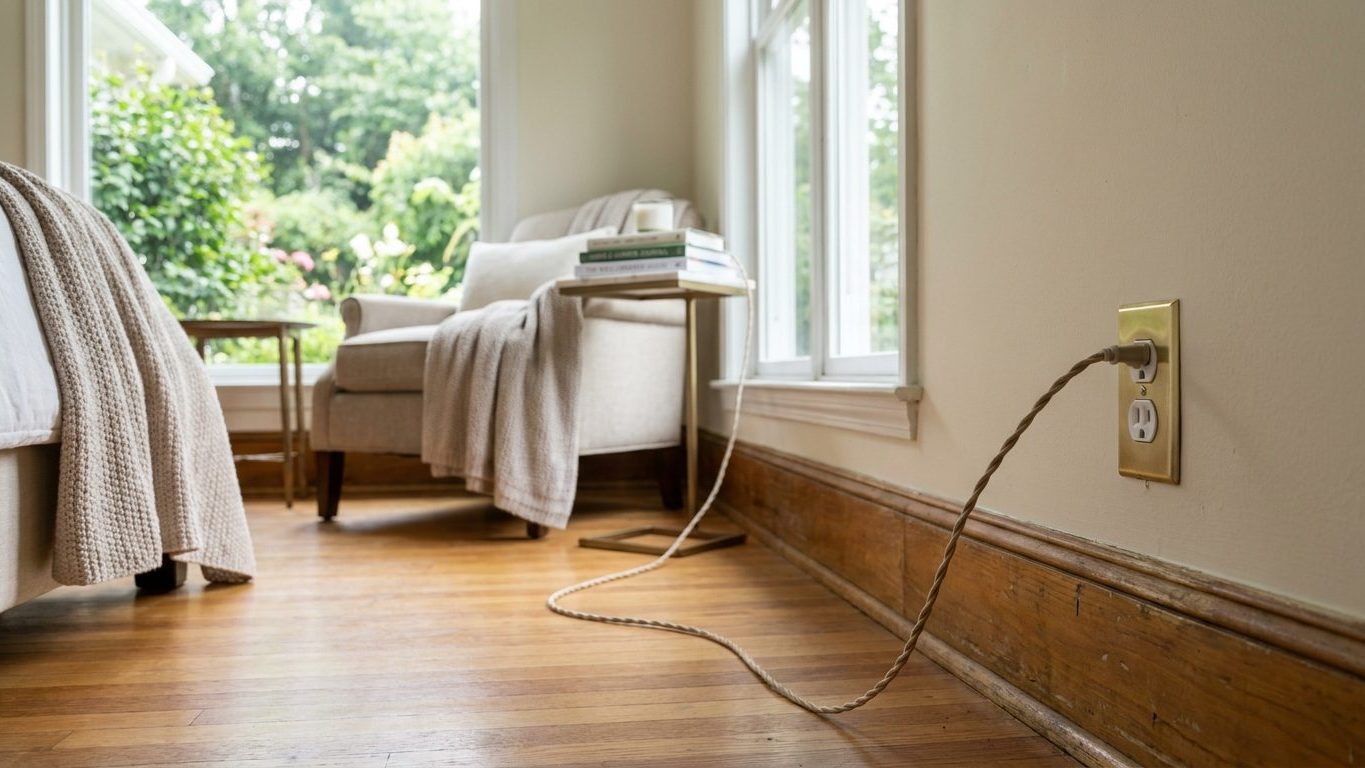
Bedroom Outlets: No Wall Point More Than 6 Feet From One

Bedroom Outlets: No Wall Point More Than 6 Feet From One

The National Electrical Code limits every bedroom wall to a 6-foot reach from the nearest outlet, measured along the floor line, not across the room.
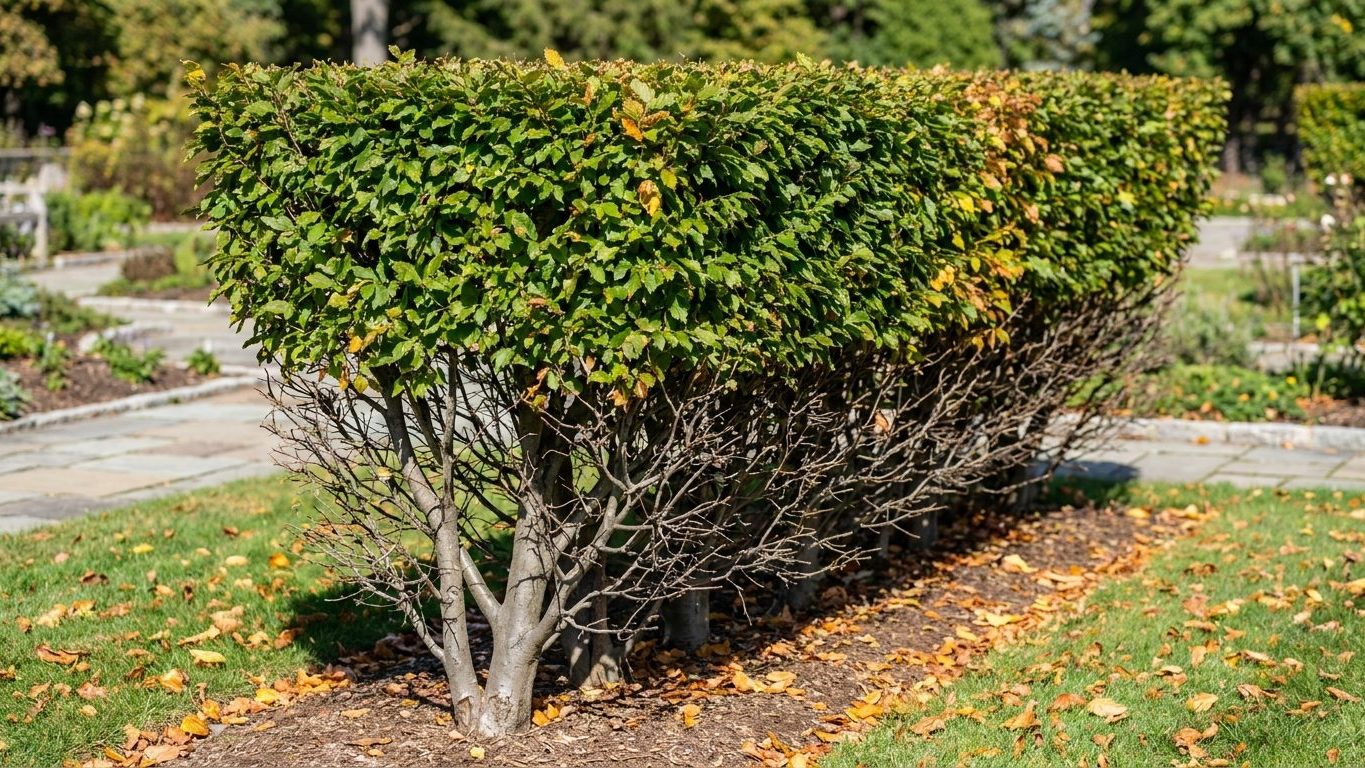
Why Hedges Go Bare at the Bottom, Whatever the Species

Why Hedges Go Bare at the Bottom, Whatever the Species

American hornbeam hedges bare out at the base almost always because of how they’re cut, not because the plant is dying.
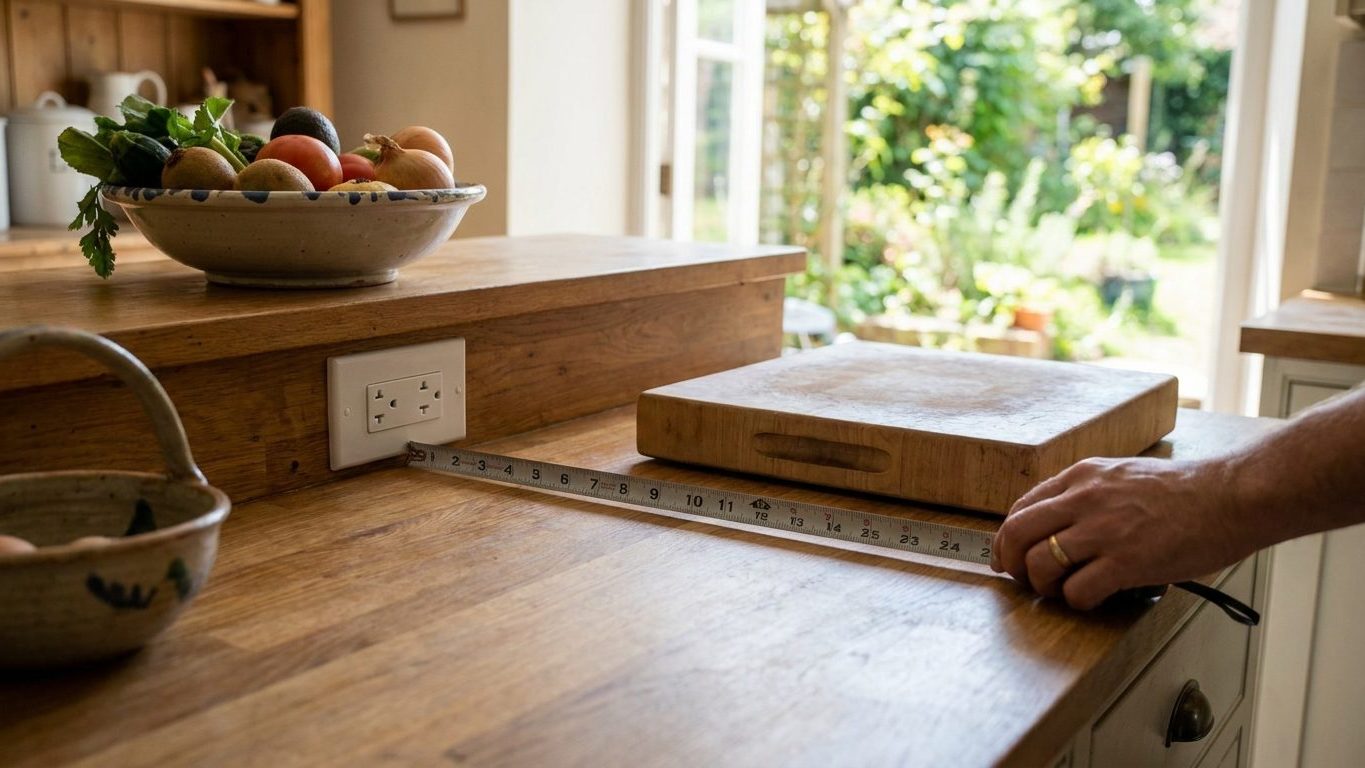
Kitchen Outlet Spacing: No Point of Counter More Than 24 Inches Away

Kitchen Outlet Spacing: No Point of Counter More Than 24 Inches Away

Explains the NEC’s 24-inch countertop receptacle rule, what it measures, when a shorter counter still needs an outlet, and how to check a kitchen plan.

How Many Lumens for a Bedroom, and Why Less Is Right

How Many Lumens for a Bedroom, and Why Less Is Right

IES RP-1 sets bedroom ambient lighting at 10 to 20 lumens per square foot, with reading treated as its own separate task layer.
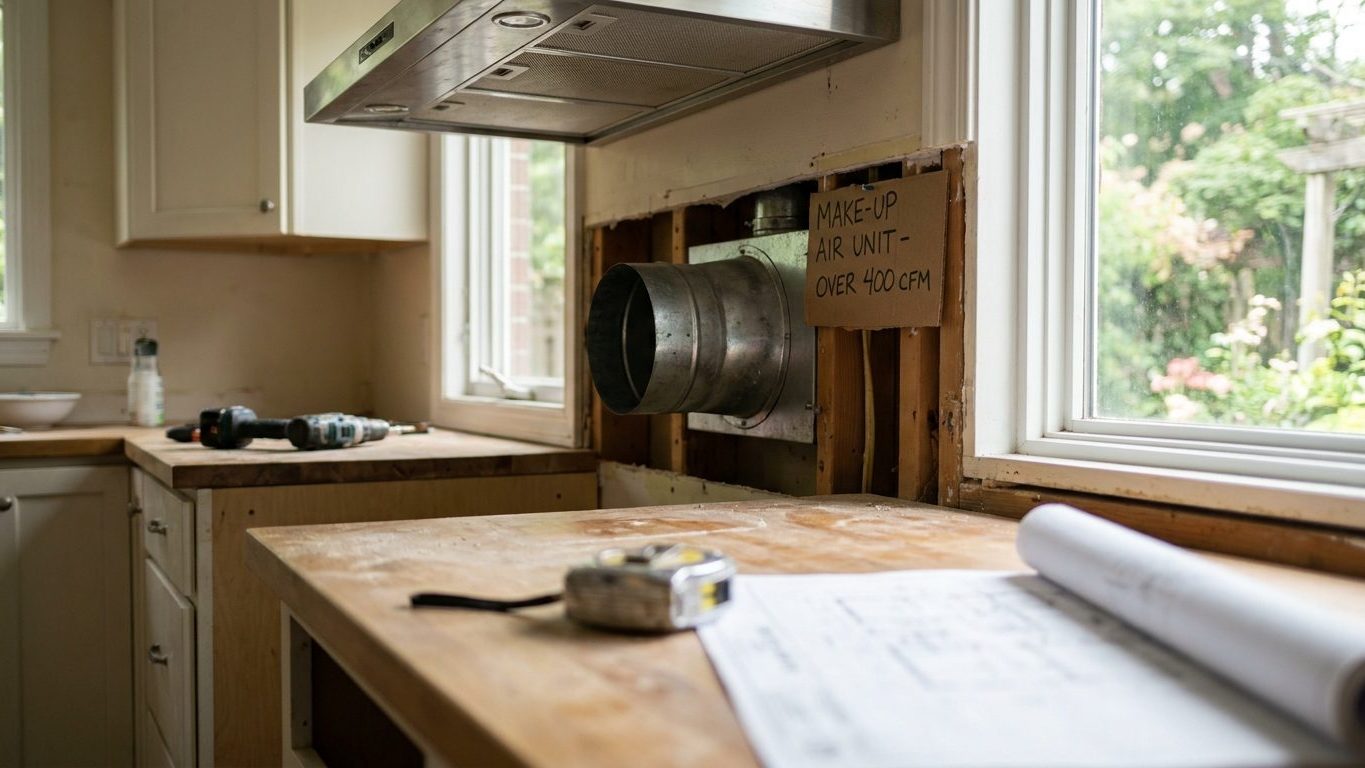
Over 400 CFM, a Range Hood Needs Make-Up Air

Over 400 CFM, a Range Hood Needs Make-Up Air

Explains the 400 CFM threshold in the IRC that requires make-up air for powerful range hoods, why it exists, and how to check an existing installation.
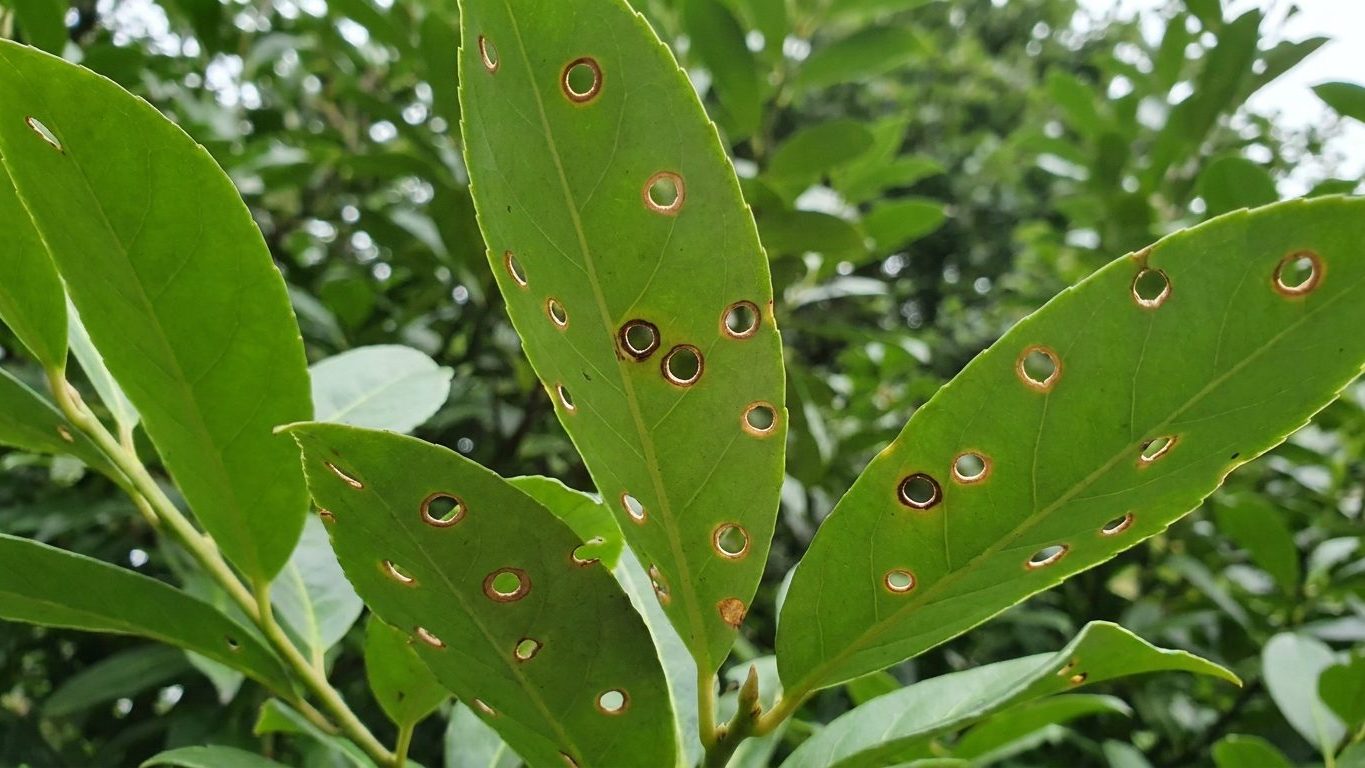
Cherry Laurel With Holes in the Leaves: Shot Hole, Not Insects

Cherry Laurel With Holes in the Leaves: Shot Hole, Not Insects

Round holes with tan or brown rims scattered over cherry laurel leaves point to a fungal or bacterial leaf spot, not chewing insects.

Older posts
Newer posts
← Previous Page1 … Page20 Page21 Page22 … Page42 Next →

The Homestead Post

Home and garden advice with the numbers attached — written for your climate, your season and your local rules.

Sections

  • Garden
  • Home Care
  • Energy
  • Pests
  • Decor
  • DIY

Popular states

  • California
  • Texas
  • Florida
  • New York
  • Pennsylvania
  • Ohio
  • Georgia
  • North Carolina
  • All states →

The Post

  • About us
  • Contact
  • Editorial guidelines
  • Affiliate disclosure
  • Privacy policy
  • Terms of use
© 2026 The Homestead Post·Home & garden, state by state