Imported cabbageworm in Idaho: When It Shows Up and What Stops It
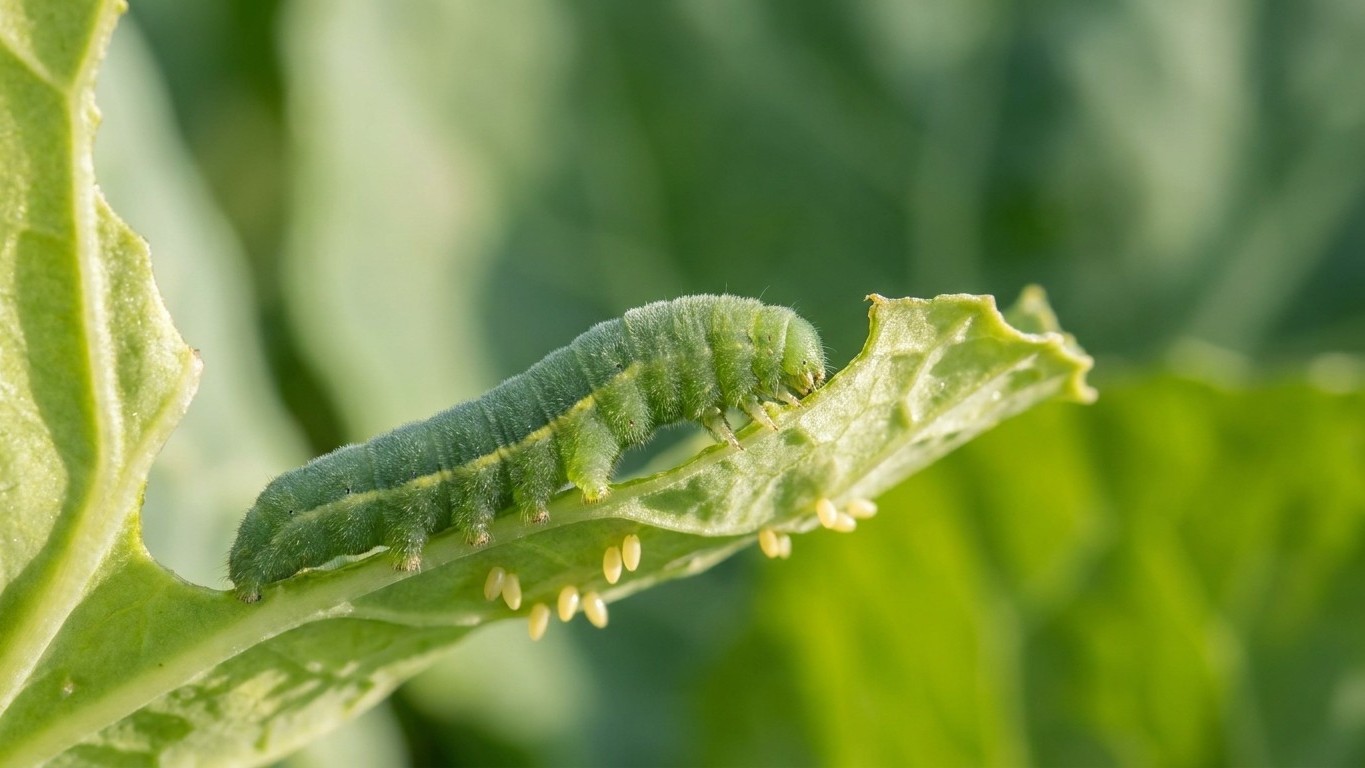
Imported cabbageworm larvae start feeding on Idaho cole crops as soon as spring temperatures hold steady above 50°F, which means the Treasure Valley sees…
Home & garden, state by state
Everything we have worked out for Idaho: what to plant and when, which varieties finish in time, the pests that actually turn up here, and the jobs that pay off month by month. We also cover the rest of the property, from lawns and soil to home care and energy, because a garden rarely stops at the vegetable bed.
The numbers first, because everything else follows from them. Measured at the weather station in Boise, the last spring freeze runs April 23 to May 7 and the first fall freeze runs October 7 to October 21, USDA zones 3b-7b, 3,309 growing degree days in the year.
Garlic does well: 26.1 weeks below 40 °F, comfortably past the six it needs to form a proper head.
Elsewhere on the property in Idaho: the pests that turn up here.
Figures from NOAA's 1991-2020 climate normals. A state is not one climate: elevation, a large lake or the coast can move these dates by two weeks either way, so check your own county with the extension service before you spend money.
Imported cabbageworm larvae start feeding on Idaho cole crops as soon as spring temperatures hold steady above 50°F, which means the Treasure Valley sees…
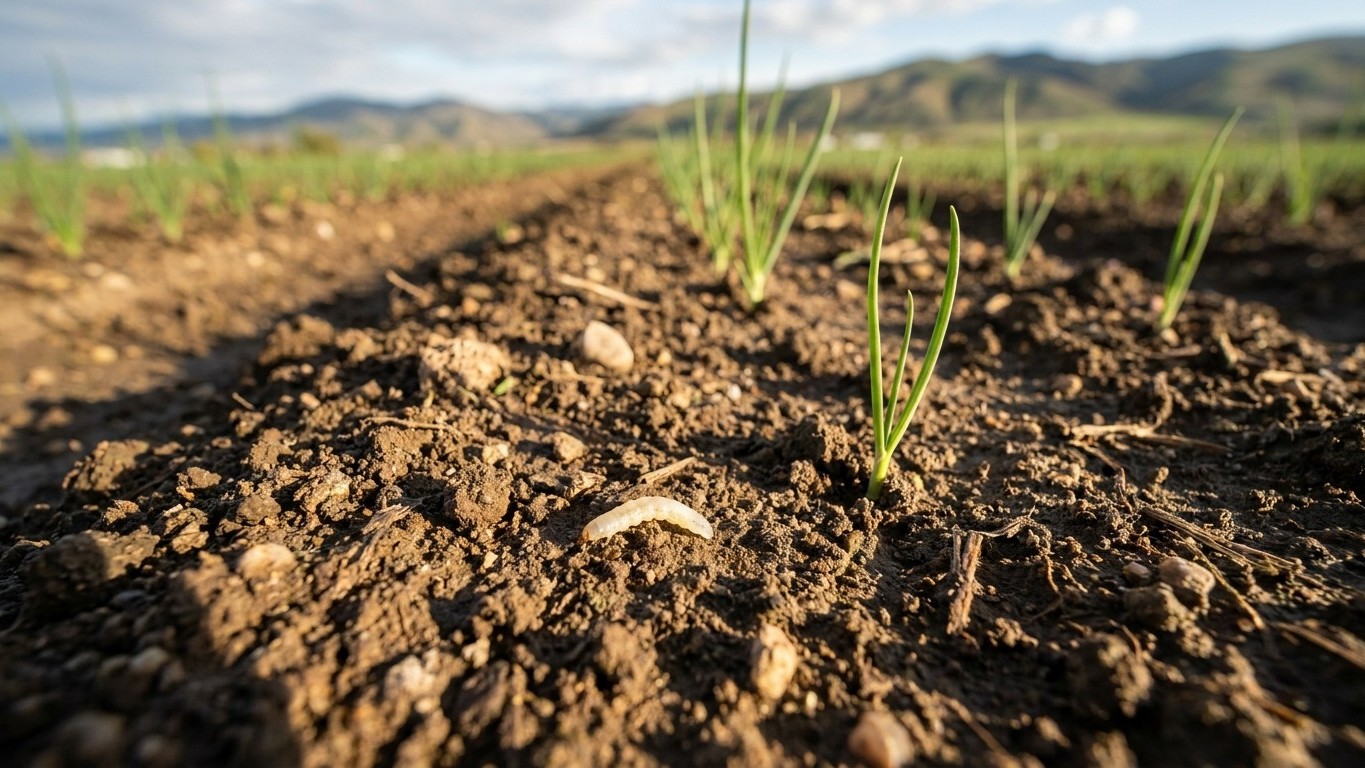
Onion maggot activity in Idaho typically begins in mid to late April, once soil temperatures climb into the 50s Fahrenheit, and the pest can produce two…
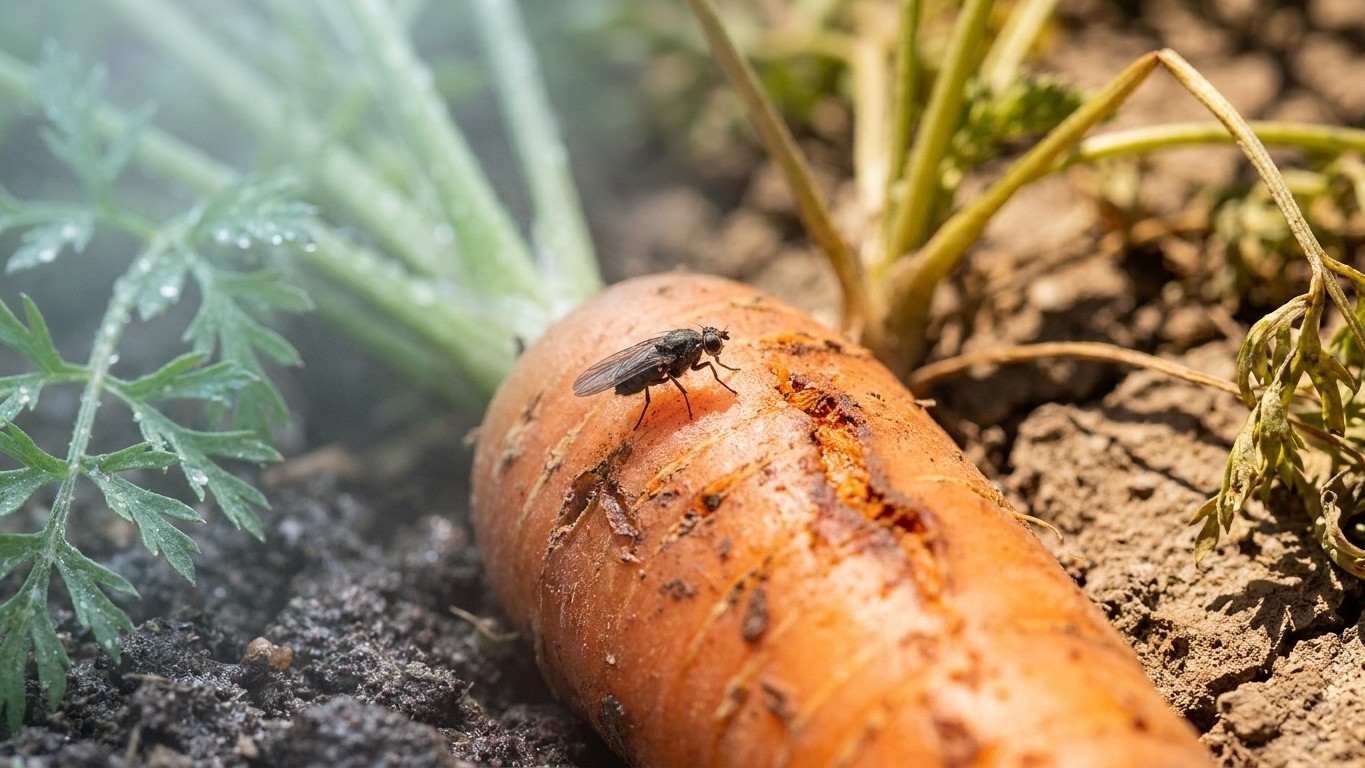
Carrot rust fly (Psila rosae) is a cool-climate pest, and that single fact explains almost everything about where it shows up in Idaho and when growers…
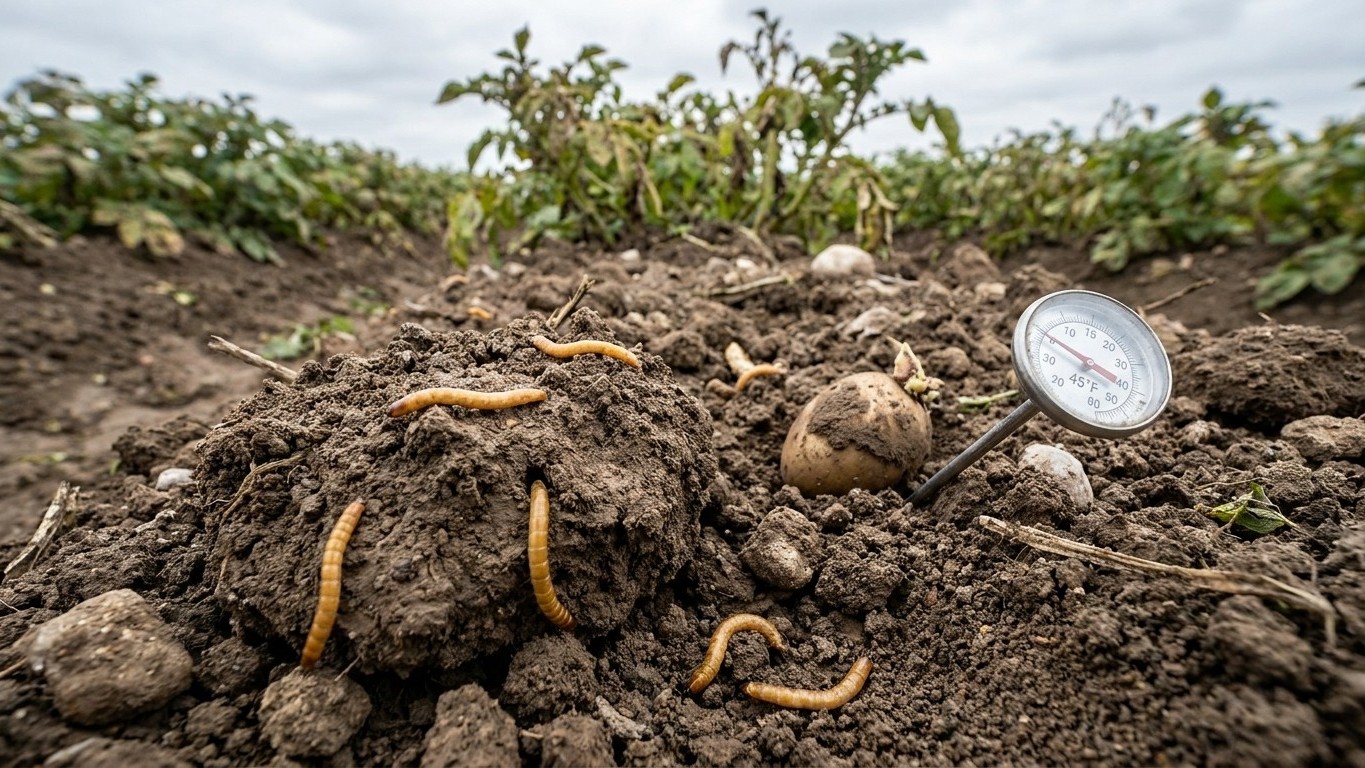
Wireworms turn up in Idaho soil every spring as soon as ground temperatures climb past the mid-40s, but the infestation itself started years earlier.
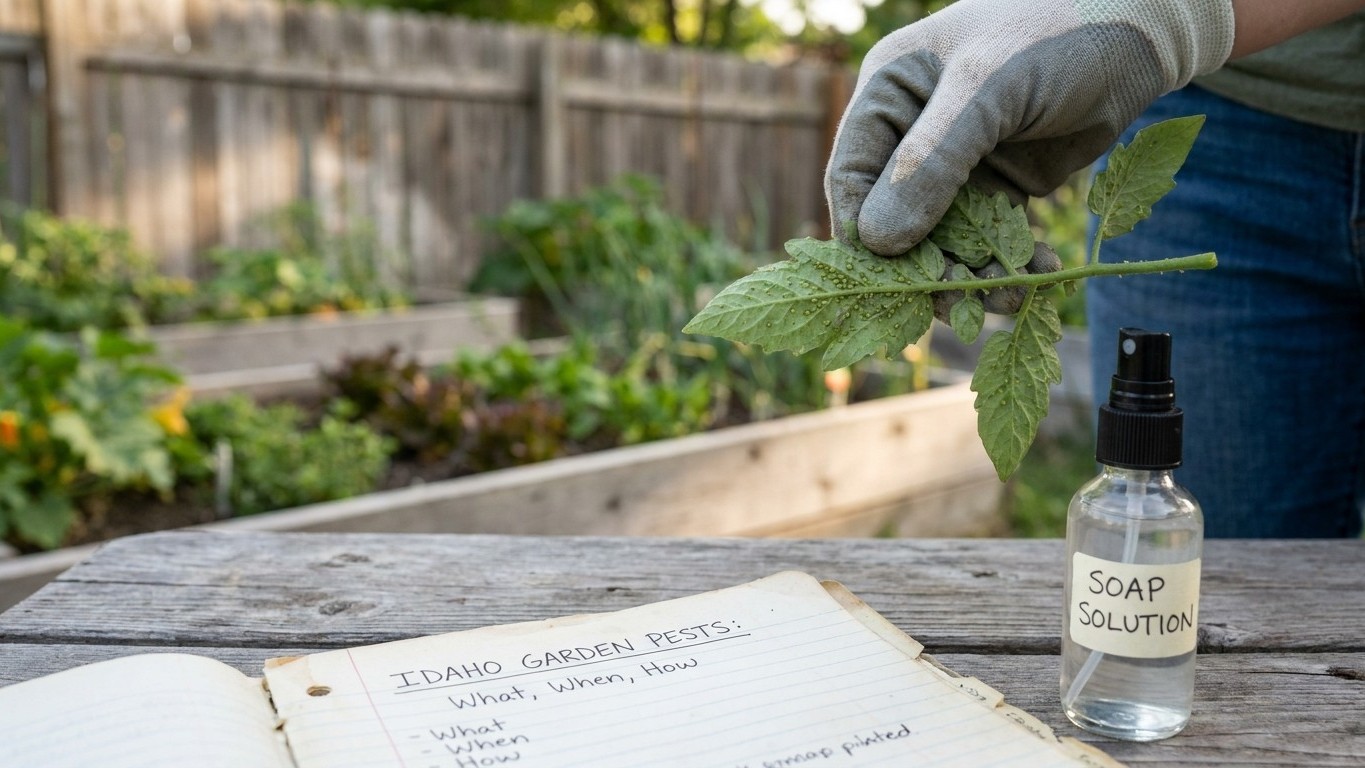
University of Idaho Extension lists the eleven pests most likely to hit Idaho vegetable gardens, and when each one typically appears near Boise.
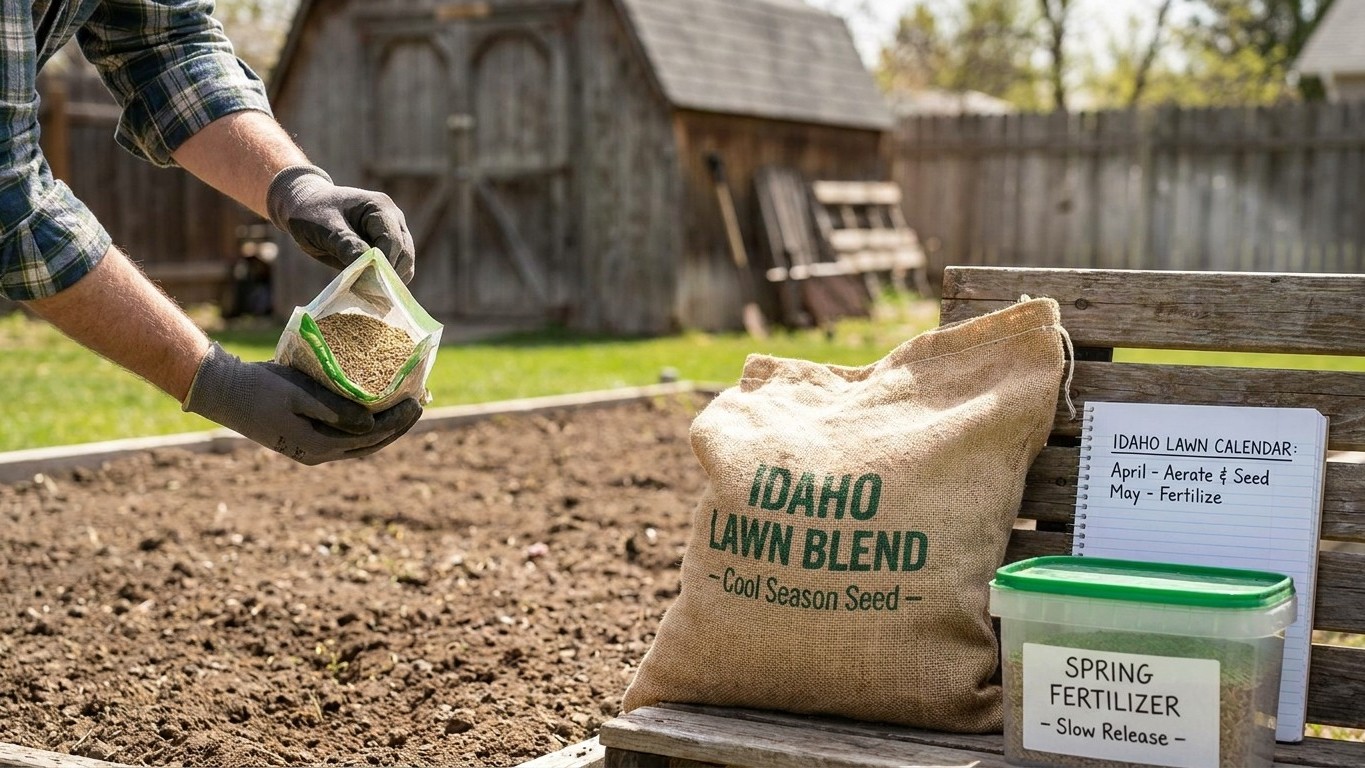
Idaho’s climate splits the difference between cool-season and warm-season turf, so this guide lays out the trade-offs, seeding windows, and feeding calendar for each choice.
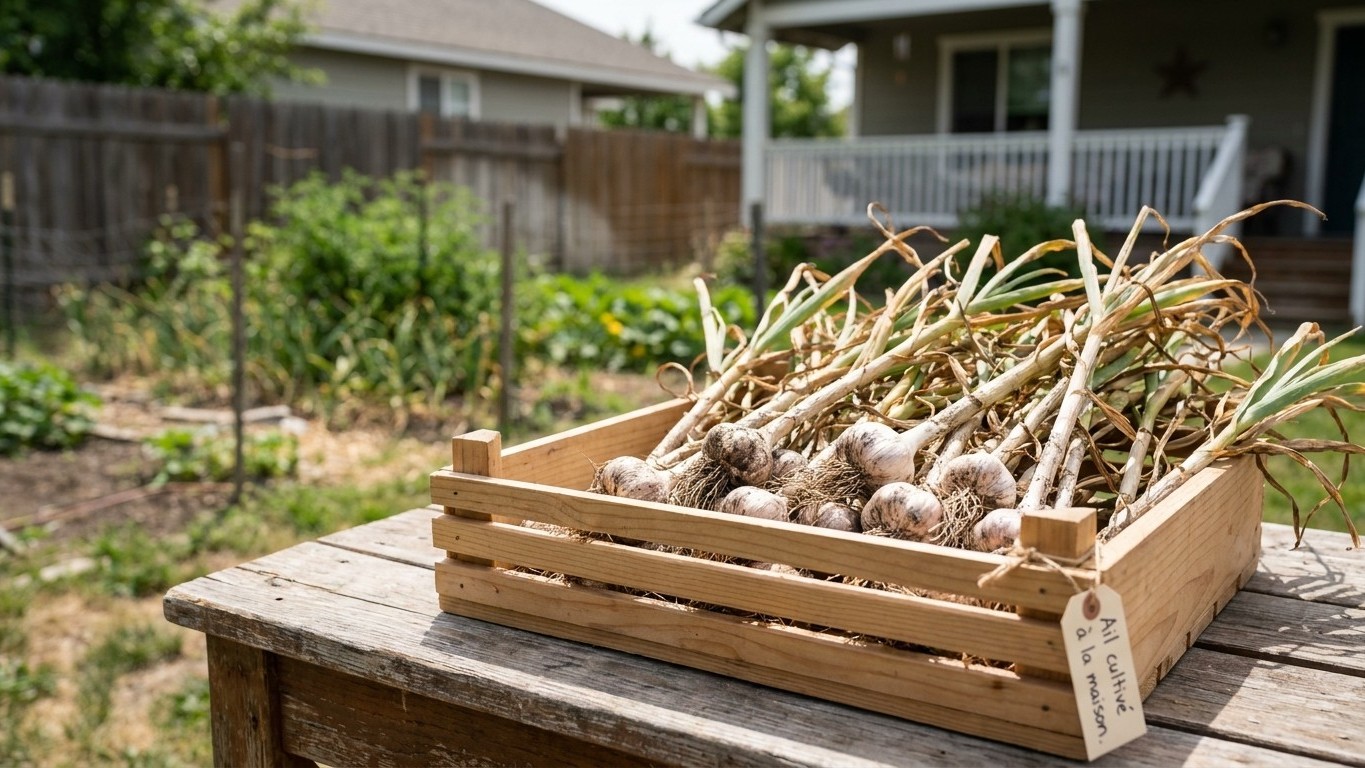
Idaho’s cold winters exceed garlic’s chilling requirement with room to spare, so getting the September planting depth and mulch right is what decides the harvest.
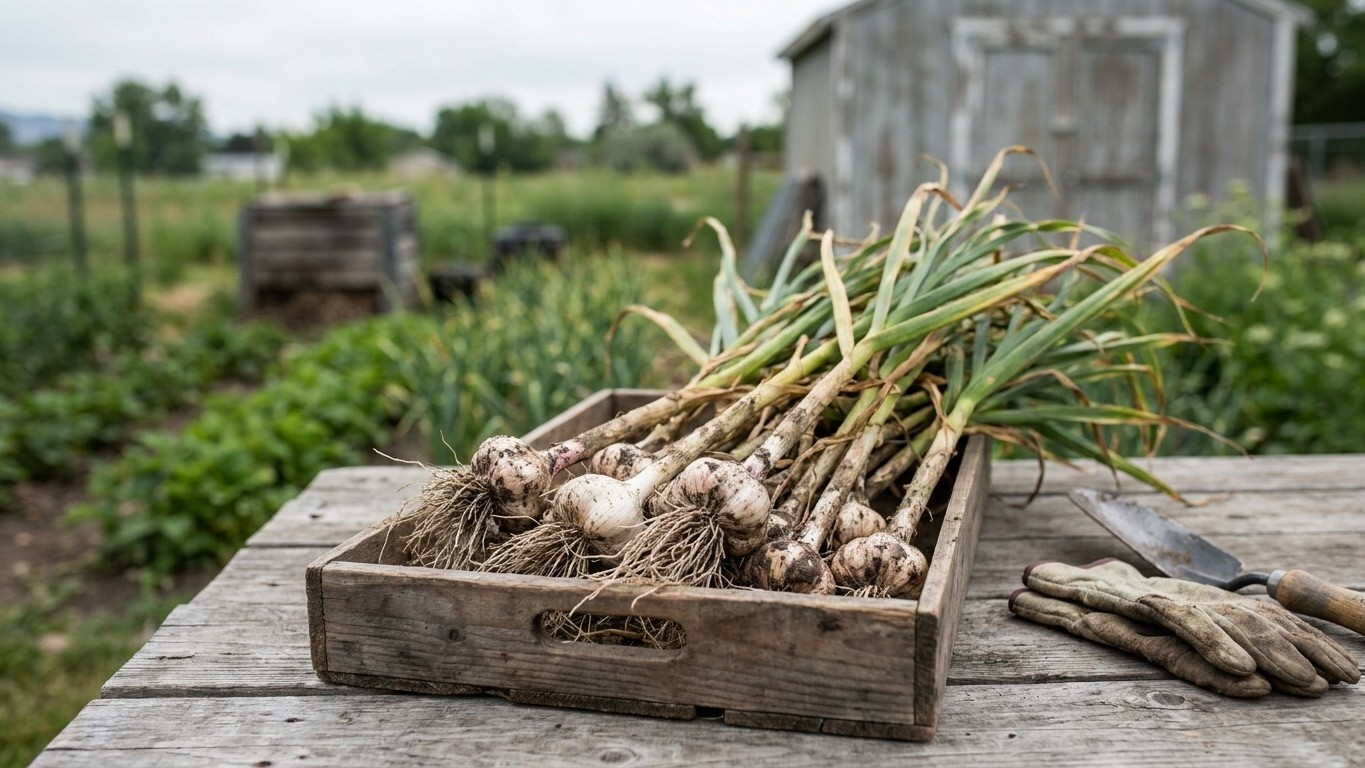
Idaho’s first fall frost sets the garlic planting window, and hardneck varieties tend to handle the state’s cold better than softneck types do.
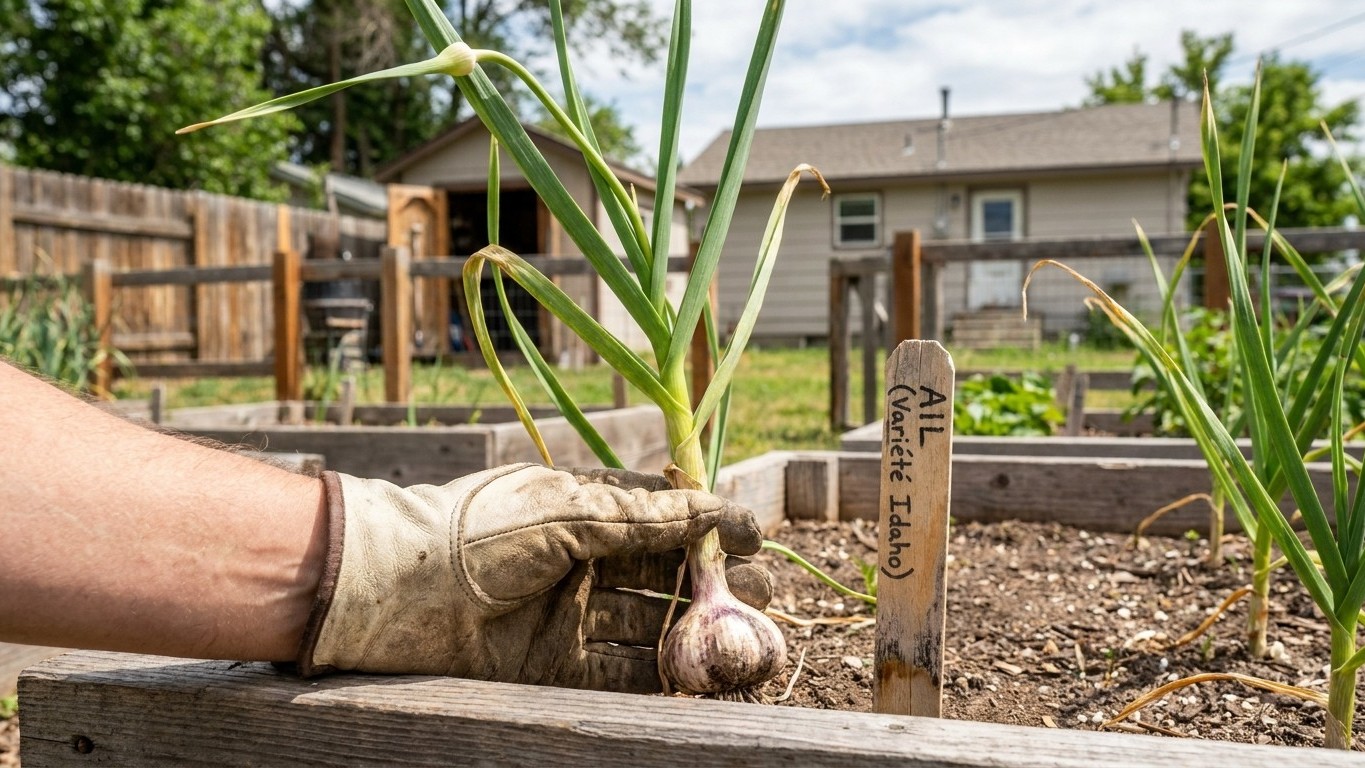
Idaho’s fall garlic planting window runs mid to late September, timed from Boise’s NOAA frost data, three to four weeks before typical first freeze.
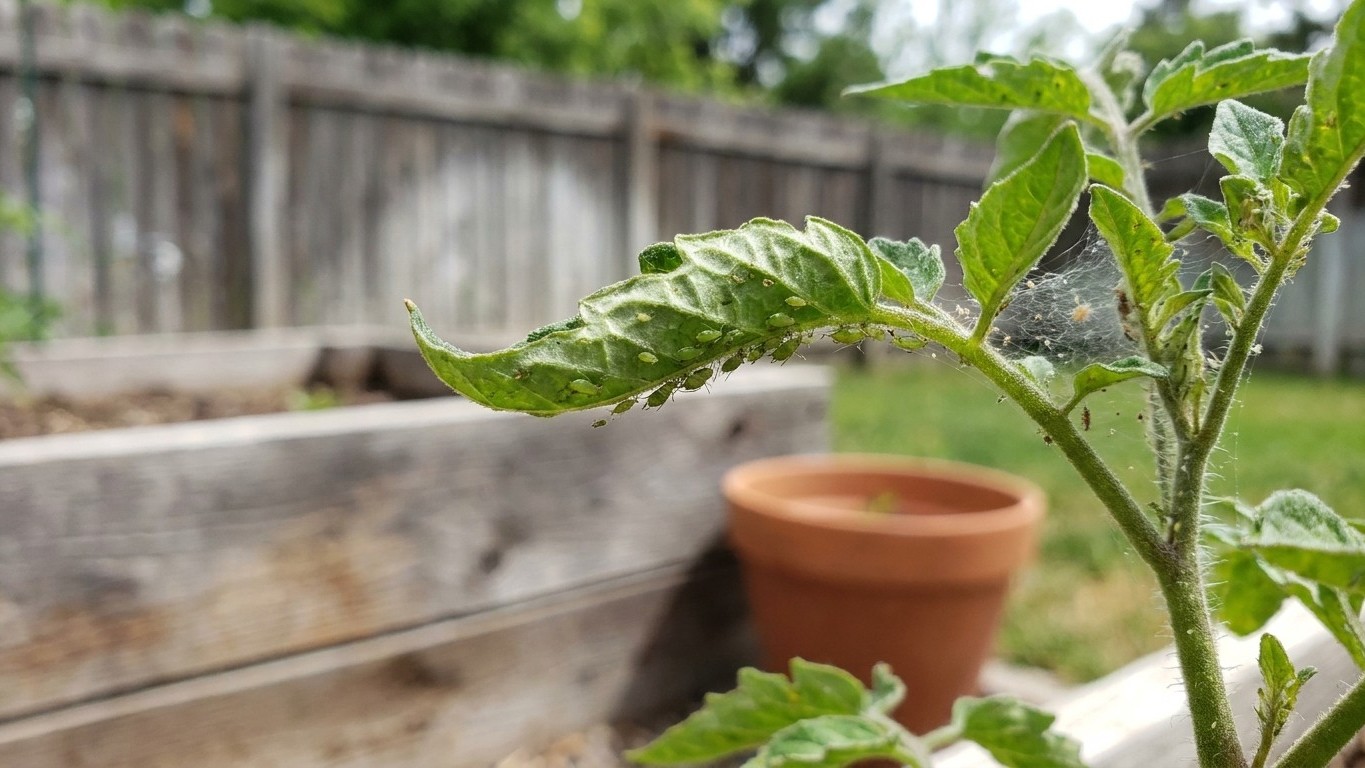
A rundown of the tomato pests that actually turn up in Idaho gardens, in the order they arrive, with what to look for and what to do.