When to Sow Parsnips in Indiana
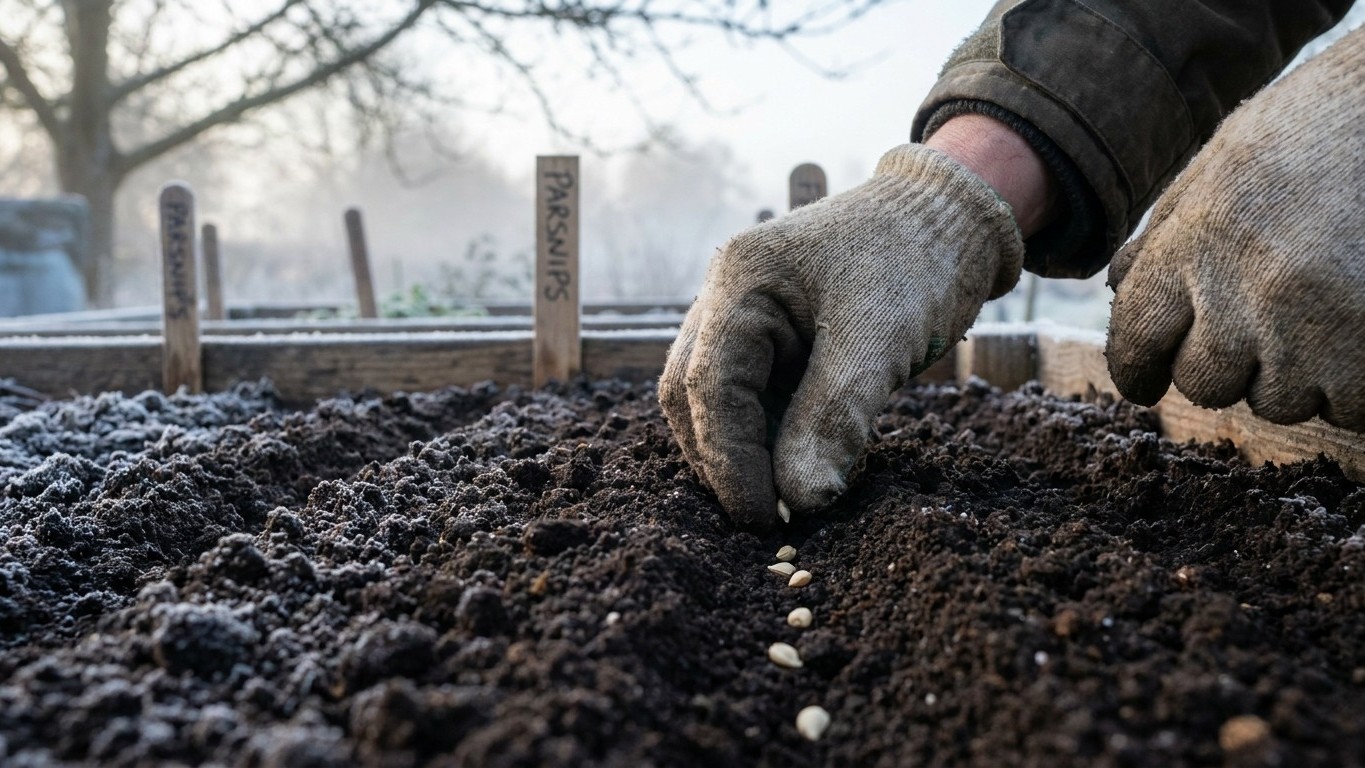
Yes, Indiana delivers real winter cold, an average minimum of 20.9°F in the coldest month, which means parsnips sown here won’t just mature, they’ll…
Home & garden, state by state
Everything we have worked out for Indiana: what to plant and when, which varieties finish in time, the pests that actually turn up here, and the jobs that pay off month by month. We also cover the rest of the property, from lawns and soil to home care and energy, because a garden rarely stops at the vegetable bed.
The numbers first, because everything else follows from them. Measured at the weather station in Indianapolis, the last spring freeze runs April 9 to April 21 and the first fall freeze runs October 21 to October 30, USDA zones 5b-7a, 3,822 growing degree days in the year.
Garlic does well: 21.8 weeks below 40 °F, comfortably past the six it needs to form a proper head.
Elsewhere on the property in Indiana: the pests that turn up here.
Figures from NOAA's 1991-2020 climate normals. A state is not one climate: elevation, a large lake or the coast can move these dates by two weeks either way, so check your own county with the extension service before you spend money.
Yes, Indiana delivers real winter cold, an average minimum of 20.9°F in the coldest month, which means parsnips sown here won’t just mature, they’ll…
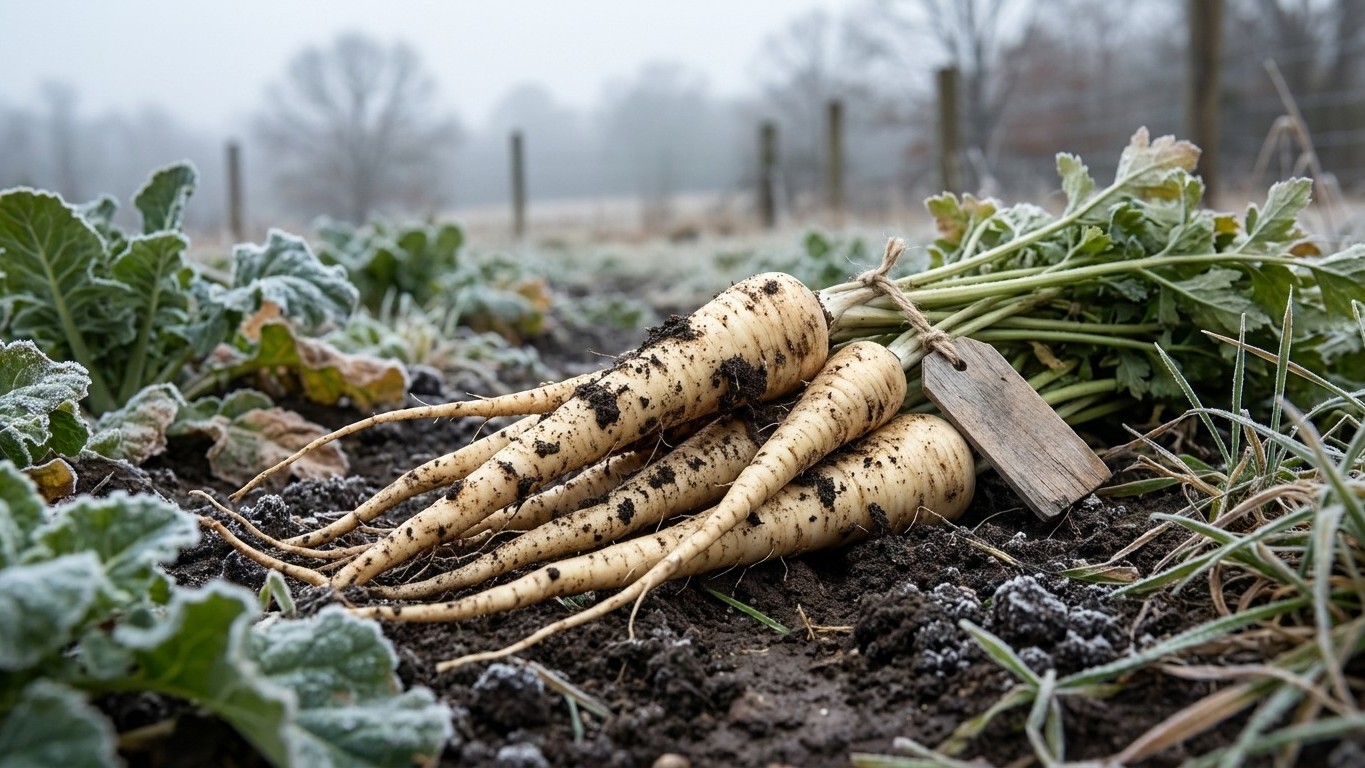
Yes. Indiana’s winters bring exactly the kind of sustained cold that turns a bland parsnip into a sweet one.
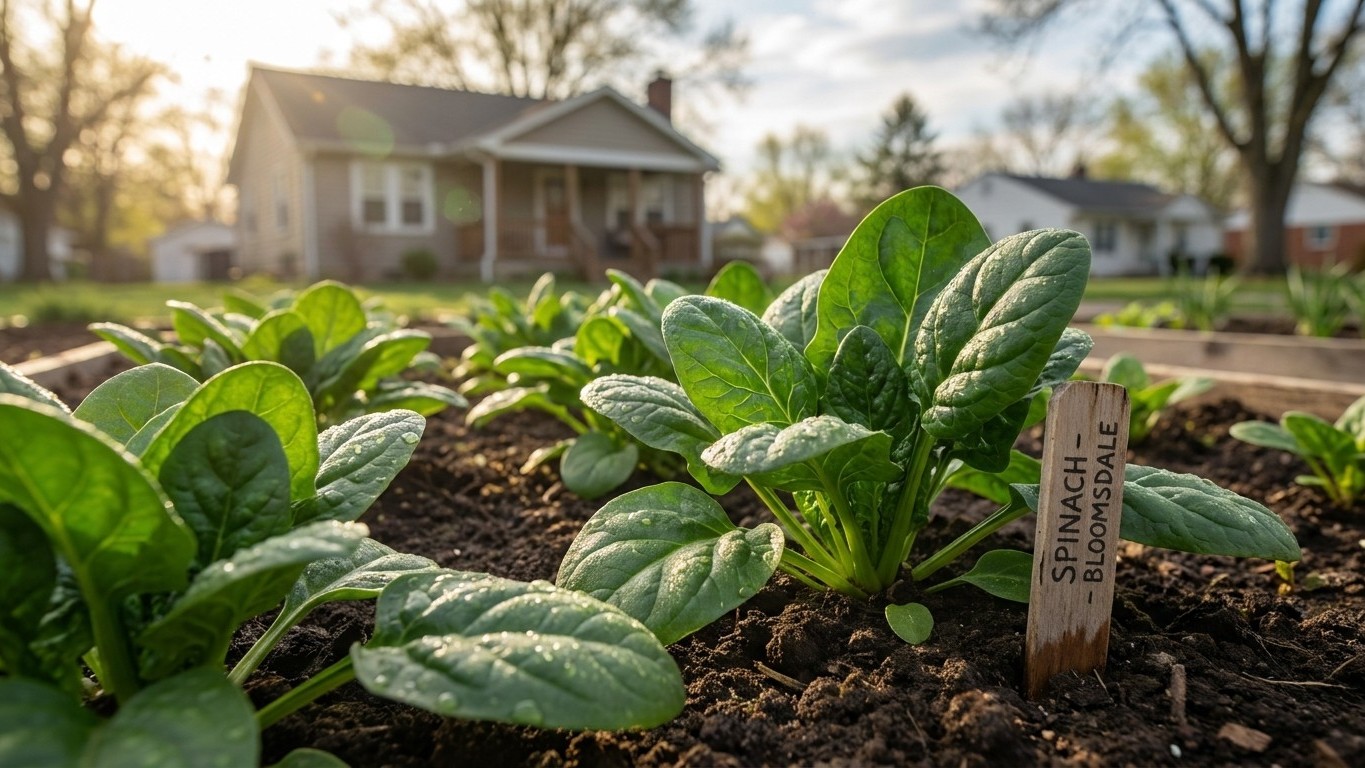
Spinach in Indiana bolts once day length and warmth cross the plant’s tolerance, and both happen fast here.
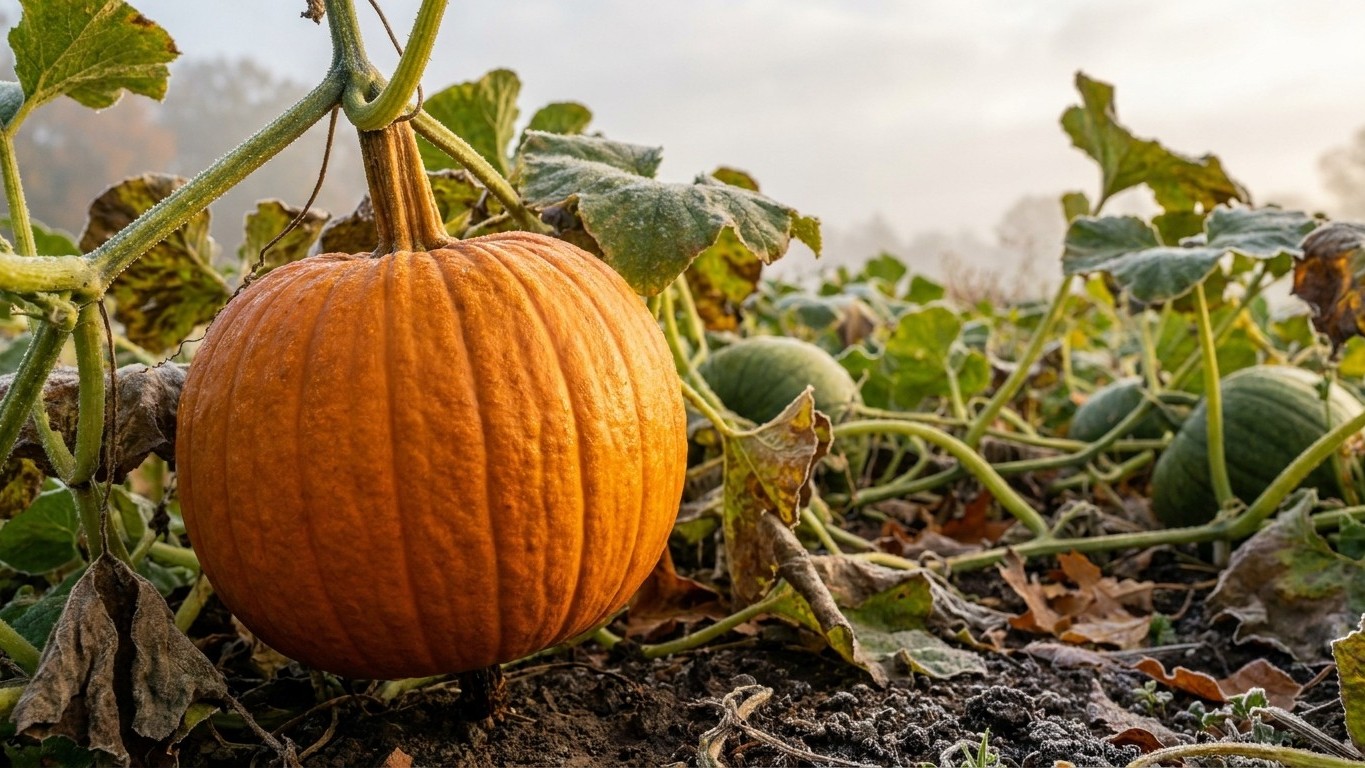
Indiana’s growing season is long enough for pumpkins, but only if the flowers open on schedule.
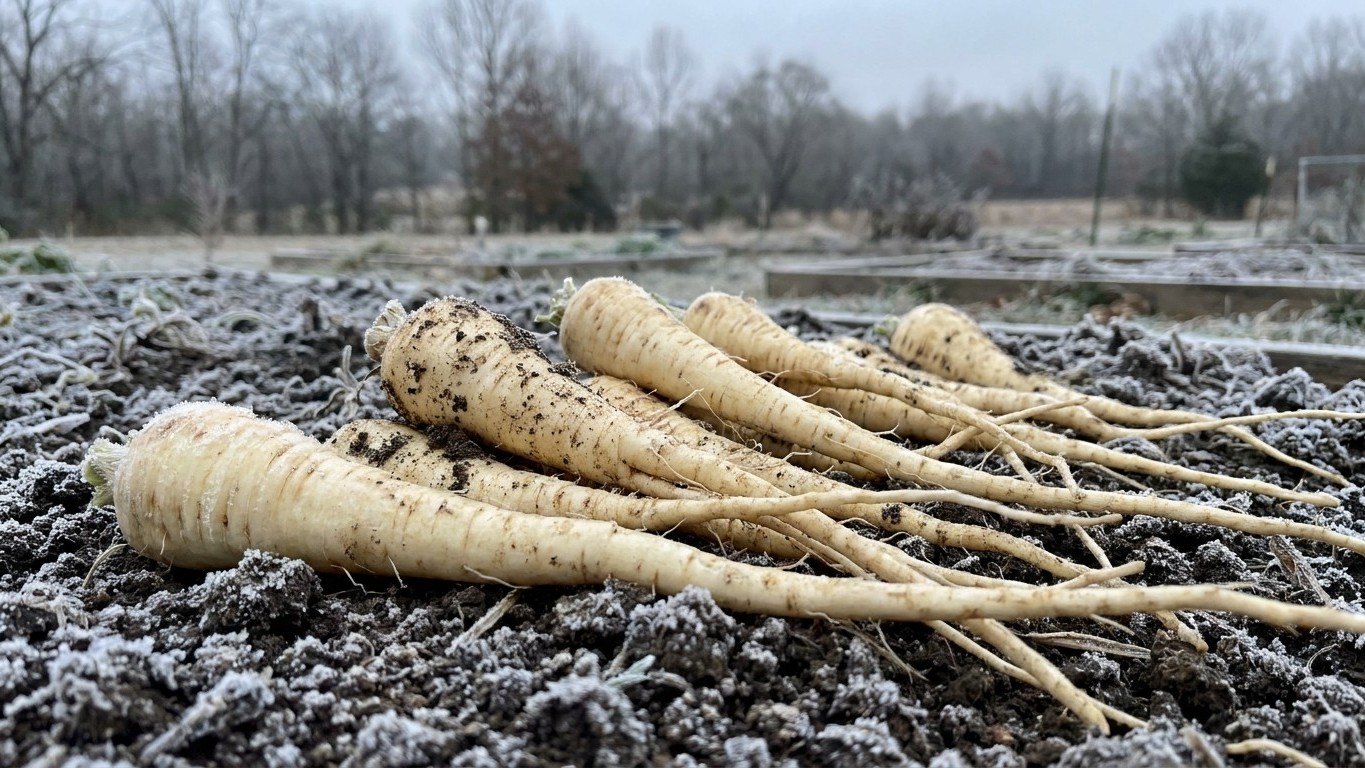
Indiana’s winters run cold enough, and its growing season stretches long enough, that parsnips sown directly in spring will not only reach full size but…
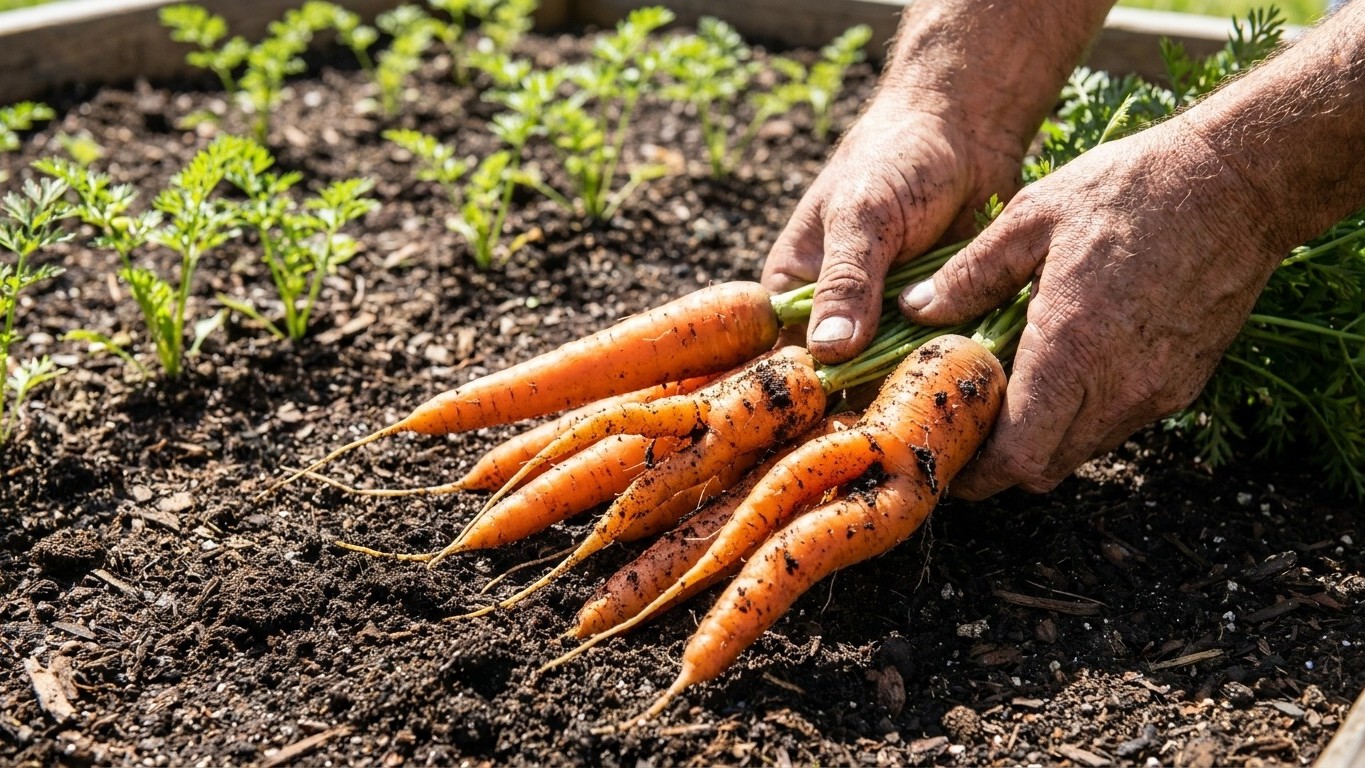
Indiana carrot growers don’t get one universal sowing date, since the state’s last-frost timing shifts from county to county and isn’t a single fixed…
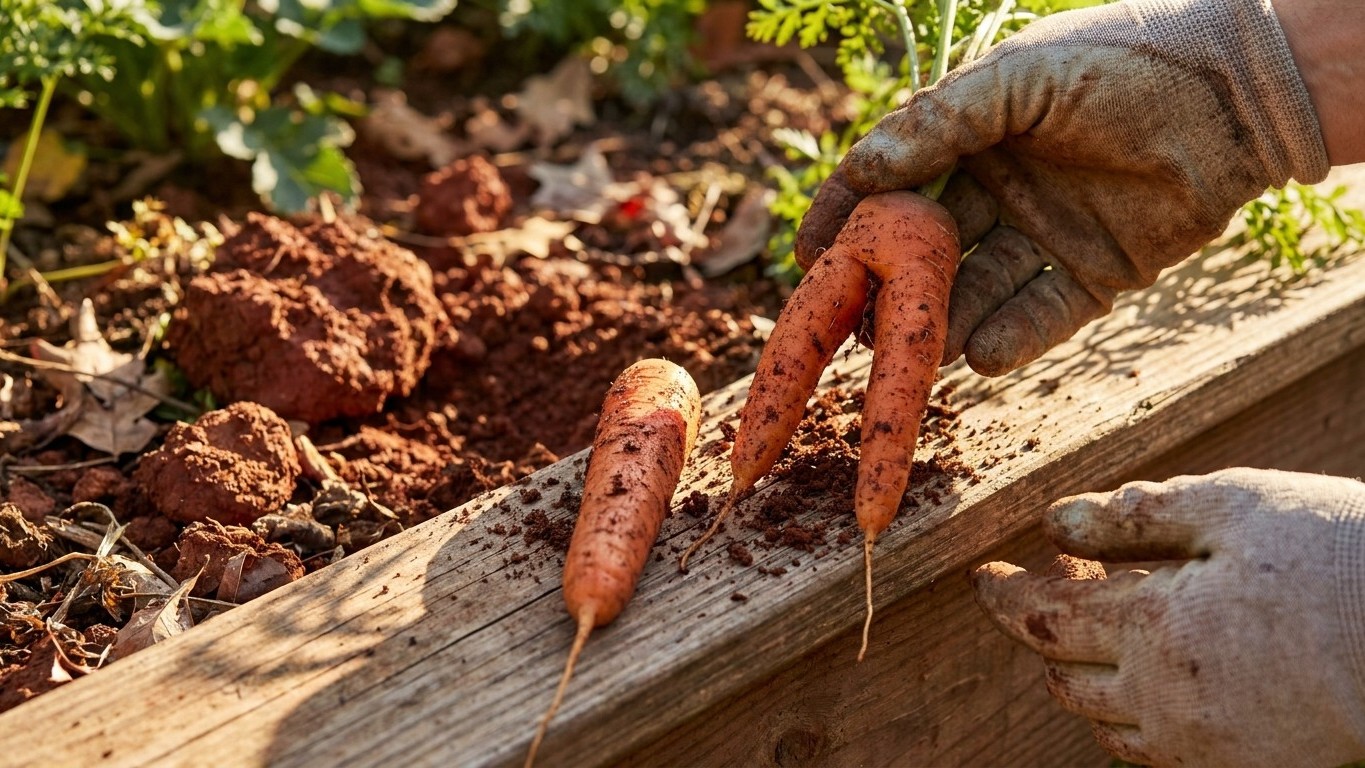
Indiana’s representative soil, the Miami series, is a loam to silt mix rather than heavy clay, and it drains moderately well, so the odds of a forked…
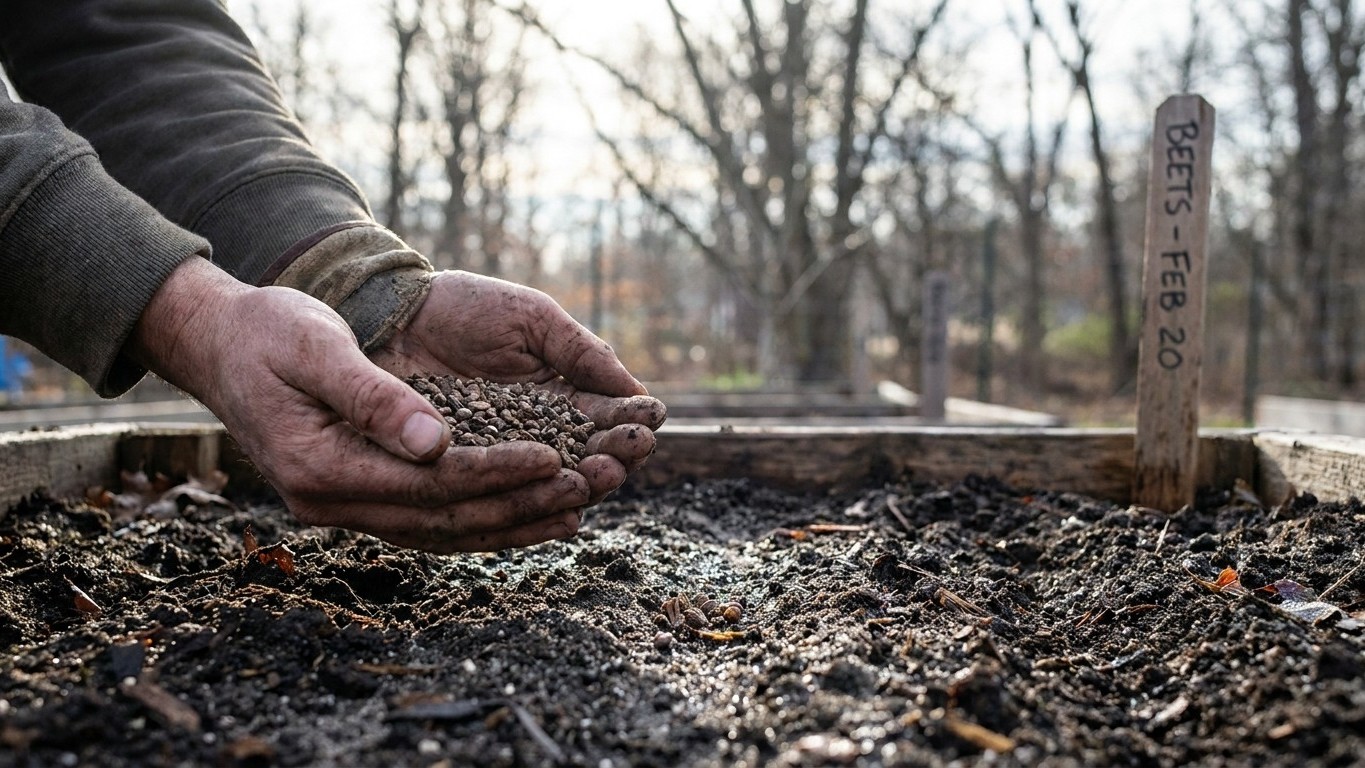
In central Indiana, direct-seed beets outdoors from about March 19 to April 7, two to three weeks ahead of the region’s last spring frost window of April…
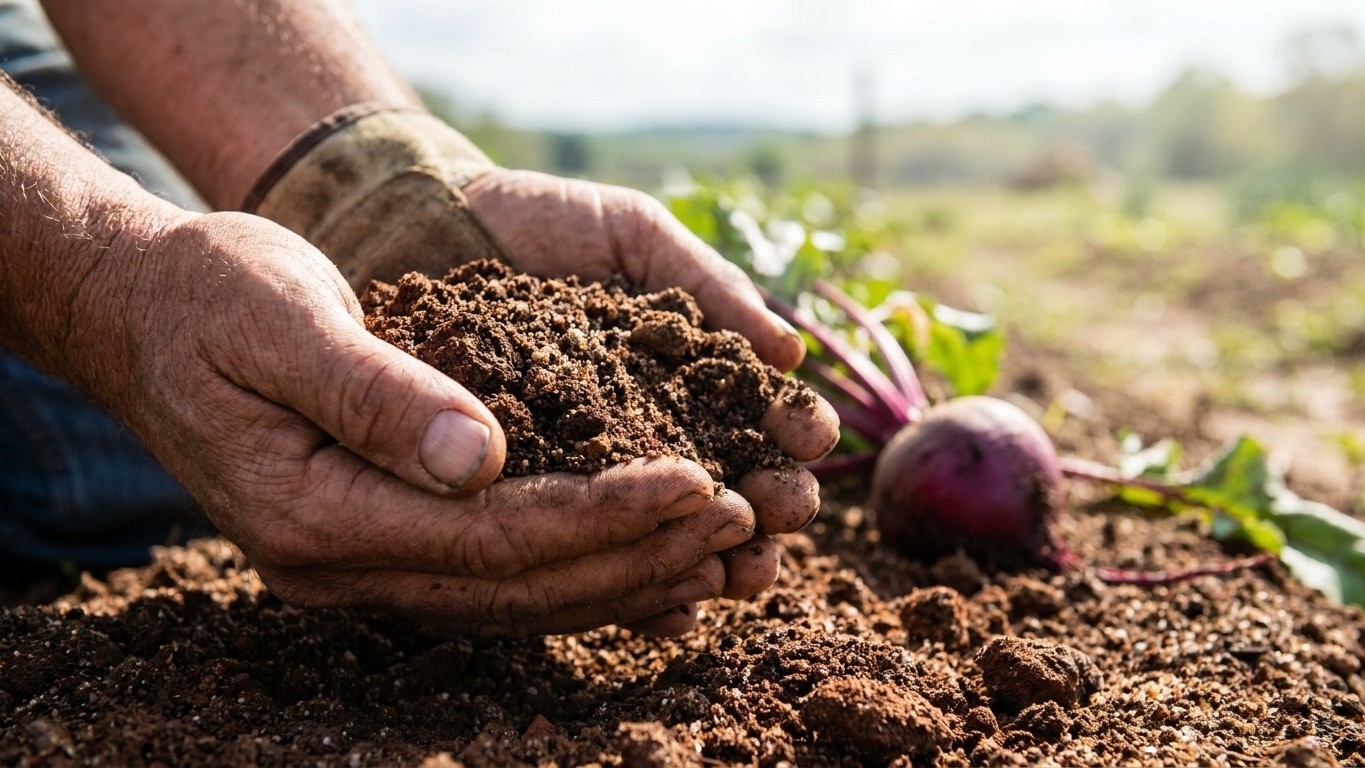
Indiana’s default ground, the Miami series, gives a beet a fair start but not a perfect one: a loam-heavy mix that drains moderately well and sits near…
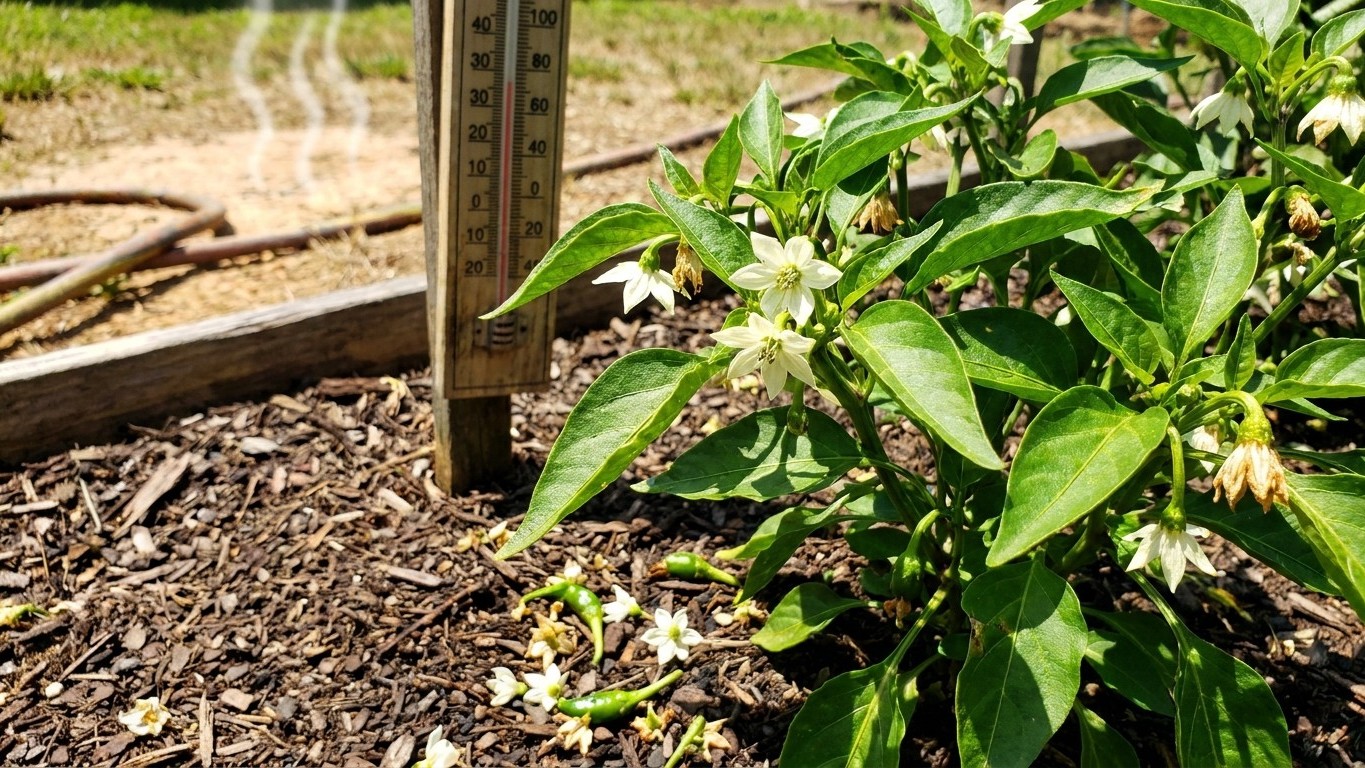
Peppers stall out in Indiana gardens for one of two reasons: a hot stretch that scorches the blossoms before they can pollinate, or a stretch of cool…