Growing Parsnips in Iowa: Will They Sweeten?
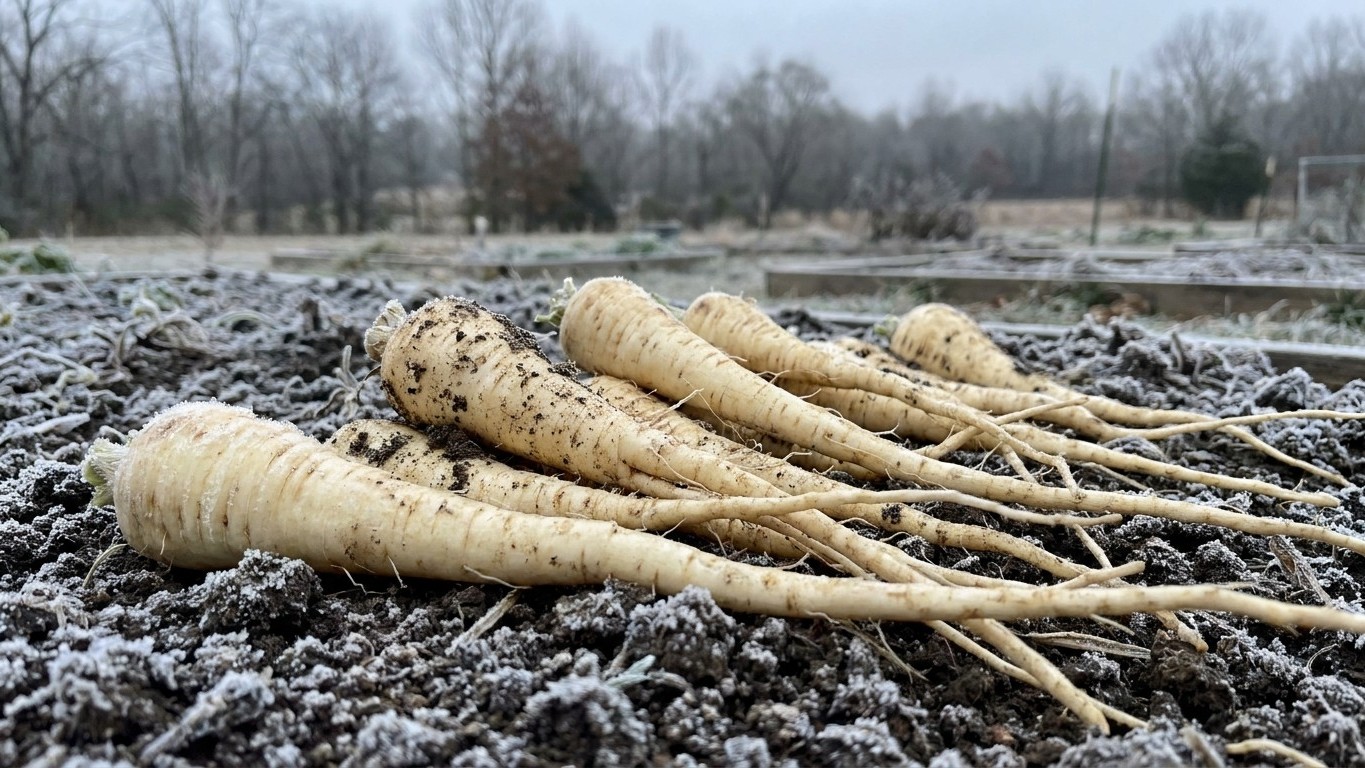
Iowa’s parsnip growers get good news on both fronts. Using Des Moines as the reference point, winters here run cold enough, and long enough, to trigger…
Home & garden, state by state
Everything we have worked out for Iowa: what to plant and when, which varieties finish in time, the pests that actually turn up here, and the jobs that pay off month by month. We also cover the rest of the property, from lawns and soil to home care and energy, because a garden rarely stops at the vegetable bed.
The numbers first, because everything else follows from them. Measured at the weather station in Des Moines, the last spring freeze runs April 12 to April 24 and the first fall freeze runs October 14 to October 25, USDA zones 4b-6a, 3,659 growing degree days in the year.
Garlic does well: 21.8 weeks below 40 °F, comfortably past the six it needs to form a proper head.
Elsewhere on the property in Iowa: the pests that turn up here.
Figures from NOAA's 1991-2020 climate normals. A state is not one climate: elevation, a large lake or the coast can move these dates by two weeks either way, so check your own county with the extension service before you spend money.
Iowa’s parsnip growers get good news on both fronts. Using Des Moines as the reference point, winters here run cold enough, and long enough, to trigger…
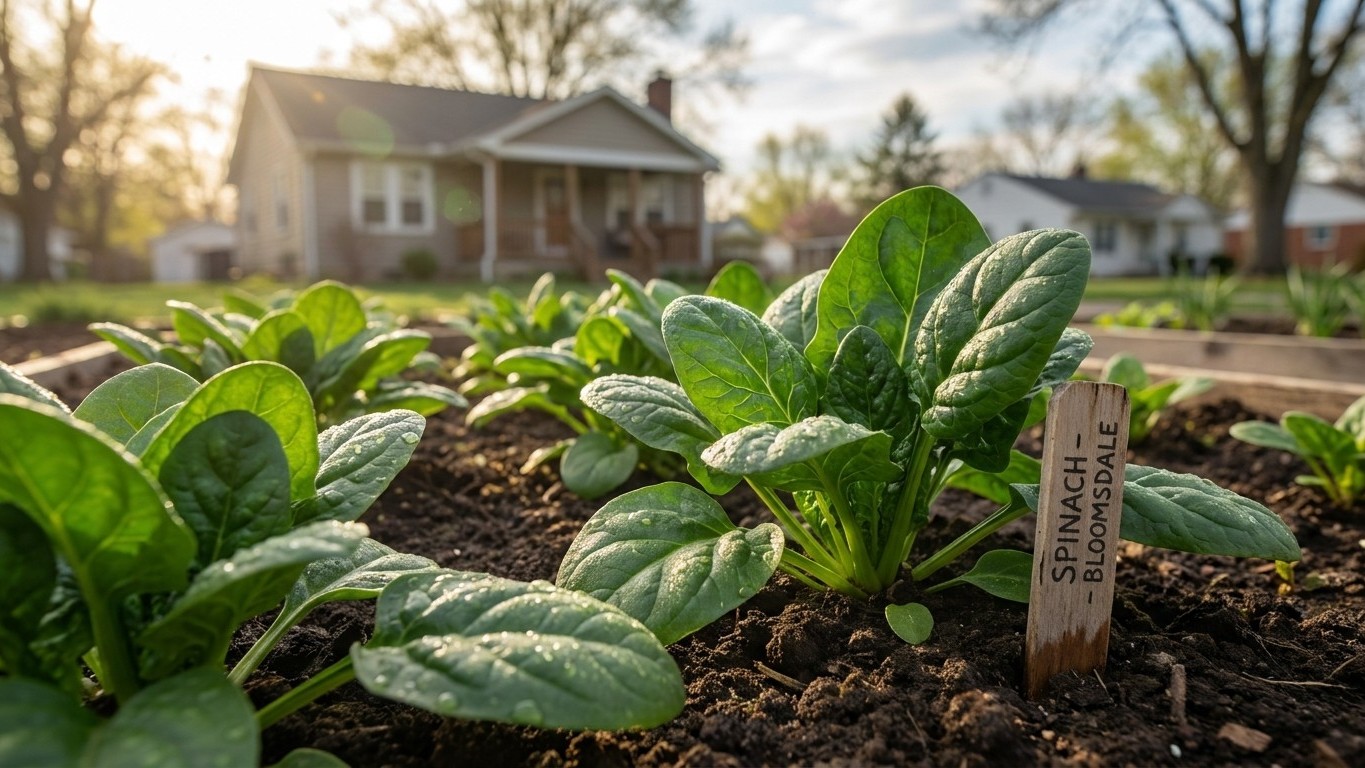
Spinach in Iowa gets squeezed from two directions at once. The long daylight hours of an Iowa summer push the plant toward flowering no matter how mild…
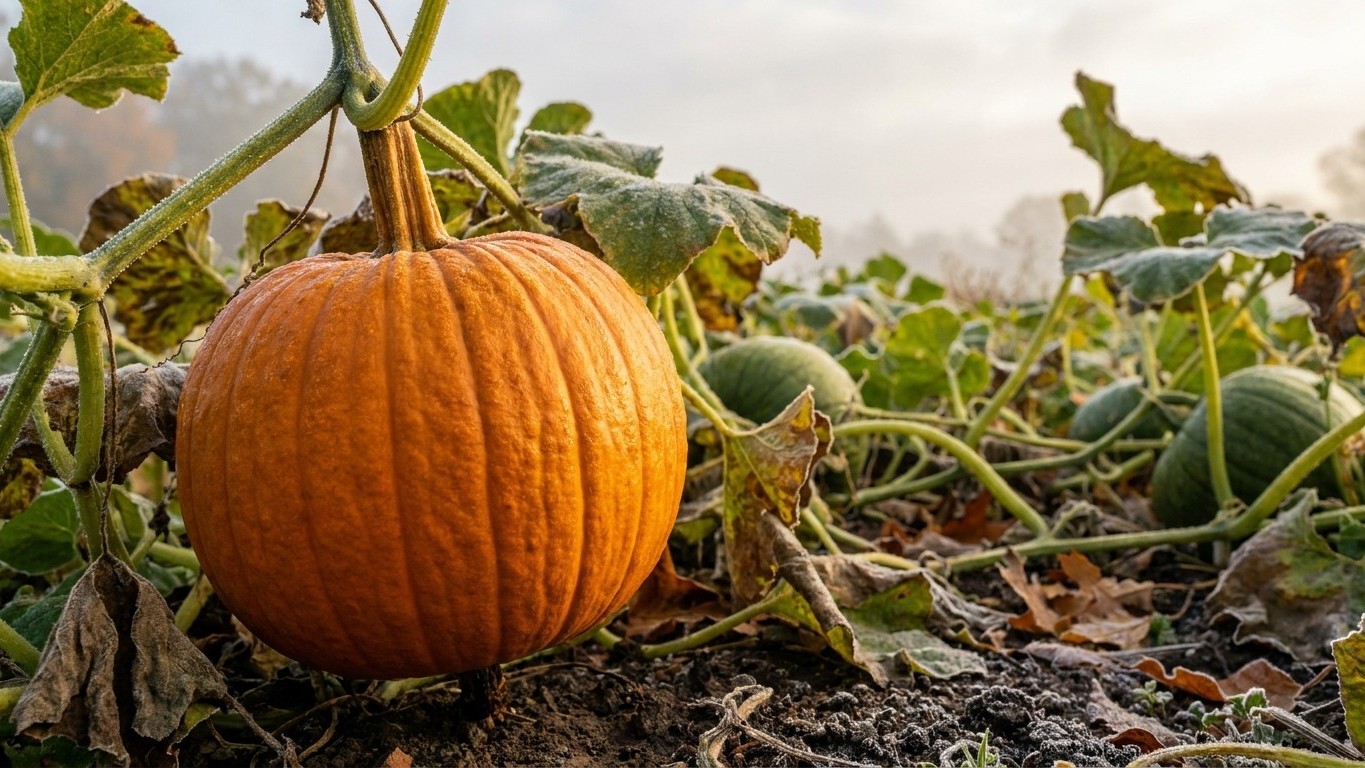
Most Iowa gardeners get a ripe pumpkin by fall, but the margin is thinner than the calendar suggests.
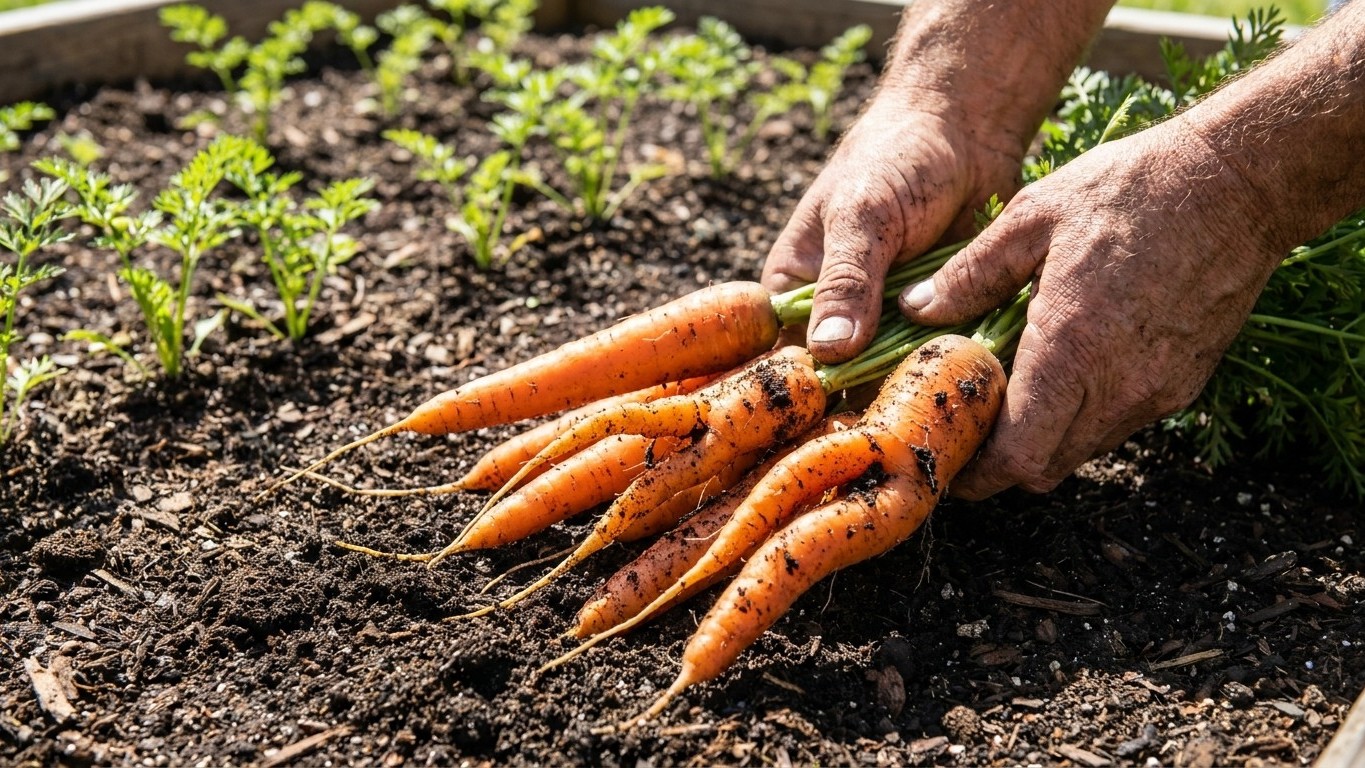
The short answer is that timing in Iowa starts with two separate calculations: the days a carrot needs to mature and the soil texture it has to push…
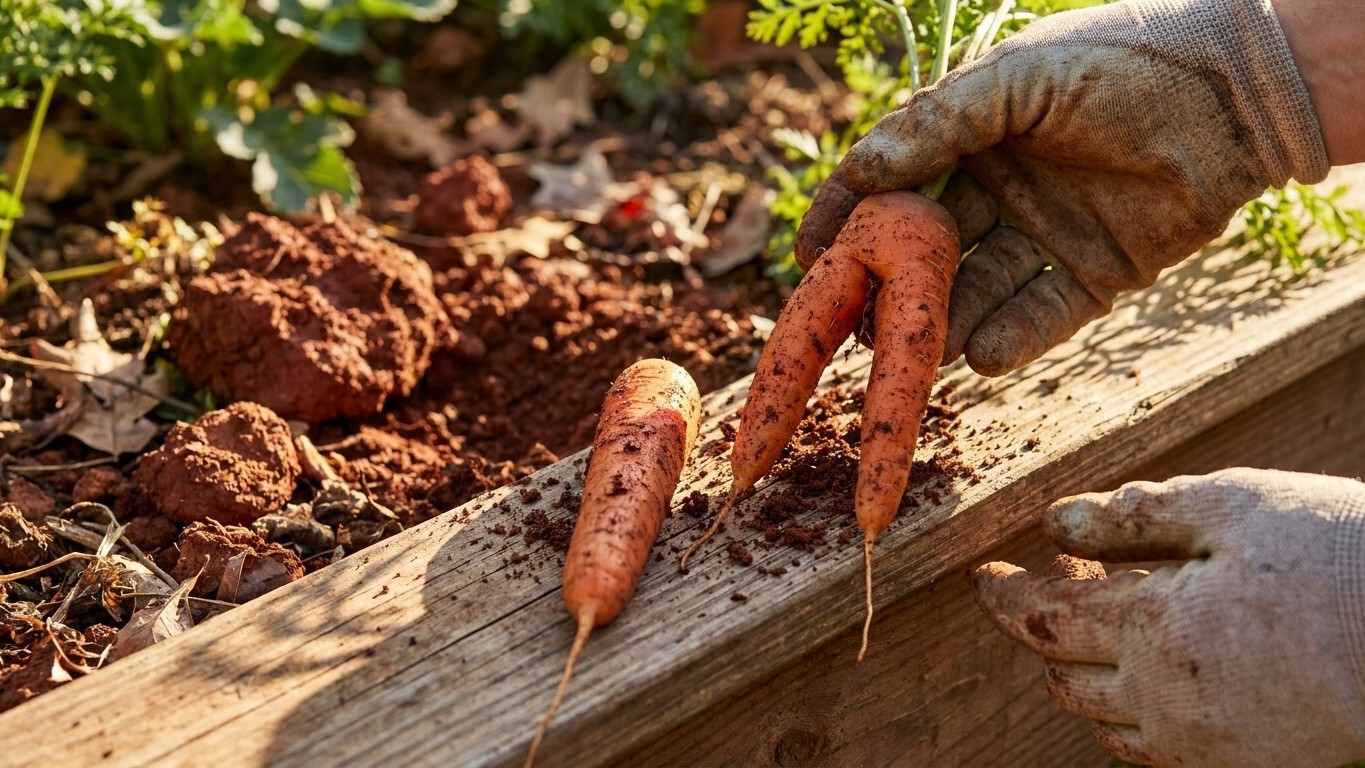
Iowa’s benchmark soil, the Tama series, runs heavy: 26 percent clay and just 4 percent sand, with silt making up the rest.
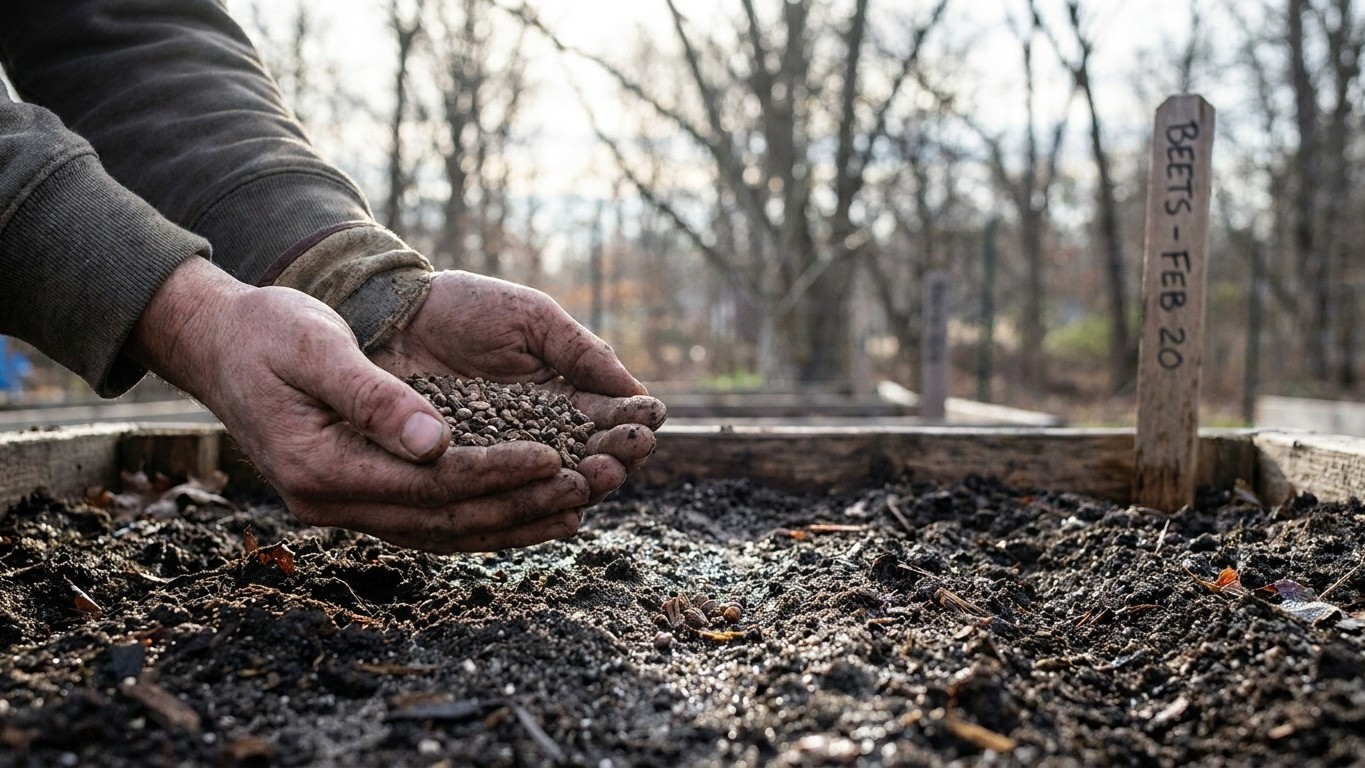
Sow beets in Iowa 2 to 3 weeks before the last spring frost, which for the state falls between April 12 and April 24.
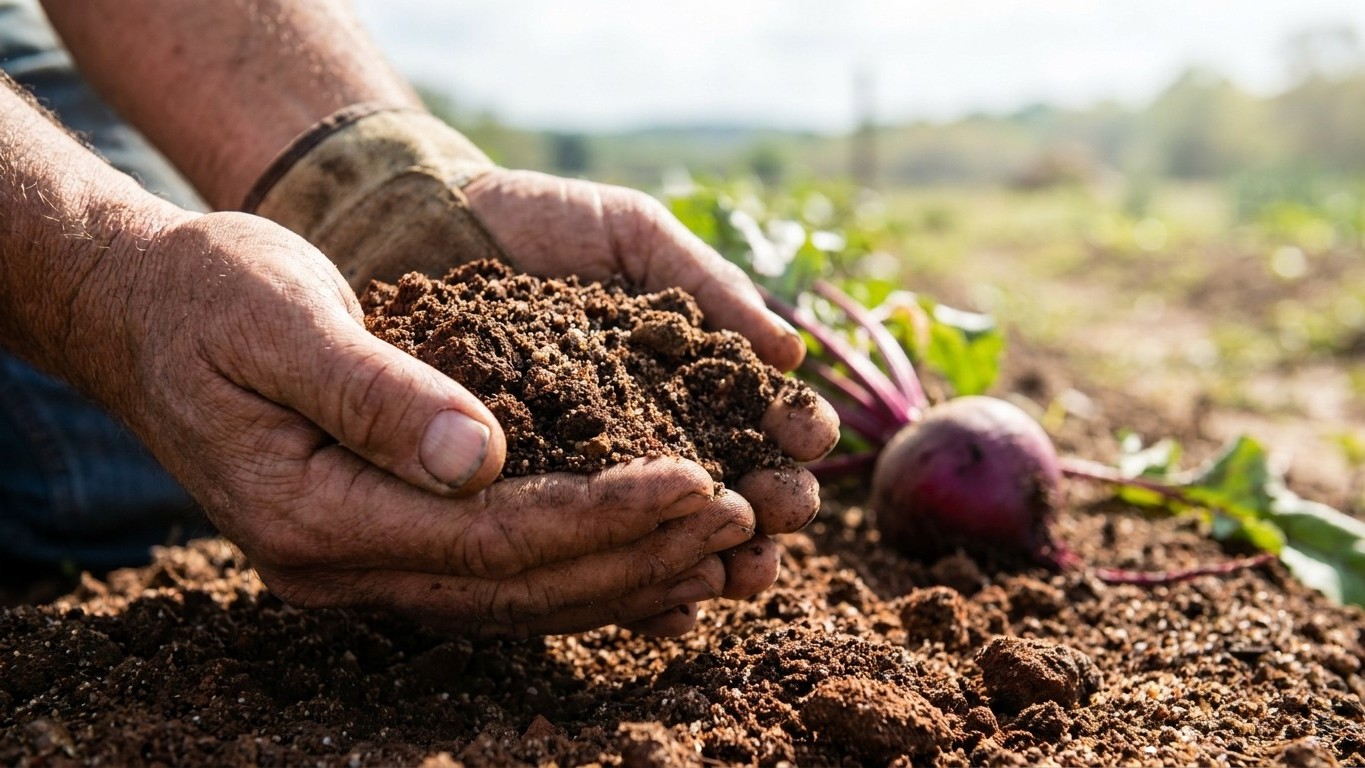
Iowa’s representative ground, the Tama series, is a deep, dark prairie soil built more for corn than for carrots.
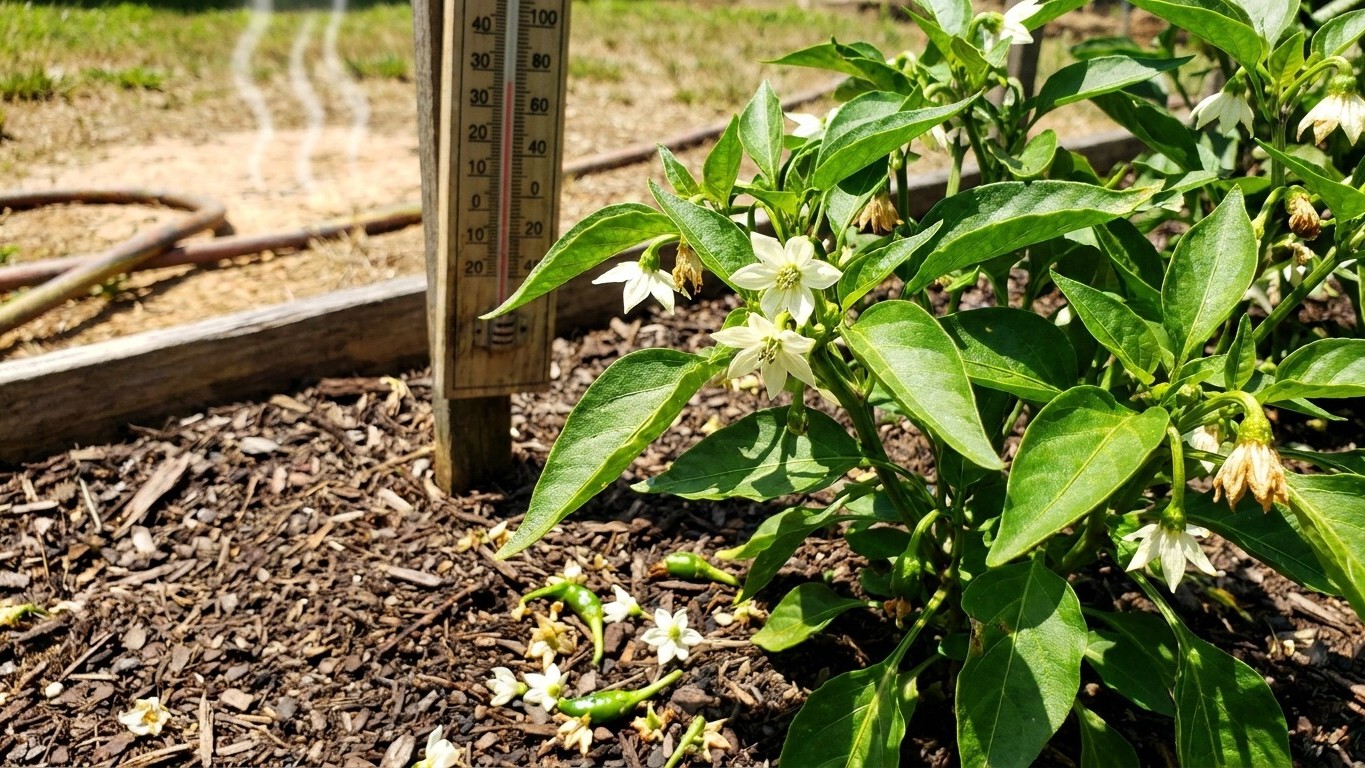
Iowa peppers fail to set fruit mainly because summer days push past pollen’s heat limit, and because nights on either edge of the season drop below the…
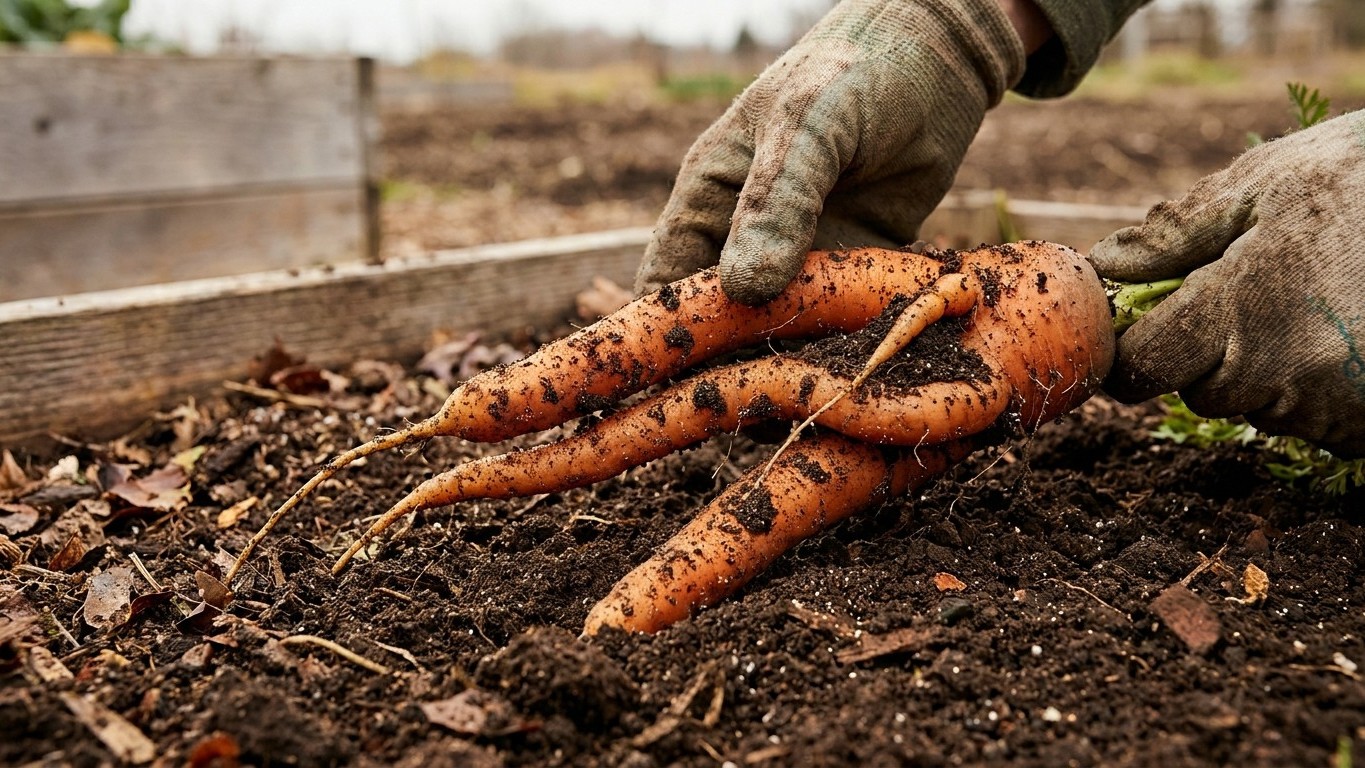
Iowa’s benchmark soil, the Tama series, is a deep prairie Mollisol built from windblown silt: 70 percent silt, 26 percent clay, only 4 percent sand, with…
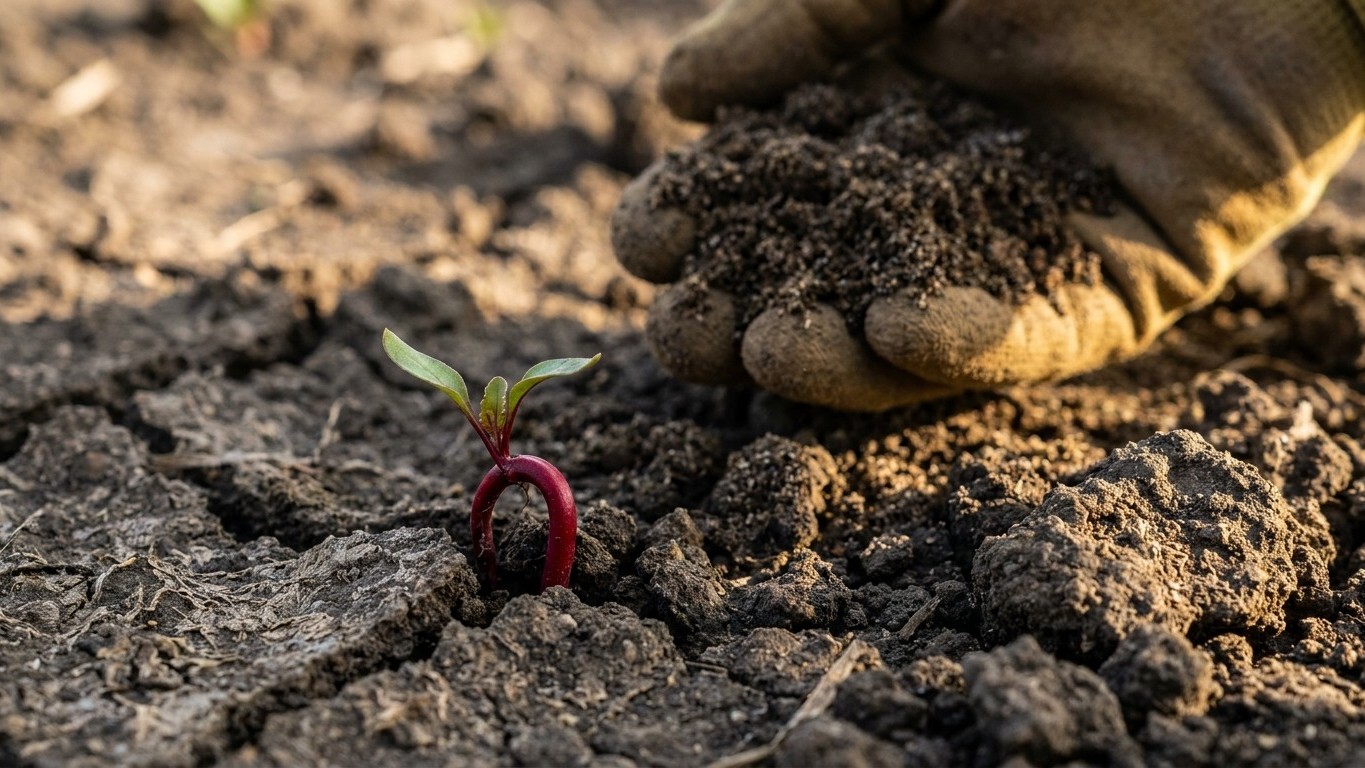
Iowa’s benchmark soil runs 70 percent silt and 26 percent clay, and it holds water the way a sponge does.