Watering Pots and Containers in Massachusetts
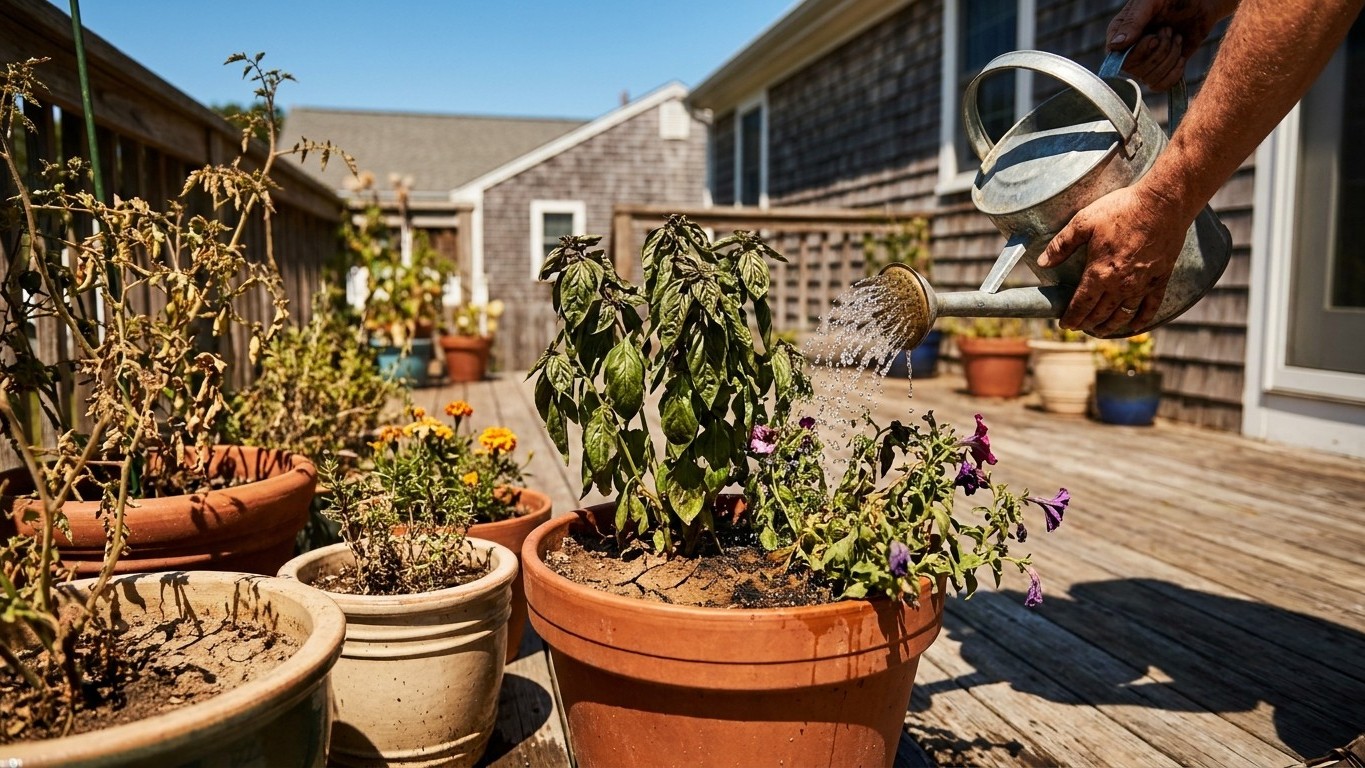
Massachusetts summers deliver just over three inches of rain in the driest month, while the mercury climbs past 90F about ten times a year.
Home & garden, state by state
Everything we have worked out for Massachusetts: what to plant and when, which varieties finish in time, the pests that actually turn up here, and the jobs that pay off month by month. We also cover the rest of the property, from lawns and soil to home care and energy, because a garden rarely stops at the vegetable bed.
The numbers first, because everything else follows from them. Measured at the weather station in Boston, the last spring freeze runs April 1 to April 8 and the first fall freeze runs November 3 to November 14, USDA zones 5a-7b, 3,084 growing degree days in the year.
Garlic does well: 21.8 weeks below 40 °F, comfortably past the six it needs to form a proper head.
Elsewhere on the property in Massachusetts: the pests that turn up here.
Figures from NOAA's 1991-2020 climate normals. A state is not one climate: elevation, a large lake or the coast can move these dates by two weeks either way, so check your own county with the extension service before you spend money.
Massachusetts summers deliver just over three inches of rain in the driest month, while the mercury climbs past 90F about ten times a year.
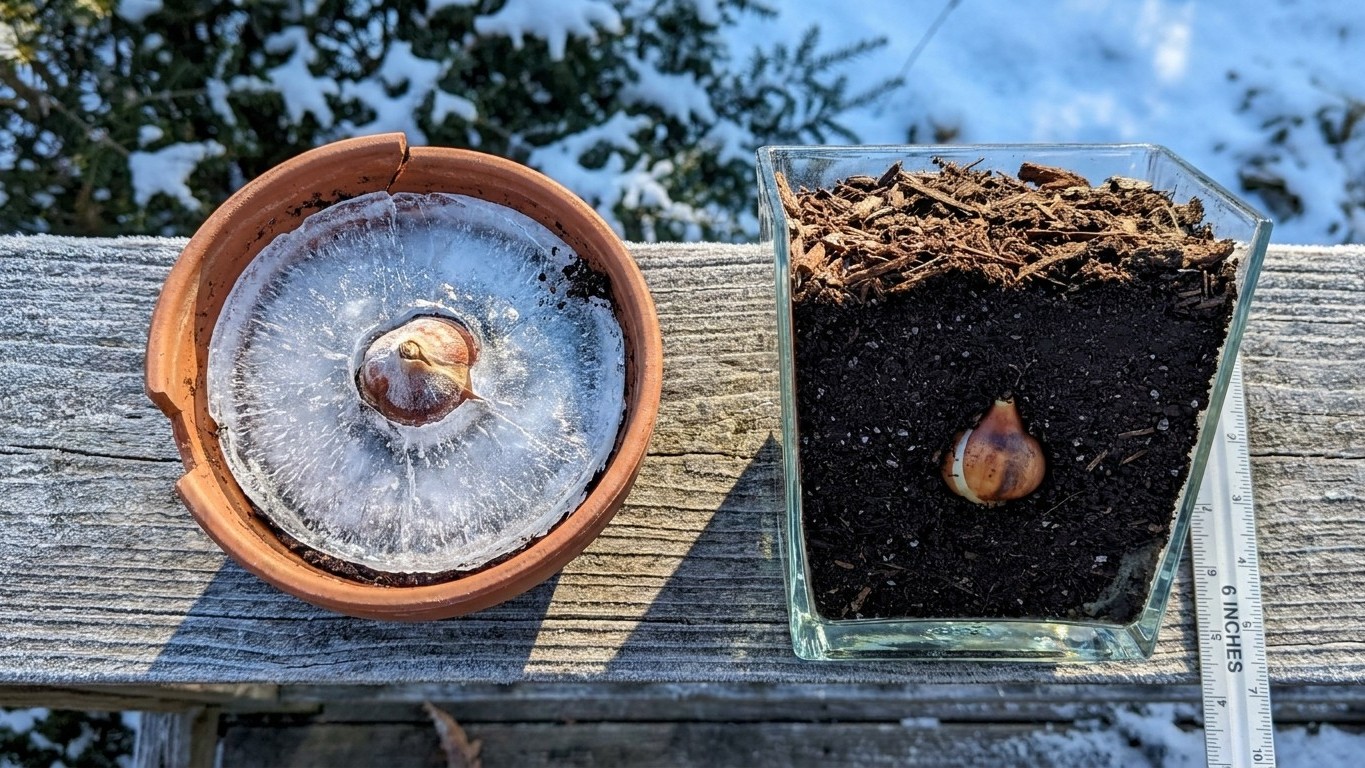
In Massachusetts, forcing bulbs indoors isn’t about outrunning a weak winter.
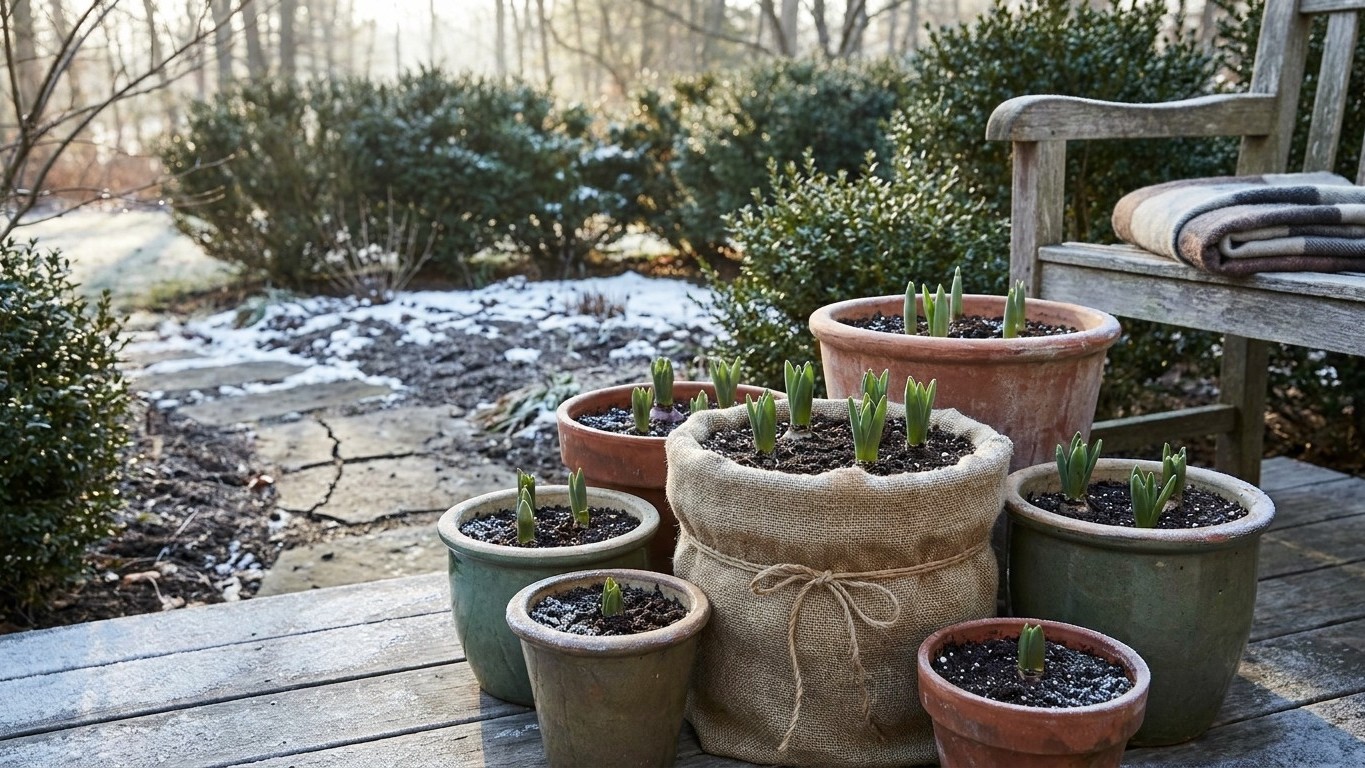
Container-grown spring bulbs in Massachusetts face a different threat than bulbs planted straight into a garden bed: a pot freezes clear through, roots…
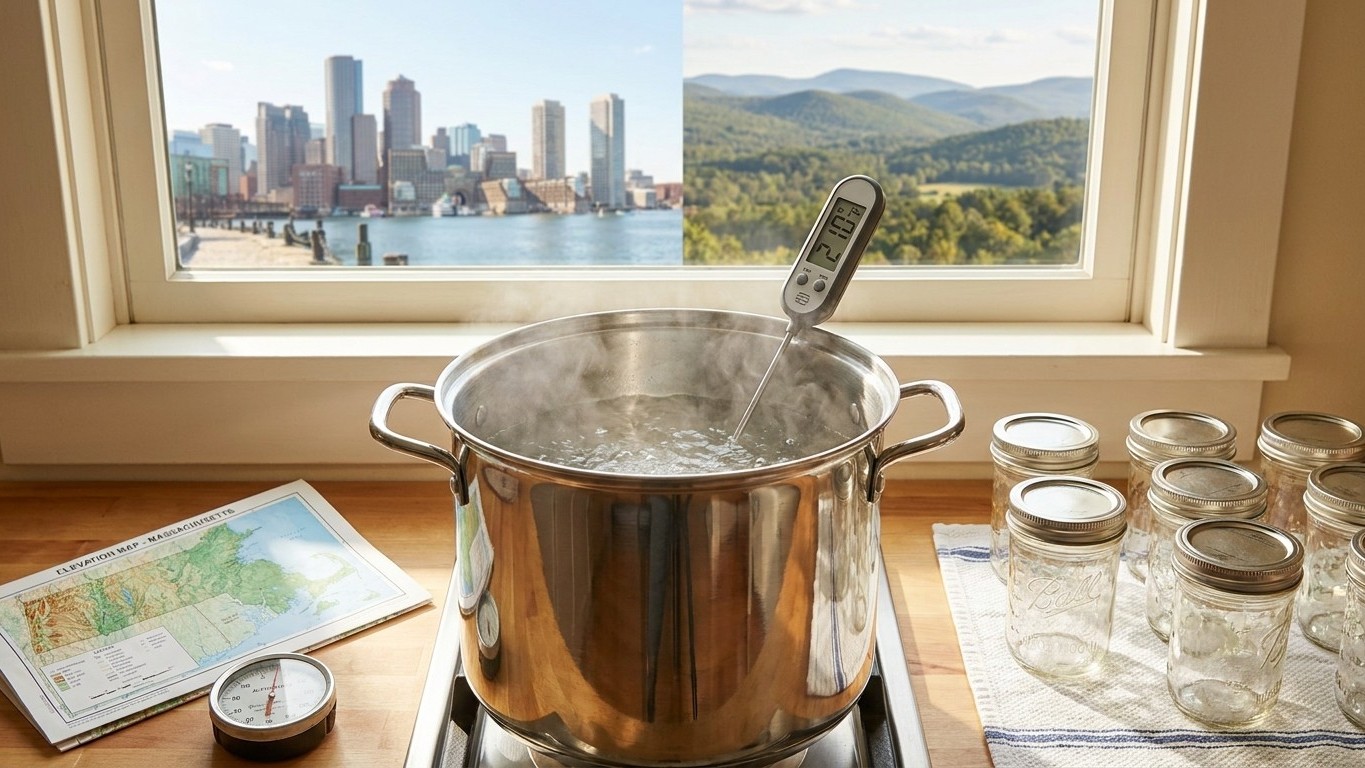
Boston, the reference point used throughout this guide, sits at just 46 feet above sea level according to geographic elevation data.
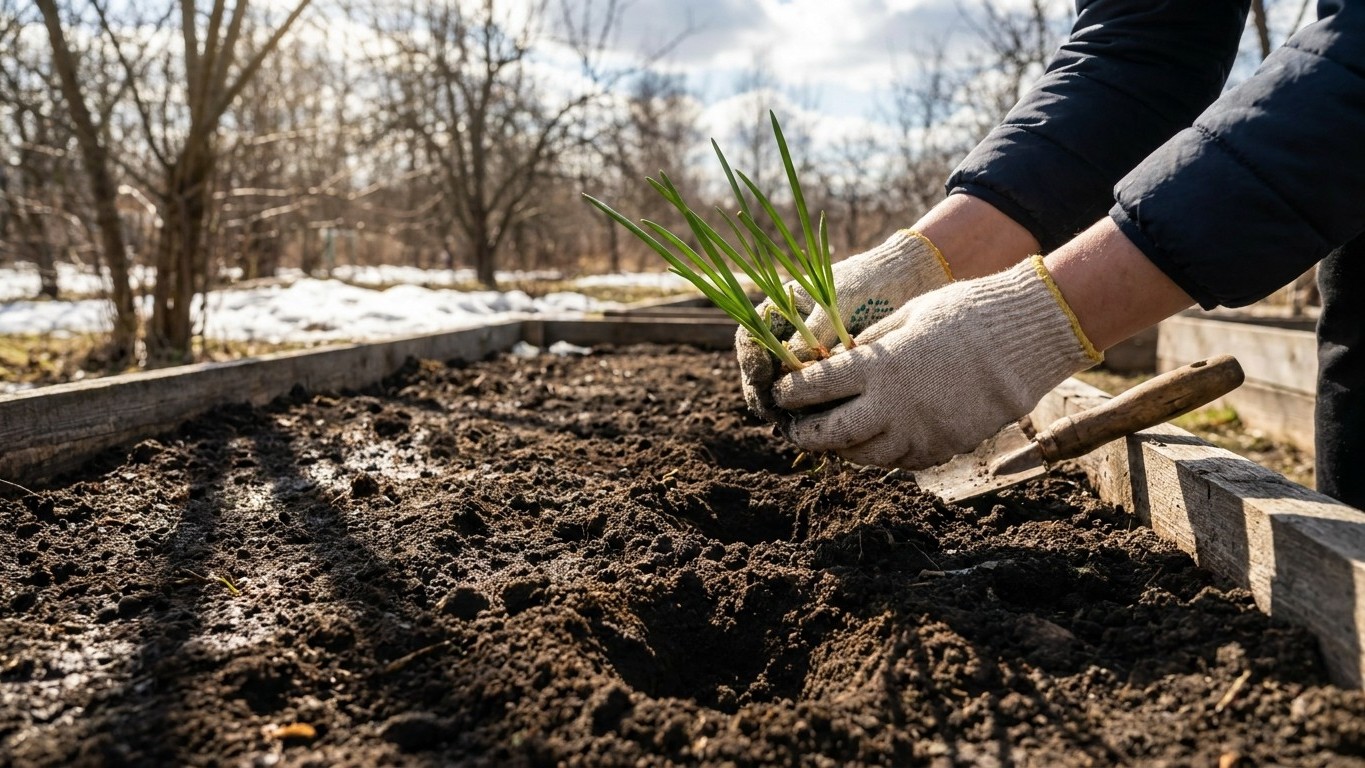
In Massachusetts, onions go into the ground in early-to-mid spring, not fall.
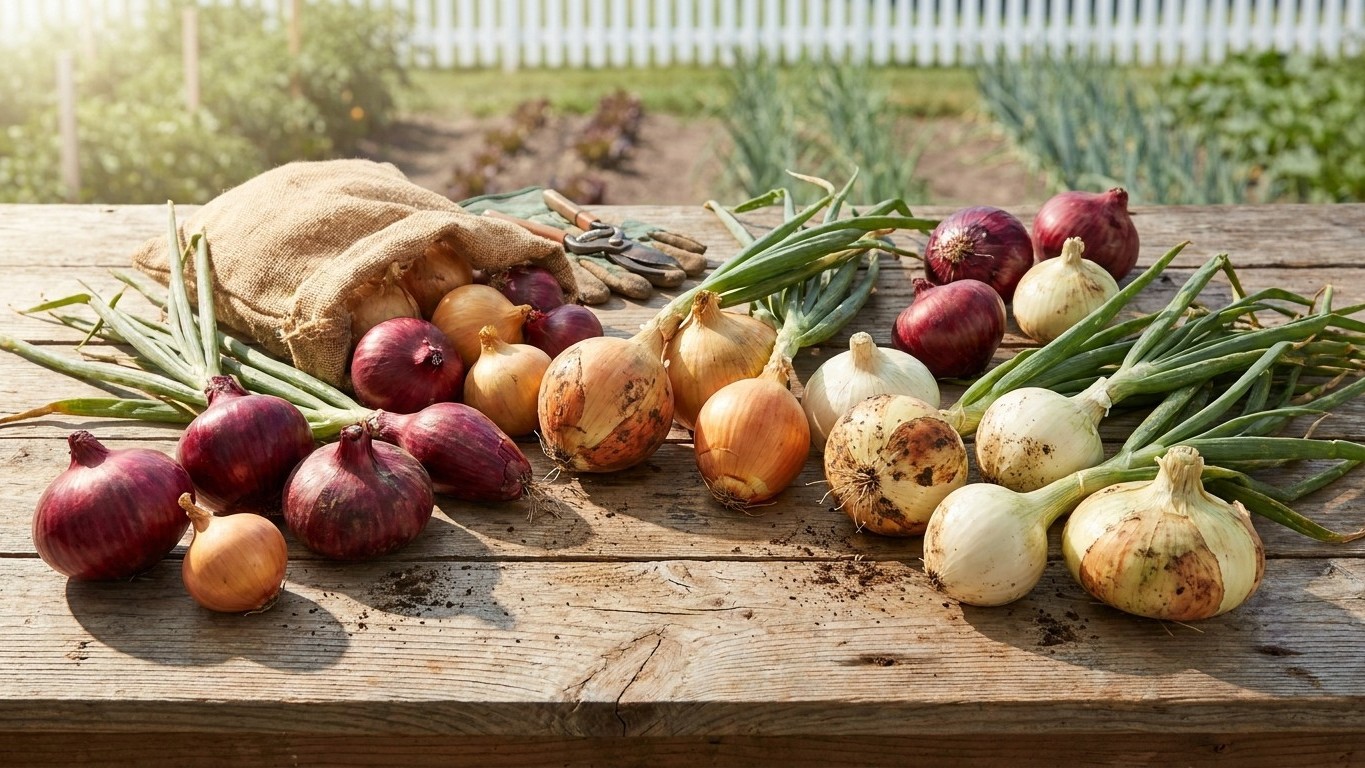
Massachusetts sits at 42.36 degrees north, the latitude of Boston, where the longest day of the year delivers 15 hours and 6 minutes of daylight.
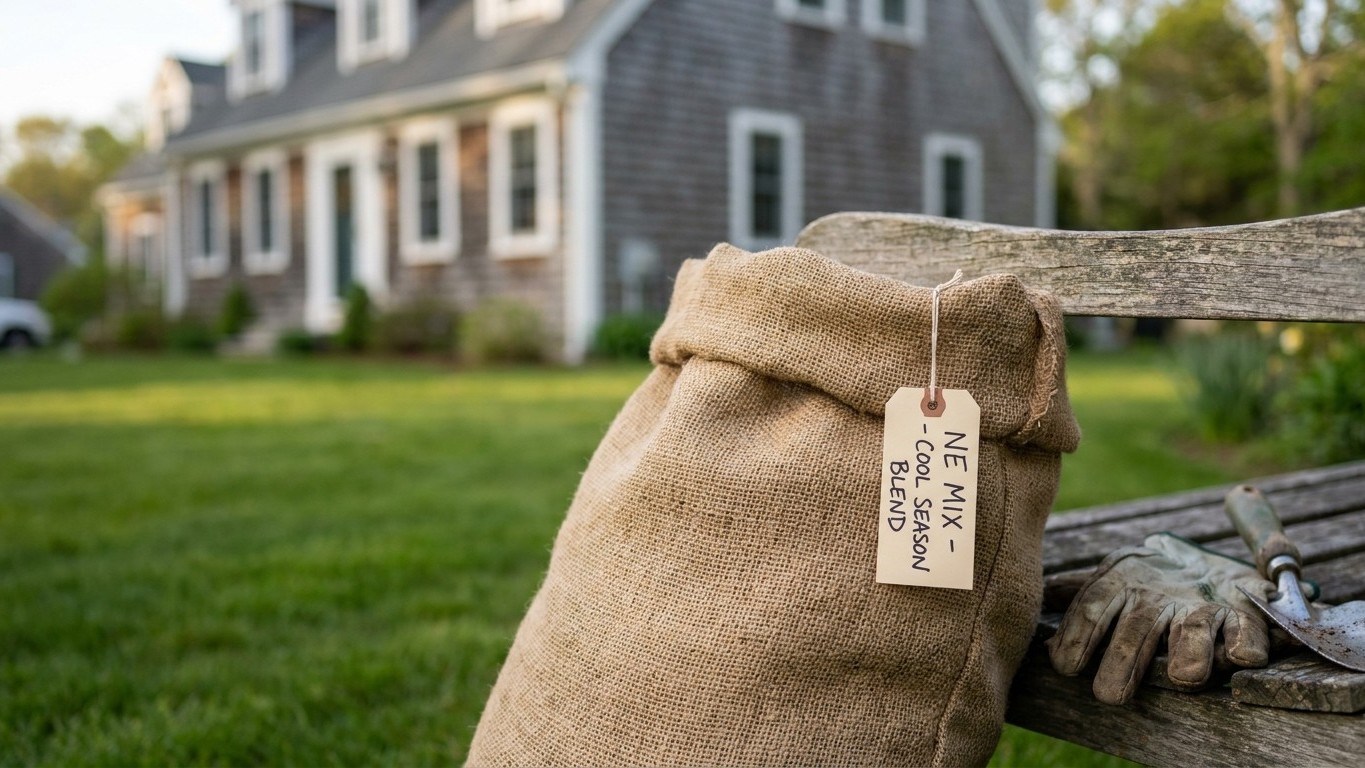
A breakdown of which cool-season grasses actually work in Massachusetts, how to time fall seeding, and where the state’s climate splits by region.
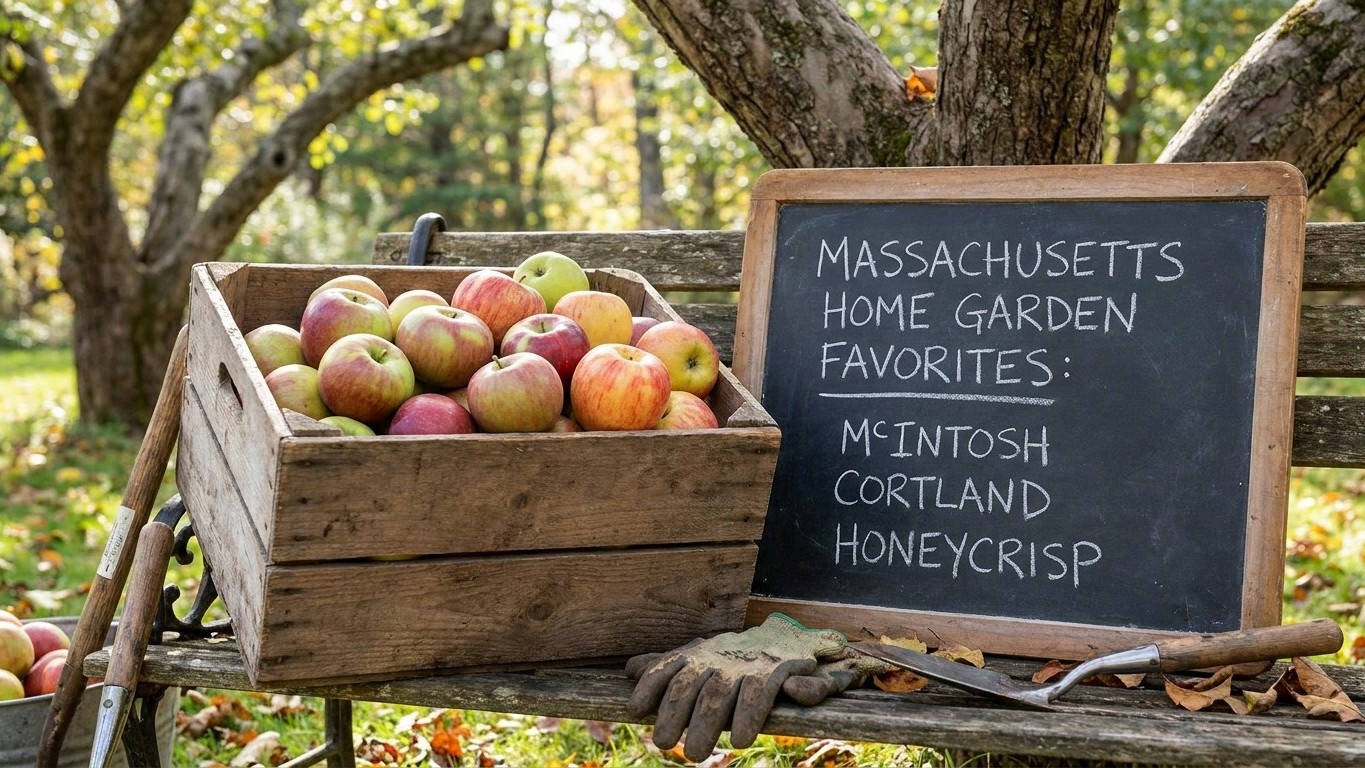
A practical look at what actually decides which apple varieties succeed in Massachusetts, from frost timing to disease pressure and hardiness.
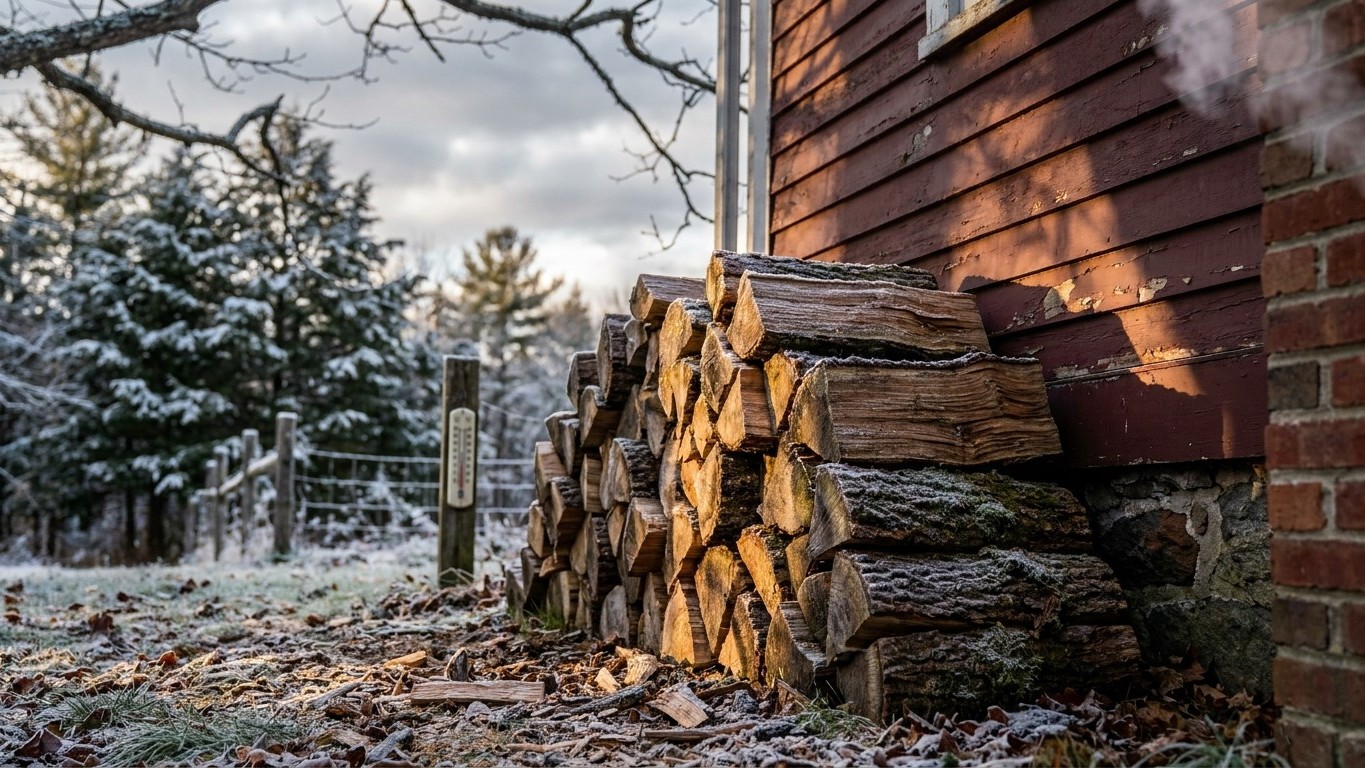
Massachusetts winters bottom out at an average low of 23.1°F in the coldest month, based on the Boston reference station.
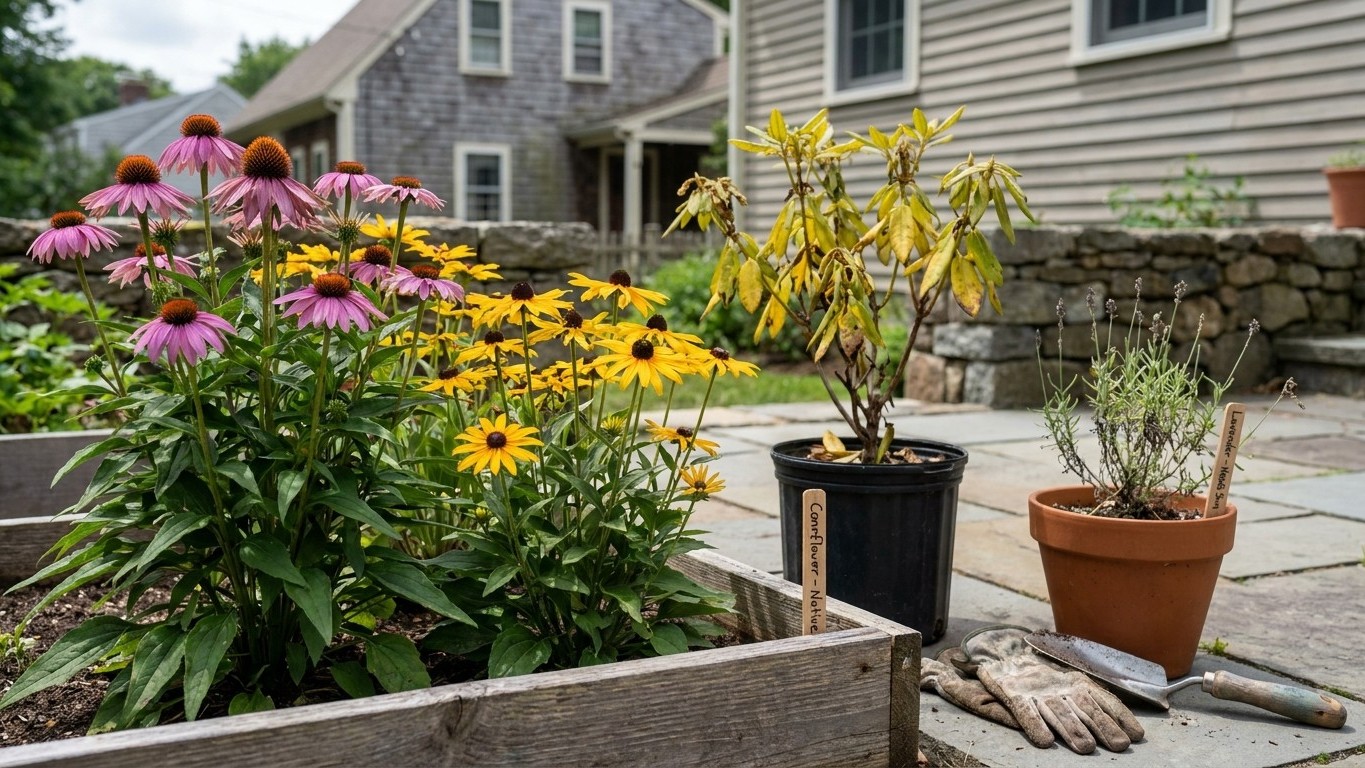
A zone-by-zone look at which flowers hold up to Massachusetts winters and humid summers, and which ones fail here despite the catalogue promises.