Growing Onions in New Jersey: Which Varieties Actually Bulb
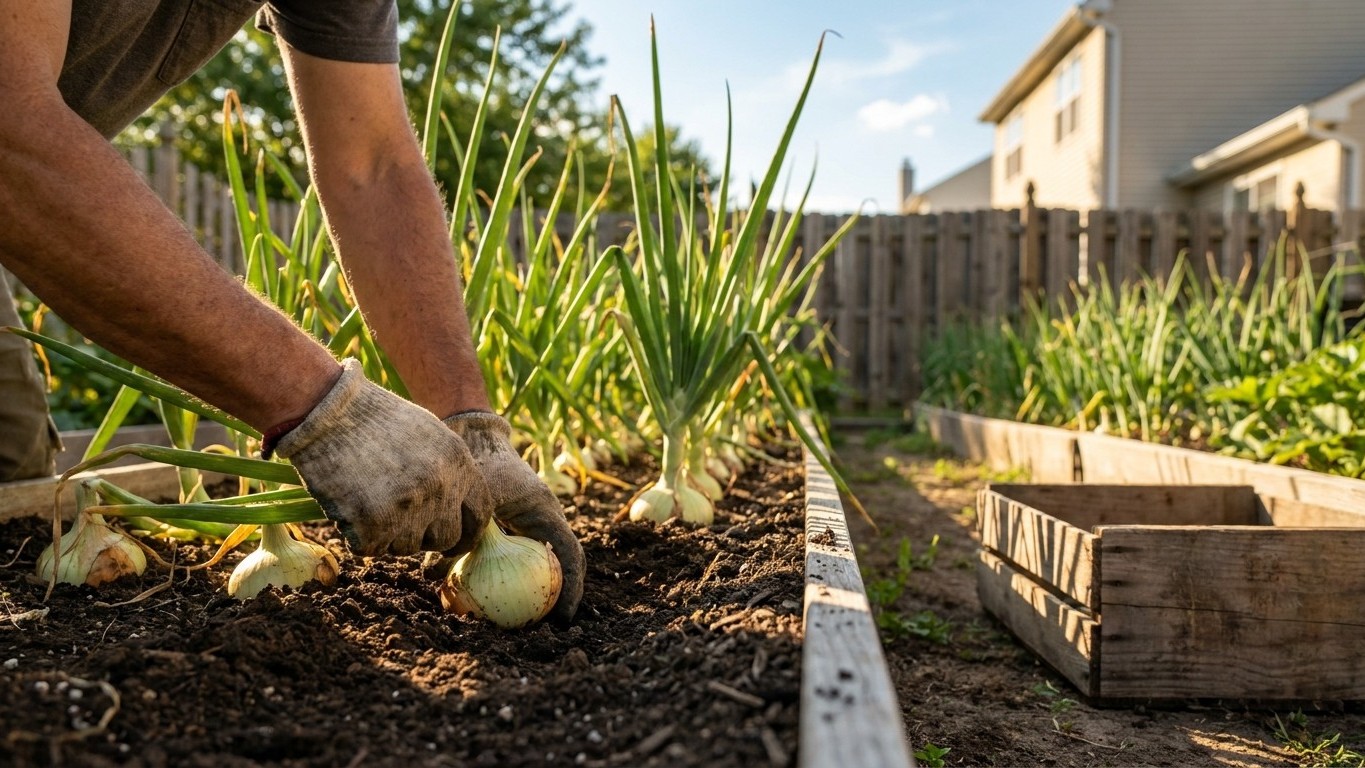
Newark sits at 40.68 degrees north, and on the longest day of the year it gets 14 hours and 55 minutes of daylight.
Home & garden, state by state
Everything we have worked out for New Jersey: what to plant and when, which varieties finish in time, the pests that actually turn up here, and the jobs that pay off month by month. We also cover the rest of the property, from lawns and soil to home care and energy, because a garden rarely stops at the vegetable bed.
The numbers first, because everything else follows from them. Measured at the weather station in Newark, the last spring freeze runs March 29 to April 6 and the first fall freeze runs November 4 to November 16, USDA zones 6a-7b, 3,881 growing degree days in the year.
Garlic does well: 21.8 weeks below 40 °F, comfortably past the six it needs to form a proper head.
Elsewhere on the property in New Jersey: the pests that turn up here.
Figures from NOAA's 1991-2020 climate normals. A state is not one climate: elevation, a large lake or the coast can move these dates by two weeks either way, so check your own county with the extension service before you spend money.
Newark sits at 40.68 degrees north, and on the longest day of the year it gets 14 hours and 55 minutes of daylight.
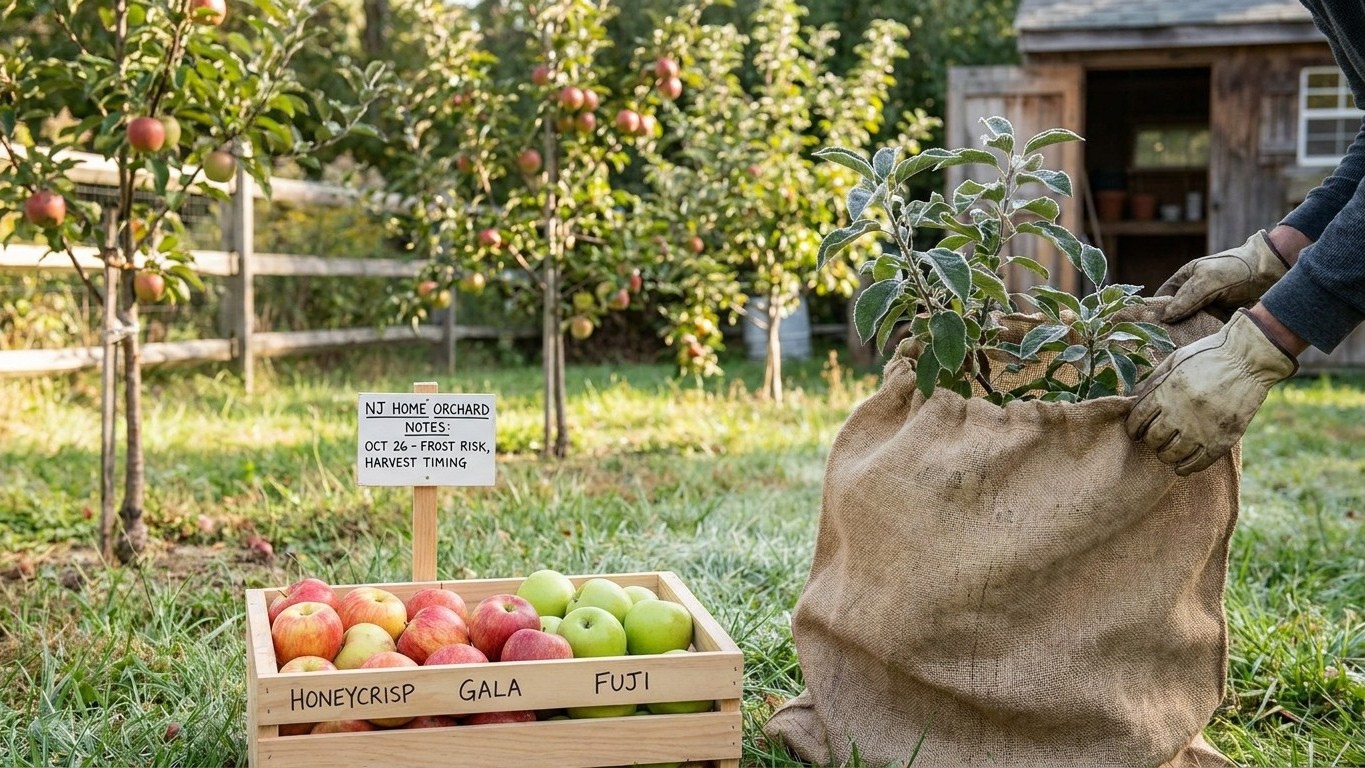
A county-by-county look at which apple varieties, pollination pairs and frost windows actually work in New Jersey’s climate.

Newark’s coldest month bottoms out at a 25.5°F average low, which sounds mild until you count the weeks that number holds steady.
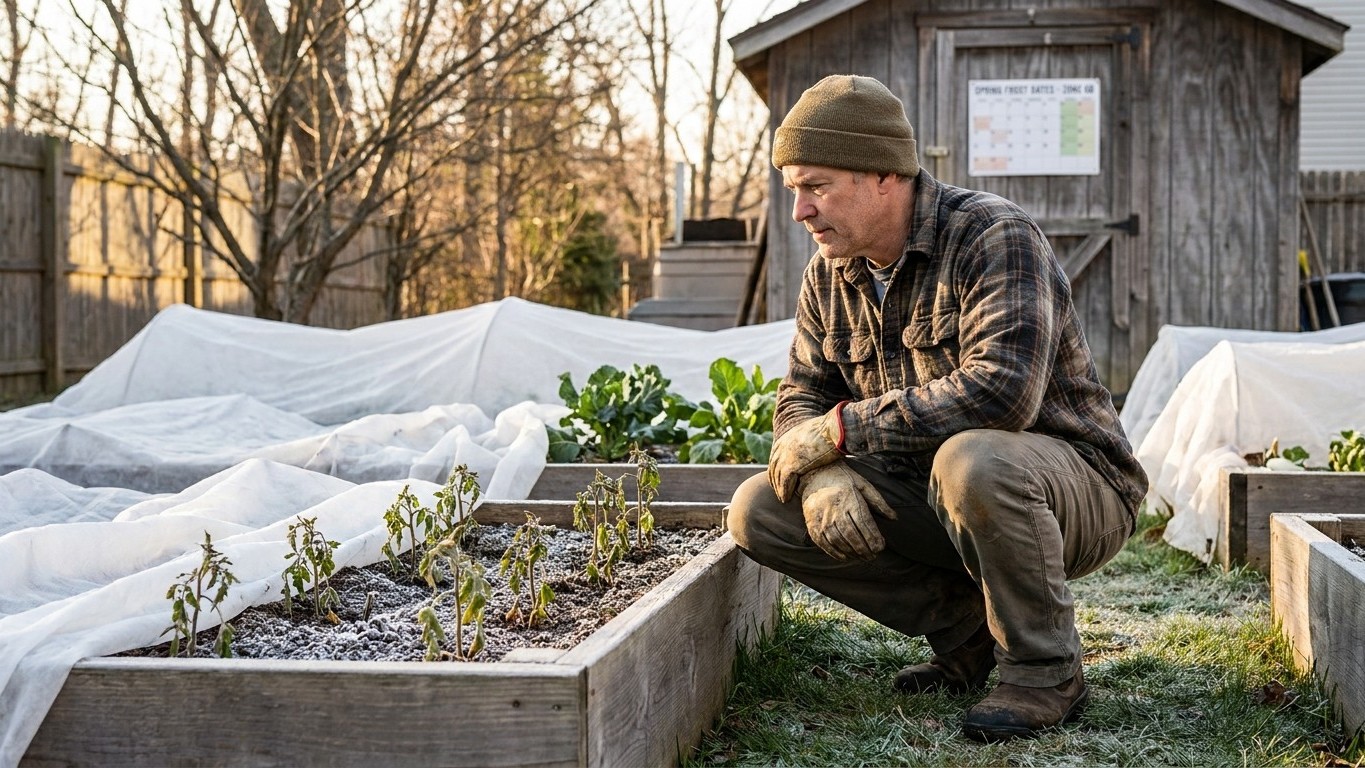
Six to seven months, at best. That’s the realistic gardening window in New Jersey once you strip away the marketing language and look at what the frost…
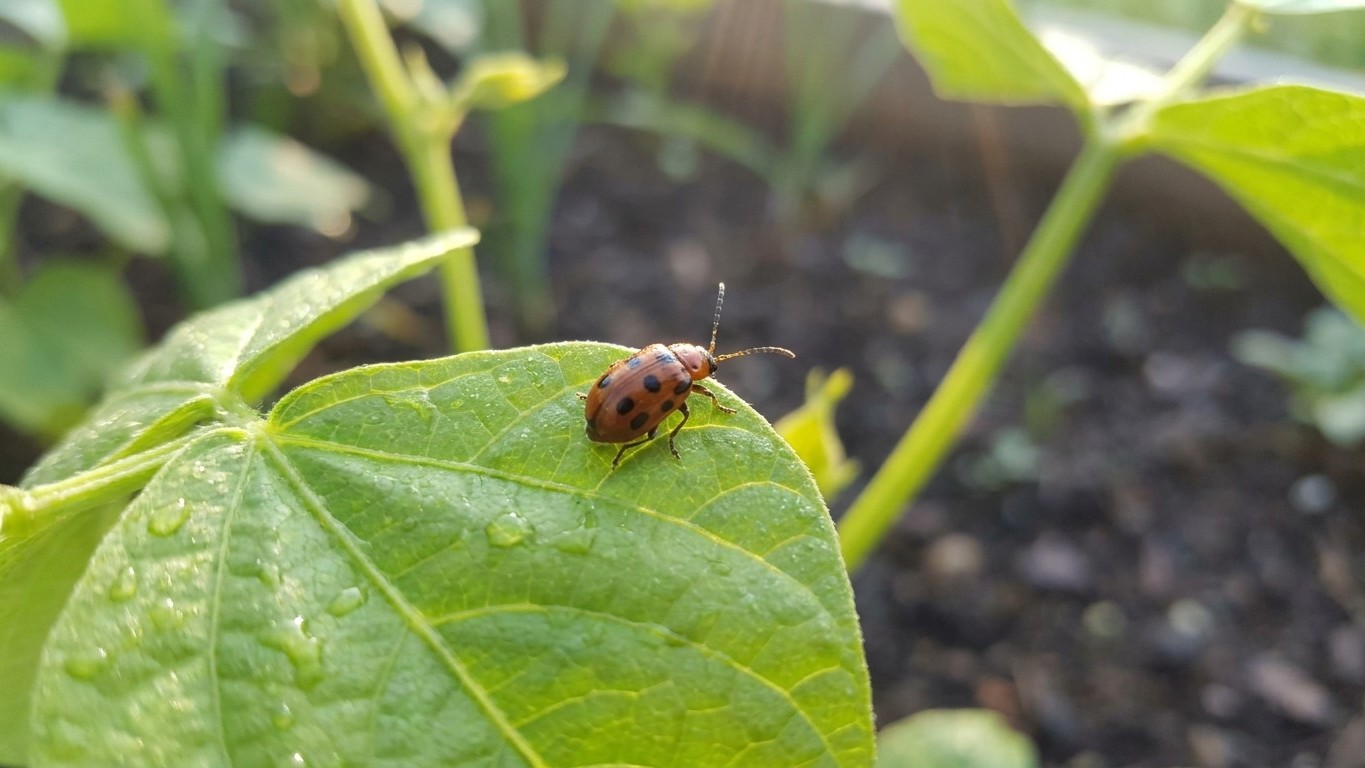
Bean leaf beetle shows up in New Jersey gardens in a narrow window each spring, and knowing that window matters more than any calendar date because it’s…
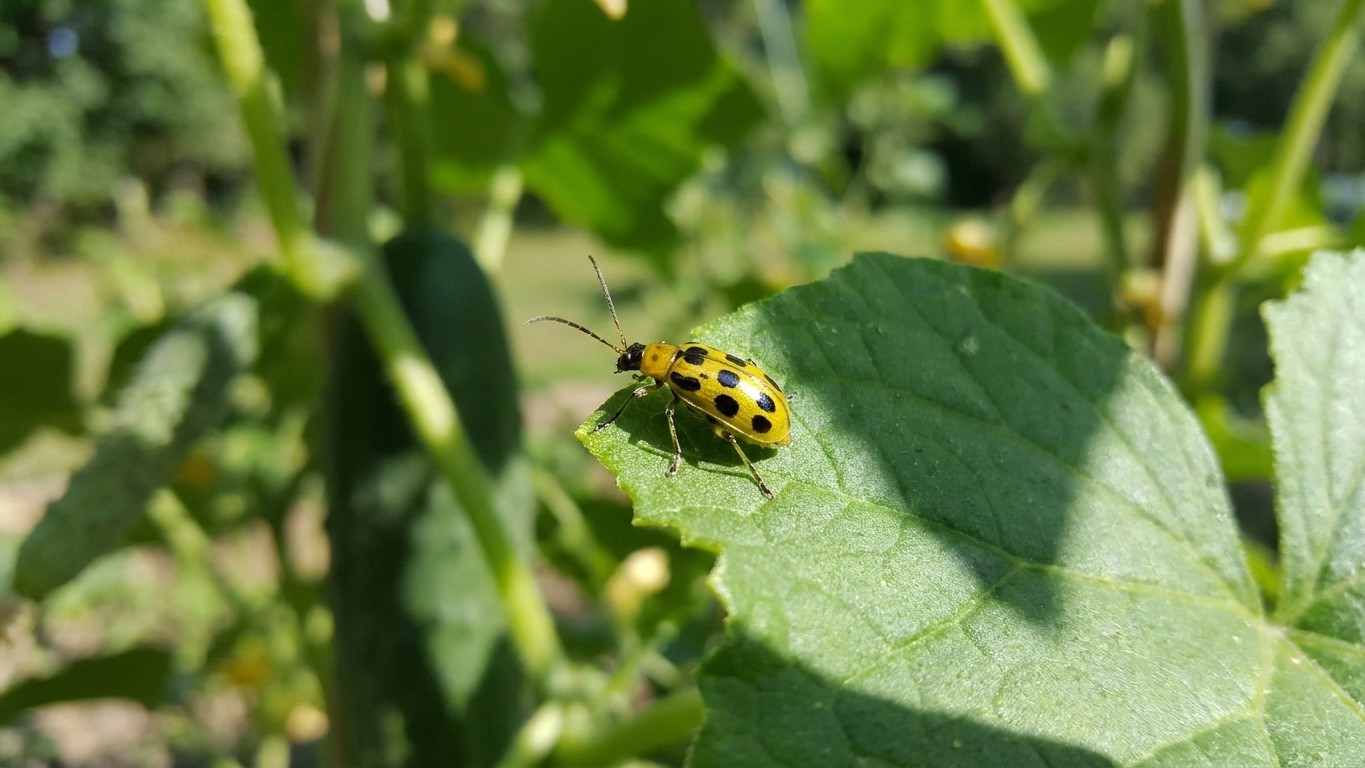
Spotted cucumber beetles start turning up in New Jersey gardens as early as the last week of April in the southern counties, and by mid-May they’re…
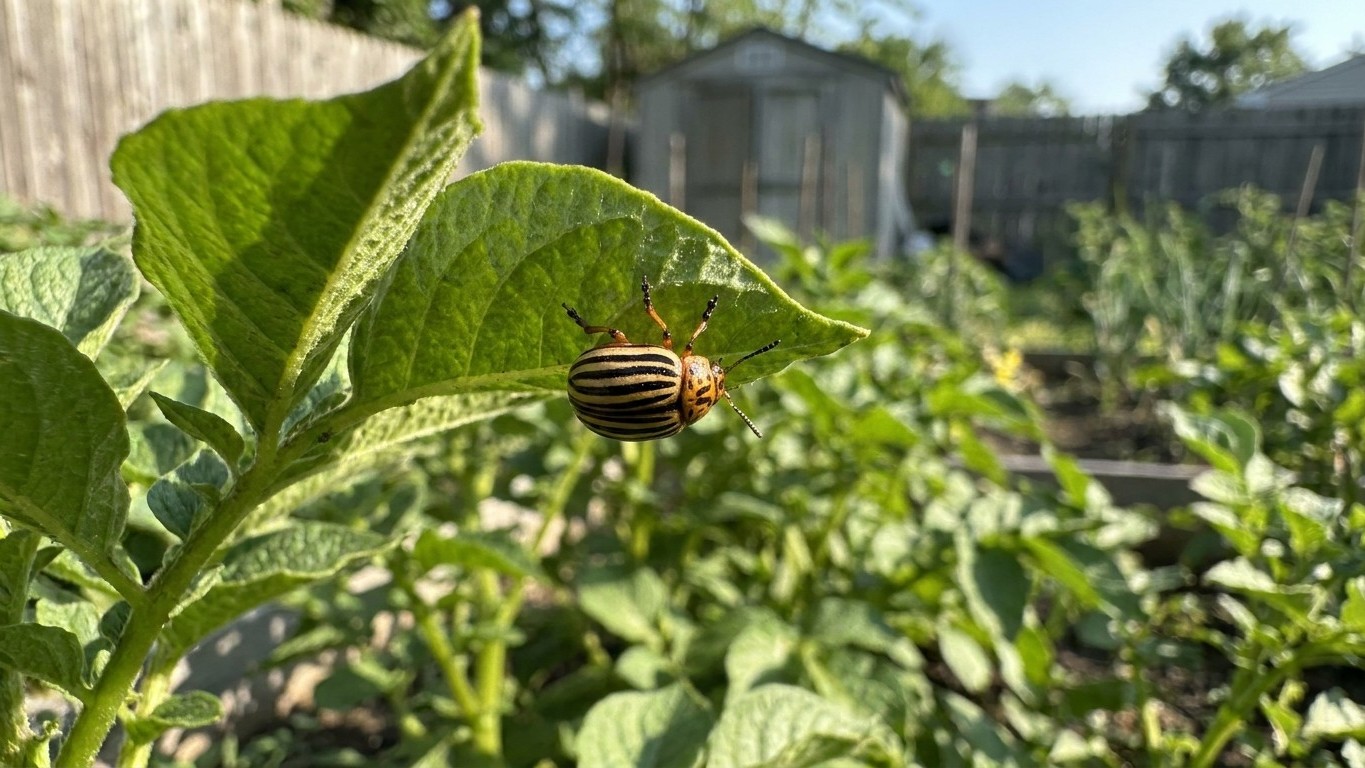
In New Jersey, Colorado potato beetles emerge from overwintering soil in mid to late April, right around the time potato plants push their first leaves…
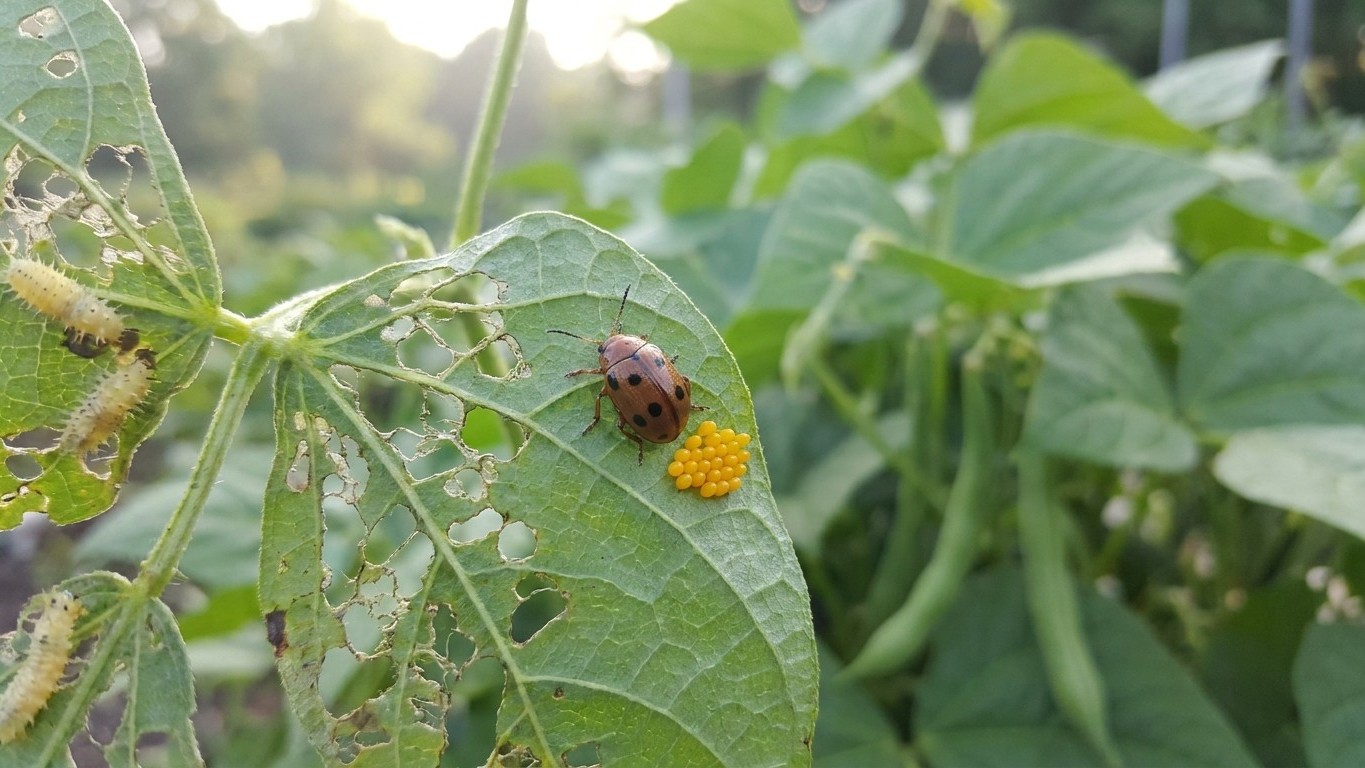
Mexican bean beetle typically appears in New Jersey gardens by mid-to-late May, once overwintering adults leave the leaf litter and hedgerows where…
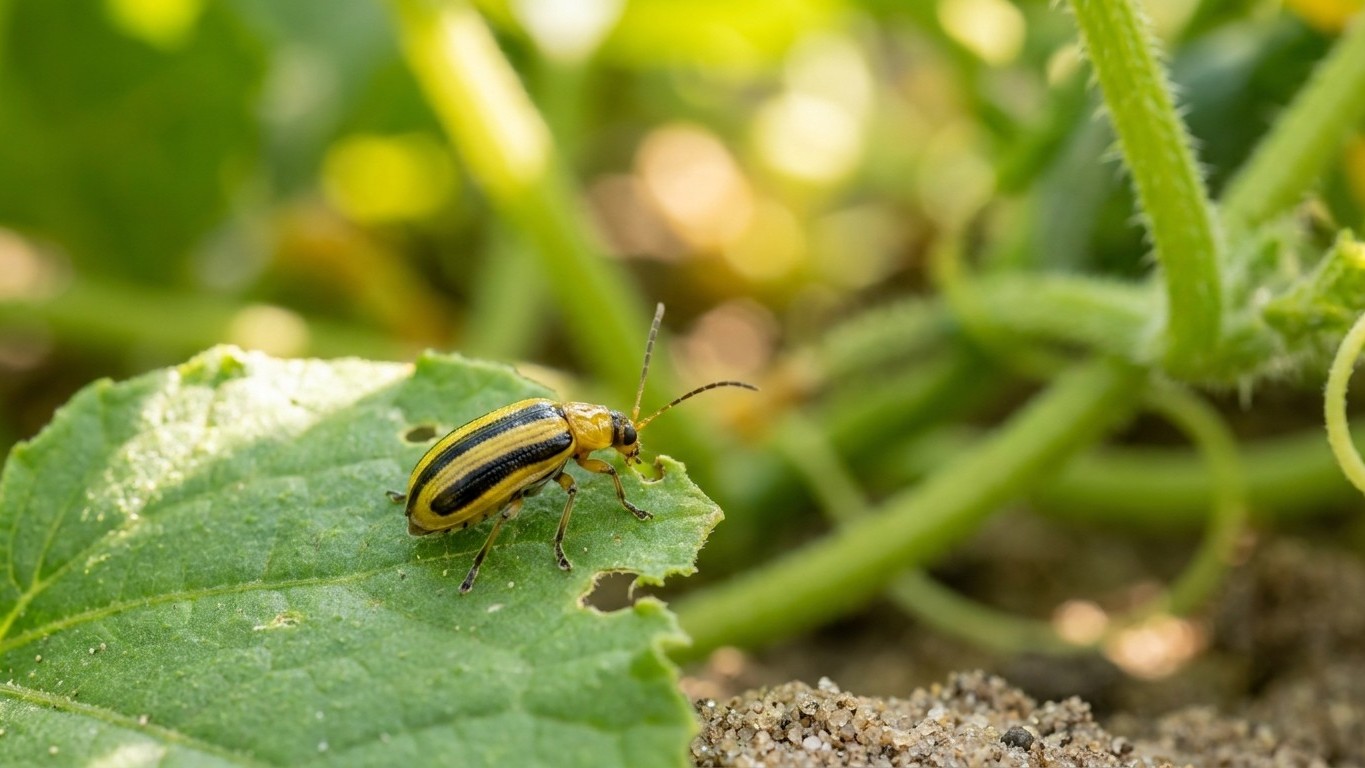
Striped cucumber beetles show up in New Jersey gardens as soon as soil temperatures climb past 65 degrees, usually in the last two weeks of April in…
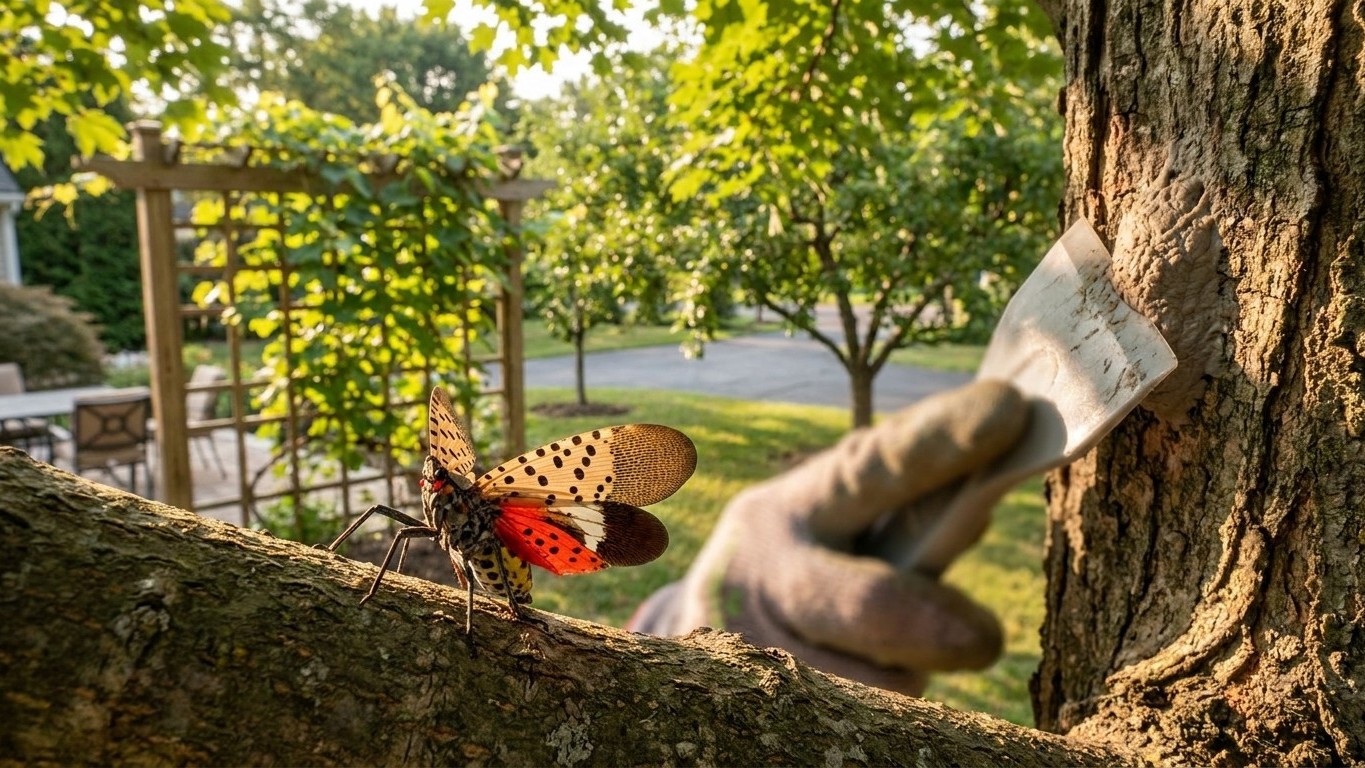
Spotted lanternfly shows up in New Jersey in three distinct waves tied to its life cycle: egg masses hatch into nymphs from late April through July…