The Best Grass Seed for New Jersey Lawns
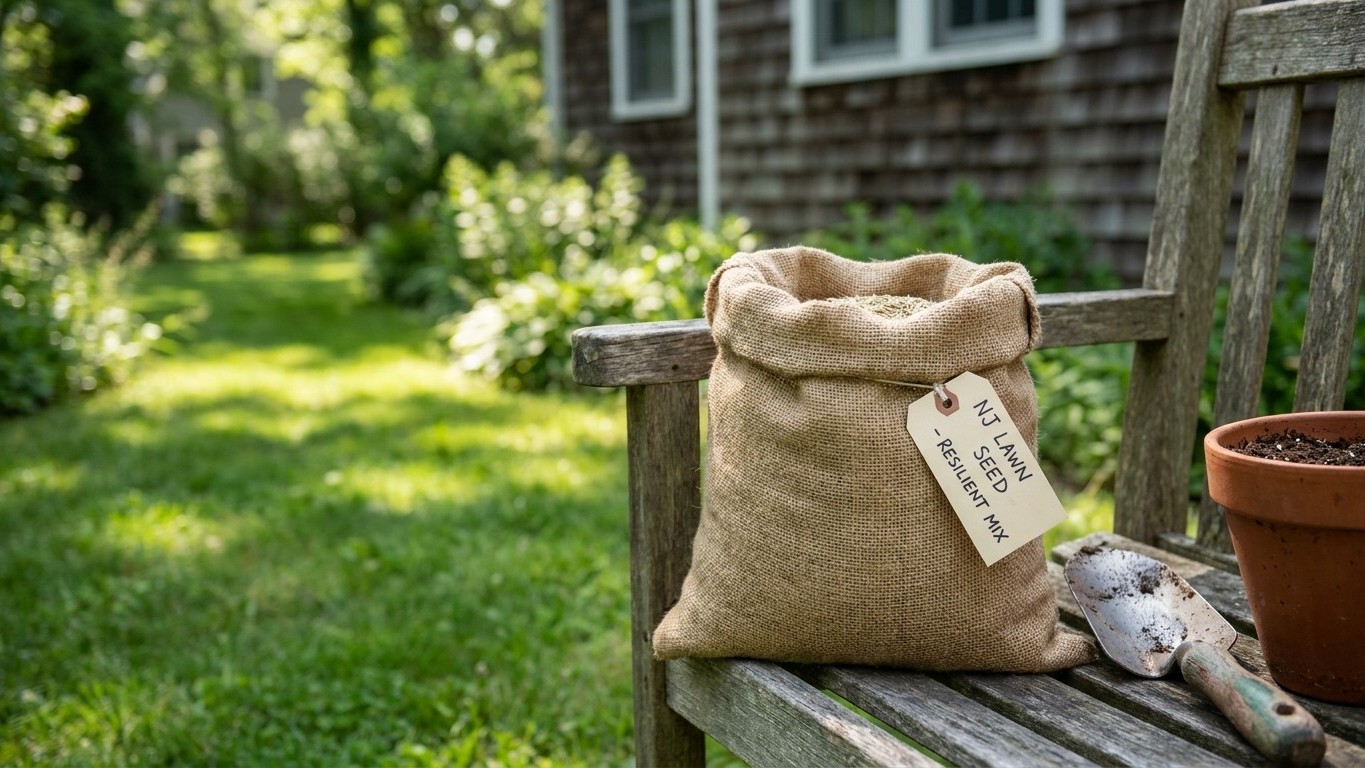
New Jersey’s transition-zone climate means cool-season and warm-season grasses each fail for part of the year, and homeowners have to pick which season to lose.
Home & garden, state by state
Everything we have worked out for New Jersey: what to plant and when, which varieties finish in time, the pests that actually turn up here, and the jobs that pay off month by month. We also cover the rest of the property, from lawns and soil to home care and energy, because a garden rarely stops at the vegetable bed.
The numbers first, because everything else follows from them. Measured at the weather station in Newark, the last spring freeze runs March 29 to April 6 and the first fall freeze runs November 4 to November 16, USDA zones 6a-7b, 3,881 growing degree days in the year.
Garlic does well: 21.8 weeks below 40 °F, comfortably past the six it needs to form a proper head.
Elsewhere on the property in New Jersey: the pests that turn up here.
Figures from NOAA's 1991-2020 climate normals. A state is not one climate: elevation, a large lake or the coast can move these dates by two weeks either way, so check your own county with the extension service before you spend money.
New Jersey’s transition-zone climate means cool-season and warm-season grasses each fail for part of the year, and homeowners have to pick which season to lose.
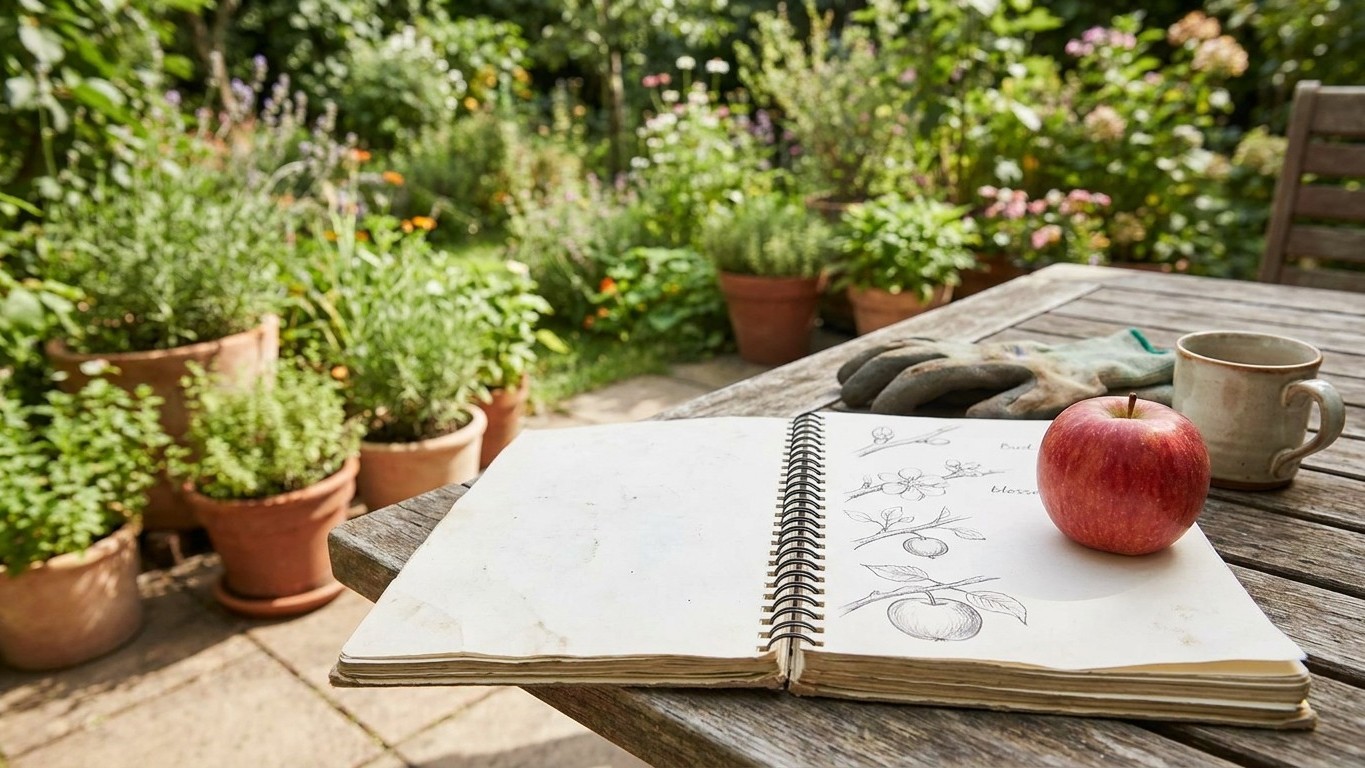
Explains how New Jersey apple trees move from dormancy to harvest using Newark’s NOAA frost-date normals, and where the rest of the state runs earlier or later.
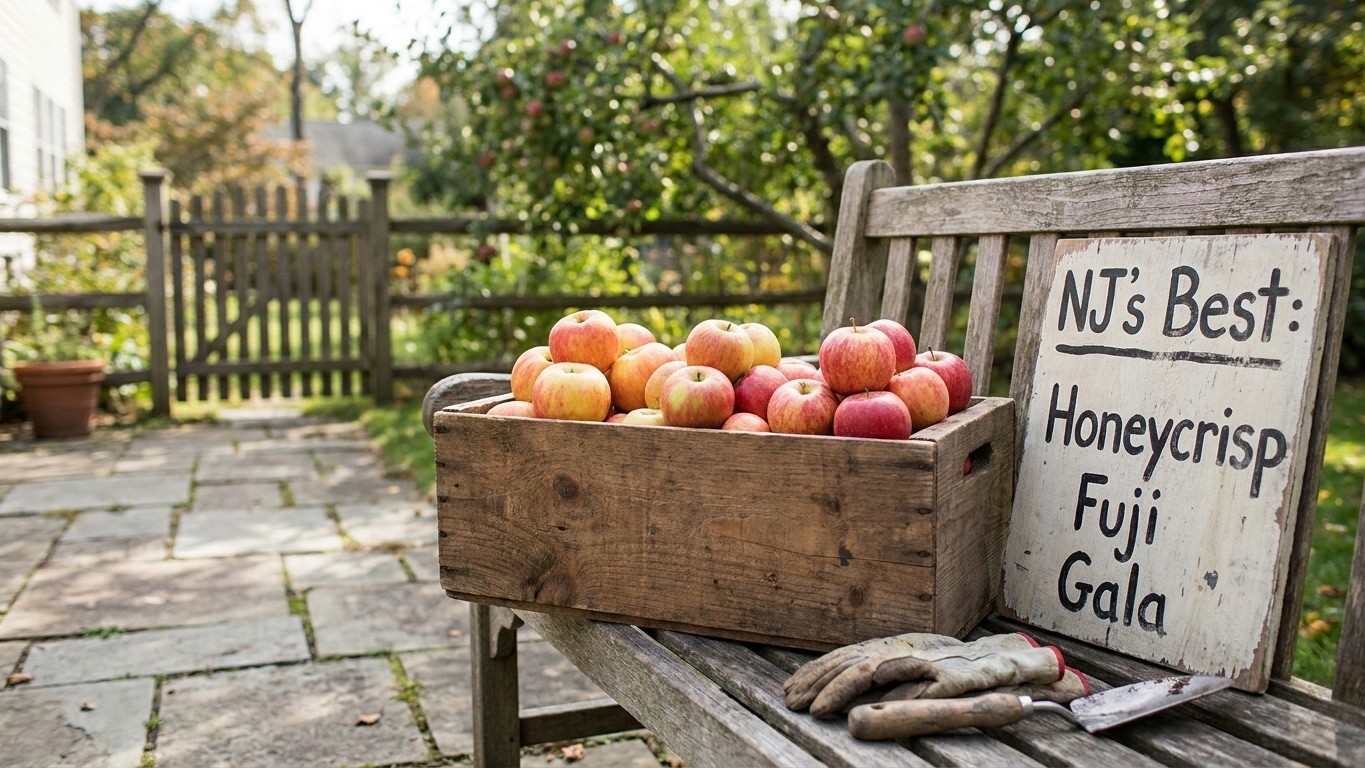
New Jersey’s winters suit apples statewide, but bloom timing against NOAA’s Newark frost dates decides which trees actually bear fruit.
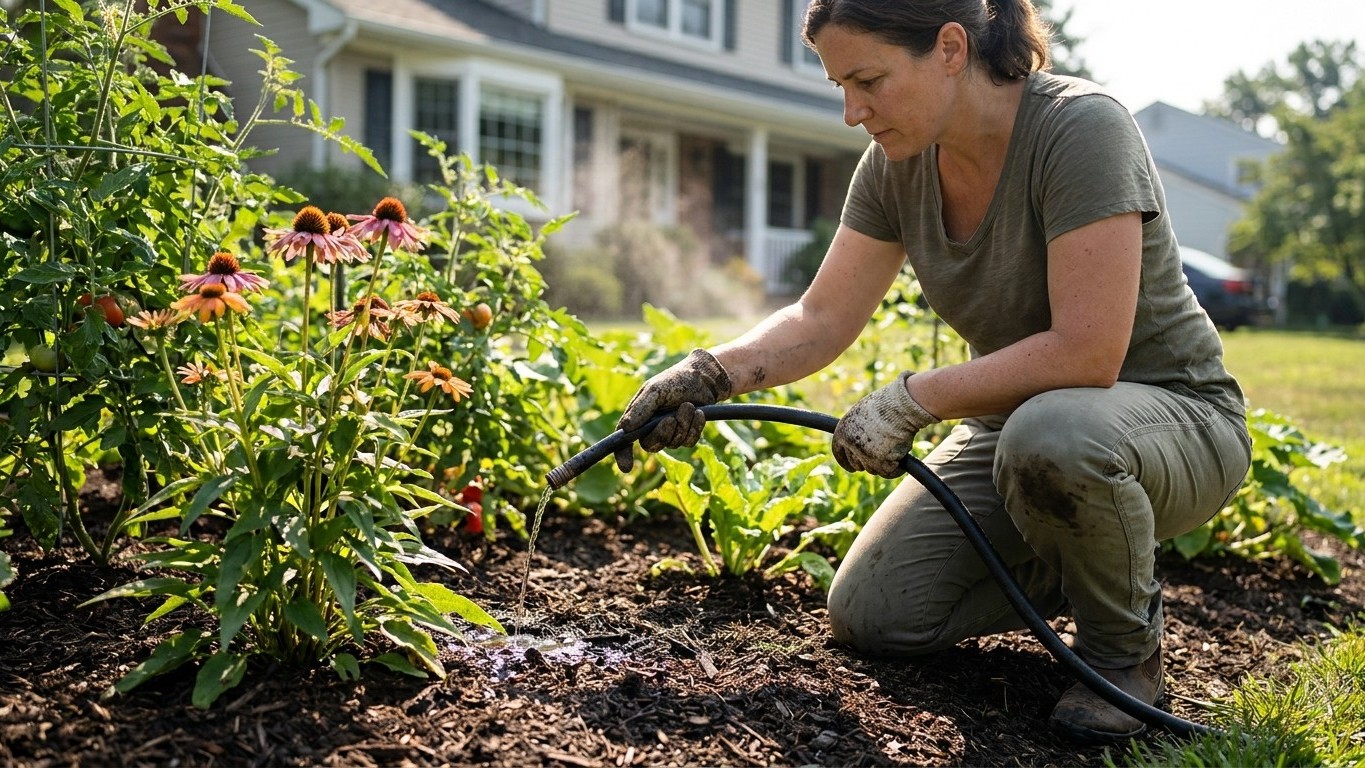
New Jersey gardens need roughly an inch of water a week during the growing season, delivered deep and infrequent rather than in daily sips, and exactly…
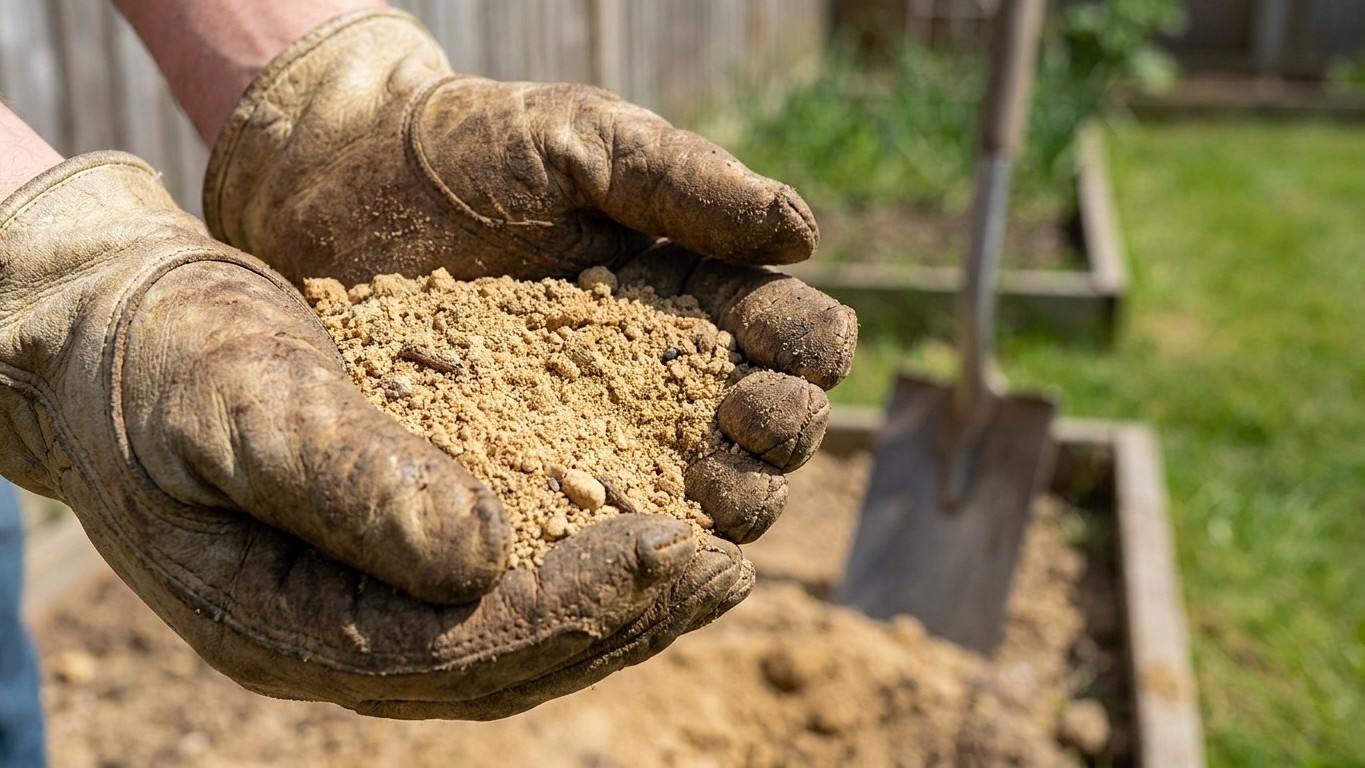
New Jersey’s official state soil is the Downer series, a sandy, fast-draining, naturally acid ground that formed over thousands of years of weathering…
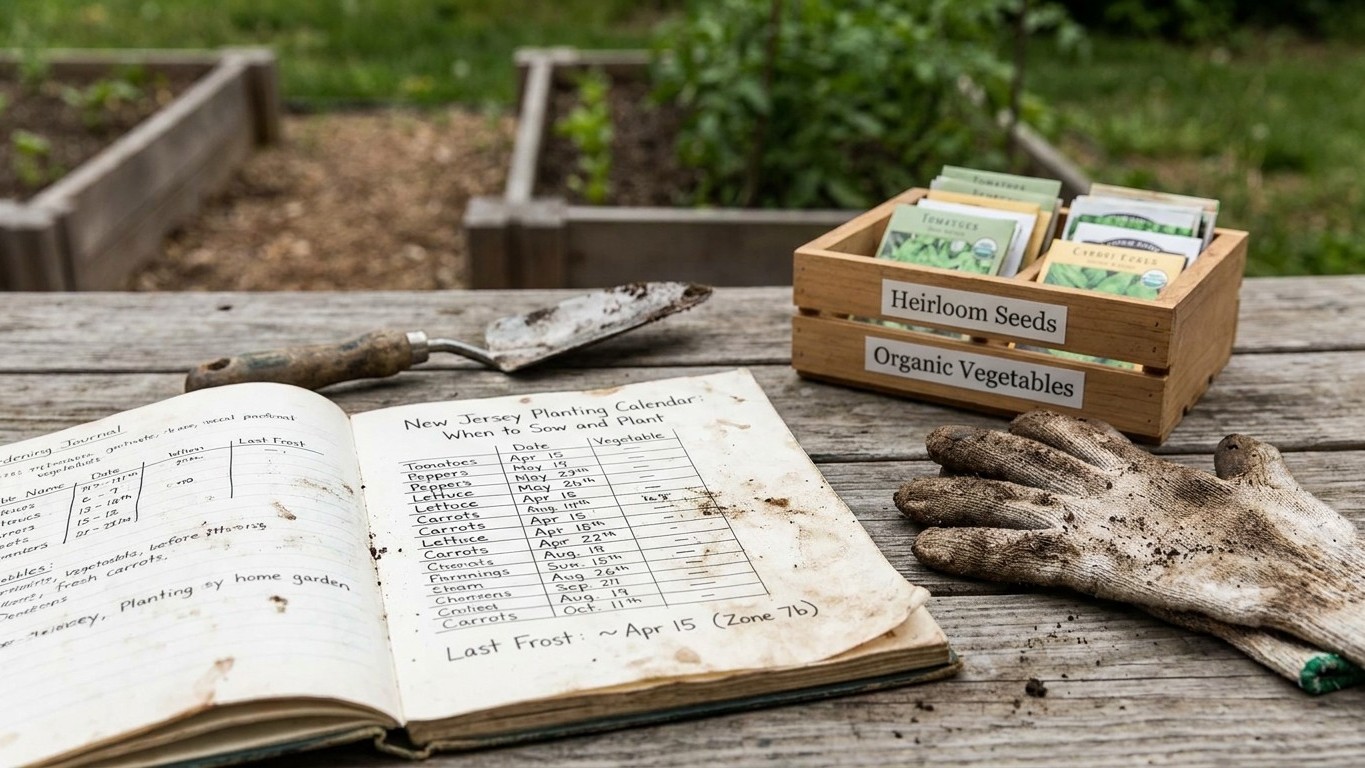
NOAA’s 1991-2020 Newark normals set New Jersey’s frost dates, and this calendar shows how to count planting windows from them.
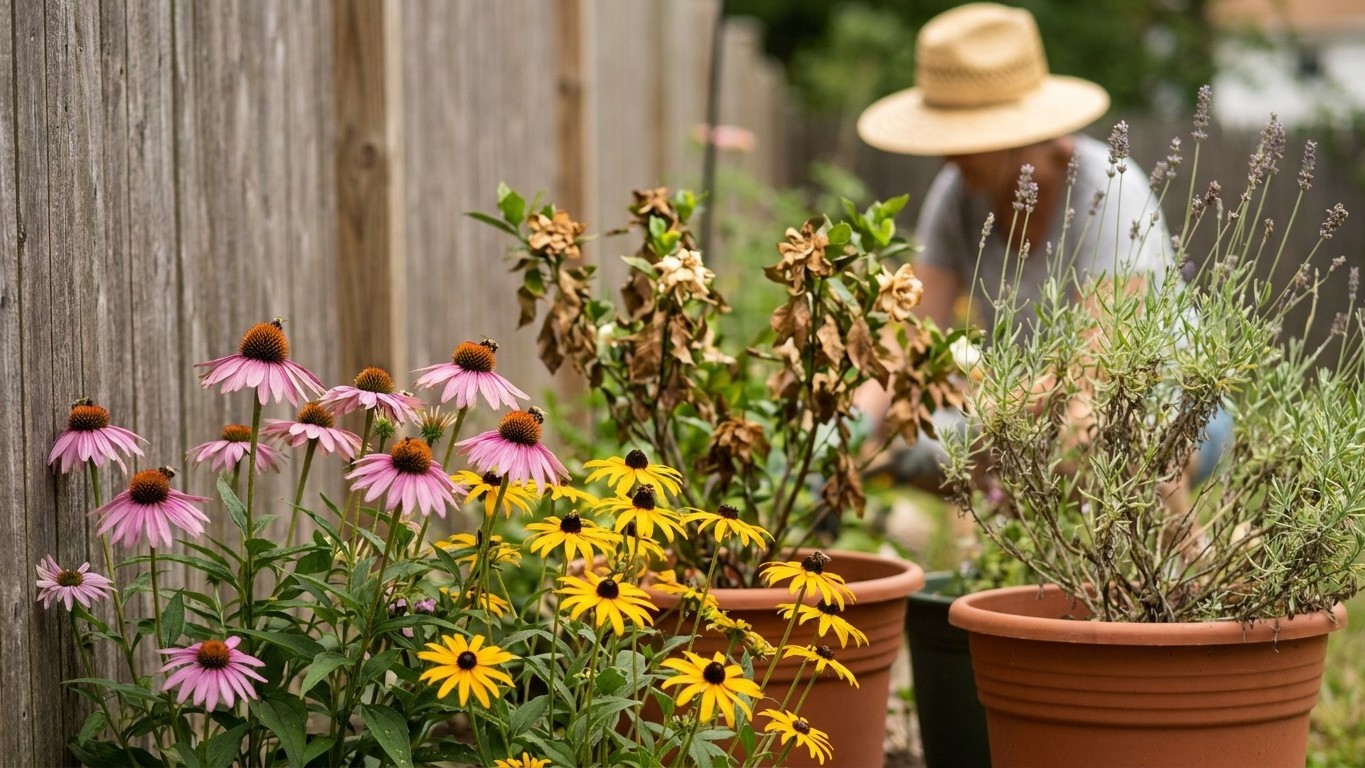
A practical look at which flowers survive New Jersey’s cold winters and muggy summers, which need native roots, and which just won’t make it.
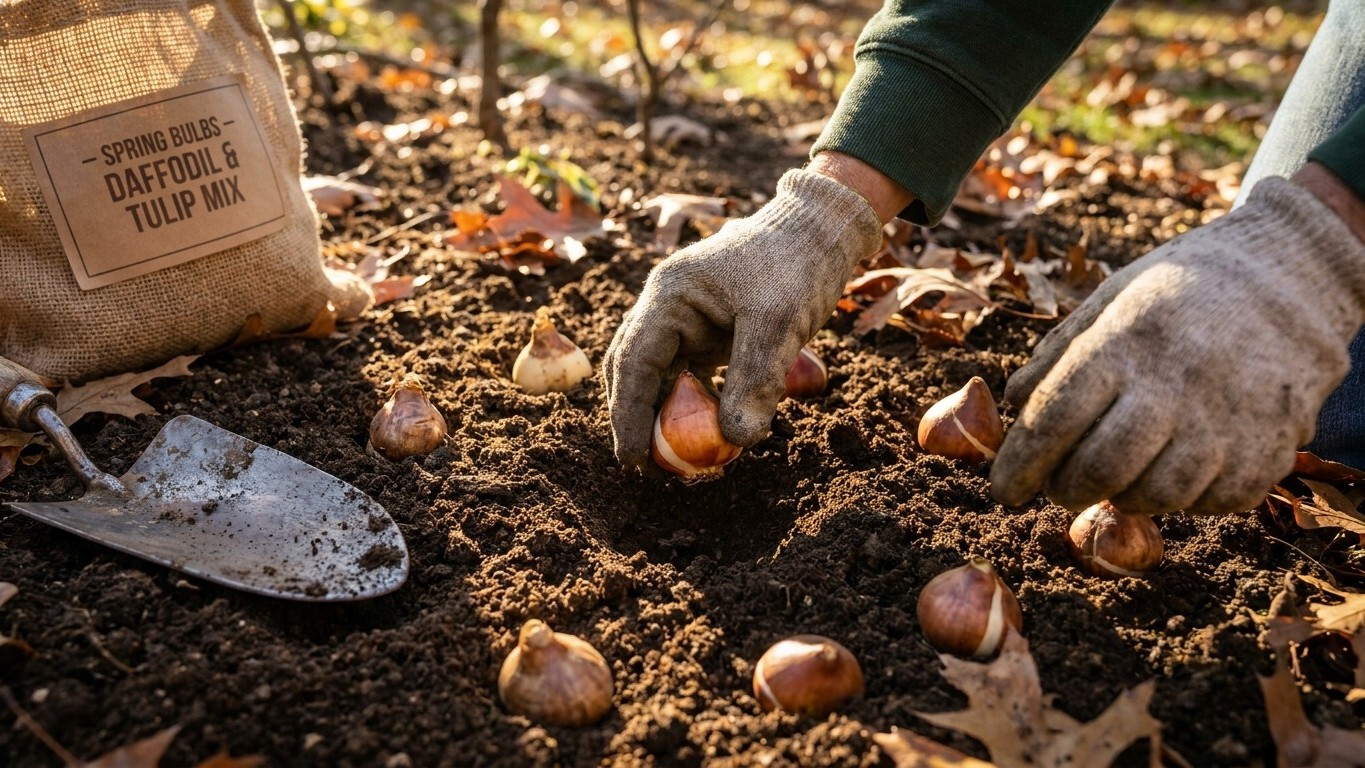
New Jersey’s winters run cold enough to satisfy nearly every classic spring bulb, but the answer changes bulb by bulb.
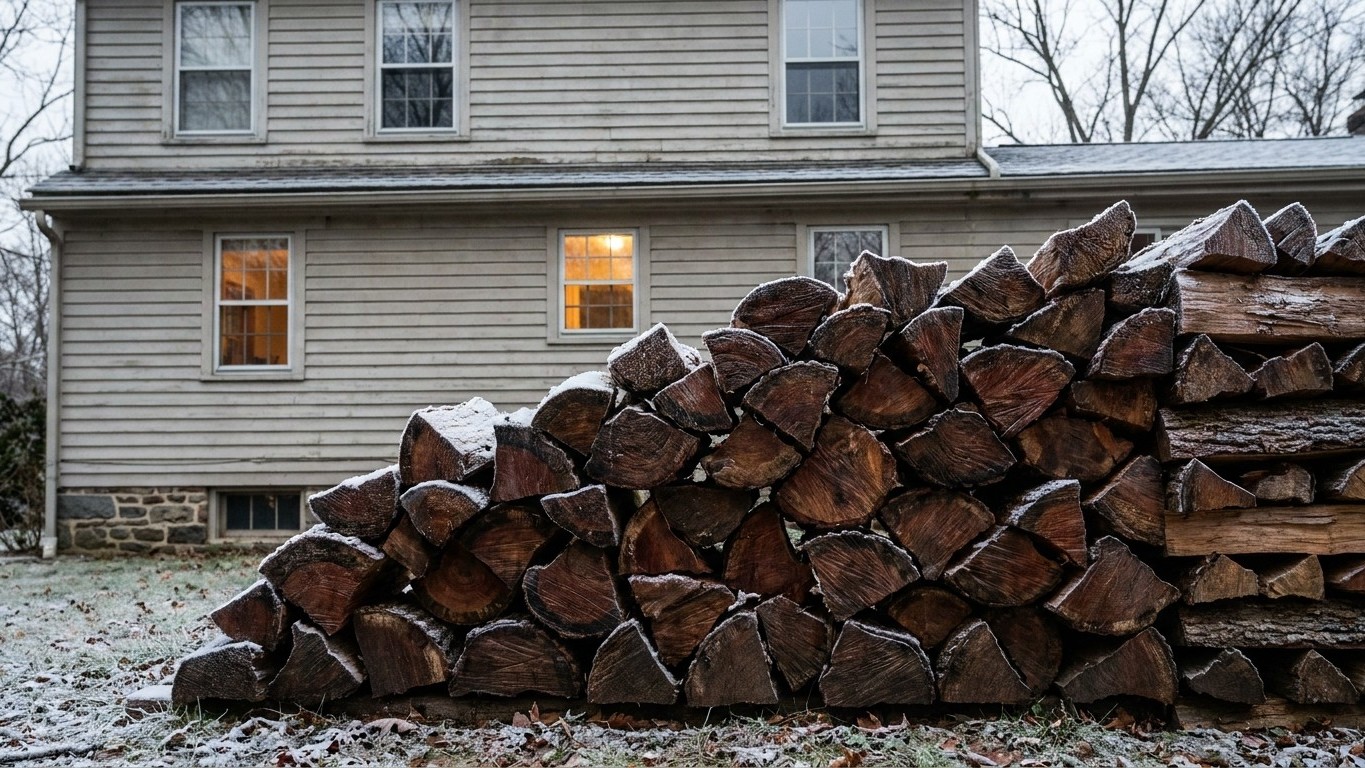
Newark’s coldest month bottoms out at an average low of 25.5°F, according to NOAA’s 1991-2020 Climate Normals.
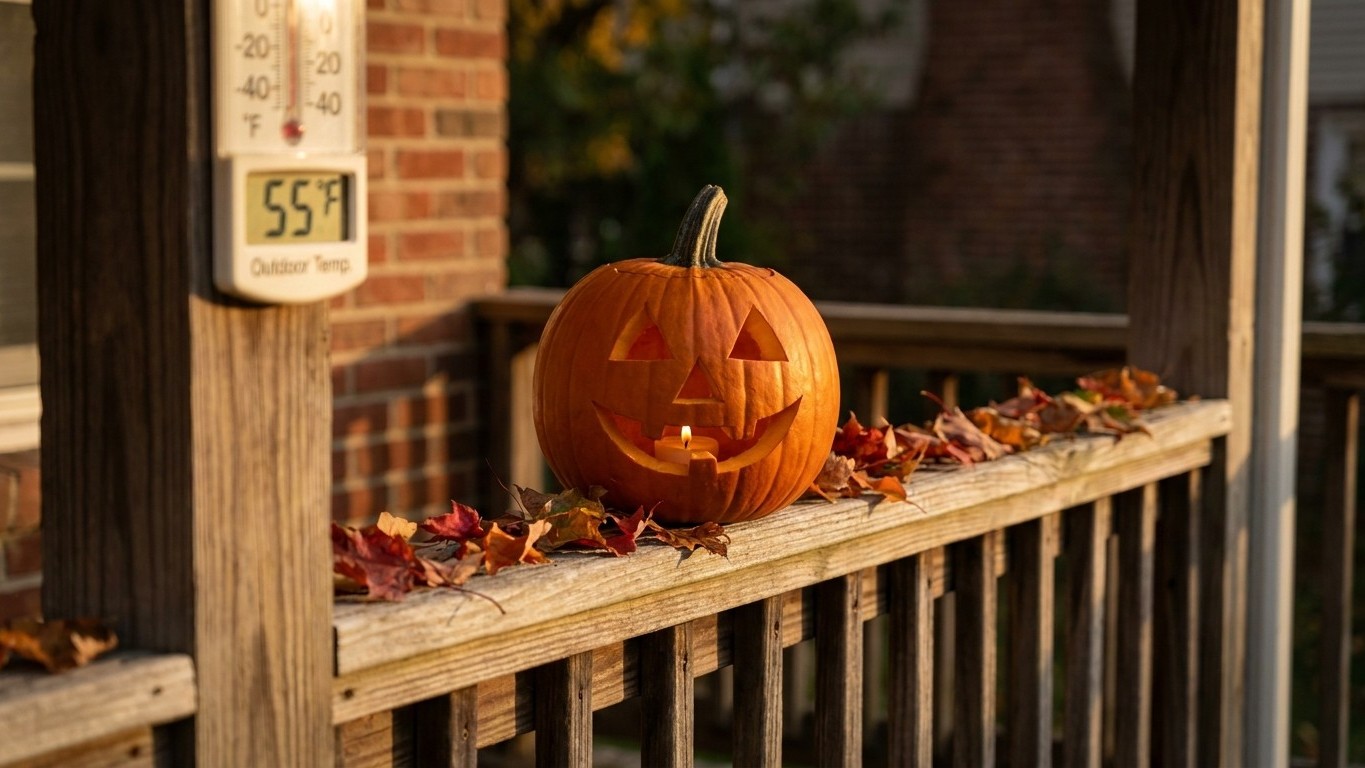
Around Newark, the mean first fall frost lands somewhere between November 4 and November 16, a window that falls one to two weeks after Halloween.