Growing Peppers in Nova Scotia: Fruit Set, Heat and Timing
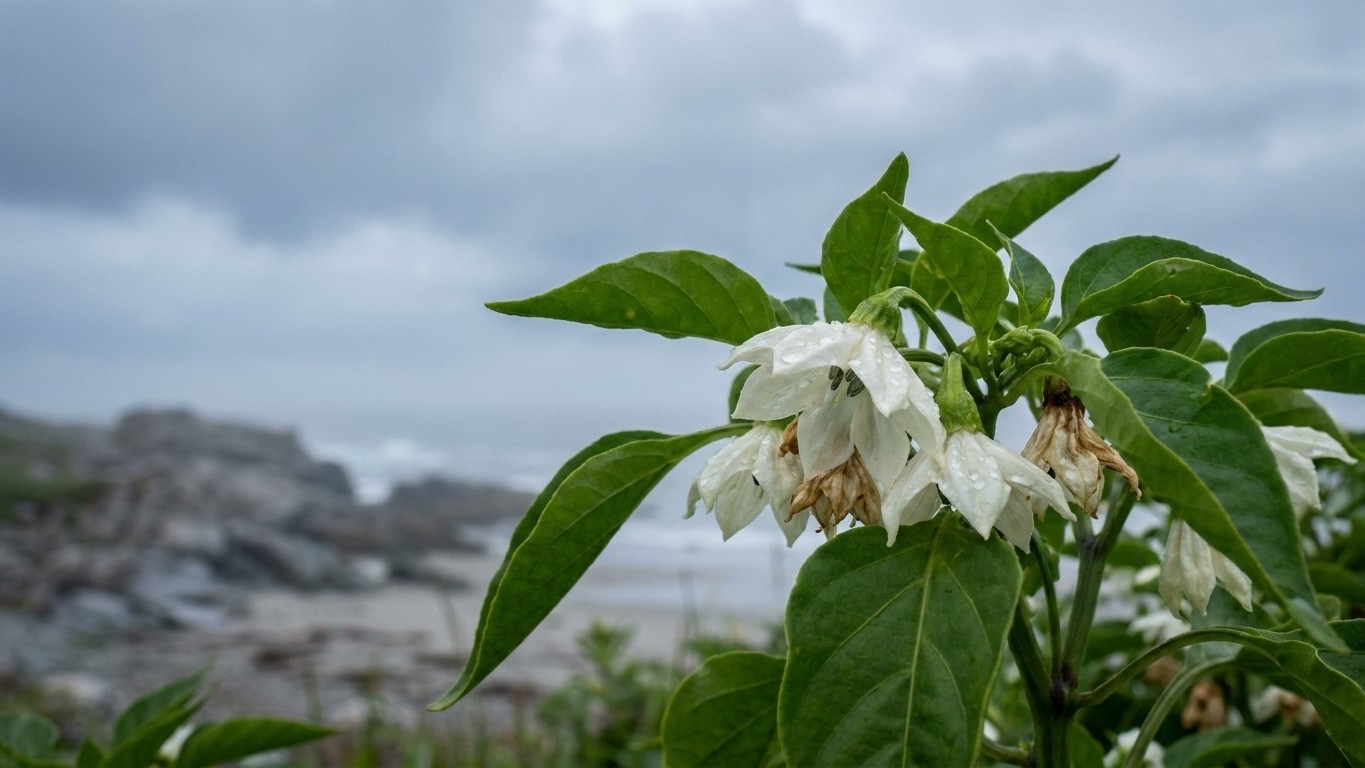
Halifax averages zero days a year at or above 90°F, so heat-driven blossom drop is rare here.
Home & garden, state by state
Everything we have worked out for Nova Scotia: what to plant and when, which varieties finish in time, the pests that actually turn up here, and the jobs that pay off month by month. We also cover the rest of the property, from lawns and soil to home care and energy, because a garden rarely stops at the vegetable bed.
The numbers first, because everything else follows from them. Measured at the weather station in Halifax, the last spring freeze falls around May 7 and the first fall freeze falls around October 18, 1,659 growing degree days in the year.
That is enough for early varieties, tight for anything late. Garlic does well: 30.4 weeks below 40 °F, comfortably past the six it needs to form a proper head.
Elsewhere on the property in Nova Scotia: the pests that turn up here.
Figures from Environment and Climate Change Canada. A state is not one climate: elevation, a large lake or the coast can move these dates by two weeks either way, so check your own county with the extension service before you spend money.
Halifax averages zero days a year at or above 90°F, so heat-driven blossom drop is rare here.
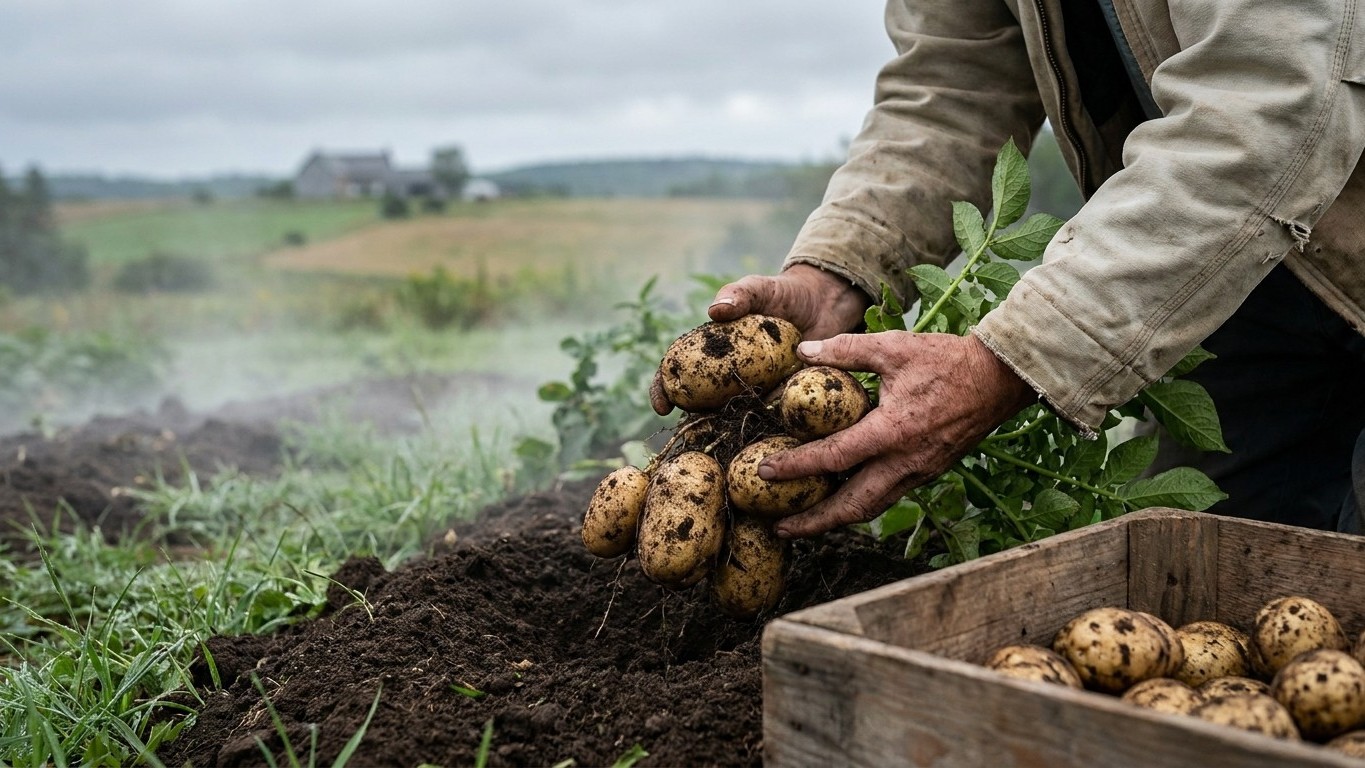
Nova Scotia’s summers almost never cross the threshold that stops potatoes from sizing up, so the growing question here isn’t heat, it’s timing around a…
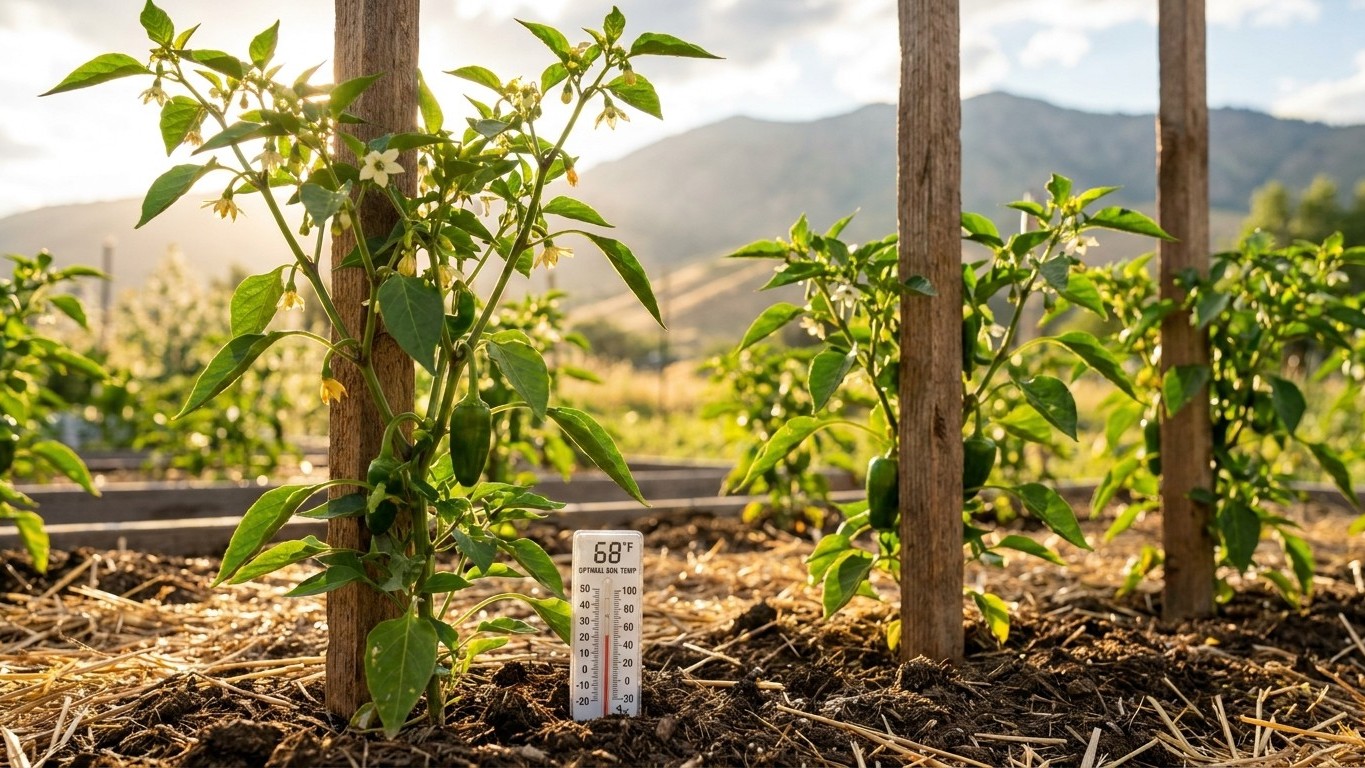
Nova Scotia’s growing season rarely delivers punishing heat, but it also rarely guarantees warm nights early or late in the season.
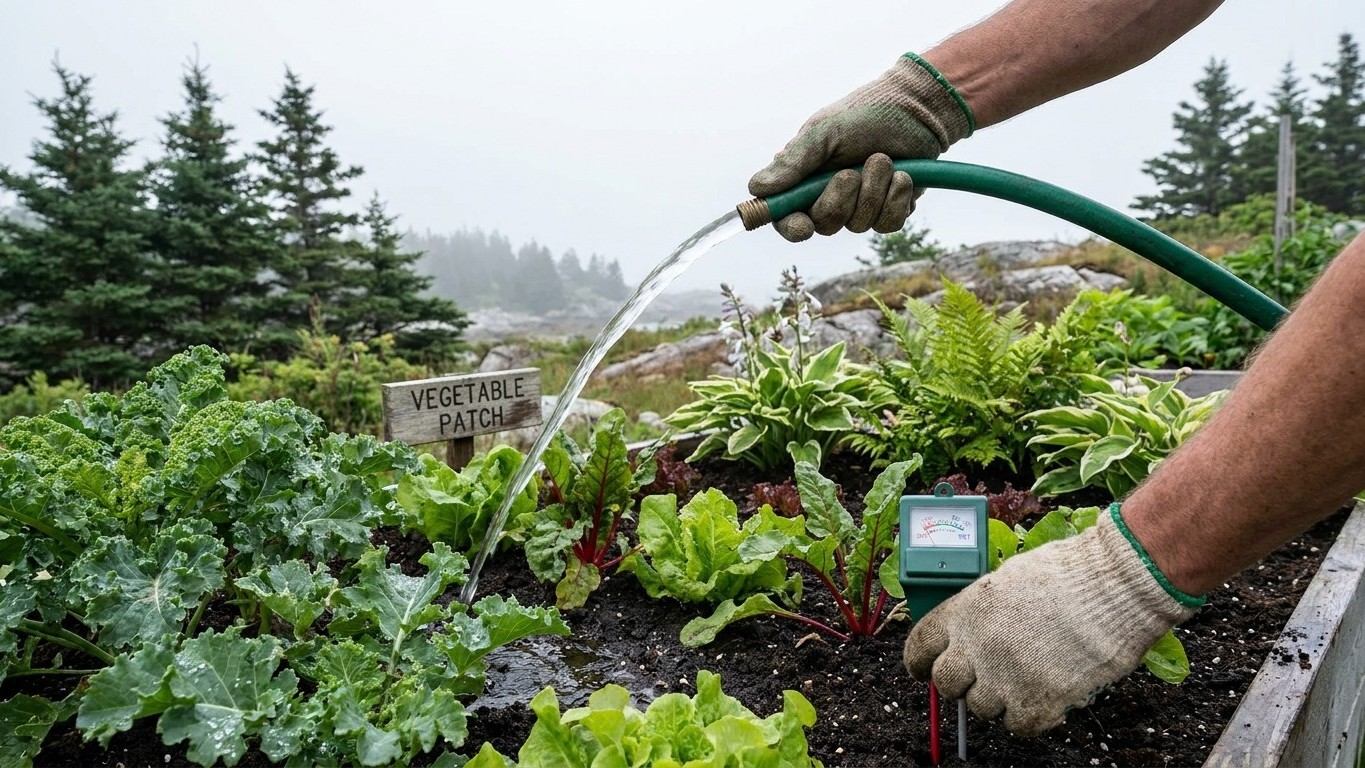
Nova Scotia rarely turns into a true drought garden. Between an average of 3.68 inches of rain in August, the driest summer month, and exactly zero days…
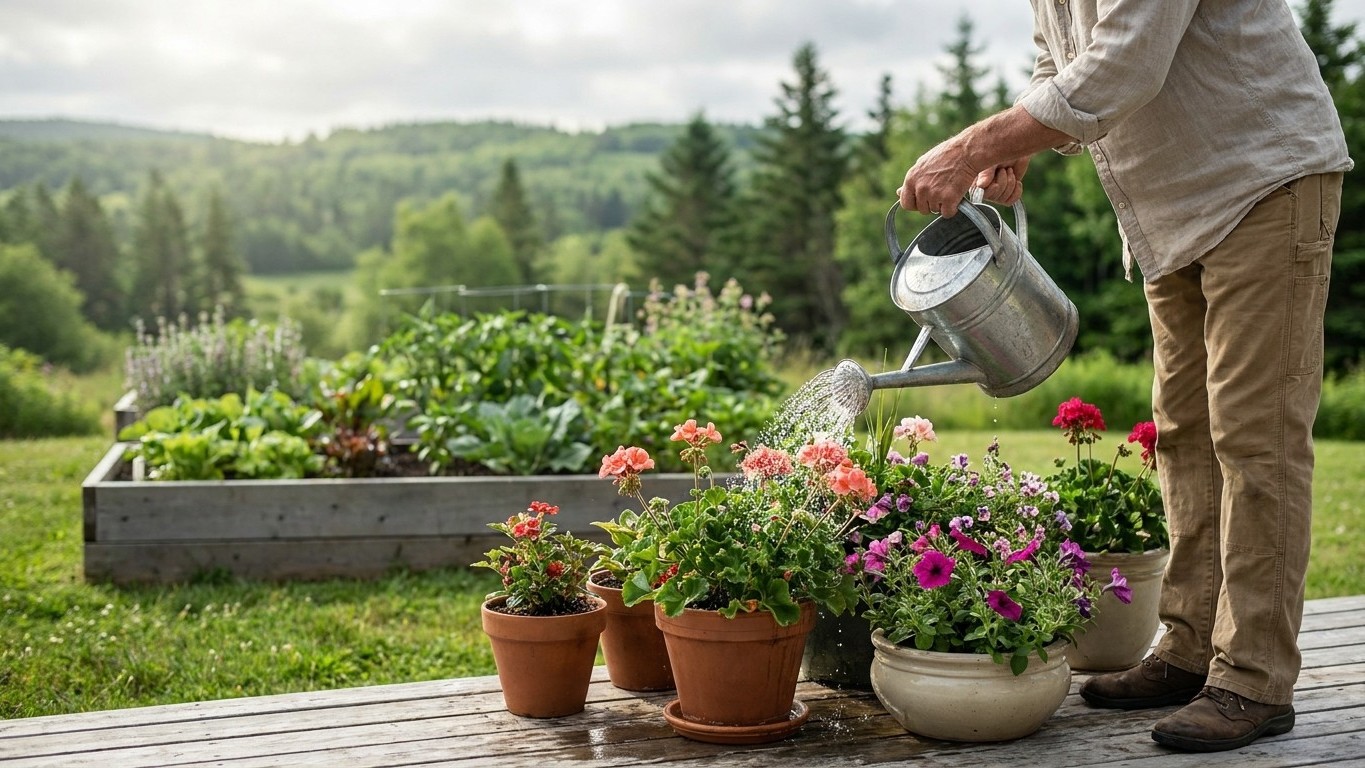
Nova Scotia gardeners get less punishing heat than most of the country, but that doesn’t mean containers and beds take care of themselves.
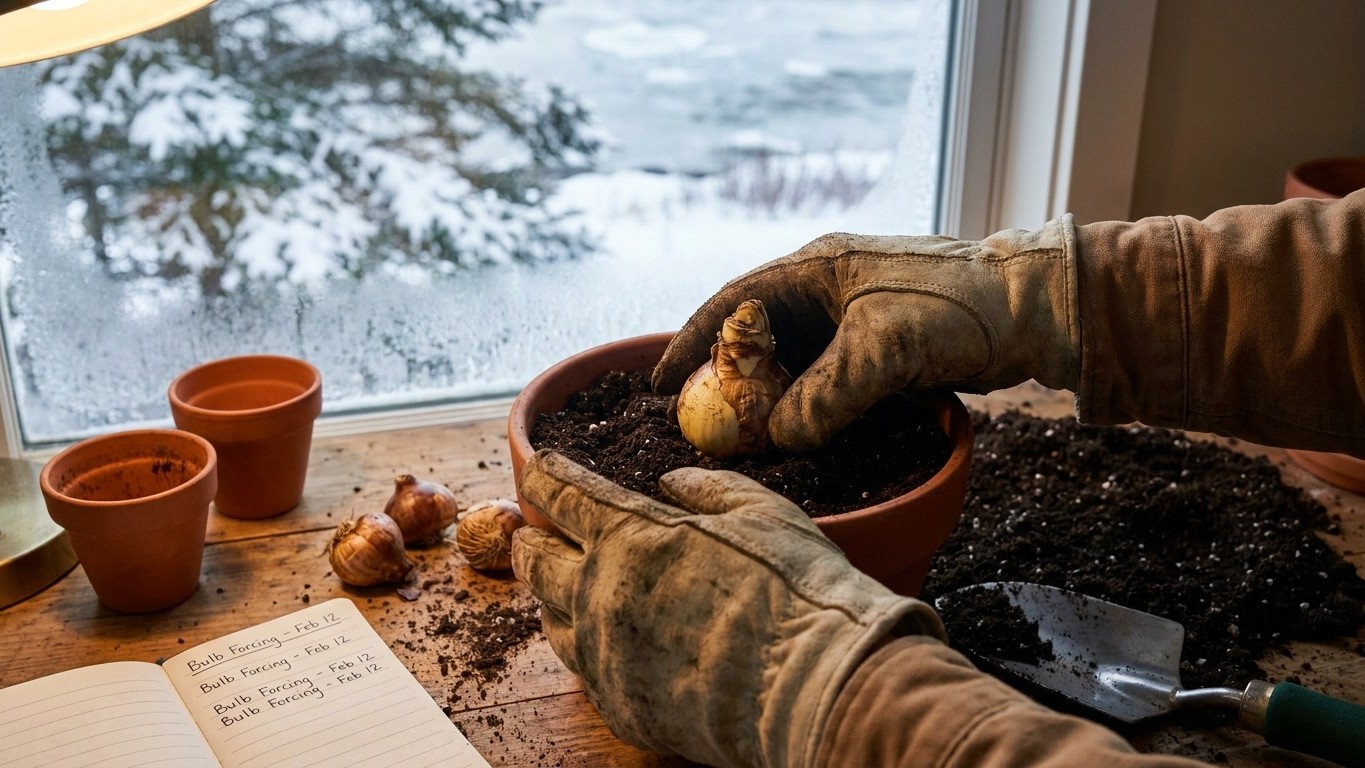
Forcing spring bulbs indoors works well in Nova Scotia, though not because the province lacks winter cold. It has plenty of it.
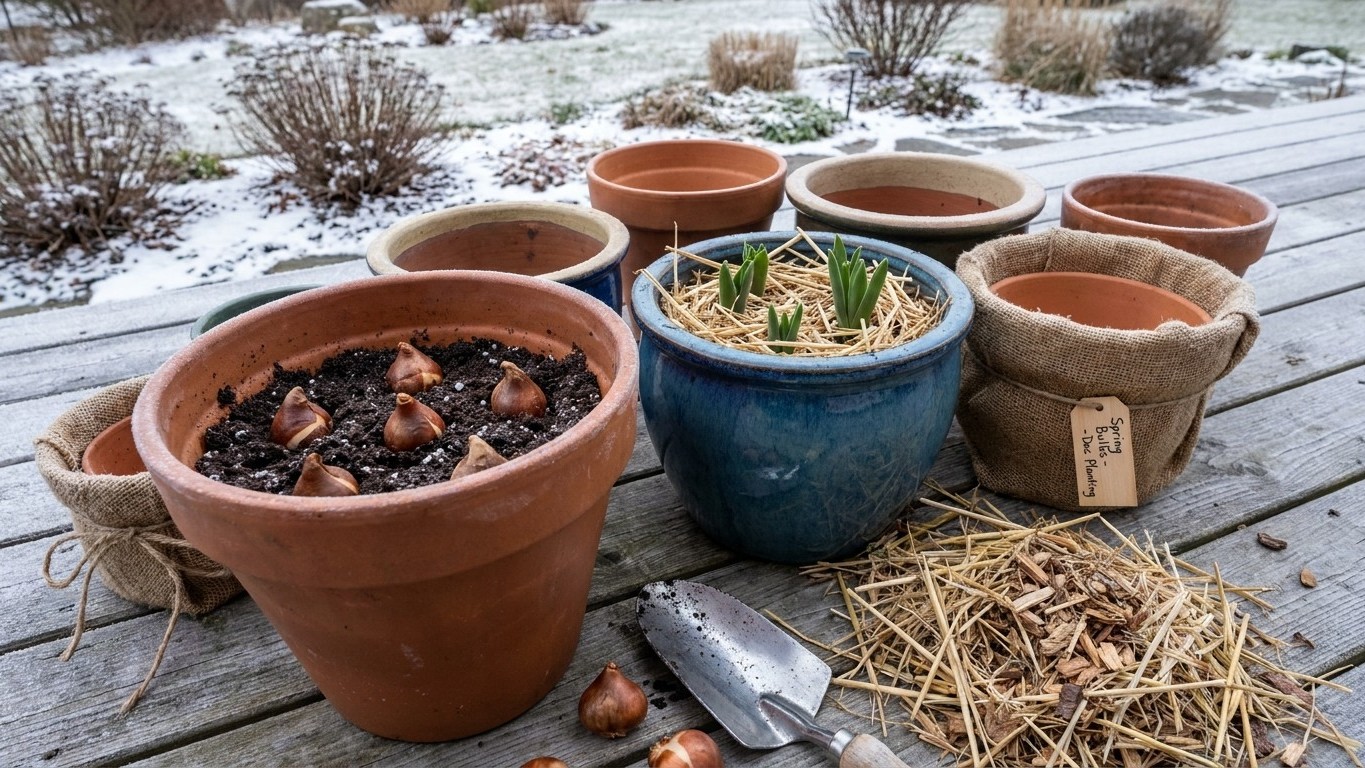
Nova Scotia doesn’t lack winter cold, so forcing isn’t the fix here the way it is in mild climates.
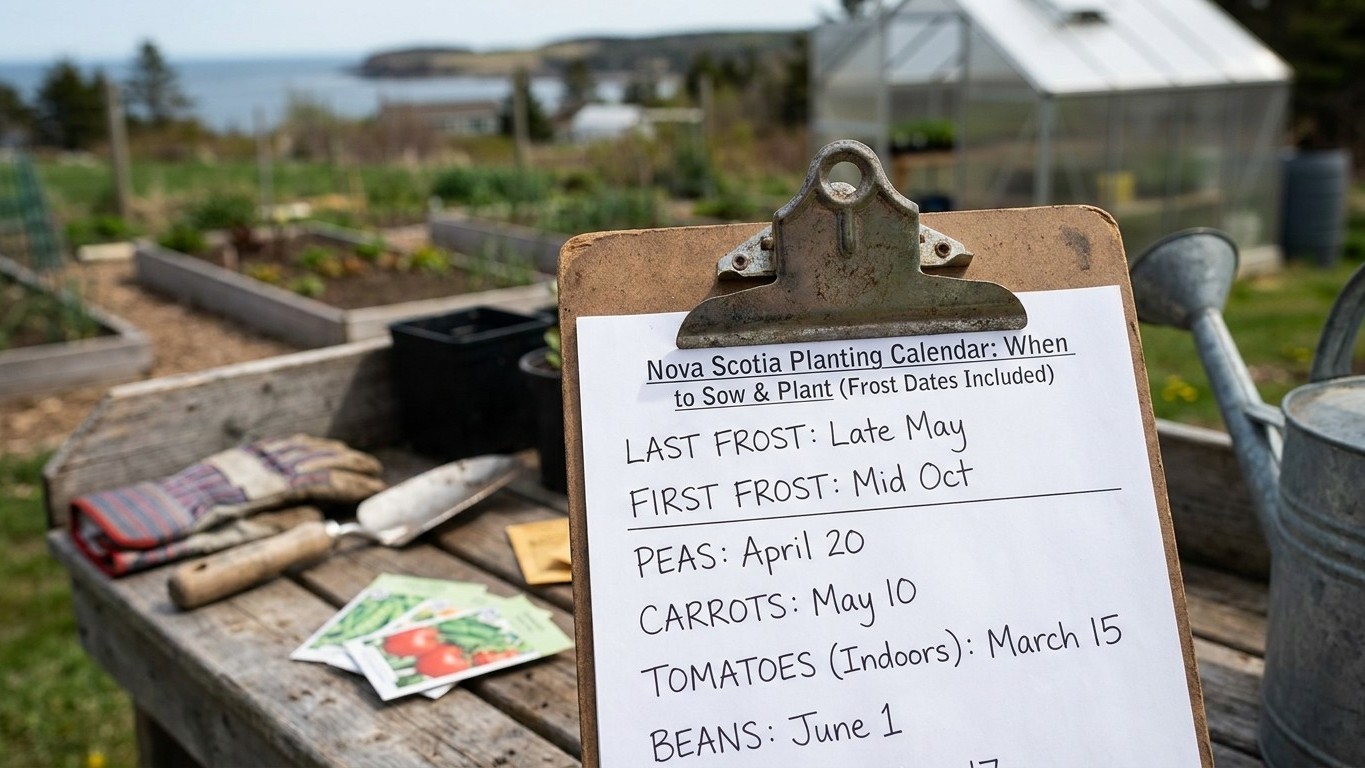
A frost-date breakdown for Nova Scotia gardeners, with cool- and warm-season timing, fall planting math, and tomato varieties matched to the local window.
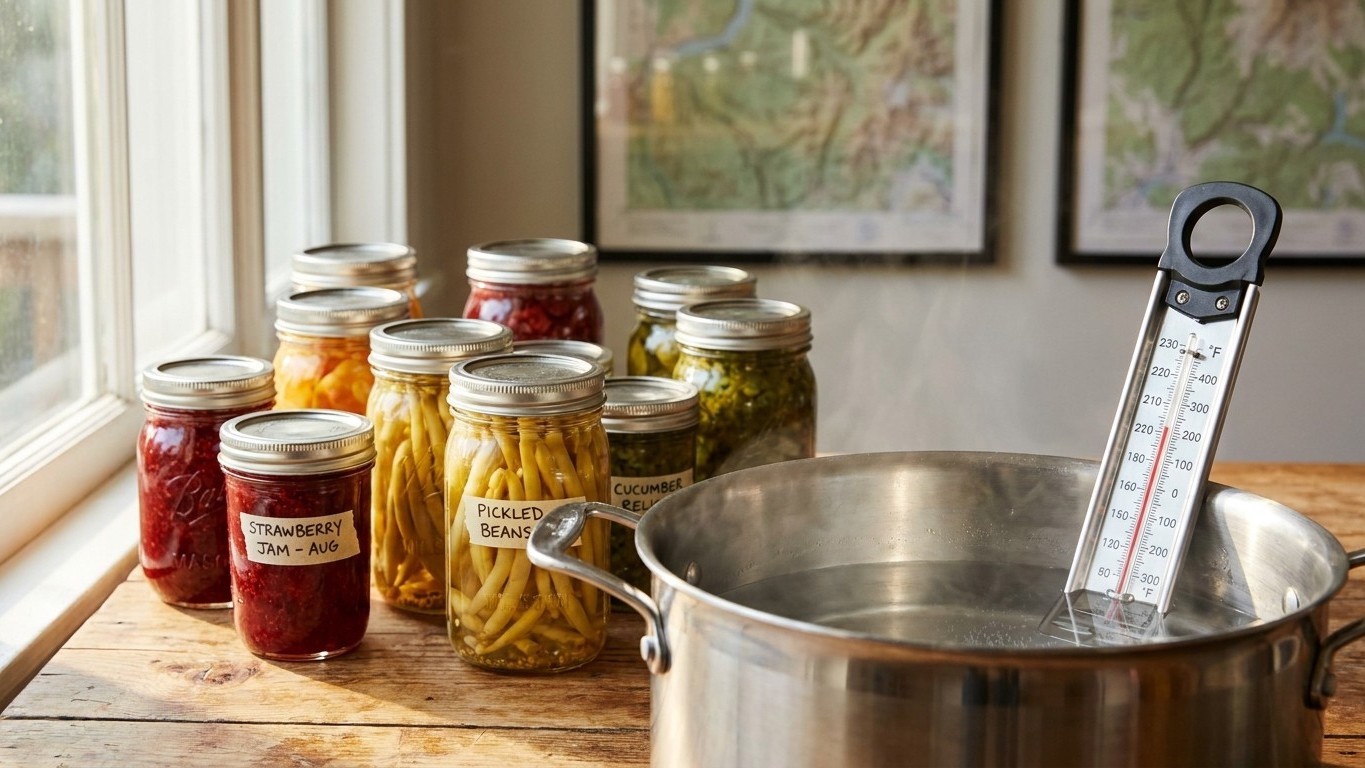
Halifax sits at 197 feet above sea level, and published USDA boiling-point references put water in that range between 208°F and 212°F, not far below the…
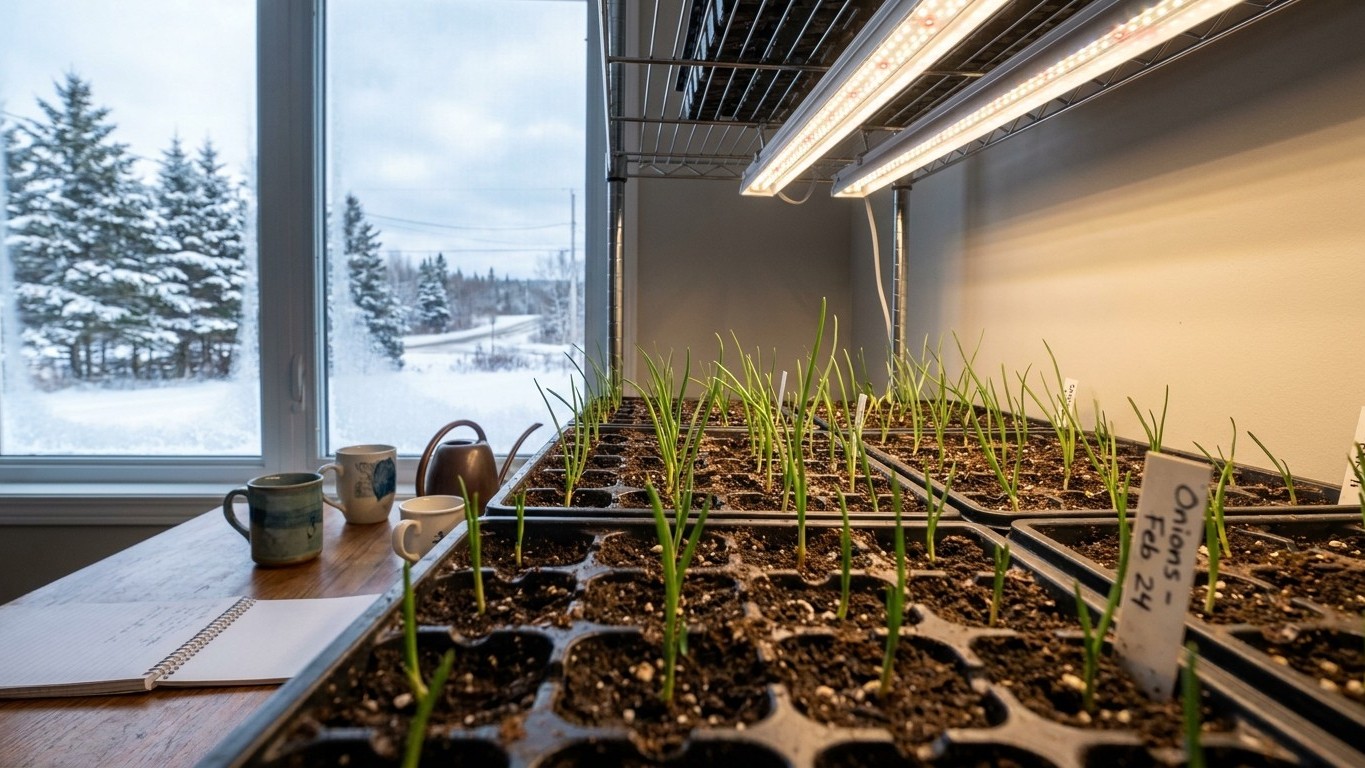
Onions in Nova Scotia go in during late winter to early spring, started indoors under lights around mid-to-late February and moved outside in April once…