What to Plant in South Carolina in June
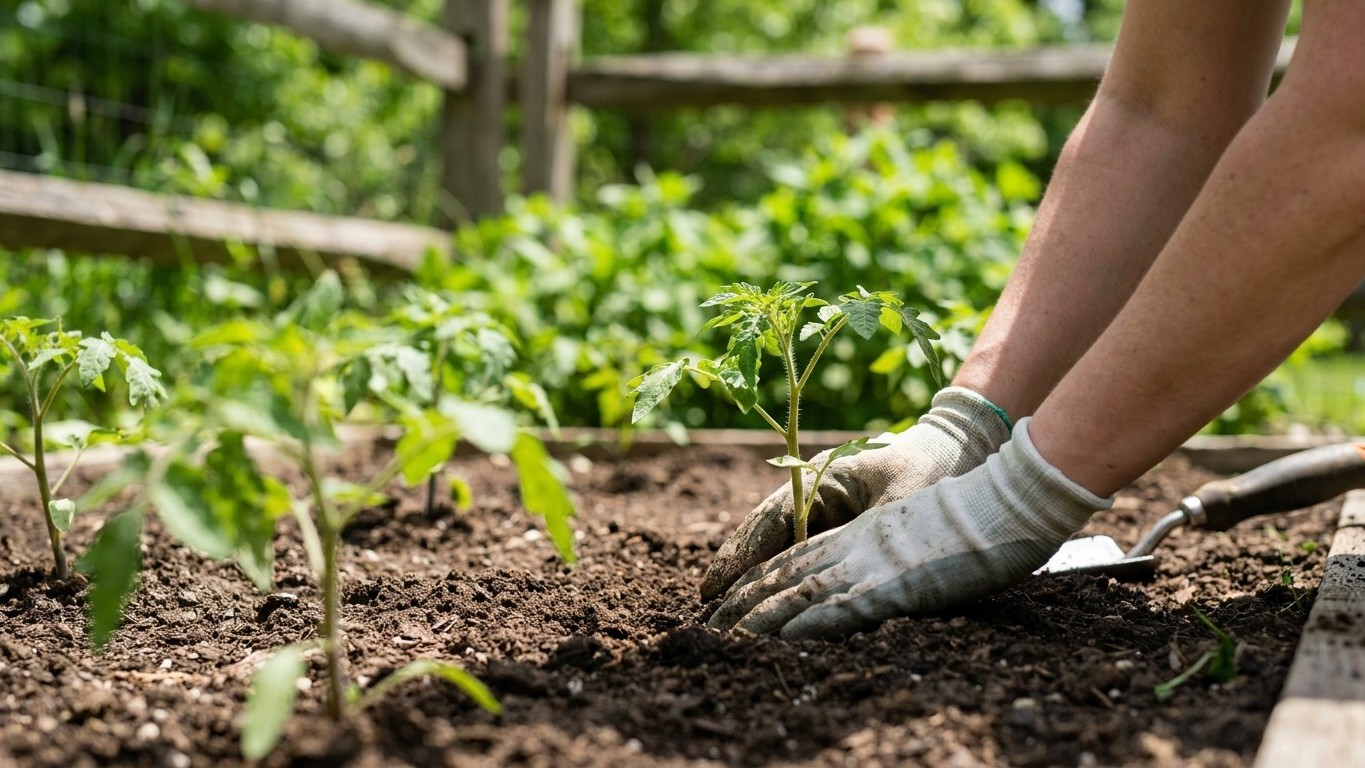
June is South Carolina’s hottest planting window of the year, and it belongs to heat-lovers: okra, southern peas, sweet potato slips, melons, and the…
Home & garden, state by state
Everything we have worked out for South Carolina: what to plant and when, which varieties finish in time, the pests that actually turn up here, and the jobs that pay off month by month. We also cover the rest of the property, from lawns and soil to home care and energy, because a garden rarely stops at the vegetable bed.
The numbers first, because everything else follows from them. Measured at the weather station in Charleston, the last spring freeze runs February 28 to March 17 and the first fall freeze runs November 20 to December 5, USDA zones 7a-9a, 6,323 growing degree days in the year.
Garlic is the awkward one: only 4.3 weeks below 40 °F, where it needs six to split into cloves. Chill the cloves before planting, or grow a softneck type.
Elsewhere on the property in South Carolina: the pests that turn up here.
Figures from NOAA's 1991-2020 climate normals. A state is not one climate: elevation, a large lake or the coast can move these dates by two weeks either way, so check your own county with the extension service before you spend money.
June is South Carolina’s hottest planting window of the year, and it belongs to heat-lovers: okra, southern peas, sweet potato slips, melons, and the…
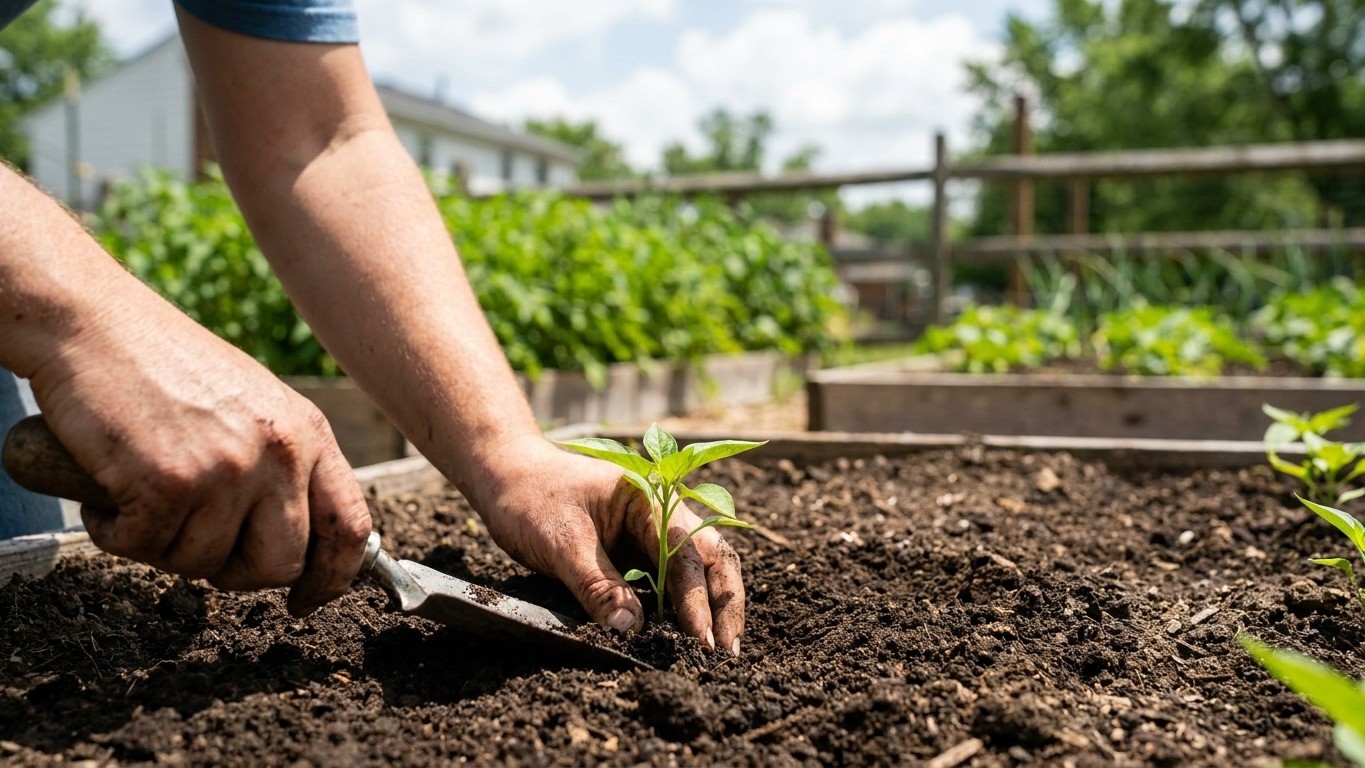
July in South Carolina means the last spring frost is four months behind you and the first fall frost is still four months out, so the ground is wide…
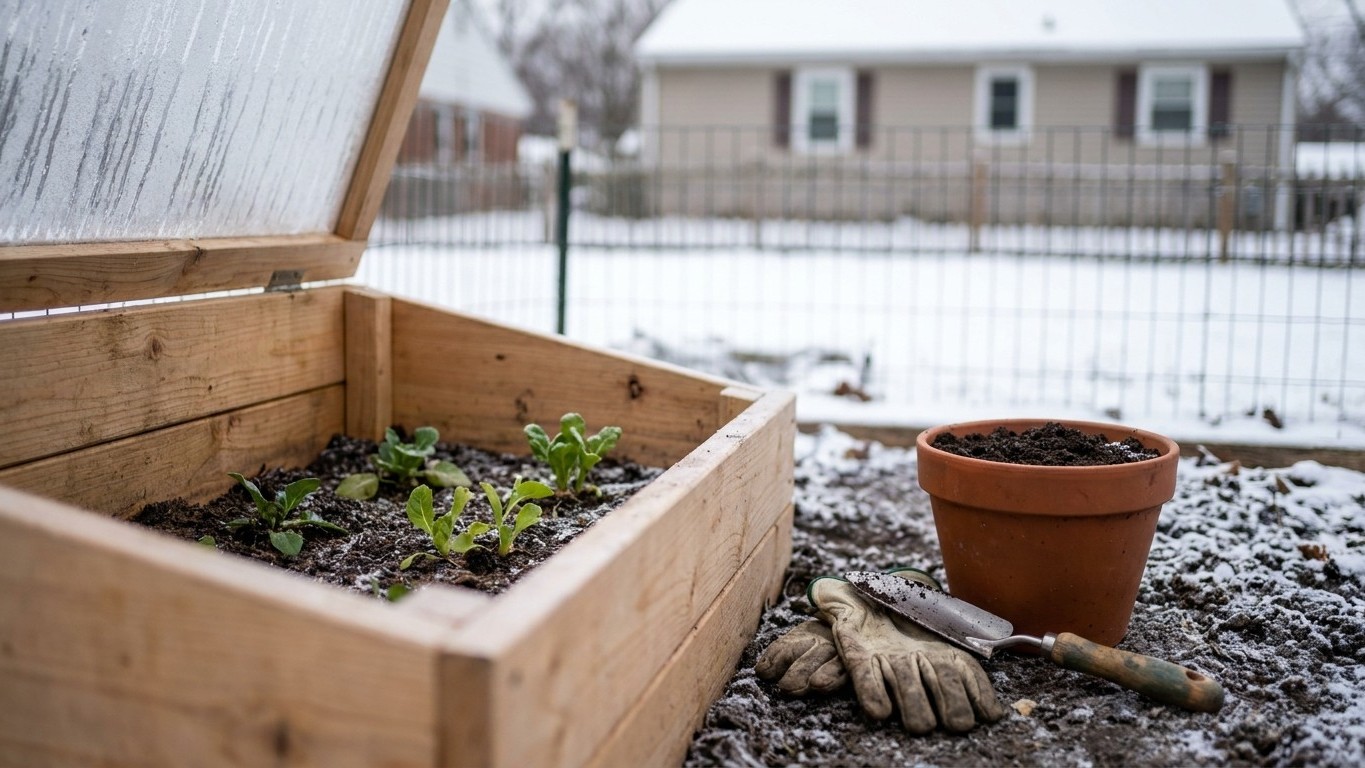
January in South Carolina sits weeks ahead of the last frost window (February 28 to March 17, per NOAA), so open-ground planting stays limited.
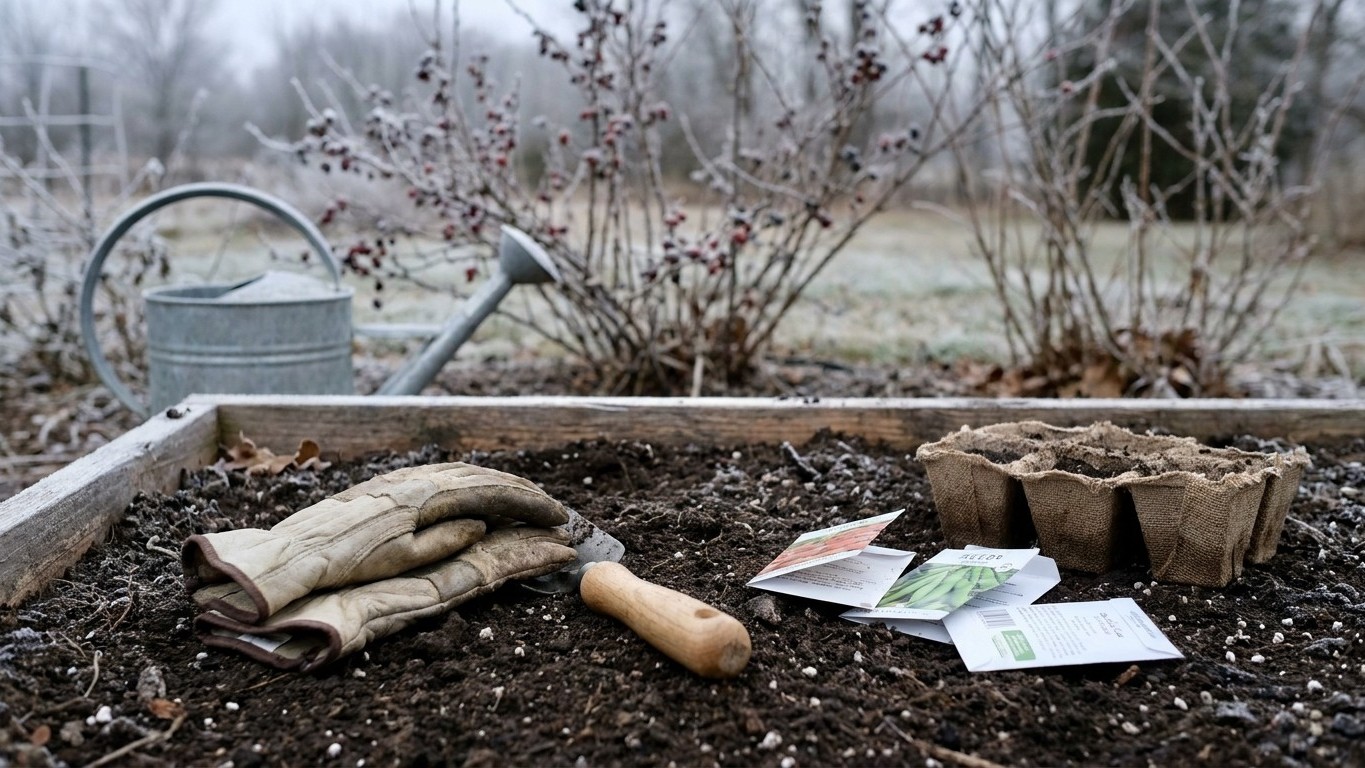
By February, South Carolina gardeners can get garlic and shallots into workable soil, direct-sow English peas and hardy greens, plant bare-root asparagus…
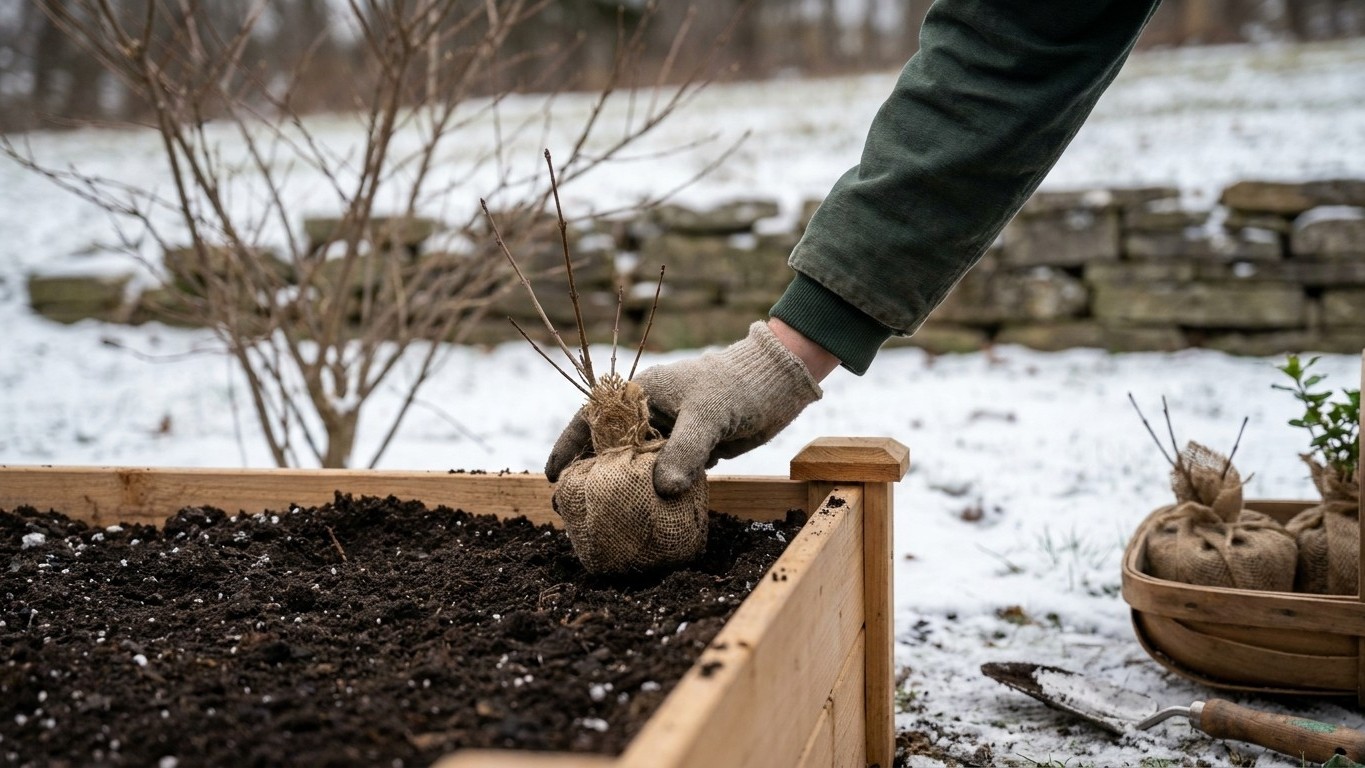
South Carolina’s December planting list is short but real: garlic and shallots still go in where the ground is workable, hardy greens can be direct-sown…
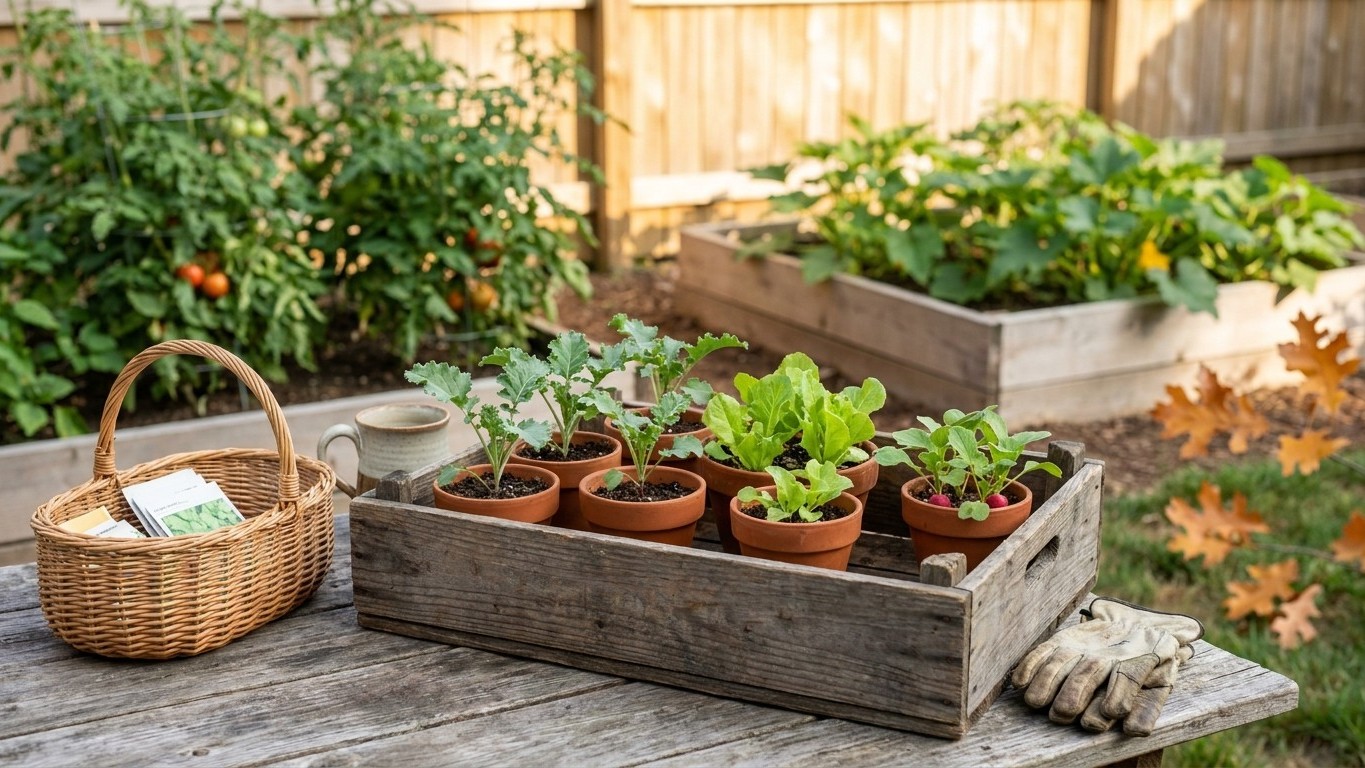
August in South Carolina is not a month for planting many new things straight into a hot garden bed.
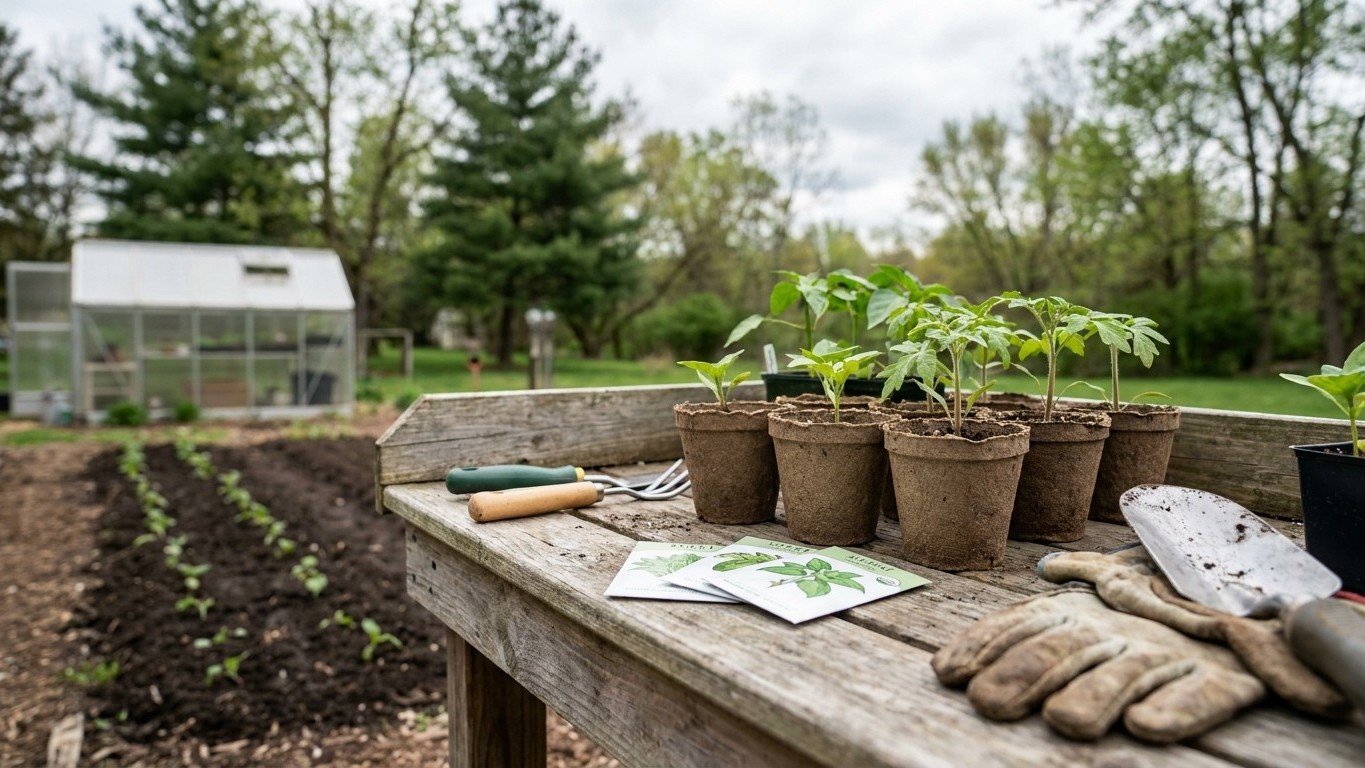
April in South Carolina sits well past the last frost window recorded for the Midlands and coastal plain, so the ground is open for the crops that…
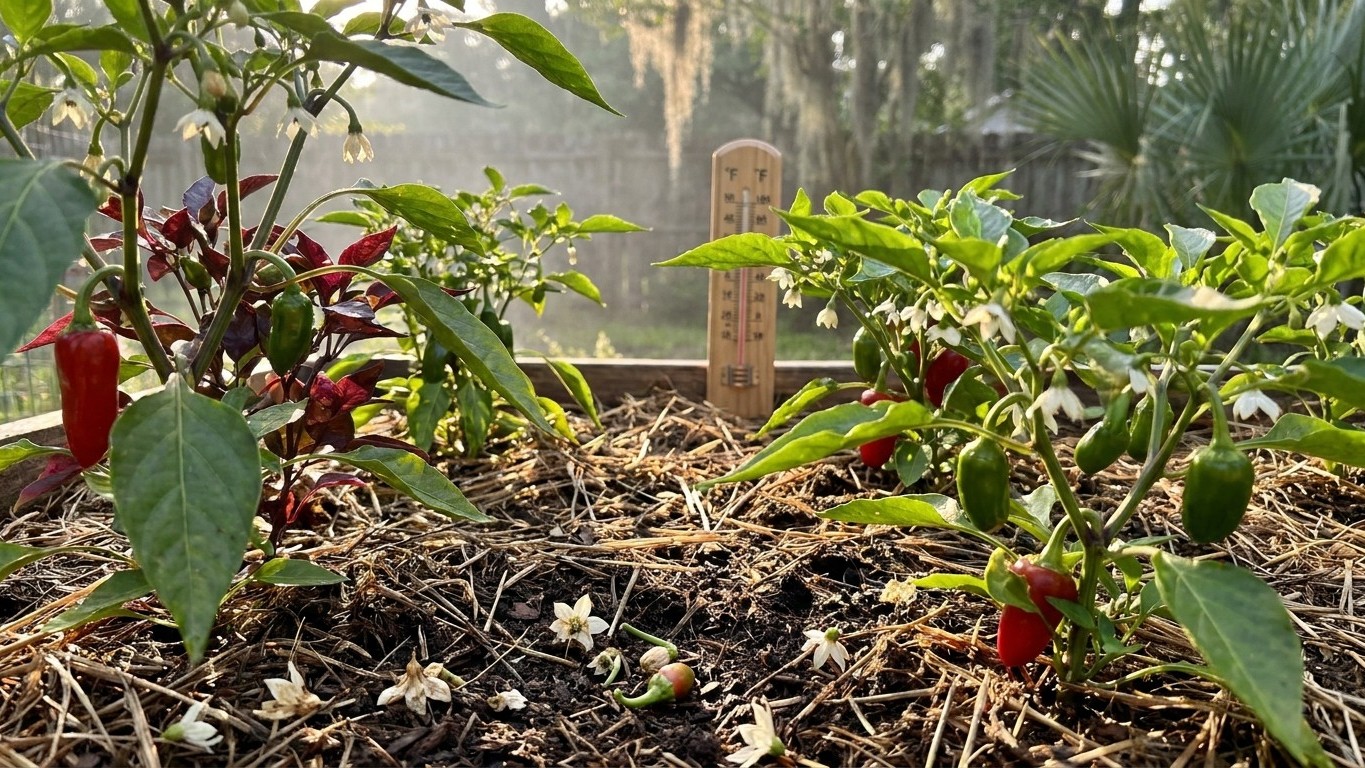
Peppers set fruit in a narrow band: nights need to stay above 55°F and days need to stay below 90°F.
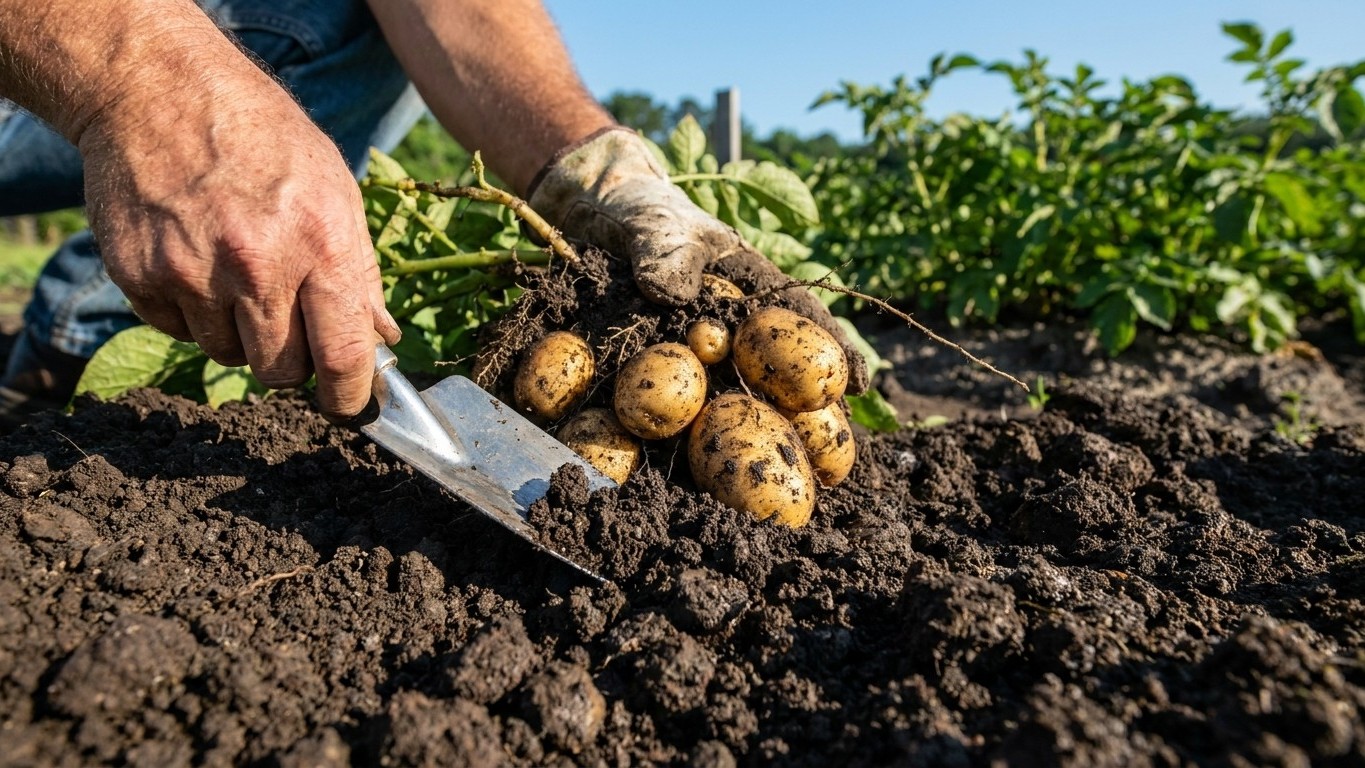
South Carolina gardeners get one real shot at potatoes each year, and it’s in spring.
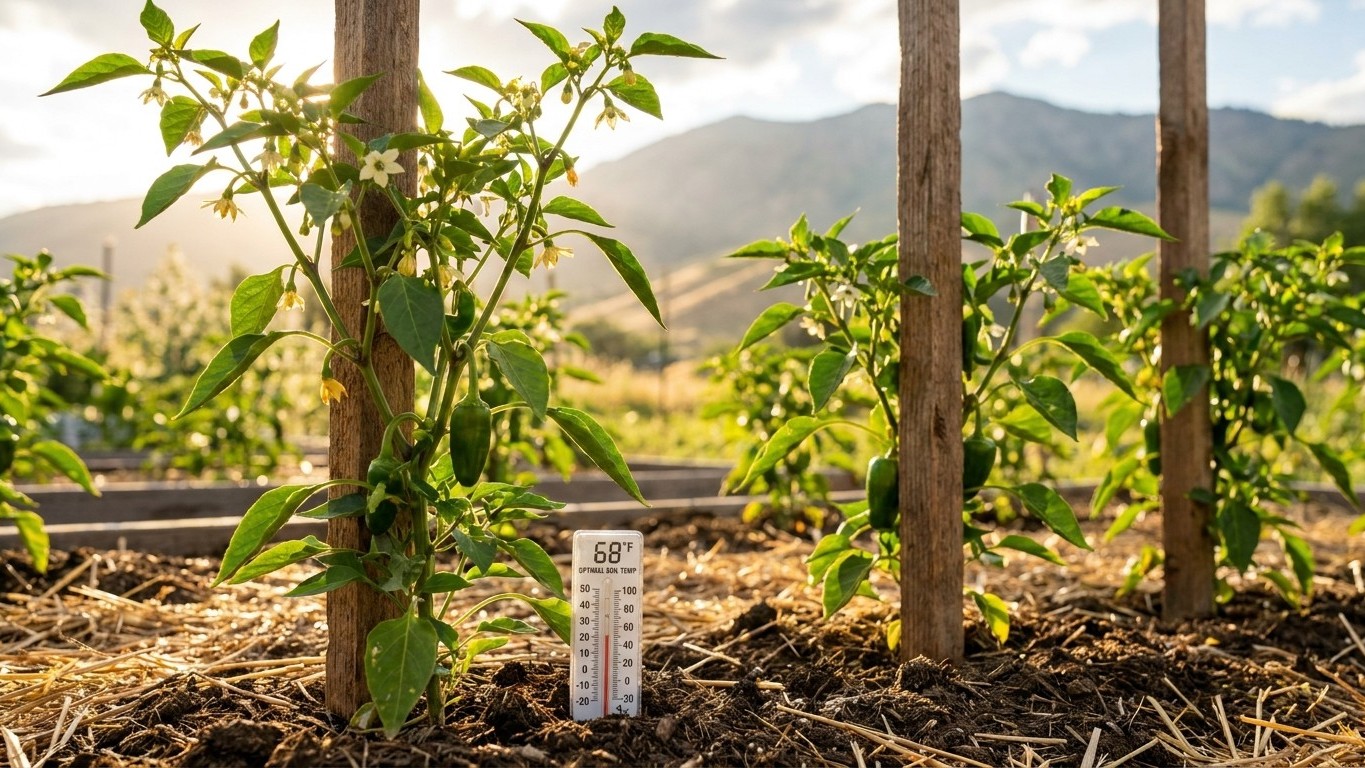
South Carolina gardeners can ripen most pepper varieties in a single season, but the window has a hard ceiling and a soft floor.