Watering Through a Dry Spell in South Carolina
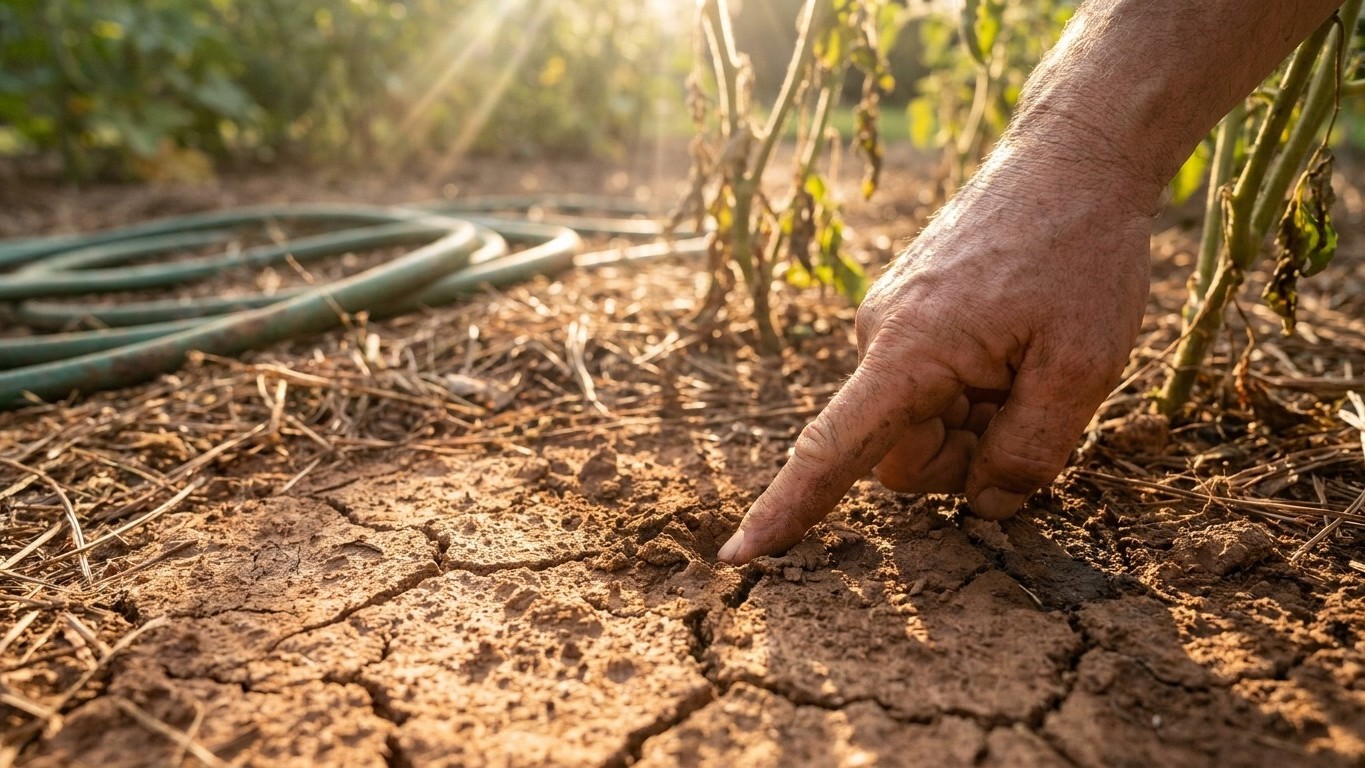
During a South Carolina dry spell, water deeply and infrequently at the base of the plant, in the morning, rather than a light daily sprinkle.
Home & garden, state by state
Everything we have worked out for South Carolina: what to plant and when, which varieties finish in time, the pests that actually turn up here, and the jobs that pay off month by month. We also cover the rest of the property, from lawns and soil to home care and energy, because a garden rarely stops at the vegetable bed.
The numbers first, because everything else follows from them. Measured at the weather station in Charleston, the last spring freeze runs February 28 to March 17 and the first fall freeze runs November 20 to December 5, USDA zones 7a-9a, 6,323 growing degree days in the year.
Garlic is the awkward one: only 4.3 weeks below 40 °F, where it needs six to split into cloves. Chill the cloves before planting, or grow a softneck type.
Elsewhere on the property in South Carolina: the pests that turn up here.
Figures from NOAA's 1991-2020 climate normals. A state is not one climate: elevation, a large lake or the coast can move these dates by two weeks either way, so check your own county with the extension service before you spend money.
During a South Carolina dry spell, water deeply and infrequently at the base of the plant, in the morning, rather than a light daily sprinkle.
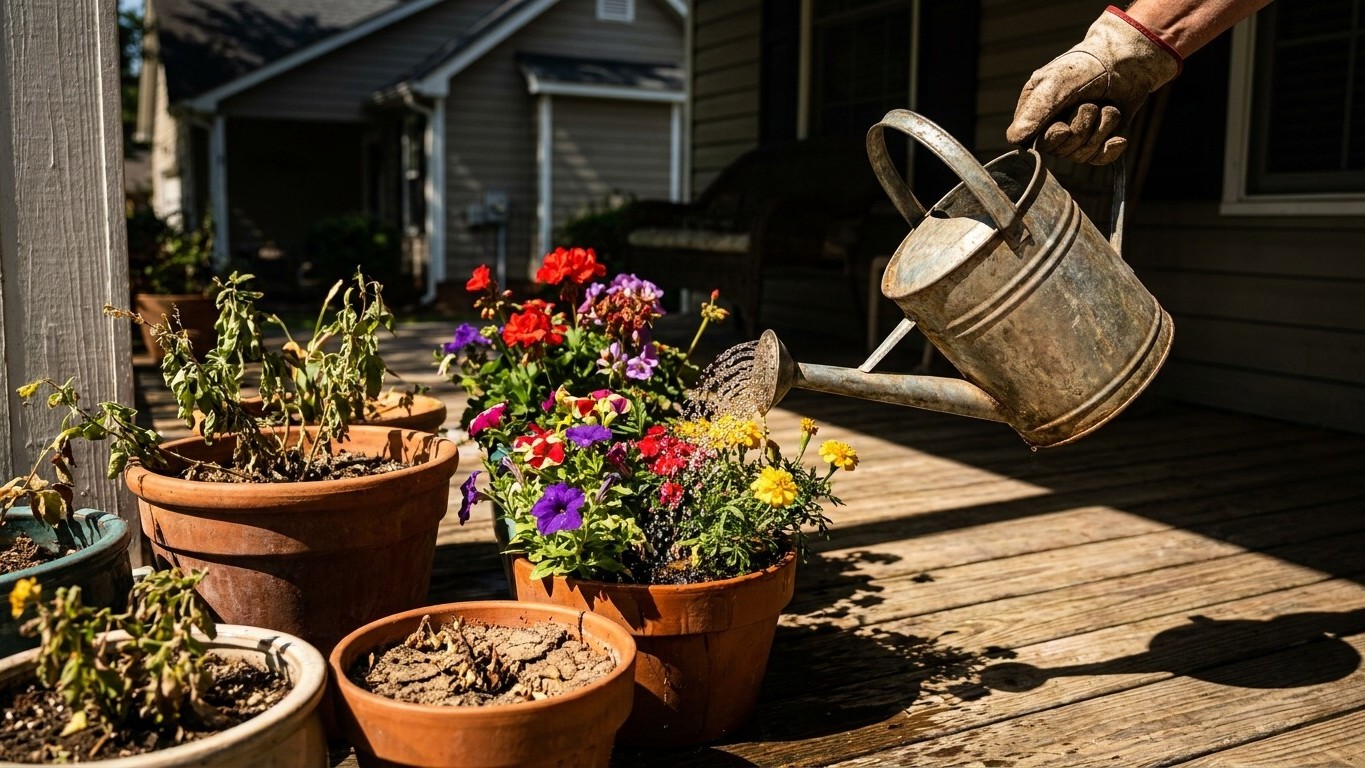
South Carolina’s summers push soil moisture in two directions at once: real rainfall on paper, but heat and small root zones that burn through it fast.
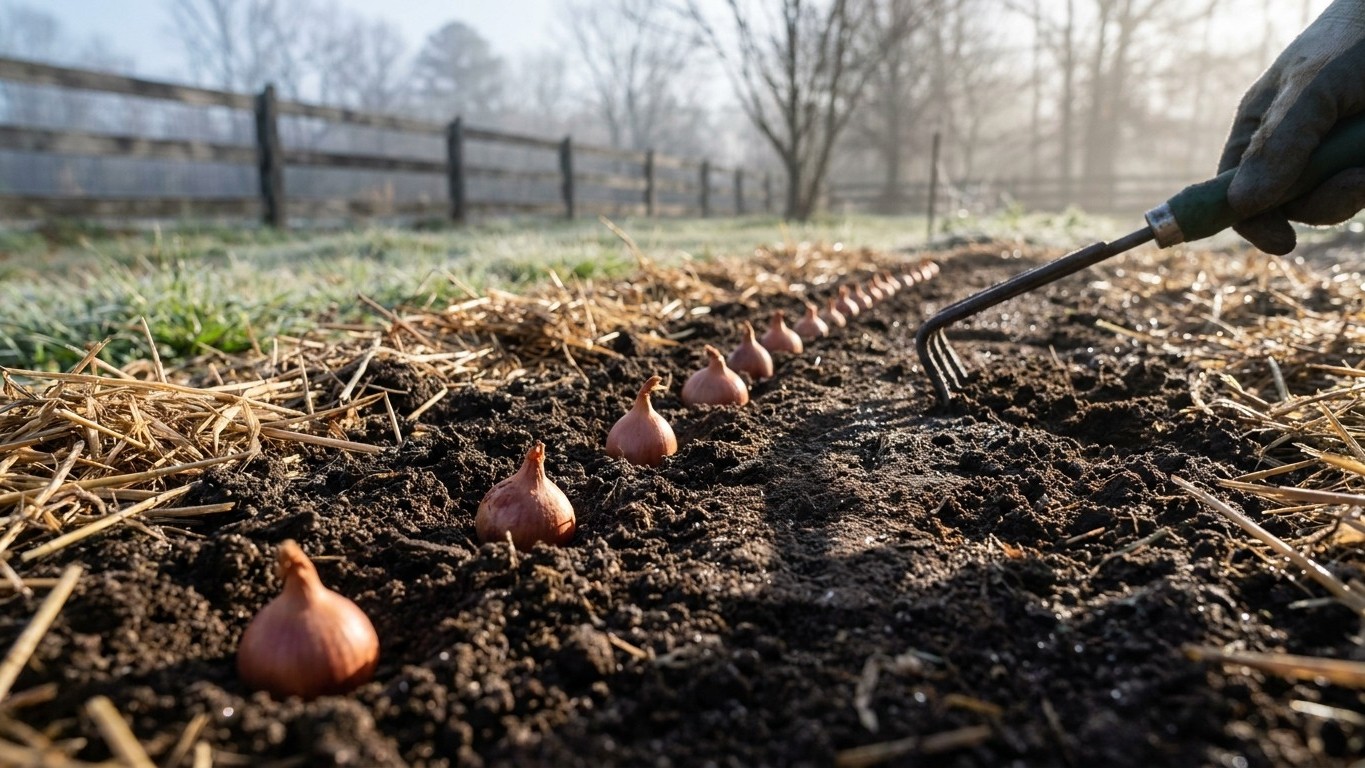
South Carolina’s growing season runs on day length, not on the calendar most seed packets assume.
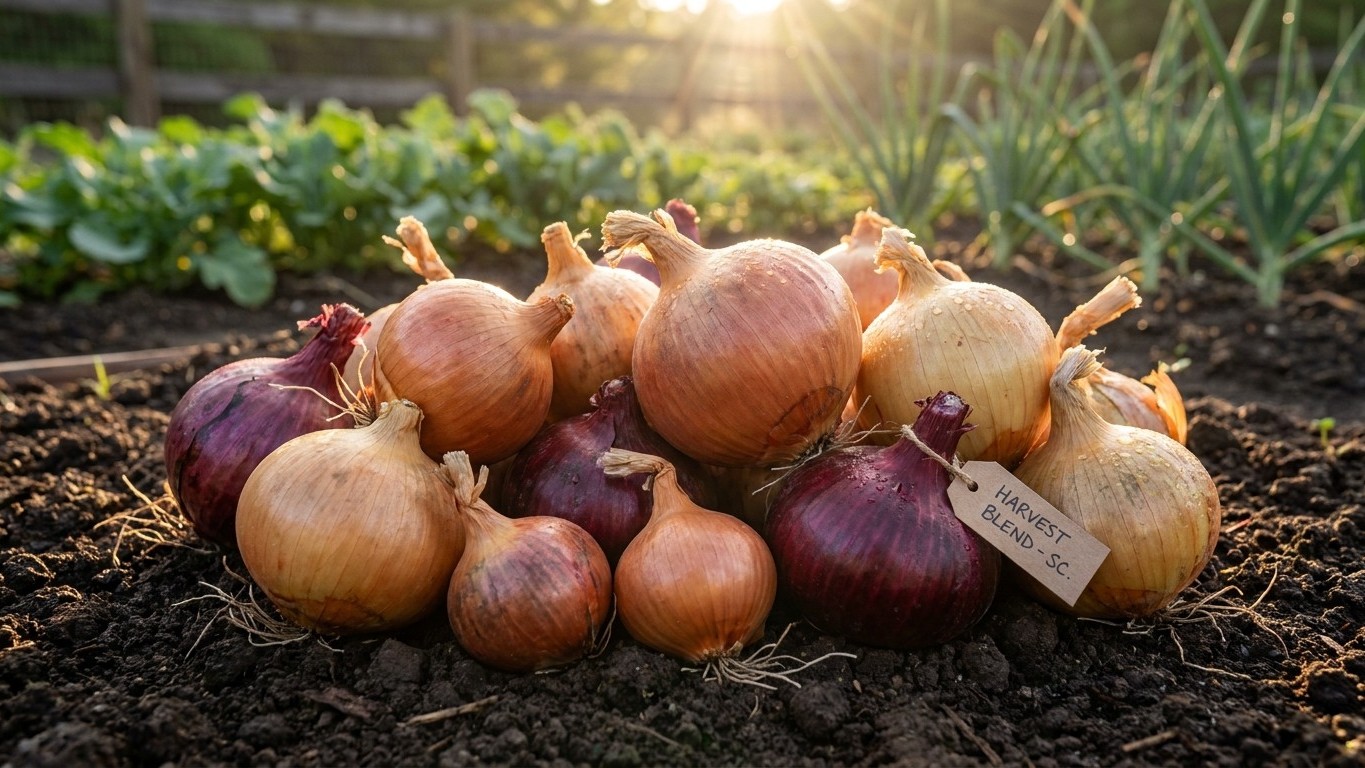
Short-day and intermediate-day onions are the varieties built for South Carolina.
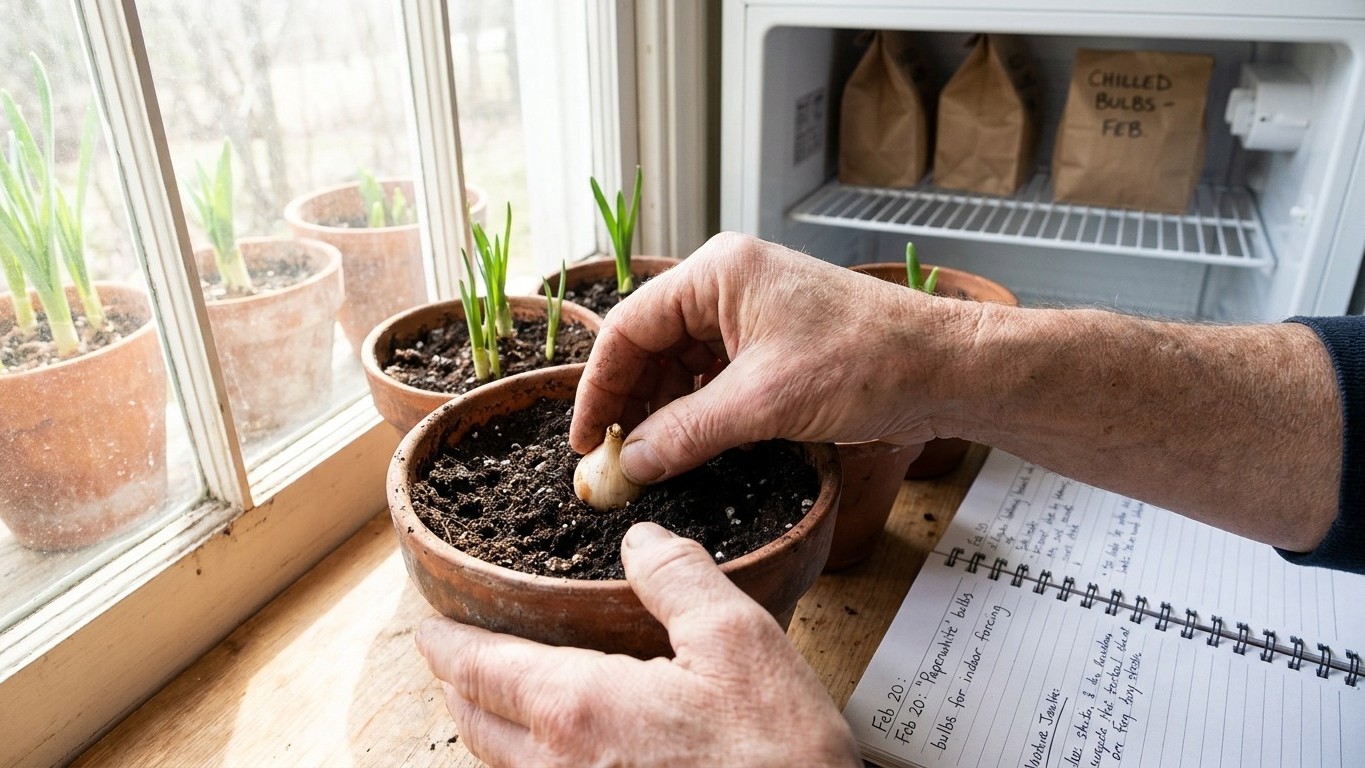
South Carolina’s winters rarely stay cold long enough, or evenly enough, for tulips, hyacinths and daffodils to break dormancy on their own schedule.
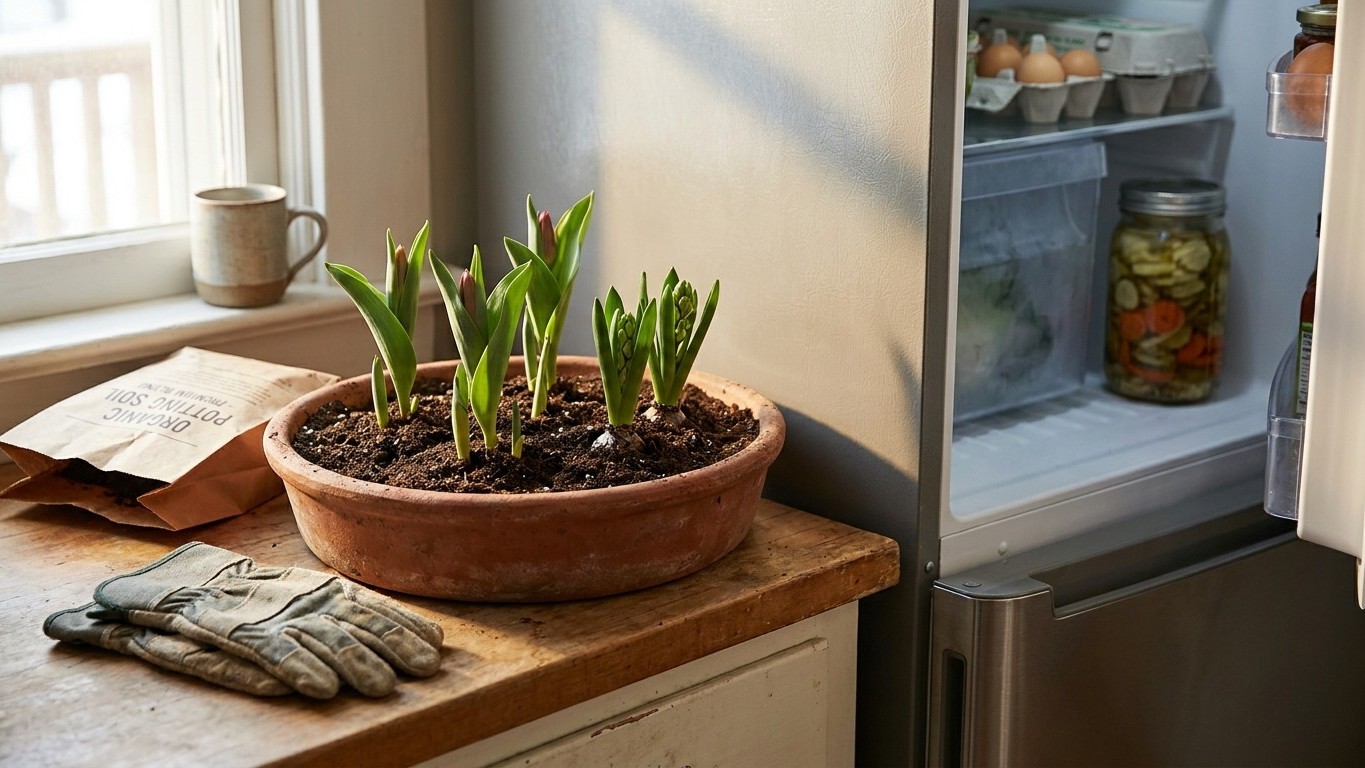
Spring bulbs in containers work in South Carolina, but not the way they do farther north.
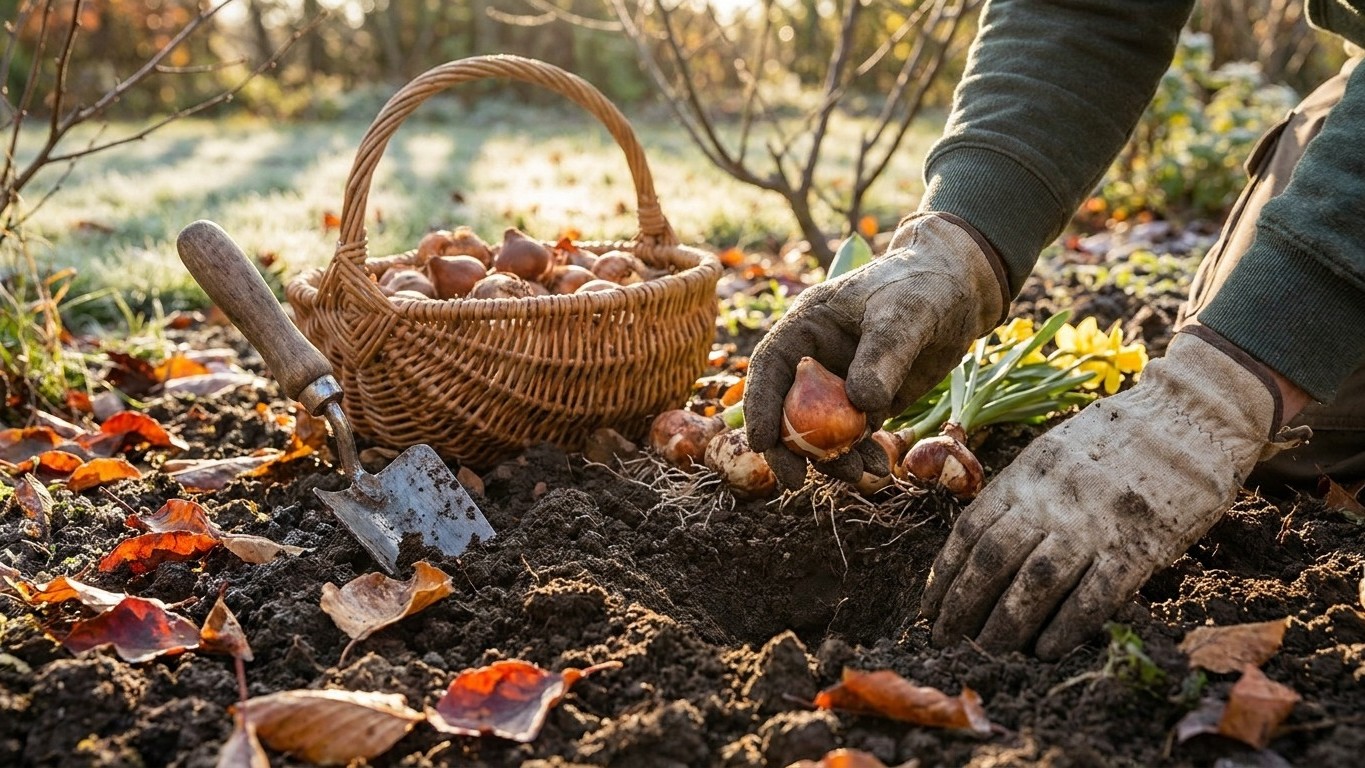
South Carolina’s mild winters mean the calendar matters less than the thermometer.
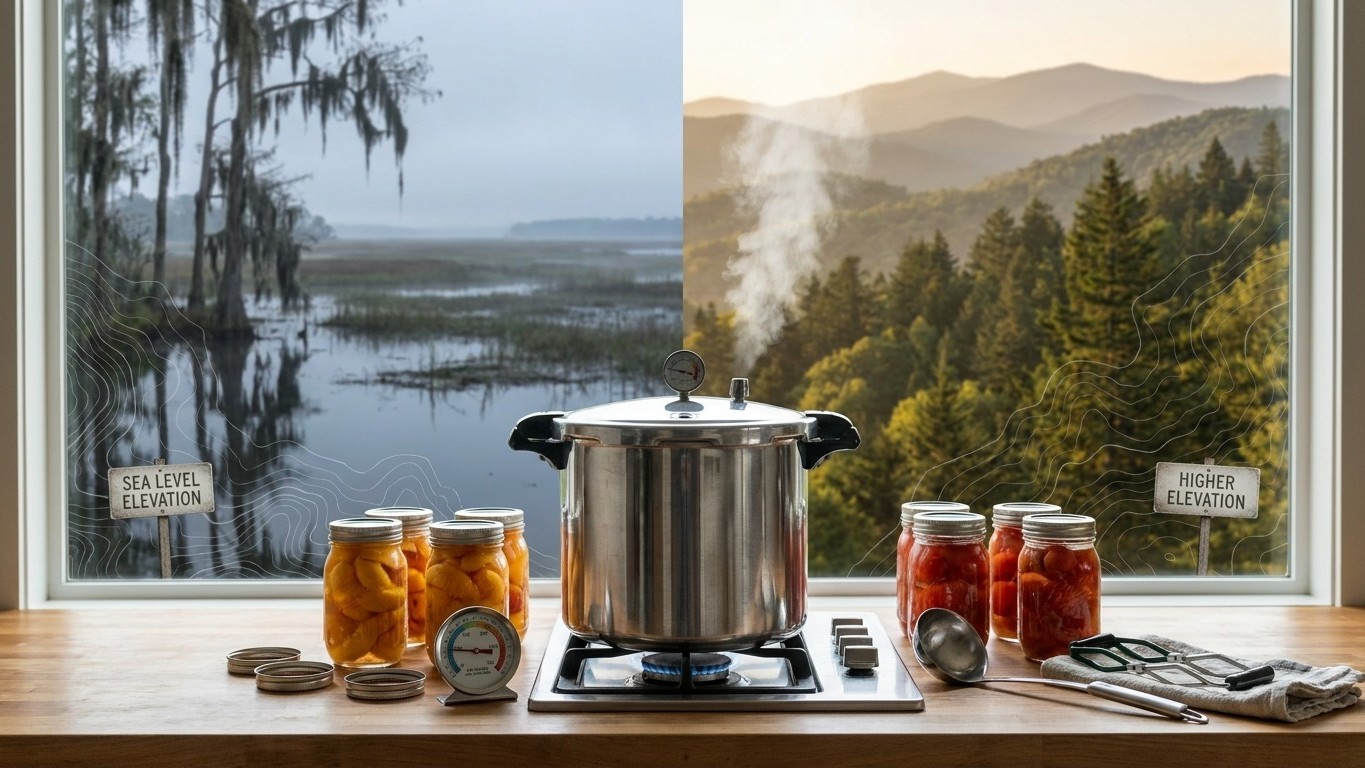
Charleston, the reference city for South Carolina in this guide, sits at 20 feet above sea level, where water still boils between 208 and 212 degrees…
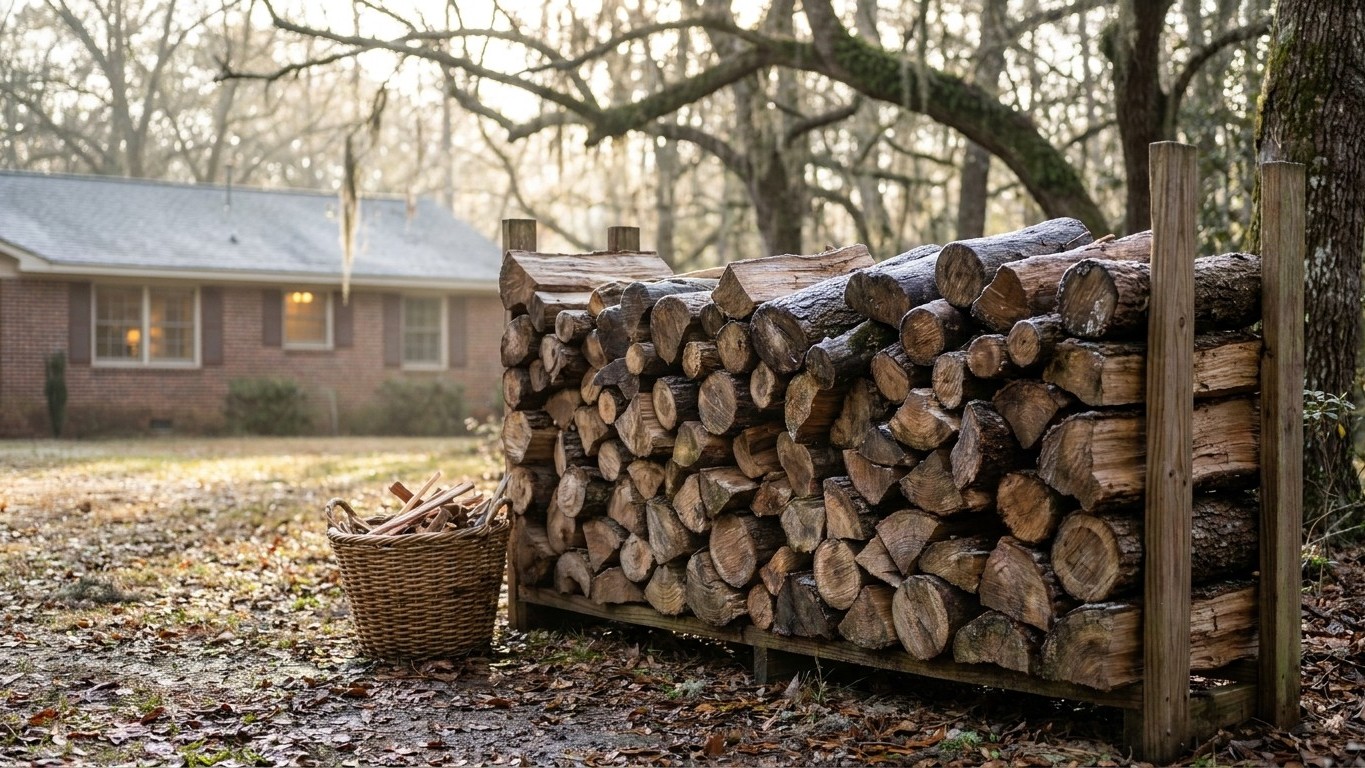
South Carolina’s coldest month averages a low of 38.9°F, based on NOAA Climate Normals for Charleston.
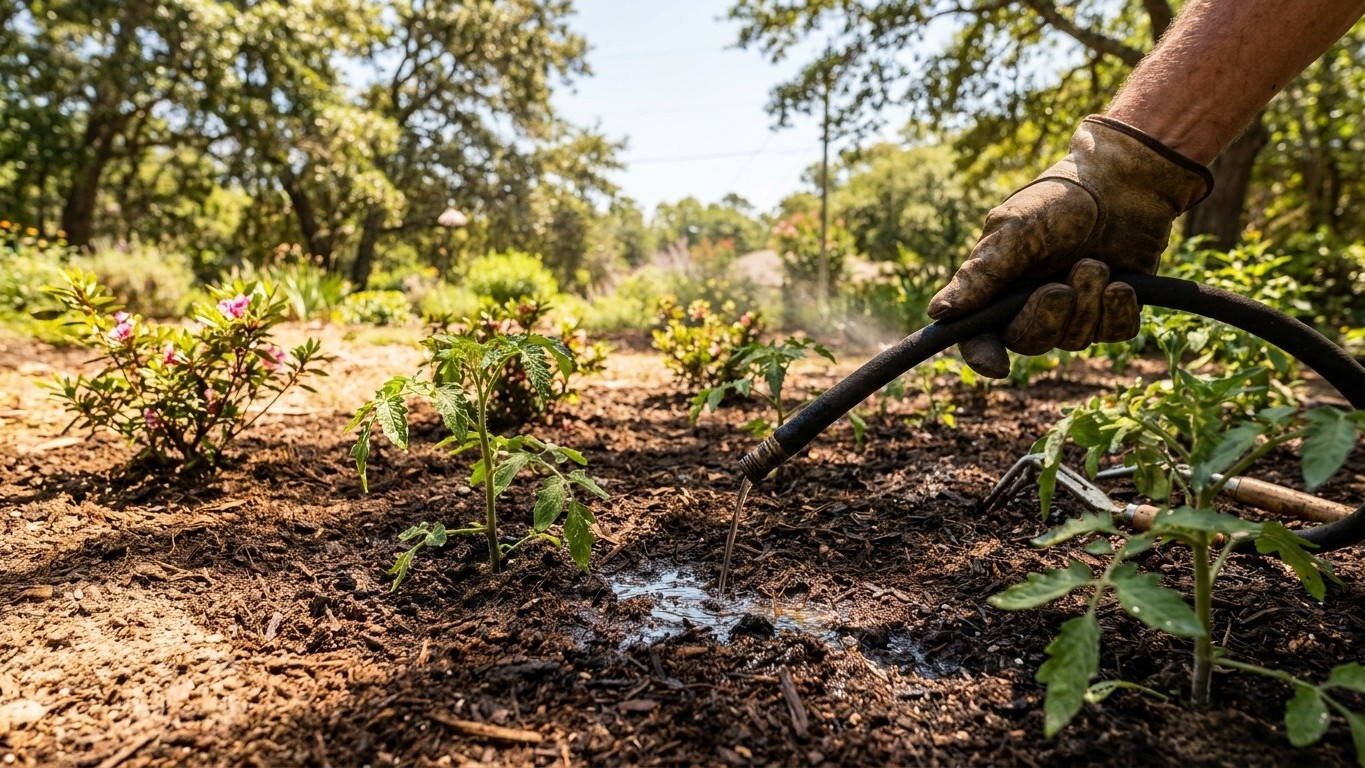
South Carolina gardens don’t fail from lack of effort. They fail from watering on a schedule instead of watering by what the soil and the sky are…