Growing Apples in South Dakota: Varieties, Timing and Frost Risk
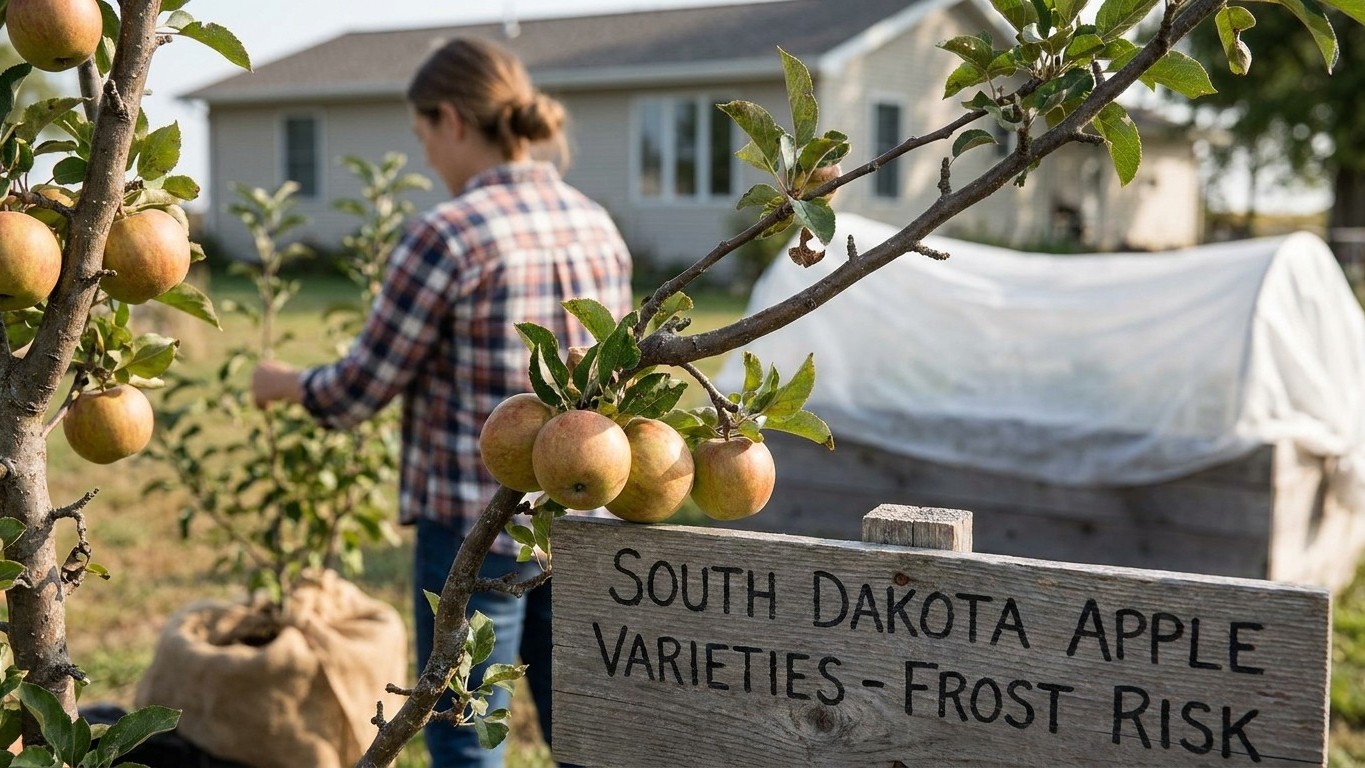
South Dakota spans USDA zones 3b to 5b, and cold-hardy varieties, site choice and frost timing decide whether an apple tree bears fruit.
Home & garden, state by state
Everything we have worked out for South Dakota: what to plant and when, which varieties finish in time, the pests that actually turn up here, and the jobs that pay off month by month. We also cover the rest of the property, from lawns and soil to home care and energy, because a garden rarely stops at the vegetable bed.
The numbers first, because everything else follows from them. Measured at the weather station in Sioux Falls, the last spring freeze runs April 29 to May 9 and the first fall freeze runs September 24 to October 4, USDA zones 3b-5b, 3,003 growing degree days in the year.
Garlic does well: 30.4 weeks below 40 °F, comfortably past the six it needs to form a proper head.
Elsewhere on the property in South Dakota: the pests that turn up here.
Figures from NOAA's 1991-2020 climate normals. A state is not one climate: elevation, a large lake or the coast can move these dates by two weeks either way, so check your own county with the extension service before you spend money.
South Dakota spans USDA zones 3b to 5b, and cold-hardy varieties, site choice and frost timing decide whether an apple tree bears fruit.
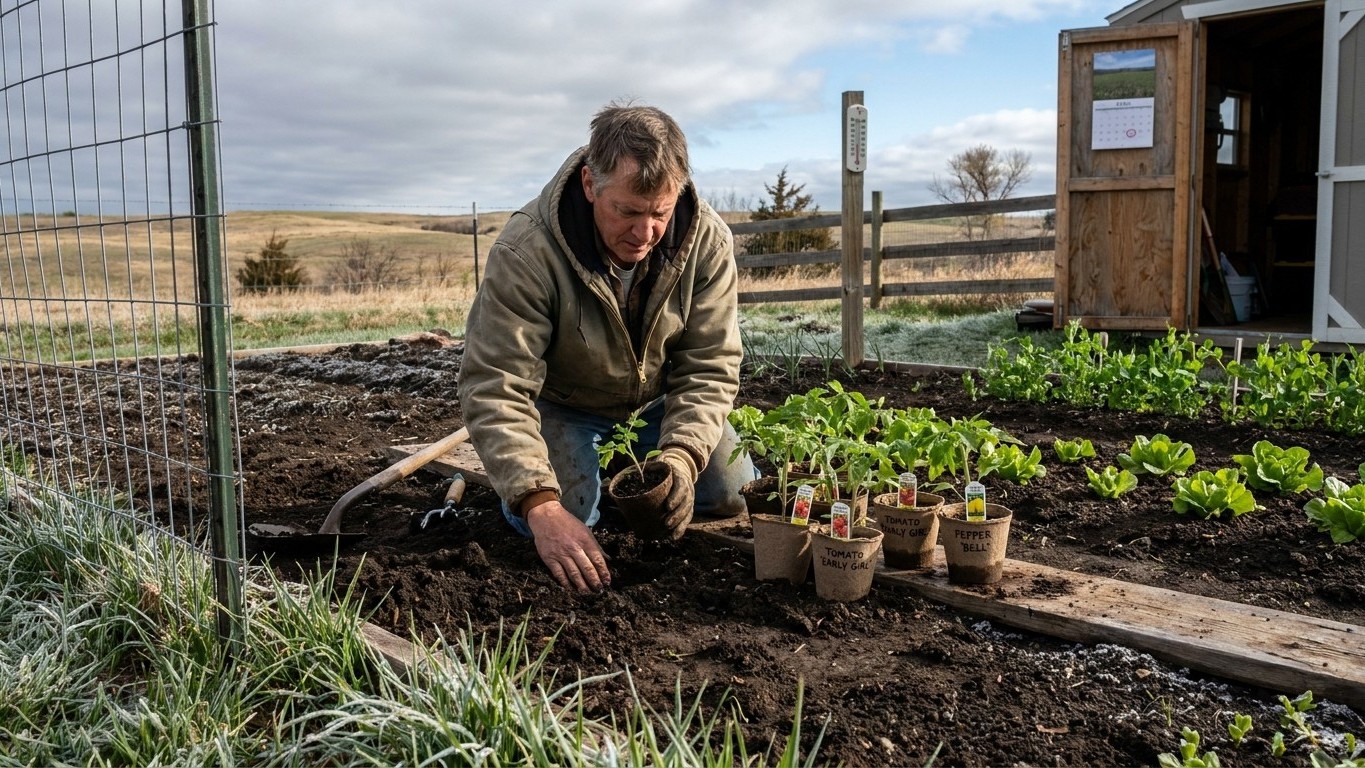
South Dakota gardeners work with one of the tighter frost-free windows in the country, and the difference between the eastern and western edges of the…
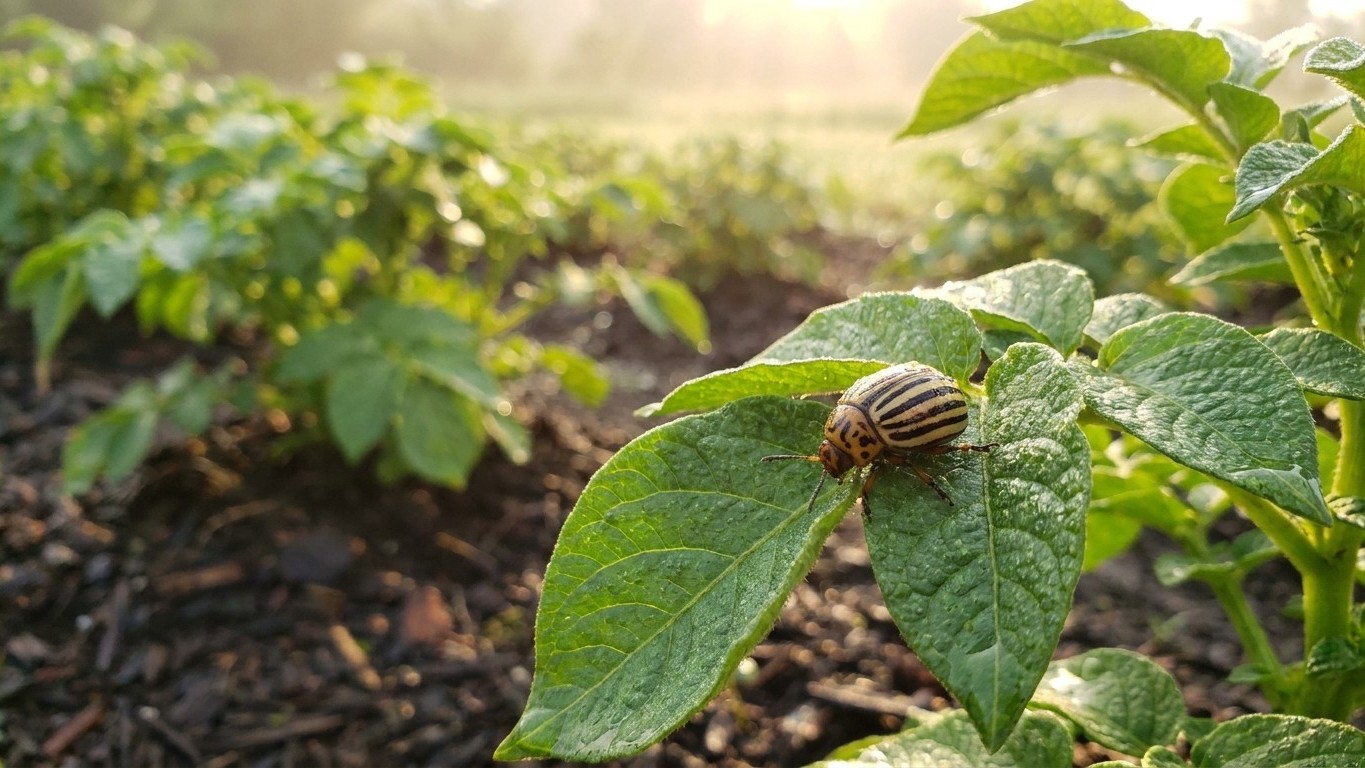
Colorado potato beetles typically emerge in South Dakota between mid-May and early June, once soil temperatures climb past 50°F and volunteer potato…
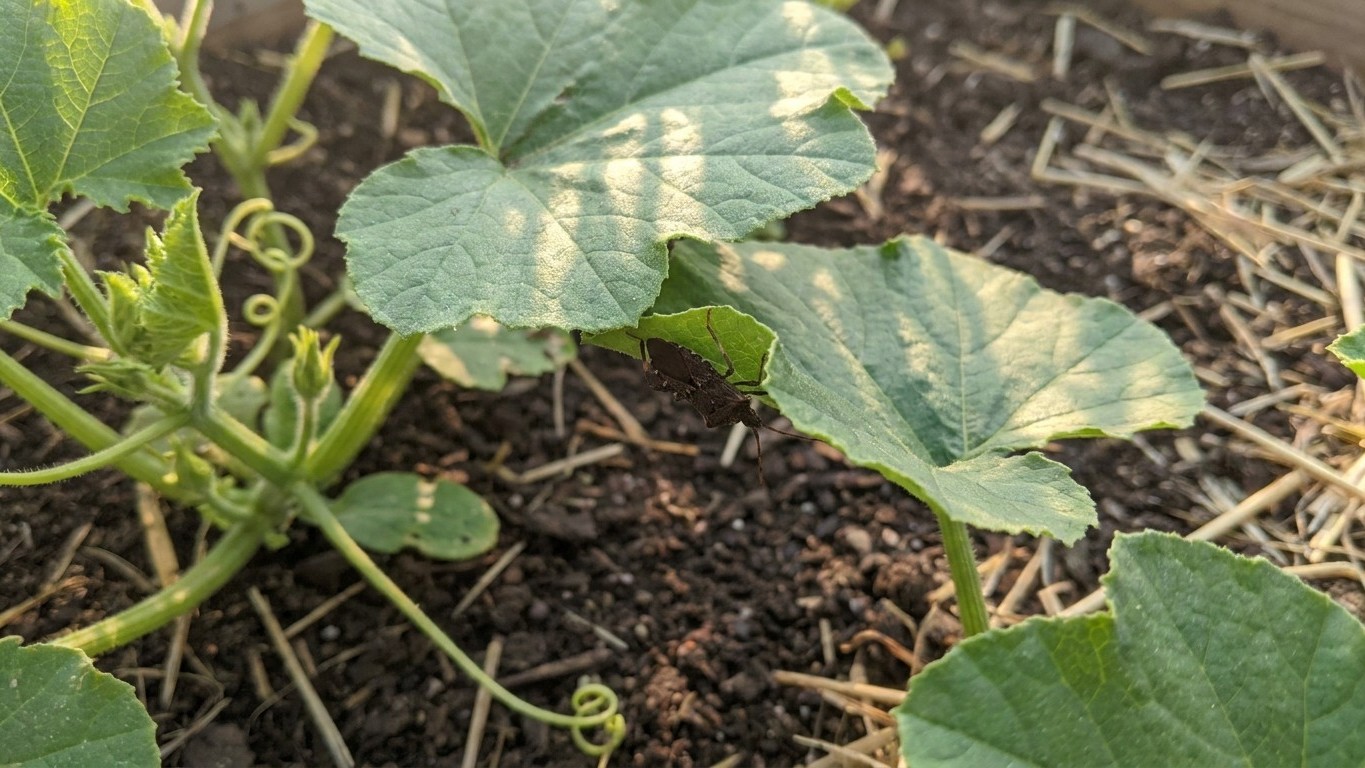
Squash bugs show up in South Dakota gardens once soil temperatures climb into the 60s, typically mid-to-late May in the southeast and closer to early…
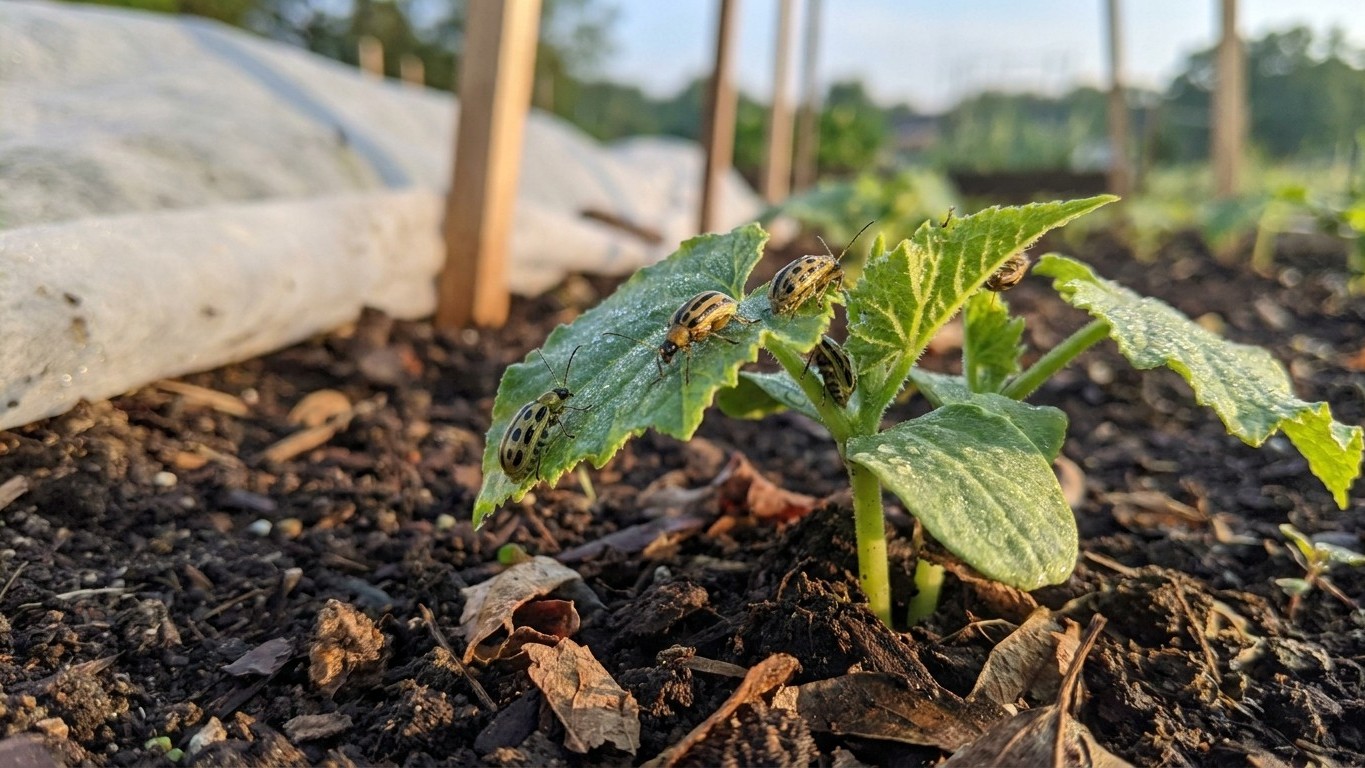
Cucumber beetles typically show up in South Dakota gardens between late May and mid-June, right around the time cucurbit seedlings put out their first…
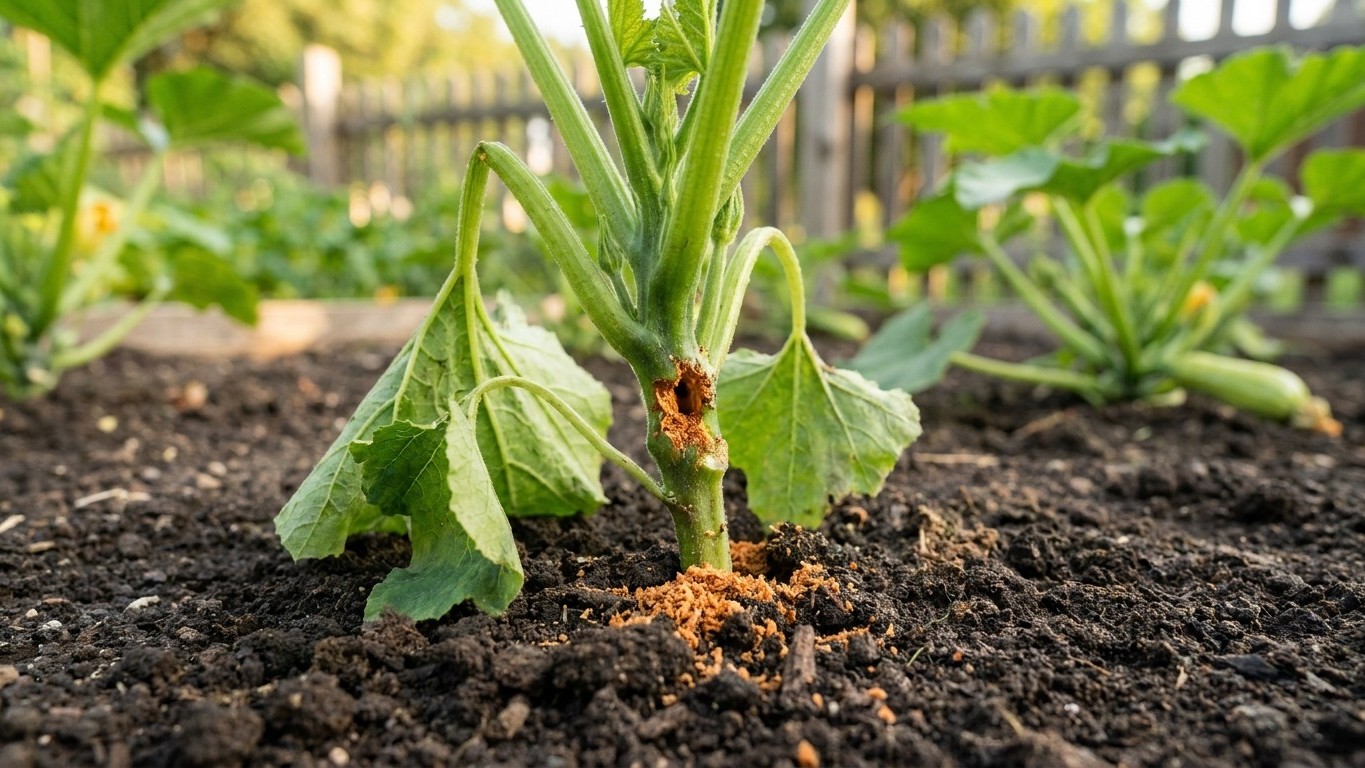
Adult squash vine borer moths typically emerge in South Dakota gardens between late June and mid-July, once soil temperatures near the base of squash…
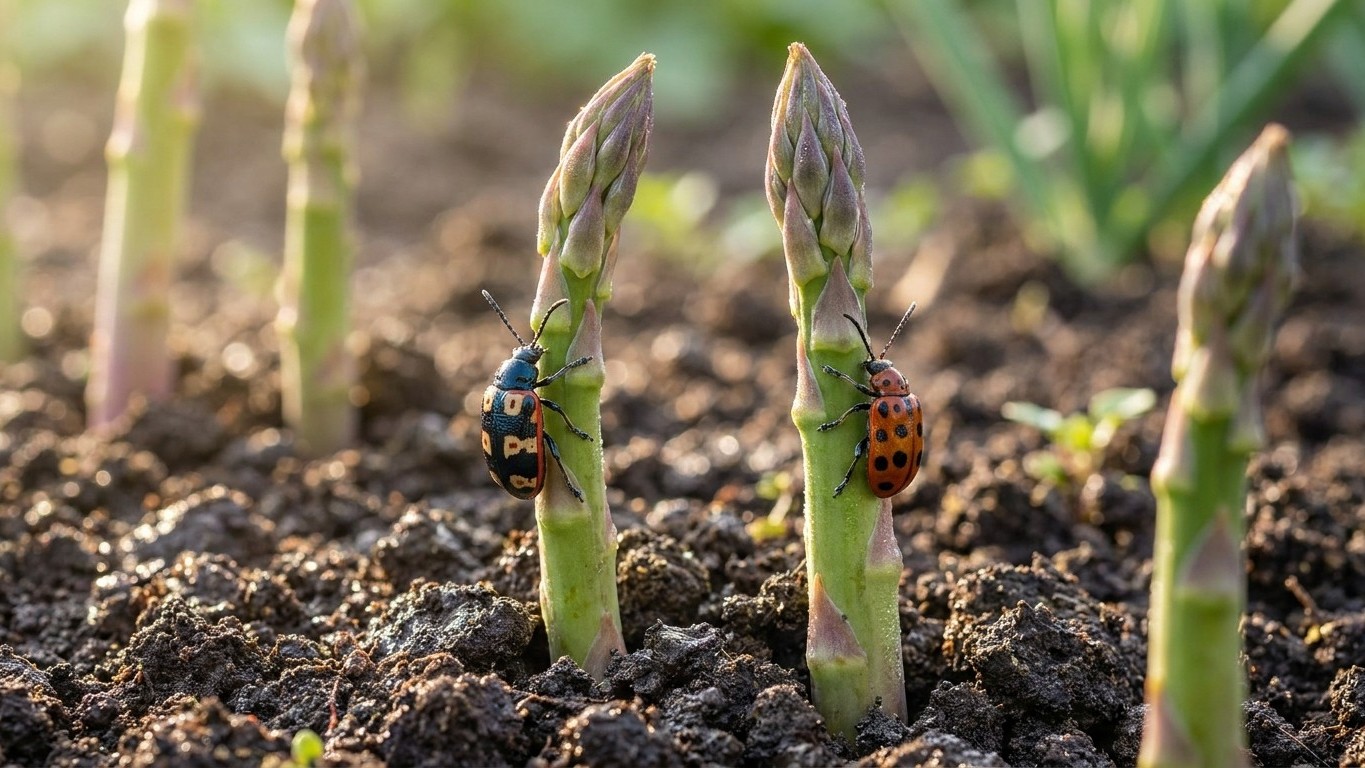
Asparagus beetles show up in South Dakota as soon as spears break through the soil in spring, usually once daytime temperatures hold steady above 50°F…
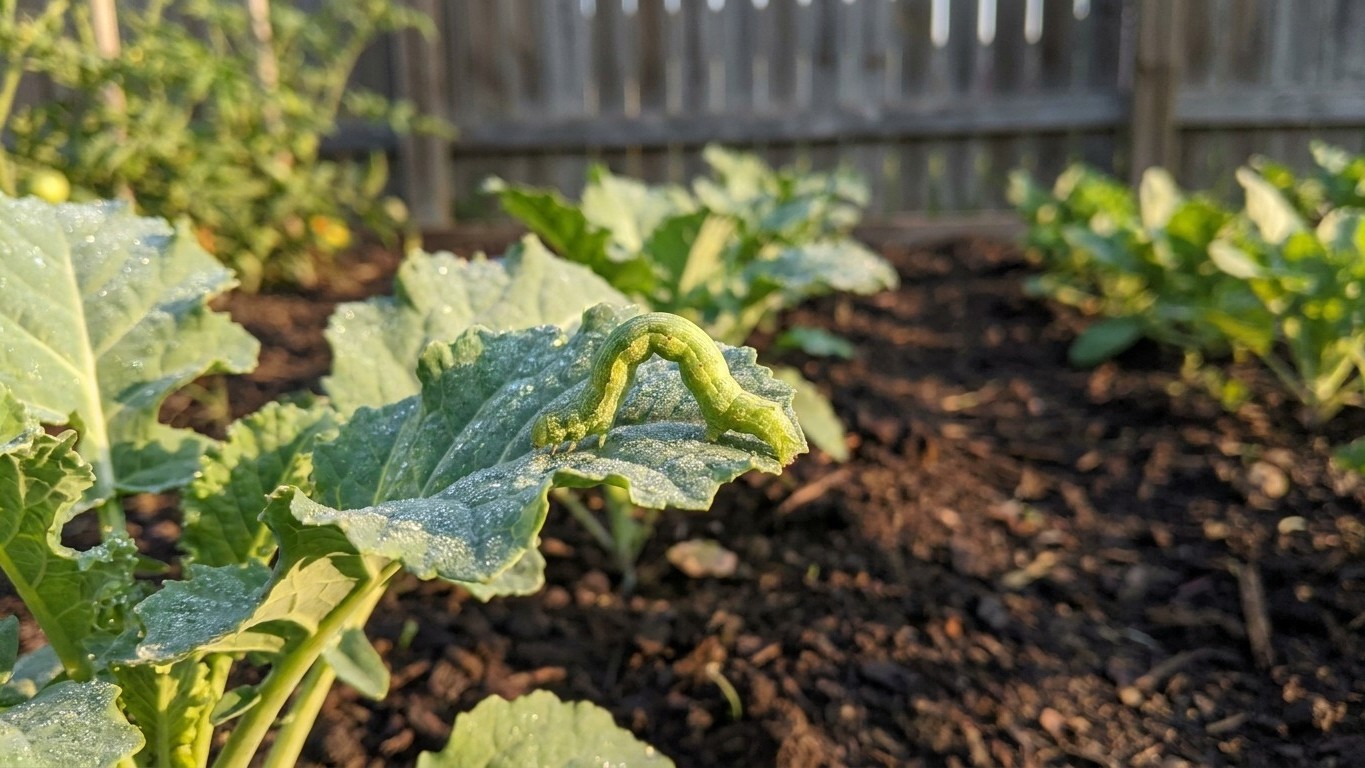
Cabbage loopers don’t survive South Dakota’s winters. They arrive each year as migrants from warmer states, riding wind currents north sometime between…
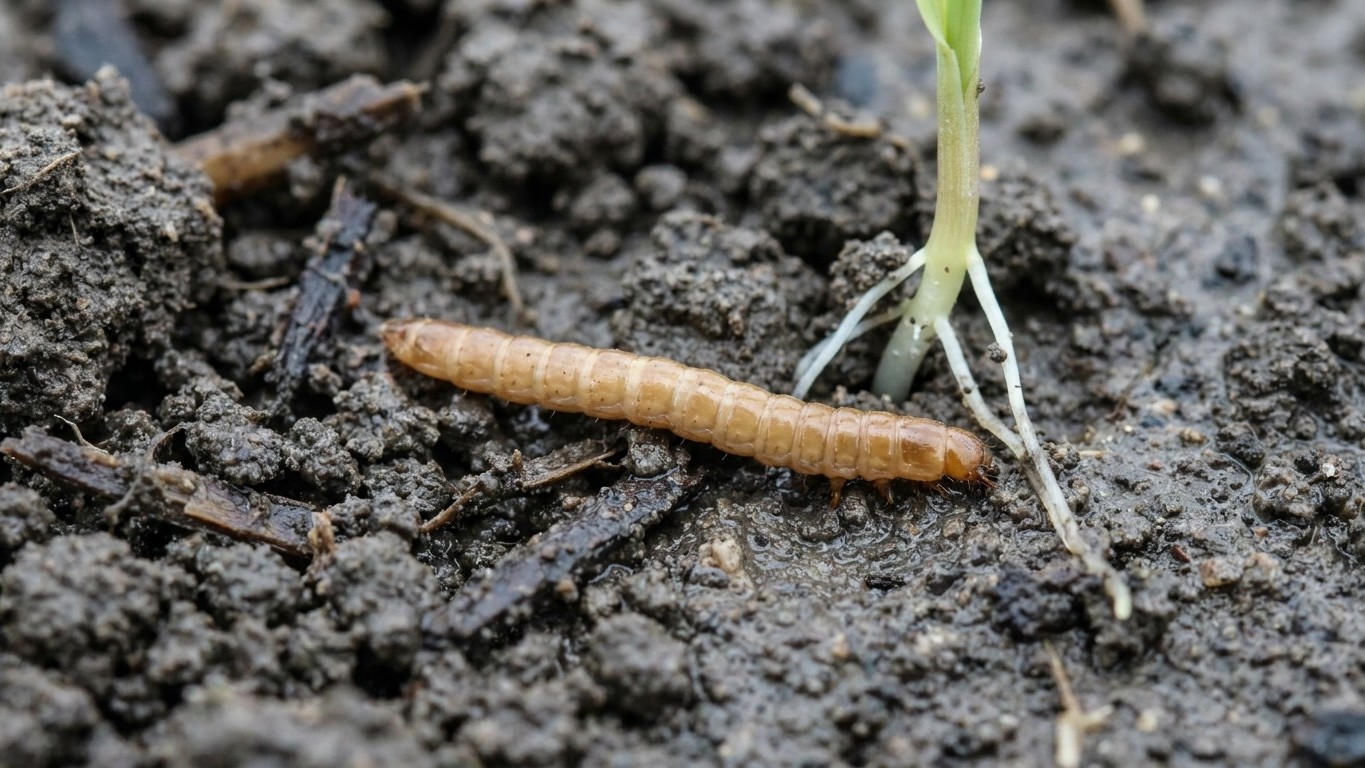
Wireworms show up in South Dakota fields as soon as spring soil temperatures climb past 50°F, usually mid-April in the eastern part of the state and…
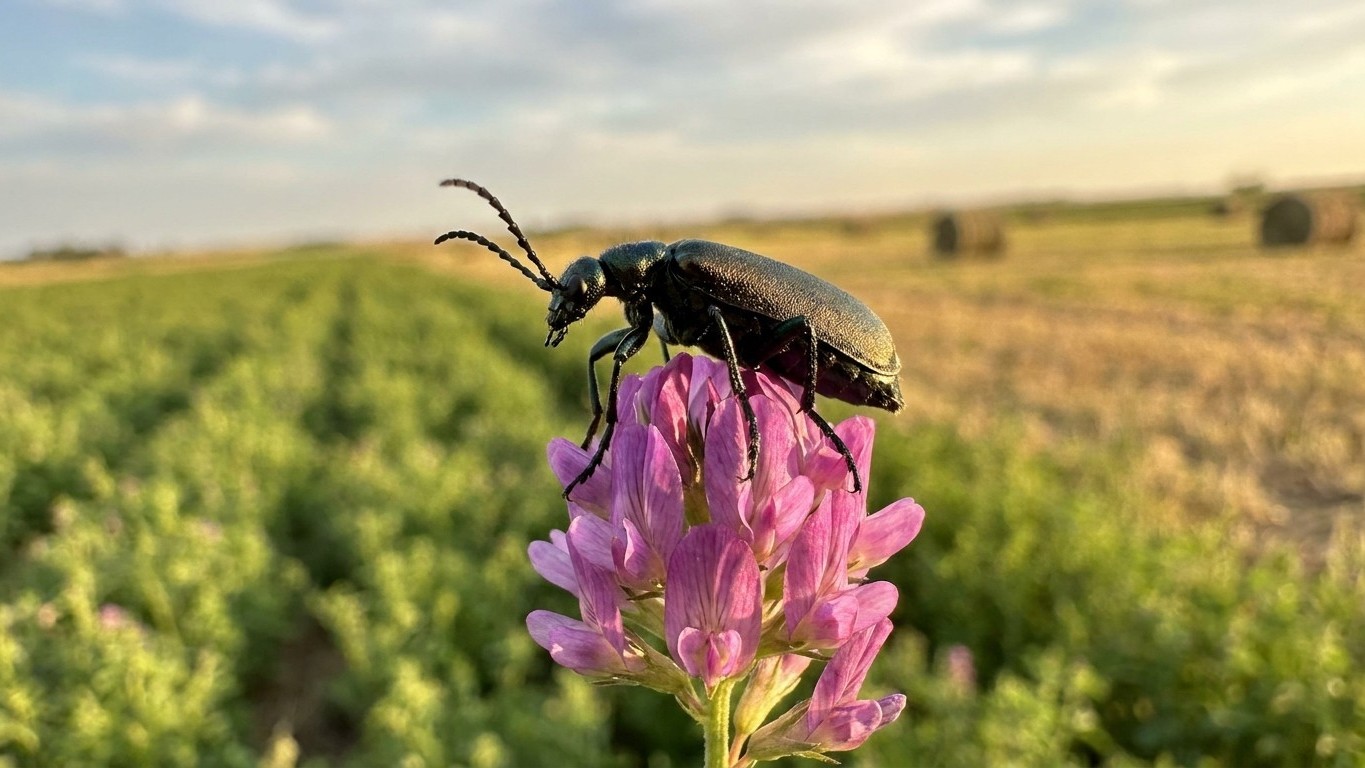
Blister beetles turn up in South Dakota alfalfa fields most reliably from mid-July through September, tracking the second and third cuttings rather than…