Canning at Altitude in South Dakota: What Your Elevation Changes
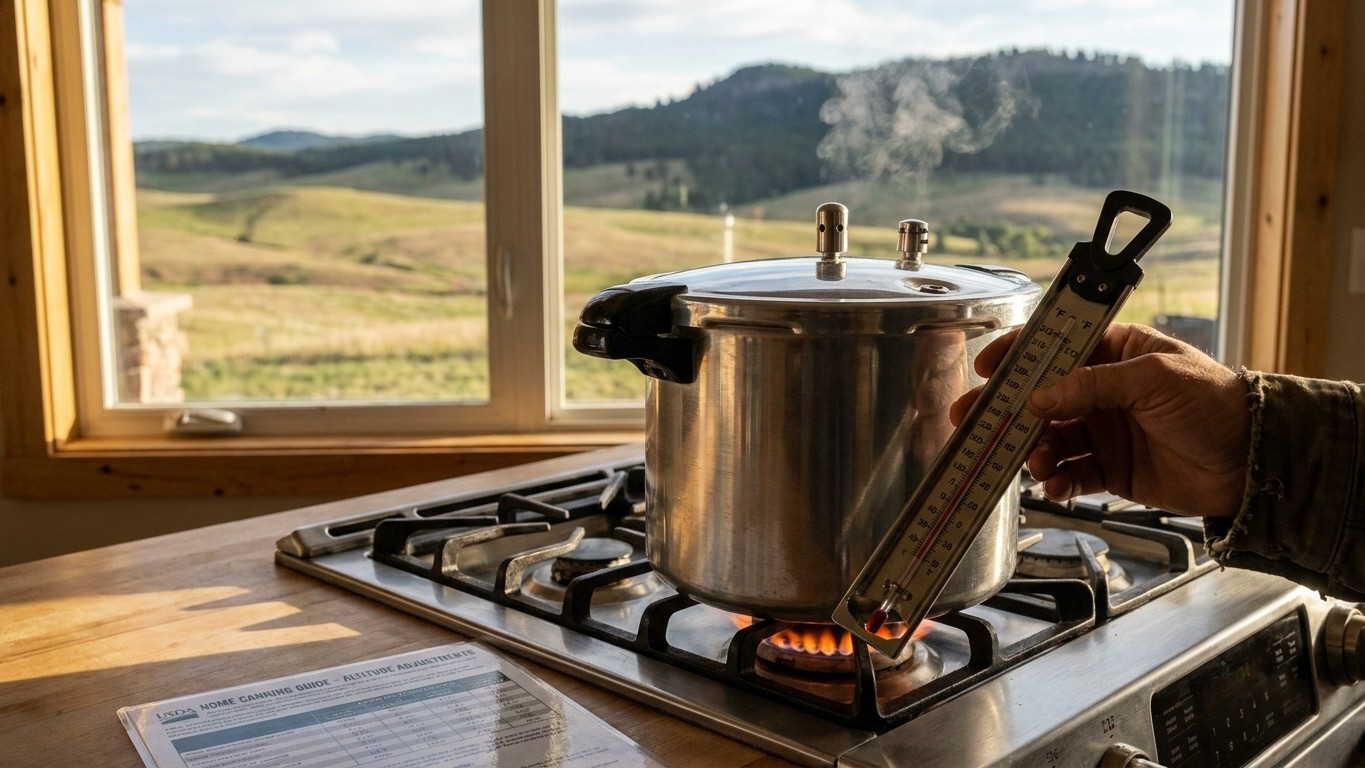
Water boils below 212°F almost everywhere in South Dakota, because almost nowhere in the state sits at true sea level.
Home & garden, state by state
Everything we have worked out for South Dakota: what to plant and when, which varieties finish in time, the pests that actually turn up here, and the jobs that pay off month by month. We also cover the rest of the property, from lawns and soil to home care and energy, because a garden rarely stops at the vegetable bed.
The numbers first, because everything else follows from them. Measured at the weather station in Sioux Falls, the last spring freeze runs April 29 to May 9 and the first fall freeze runs September 24 to October 4, USDA zones 3b-5b, 3,003 growing degree days in the year.
Garlic does well: 30.4 weeks below 40 °F, comfortably past the six it needs to form a proper head.
Elsewhere on the property in South Dakota: the pests that turn up here.
Figures from NOAA's 1991-2020 climate normals. A state is not one climate: elevation, a large lake or the coast can move these dates by two weeks either way, so check your own county with the extension service before you spend money.
Water boils below 212°F almost everywhere in South Dakota, because almost nowhere in the state sits at true sea level.
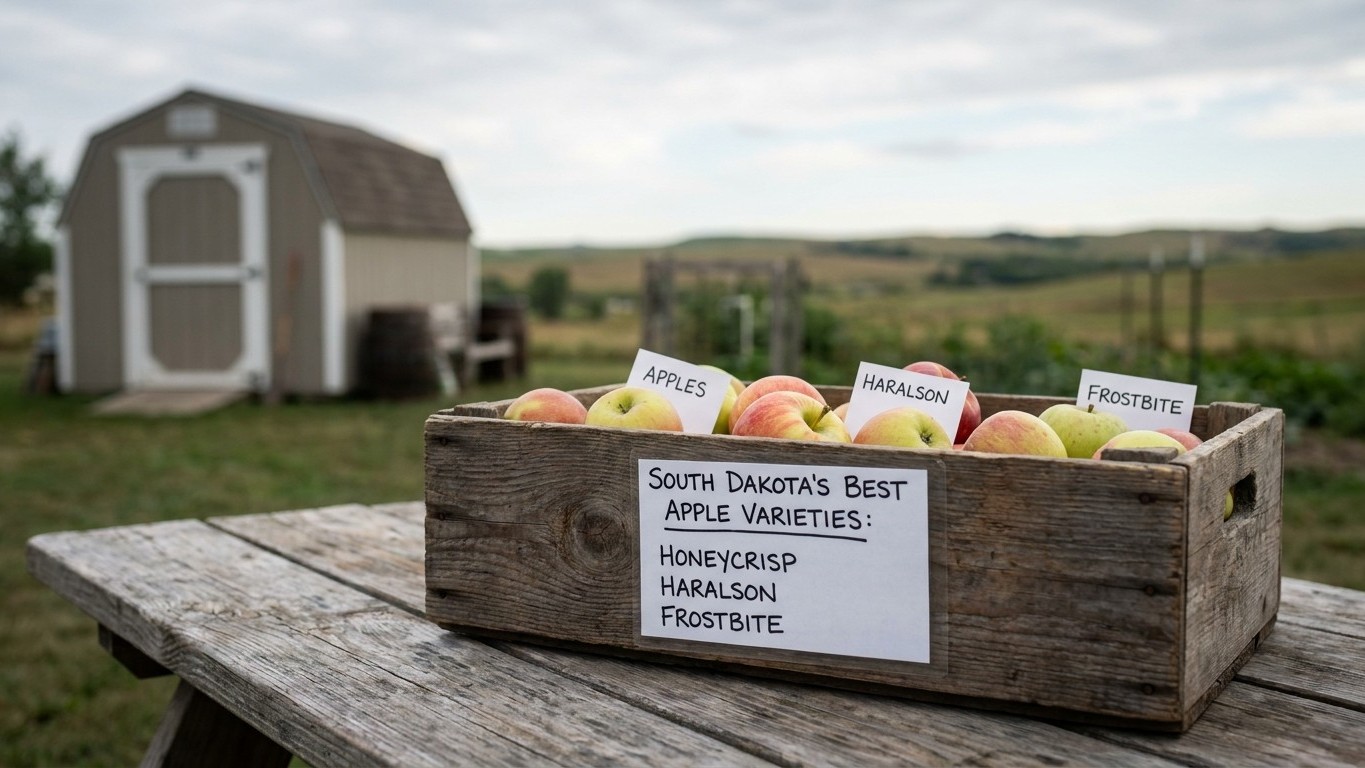
South Dakota’s cold winters make hardiness the deciding factor for apple trees, more than flavor, so check a variety’s rating before buying.
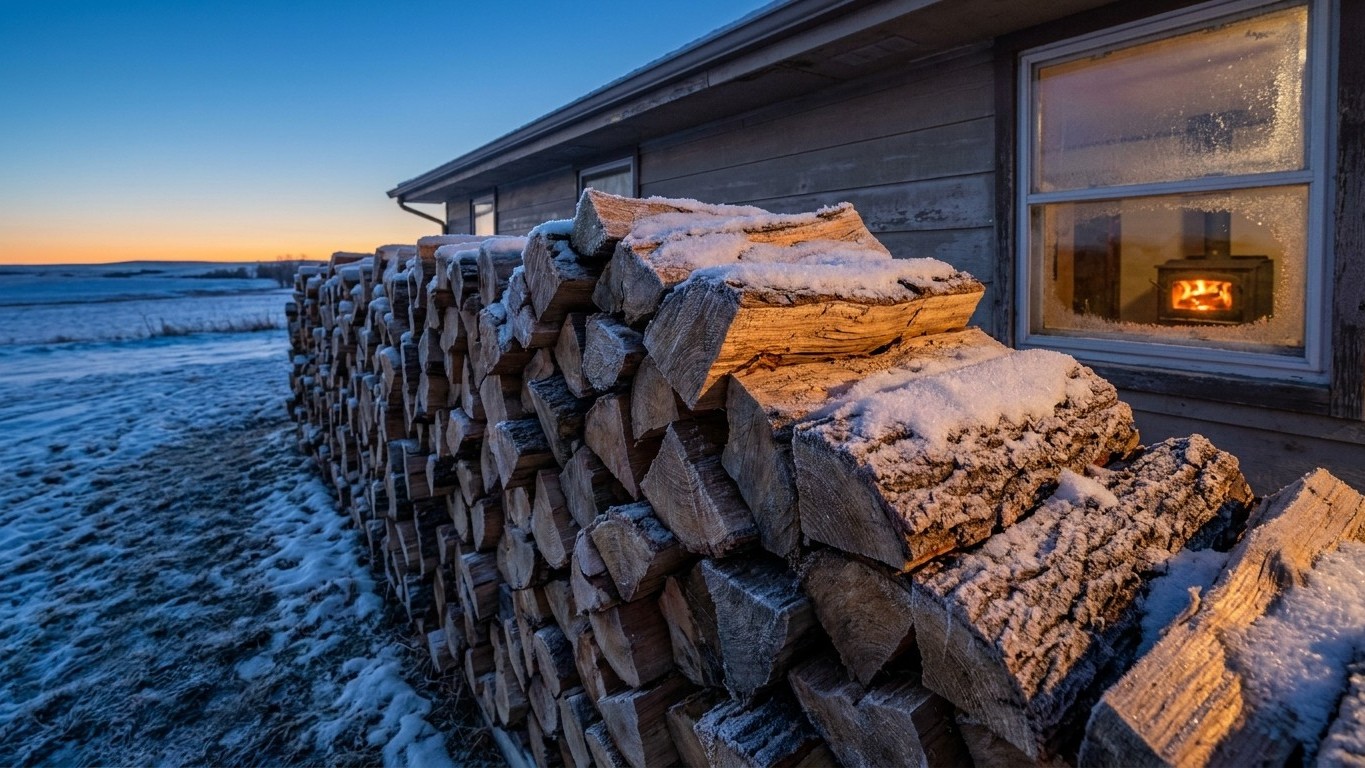
8.5°F. That’s the average low for January in Sioux Falls, the reference point NOAA uses for South Dakota winters, and it’s the number that decides…
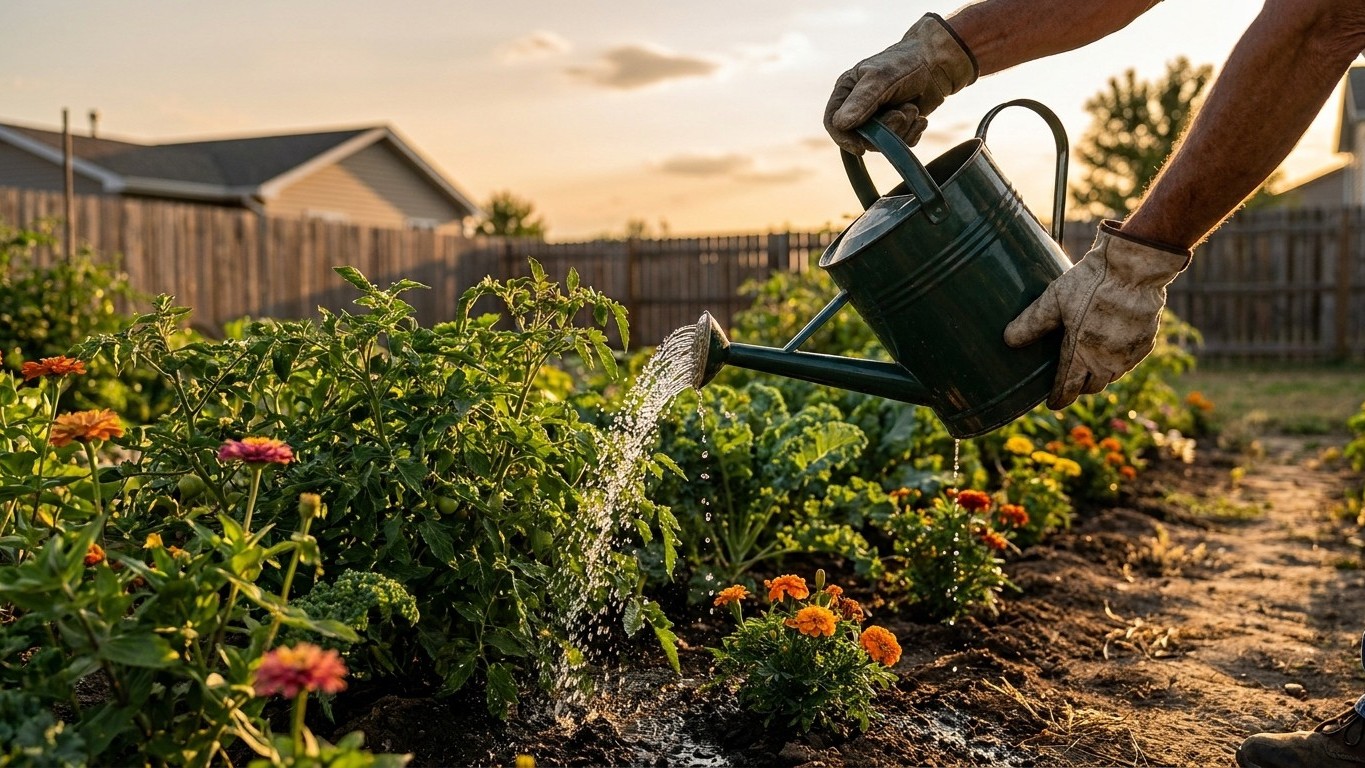
South Dakota gardens live and die on two things: how many days climb past 90F and how far apart the rain showers fall in July.
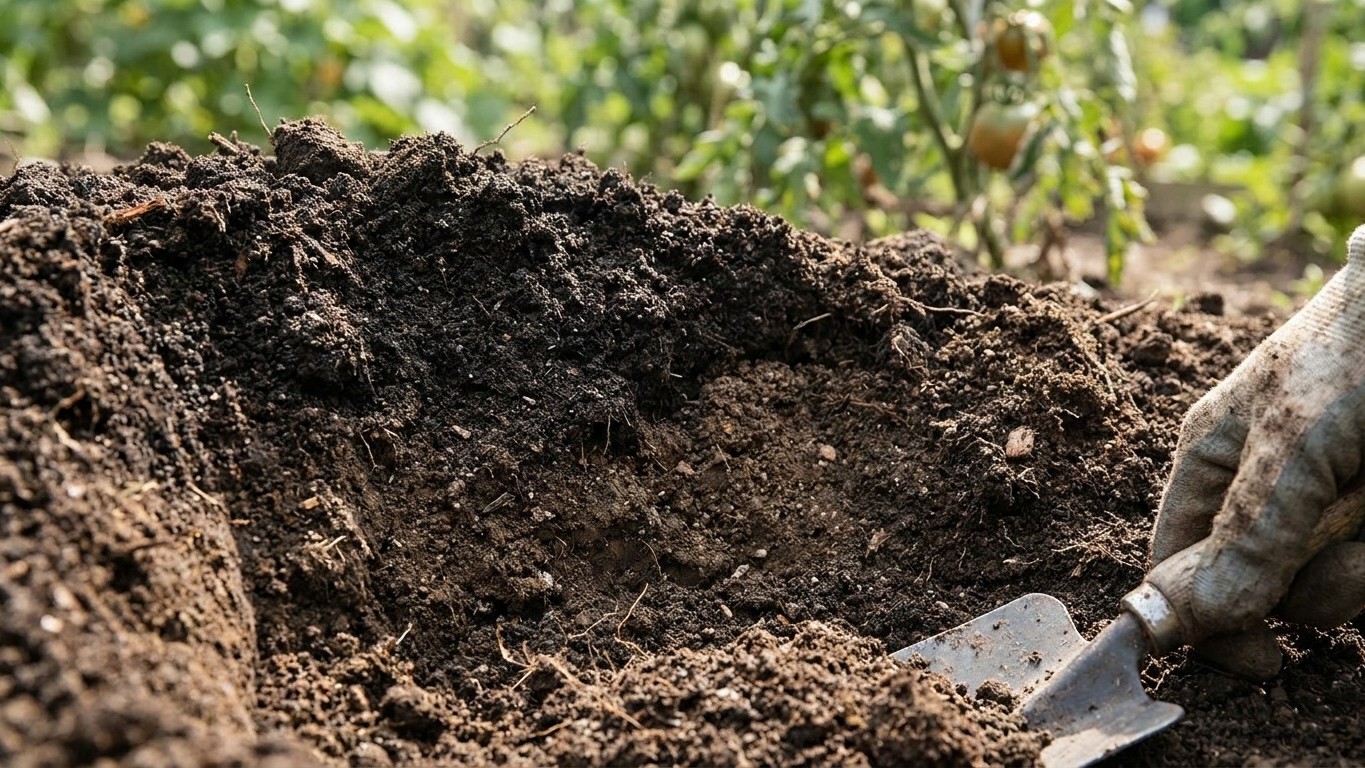
South Dakota’s official state soil is the Houdek series, a deep, dark prairie soil that helped build the Corn Belt.
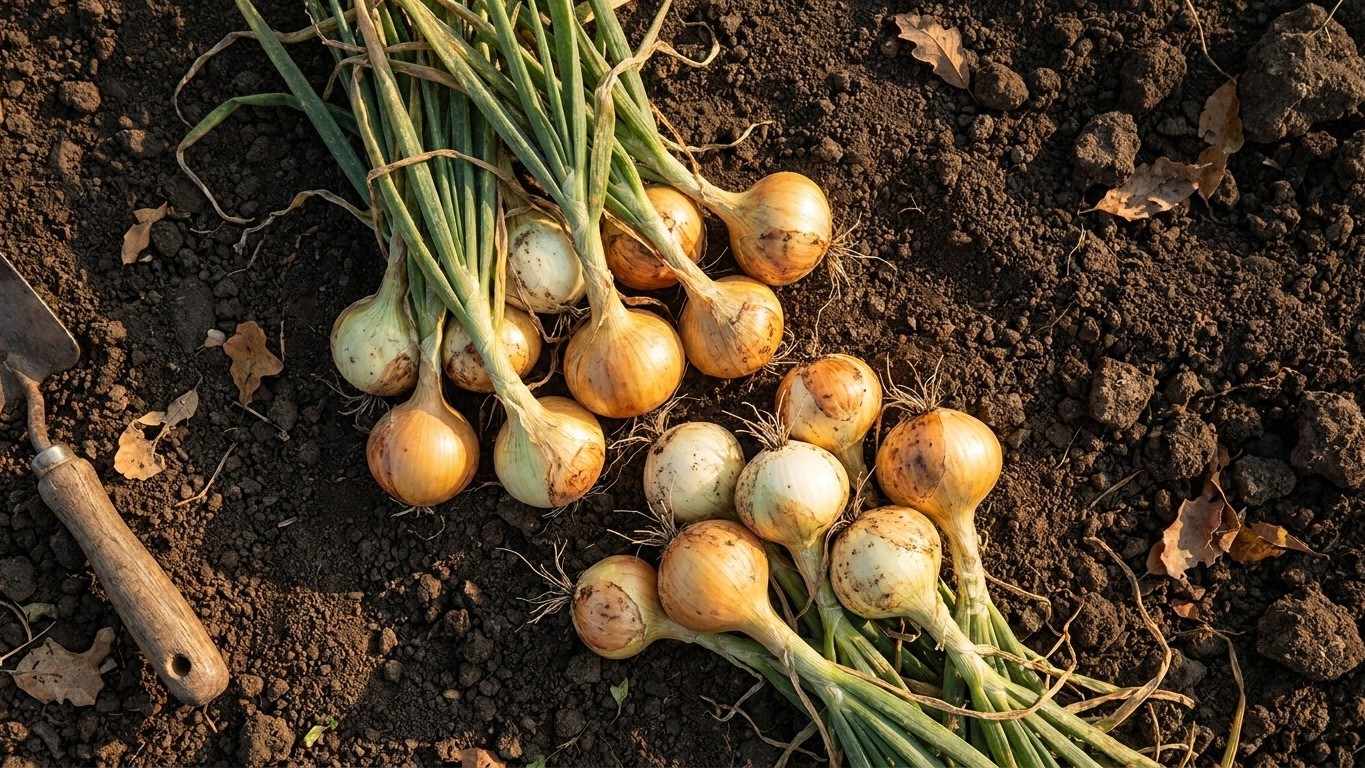
Sioux Falls sits at 43.59 degrees north with 15 hours and 15 minutes of daylight on the longest day of the year, enough for long-day and intermediate-day…
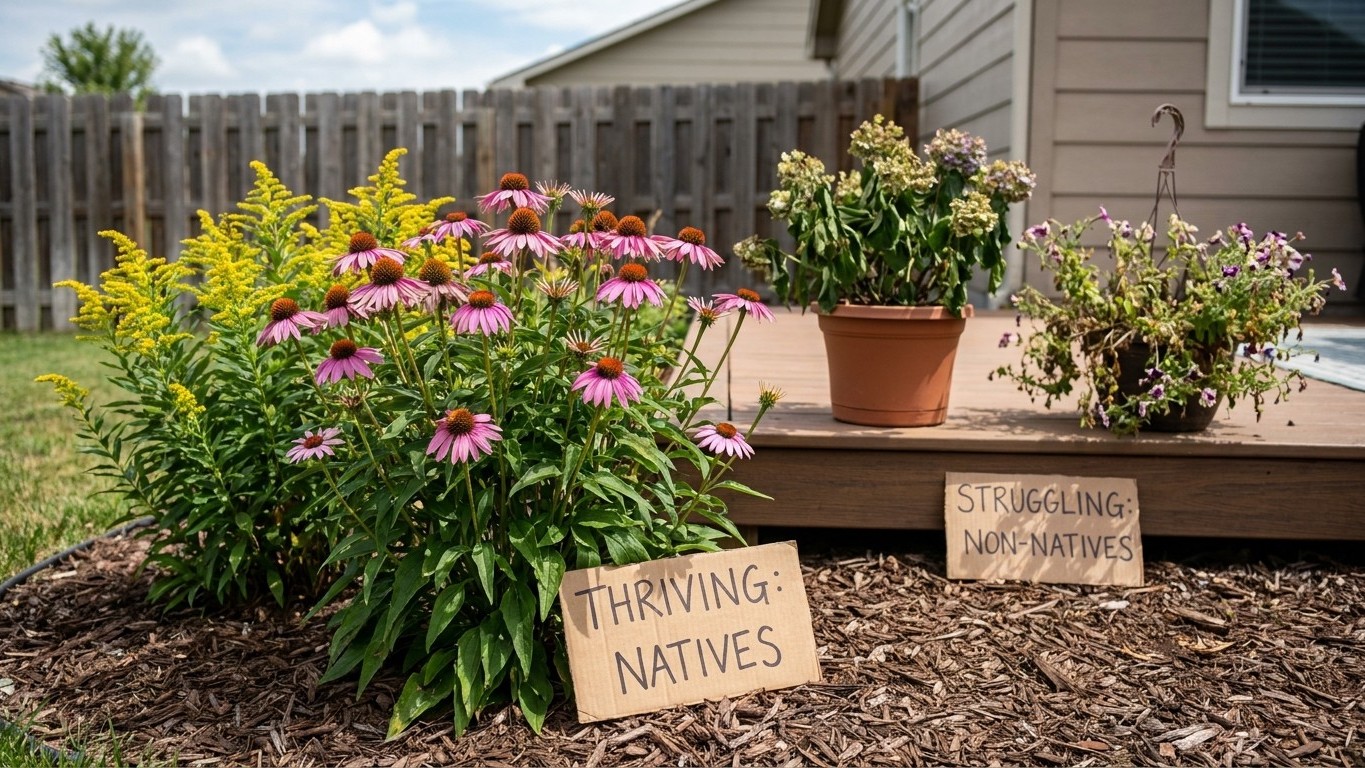
A county-by-county look at which flowers survive South Dakota’s cold winters and short growing season, and which ones to skip.
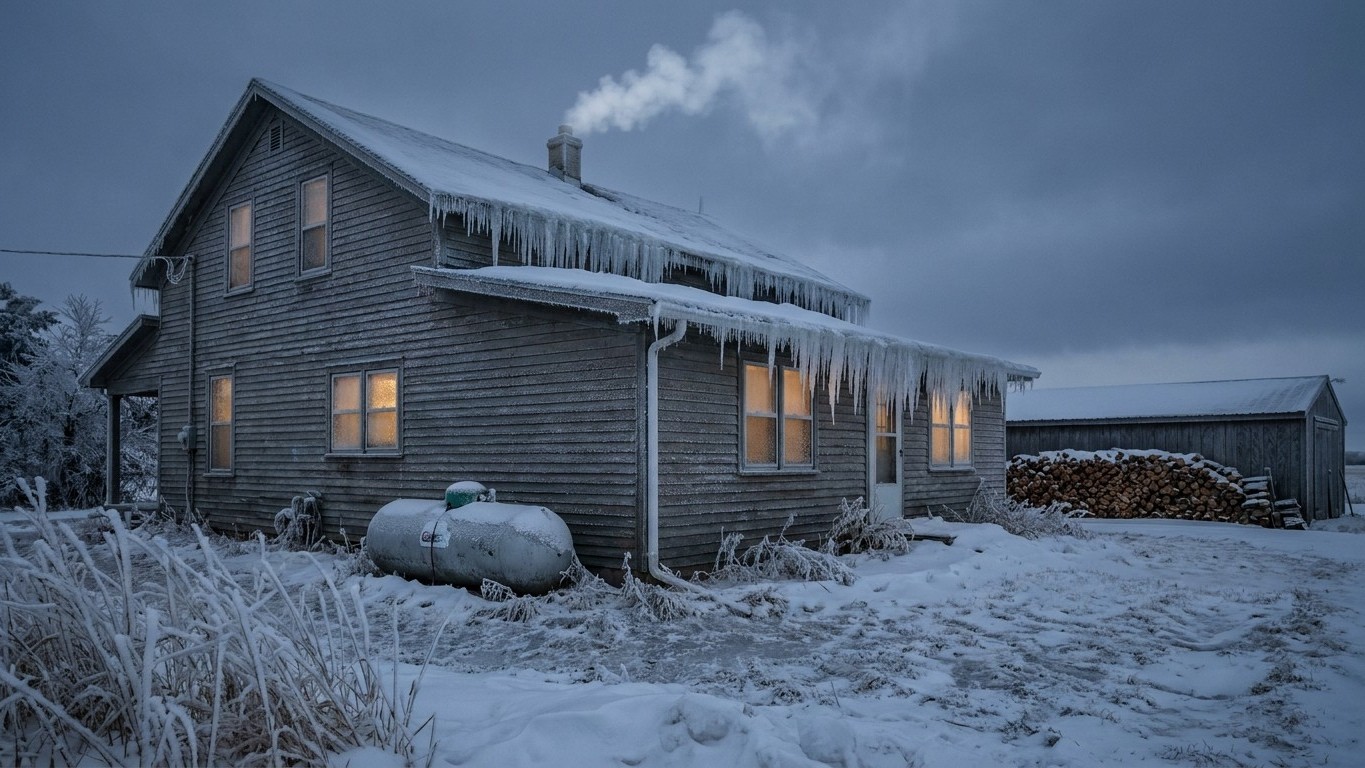
South Dakota winters don’t just dip below freezing, they camp out there for months, and that single fact drives everything about how a house here gets…
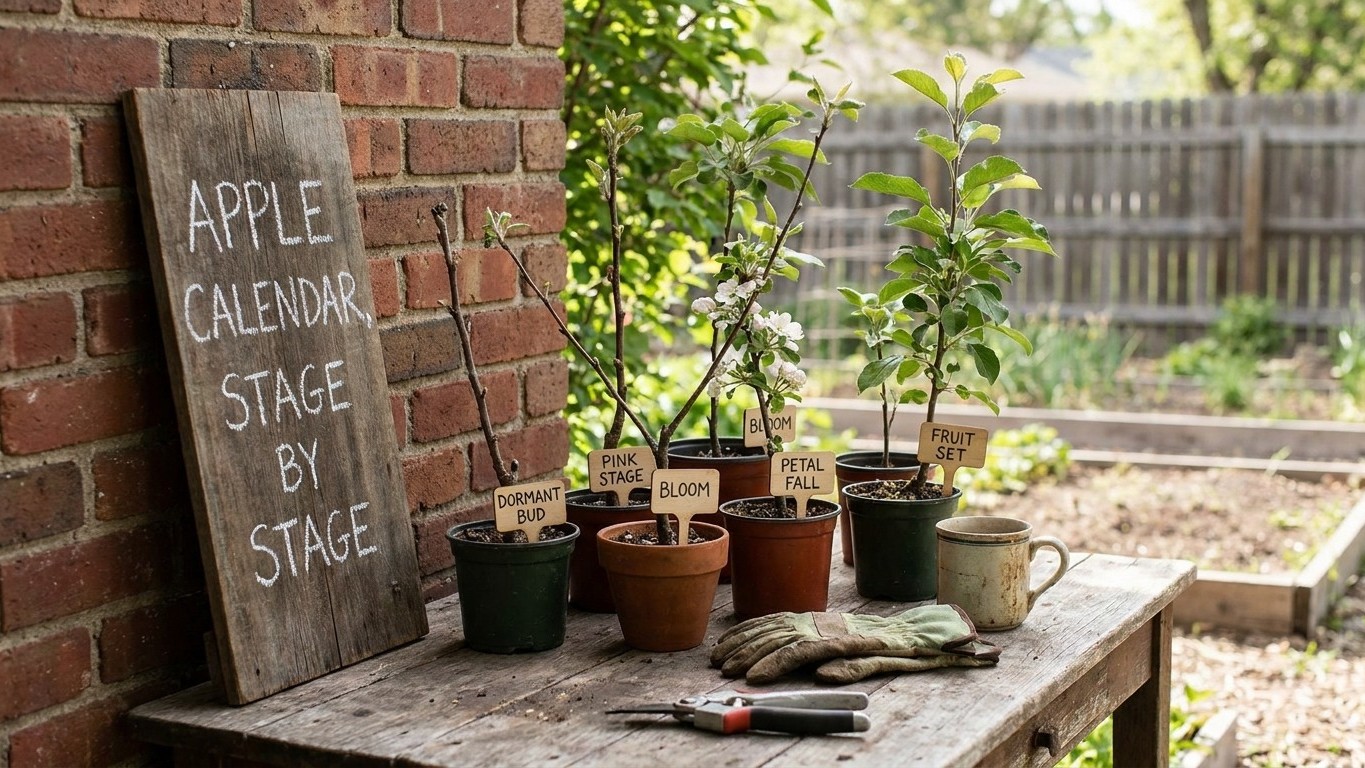
This calendar anchors each apple tree stage, from dormancy to harvest, to Sioux Falls’ NOAA frost dates so South Dakota growers can time frost protection and picking.
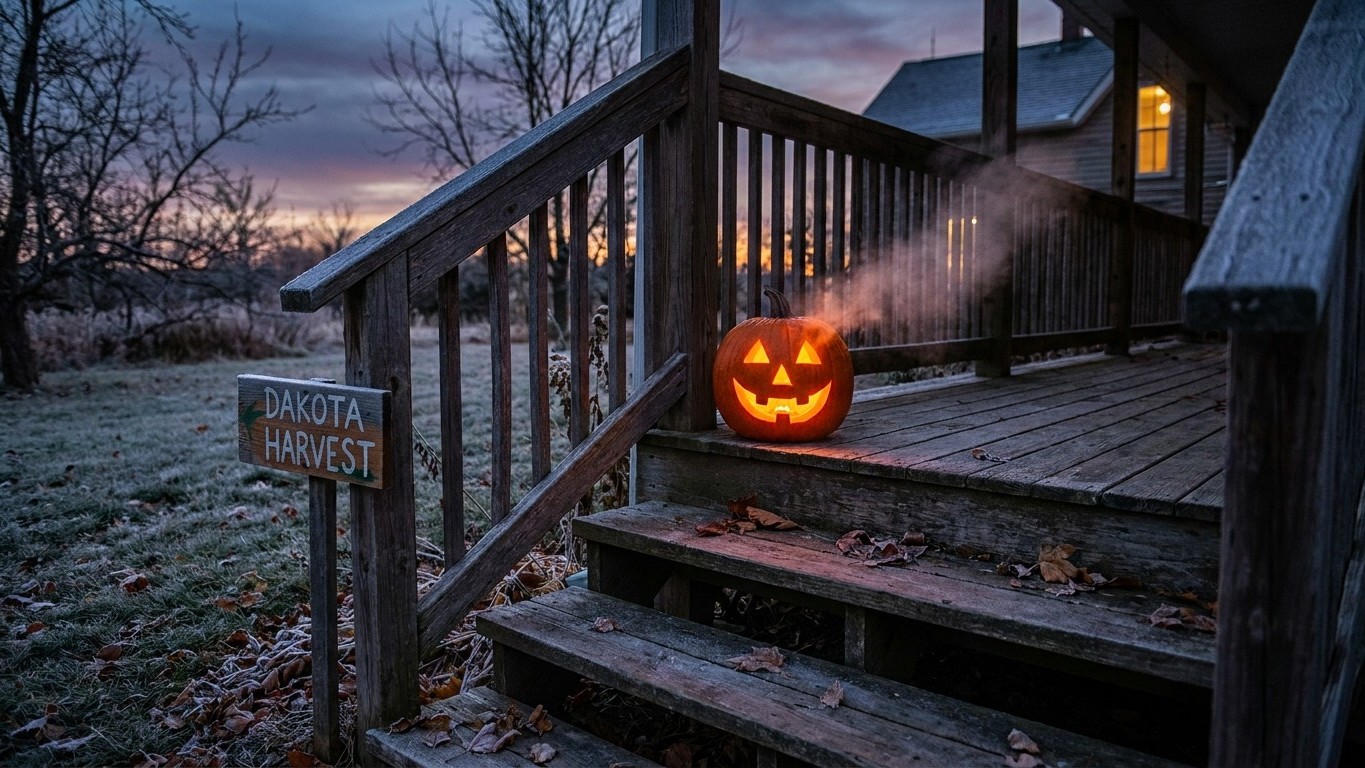
Around Sioux Falls, the mean first fall frost lands somewhere between September 24 and October 4, according to NOAA’s 1991-2020 Climate Normals.