Imported cabbageworm in South Dakota: When It Shows Up and What Stops It
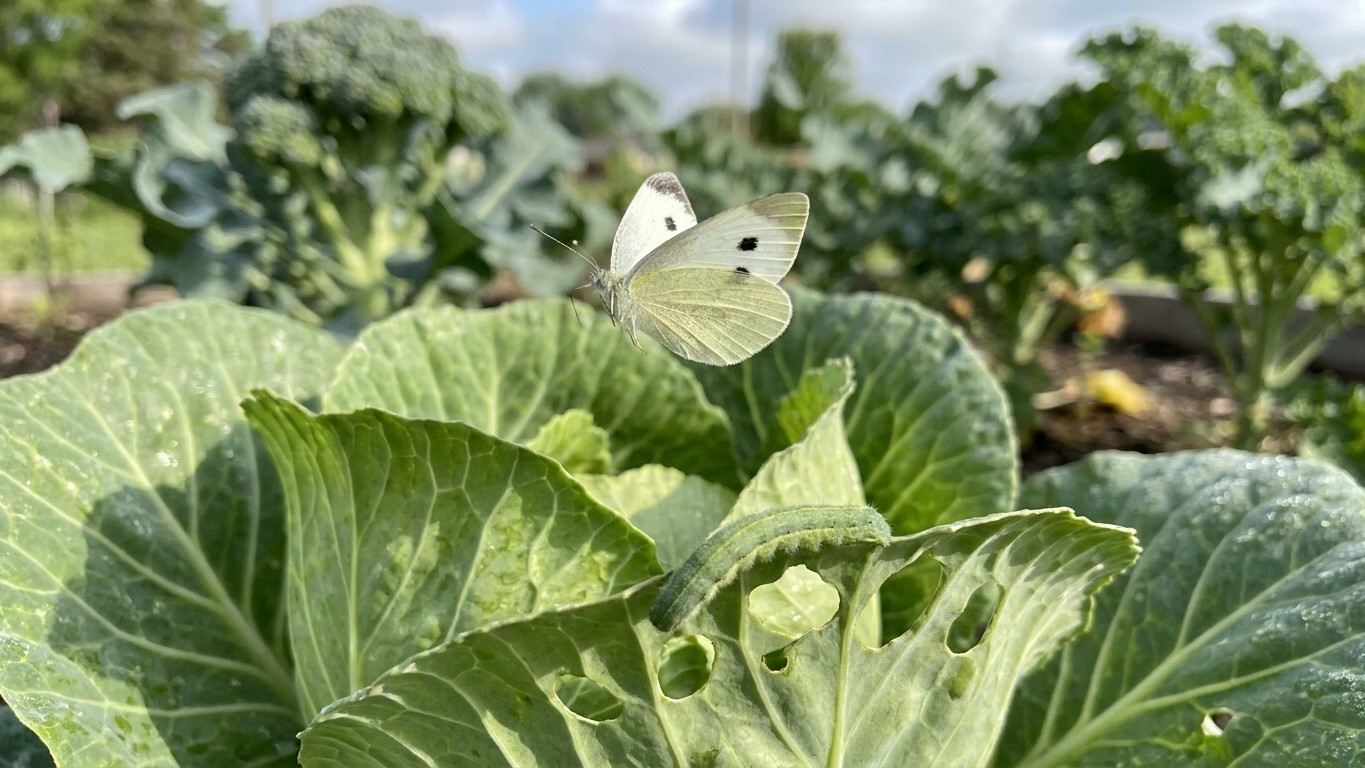
The imported cabbageworm (Pieris rapae) turns up in South Dakota gardens as soon as the small white butterflies start fluttering over brassica beds…
Home & garden, state by state
Everything we have worked out for South Dakota: what to plant and when, which varieties finish in time, the pests that actually turn up here, and the jobs that pay off month by month. We also cover the rest of the property, from lawns and soil to home care and energy, because a garden rarely stops at the vegetable bed.
The numbers first, because everything else follows from them. Measured at the weather station in Sioux Falls, the last spring freeze runs April 29 to May 9 and the first fall freeze runs September 24 to October 4, USDA zones 3b-5b, 3,003 growing degree days in the year.
Garlic does well: 30.4 weeks below 40 °F, comfortably past the six it needs to form a proper head.
Elsewhere on the property in South Dakota: the pests that turn up here.
Figures from NOAA's 1991-2020 climate normals. A state is not one climate: elevation, a large lake or the coast can move these dates by two weeks either way, so check your own county with the extension service before you spend money.
The imported cabbageworm (Pieris rapae) turns up in South Dakota gardens as soon as the small white butterflies start fluttering over brassica beds…
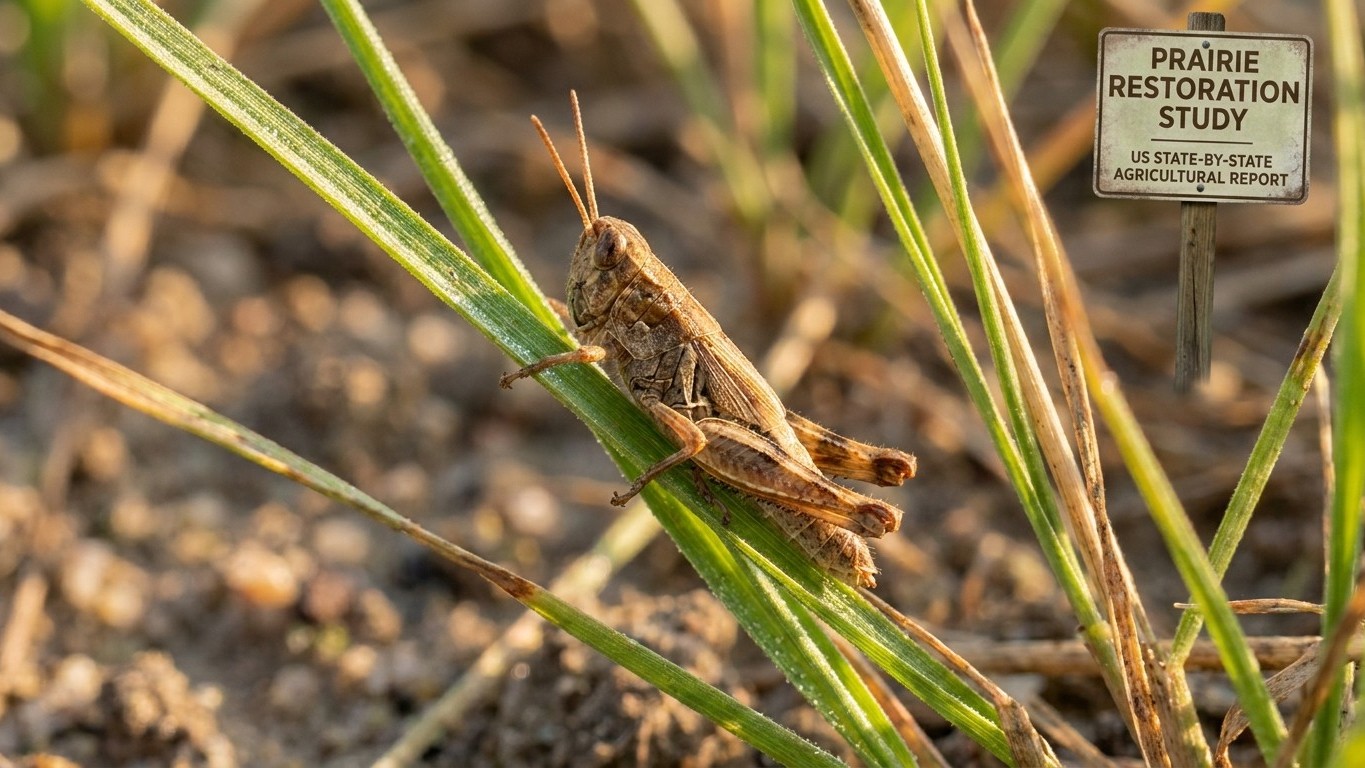
Grasshoppers become a problem in South Dakota from late May through early July, when overwintered eggs hatch into nymphs, and again in August when adult…
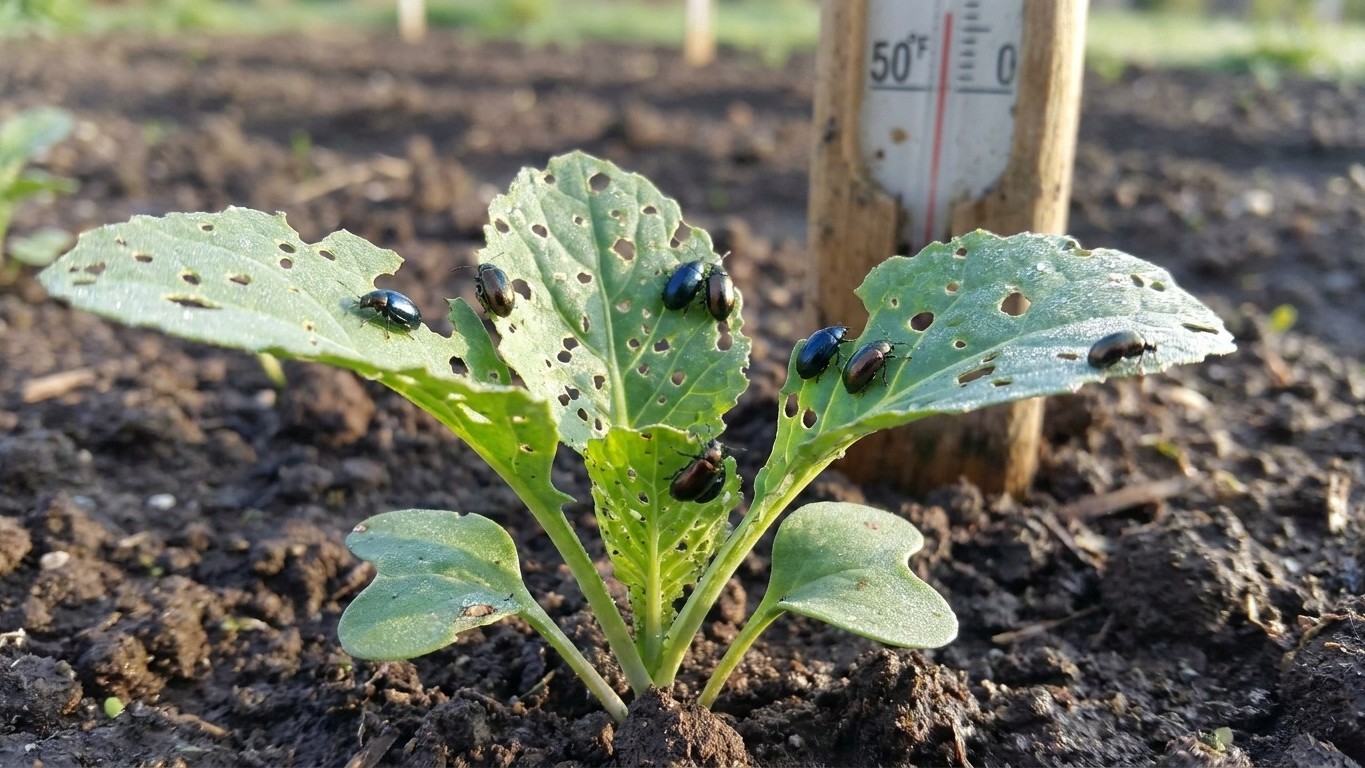
Flea beetles start showing up across South Dakota as soon as soil temperatures climb into the low 50s, which typically means mid-April in the…
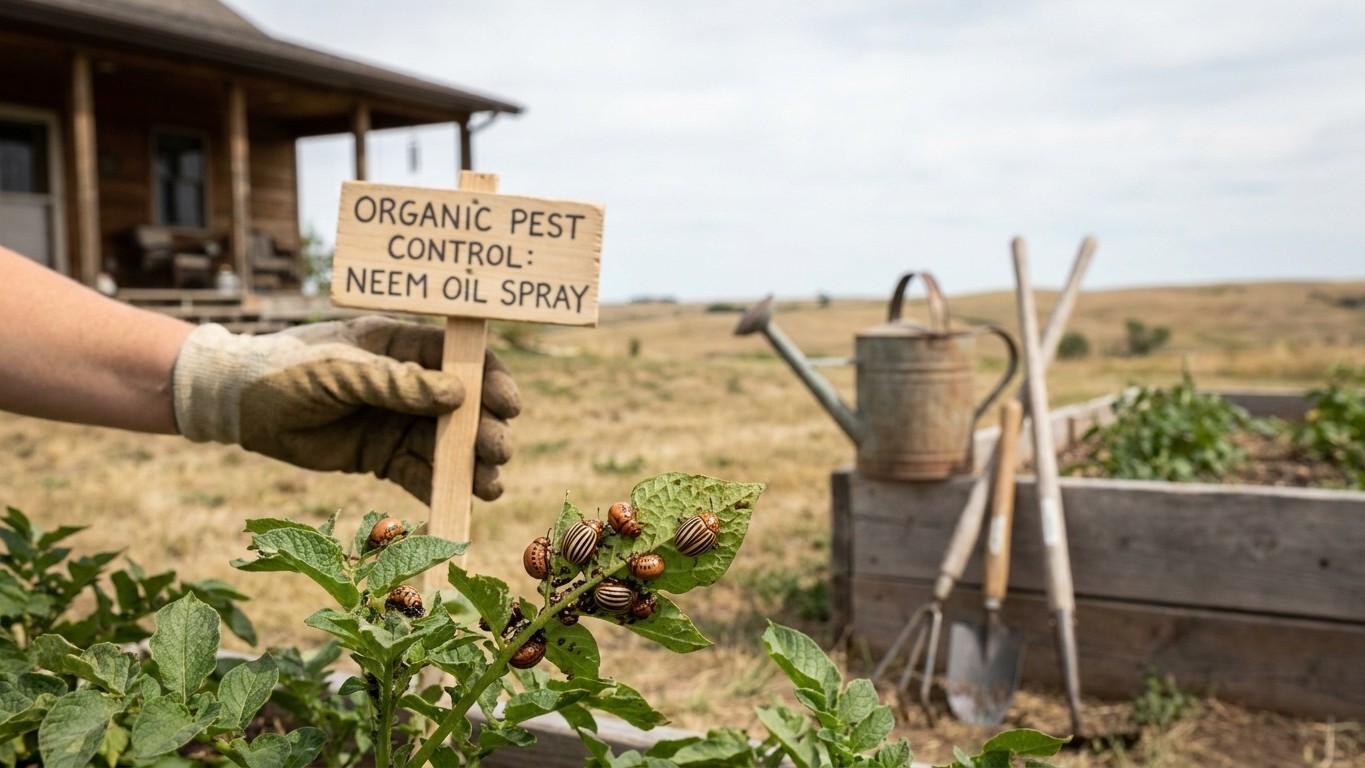
SDSU Extension’s list of the pests that most often show up in South Dakota gardens, with identification tips and season-by-season control methods for each.
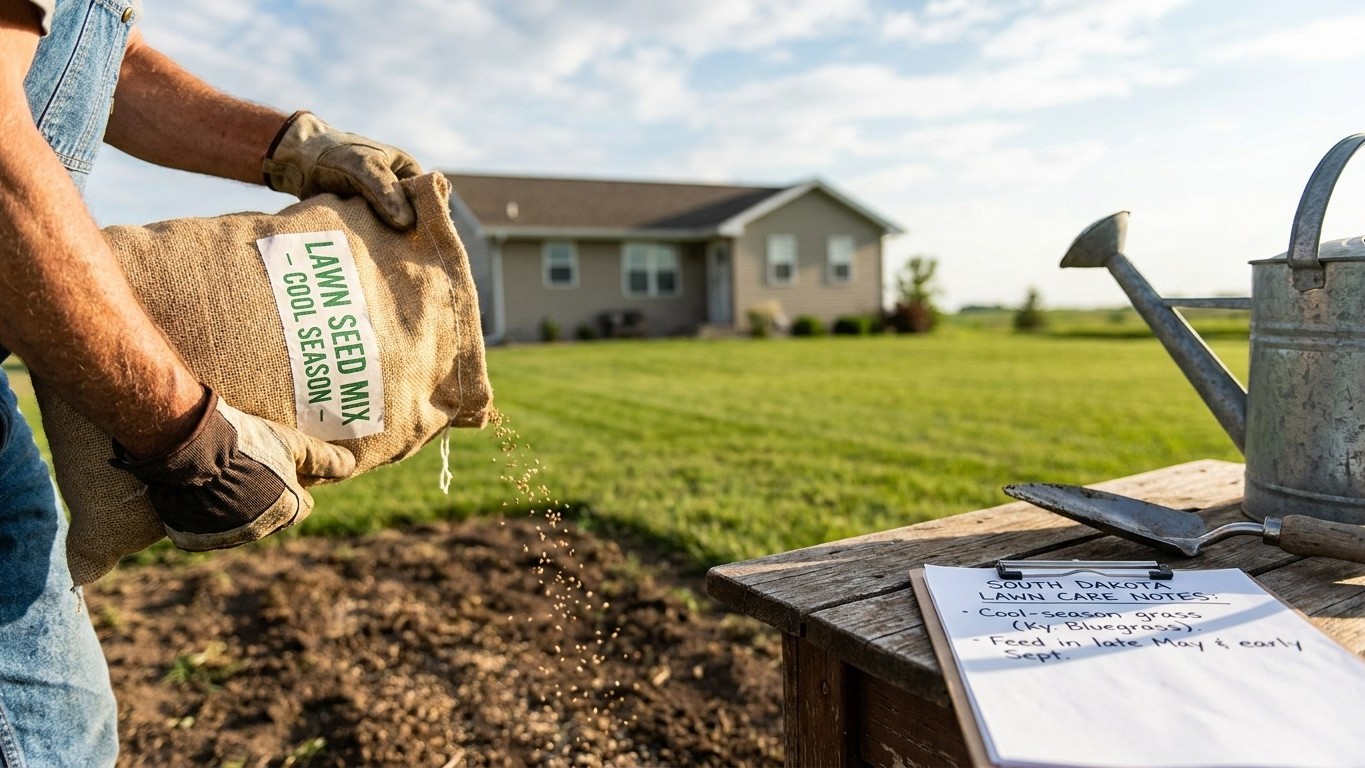
South Dakota’s cold winters and short hot spells favor cool-season grasses like tall fescue and Kentucky bluegrass, fed in fall rather than spring or summer.
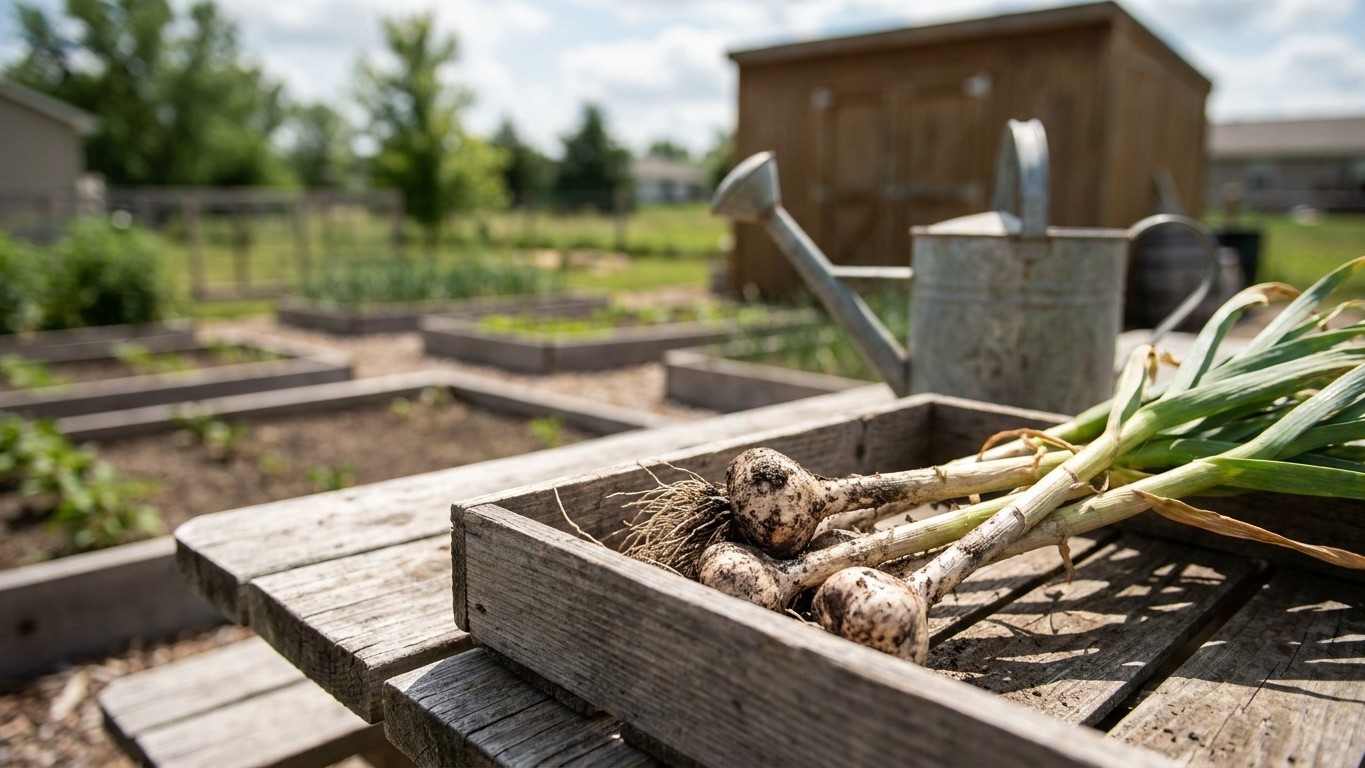
South Dakota’s garlic planting window runs early to mid September, set by the first fall frost recorded at Sioux Falls and adjusted for local county conditions.
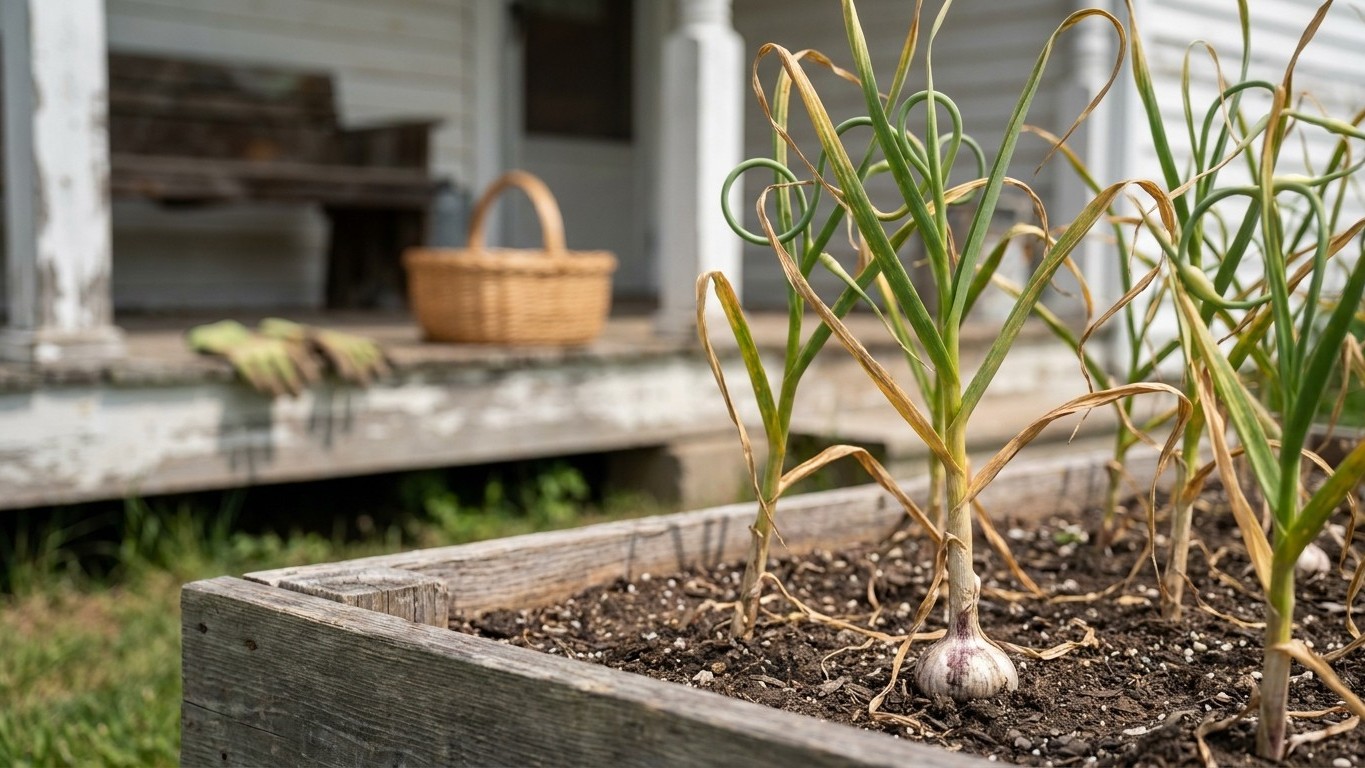
Sioux Falls frost data set South Dakota’s fall garlic planting window at early to mid September, with cold winters that easily meet garlic’s vernalization needs.
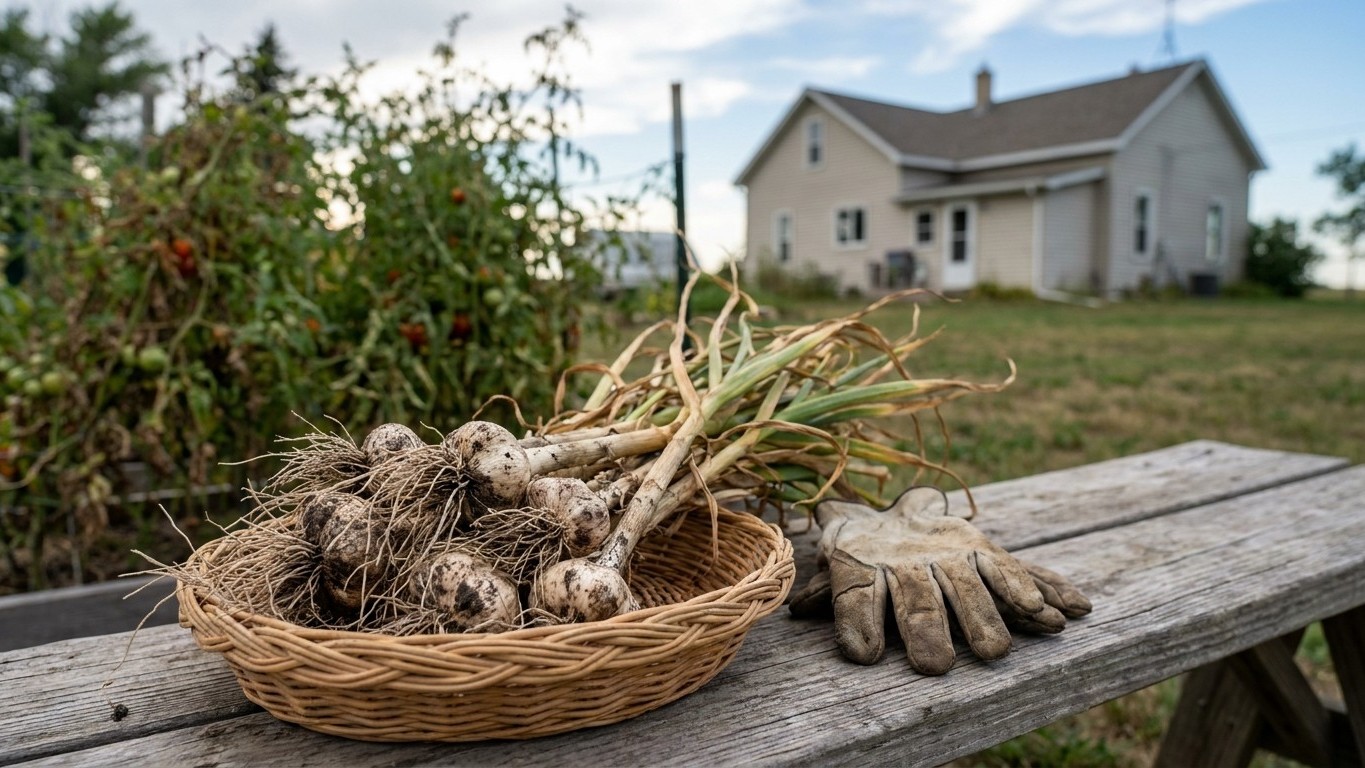
South Dakota’s long, cold winters exceed garlic’s chilling requirement, so timing and variety choice matter more than worrying about frost.
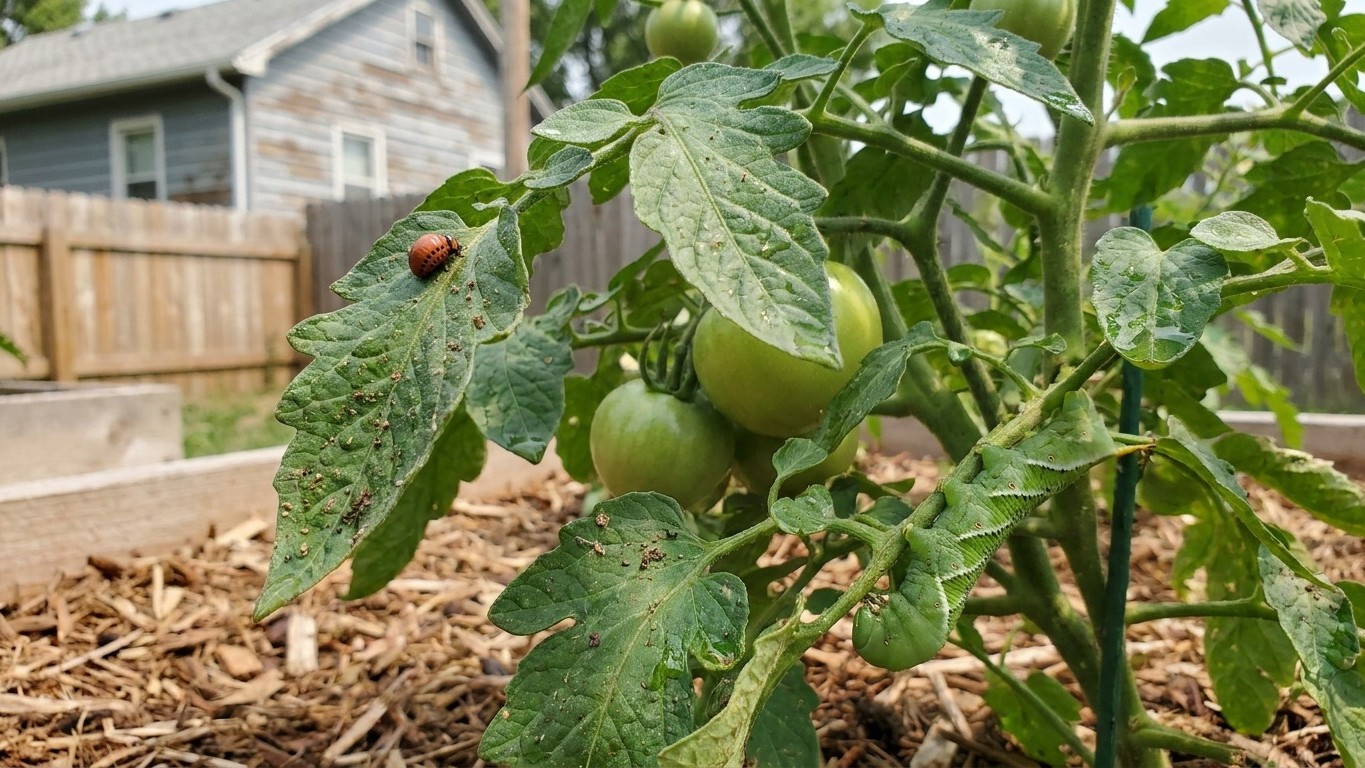
A season-by-season look at the tomato pests that actually appear in South Dakota gardens, with identification tips and effective controls for each.
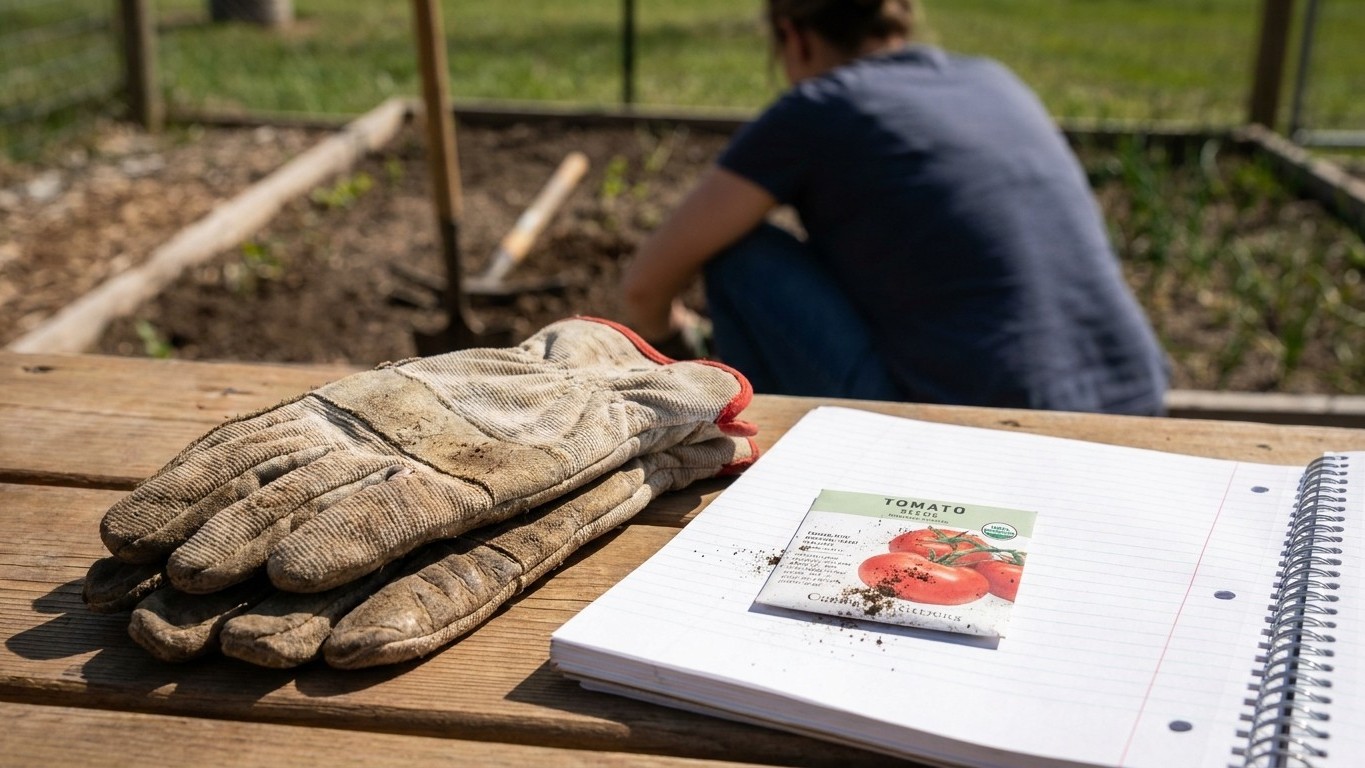
Tomato planting dates in South Dakota hinge on your local frost window; this page shows how to calculate your own from NOAA’s data and days to maturity.