Heating a Home in Texas: What the Winter Actually Costs
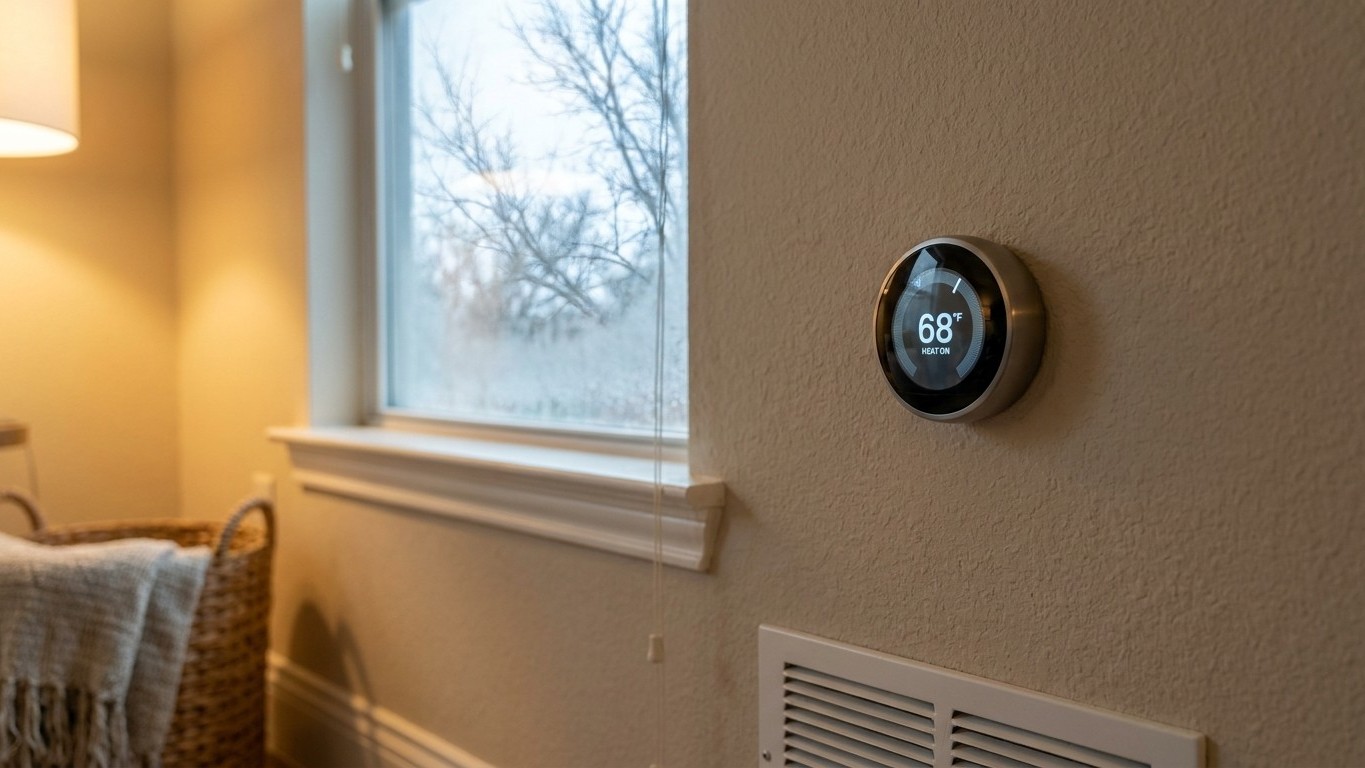
Winter in Texas rarely announces itself the way it does farther north. The coldest month still averages a nighttime low of 43.7°F, which sounds mild…
Home & garden, state by state
Everything we have worked out for Texas: what to plant and when, which varieties finish in time, the pests that actually turn up here, and the jobs that pay off month by month. We also cover the rest of the property, from lawns and soil to home care and energy, because a garden rarely stops at the vegetable bed.
The numbers first, because everything else follows from them. Measured at the weather station in Houston, the last spring freeze runs February 4 to March 1 and the first fall freeze runs December 1 to December 19, USDA zones 6a-10a, 7,280 growing degree days in the year.
Heat, not frost, is what shortens the season here: above 86 °F tomato pollen goes sterile, so growers run a spring crop and an autumn one rather than a single long season. Garlic is the awkward one: only 0 weeks below 40 °F, where it needs six to split into cloves. Chill the cloves before planting, or grow a softneck type.
Elsewhere on the property in Texas: the pests that turn up here.
Figures from NOAA's 1991-2020 climate normals. A state is not one climate: elevation, a large lake or the coast can move these dates by two weeks either way, so check your own county with the extension service before you spend money.
Winter in Texas rarely announces itself the way it does farther north. The coldest month still averages a nighttime low of 43.7°F, which sounds mild…
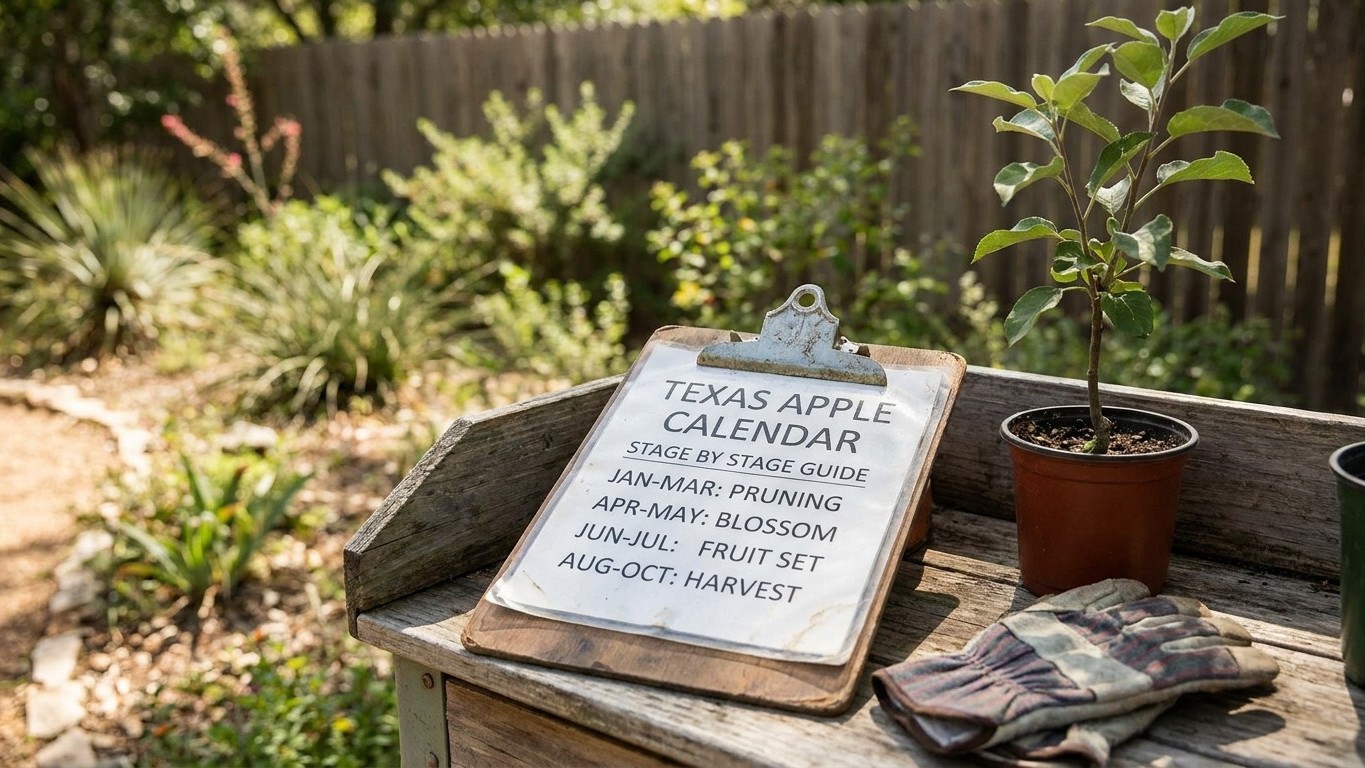
A stage-by-stage look at Texas apple timing, anchored on Houston’s NOAA frost dates, showing when dormancy, bloom, and harvest actually happen.
Around Houston, the mean first fall frost doesn’t show up until December 1 to December 19, according to NOAA climate normals for the region.
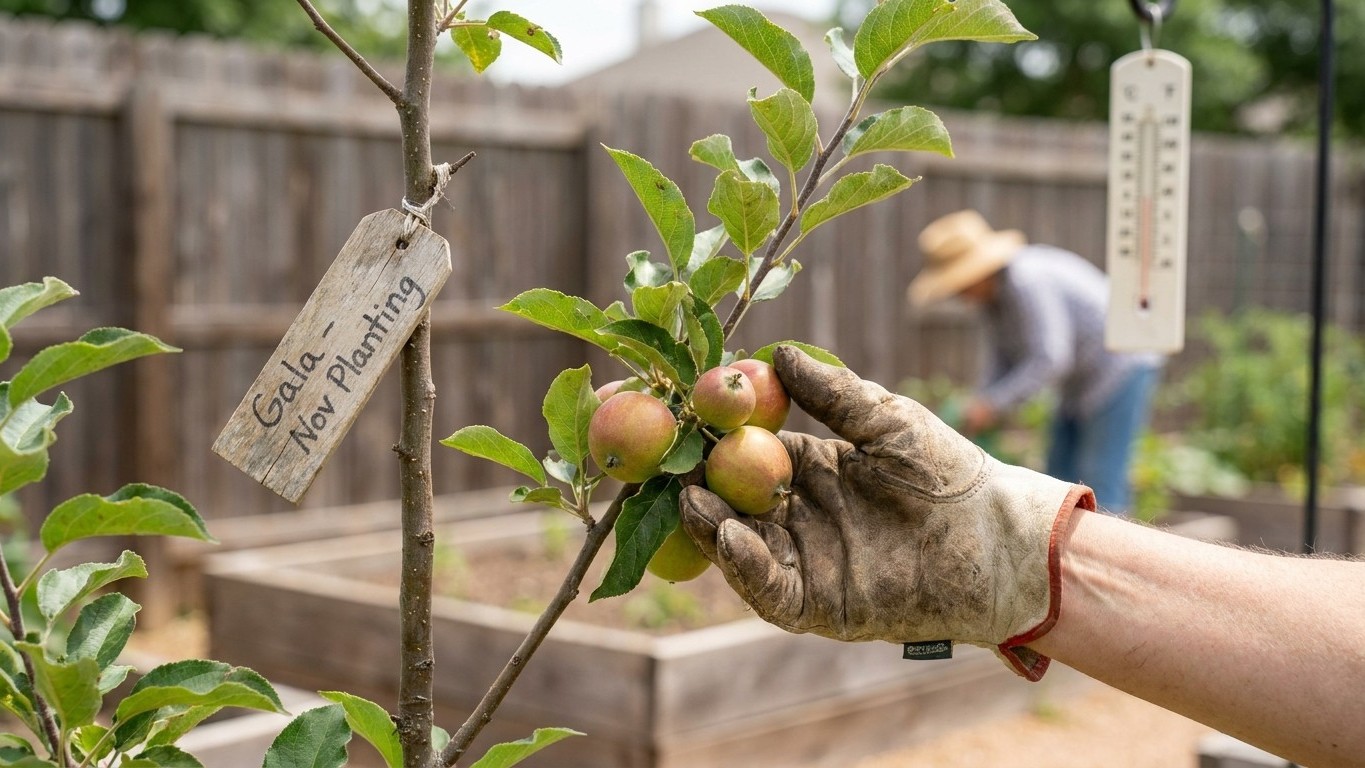
Apples grow across Texas if you match winter chill hours and frost timing to your region, from low-chill Gulf Coast varieties to hardier North Texas types.
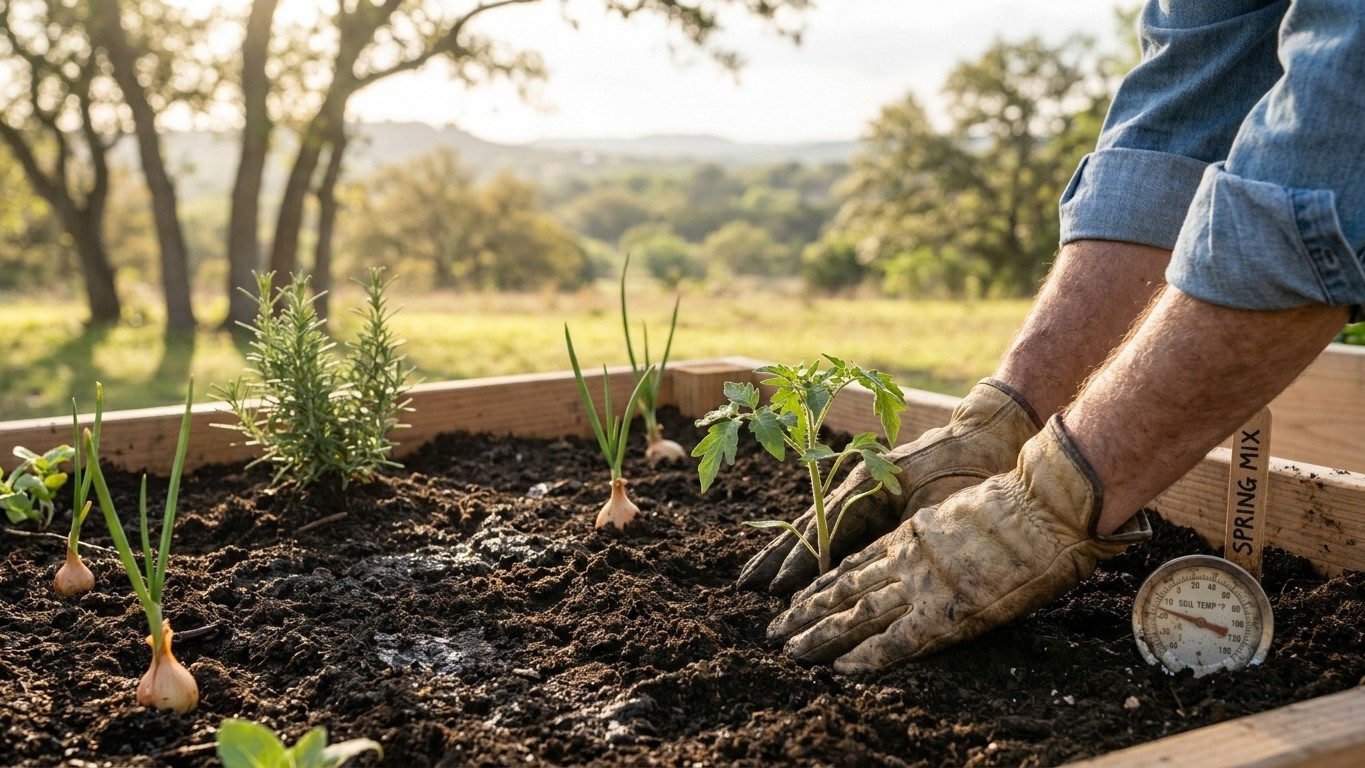
Gardening in Texas means working with one of the longest frost-free windows in the country, but also one of the harshest summer heat loads.
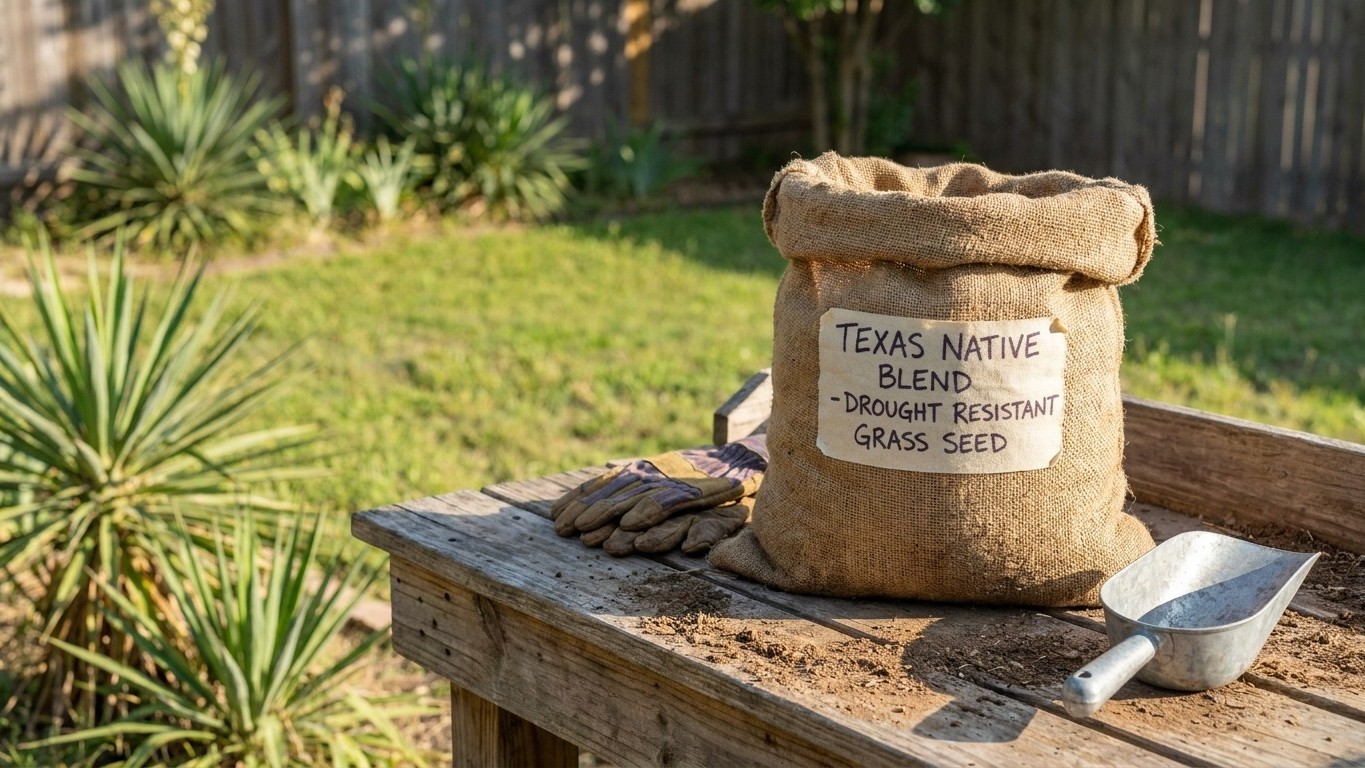
Explains why Texas lawns need warm-season grass species, how Houston’s frost data affects timing, and which grasses suit different yard conditions across the state.
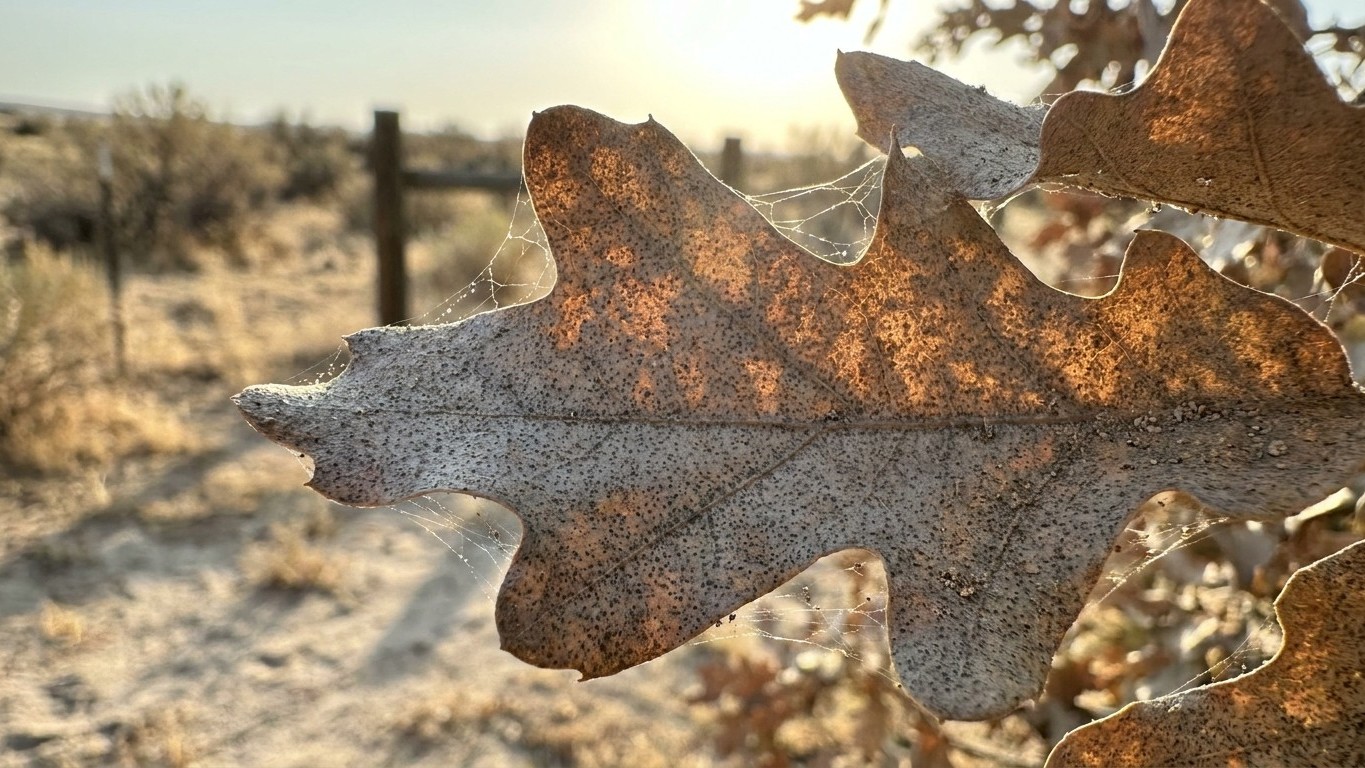
Spider mites turn up in Texas the moment the mercury climbs and the rain stops, usually by late April in the south and closer to June up in the Panhandle.
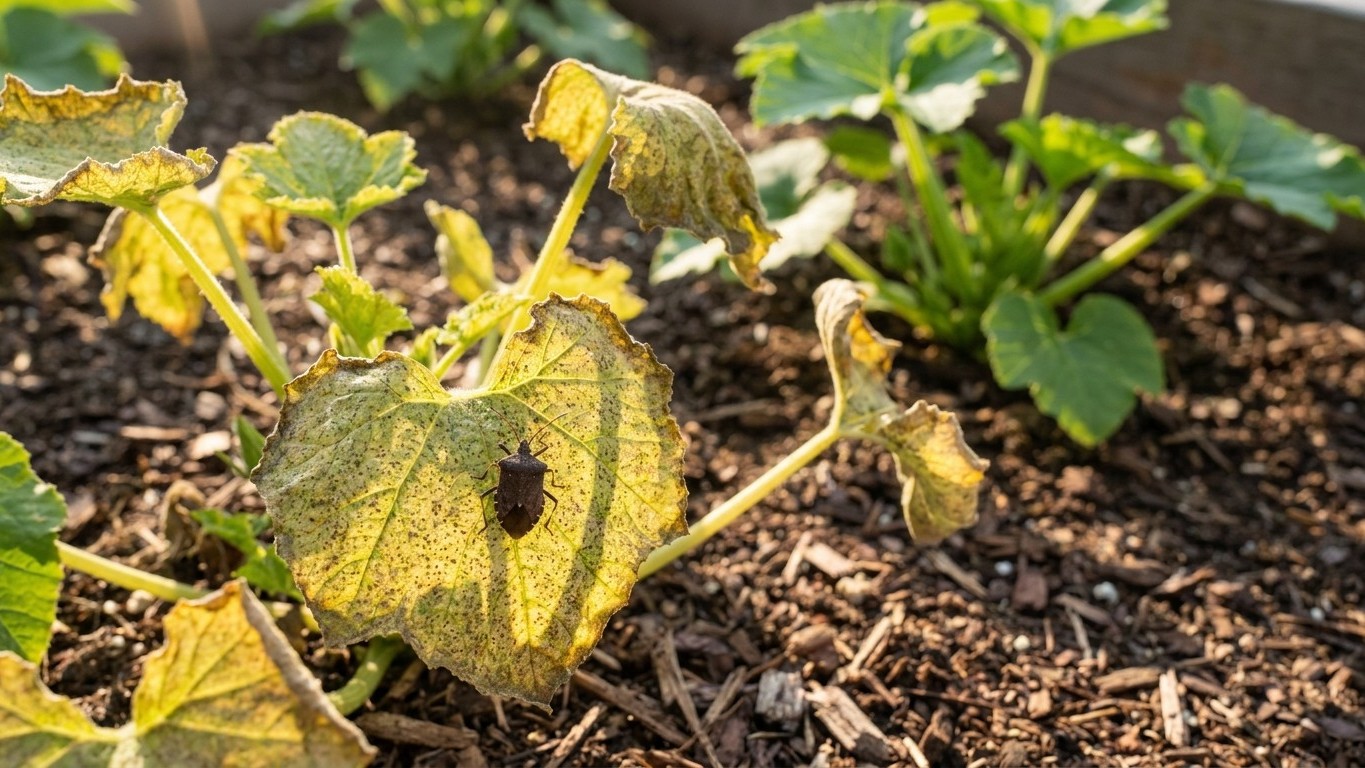
Squash bugs show up in Texas gardens as soon as soil temperatures climb into the mid-60s, which in most of the state means late March in the south and…
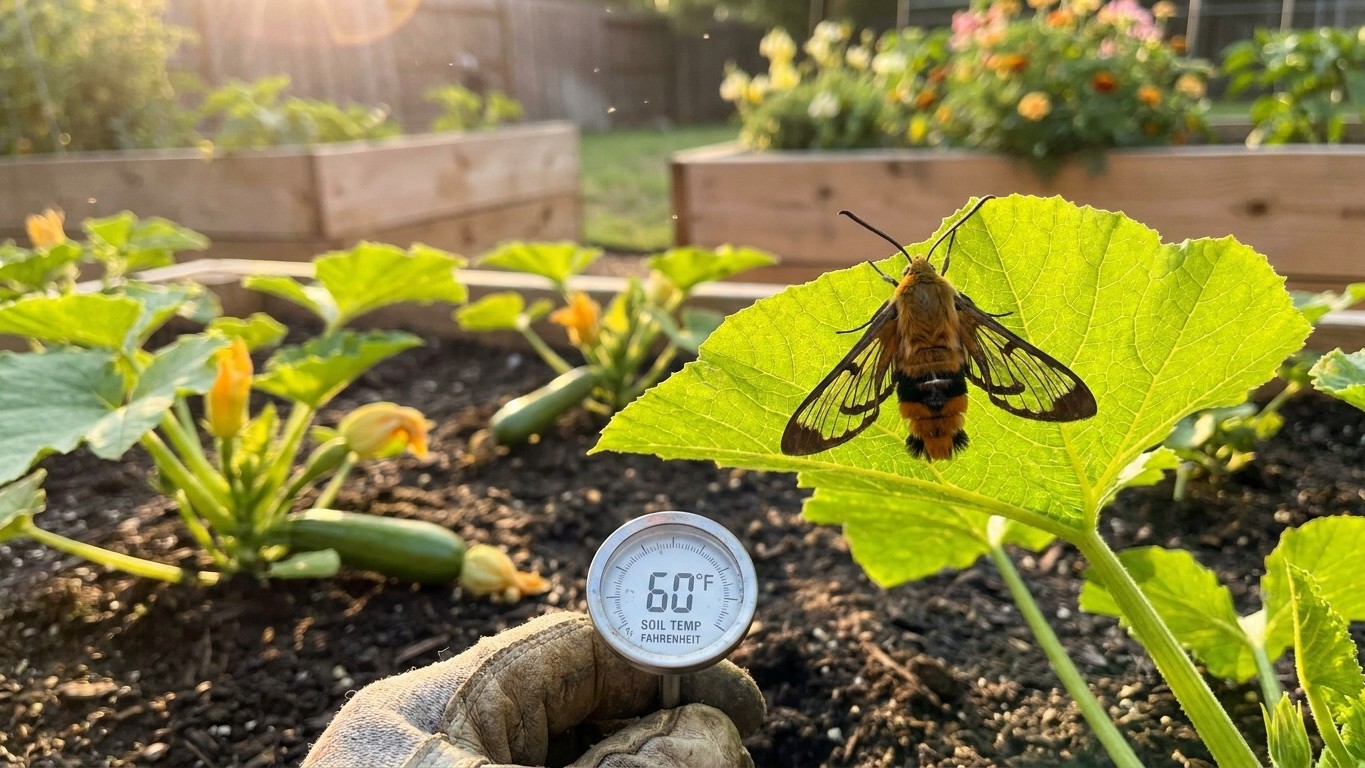
Squash vine borer moths start emerging in Texas as early as late April in the Rio Grande Valley and Gulf Coast, and as late as mid-June in the Panhandle…
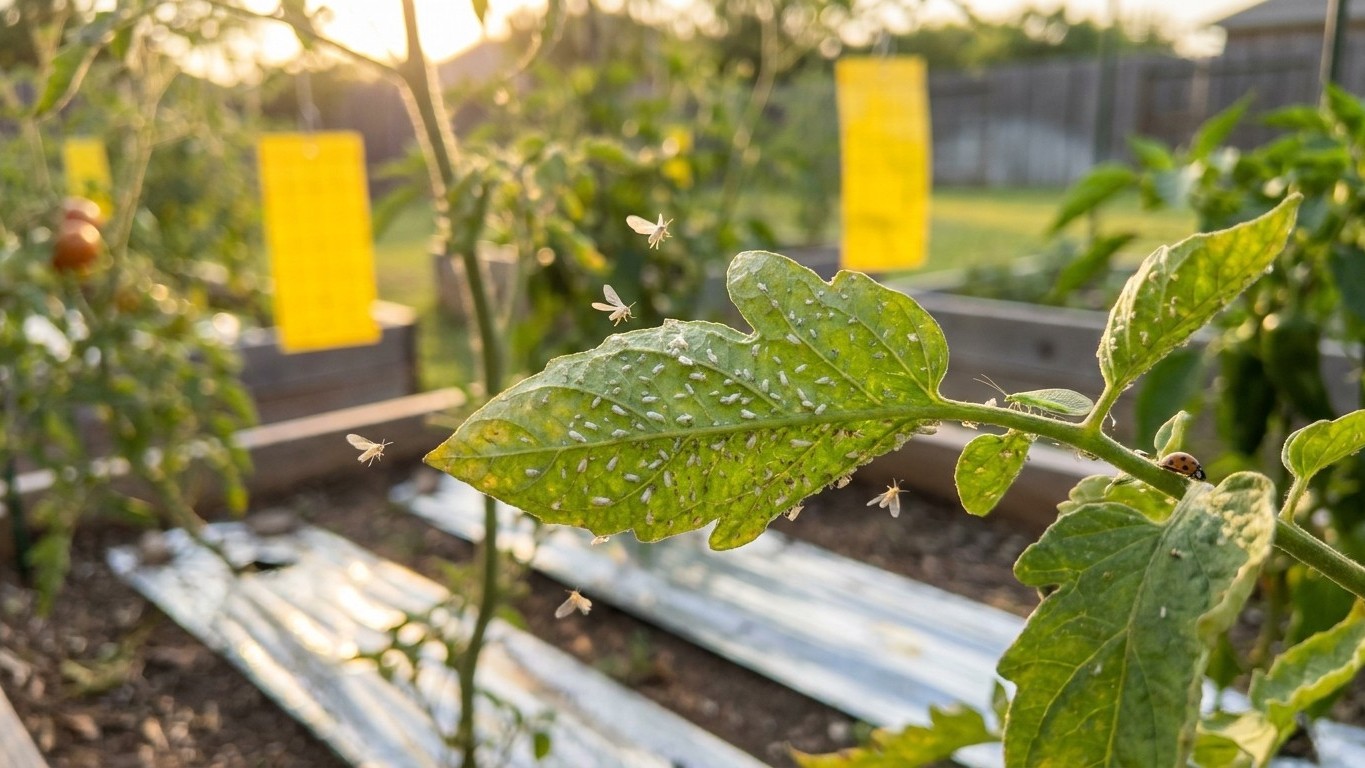
Whiteflies show up across Texas from early spring through late fall, with the heaviest pressure in the Rio Grande Valley, the Gulf Coast, and Central…