Growing Spring Bulbs in Containers in Texas
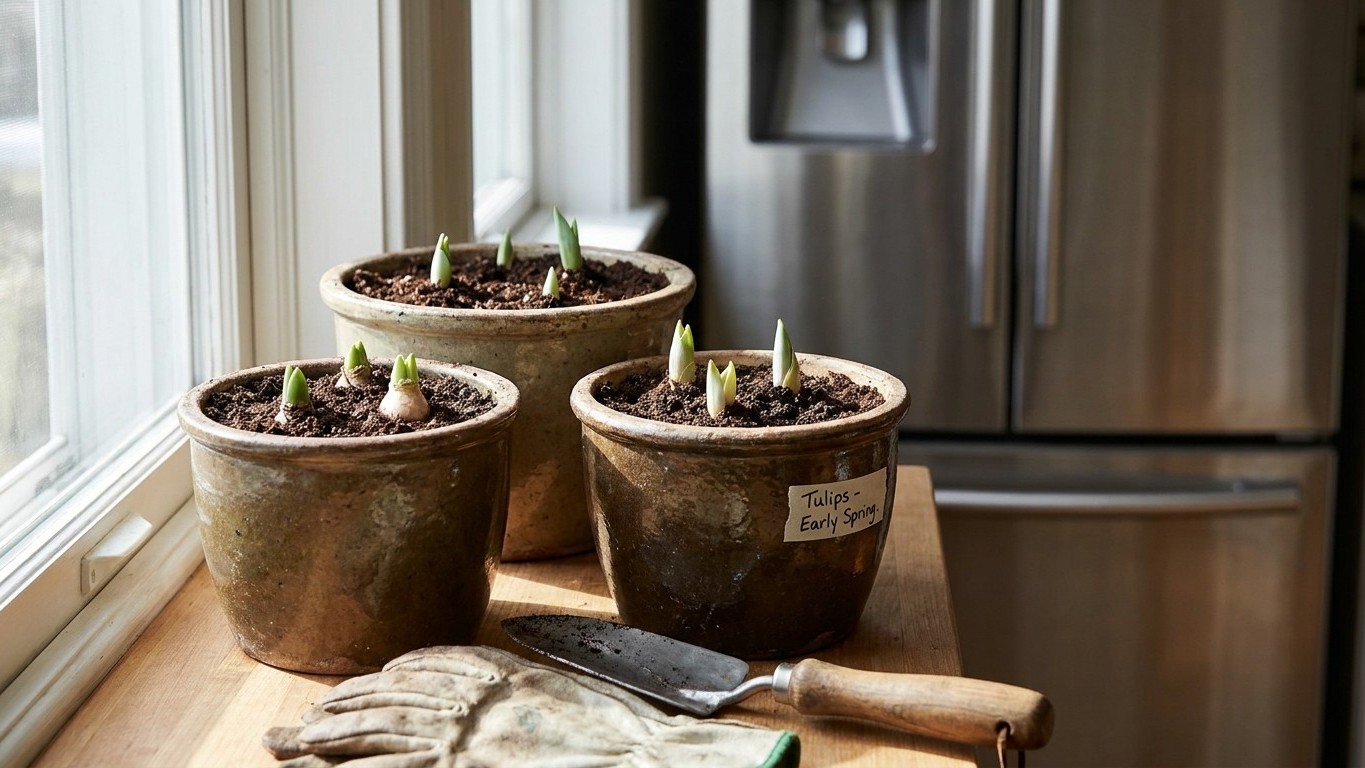
Container bulbs in Texas usually need help getting cold enough to bloom, since winters here rarely hand over the sustained chill spring bulbs expect.
Home & garden, state by state
Everything we have worked out for Texas: what to plant and when, which varieties finish in time, the pests that actually turn up here, and the jobs that pay off month by month. We also cover the rest of the property, from lawns and soil to home care and energy, because a garden rarely stops at the vegetable bed.
The numbers first, because everything else follows from them. Measured at the weather station in Houston, the last spring freeze runs February 4 to March 1 and the first fall freeze runs December 1 to December 19, USDA zones 6a-10a, 7,280 growing degree days in the year.
Heat, not frost, is what shortens the season here: above 86 °F tomato pollen goes sterile, so growers run a spring crop and an autumn one rather than a single long season. Garlic is the awkward one: only 0 weeks below 40 °F, where it needs six to split into cloves. Chill the cloves before planting, or grow a softneck type.
Elsewhere on the property in Texas: the pests that turn up here.
Figures from NOAA's 1991-2020 climate normals. A state is not one climate: elevation, a large lake or the coast can move these dates by two weeks either way, so check your own county with the extension service before you spend money.
Container bulbs in Texas usually need help getting cold enough to bloom, since winters here rarely hand over the sustained chill spring bulbs expect.
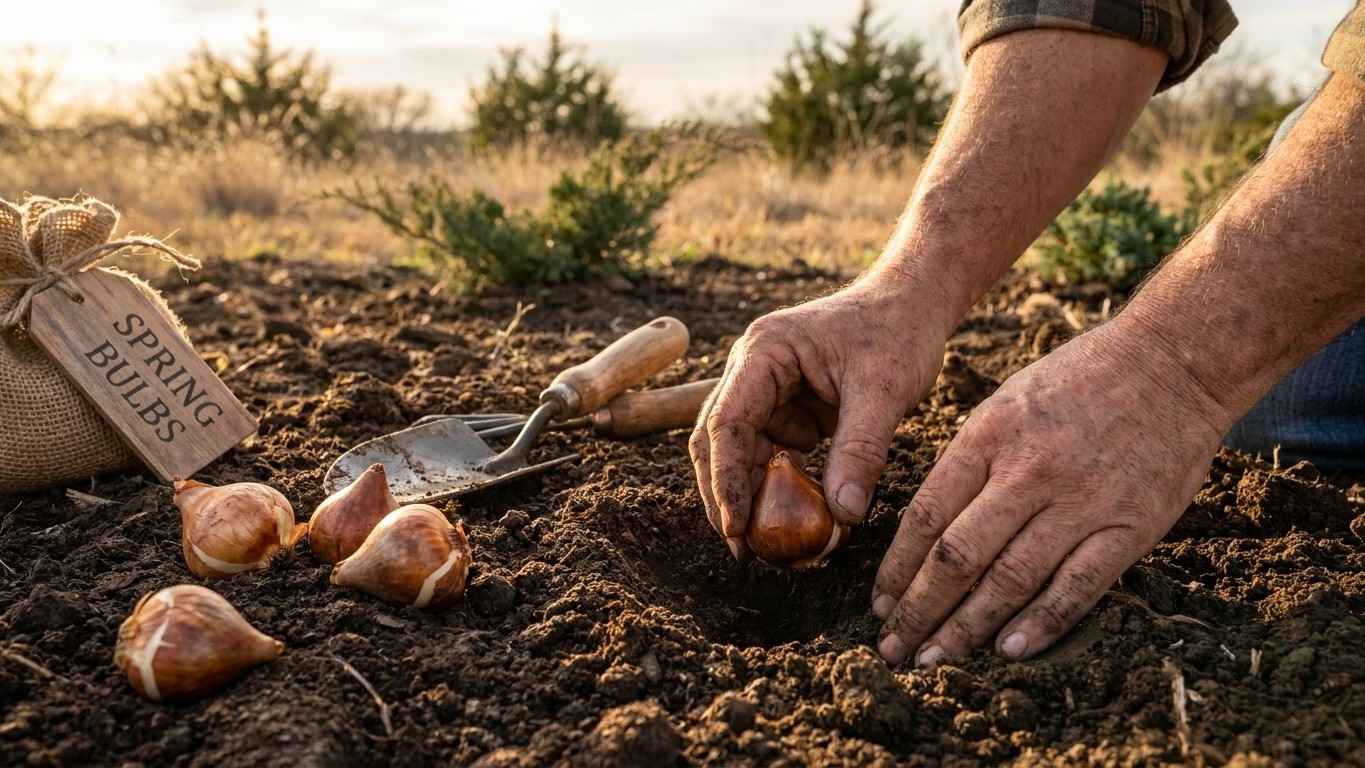
Texas gardeners lose more spring bulbs to weak winters than to bad soil or poor planting technique.
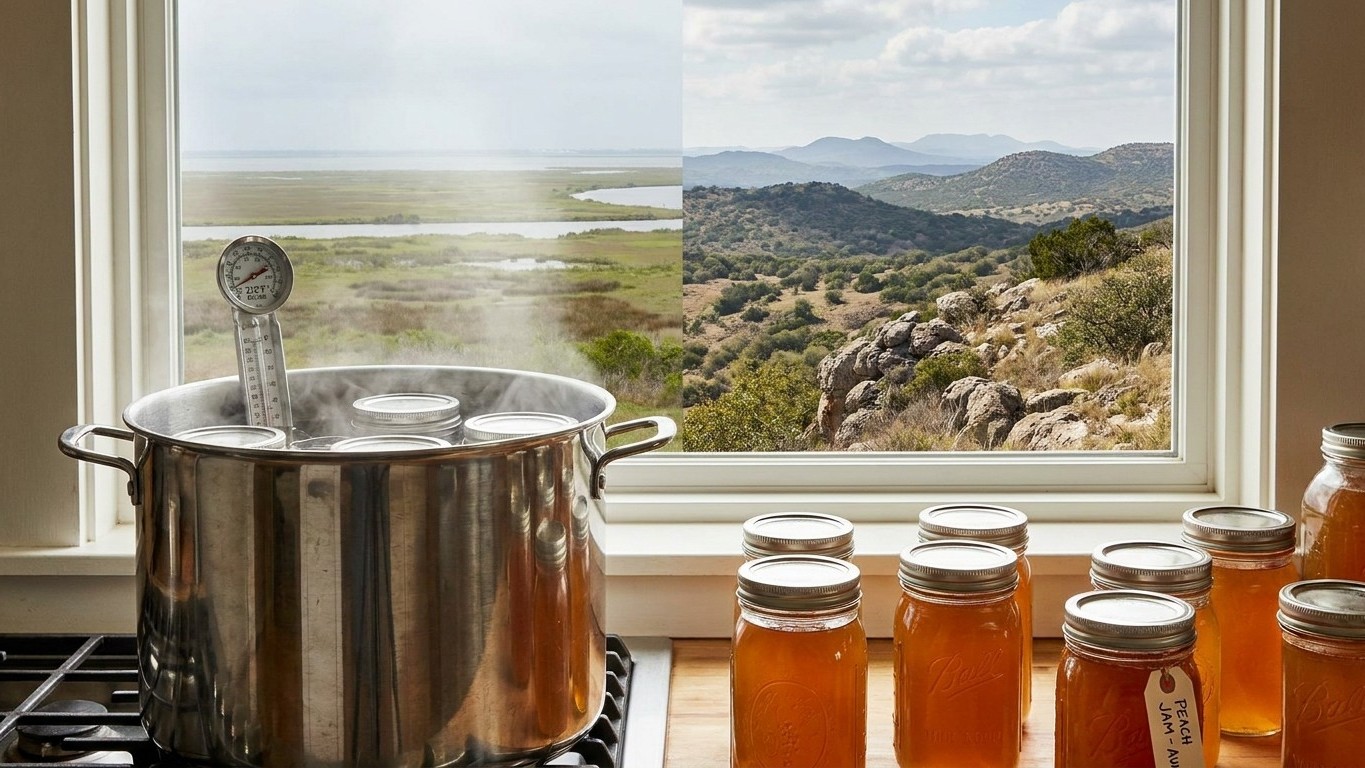
Houston, the reference city for this guide, sits at just 39 feet above sea level.
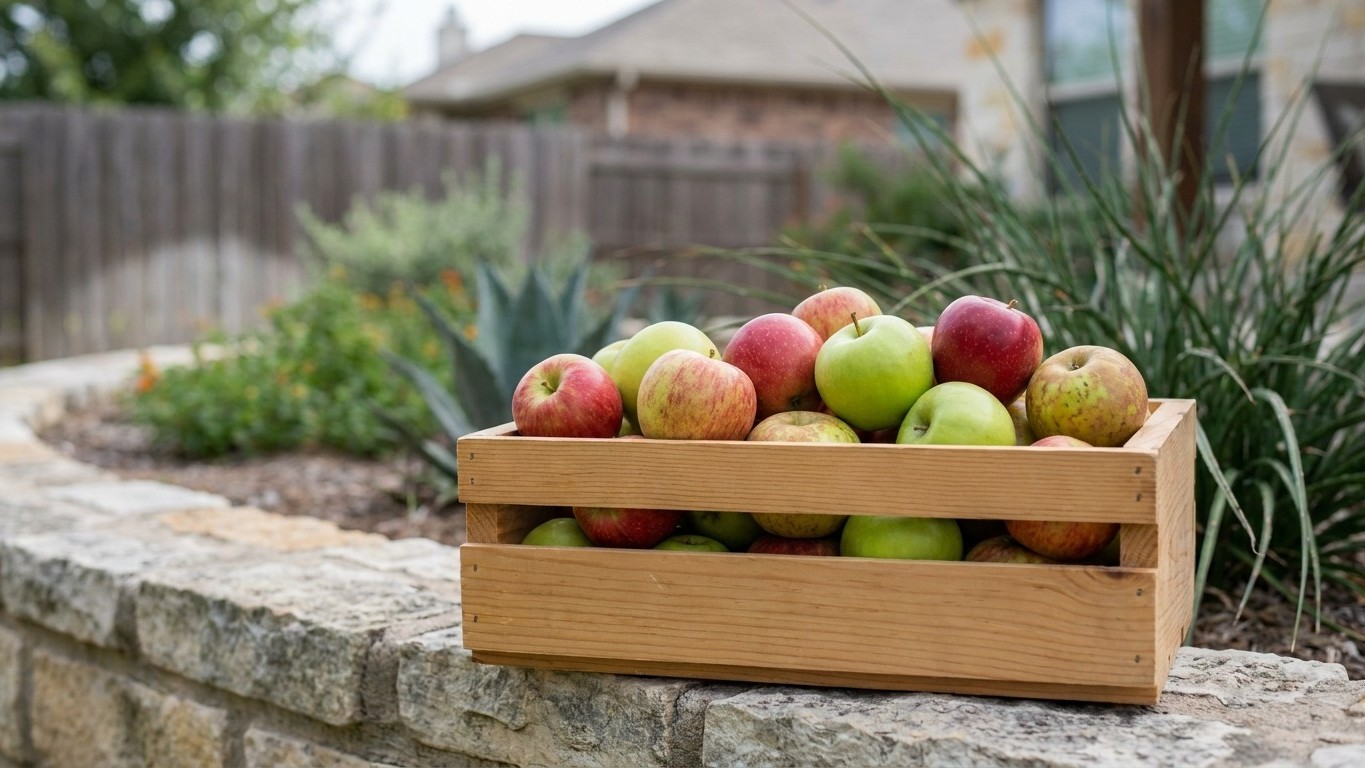
Explains why no single apple variety suits all of Texas, using NOAA frost data and chill-hour categories to show what actually decides success in each region.
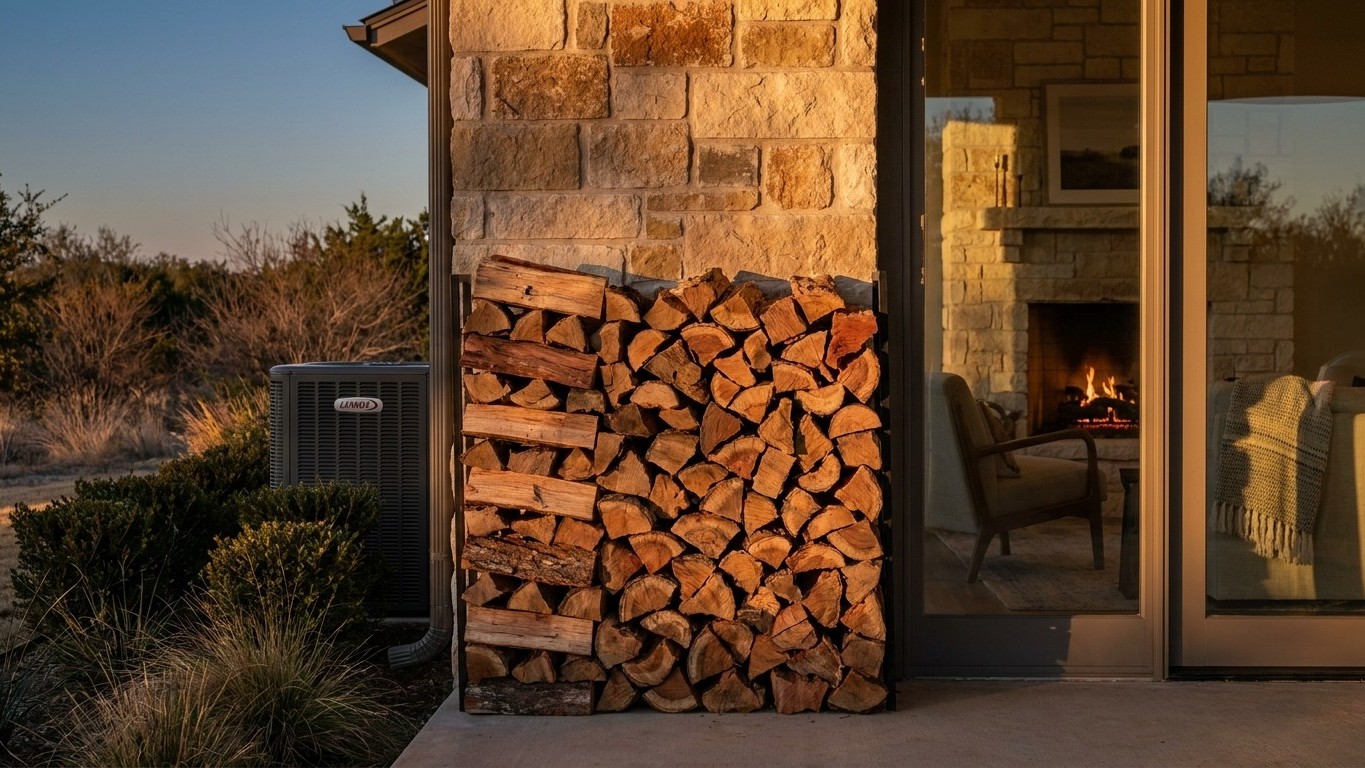
The average low in Houston’s coldest month sits at 43.7°F, according to NOAA’s 1991-2020 climate normals.
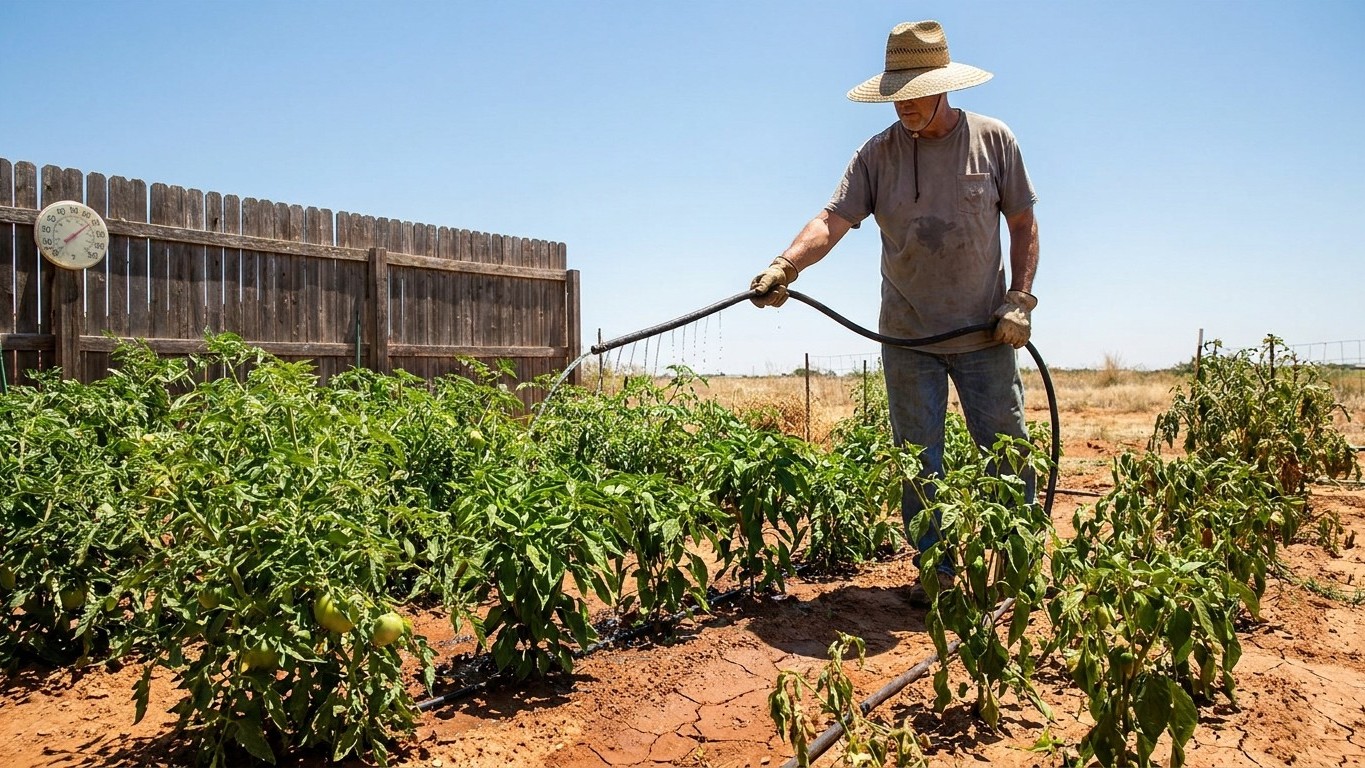
Texas gardens don’t fail from neglect. They fail from misreading the state’s own extremes: a Gulf Coast summer that logs over 100 days above 90°F, soil…
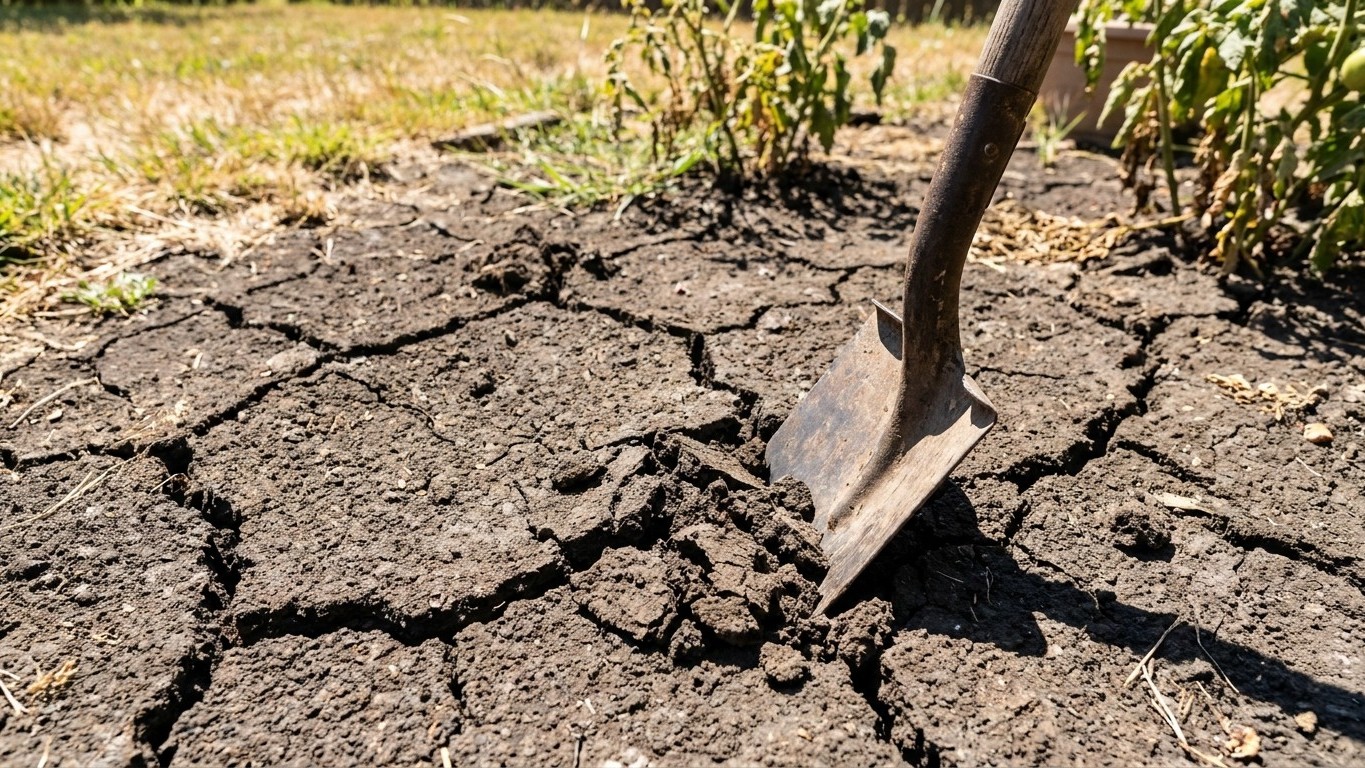
Dig a spade into typical Texas ground and odds are you’ll hit clay that either cracks like a dry lakebed or clings to your boot like wet cement.
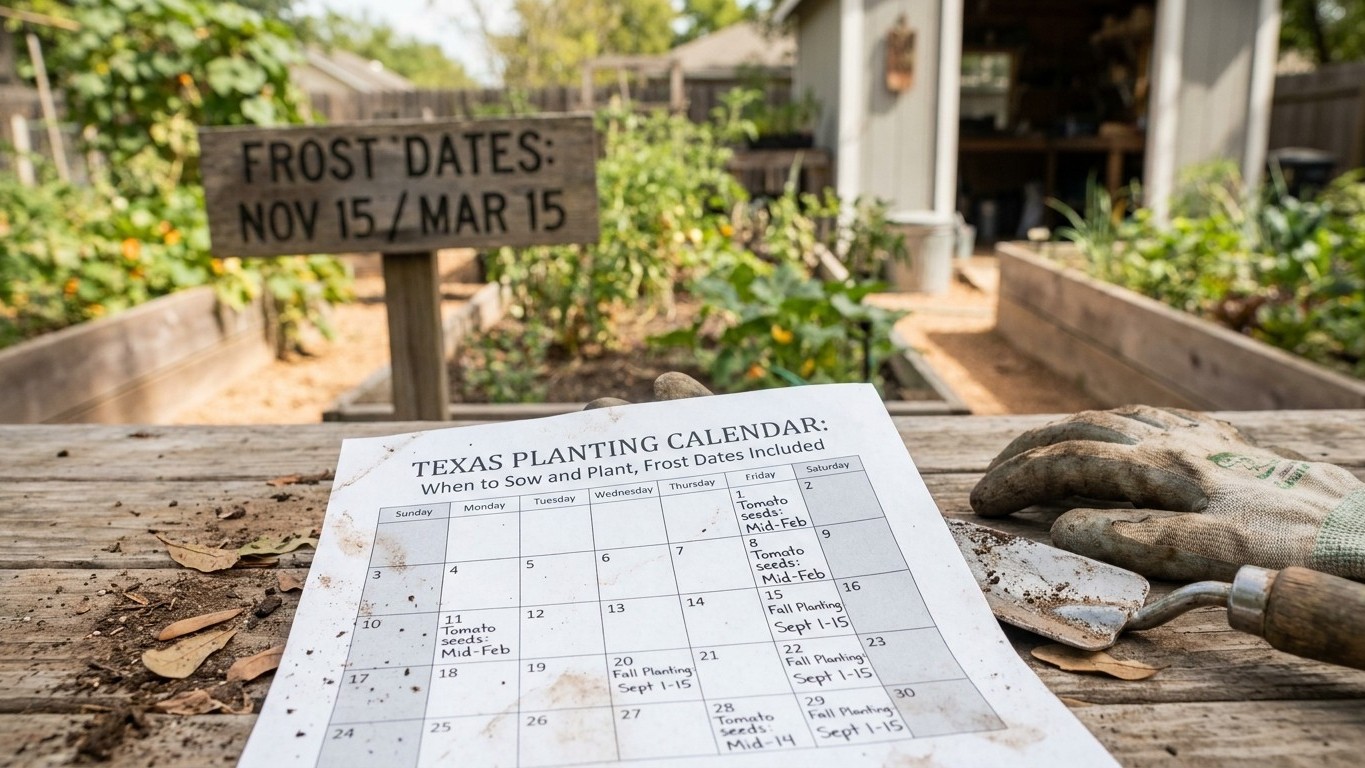
NOAA’s Houston frost normals anchor this Texas planting calendar, with the math shown so gardeners anywhere in the state can adjust it to their own zone.
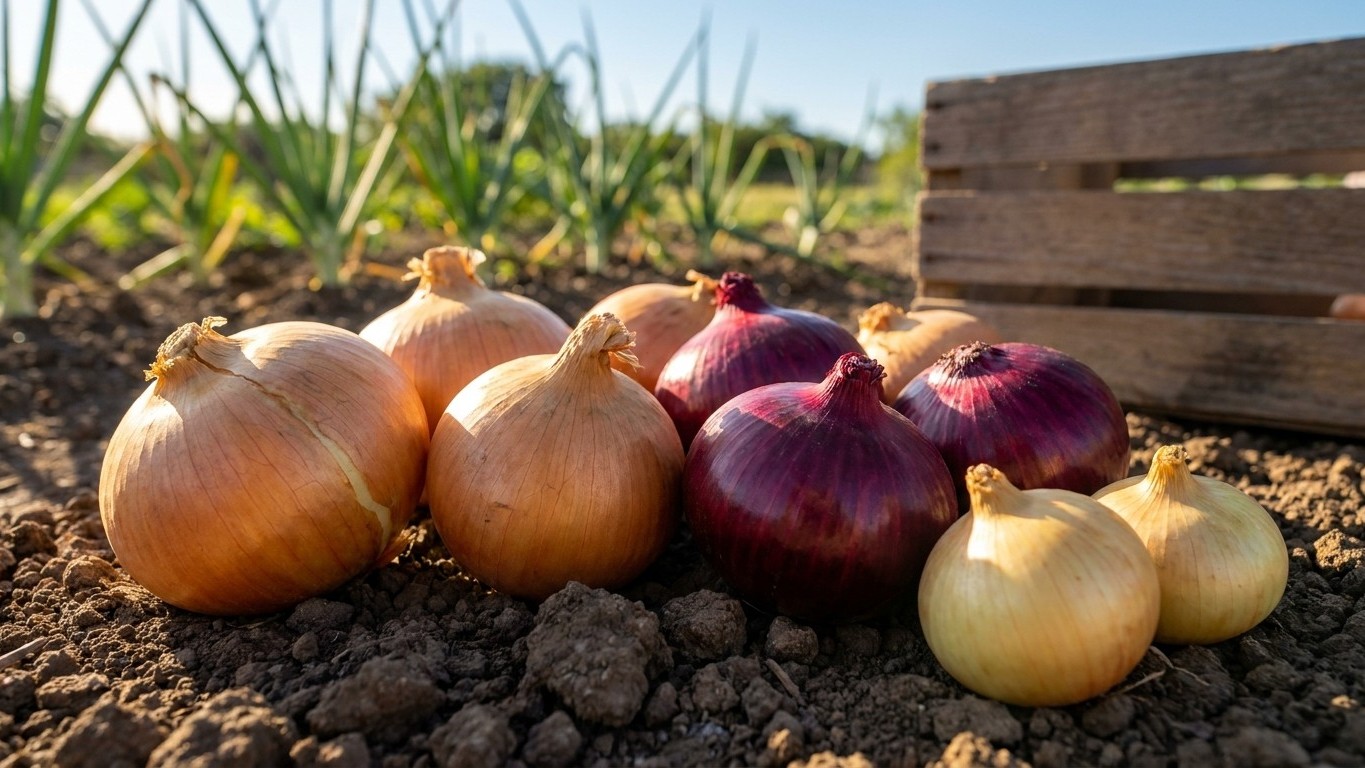
At Houston’s latitude, roughly 30 degrees north, only short-day onions reliably form bulbs.
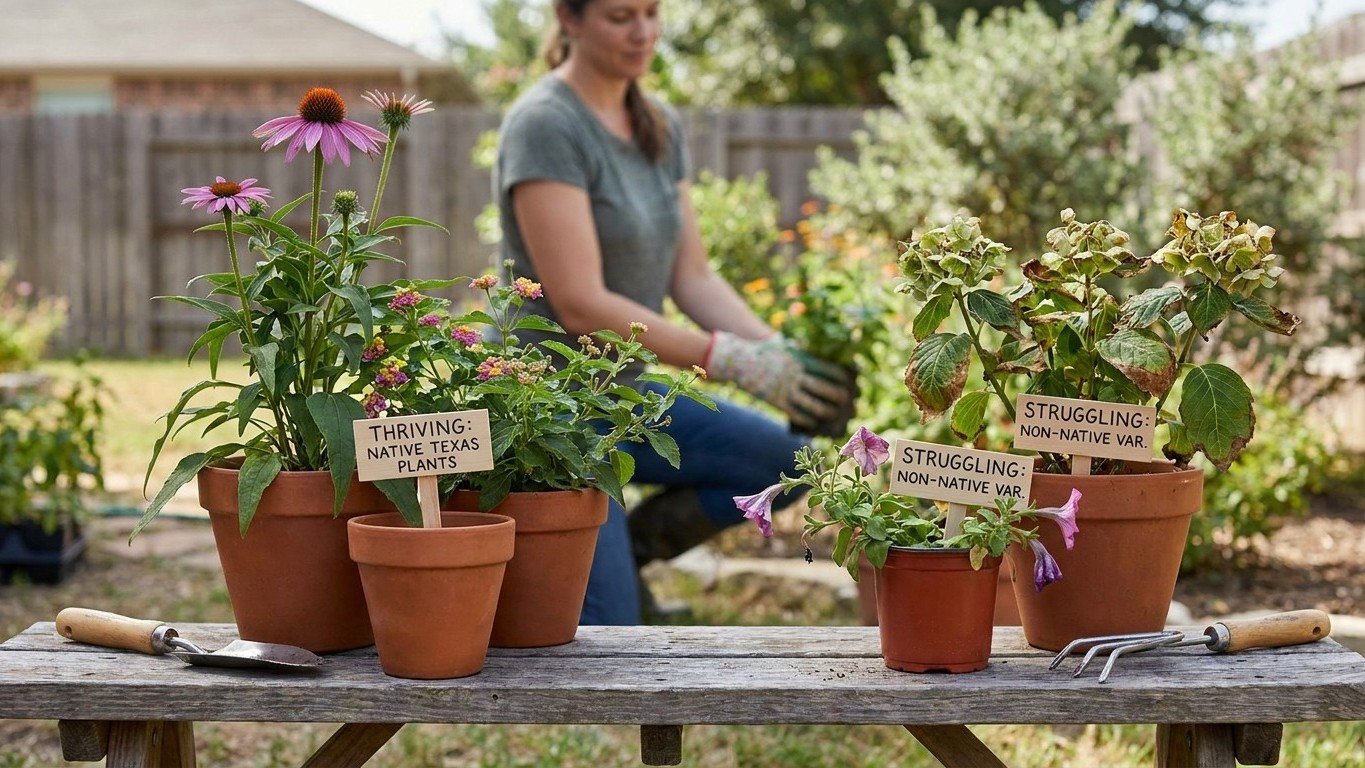
A practical breakdown of which flowers handle Texas heat, drought and wide zone range, and which ones fail no matter how you baby them.