When to Carve a Pumpkin in Utah
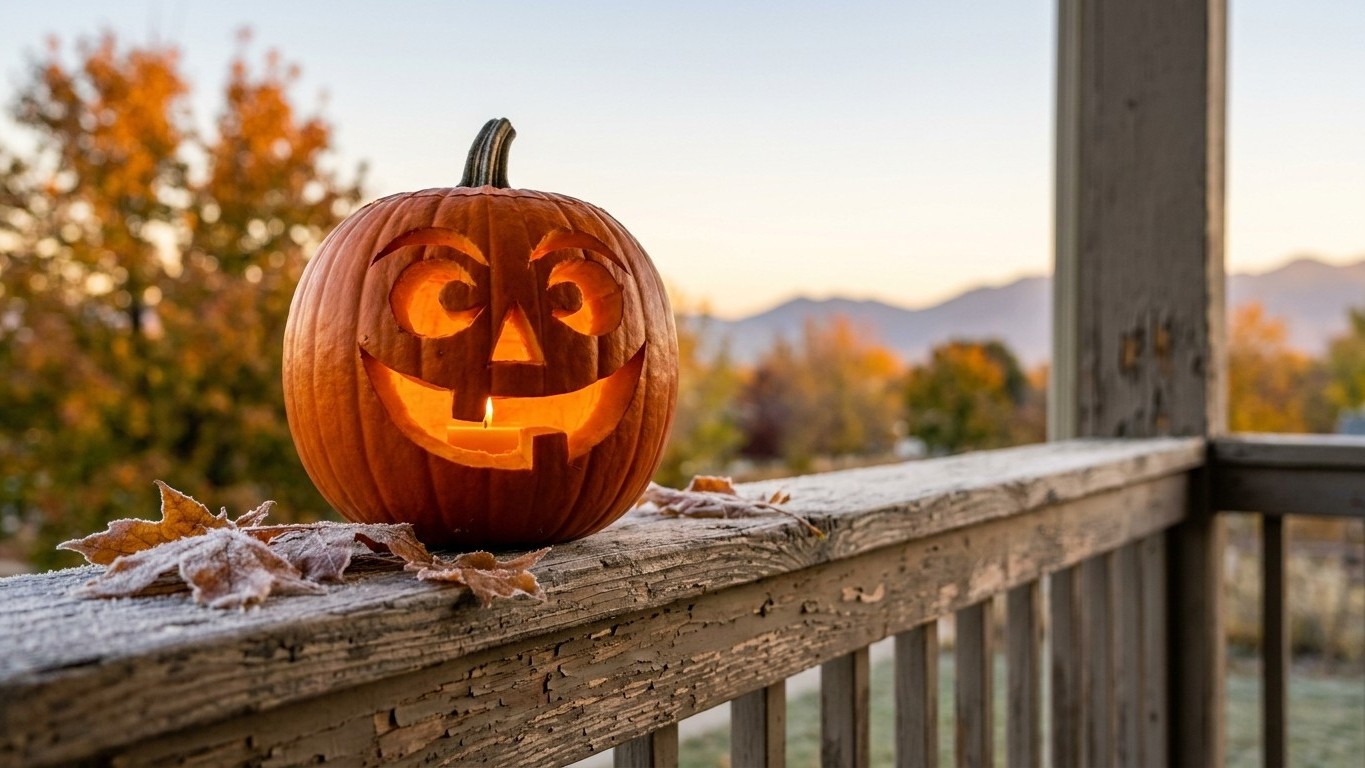
Utah’s mean first fall frost lands somewhere between October 18 and October 29 in the Salt Lake valley, which puts it squarely in the two weeks before…
Home & garden, state by state
Everything we have worked out for Utah: what to plant and when, which varieties finish in time, the pests that actually turn up here, and the jobs that pay off month by month. We also cover the rest of the property, from lawns and soil to home care and energy, because a garden rarely stops at the vegetable bed.
The numbers first, because everything else follows from them. Measured at the weather station in Salt Lake City, the last spring freeze runs April 12 to April 29 and the first fall freeze runs October 18 to October 29, USDA zones 4a-9a, 3,551 growing degree days in the year.
Garlic does well: 26.1 weeks below 40 °F, comfortably past the six it needs to form a proper head.
Elsewhere on the property in Utah: the pests that turn up here.
Figures from NOAA's 1991-2020 climate normals. A state is not one climate: elevation, a large lake or the coast can move these dates by two weeks either way, so check your own county with the extension service before you spend money.
Utah’s mean first fall frost lands somewhere between October 18 and October 29 in the Salt Lake valley, which puts it squarely in the two weeks before…
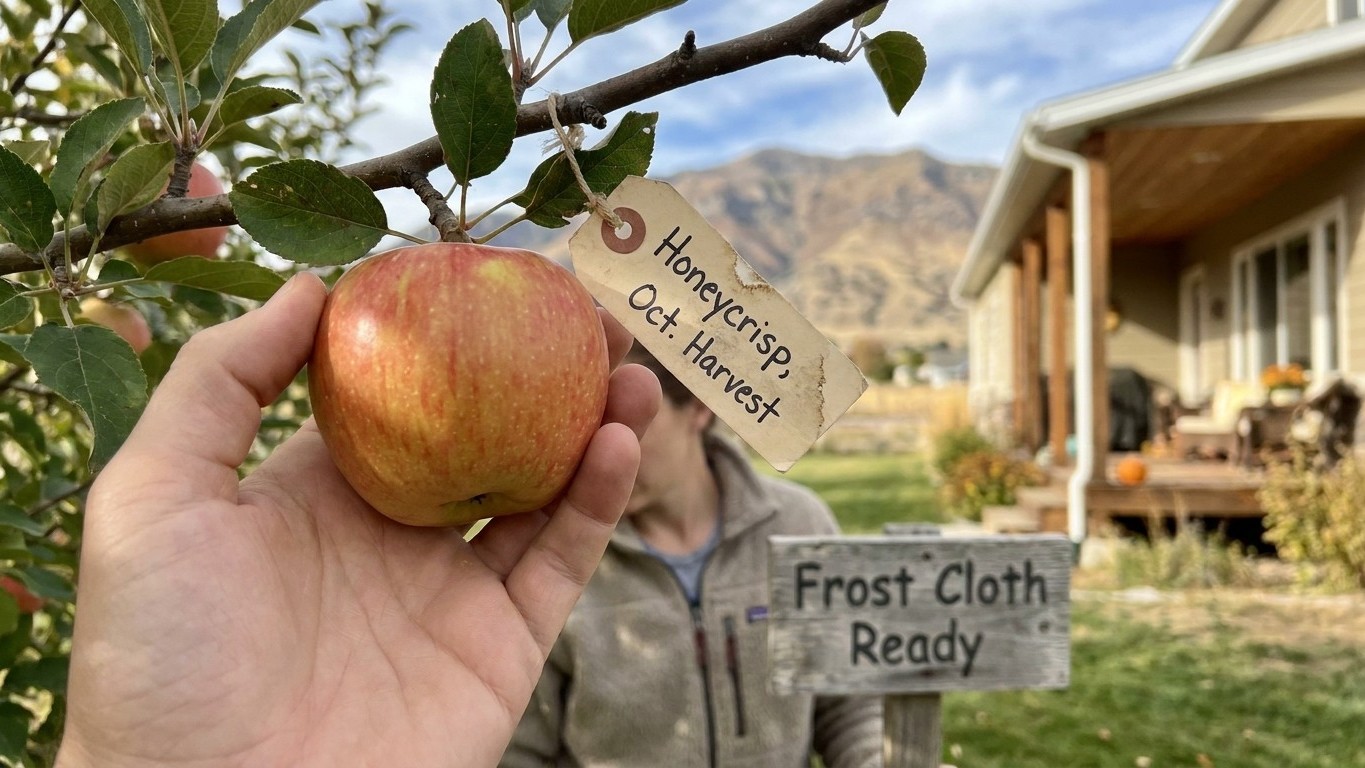
A county-by-county look at which apple varieties survive Utah’s winters, need the right winter chill, and dodge the state’s variable spring frost.
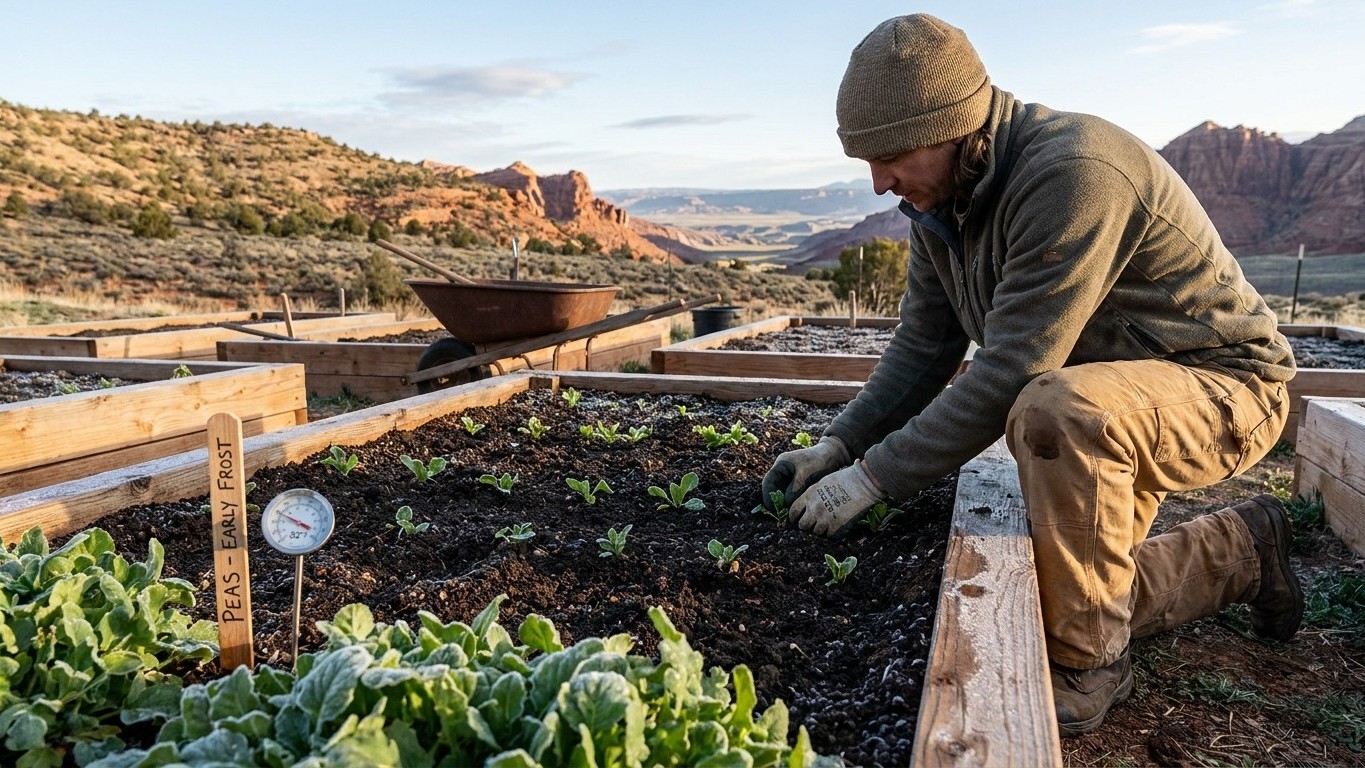
Utah gardening comes down to elevation and water more than luck. A frost-free window that can run under six months, summer heat that stalls cool-season…
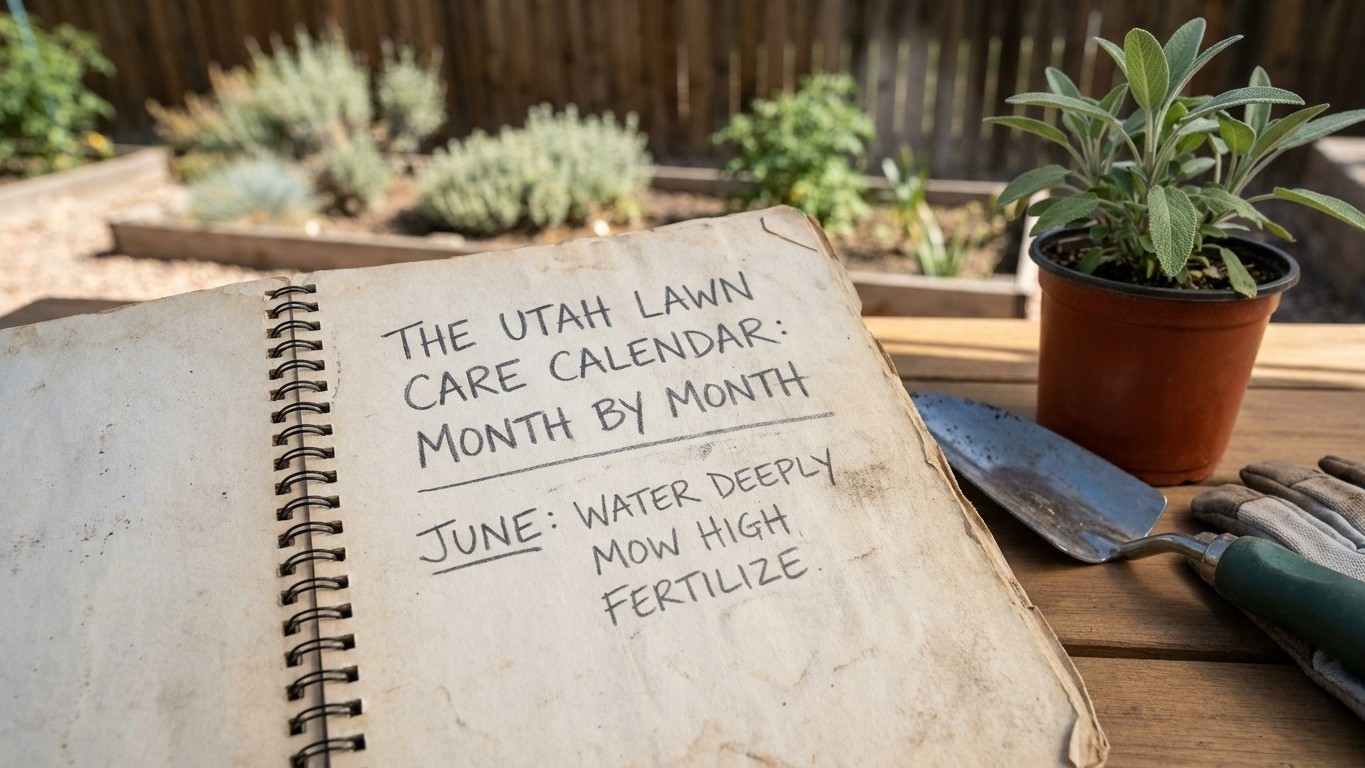
A month-by-month lawn calendar for Utah that separates cool-season grasses like tall fescue from warm-season grasses like bermudagrass, since neither dominates the state’s transition-zone climate.
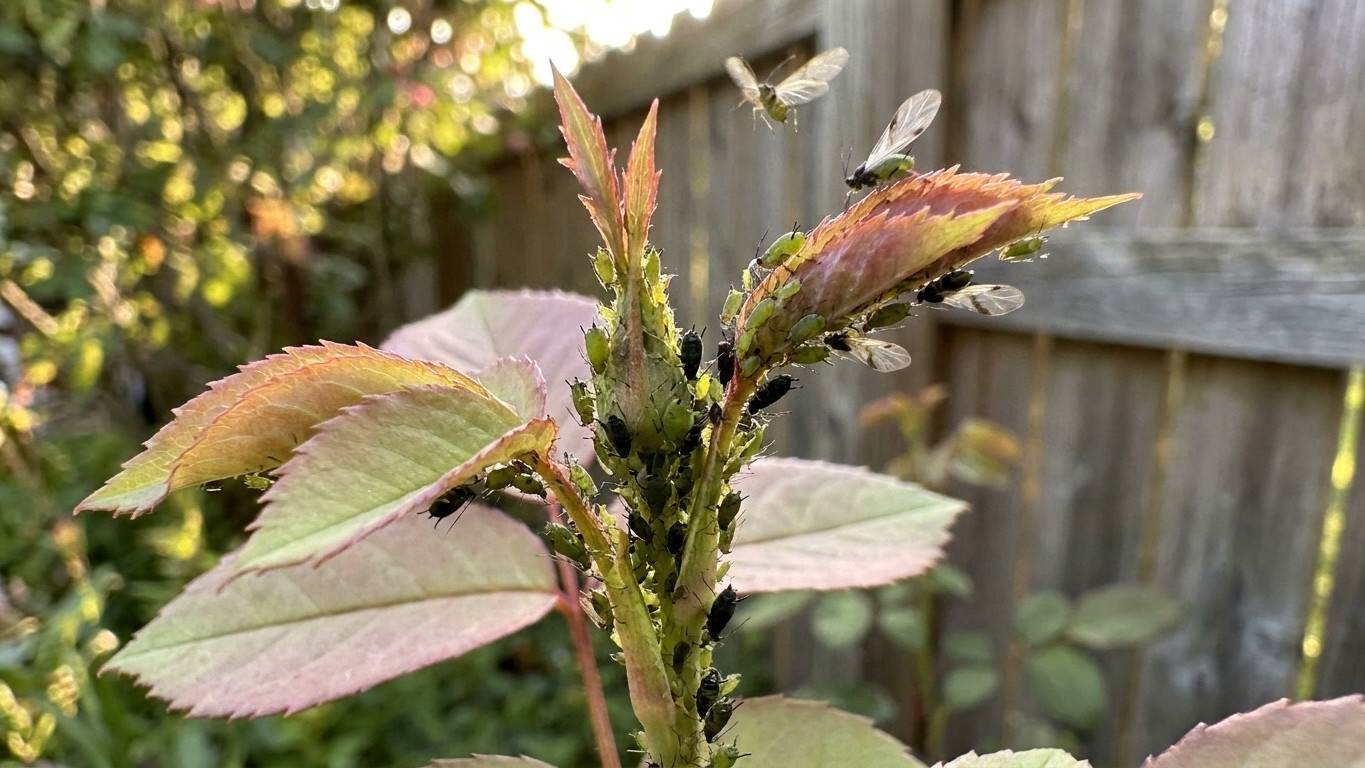
Aphids typically appear across Utah in mid to late April as fruit trees and roses push new growth, then surge again in September when cooler nights slow…
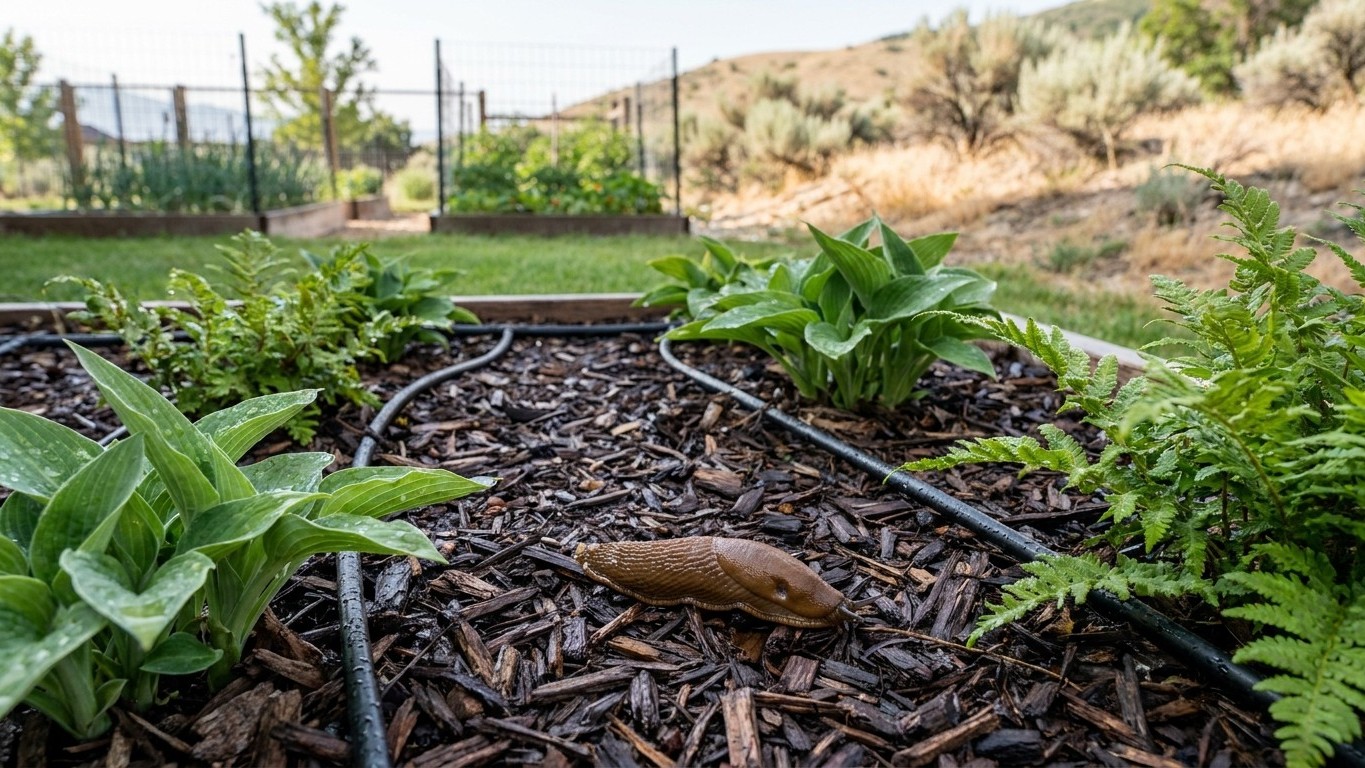
Slugs turn up in Utah mainly where humans create the moisture the state’s climate refuses to provide naturally: irrigated lawns, mulched garden beds…
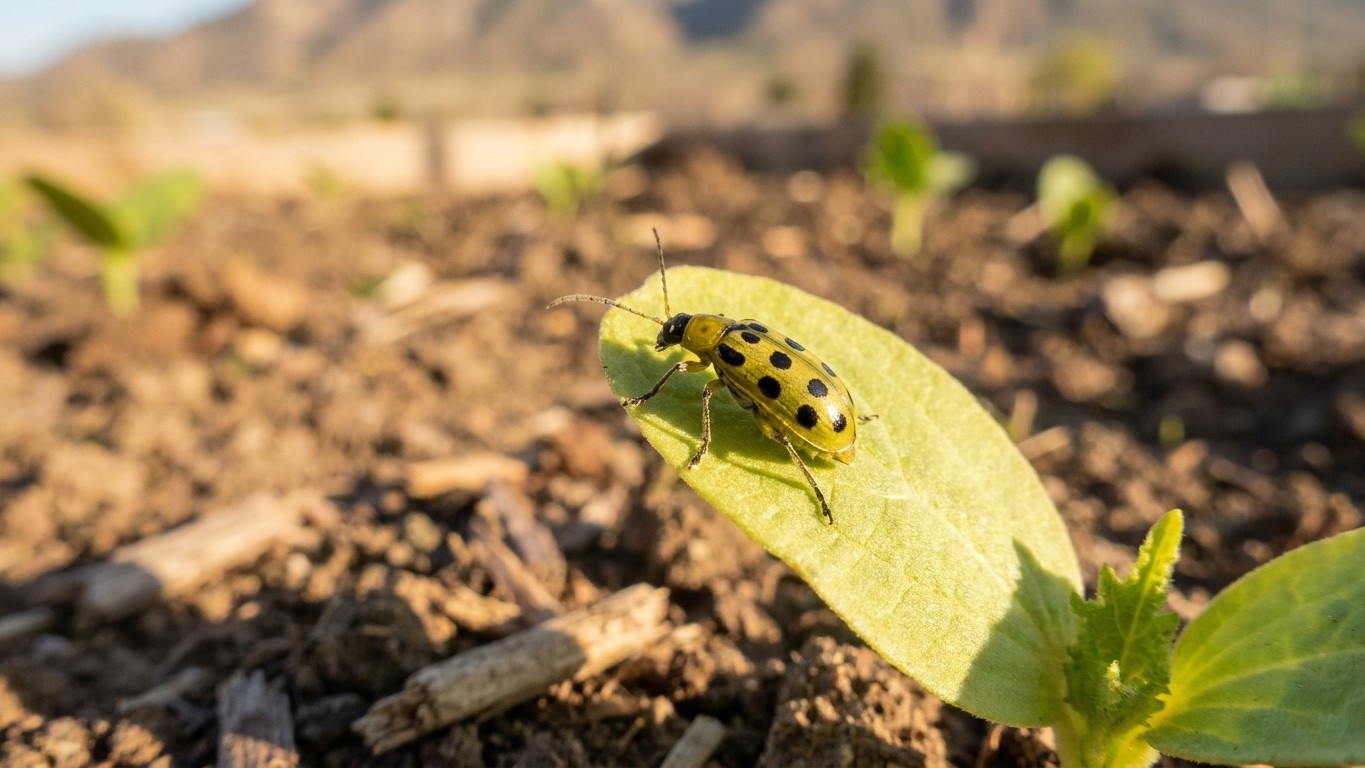
Cucumber beetles start showing up in Utah gardens as soon as soil temperatures climb past the mid-50s, which usually means late April in the warmer…
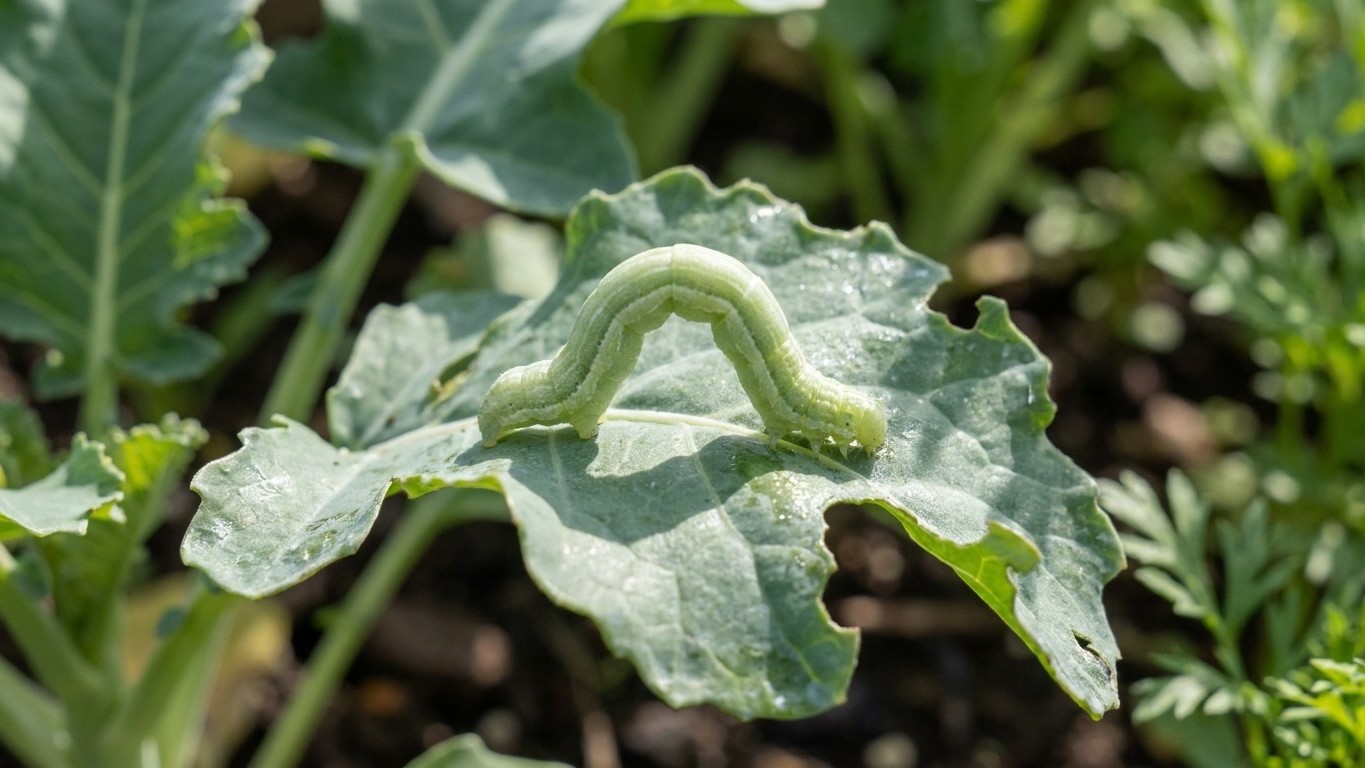
Cabbage loopers turn up in Utah gardens from early June through late September, with populations peaking in July and August when cole crops are putting…
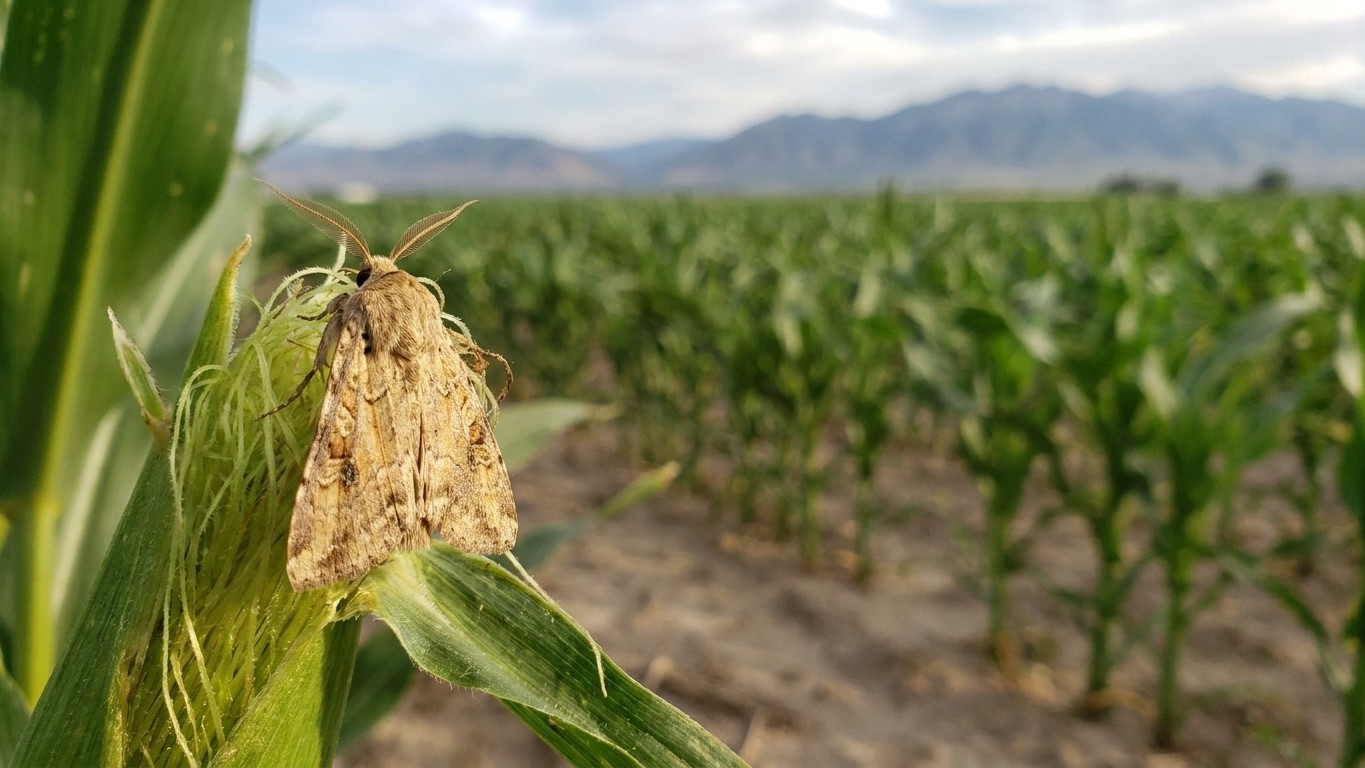
Corn earworm moths start showing up in Utah fields anywhere from late May in the warmer southern valleys to mid-July along the Wasatch Front, and the…
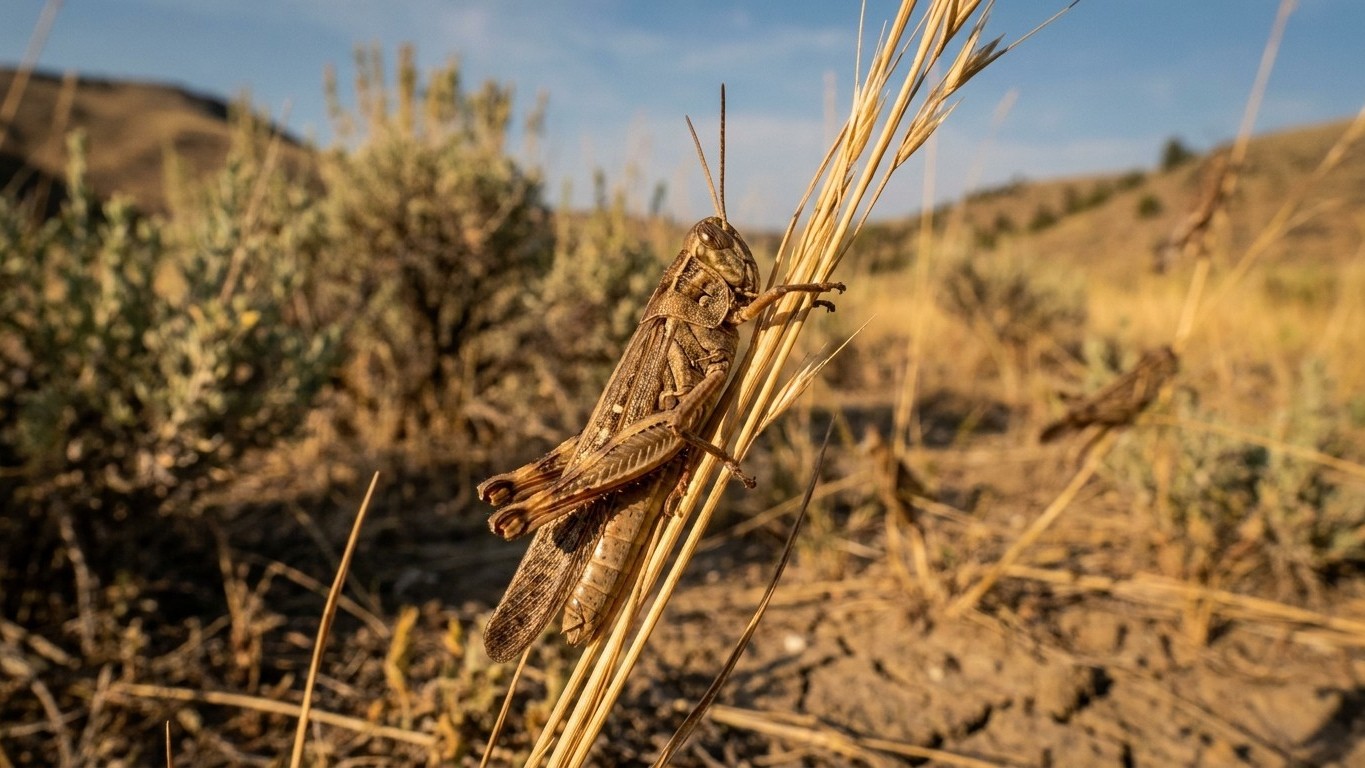
Grasshoppers turn up across Utah every year between May and September, with the heaviest activity from late June through August when rangeland grasses…