Heating a Home in Virginia: What the Winter Actually Costs
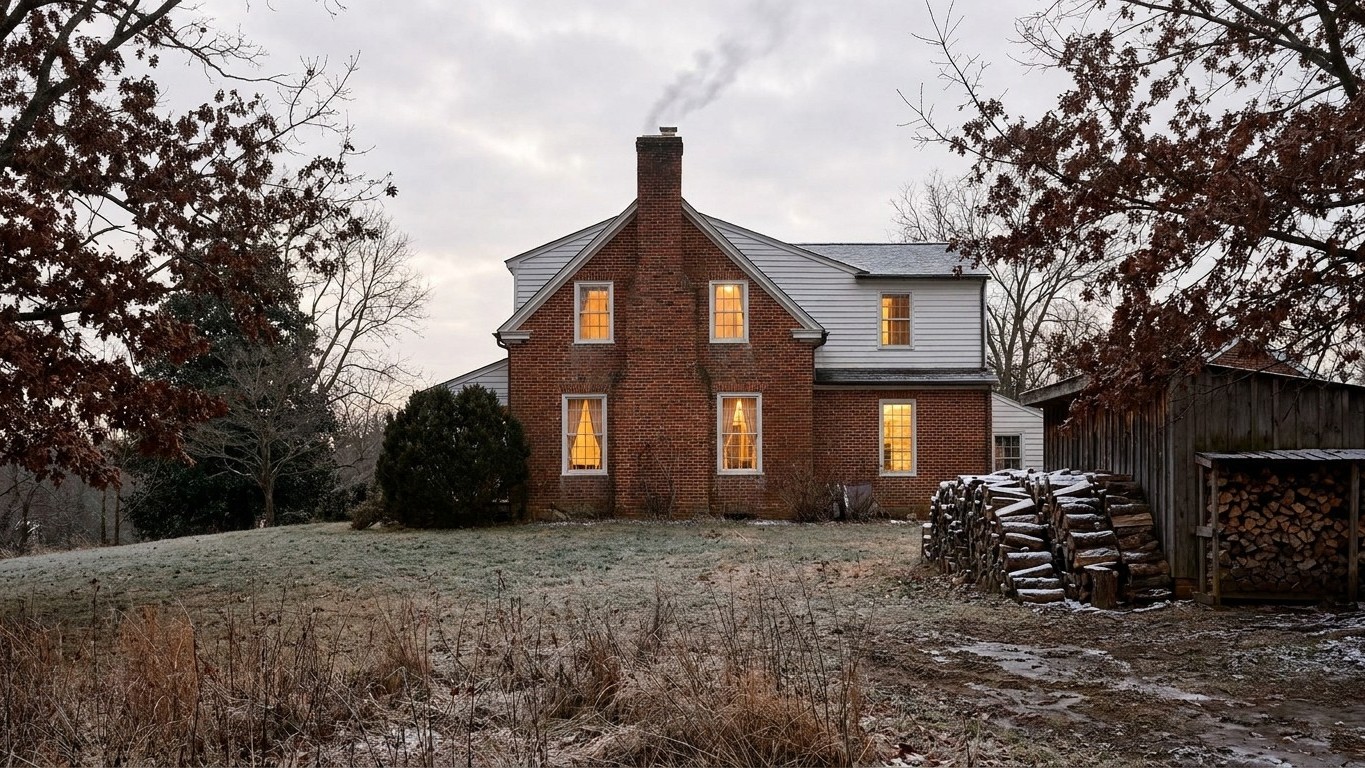
Winters in Virginia don’t punish a furnace the way New England does, but they don’t let it coast either.
Home & garden, state by state
Everything we have worked out for Virginia: what to plant and when, which varieties finish in time, the pests that actually turn up here, and the jobs that pay off month by month. We also cover the rest of the property, from lawns and soil to home care and energy, because a garden rarely stops at the vegetable bed.
The numbers first, because everything else follows from them. Measured at the weather station in Virginia Beach, the last spring freeze runs March 20 to April 3 and the first fall freeze runs November 10 to November 24, USDA zones 5a-8b, 4,864 growing degree days in the year.
Garlic does well: 17.4 weeks below 40 °F, comfortably past the six it needs to form a proper head.
Elsewhere on the property in Virginia: the pests that turn up here.
Figures from NOAA's 1991-2020 climate normals. A state is not one climate: elevation, a large lake or the coast can move these dates by two weeks either way, so check your own county with the extension service before you spend money.
Winters in Virginia don’t punish a furnace the way New England does, but they don’t let it coast either.
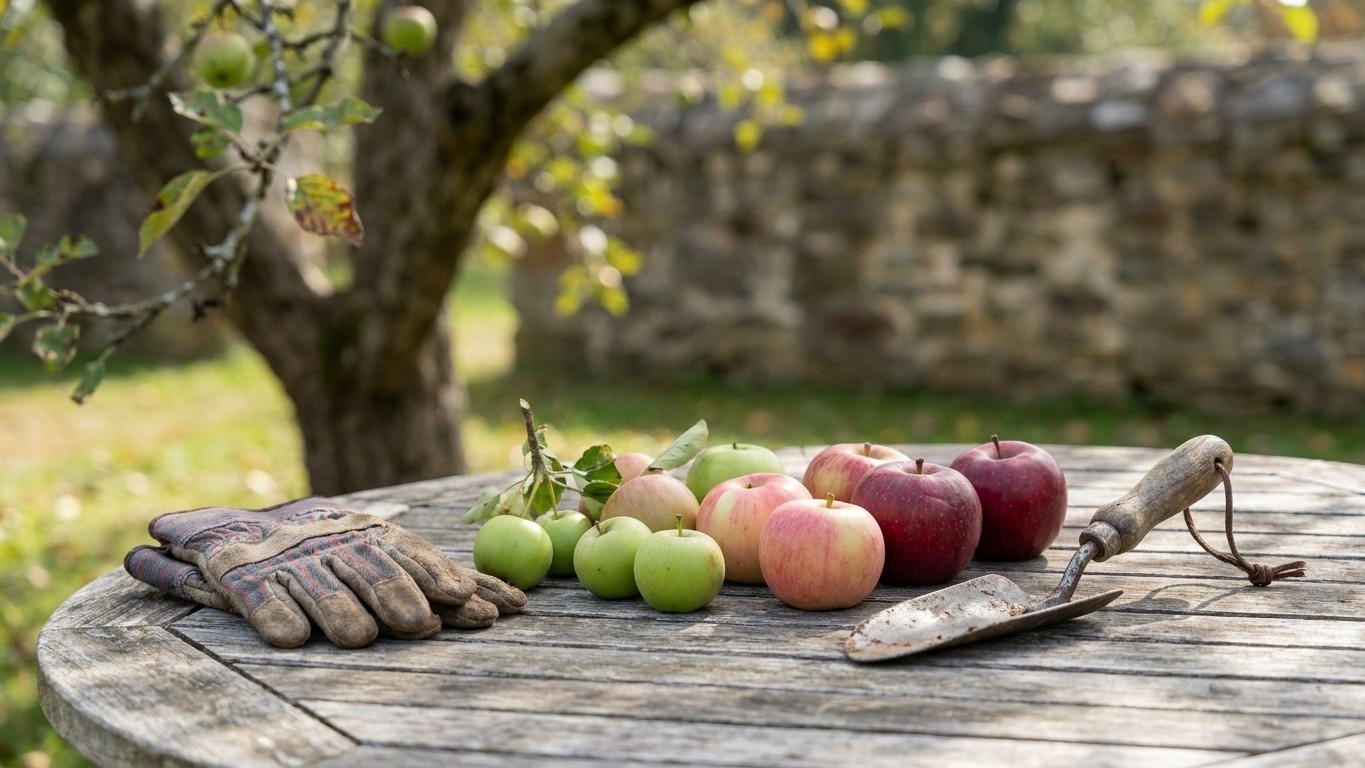
A stage-by-stage timeline for Virginia apple trees, from dormancy to harvest, anchored to NOAA’s coastal frost-date normals and how other regions differ.
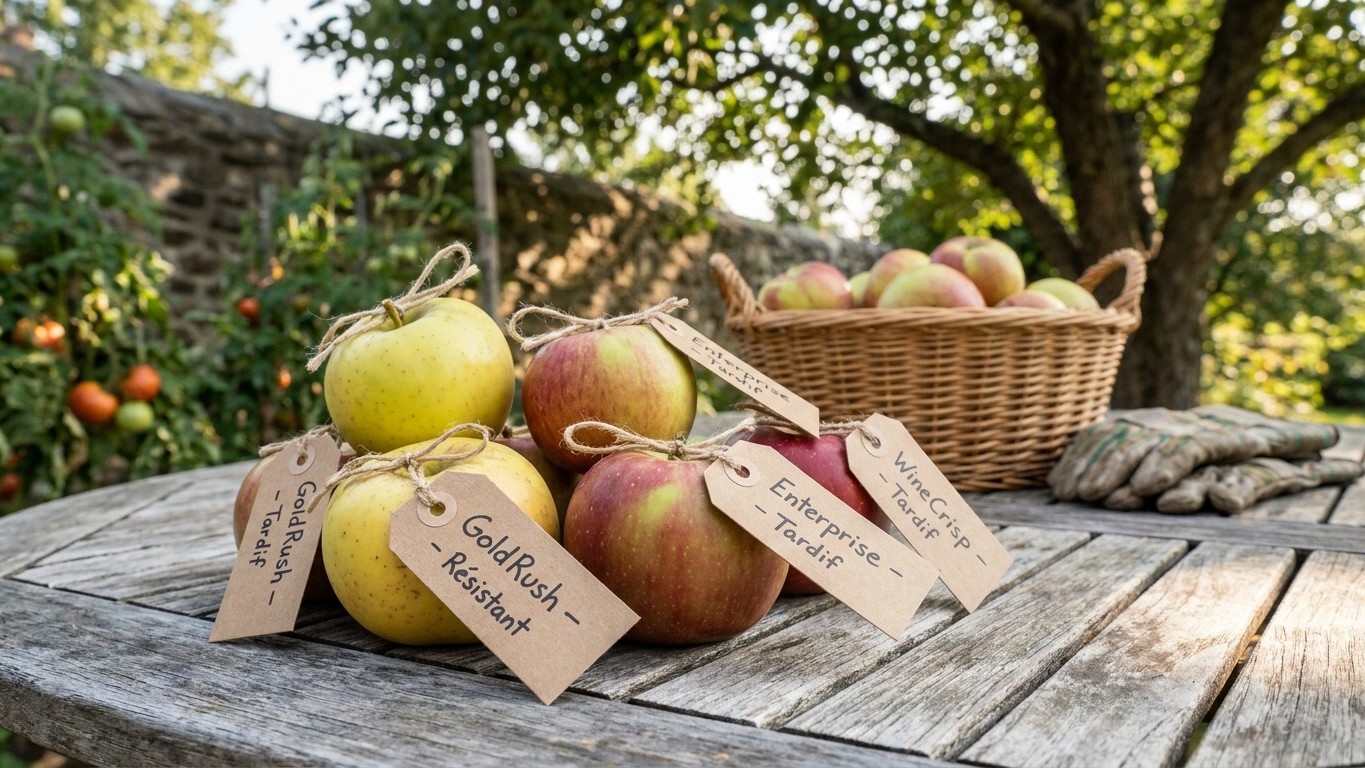
Winter chill and bloom-frost timing, not a single variety, determine which apple types succeed across Virginia’s coast, piedmont and mountains.
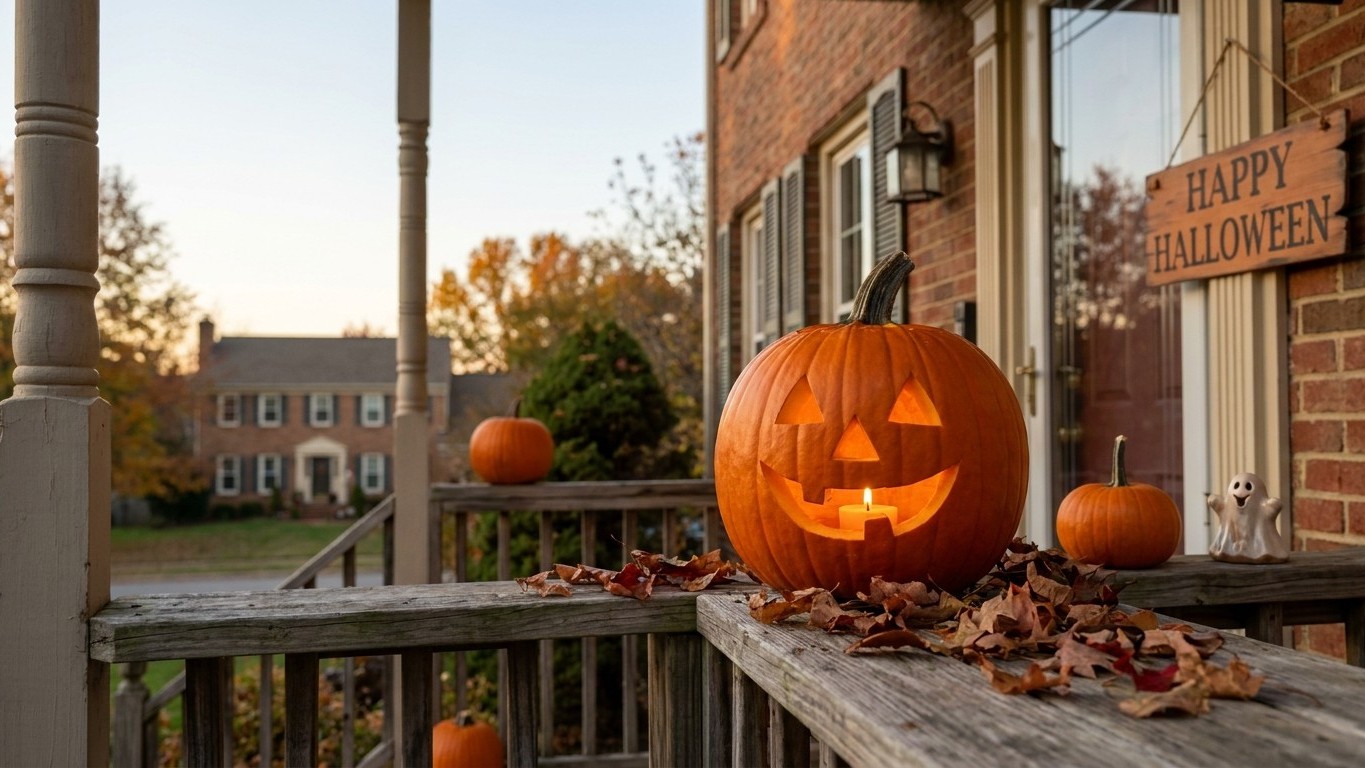
In Virginia, frost is rarely the reason a jack-o-lantern goes bad. Around the coastal reference station near Virginia Beach, the average first fall frost…
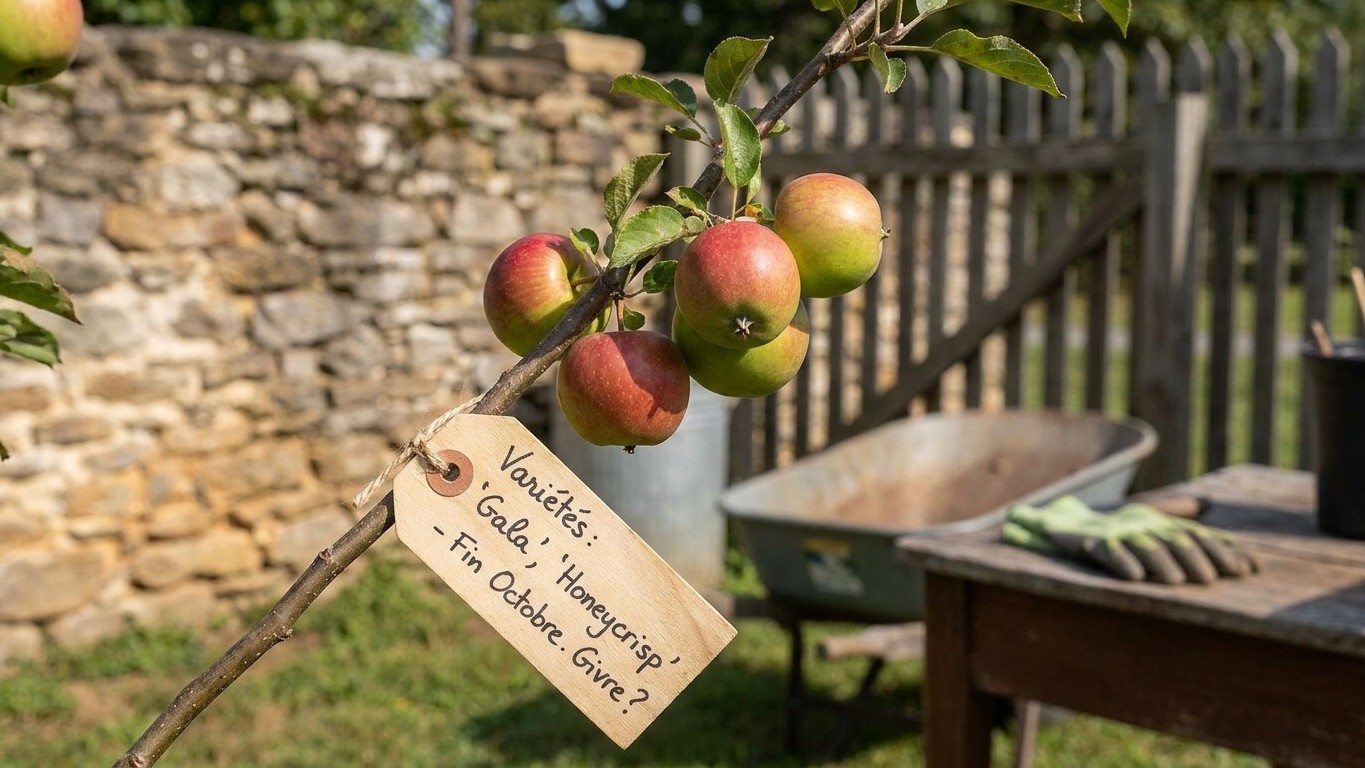
Virginia spans USDA zones 5a to 8b, so apple variety choice, pollination pairing and frost timing depend heavily on where in the state you garden.
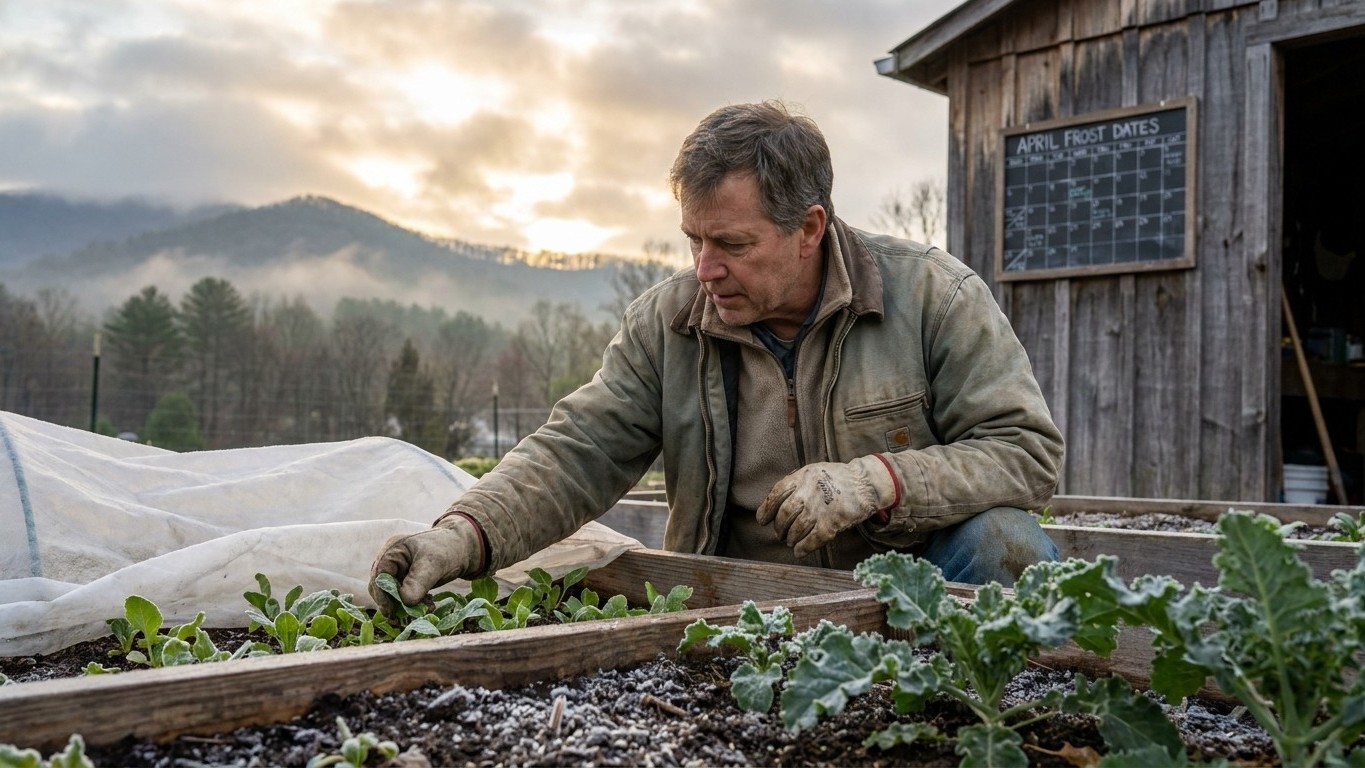
Virginia’s growing season isn’t one thing. It runs about 220 to 250 days near the coast, weeks shorter in the mountains, and the state spans four USDA…
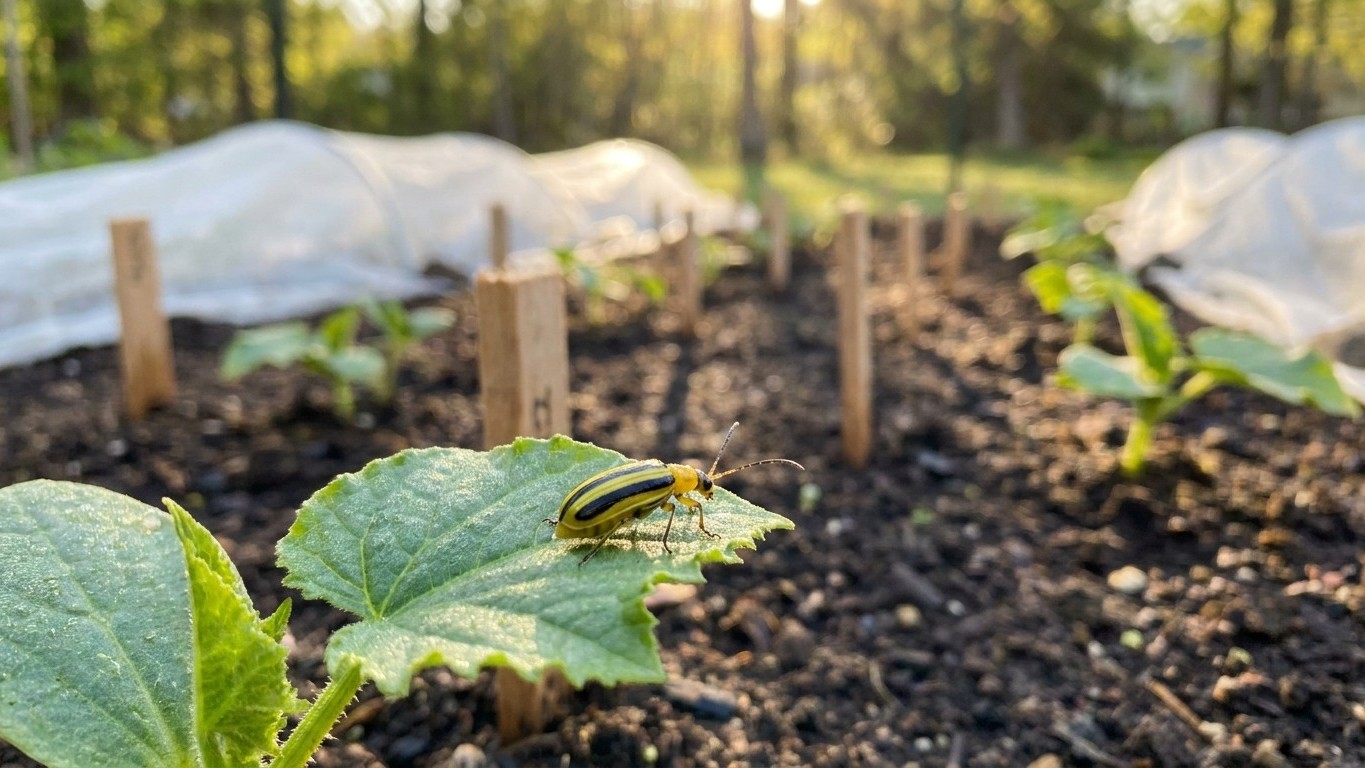
Cucumber beetles start showing up in Virginia gardens in late April to early May, right around the time soil temperatures climb past 55°F and the first…
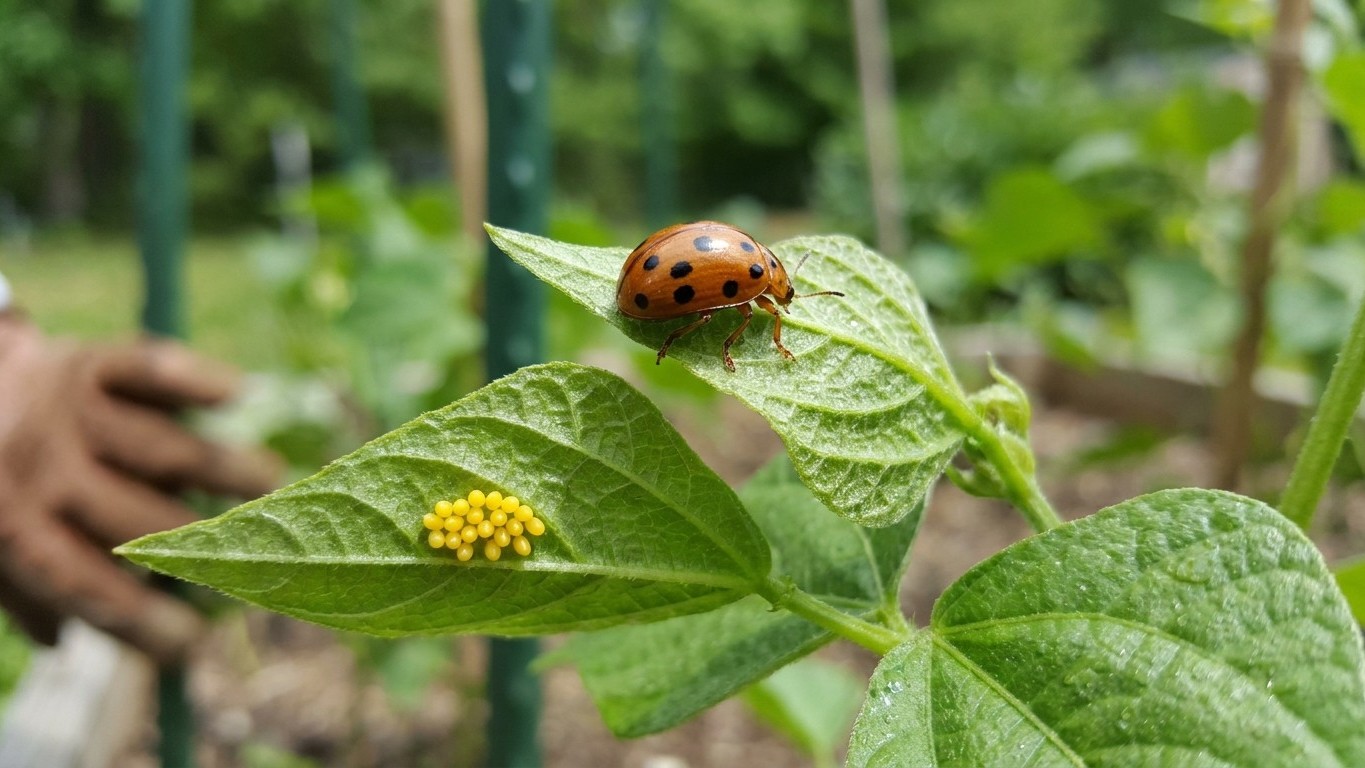
Mexican bean beetle shows up in Virginia gardens in late April through May, when overwintered adults crawl out of leaf litter and head straight for young…
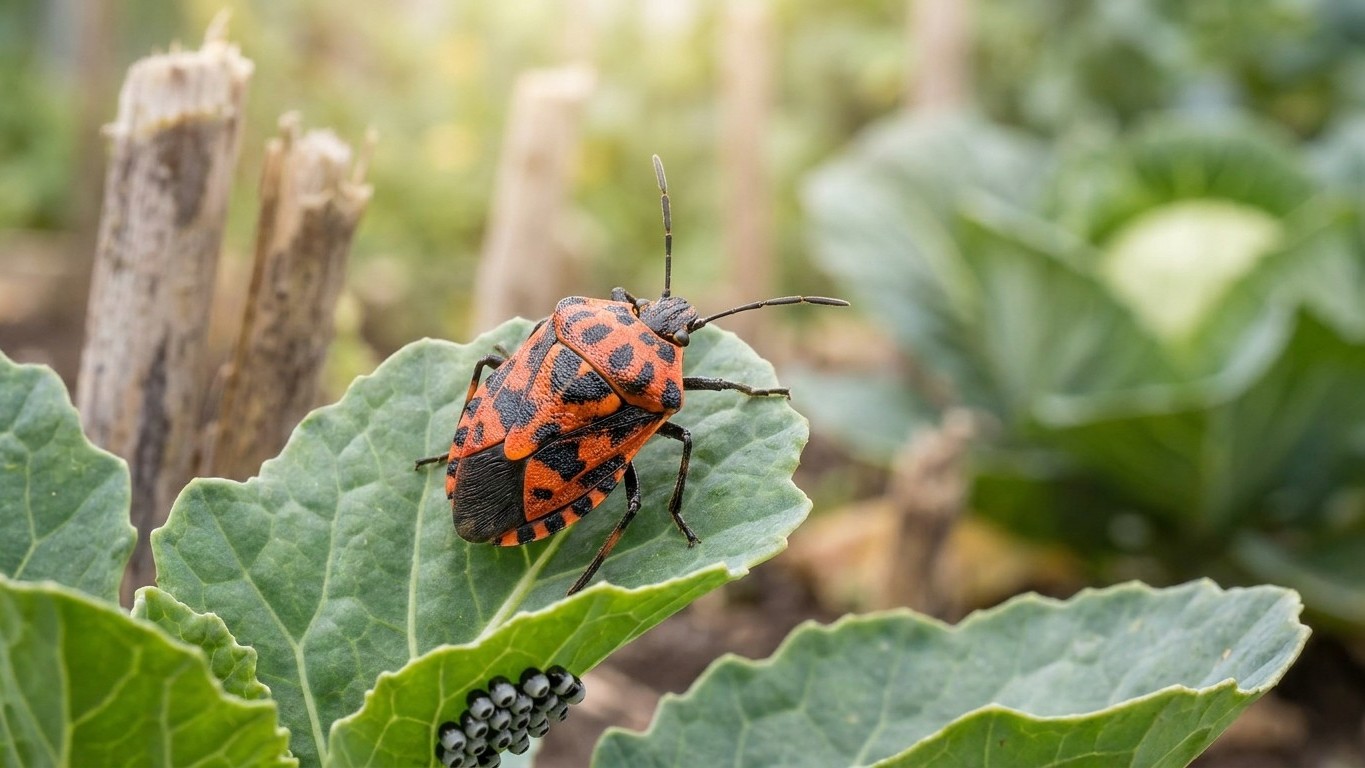
Harlequin bugs start showing up in Virginia gardens as early as mid-April in the warmer Tidewater and Hampton Roads regions, and by late May almost…
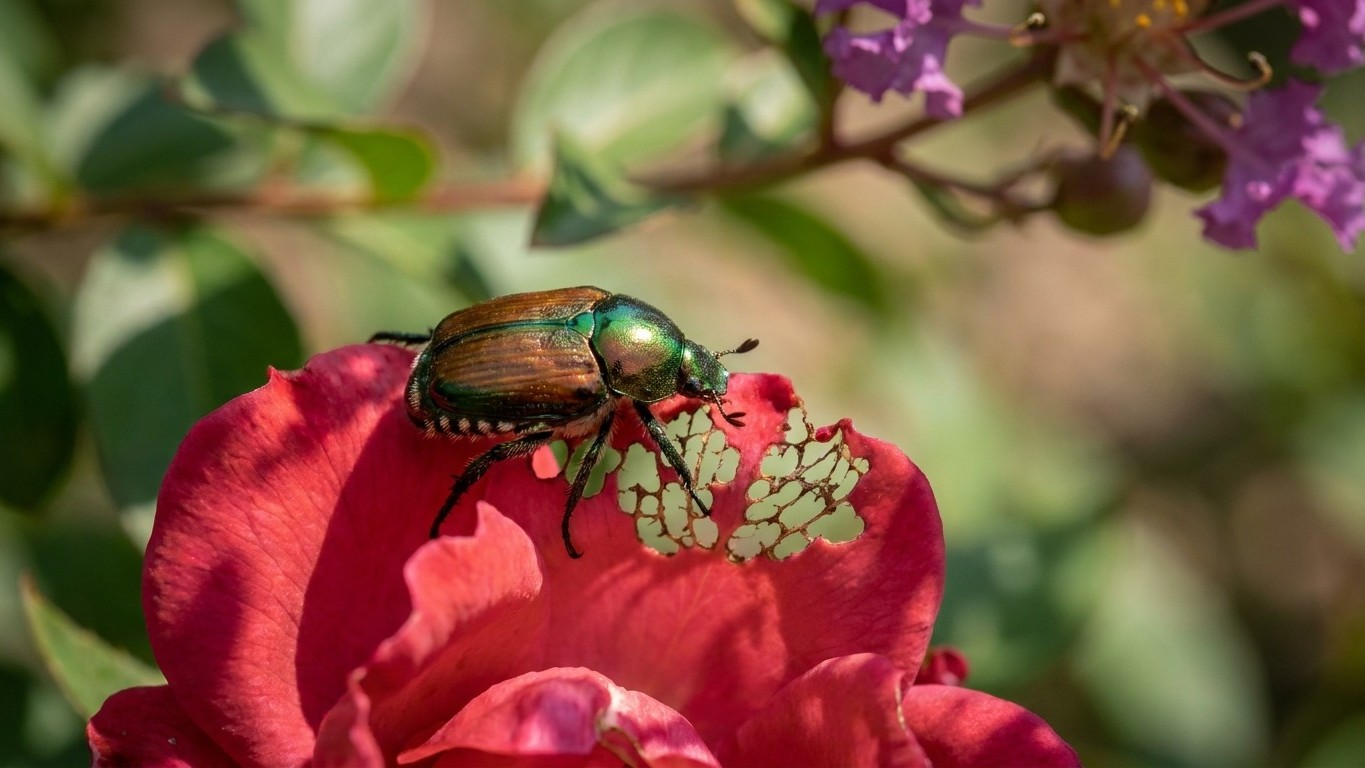
Japanese beetles start showing up across Virginia in mid-to-late June, with populations peaking through July and tapering off by late August or early…