Forcing Spring Bulbs Indoors in Virginia
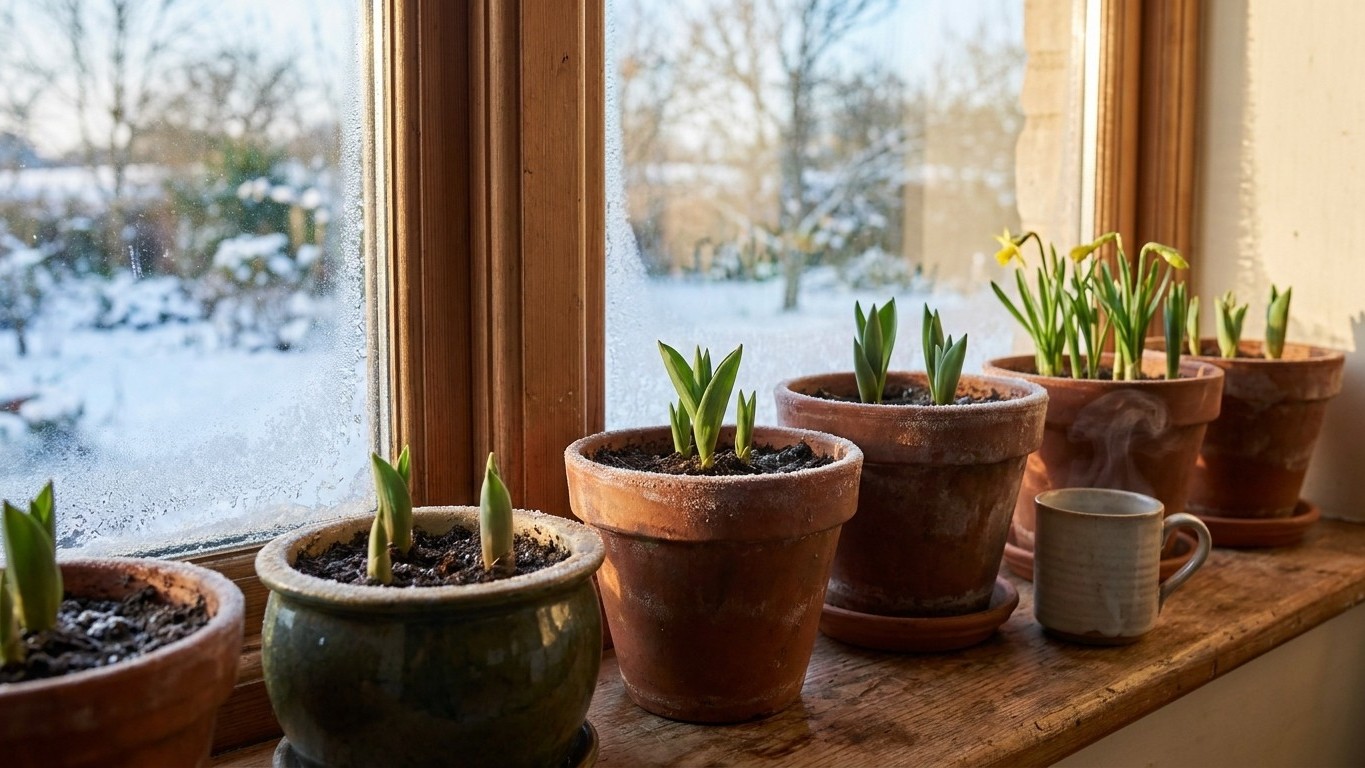
Forcing spring bulbs indoors works in Virginia, but not for the reason most guides assume.
Home & garden, state by state
Everything we have worked out for Virginia: what to plant and when, which varieties finish in time, the pests that actually turn up here, and the jobs that pay off month by month. We also cover the rest of the property, from lawns and soil to home care and energy, because a garden rarely stops at the vegetable bed.
The numbers first, because everything else follows from them. Measured at the weather station in Virginia Beach, the last spring freeze runs March 20 to April 3 and the first fall freeze runs November 10 to November 24, USDA zones 5a-8b, 4,864 growing degree days in the year.
Garlic does well: 17.4 weeks below 40 °F, comfortably past the six it needs to form a proper head.
Elsewhere on the property in Virginia: the pests that turn up here.
Figures from NOAA's 1991-2020 climate normals. A state is not one climate: elevation, a large lake or the coast can move these dates by two weeks either way, so check your own county with the extension service before you spend money.
Forcing spring bulbs indoors works in Virginia, but not for the reason most guides assume.
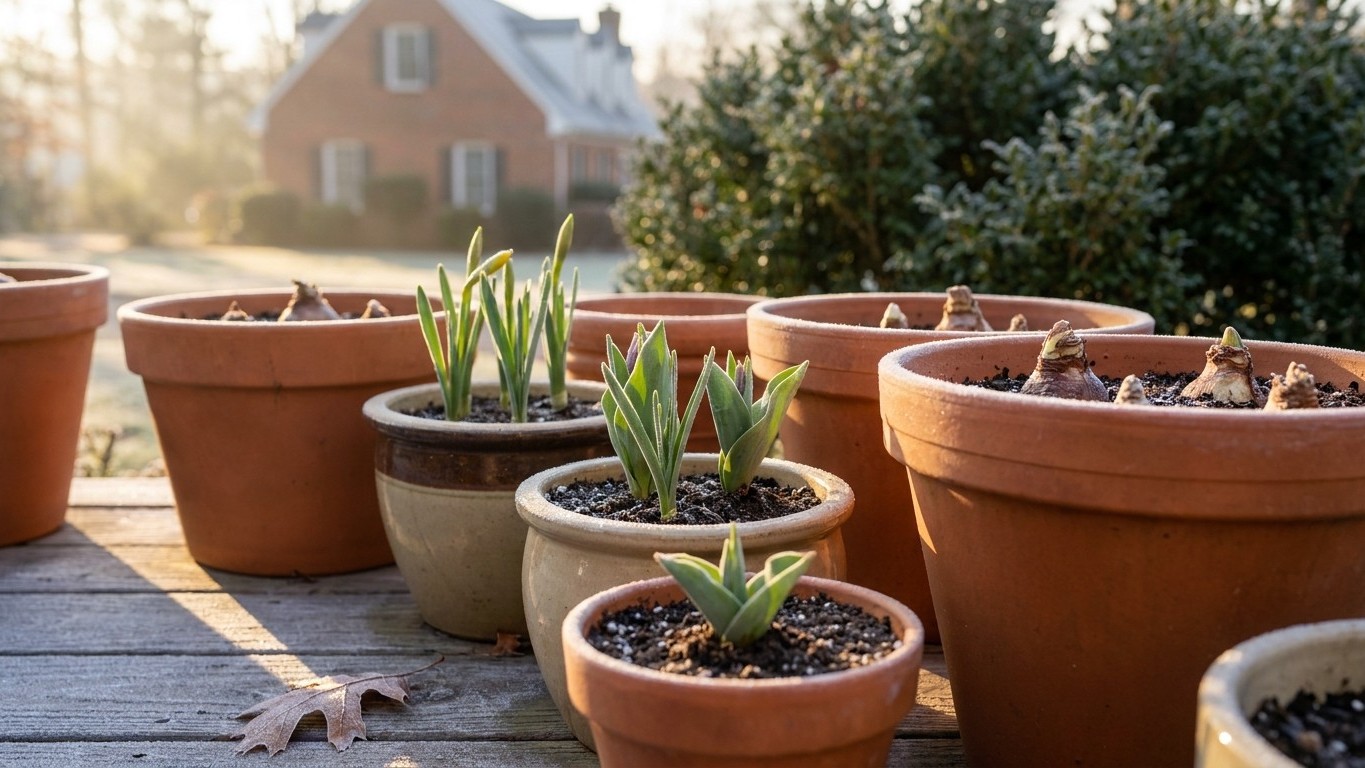
In Virginia, garden beds usually get enough winter cold on their own to bring spring bulbs into bloom without any help. Containers are a different story.
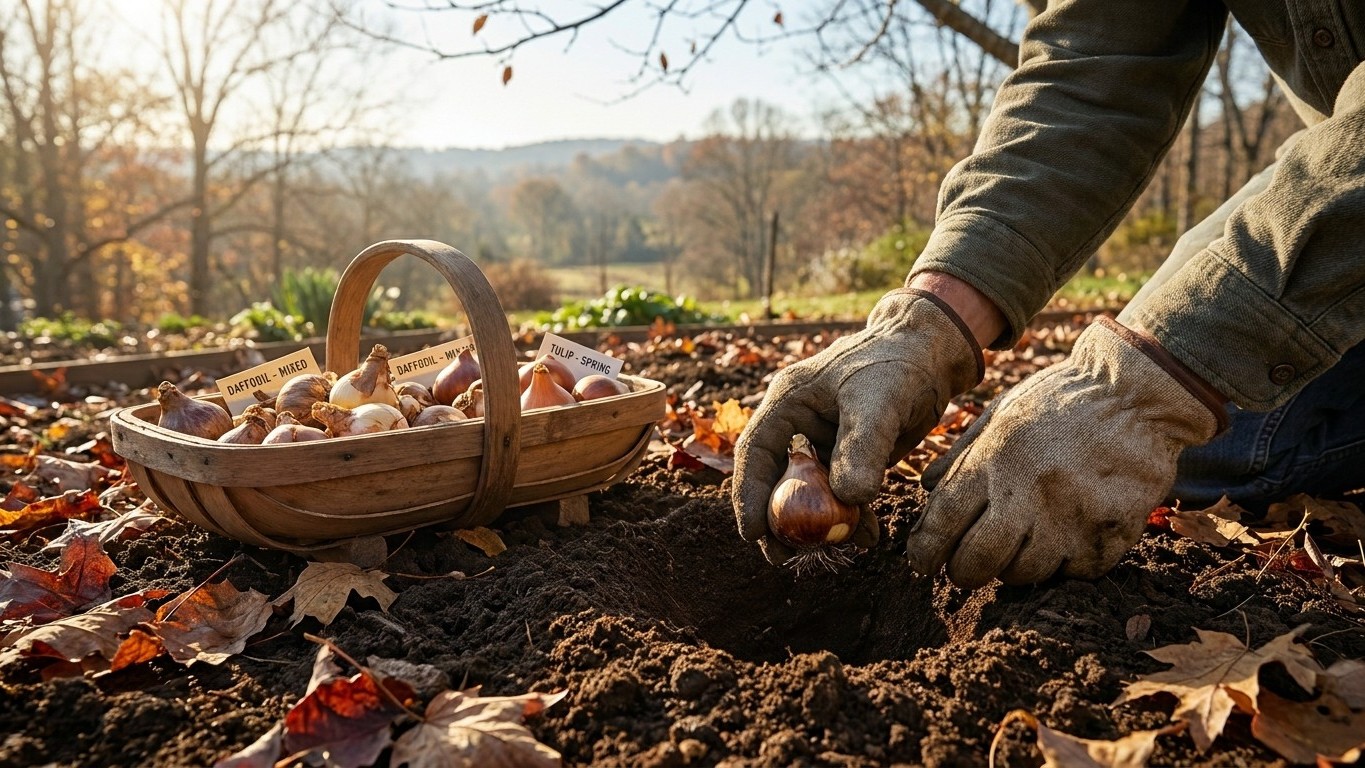
Spring bulbs go into Virginia soil on a schedule tied to the first fall frost, but timing is only half of what decides whether they bloom.
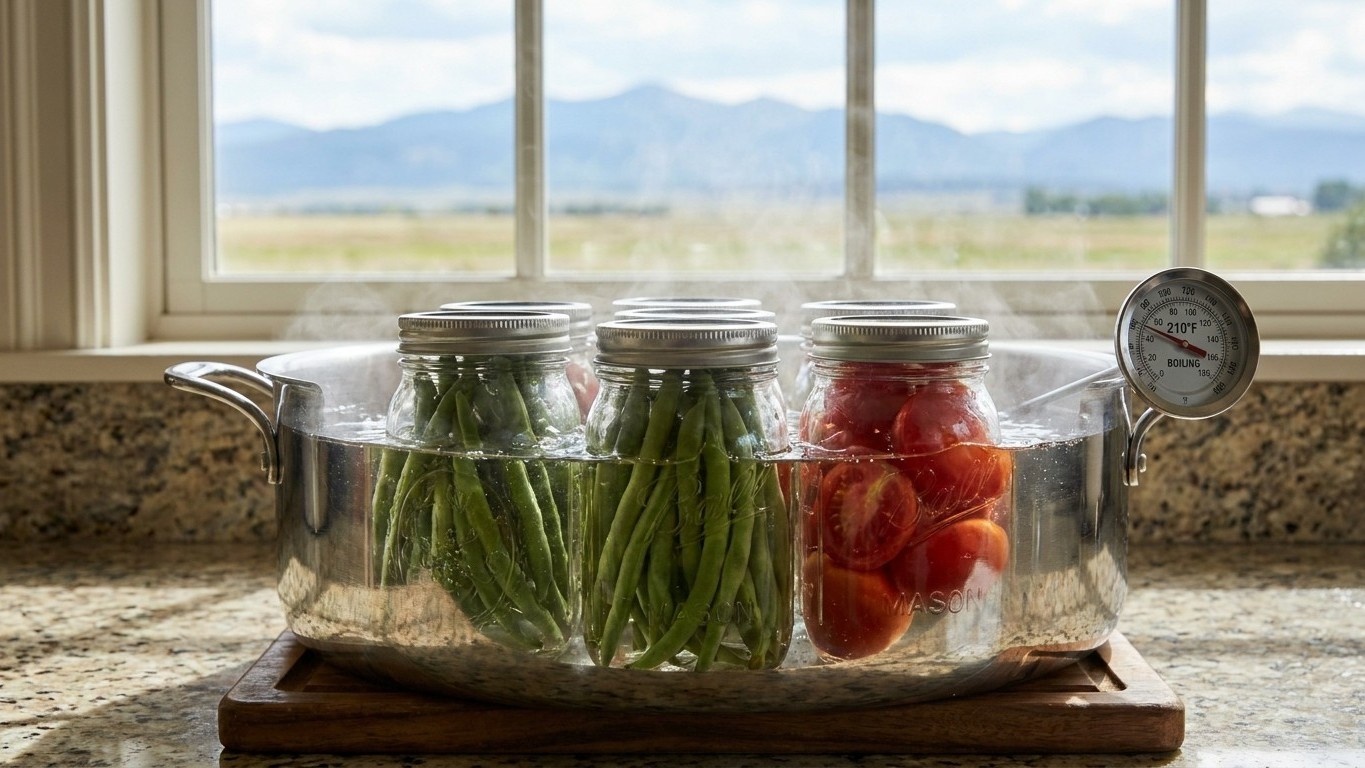
At 10 feet above sea level, Virginia Beach changes nothing about how you can.
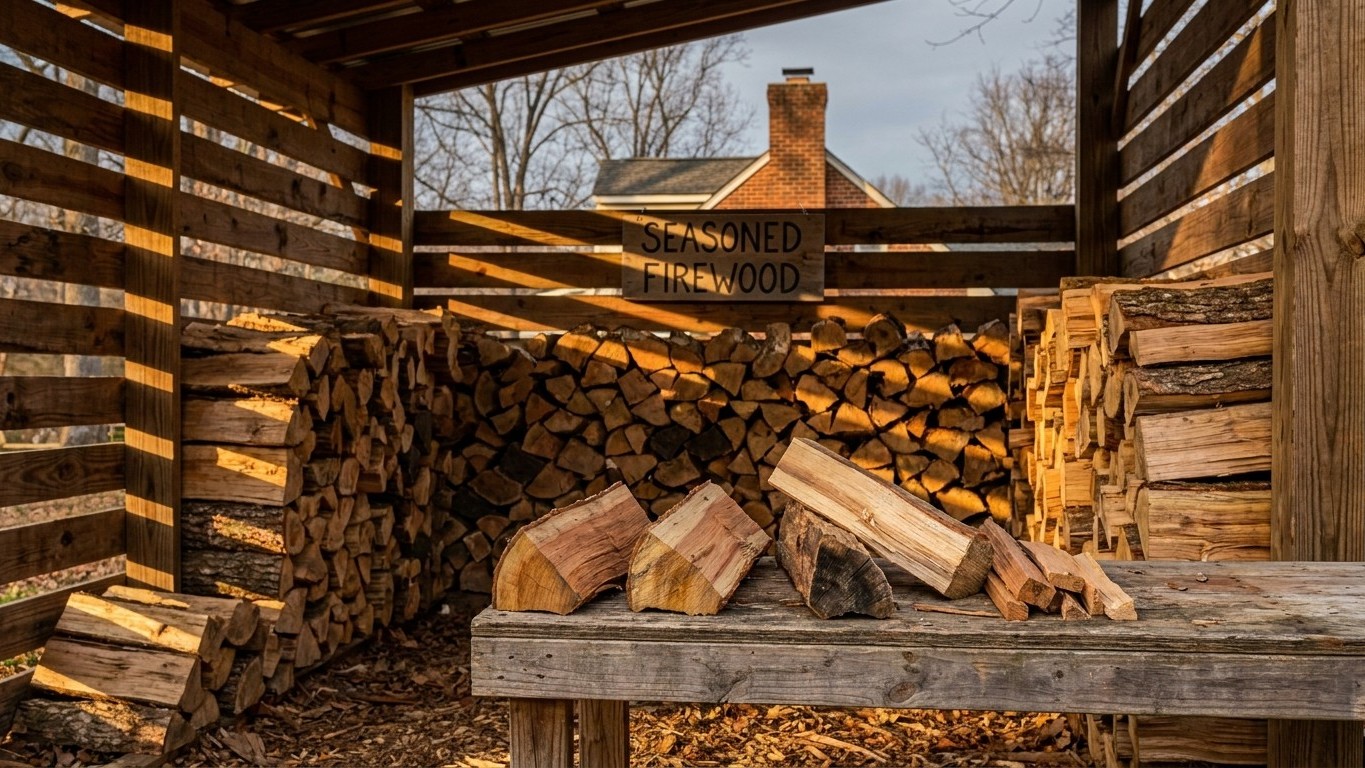
Virginia Beach’s coldest month averages a daily low of 31.6°F, cold enough to freeze standing water most nights but nowhere near brutal.
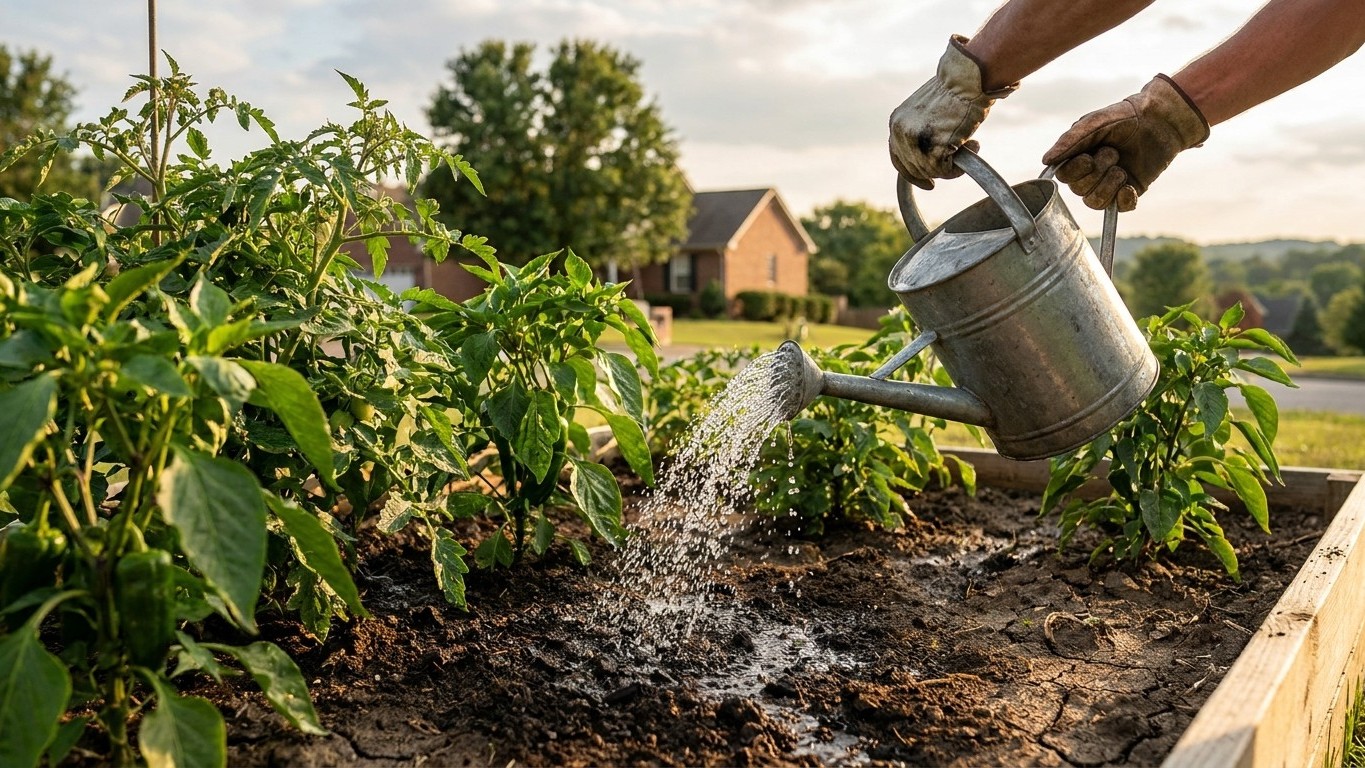
Virginia gardens don’t follow a single script. A patch of ground in Virginia Beach behaves nothing like one in the Blue Ridge foothills, but the baseline…
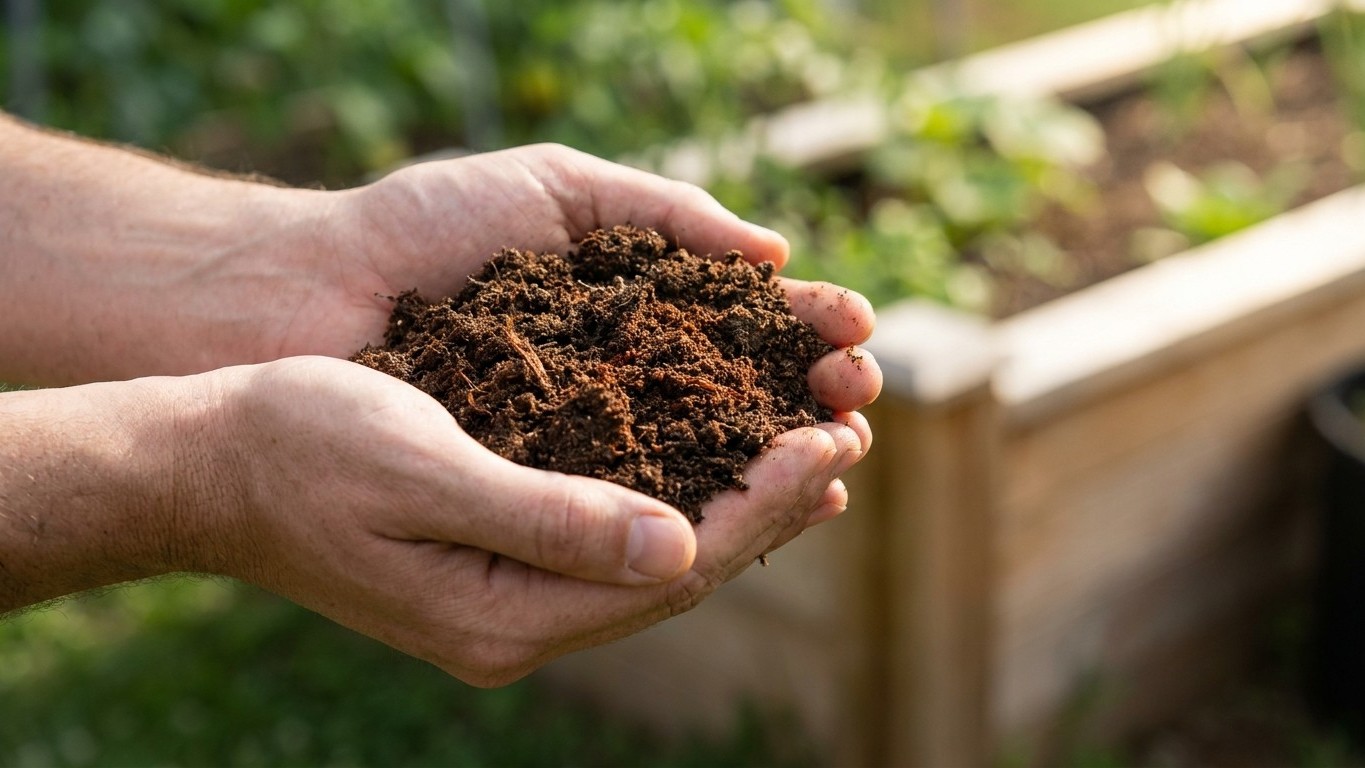
Dig a foot down almost anywhere in Virginia and you’re likely standing on a cousin of the Pamunkey series, the soil USDA names as representative of the…
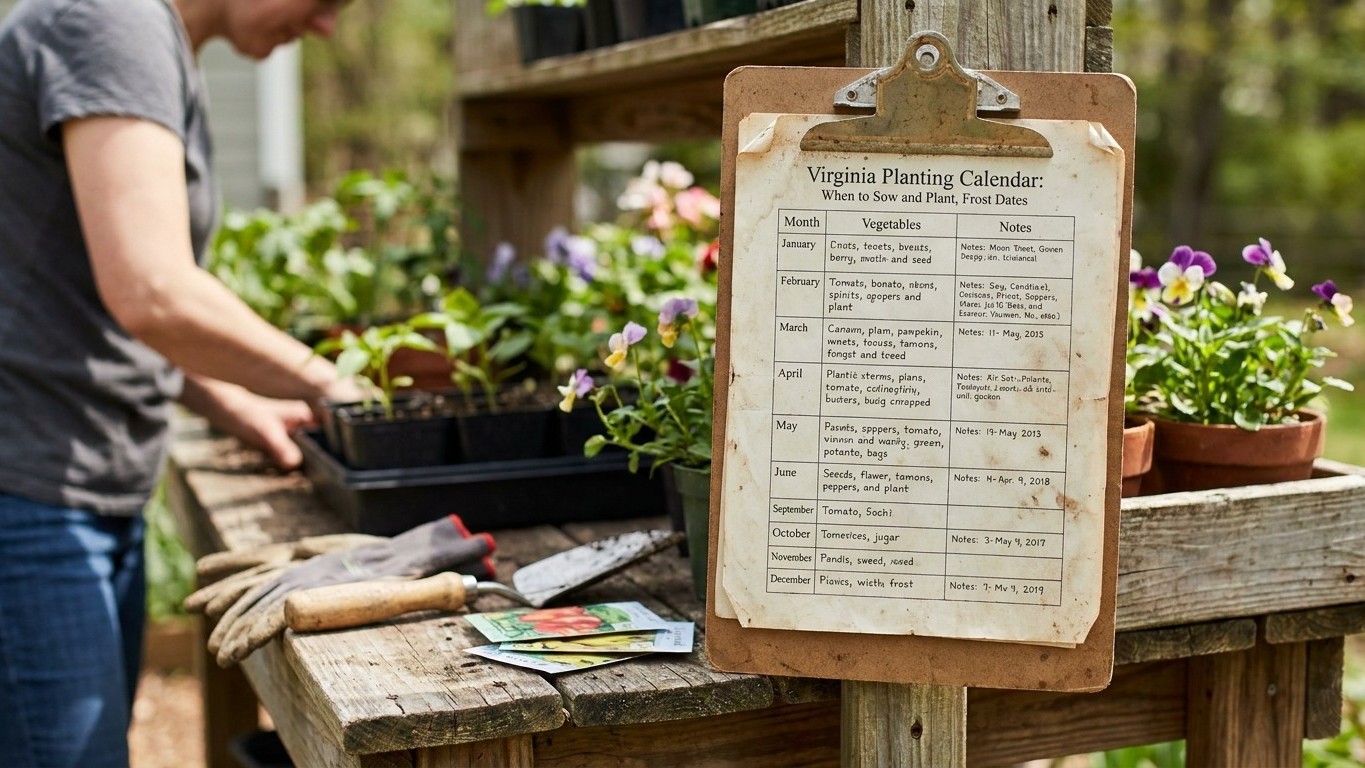
NOAA’s 1991-2020 frost data for coastal Virginia, plus cultivar-by-cultivar planting math for tomatoes, peppers, and fall crops.
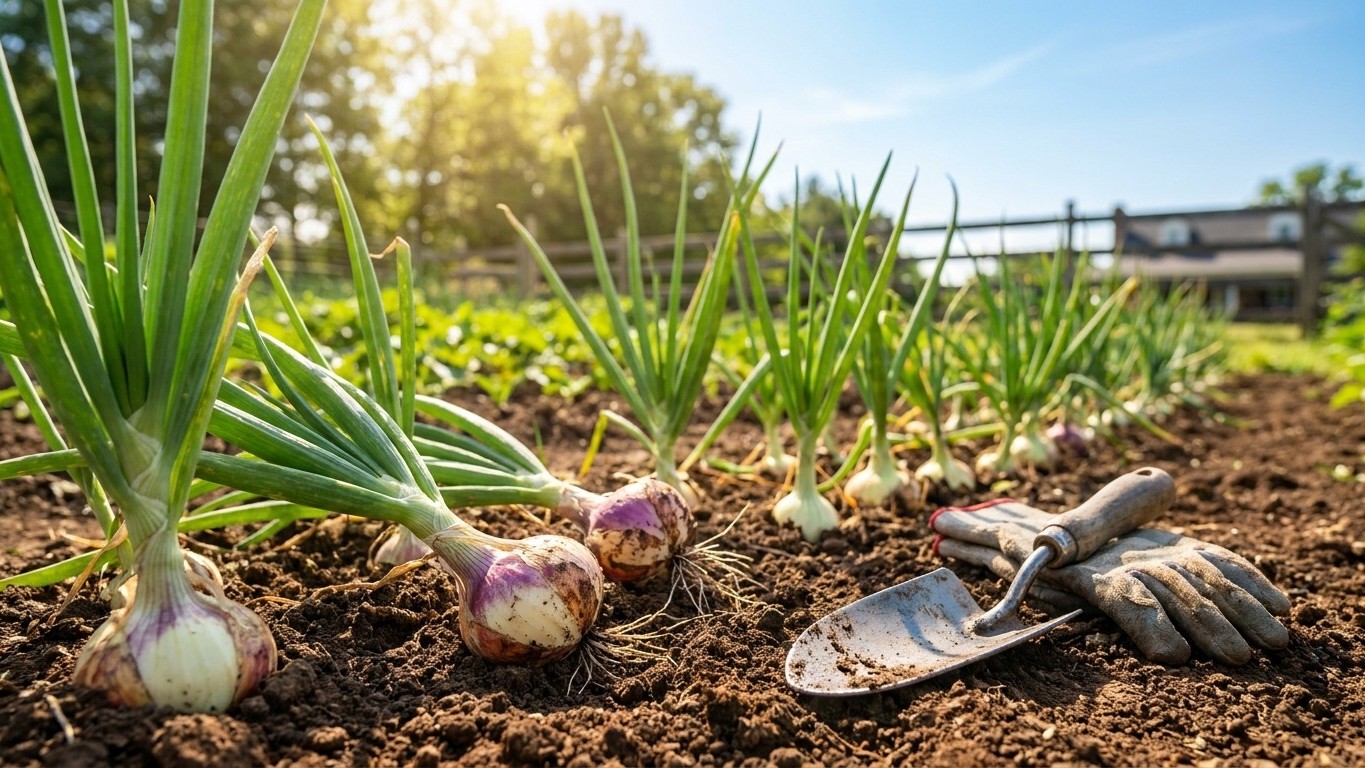
Virginia Beach sits at 36.82 degrees north, and on the longest day of the year it gets 14 hours and 32 minutes of daylight.
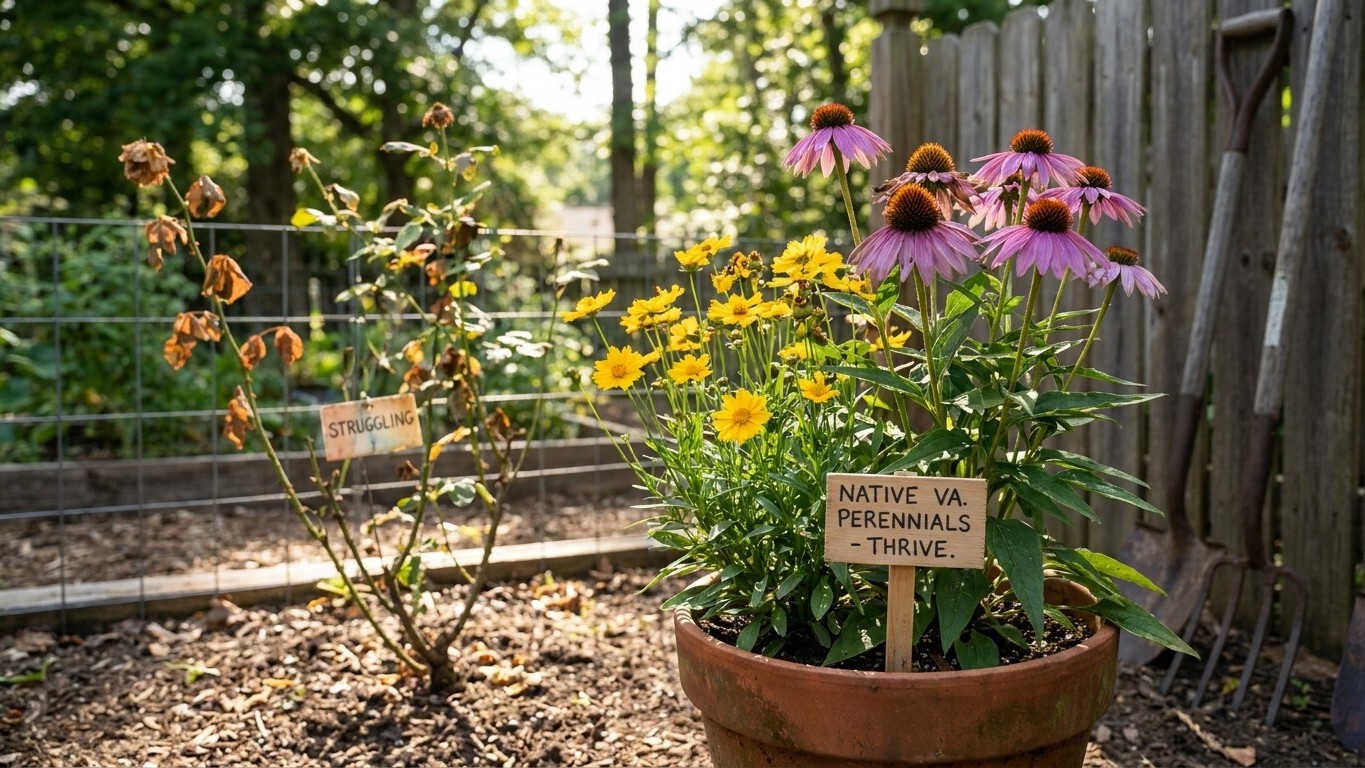
Virginia’s climate ranges from mild coastal winters to cold mountain ones, so this guide names the flowers, natives, and perennials that handle both extremes reliably.