What to Plant in Virginia in December
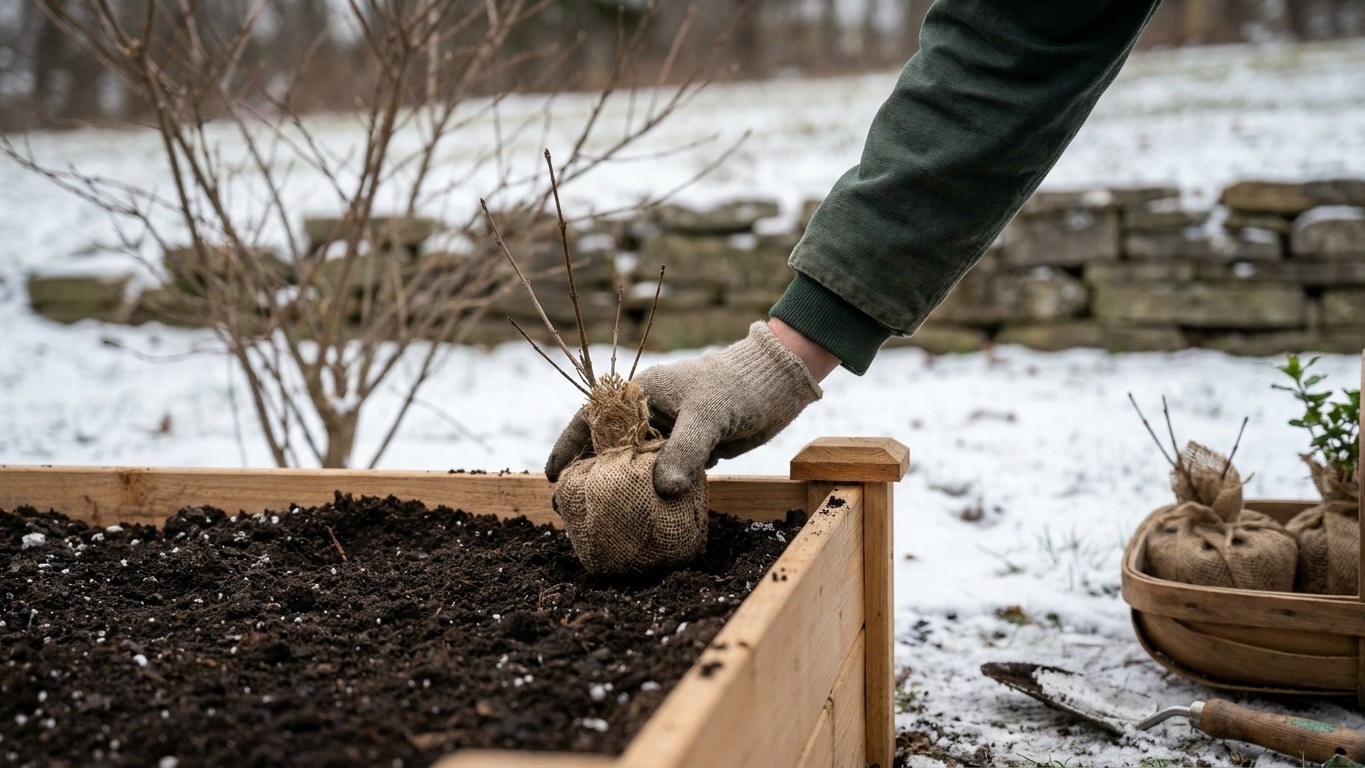
December in Virginia sits deep inside the dormant season for almost the entire state.
Home & garden, state by state
Everything we have worked out for Virginia: what to plant and when, which varieties finish in time, the pests that actually turn up here, and the jobs that pay off month by month. We also cover the rest of the property, from lawns and soil to home care and energy, because a garden rarely stops at the vegetable bed.
The numbers first, because everything else follows from them. Measured at the weather station in Virginia Beach, the last spring freeze runs March 20 to April 3 and the first fall freeze runs November 10 to November 24, USDA zones 5a-8b, 4,864 growing degree days in the year.
Garlic does well: 17.4 weeks below 40 °F, comfortably past the six it needs to form a proper head.
Elsewhere on the property in Virginia: the pests that turn up here.
Figures from NOAA's 1991-2020 climate normals. A state is not one climate: elevation, a large lake or the coast can move these dates by two weeks either way, so check your own county with the extension service before you spend money.
December in Virginia sits deep inside the dormant season for almost the entire state.
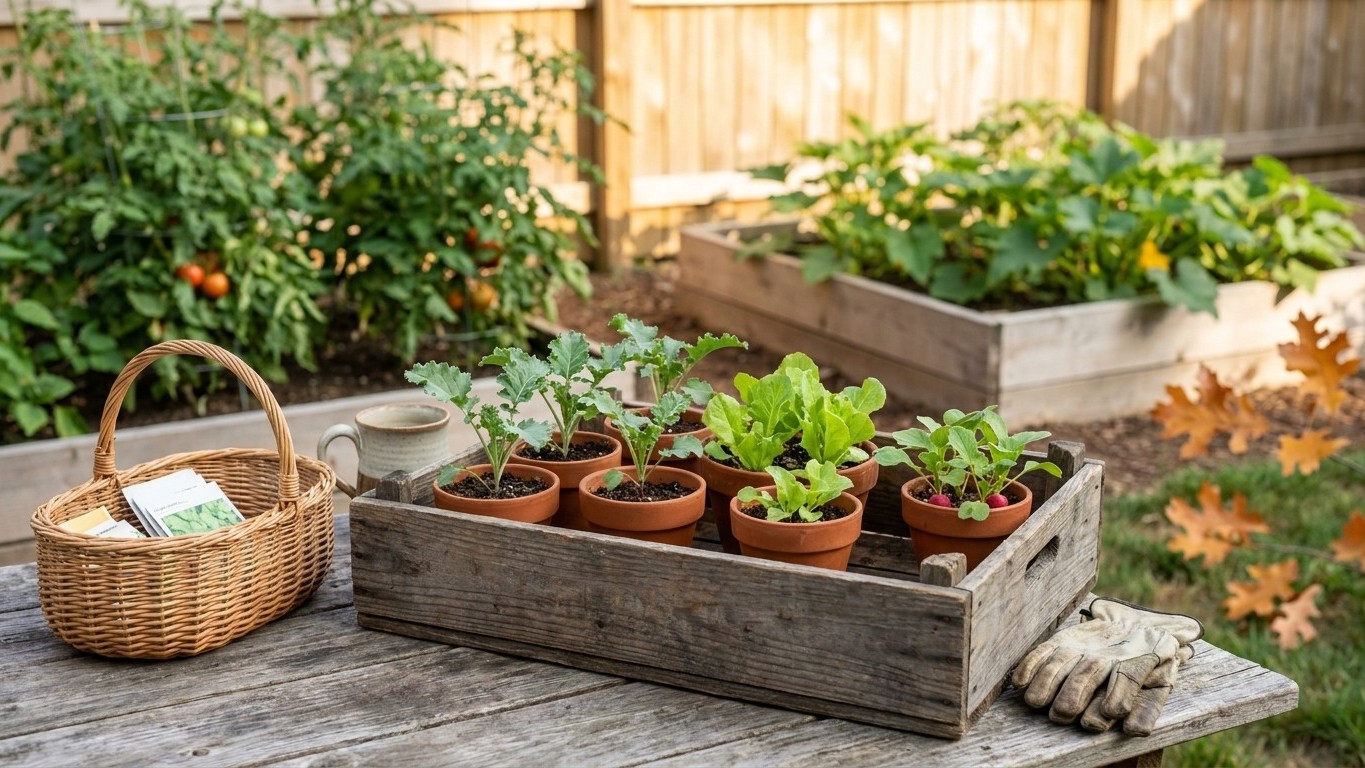
August in Virginia sits in the sweet spot for a second growing season. Direct-sow bush beans, summer squash, cucumbers, and the first fall roots and…
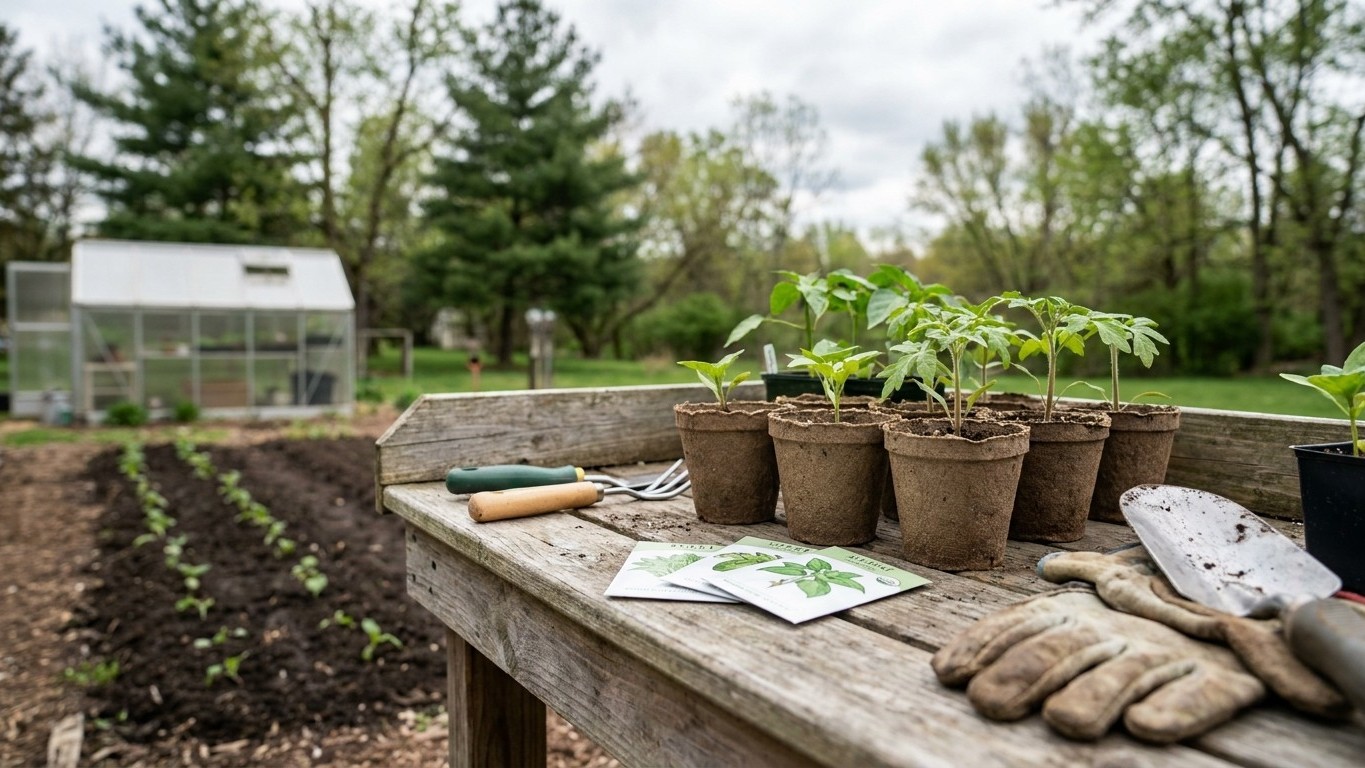
By April, most of Virginia can go ahead with cold-hardy crops outdoors: peas, lettuce, spinach, carrots, beets, radishes, onion sets, and potatoes all…
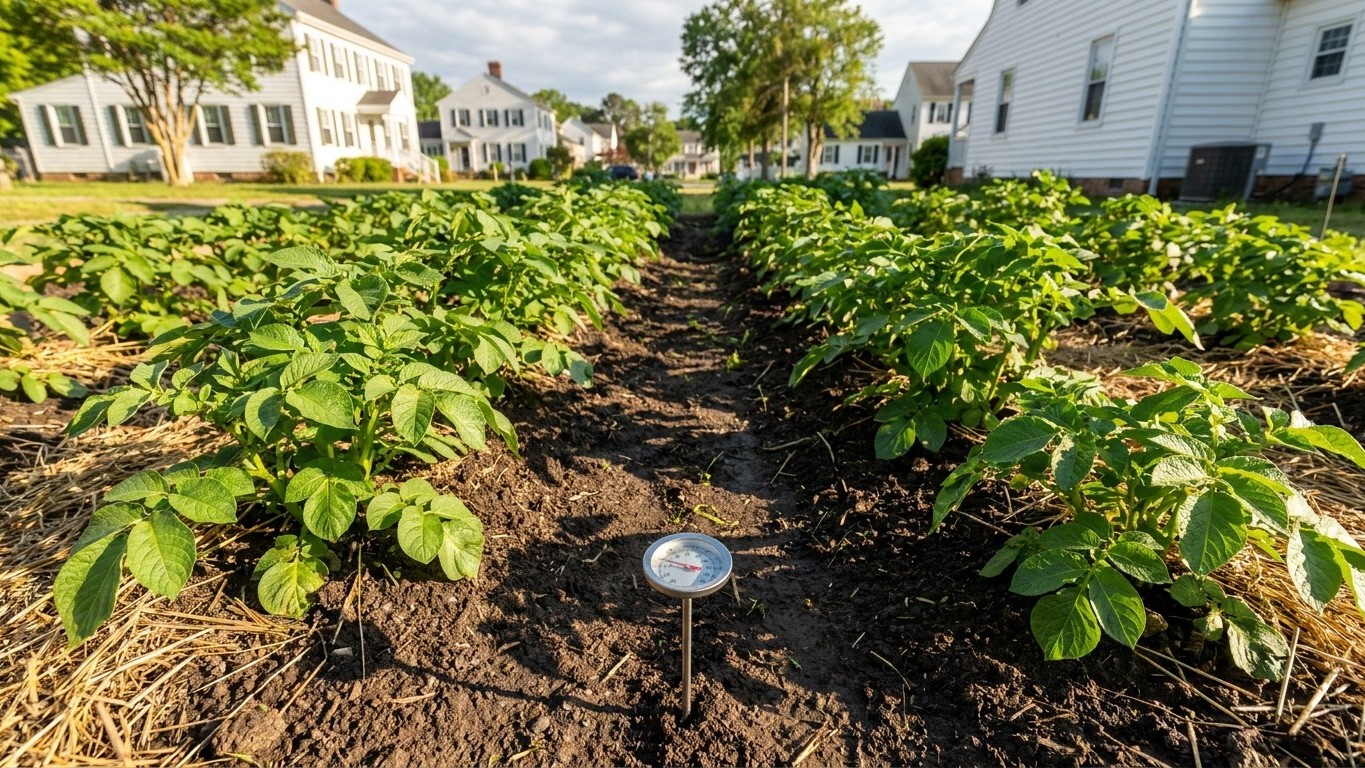
Virginia Beach averages 26.0 days a year above 90°F, mild by Southern standards, and the last spring frost falls between March 20 and April 3 near the…
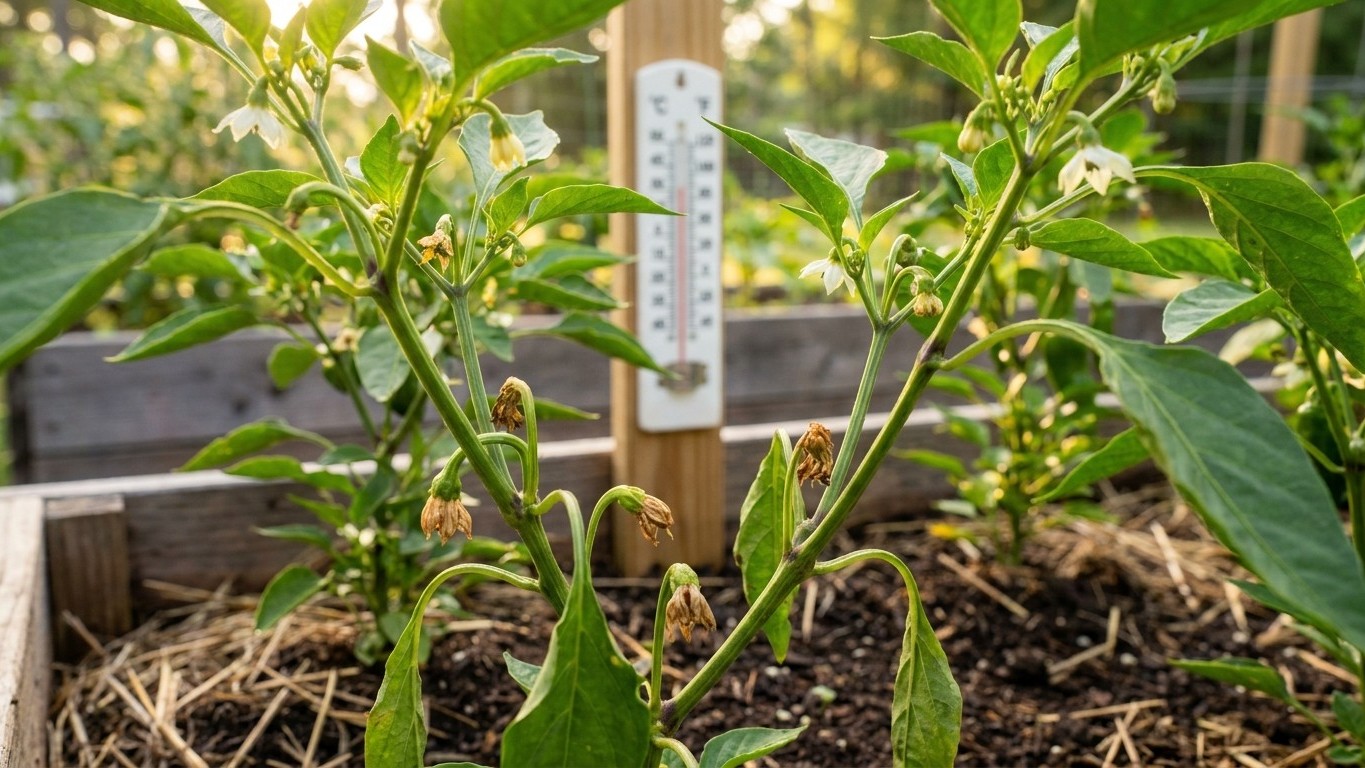
Virginia Beach averages 26 days a year at 90 F or hotter, and that heat load is only half the fruit-set equation for peppers.
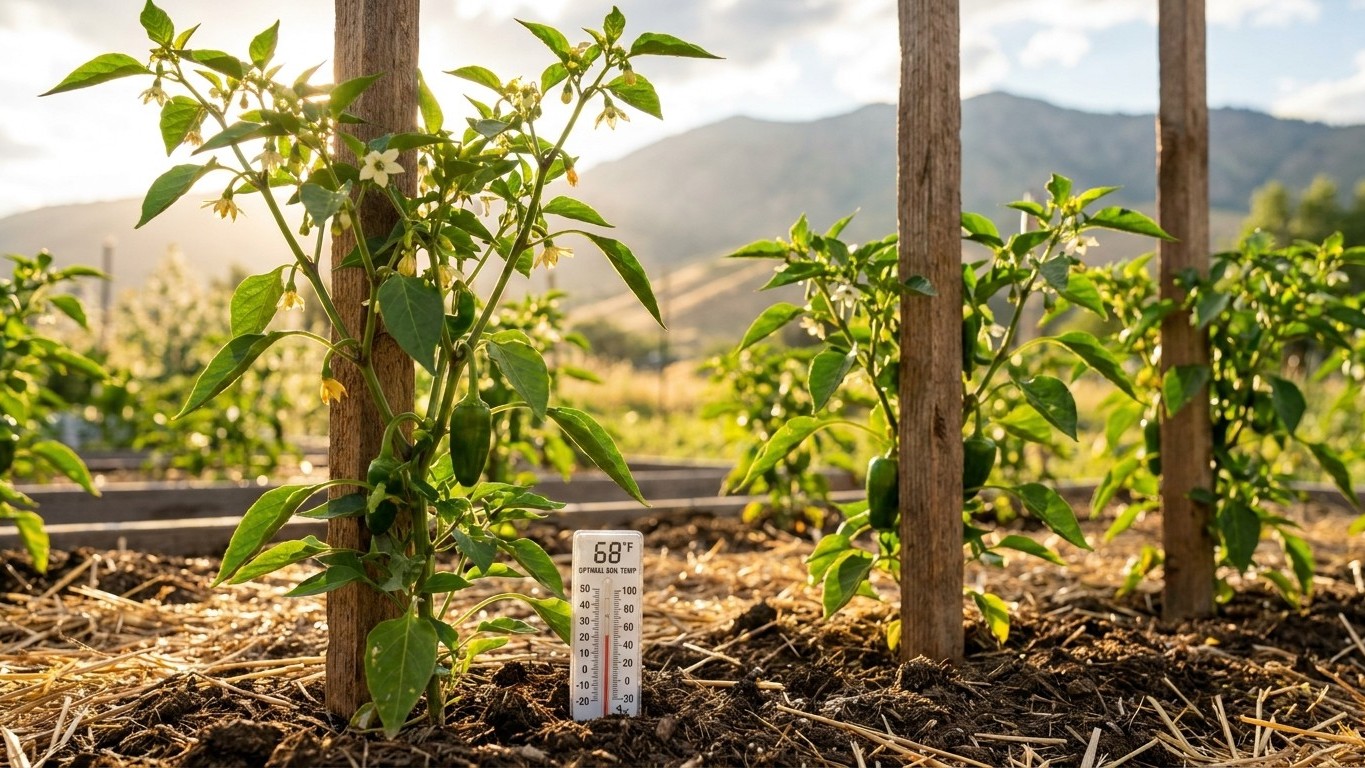
Peppers can absolutely finish a full season in Virginia, but the finish line moves depending on where you garden.
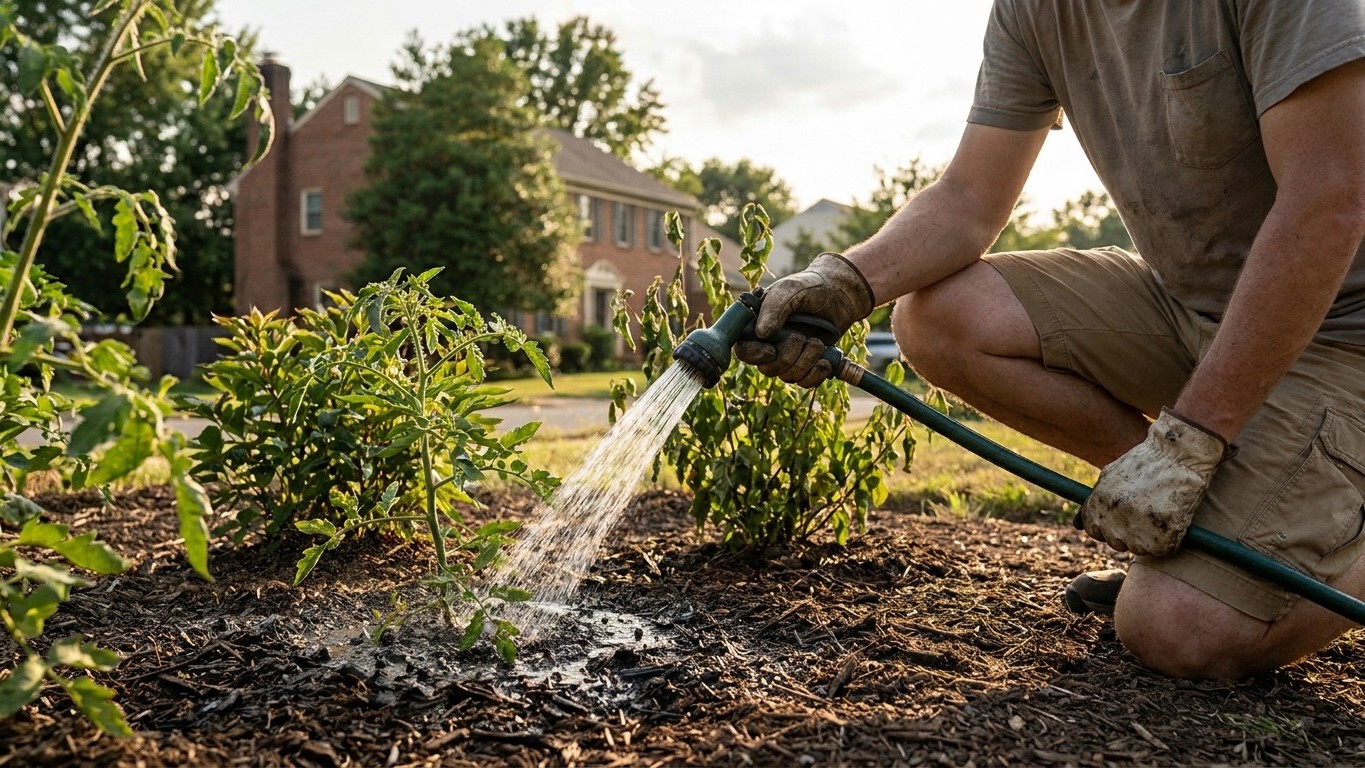
During a Virginia dry spell, the safest habit is deep watering once or twice a week, not a daily sprinkle.
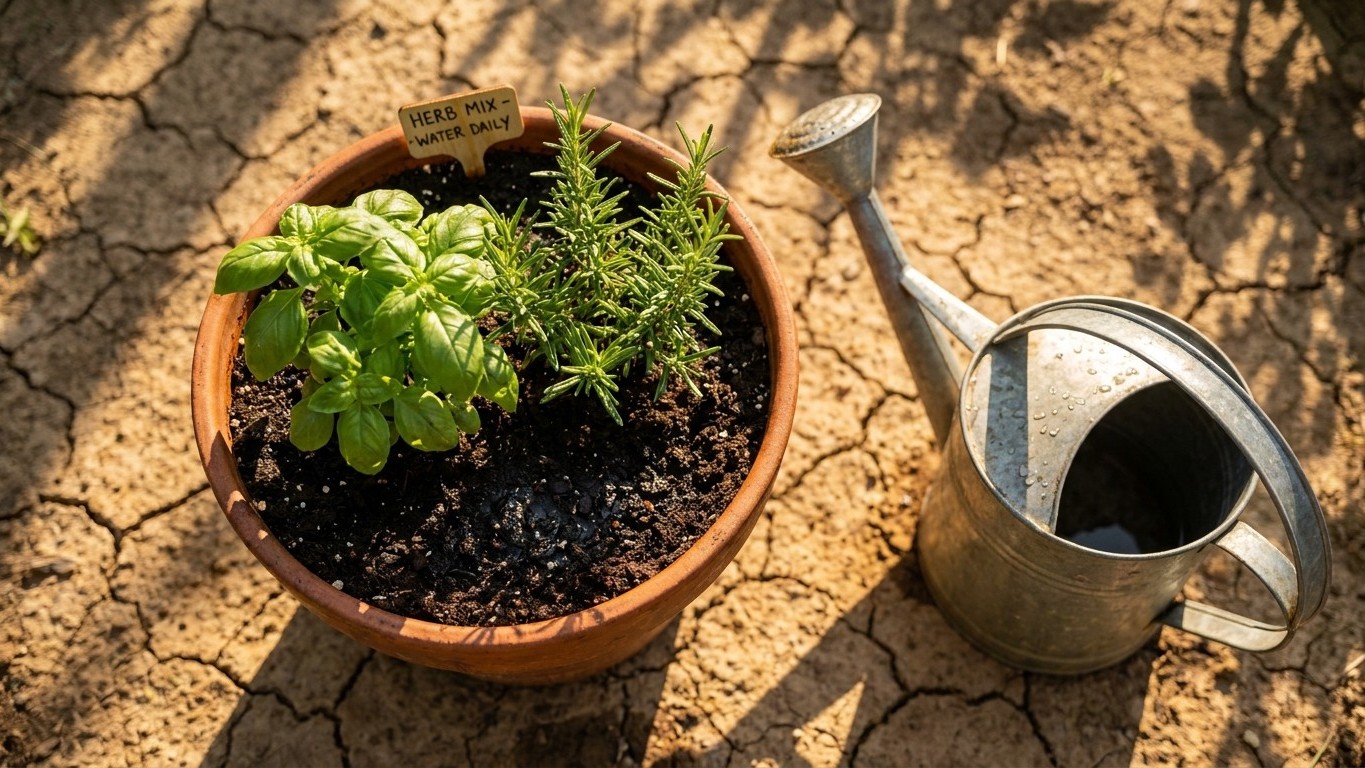
In Virginia, garden beds and potted containers both want roughly an inch of water a week, but they rarely get it the same way.
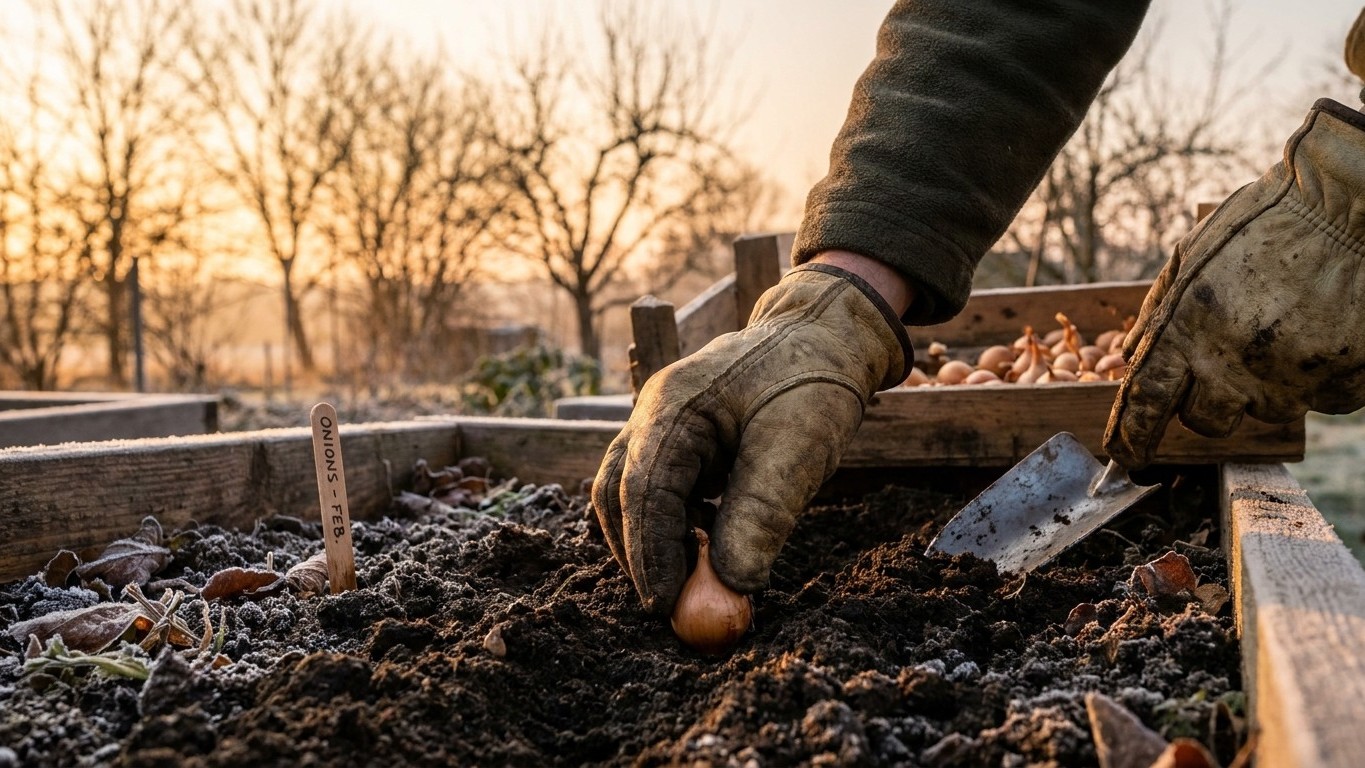
Plant onions in Virginia during late winter to early spring, not fall, because the state sits at 36.82 degrees north latitude (measured at Richmond)…
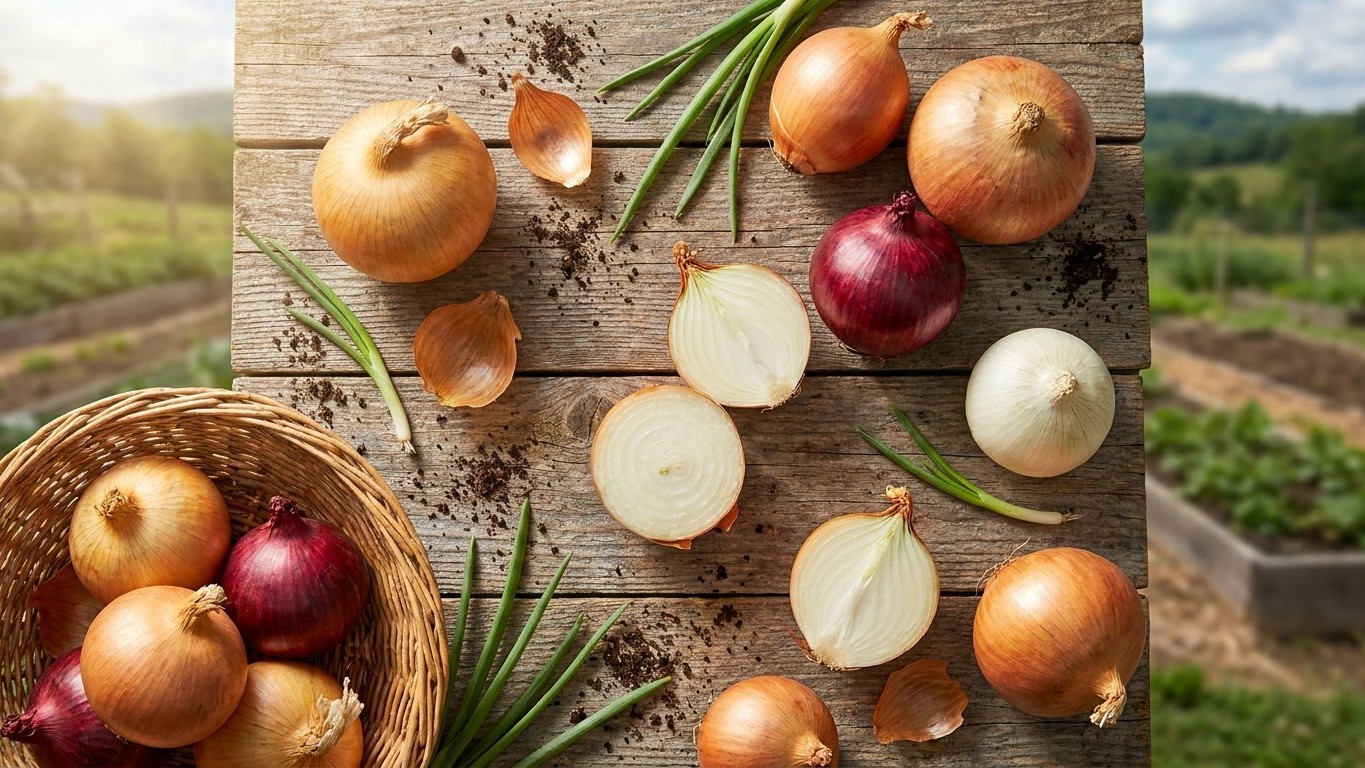
Virginia sits close enough to the edge of two onion worlds that the safe answer is intermediate-day, not short-day and not full long-day.