What to Plant in Wisconsin in January
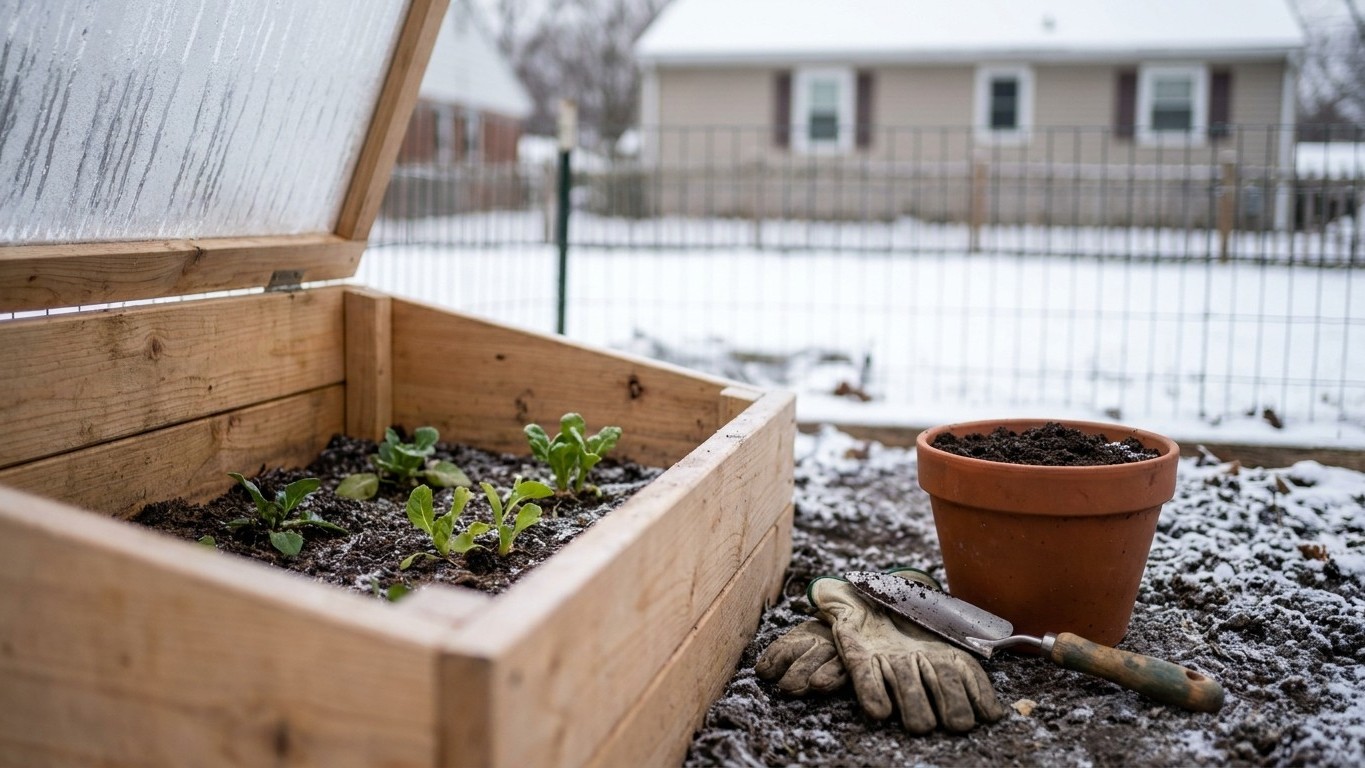
Wisconsin gardens in January live indoors and under cover. The ground is frozen solid across nearly the whole state, so nothing goes into open soil this…
Home & garden, state by state
Everything we have worked out for Wisconsin: what to plant and when, which varieties finish in time, the pests that actually turn up here, and the jobs that pay off month by month. We also cover the rest of the property, from lawns and soil to home care and energy, because a garden rarely stops at the vegetable bed.
The numbers first, because everything else follows from them. Measured at the weather station in Milwaukee, the last spring freeze runs April 16 to April 29 and the first fall freeze runs October 17 to October 29, USDA zones 3b-6a, 2,808 growing degree days in the year.
Garlic does well: 26.1 weeks below 40 °F, comfortably past the six it needs to form a proper head.
Elsewhere on the property in Wisconsin: the pests that turn up here.
Figures from NOAA's 1991-2020 climate normals. A state is not one climate: elevation, a large lake or the coast can move these dates by two weeks either way, so check your own county with the extension service before you spend money.
Wisconsin gardens in January live indoors and under cover. The ground is frozen solid across nearly the whole state, so nothing goes into open soil this…
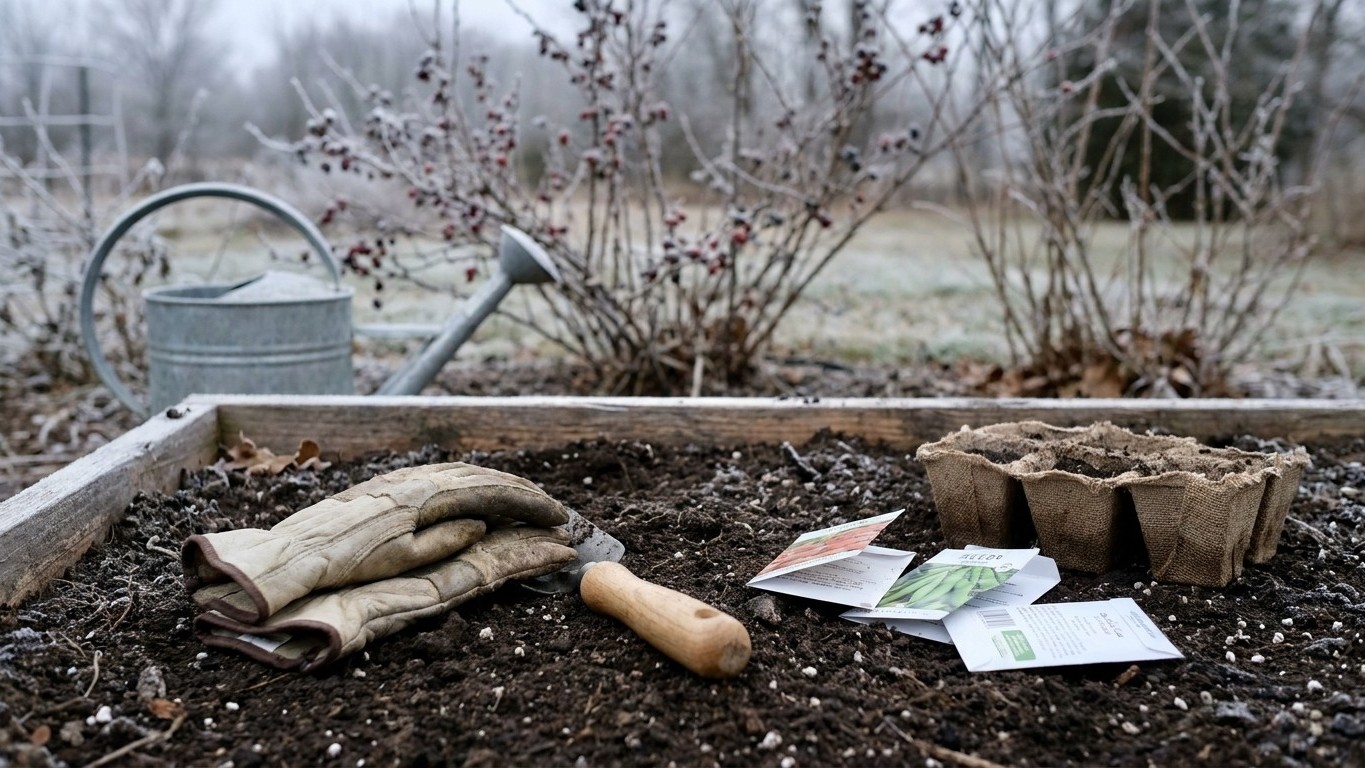
In February in Wisconsin, nothing goes into open ground. Soil across the state’s 3b-6a hardiness range sits frozen solid, and the earliest last-frost…
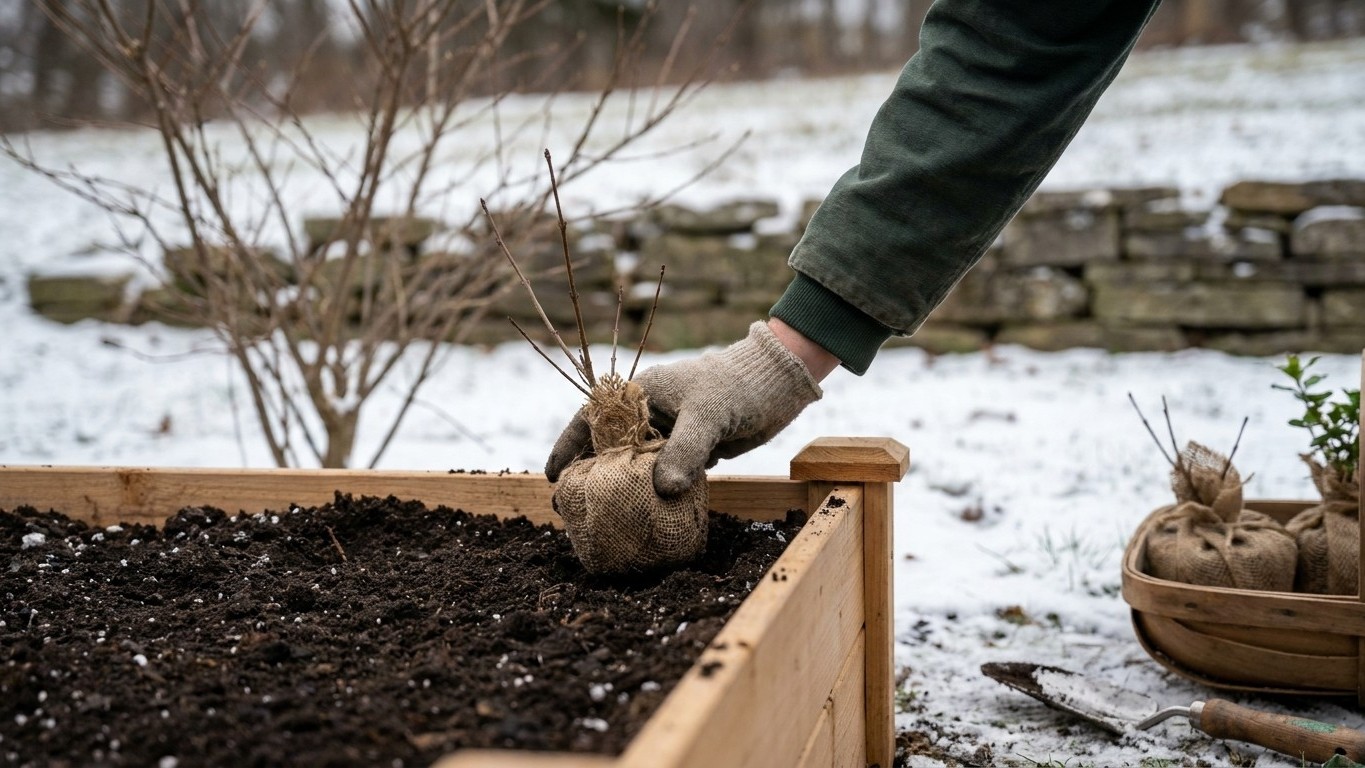
December in Wisconsin sits weeks past the state’s average first fall frost and months ahead of the last spring one, so the direct answer is short…
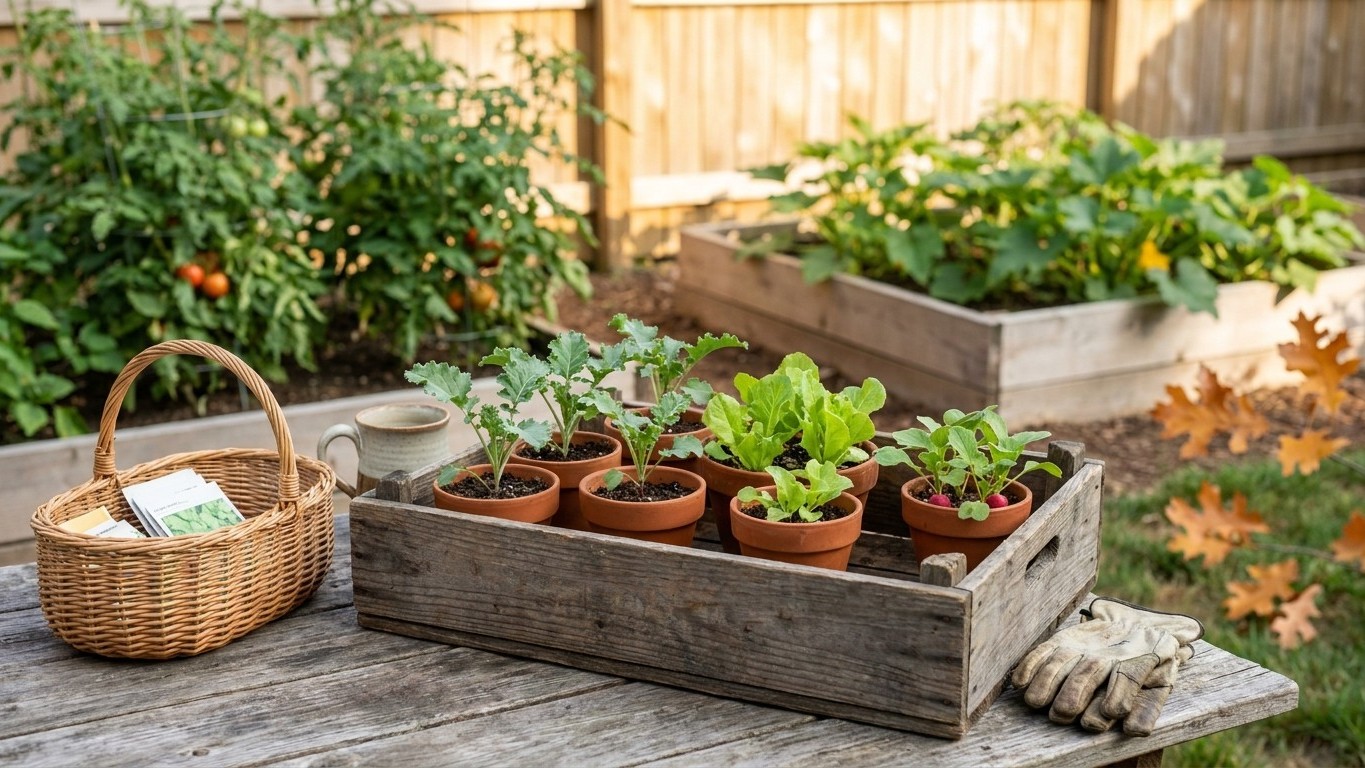
August in Wisconsin is a planting month, not a waiting month. Fall greens, root crops, and a last flush of quick beans still fit before the first frost…
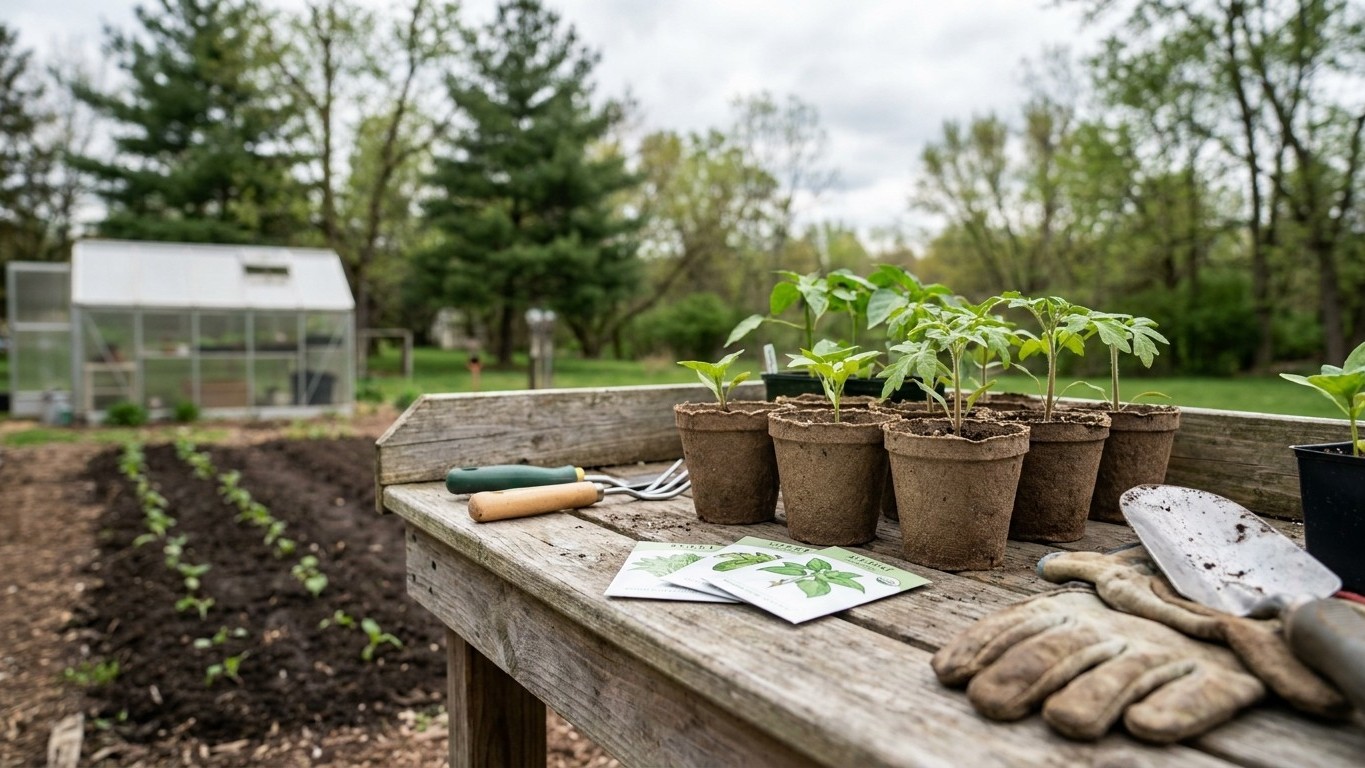
April in Wisconsin is a hardy-crop month, not a tomato month. Direct-sow peas, spinach, radishes, and lettuce once the soil is workable, and get onion…
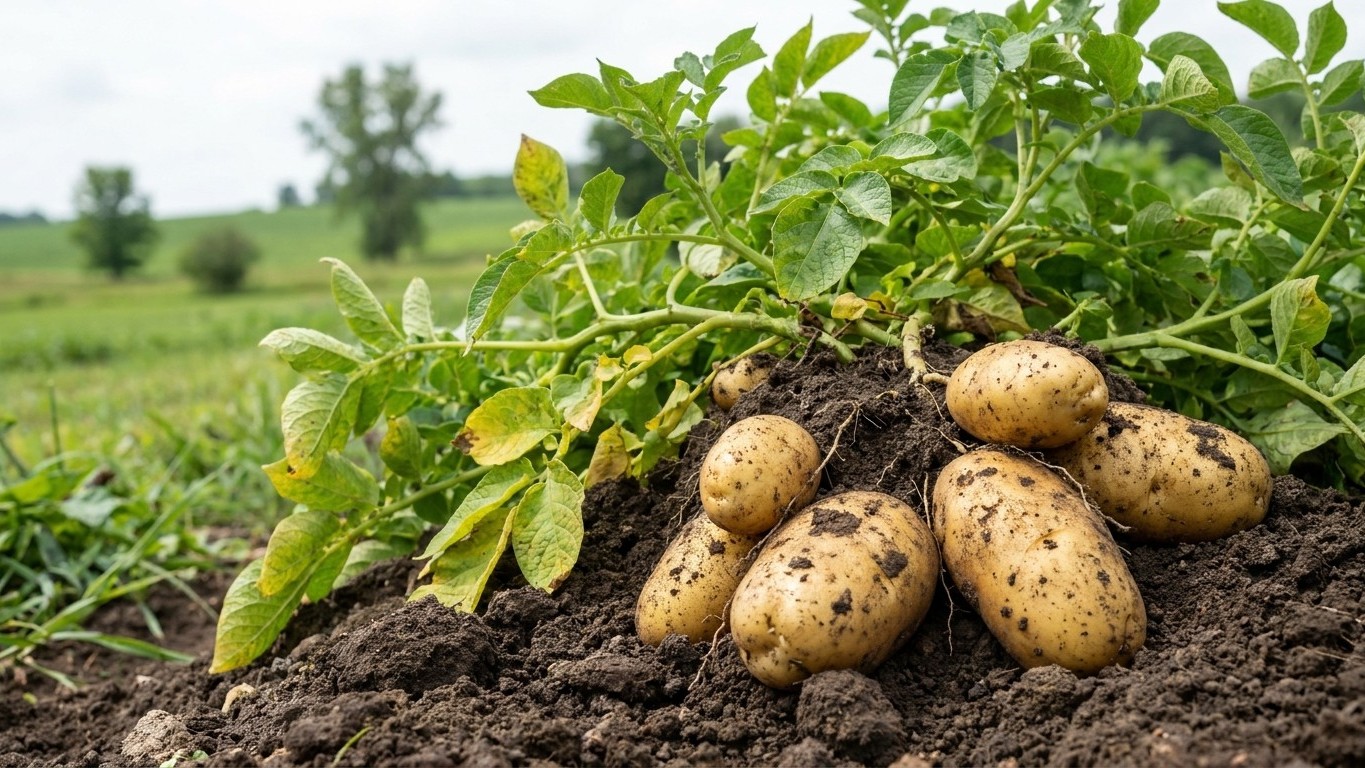
Wisconsin gardeners catch a break on heat that many states don’t. Milwaukee averages just 7.0 days a year at 90°F or above, so the mechanism that stalls…
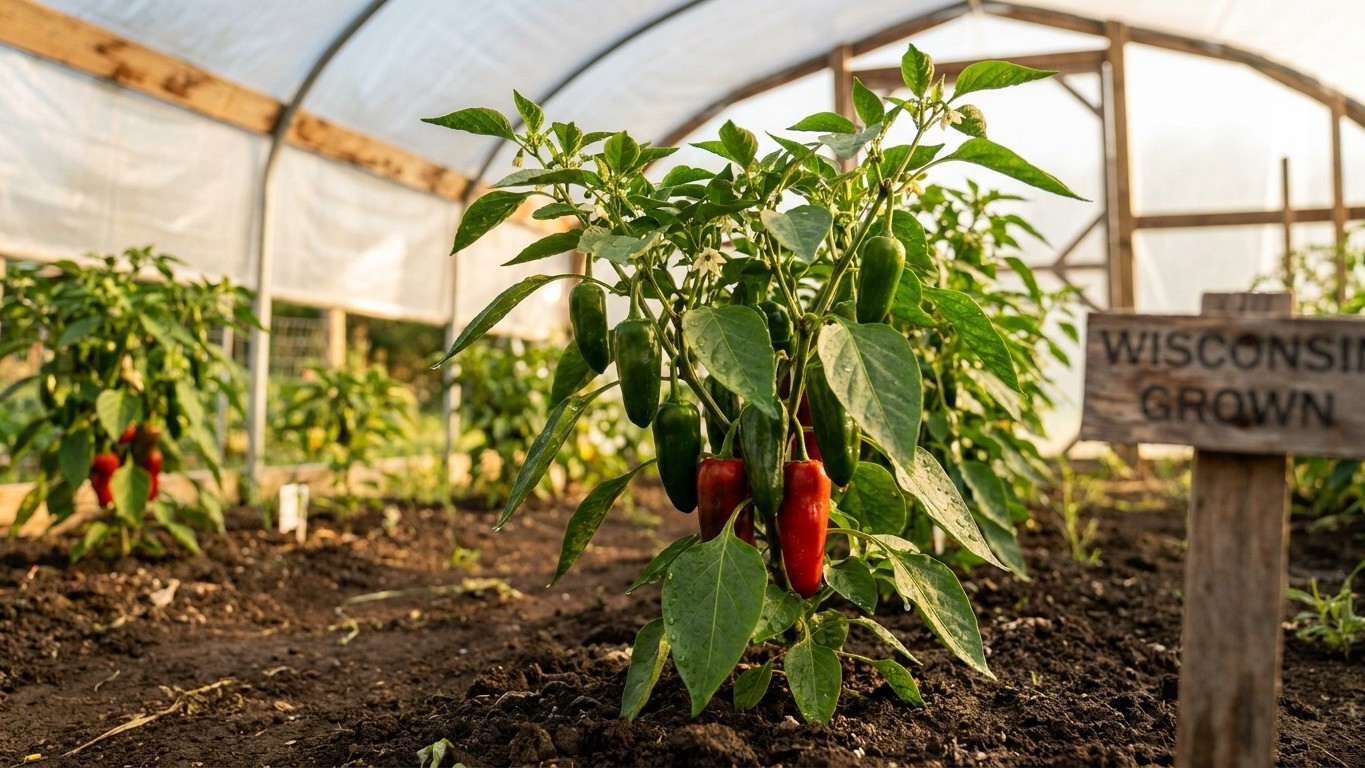
Wisconsin’s climate is on the mild side of pepper country, which is good news for fruit set but bad news for anyone who starts seed too late.
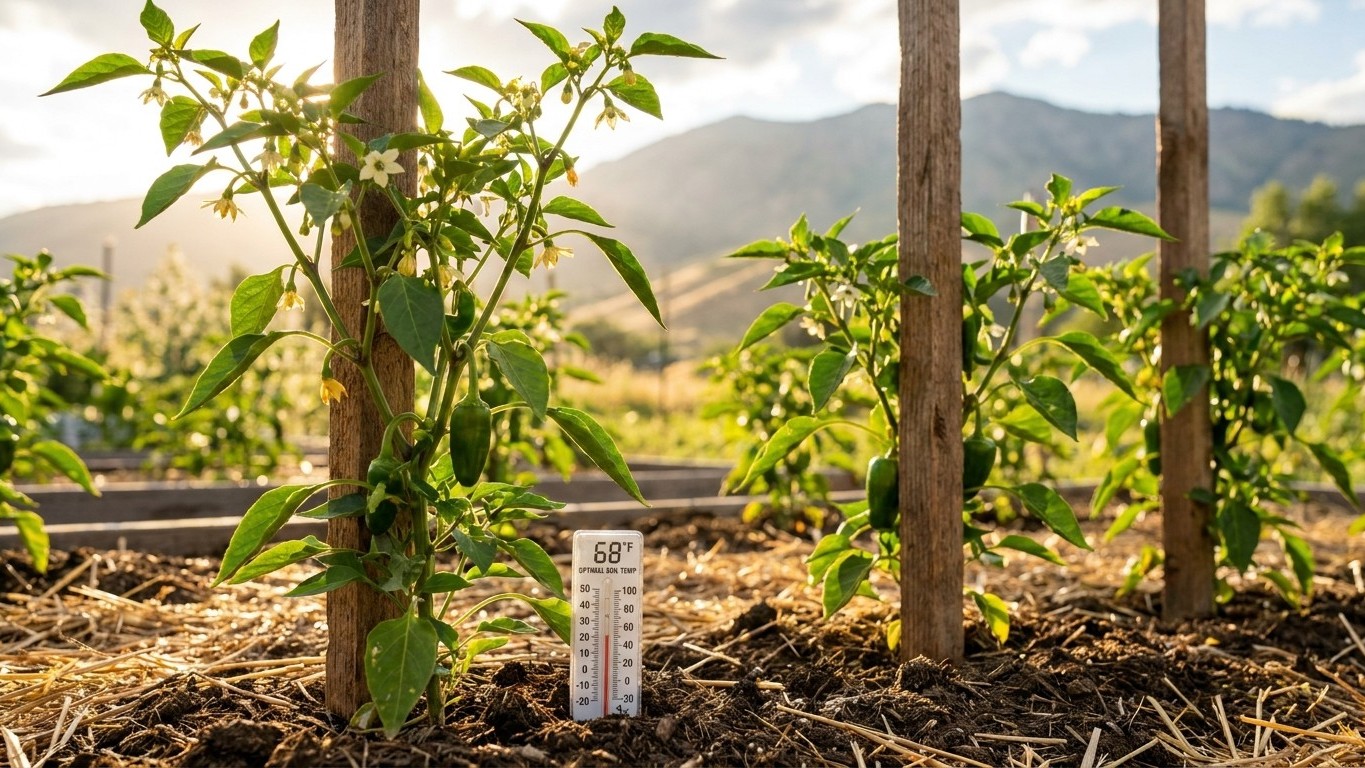
Wisconsin gardeners don’t need an exotic pepper to get a harvest. What decides success is timing: starting seed early enough indoors, transplanting once…
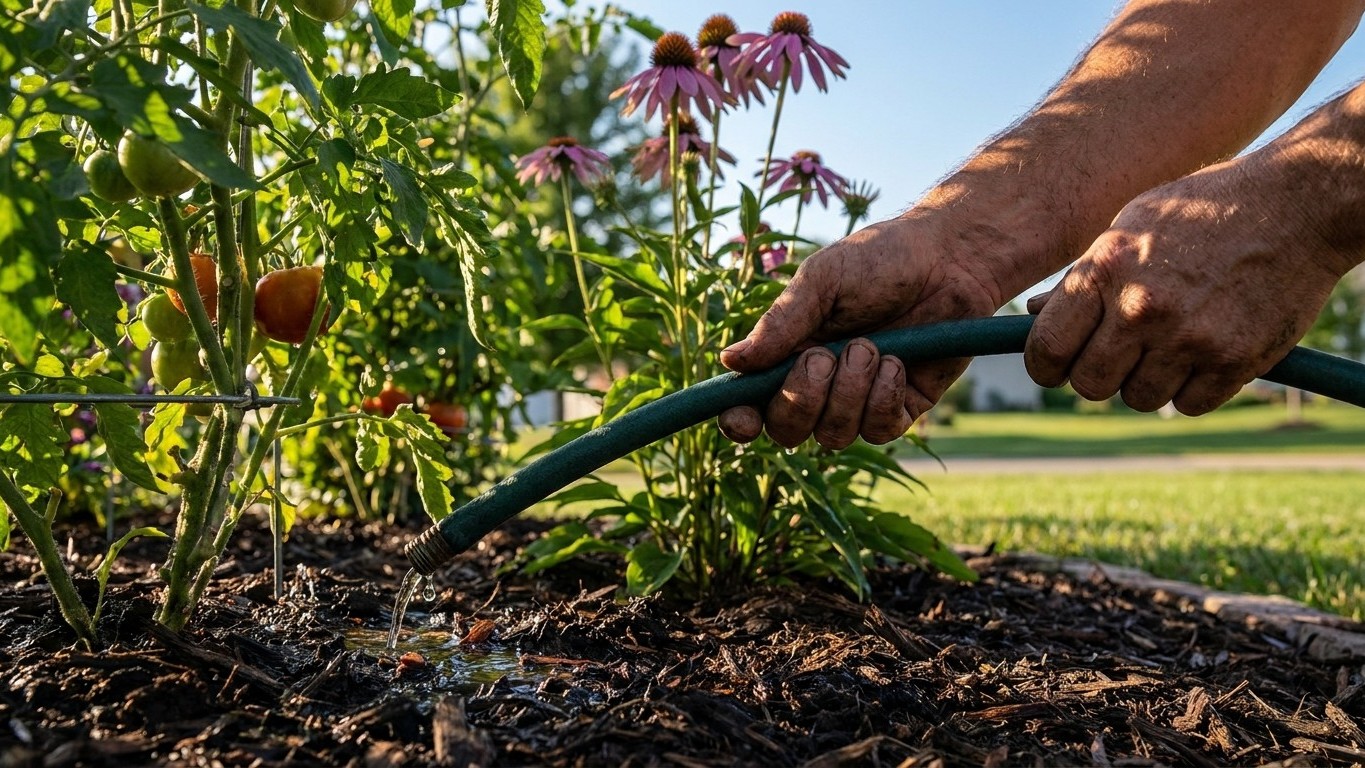
Wisconsin gardens face their driest stretch in July, when just 3.4 inches of rain falls across the month.
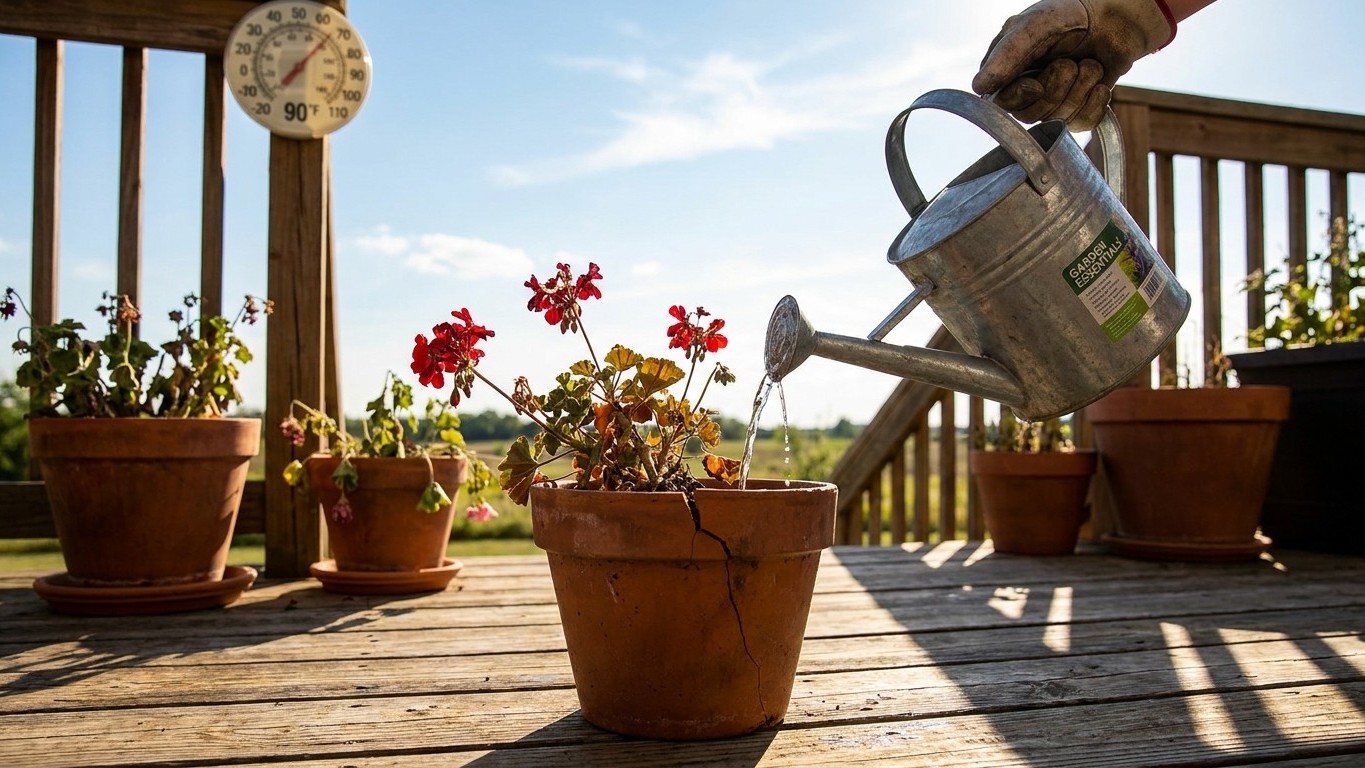
Wisconsin containers dry out faster than garden beds because potting mix drains quickly and holds a fraction of the water a real bed does.