Beet Soil in Wisconsin: What the Root Will Meet
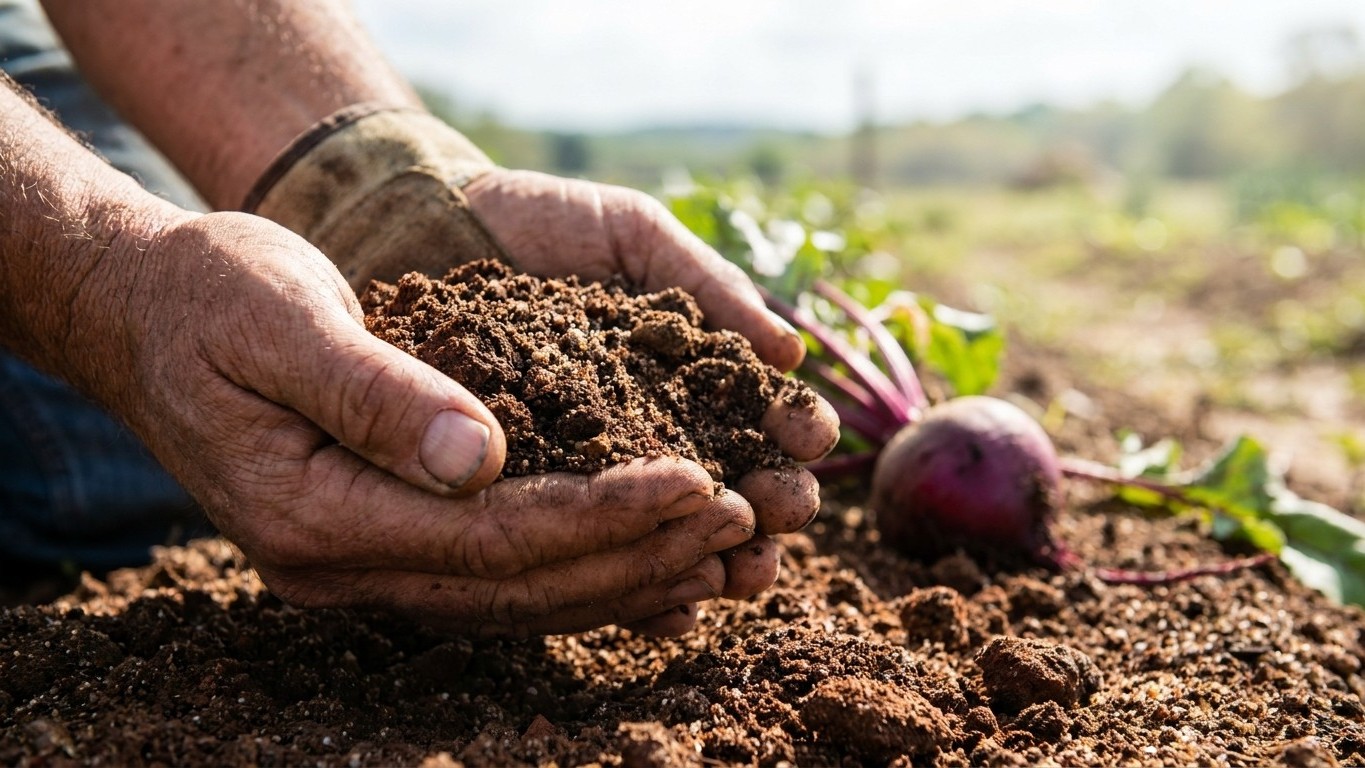
Wisconsin’s own soil, the Antigo series, runs 70 percent silt with only 20 percent sand and 10 percent clay, well drained, mildly acid at a surface pH…
Home & garden, state by state
Everything we have worked out for Wisconsin: what to plant and when, which varieties finish in time, the pests that actually turn up here, and the jobs that pay off month by month. We also cover the rest of the property, from lawns and soil to home care and energy, because a garden rarely stops at the vegetable bed.
The numbers first, because everything else follows from them. Measured at the weather station in Milwaukee, the last spring freeze runs April 16 to April 29 and the first fall freeze runs October 17 to October 29, USDA zones 3b-6a, 2,808 growing degree days in the year.
Garlic does well: 26.1 weeks below 40 °F, comfortably past the six it needs to form a proper head.
Elsewhere on the property in Wisconsin: the pests that turn up here.
Figures from NOAA's 1991-2020 climate normals. A state is not one climate: elevation, a large lake or the coast can move these dates by two weeks either way, so check your own county with the extension service before you spend money.
Wisconsin’s own soil, the Antigo series, runs 70 percent silt with only 20 percent sand and 10 percent clay, well drained, mildly acid at a surface pH…
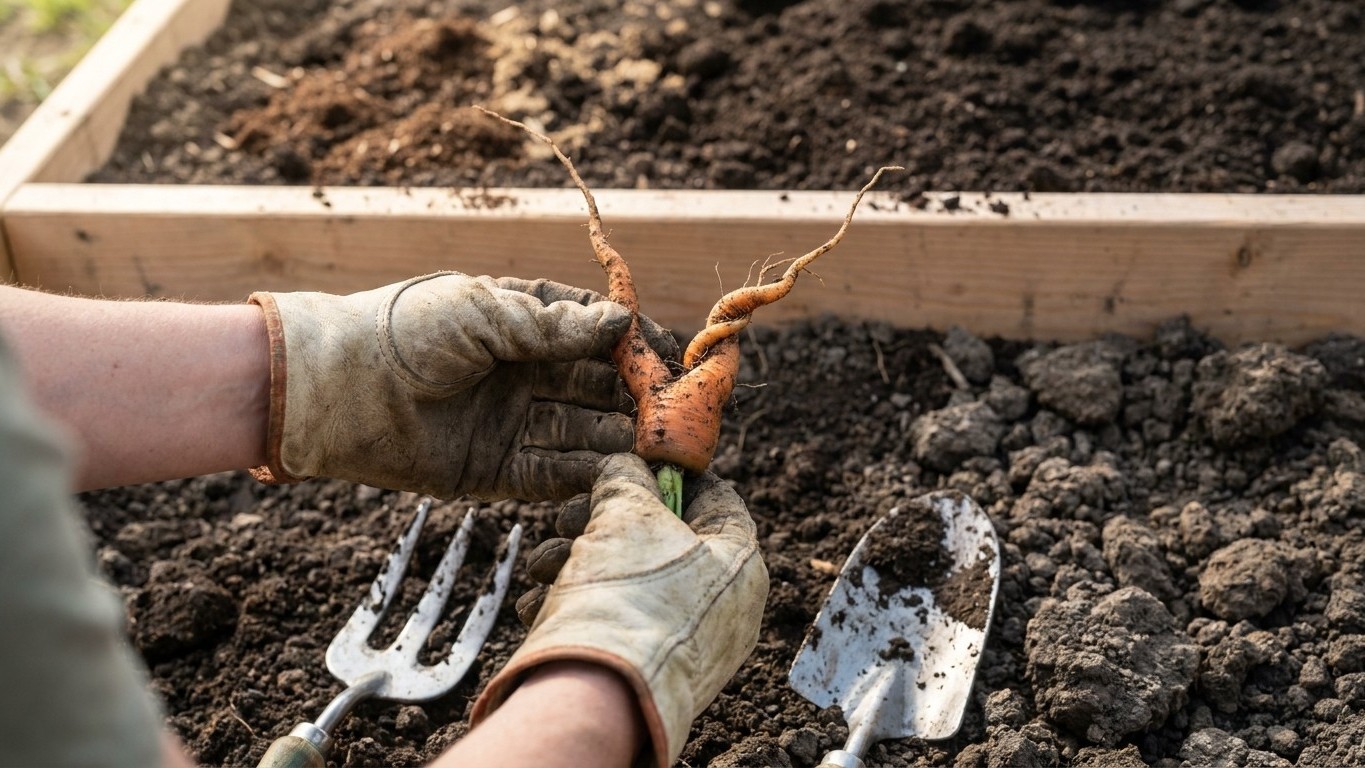
Wisconsin’s state soil, the Antigo series, is a well-drained silt loam that leans toward compaction rather than looseness.
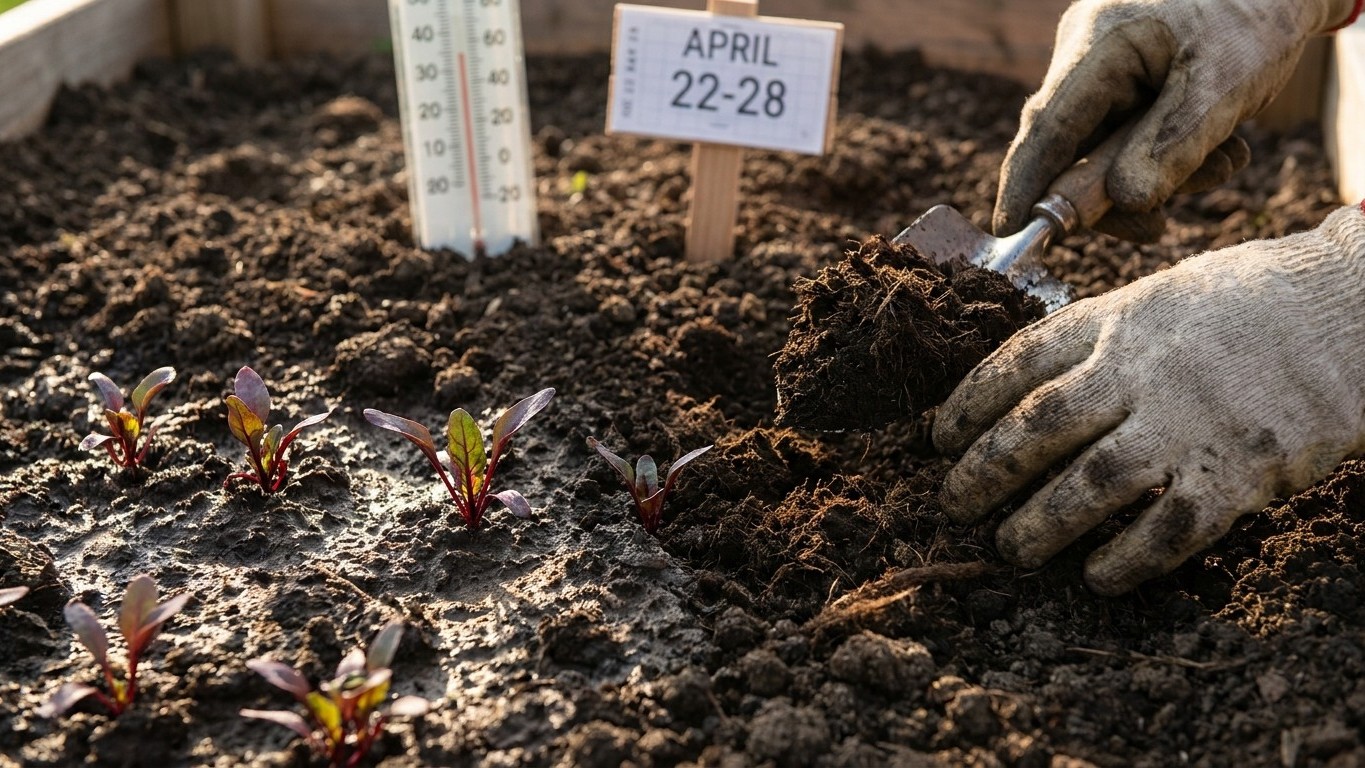
Wisconsin’s state soil holds water like a silt loam should, but it isn’t the sandy, deep-draining ground beets actually prefer.
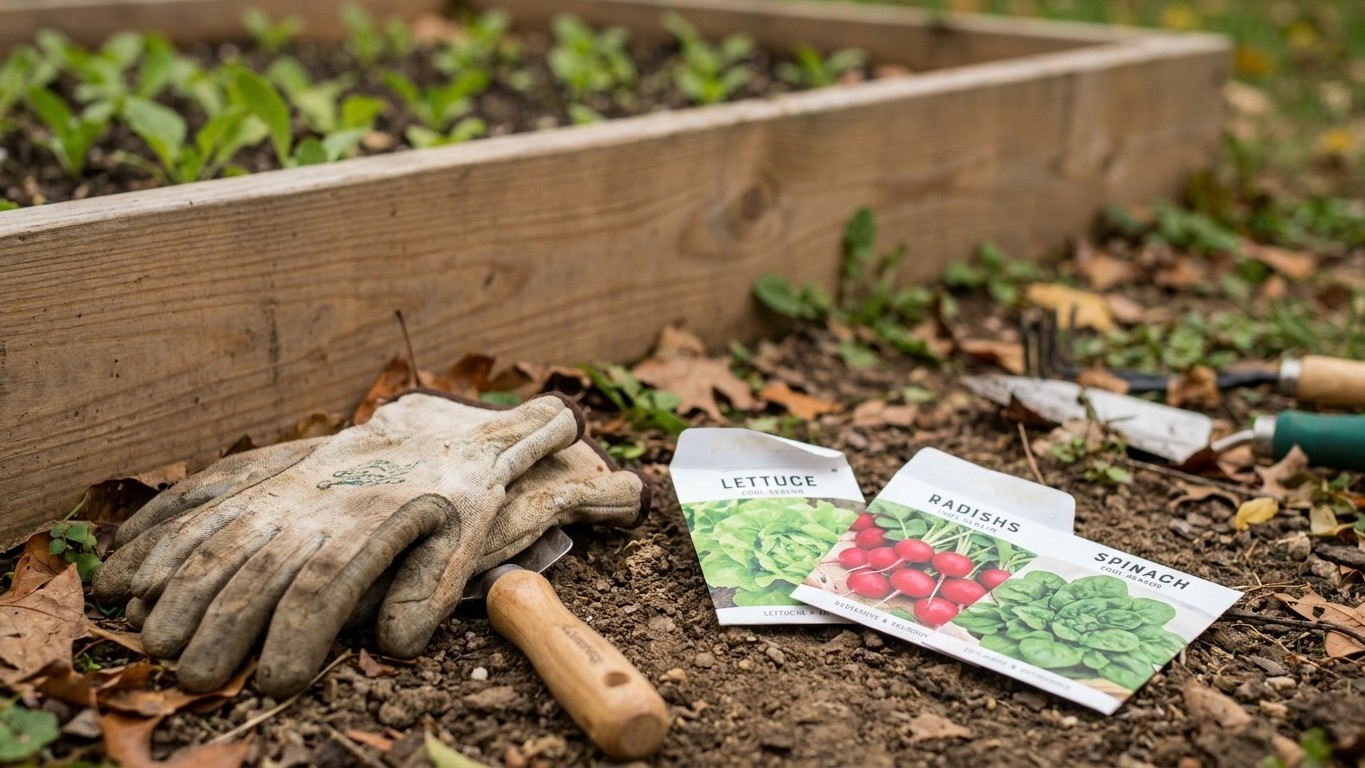
Garlic goes into Wisconsin soil this month, along with a last round of quick greens and a first wave of cover crops.
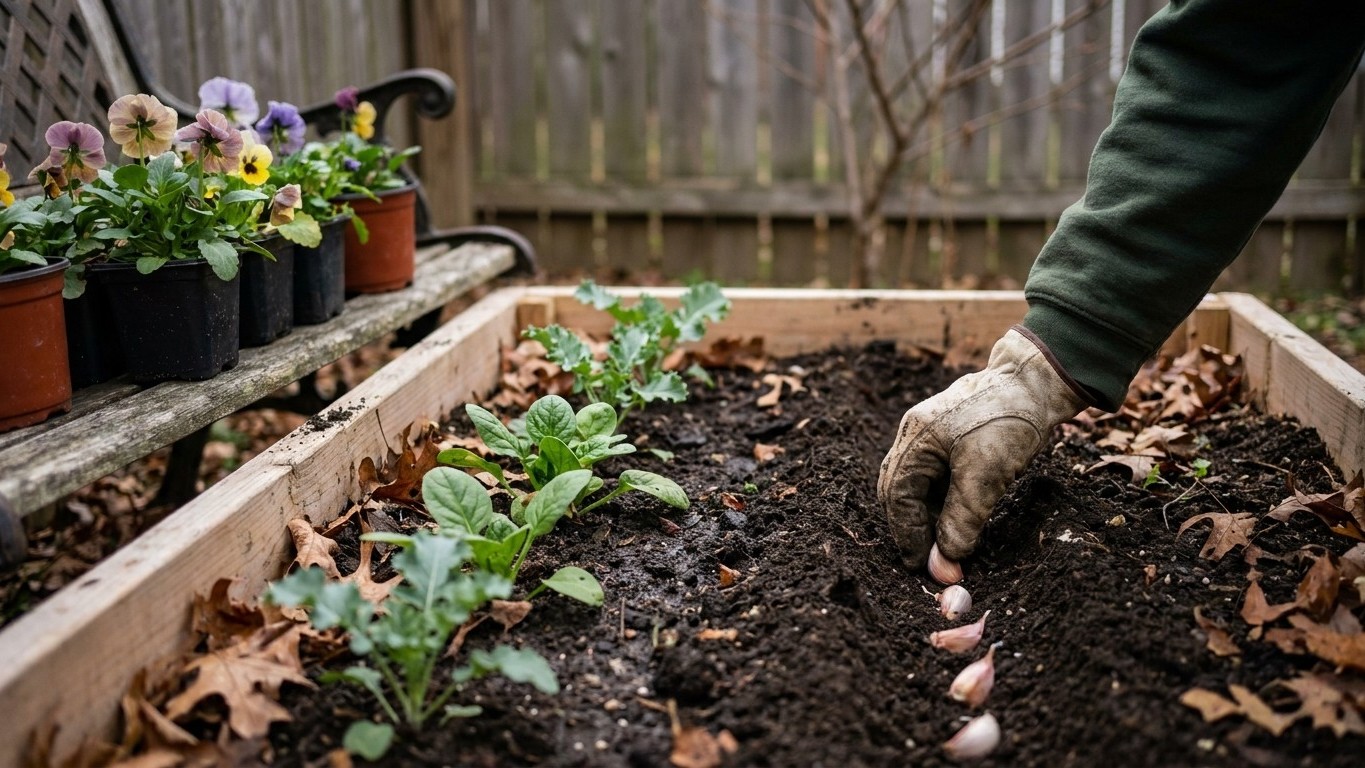
October is planting month for garlic, shallots, and spring bulbs across Wisconsin, and it’s the last real window for cover crops before the ground locks…
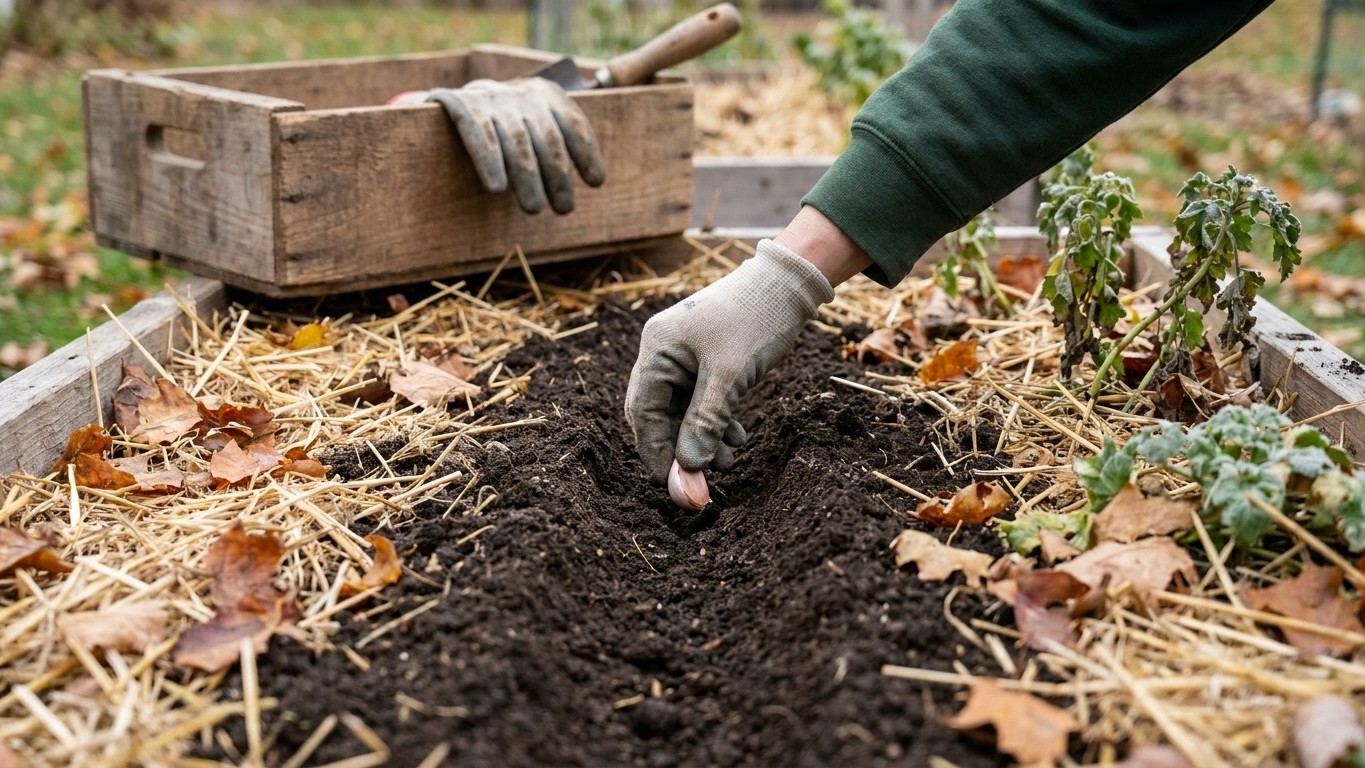
By November, most of Wisconsin has already had its first fall freeze, so the open garden is closing rather than opening.
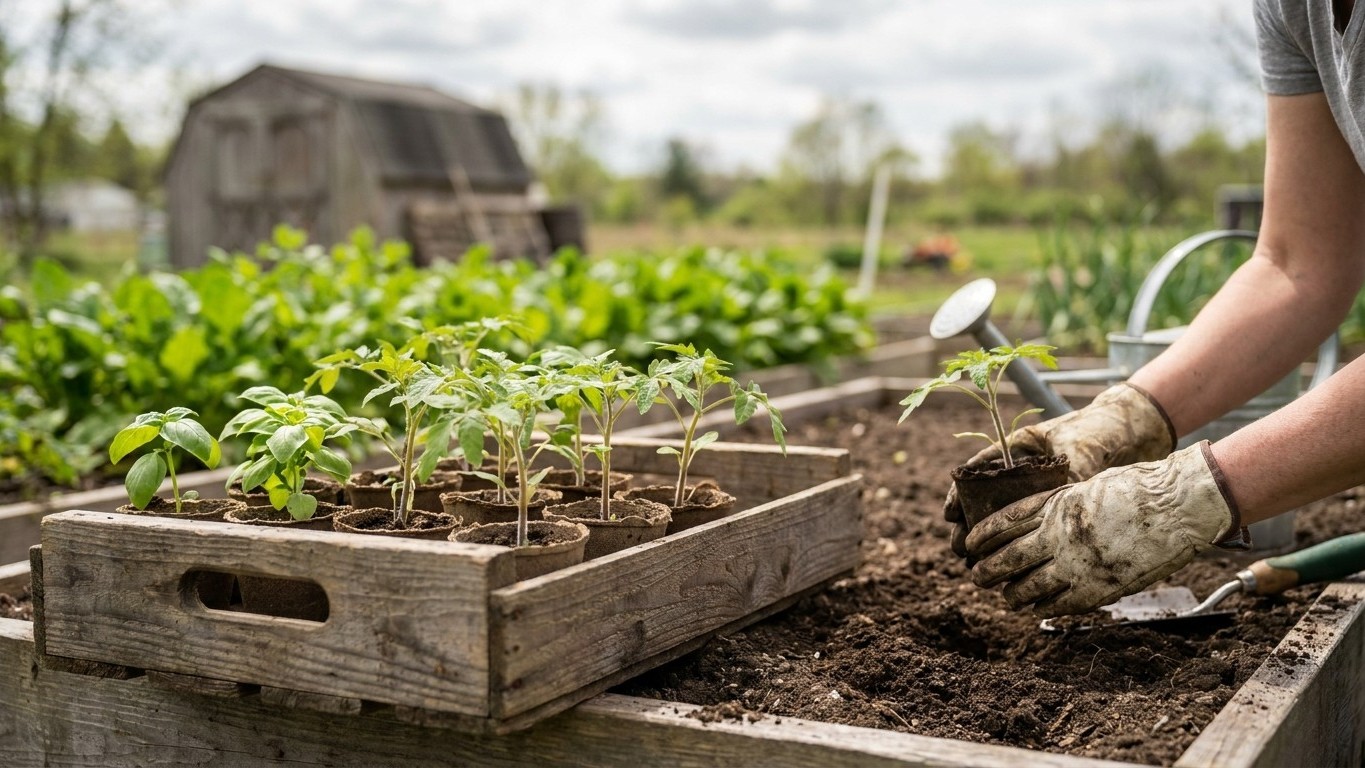
May splits into two different gardens in Wisconsin, depending on which half of the state you’re standing in.
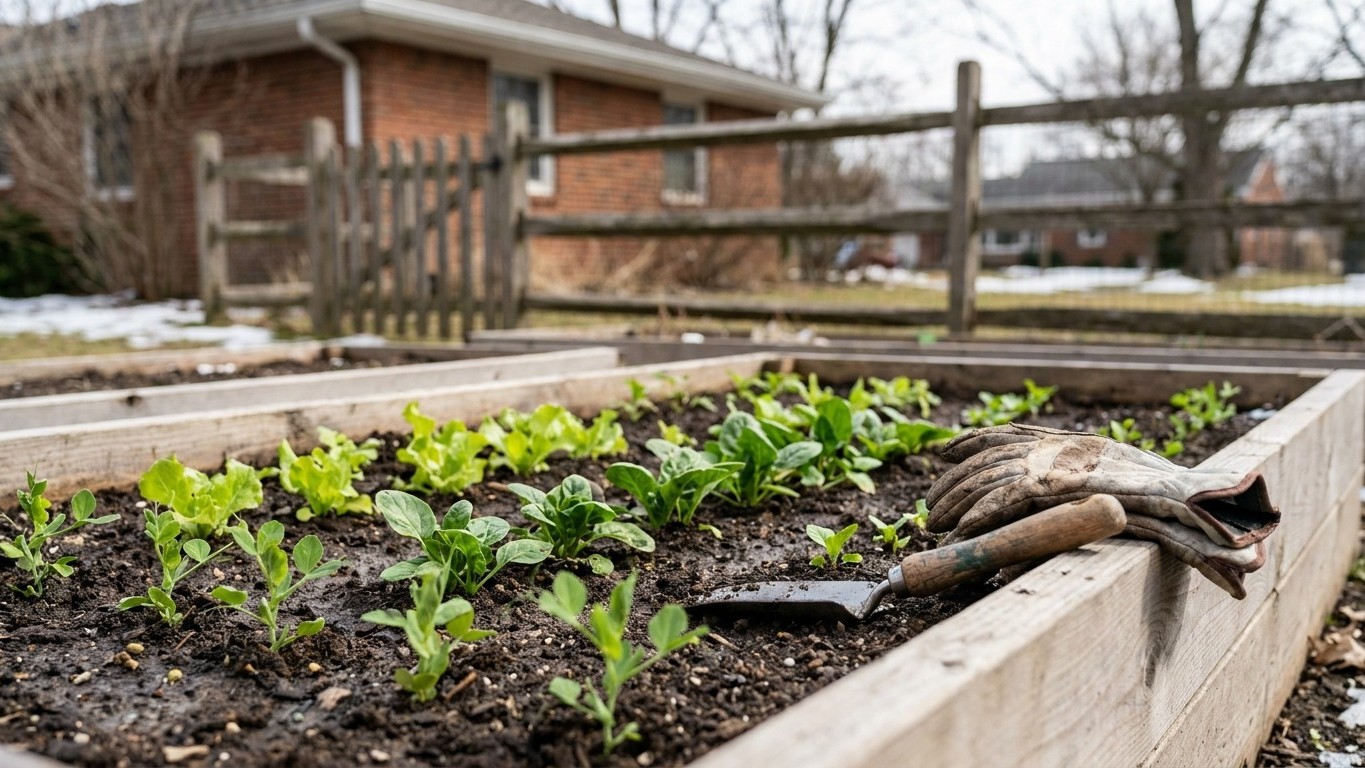
March in Wisconsin sits well ahead of the frost window, so the honest answer is: almost nothing goes into open ground yet.
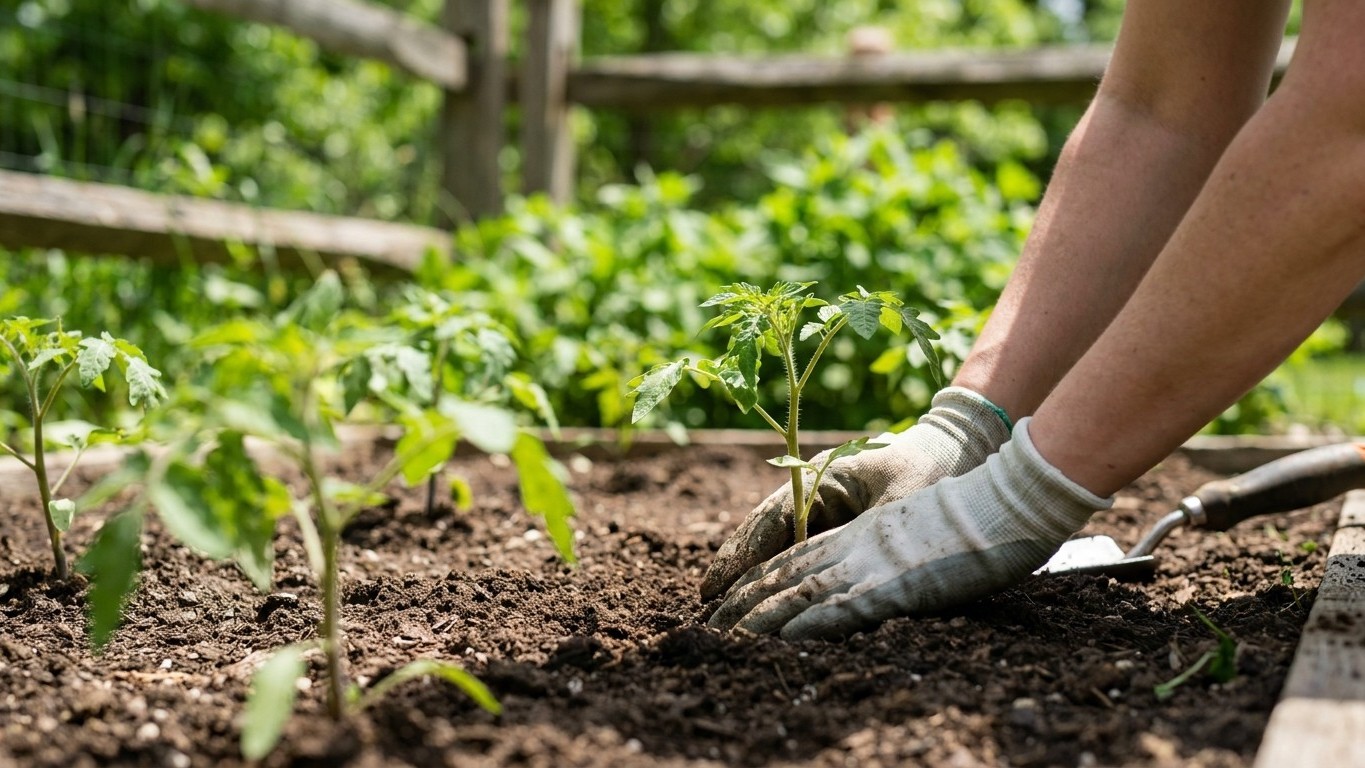
June is the month Wisconsin gardens fill in for real. Soil temperatures have finally caught up with the calendar, so beans, corn, squash, cucumbers, and…
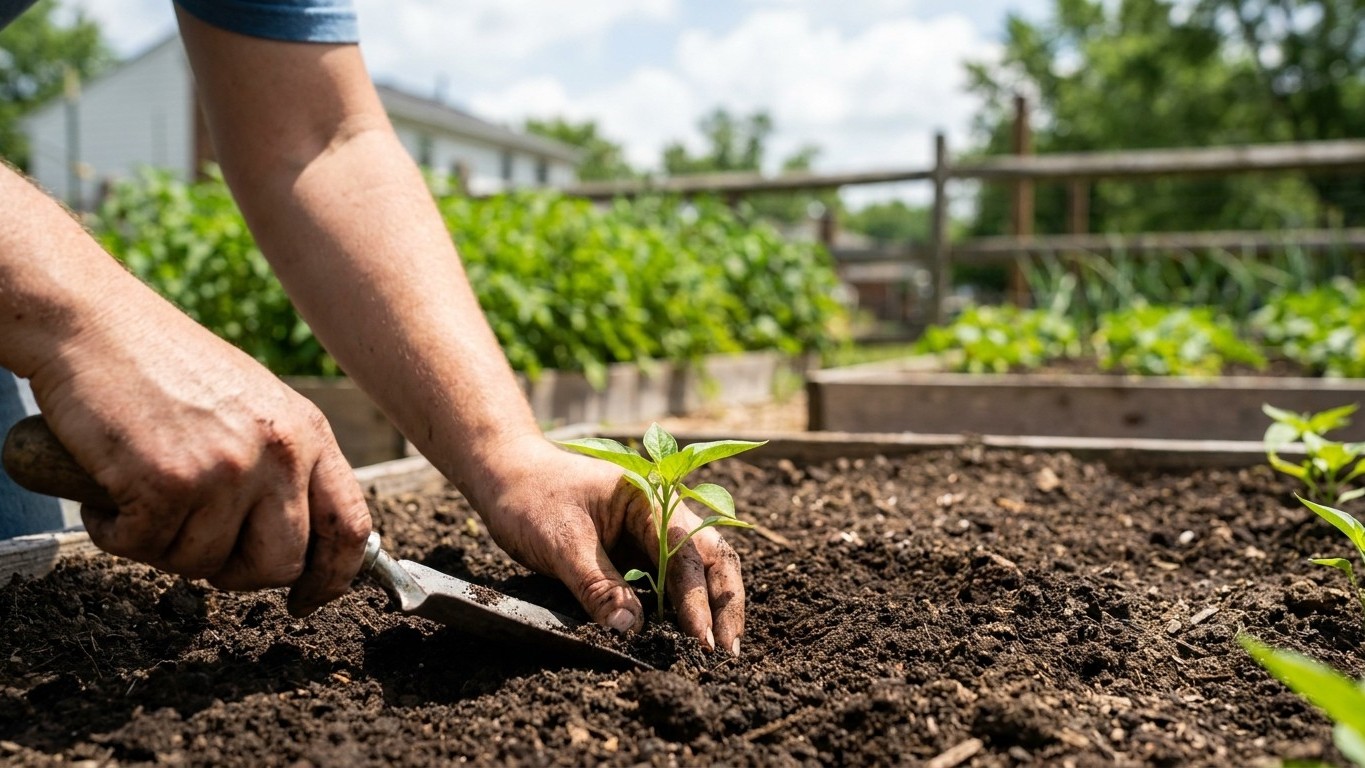
July is the month when Wisconsin gardens run on their own momentum: the danger of frost is long gone, the soil is warm all the way down, and the choices…