Watering Pots and Containers in Wyoming
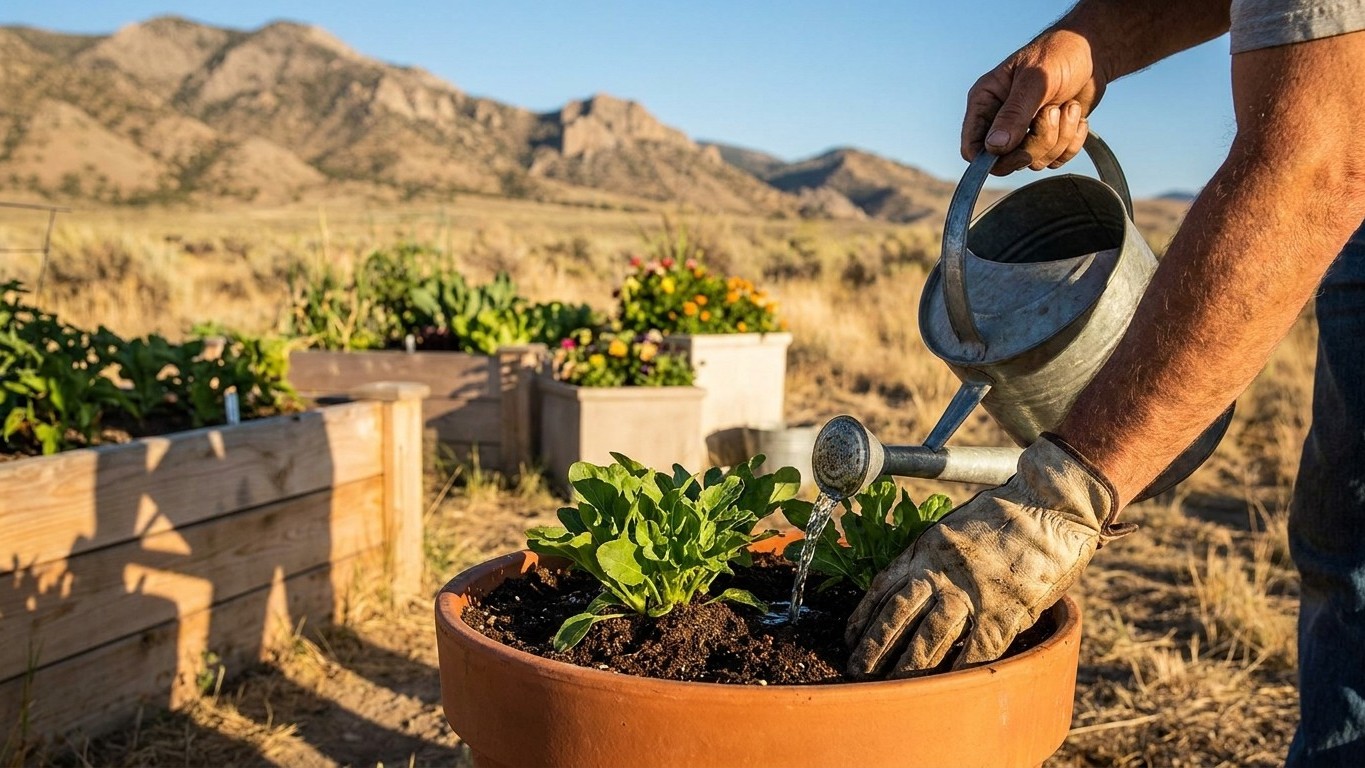
Wyoming’s summers deliver little rain and plenty of heat, which means most beds and containers here rely on the gardener more than the sky.
Home & garden, state by state
Everything we have worked out for Wyoming: what to plant and when, which varieties finish in time, the pests that actually turn up here, and the jobs that pay off month by month. We also cover the rest of the property, from lawns and soil to home care and energy, because a garden rarely stops at the vegetable bed.
The numbers first, because everything else follows from them. Measured at the weather station in Cheyenne, the last spring freeze runs May 7 to May 18 and the first fall freeze runs September 24 to October 5, USDA zones 3a-6a, 2,552 growing degree days in the year.
Garlic does well: 30.4 weeks below 40 °F, comfortably past the six it needs to form a proper head.
Elsewhere on the property in Wyoming: the pests that turn up here.
Figures from NOAA's 1991-2020 climate normals. A state is not one climate: elevation, a large lake or the coast can move these dates by two weeks either way, so check your own county with the extension service before you spend money.
Wyoming’s summers deliver little rain and plenty of heat, which means most beds and containers here rely on the gardener more than the sky.
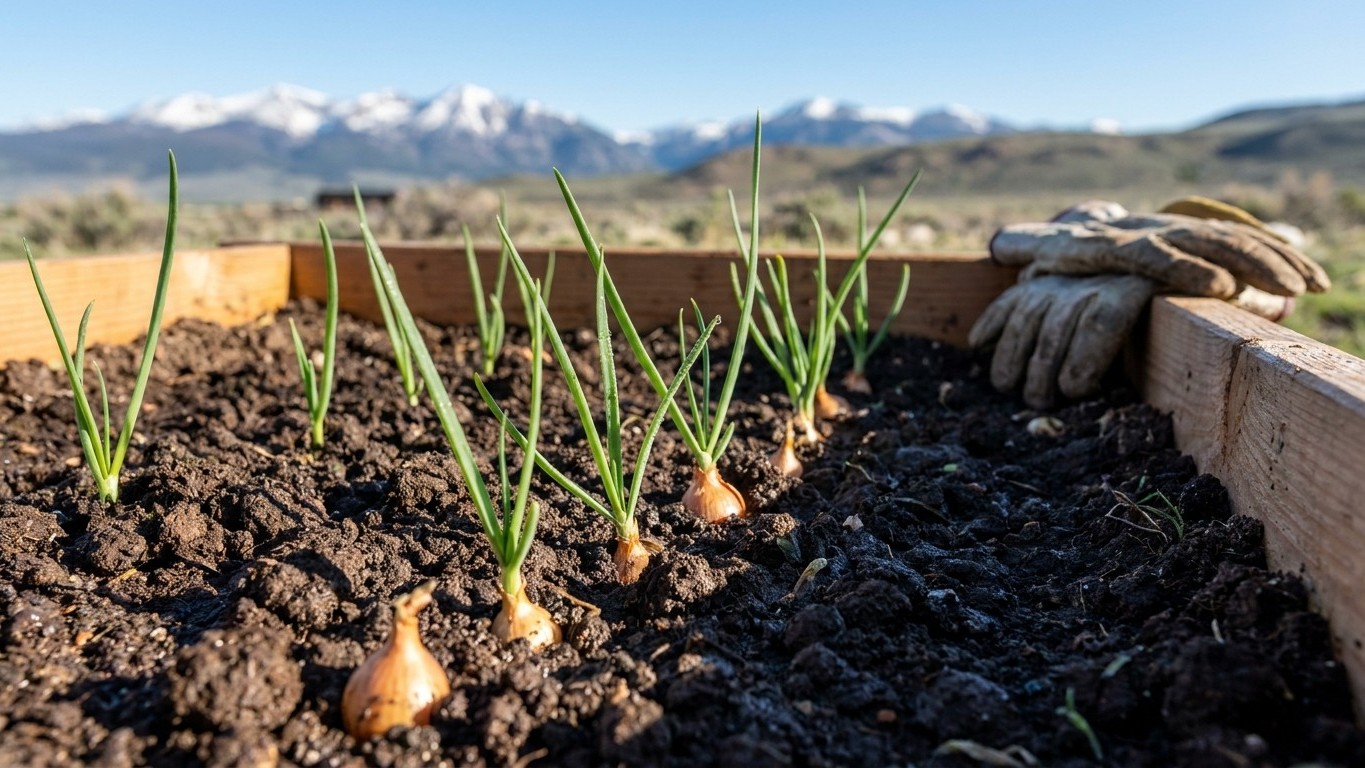
Wyoming sits far enough north that day length, not the calendar, decides when onions stop making leaves and start making bulbs.
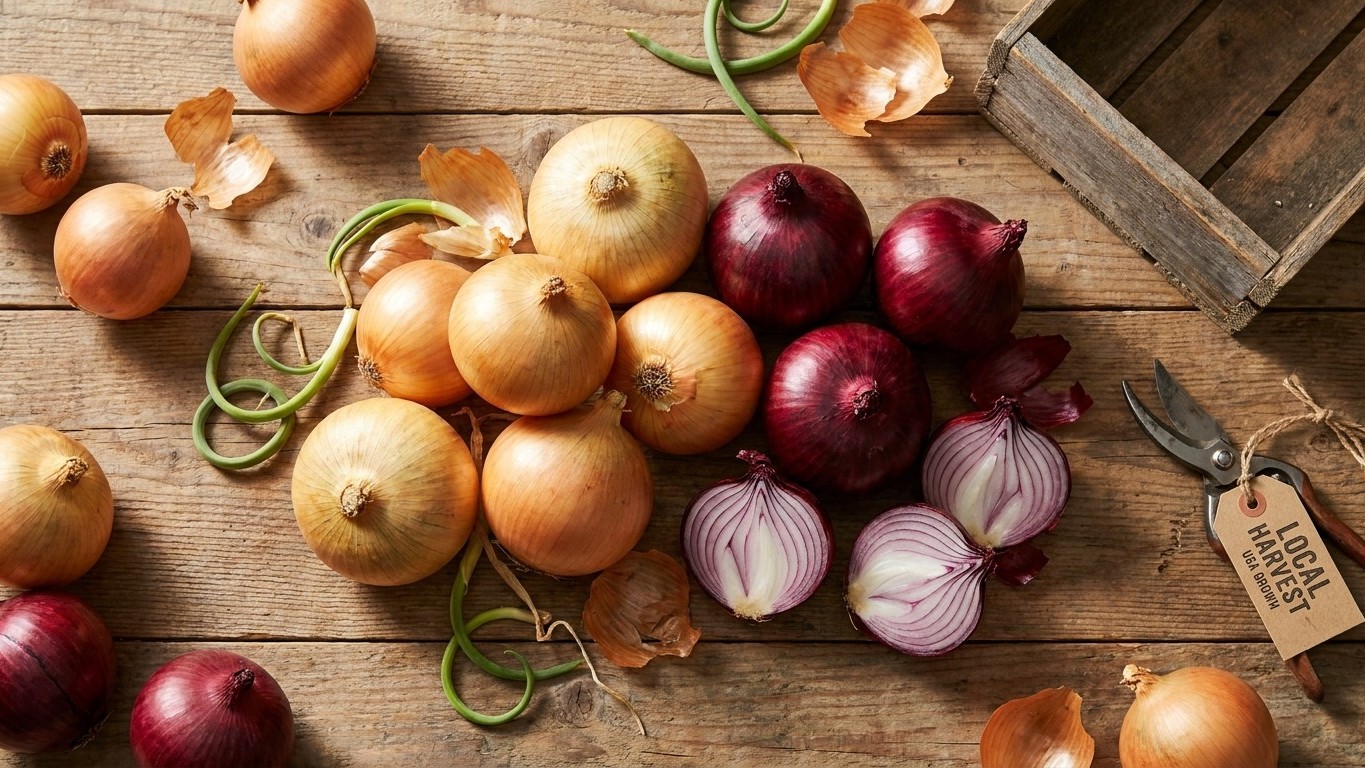
Wyoming sits at 41.15 degrees north, the latitude of Cheyenne, and gets 14 hours and 58 minutes of daylight on the summer solstice.
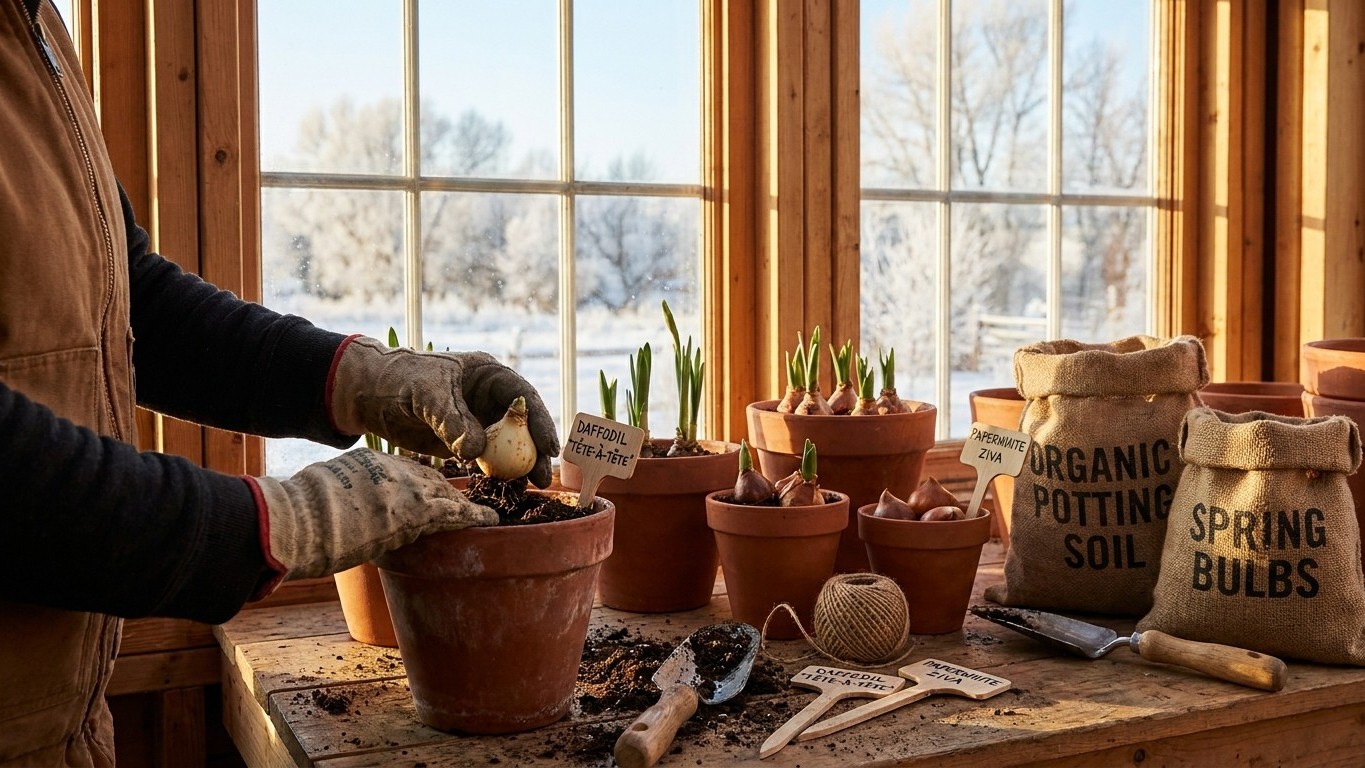
Forcing bulbs indoors in Wyoming isn’t about making up for a winter that’s too mild to chill them. Wyoming’s winters do that job themselves, and then some.
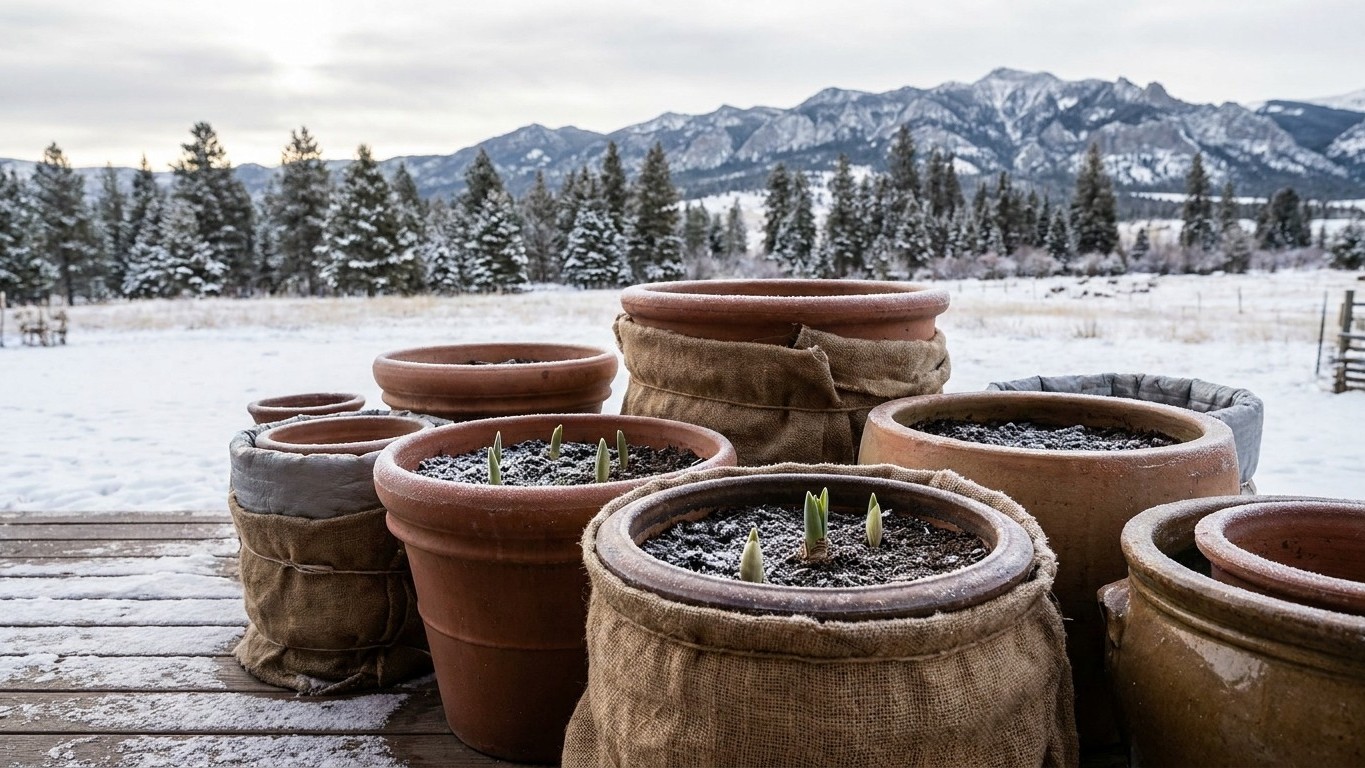
Spring bulbs grow well in containers across Wyoming, but the pot itself becomes the hazard, not the calendar.
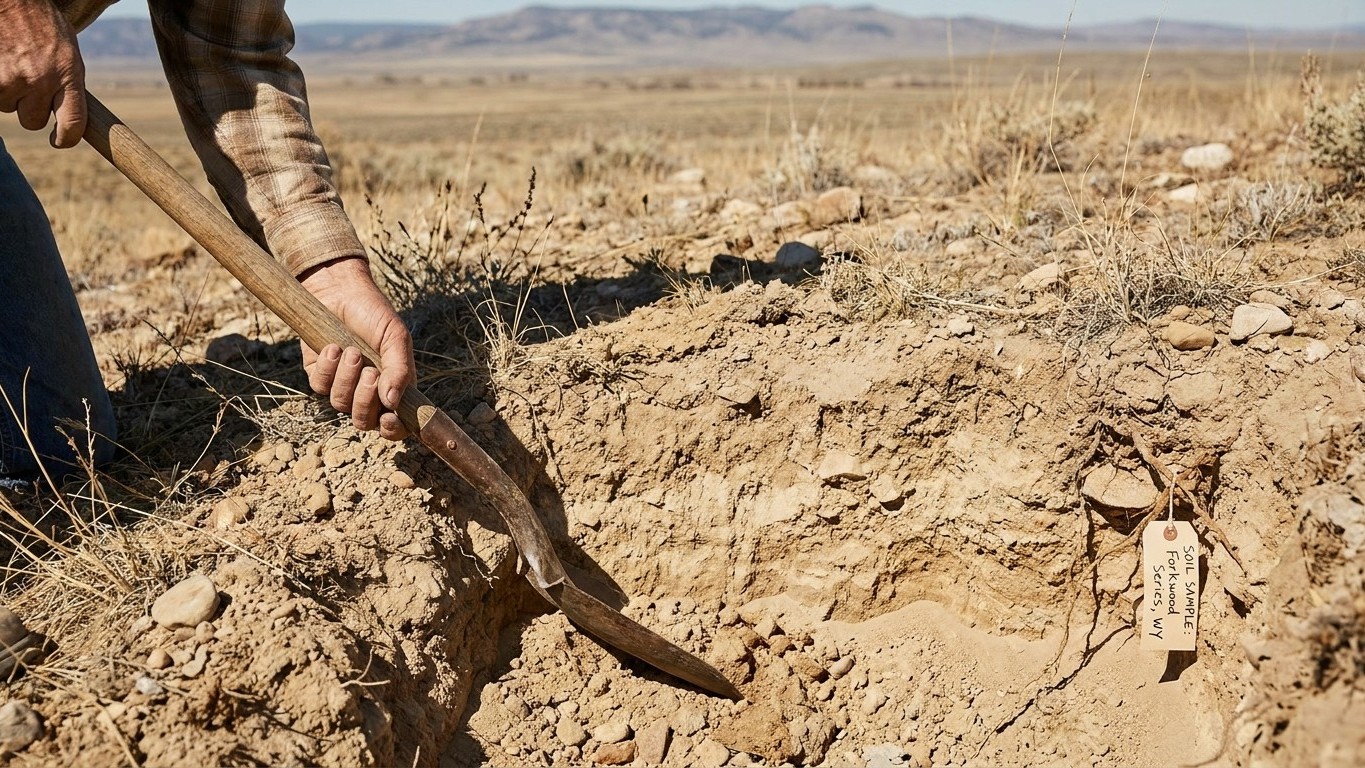
Dig a spade into Wyoming ground and there’s a good chance you’re standing on the Forkwood series, the soil USDA lists as representative of the state.
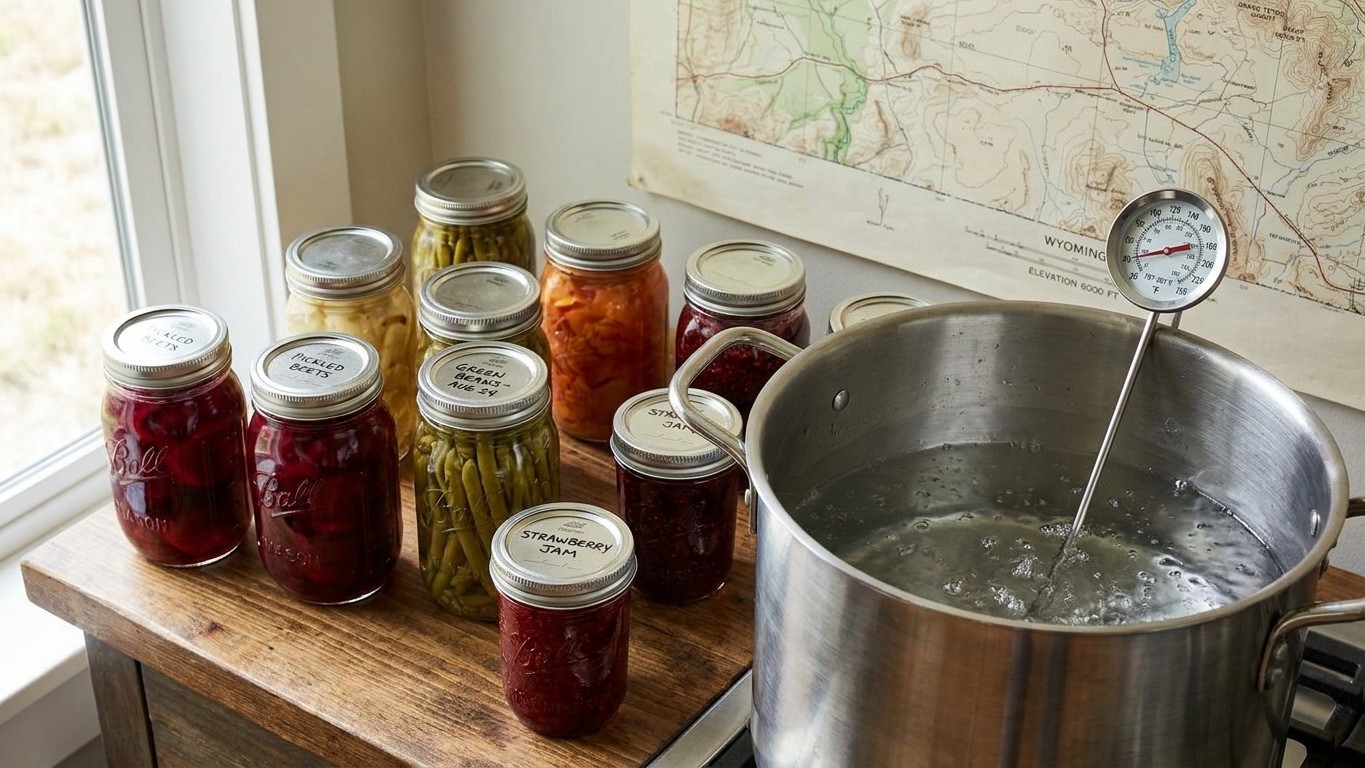
Cheyenne sits at 6,089 feet, right in the 6,000-8,000 foot band where water boils somewhere between 197°F and 201°F instead of the 212°F most canning…
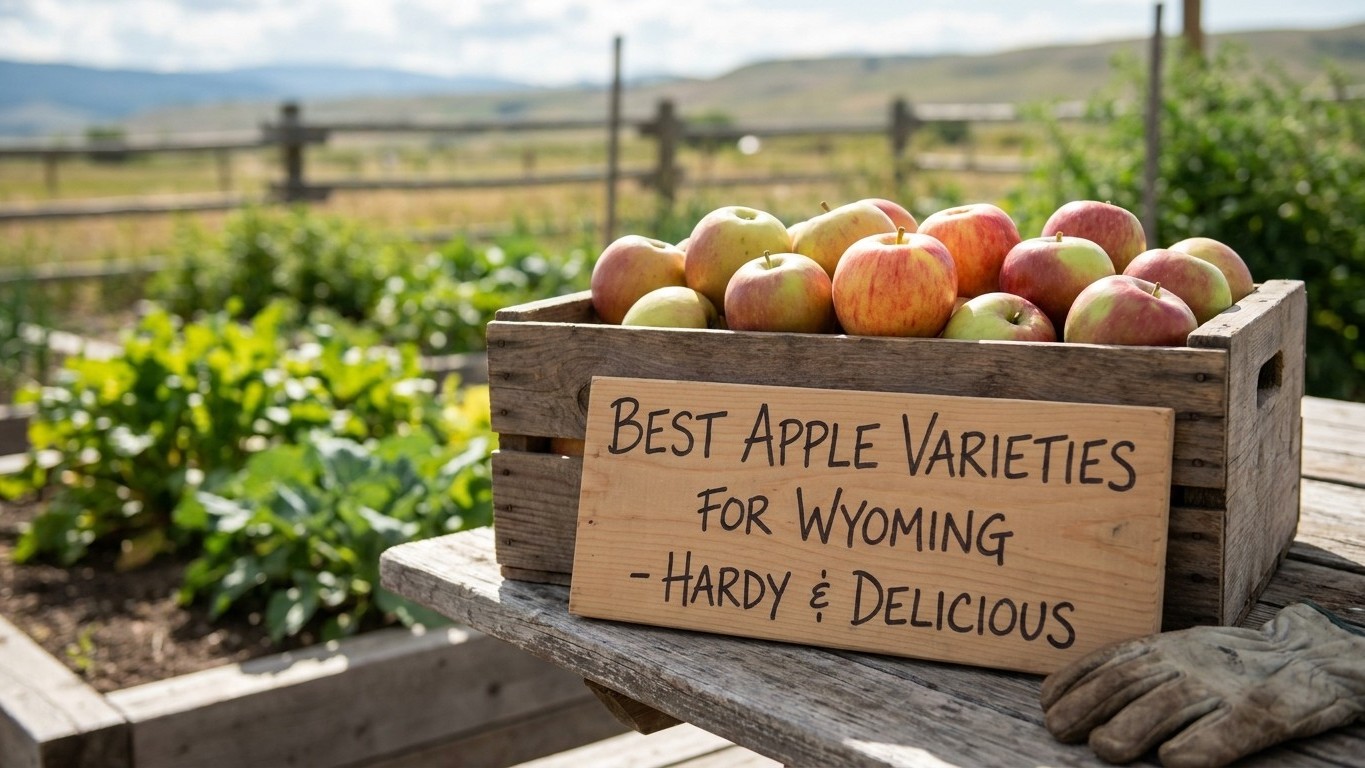
Wyoming’s short frost window and cold winters mean hardiness, bloom timing and rootstock choice decide whether apple trees survive and fruit here.
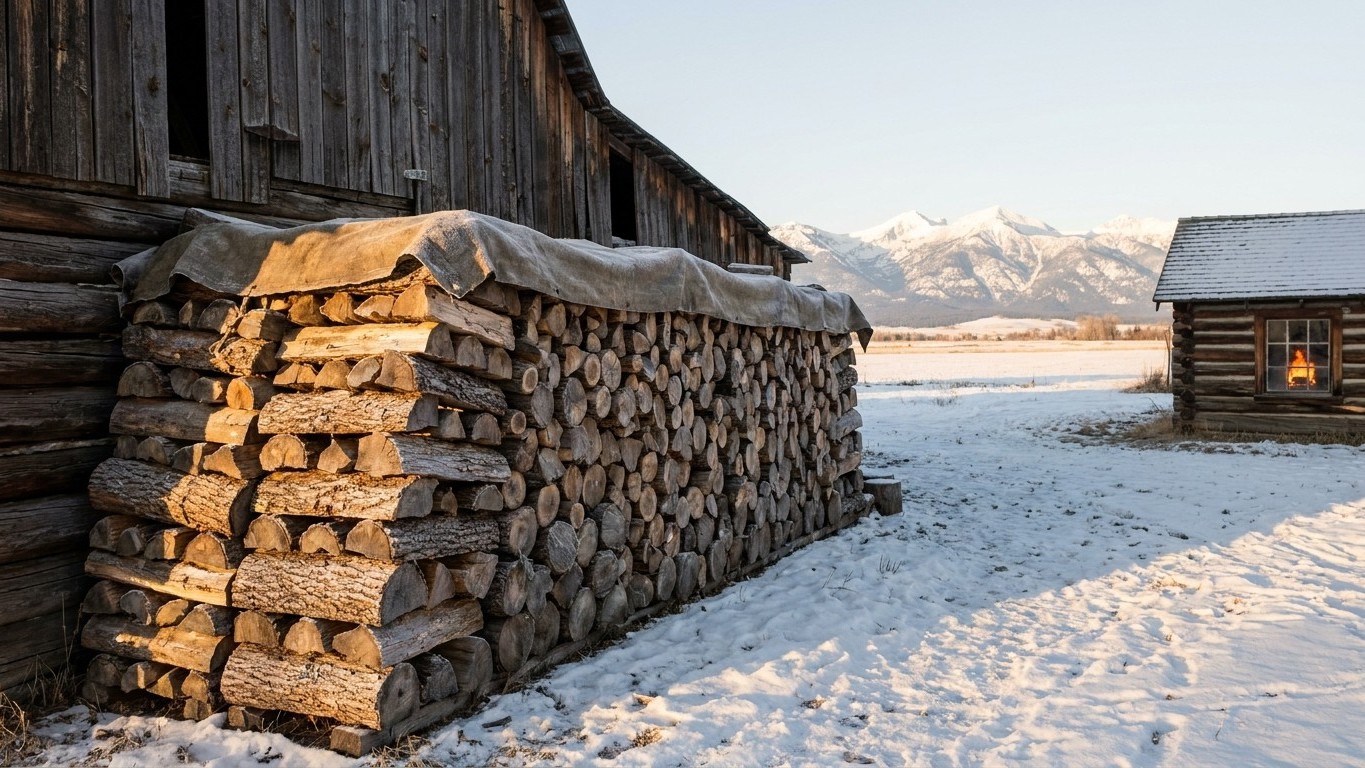
Cheyenne’s coldest month bottoms out at an average low of 18.1°F, according to NOAA Climate Normals.
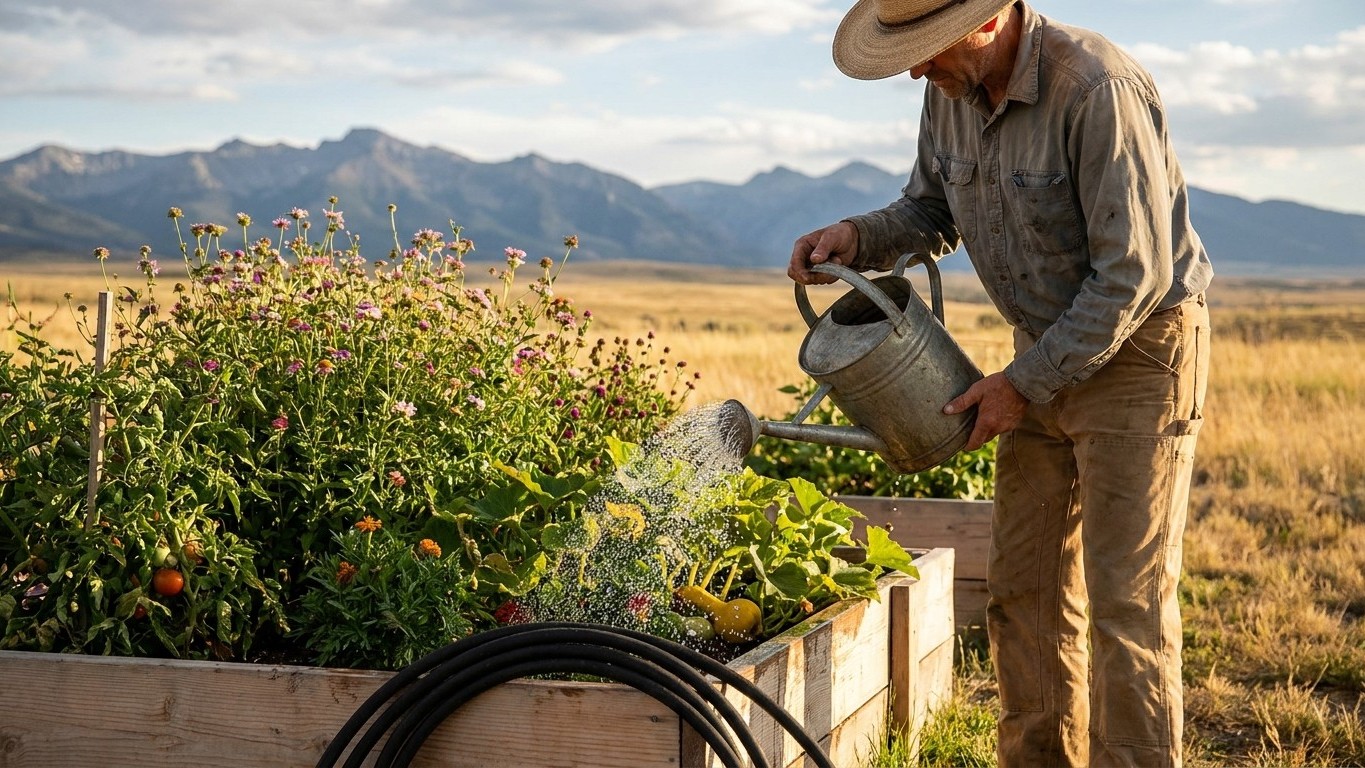
Wyoming gardens live and die on two numbers: how many days a year climb past 90F, and how little rain shows up to help.