Garden Pests in Arizona: What Shows Up, When, and How to Stop It
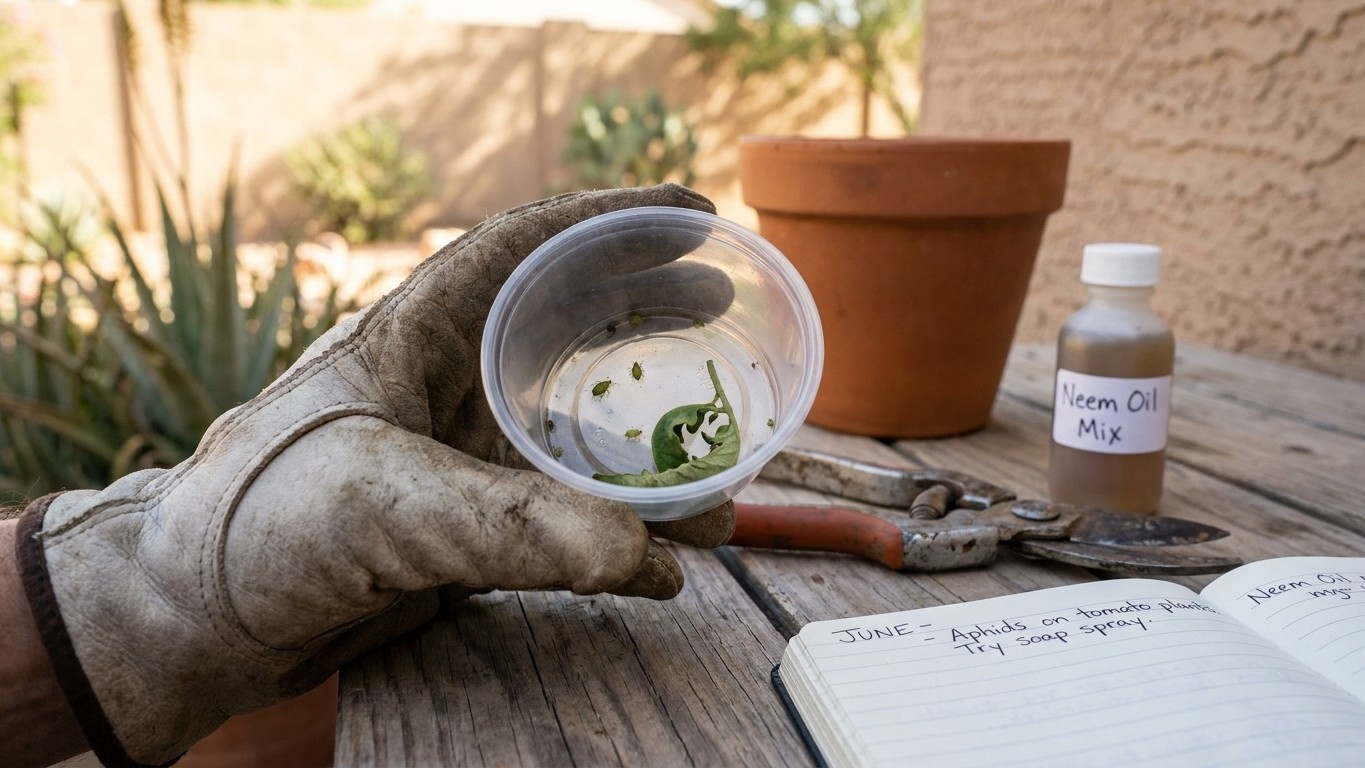
A season-by-season look at the pests Arizona Extension flags for home gardens, how to tell them apart, and what actually stops them.
Home & garden, state by state
Everything we have worked out for Arizona: what to plant and when, which varieties finish in time, the pests that actually turn up here, and the jobs that pay off month by month. We also cover the rest of the property, from lawns and soil to home care and energy, because a garden rarely stops at the vegetable bed.
The numbers first, because everything else follows from them. Measured at the weather station in Phoenix, the last spring freeze falls around no freeze in most years; a rare cold snap can bring 32F between late December and mid January and the first fall freeze falls around no reliable fall freeze; see the note, USDA zones 4b-10b, 8,014 growing degree days in the year.
Heat, not frost, is what shortens the season here: above 86 °F tomato pollen goes sterile, so growers run a spring crop and an autumn one rather than a single long season. Garlic is the awkward one: only 0 weeks below 40 °F, where it needs six to split into cloves. Chill the cloves before planting, or grow a softneck type.
Elsewhere on the property in Arizona: the pests that turn up here.
Figures from NOAA's 1991-2020 climate normals. A state is not one climate: elevation, a large lake or the coast can move these dates by two weeks either way, so check your own county with the extension service before you spend money.
A season-by-season look at the pests Arizona Extension flags for home gardens, how to tell them apart, and what actually stops them.
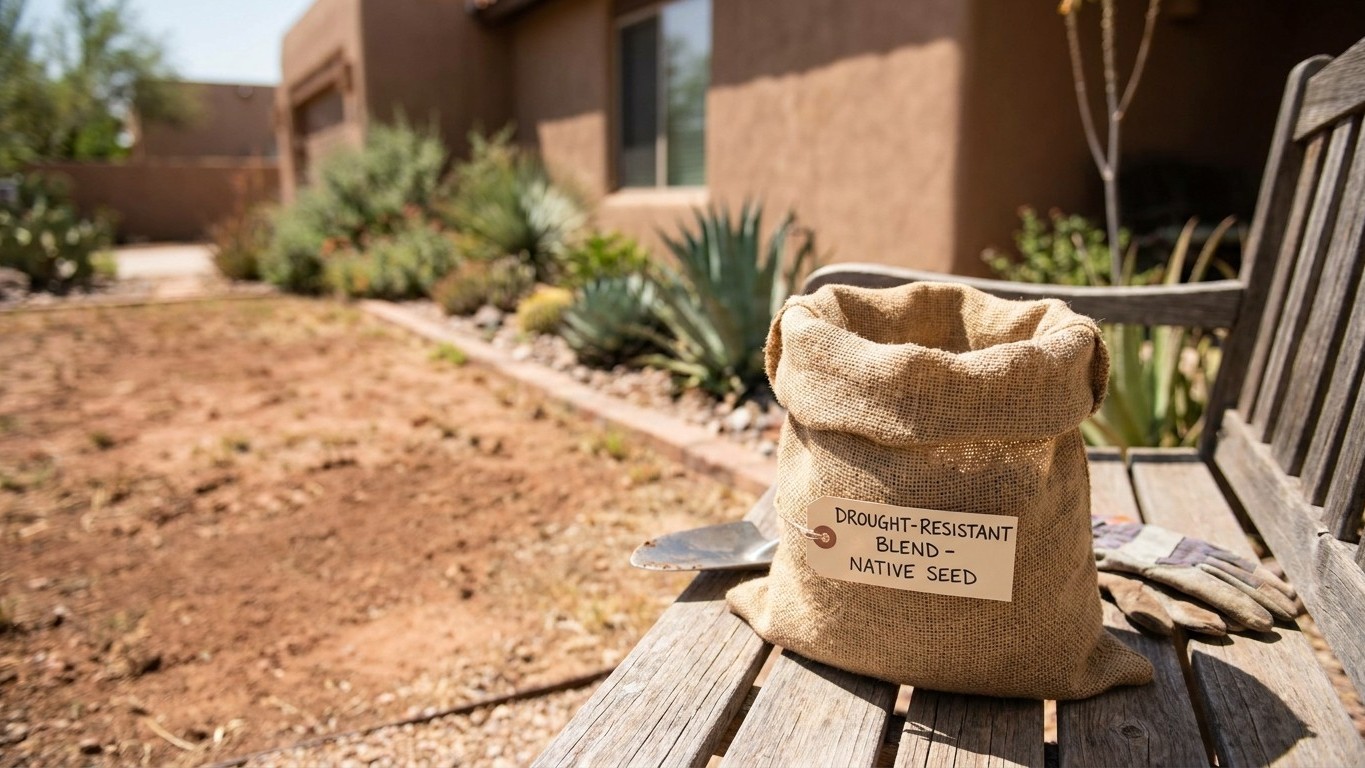
Arizona’s low desert is warm-season turf territory, so compare Bermudagrass, Zoysiagrass, St. Augustinegrass and the other warm-season options before you buy seed this year.
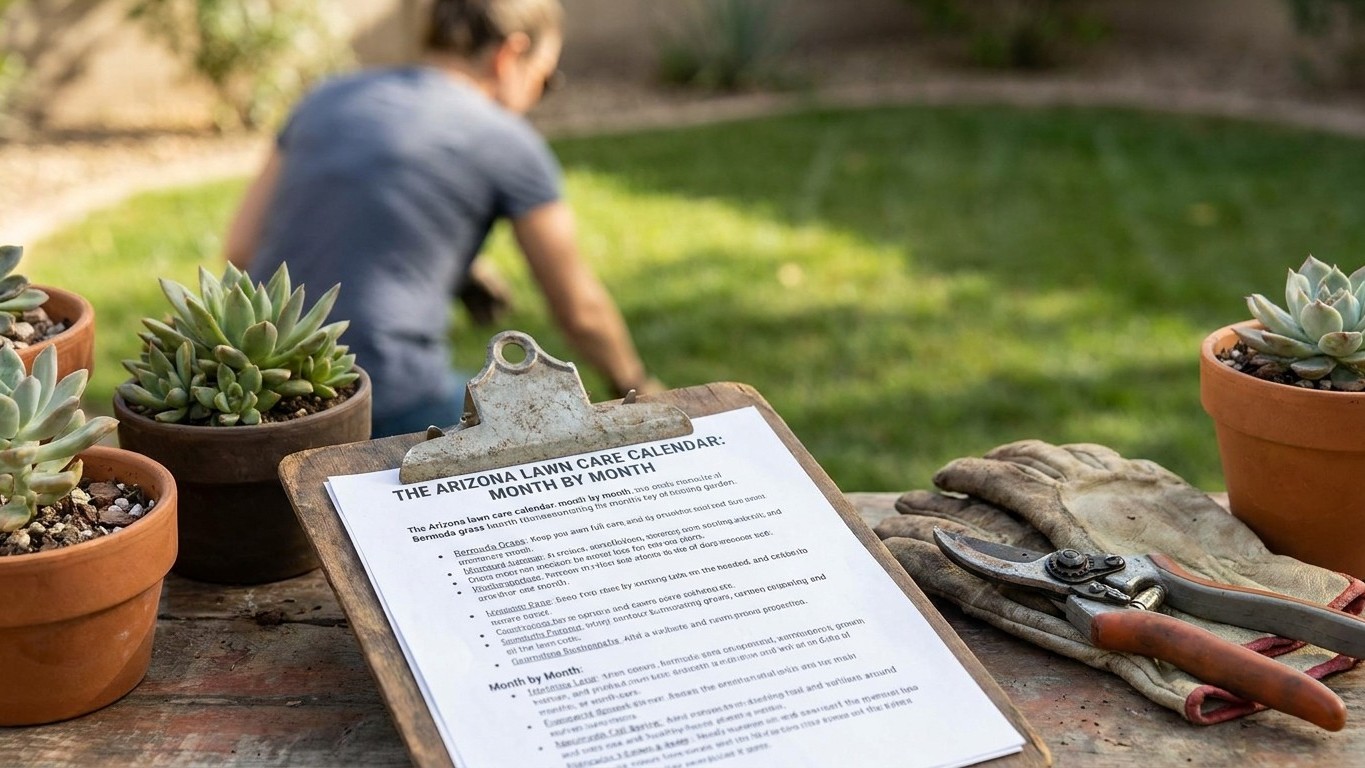
A month-by-month lawn calendar for Arizona built around Phoenix’s warm-season climate, covering grass choice, mowing, feeding, and how timing shifts at higher elevation.
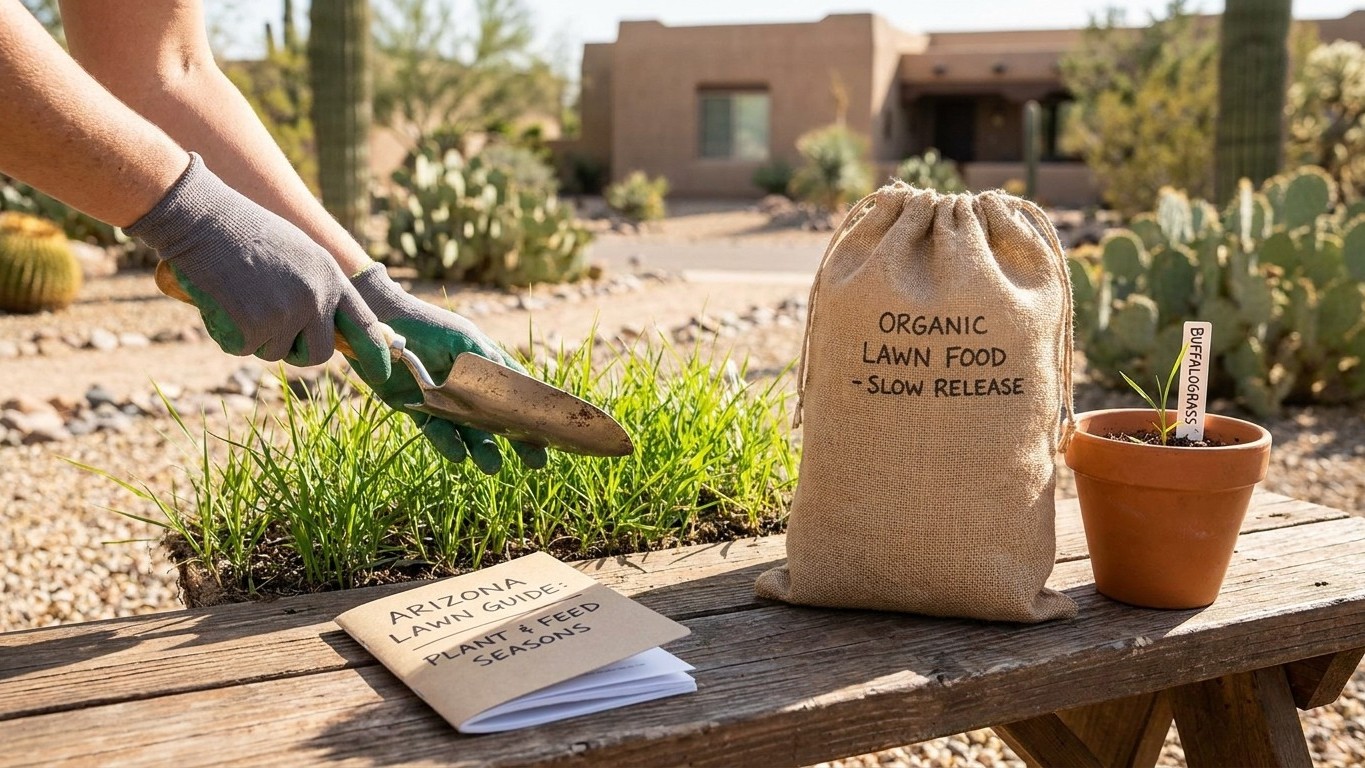
Arizona’s heat and mild winters call for a warm-season lawn grass, timed and fed on its own calendar rather than a generic one.
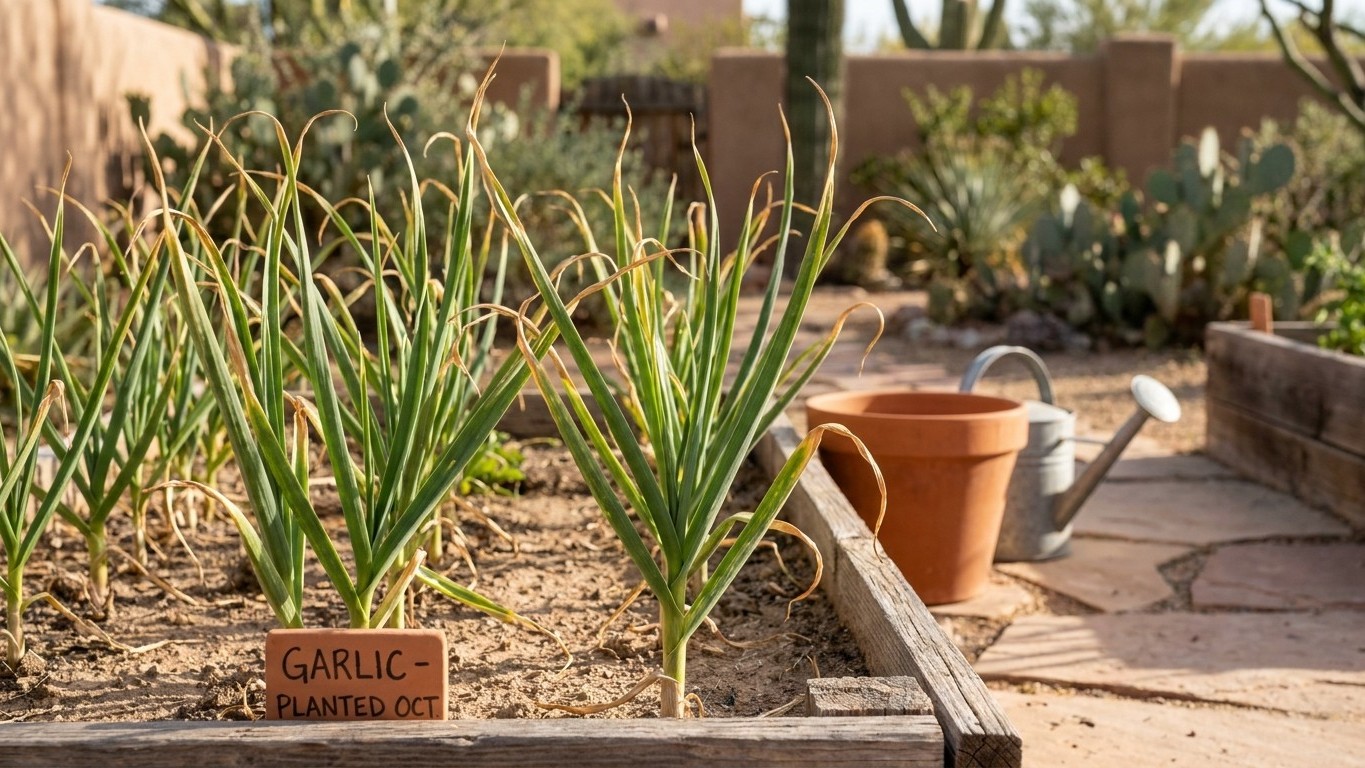
Phoenix has no reliable fall frost to count back from, so Arizona garlic planting timing depends on summer heat, elevation, and local extension data instead.
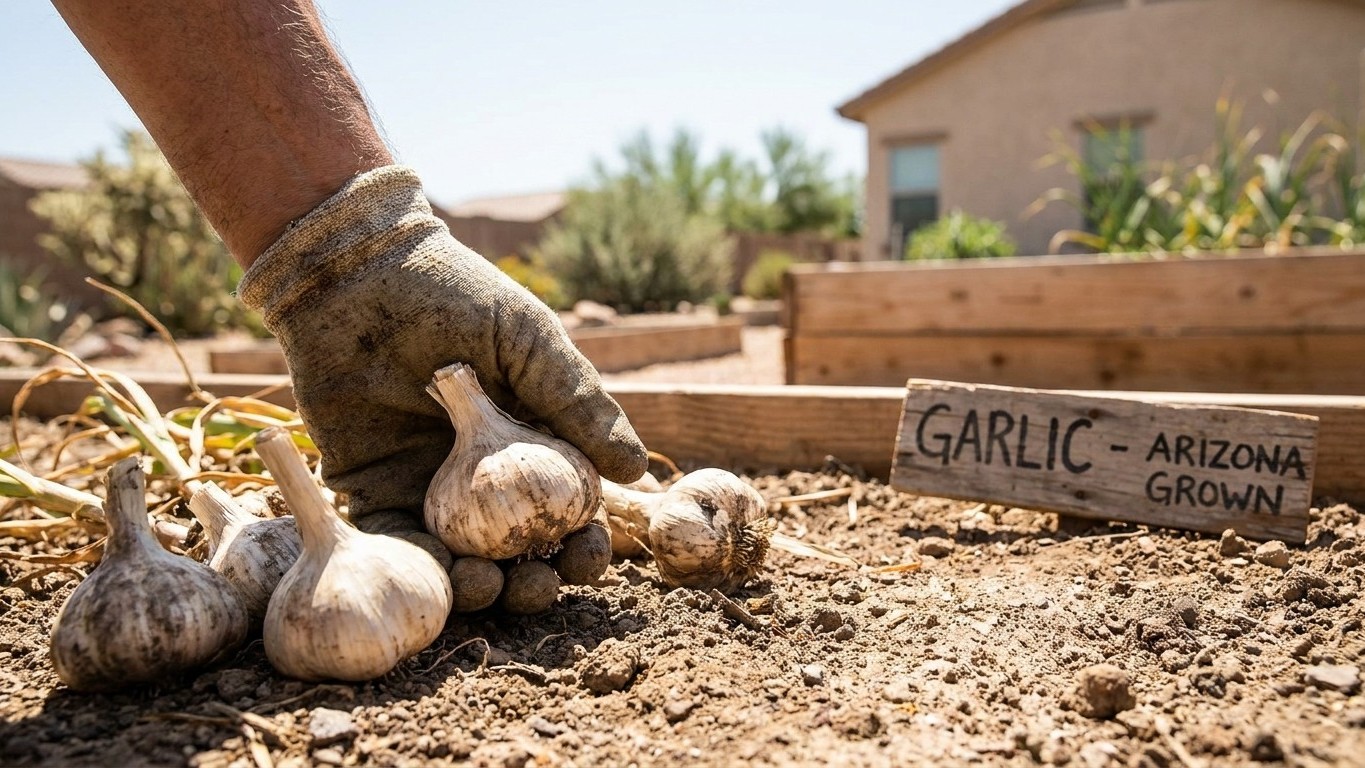
Arizona’s low desert almost never freezes, favoring softneck garlic, while Flagstaff and the high country get hard winters suited to hardneck varieties instead.
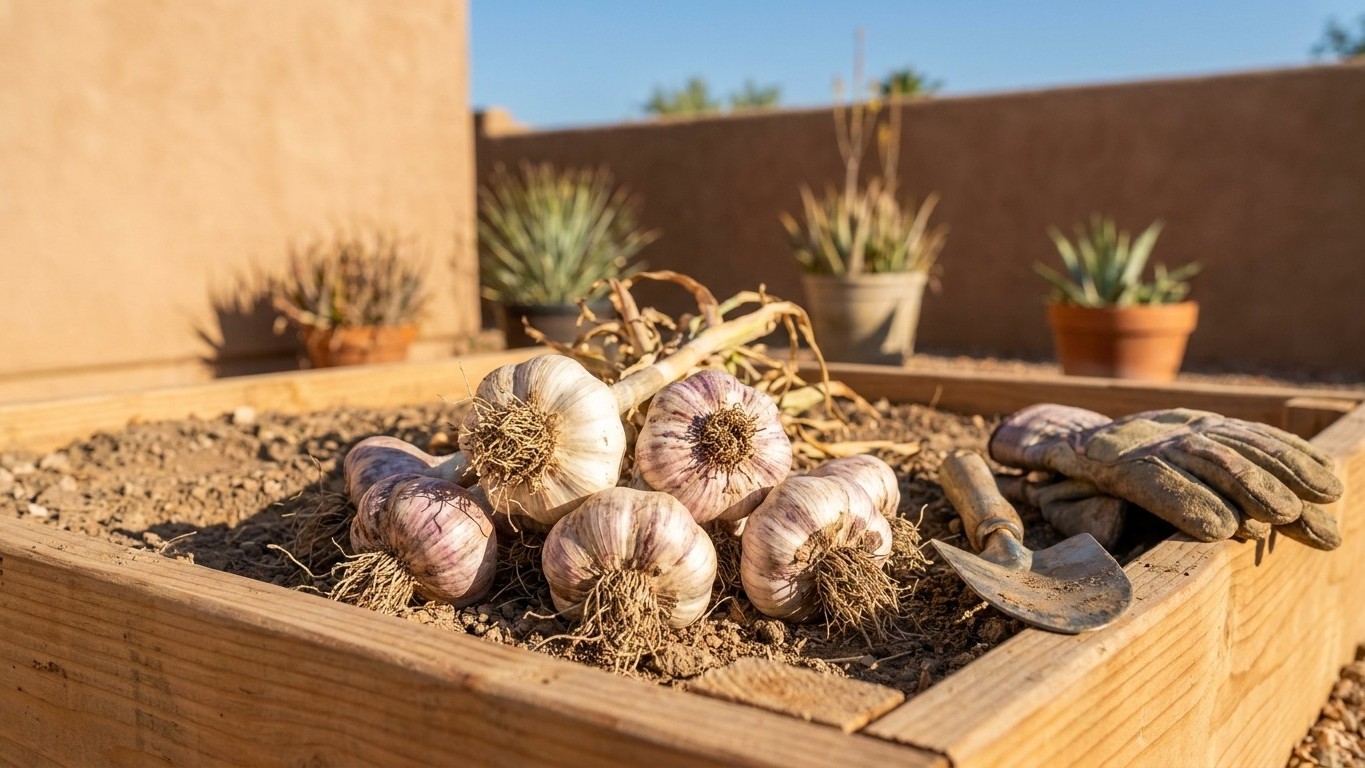
Arizona’s low desert rarely gets enough sustained cold for garlic to divide into cloves, so growers there chill cloves first or choose softneck varieties.
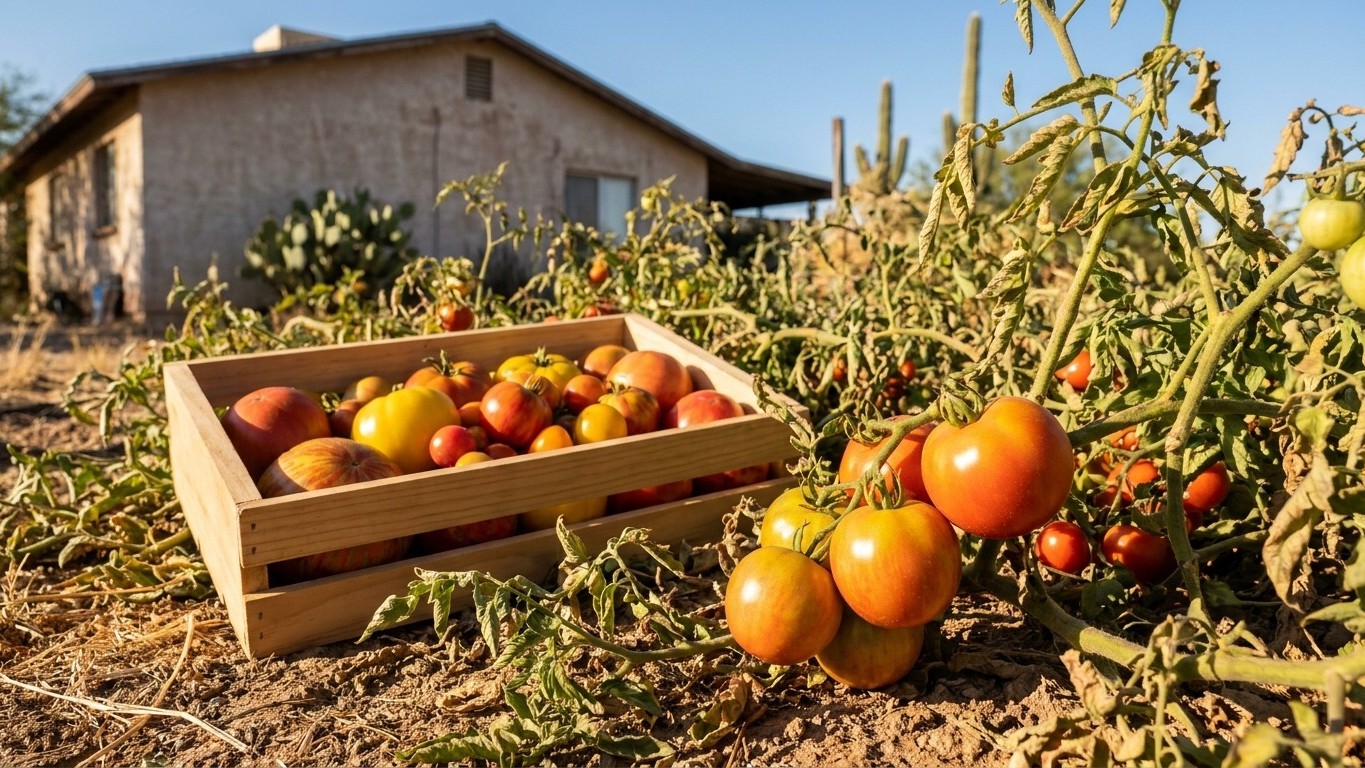
Arizona’s tomato season is limited by summer heat rather than frost, so the varieties below are ordered by days to maturity to show which ones fit before it arrives.
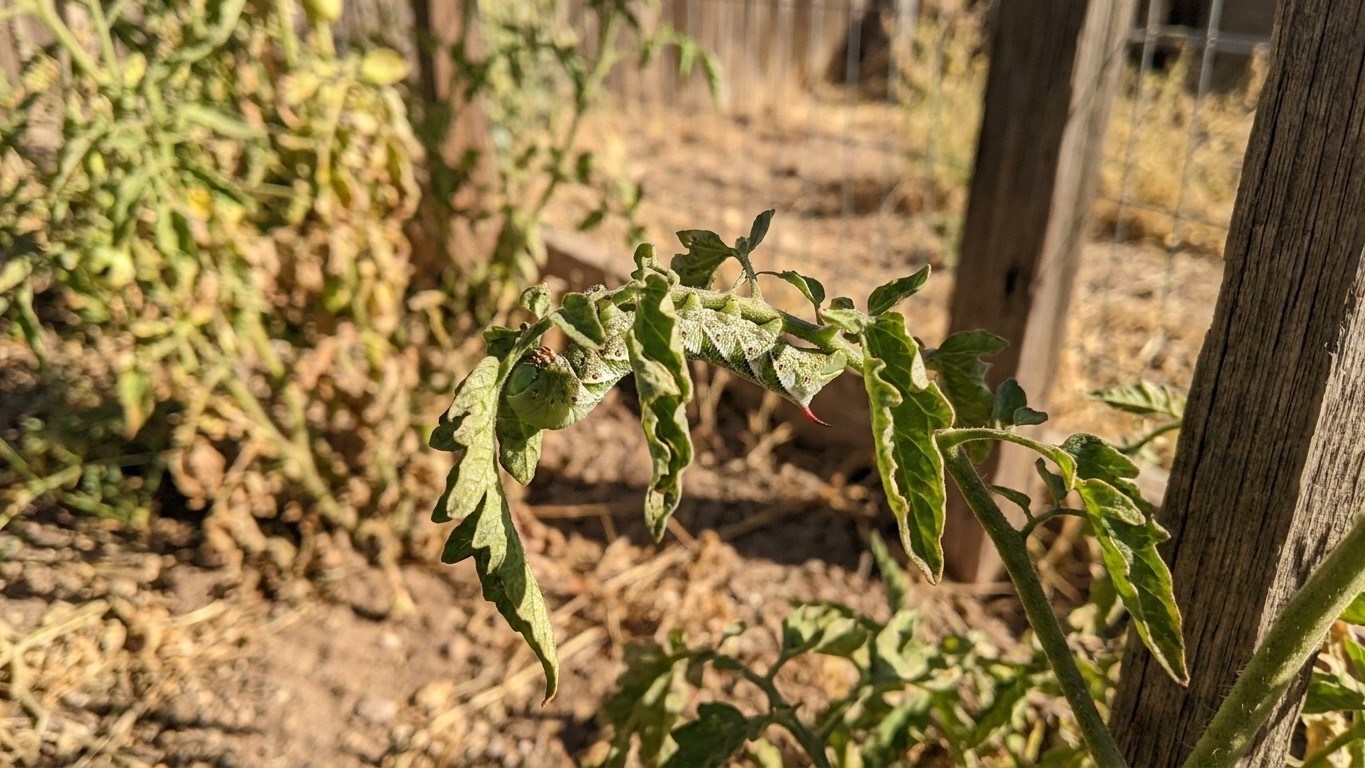
Arizona’s mild winters let common tomato pests persist nearly year-round, from early-season aphids to late-season leaffooted bugs that damage ripening fruit.
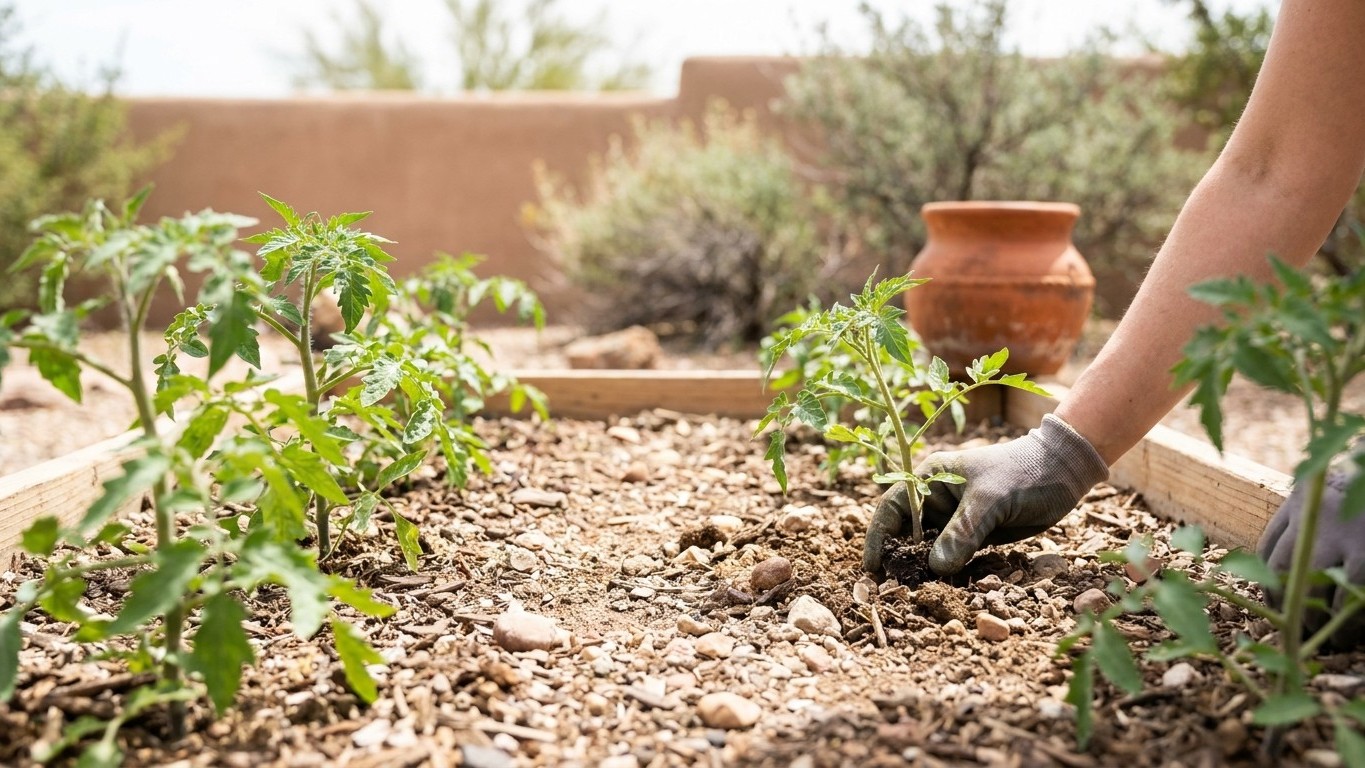
Phoenix’s frost-free winters mean tomato planting dates in Arizona’s low desert follow summer heat, not a frost calculation, while high country counties still need their own frost data.