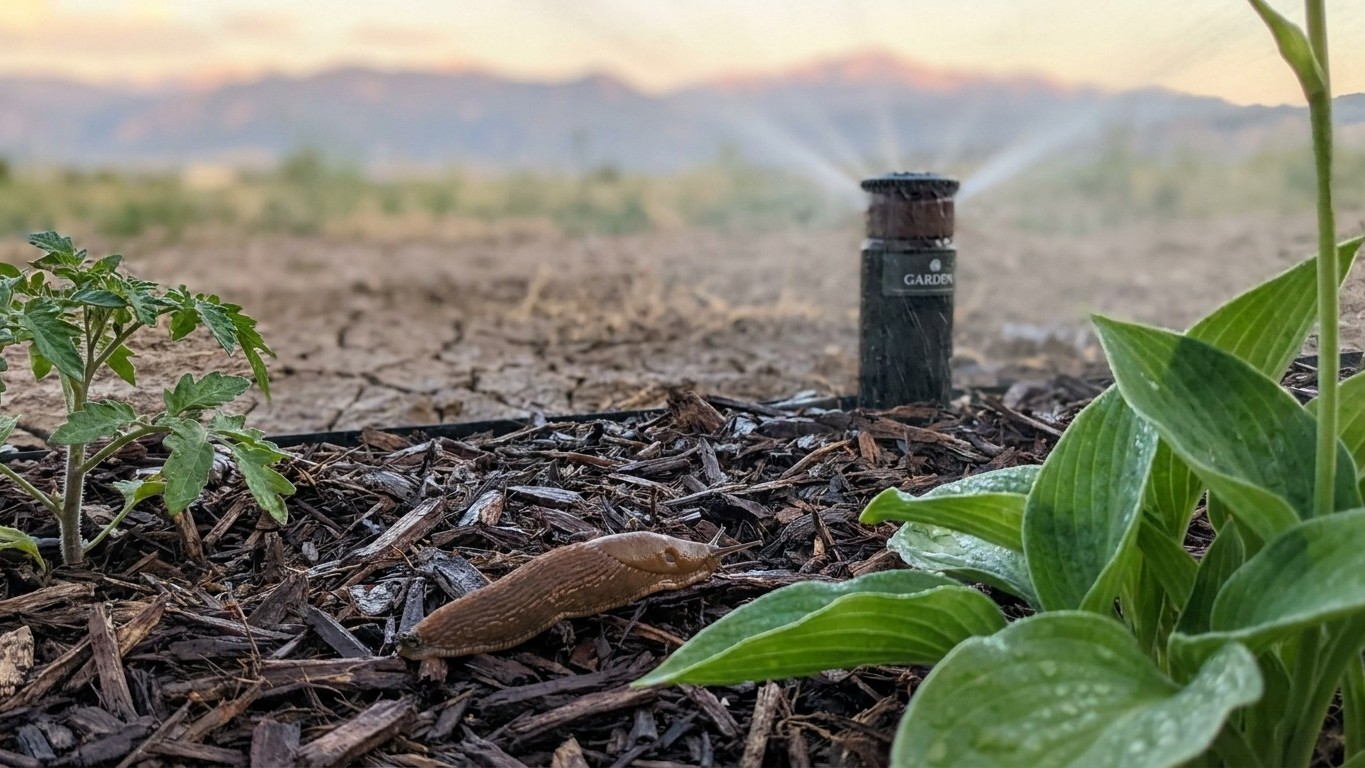

Slugs show up in Colorado mostly where someone is watering something. In a state where annual precipitation averages under 17 inches in most cities, slugs don’t thrive the way they do in Seattle or Atlanta, but irrigated lawns, greenhouses, mulched garden beds, and mountain-town yards create the damp pockets these mollusks need. The season runs roughly from late April through October, peaking during the July-August monsoon when Front Range humidity spikes overnight. Stopping them comes down to one thing before anything else: drying out the microclimate they depend on.
That single fact separates Colorado pest control from advice written for the Pacific Northwest or the Southeast. Homeowners here aren’t fighting a statewide slug population explosion. They’re managing small, self-created wet zones, usually near sprinkler heads, under thick mulch, or inside a greenhouse that never quite dries out between waterings.
Where Slugs Actually Turn Up in Colorado

Slugs need consistent moisture and cool temperatures to move, feed, and lay eggs. Colorado’s high desert and steppe climate works against them almost everywhere except a handful of specific settings.
Irrigated residential landscaping along the Front Range, think Denver, Boulder, Fort Collins, and Colorado Springs, accounts for most reported sightings. Automatic sprinkler systems set to run in the evening keep soil surfaces wet through the night, which is exactly when slugs feed. Dense hosta beds, vegetable gardens with straw mulch, and shaded areas next to house foundations turn into reliable slug habitat even in a city that averages just 14 inches of rain a year.
Higher-elevation mountain towns present a second hot spot. Places like Estes Park, Idaho Springs, and parts of the Evergreen area sit in cooler, moister microclimates fed by snowmelt runoff and afternoon thunderstorms. Summer daytime temperatures in the 60s and 70s combined with regular rain make these towns more hospitable to slugs than the drier plains below 6,000 feet.
Western Slope orchard country adds a third pocket. Around Palisade and Grand Junction, the surrounding land is bone dry, but drip-irrigated peach and grape operations create narrow bands of consistent soil moisture that support slug activity despite the region’s overall aridity. Greenhouses and hoop houses anywhere in the state function the same way, essentially manufacturing a humid, temperate slug habitat year-round regardless of what’s happening outside.
Which Species Are We Talking About
The gray garden slug (Deroceras reticulatum) is the species most commonly reported in Colorado gardens, alongside occasional sightings of banded and marsh slugs. None of these are native to the intermountain West; they arrived with nursery stock and imported soil, then persisted wherever irrigation gave them a foothold. There’s no evidence of a distinct “Colorado slug” species, and state agricultural extension resources don’t classify slugs as a widespread agricultural threat the way they do in wetter farming regions.
When Slug Activity Peaks Through the Year
Slugs become active once soil temperatures climb into the 50s, which in most of Colorado’s lower elevations happens by mid to late April. Activity holds steady through spring as snowmelt keeps ground moisture up, then often dips during the hottest, driest stretch of June before rebounding hard once monsoon storms arrive in July.
That monsoon window deserves attention because it’s the single biggest driver of slug complaints in the state. Afternoon and evening thunderstorms roll through the Front Range and foothills from roughly the second week of July through late August, dropping quick bursts of rain that saturate mulch and soil surfaces without fully drying out overnight due to higher humidity. Gardeners who see almost no slug damage all spring frequently notice fresh feeding holes in hostas, lettuce, and marigolds right after the monsoon kicks in.
Fall brings a second, smaller wave. Cooler nights and lingering soil moisture from September rains create another short window of activity before the first hard freeze, which typically lands in early to mid October along the Front Range and earlier in the mountains. Once nighttime lows drop consistently below 40°F, slugs retreat into soil, mulch, and leaf litter to overwinter as eggs or juveniles, and visible activity stops until the following spring.
What Actually Stops Slugs in a Dry-Climate State
Because Colorado’s baseline climate is already working against slugs, control here is often easier and faster than in genuinely humid regions, provided the moisture source gets addressed first.
Fix the Water Schedule Before Anything Else
Switching sprinkler systems from evening to early morning watering removes the overnight humidity slugs rely on to travel and feed, since the soil surface has most of the day to dry out before dusk. Drip irrigation aimed at root zones instead of overhead spray further reduces the wet leaf and soil-surface conditions slugs need to move around. Thinning out thick mulch layers, especially straw or wood chips piled more than two inches deep against a house foundation or raised bed, eliminates the daytime hiding spots slugs use to avoid sun and dry air.
Physical Barriers That Hold Up
Copper tape applied around the rim of raised beds or pots creates a mild electrical reaction when slug slime contacts the metal, and it remains one of the more consistently effective physical deterrents when kept clean and unbroken. Diatomaceous earth sprinkled around vulnerable plants works by drying out and cutting a slug’s soft underside, but it loses effectiveness the moment it gets wet, which means reapplying after every watering or rain event, a maintenance step that’s easy to forget during monsoon season.
Traps and Baits Worth Using
Shallow trap dishes filled with beer or a sugar-yeast mixture, sunk flush with the soil surface, draw slugs in overnight and drown them; checking and refilling traps every morning during peak season (July and August) keeps them working. Iron phosphate slug baits, sold as granular pellets scattered around garden beds, are generally considered the safer commercial option compared to older metaldehyde-based products, since iron phosphate carries lower toxicity risk to pets, birds, and other wildlife when used according to label directions. Applying bait in the evening, right as slugs begin their nightly feeding, produces better results than daytime scattering.
Letting Natural Predators Do Some of the Work
Ground beetles, certain bird species, and garter snakes all feed on slugs, and gardens that avoid broad-spectrum insecticides tend to retain more of these natural predators. Reducing pesticide use in vegetable beds and leaving small brush piles at the yard’s edge, away from the main garden, gives ground beetles a place to overwinter without inviting slugs closer to prized plants.
A Few Colorado-Specific Adjustments
Homeowners in mountain towns dealing with persistent slug pressure through a wet summer should focus extra attention on drainage around foundations, since the same runoff that makes these areas scenic also keeps soil damp longer than at lower elevations. Greenhouse operators, meanwhile, benefit from running exhaust fans or cracking vents during peak daytime heat to knock down humidity, cutting off slug-friendly conditions without needing to touch pesticides at all.
For Front Range gardeners, timing any control measure around the monsoon calendar makes more sense than a fixed spring-only treatment schedule. Setting a reminder to check traps, refresh diatomaceous earth, and inspect mulch depth starting the first week of July, right as thunderstorm season typically arrives, catches the seasonal spike before it turns into serious plant damage.