The Best Apple Varieties for Delaware
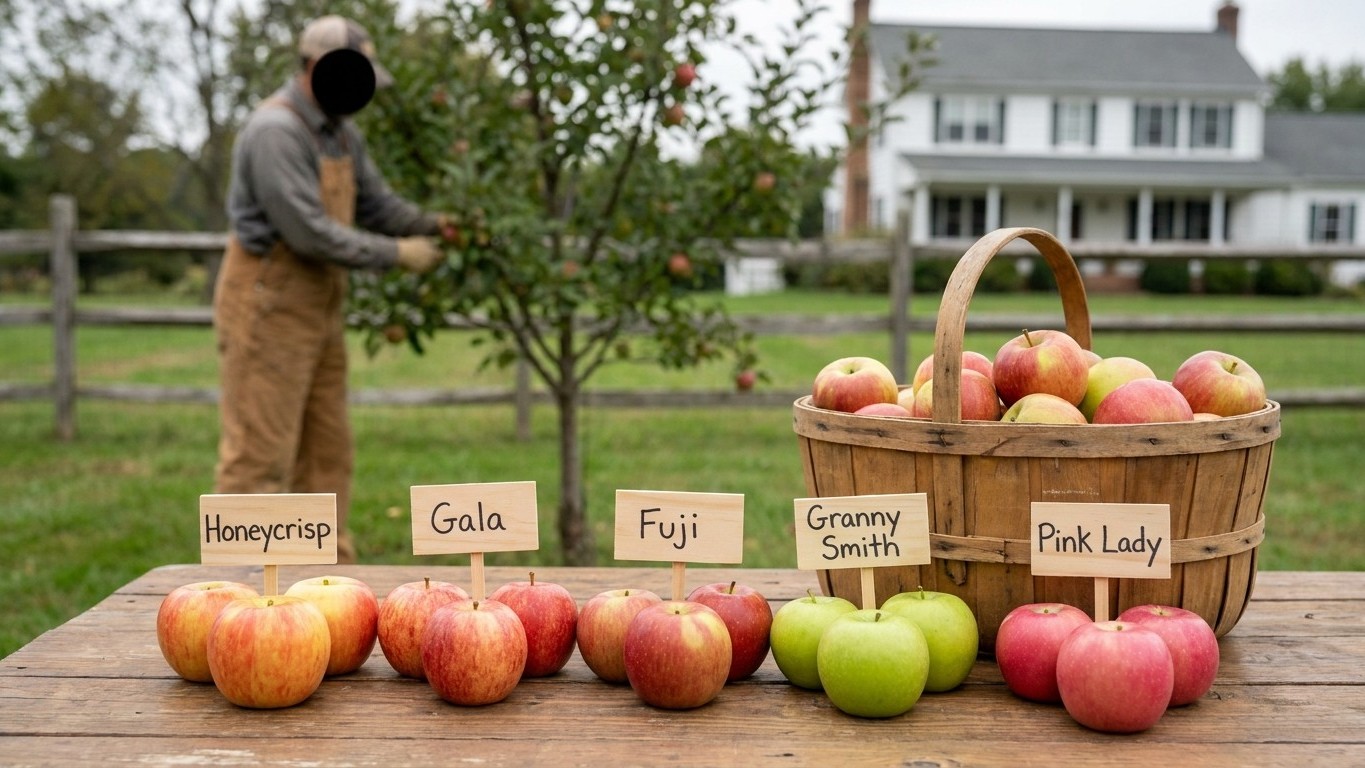
Delaware’s apple success depends on matching bloom time to Wilmington’s frost window and confirming enough winter chill, not on chasing a single named variety.
Home & garden, state by state
Everything we have worked out for Delaware: what to plant and when, which varieties finish in time, the pests that actually turn up here, and the jobs that pay off month by month. We also cover the rest of the property, from lawns and soil to home care and energy, because a garden rarely stops at the vegetable bed.
The numbers first, because everything else follows from them. Measured at the weather station in Wilmington, the last spring freeze runs April 3 to April 14 and the first fall freeze runs October 26 to November 7, USDA zones 7a-8a, 3,937 growing degree days in the year.
Garlic does well: 21.8 weeks below 40 °F, comfortably past the six it needs to form a proper head.
Elsewhere on the property in Delaware: the pests that turn up here.
Figures from NOAA's 1991-2020 climate normals. A state is not one climate: elevation, a large lake or the coast can move these dates by two weeks either way, so check your own county with the extension service before you spend money.
Delaware’s apple success depends on matching bloom time to Wilmington’s frost window and confirming enough winter chill, not on chasing a single named variety.
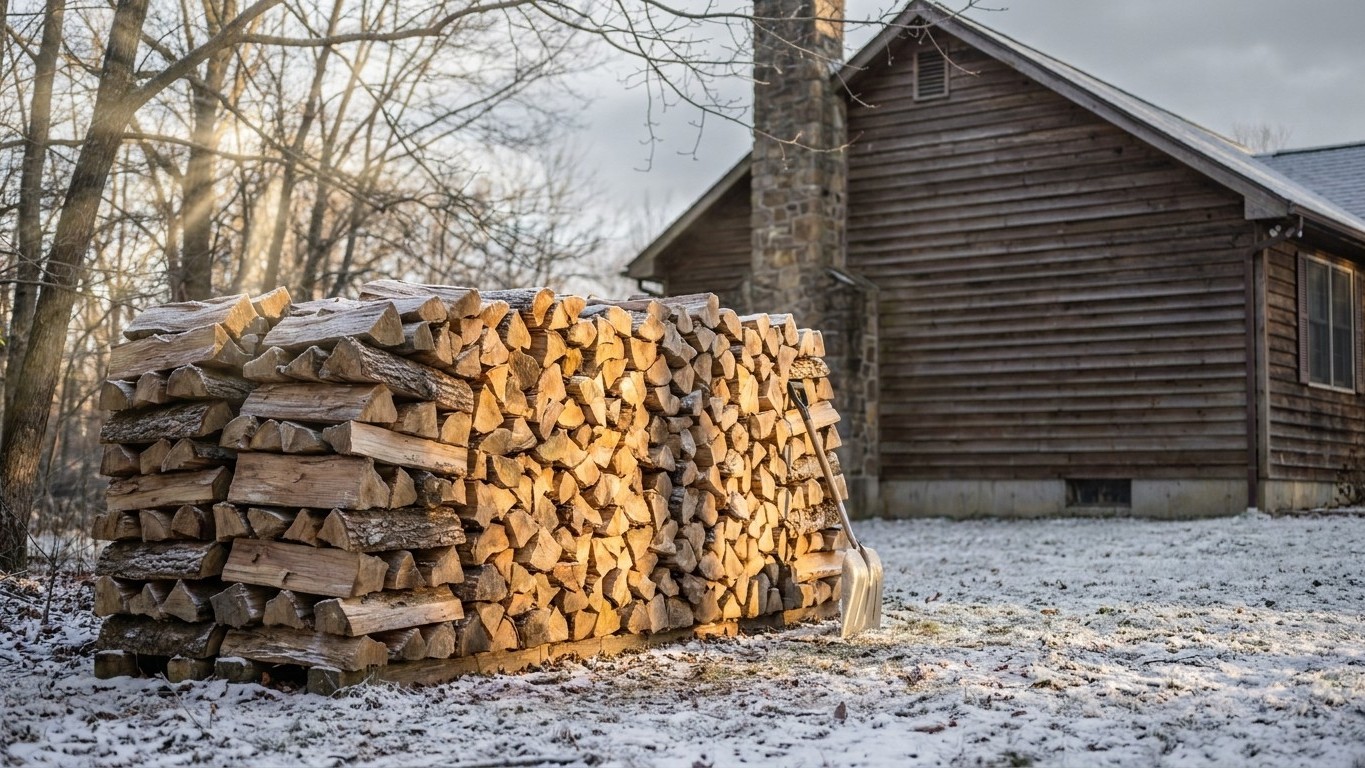
Winter in Delaware asks a real question of anyone burning wood: is this heat you need, or heat you enjoy?
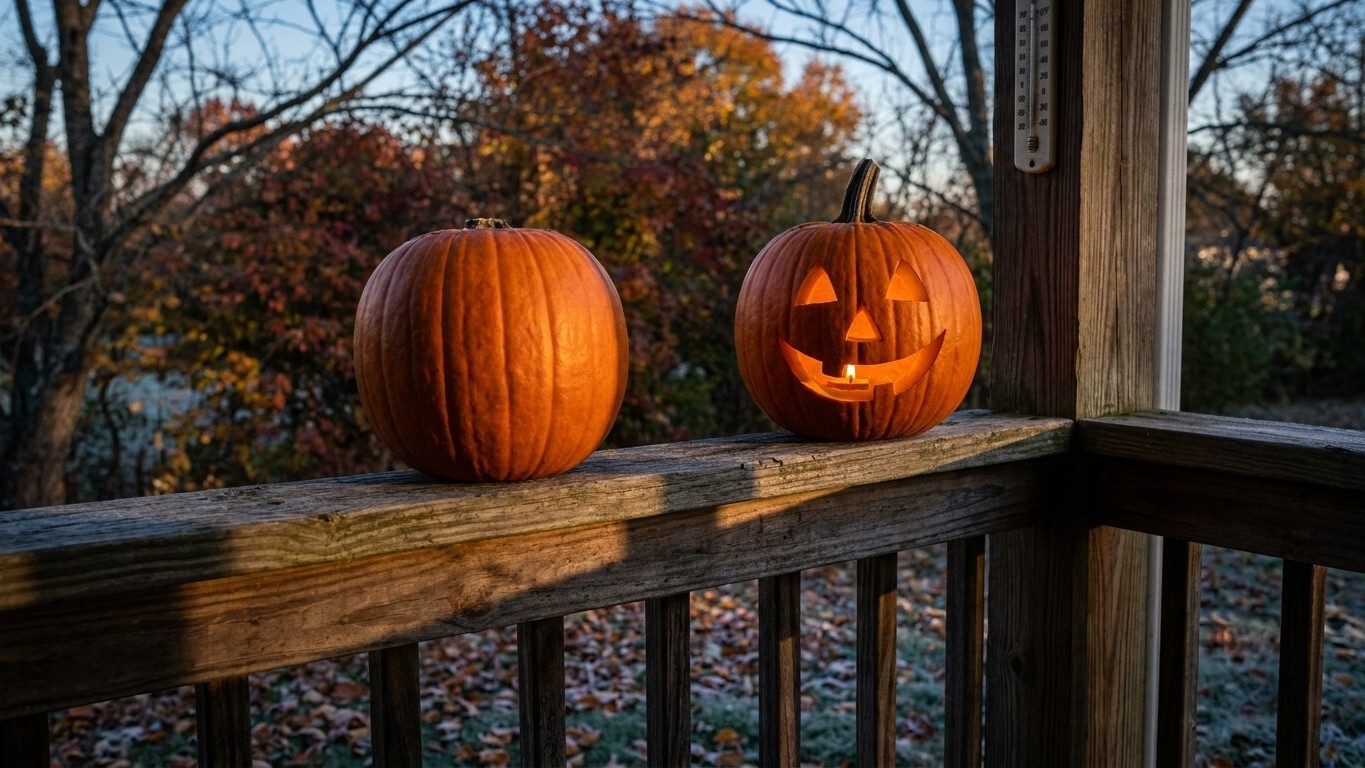
Delaware’s mean first fall frost runs from around October 26 to November 7, based on 1991-2020 climate normals from the Wilmington reference station.
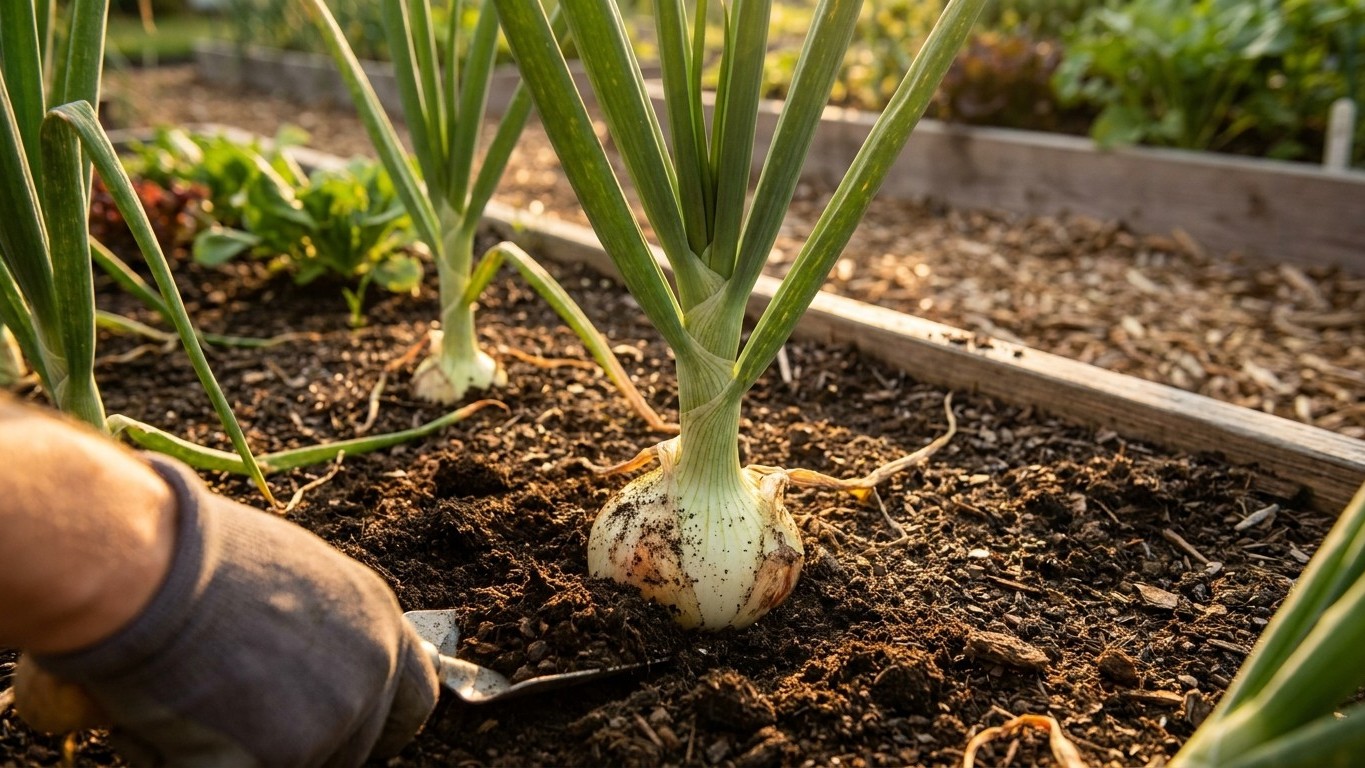
Wilmington sits at 39.67 degrees north, and on the longest day of the year it gets 14 hours and 49 minutes of daylight.
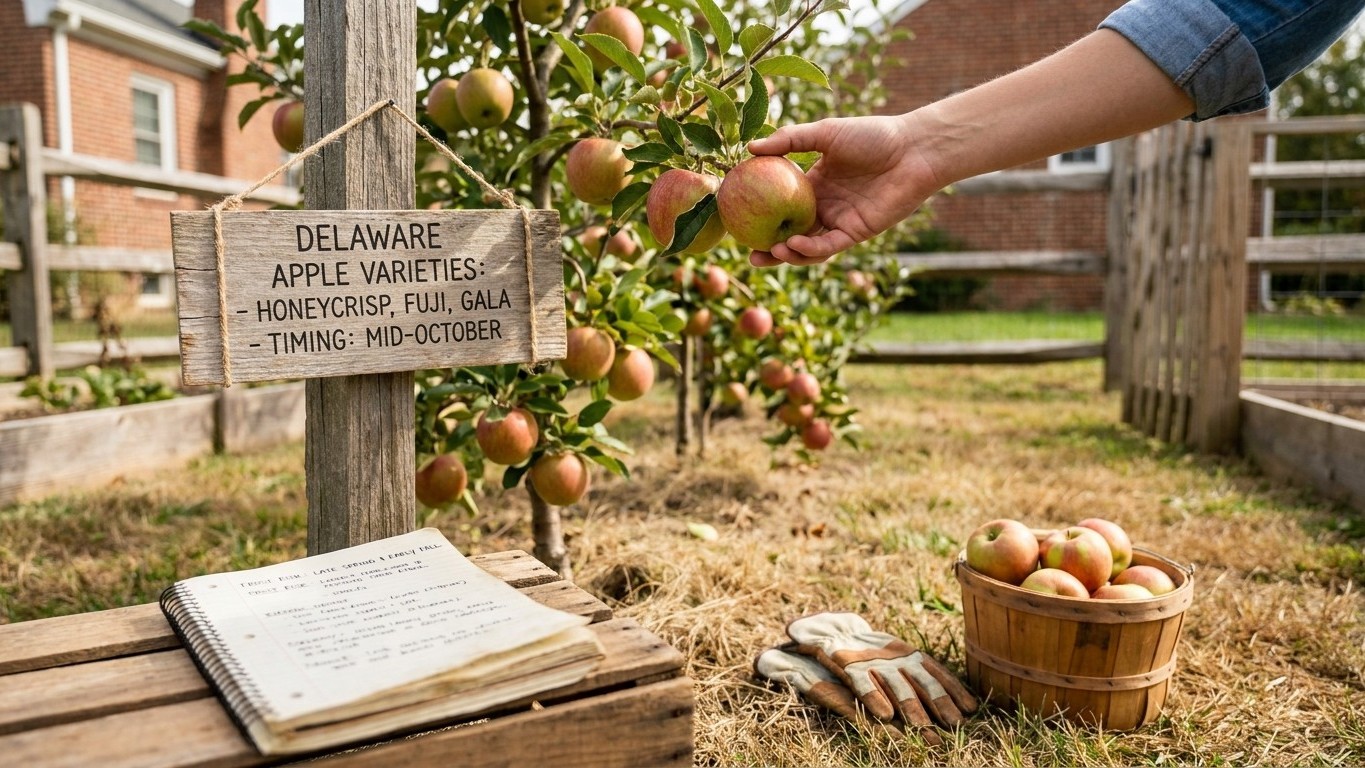
Delaware’s USDA zone 7a-8a climate and moderate winter chill support apple growing, with variety choice and pollination partners deciding whether trees fruit well.
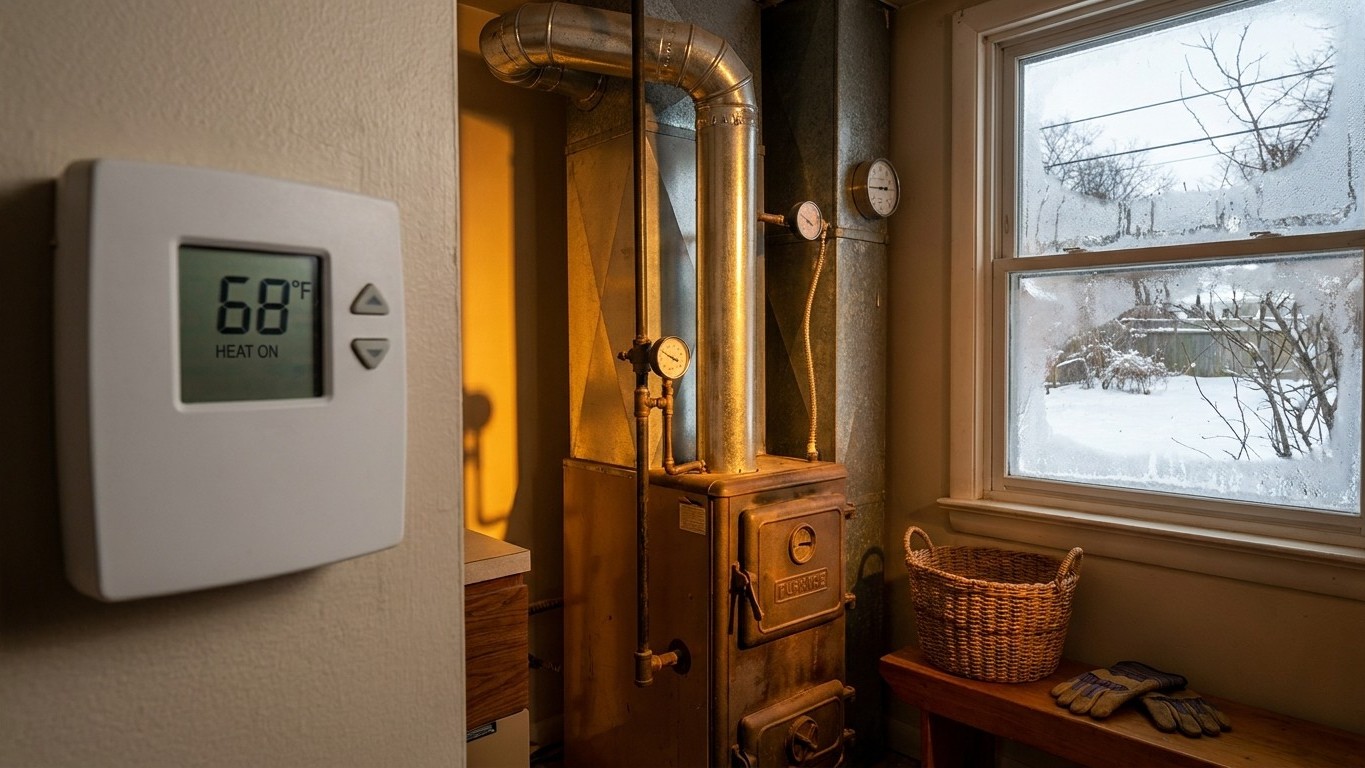
Delaware winters don’t hit the extremes you’d find further north or at higher elevation, but the season still runs long enough to matter for anyone…
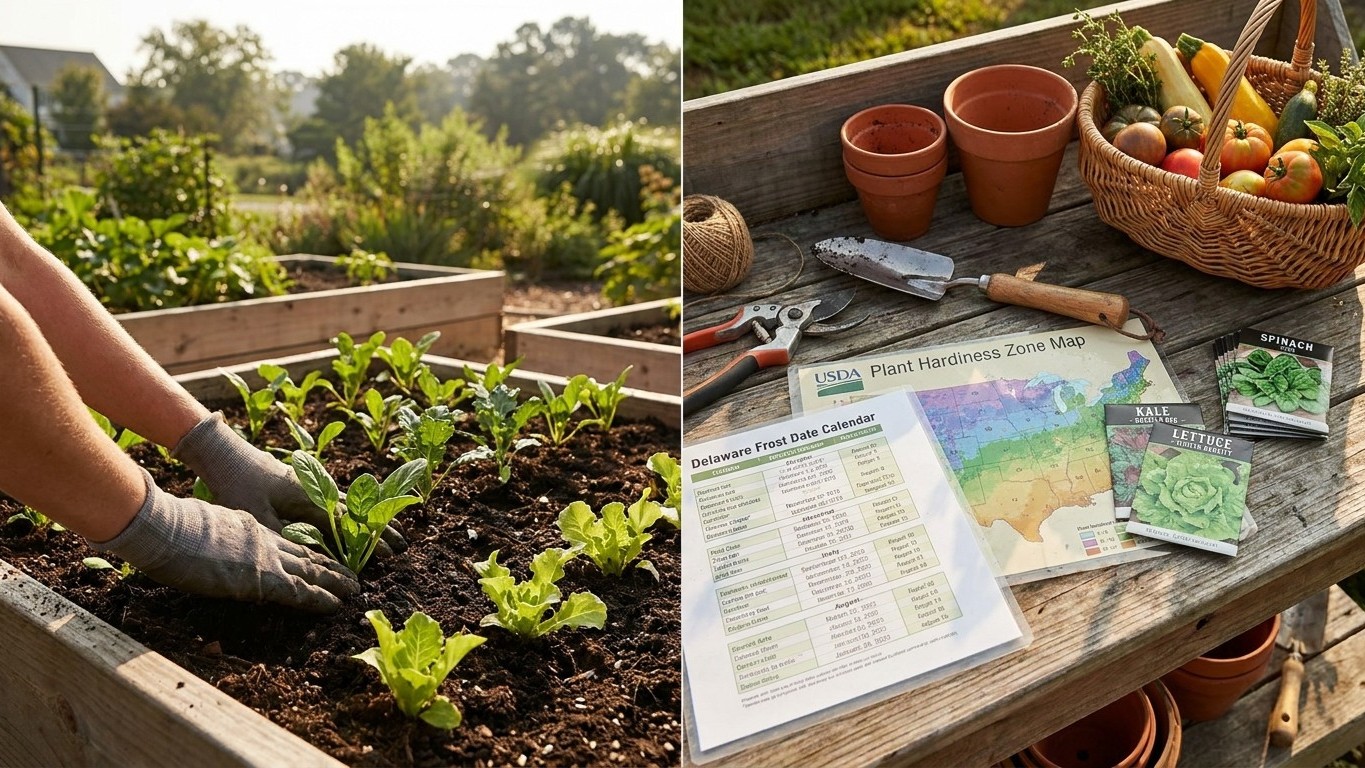
Late August in Delaware means one thing for gardeners: the window for a fall harvest is open, but it’s closing fast.
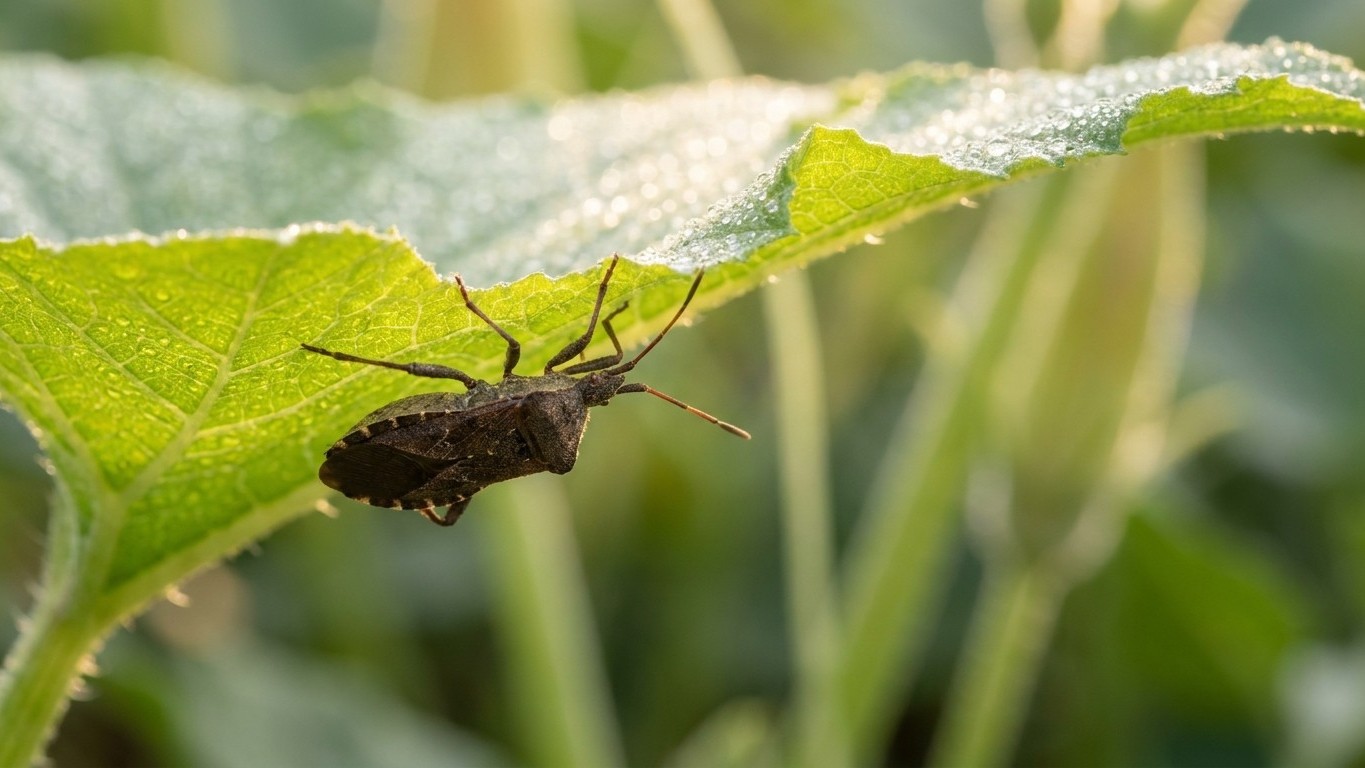
Squash bugs start showing up in Delaware gardens around late May, once daytime temperatures hold steady above 70°F for a week or two.
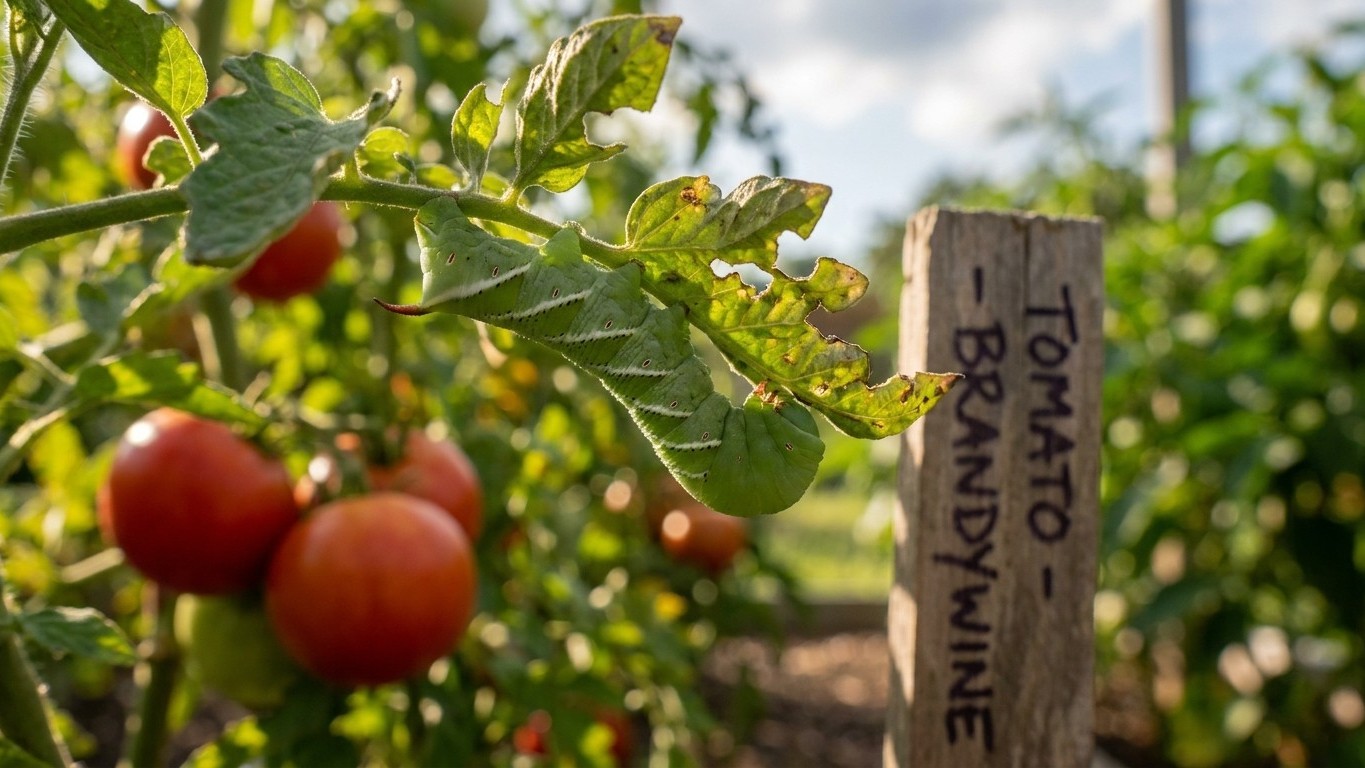
Tomato hornworms show up in Delaware gardens between late May and early July, right when tomato plants start setting fruit, and a second wave can hit in…
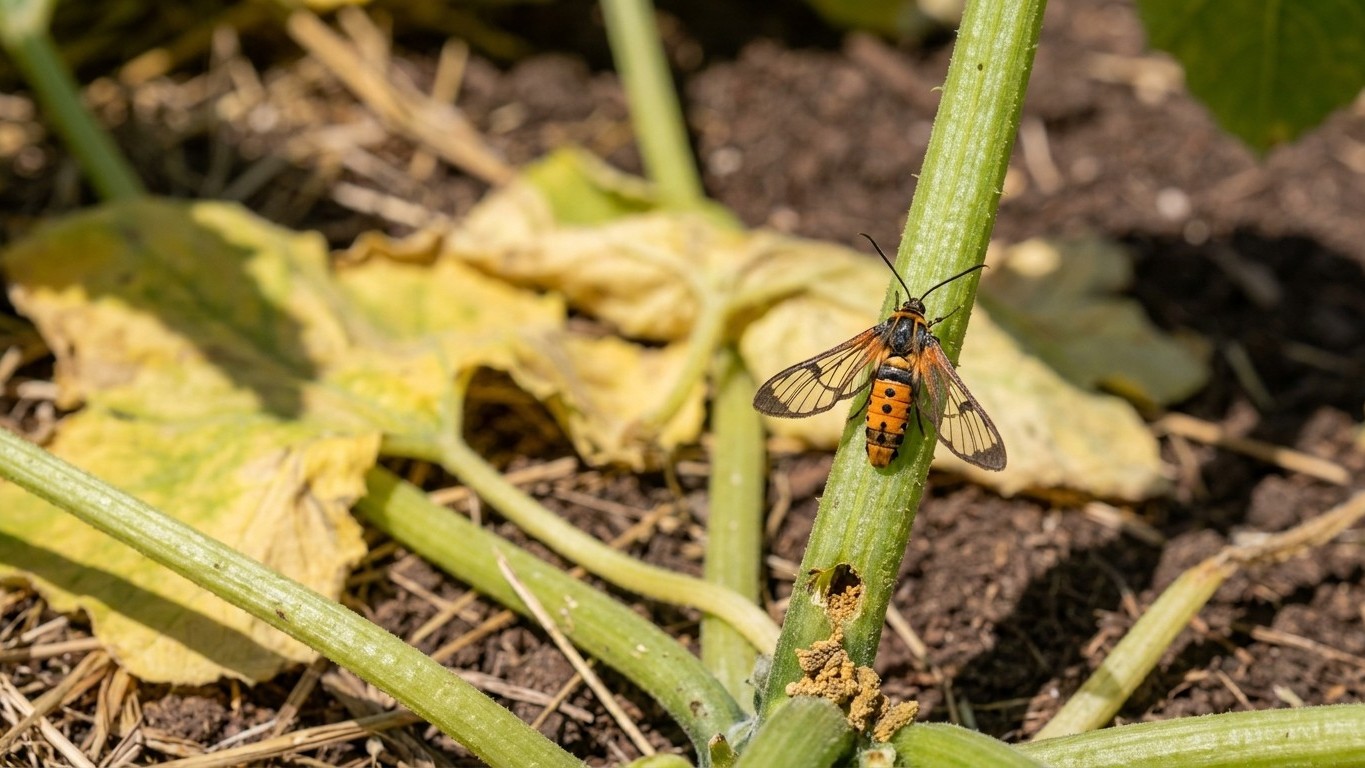
Squash vine borer moths start emerging in Delaware around late June, with peak egg-laying running through July into early August.