Skip to content

The Homestead Post

Home & garden, state by state

  • Home
  • Garden
    • Flowers
    • Lawn
    • Soil & Compost
    • Trees & Shrubs
    • Vegetables
  • Home Care
    • Electrical
    • Foundations
    • HVAC
    • Plumbing
    • Roofing
  • Energy
    • Heating & Cooling
    • Insulation
    • Rebates & Credits
    • Solar
  • Pests
    • Ants
    • Mosquitoes
    • Rodents
    • Termites
    • Ticks
  • Decor
    • Bedrooms
    • Kitchens
    • Living Rooms
    • Outdoor Spaces
  • DIY
    • Repairs
    • Tools
    • Weekend Projects
  • State Guides
    • Northeast
      • Connecticut
      • Maine
      • Massachusetts
      • New Hampshire
      • New Jersey
      • New York
      • Pennsylvania
      • Rhode Island
      • Vermont
    • Southeast
      • Alabama
      • Arkansas
      • Delaware
      • Florida
      • Georgia
      • Kentucky
      • Louisiana
      • Maryland
      • Mississippi
      • North Carolina
      • South Carolina
      • Tennessee
      • Virginia
      • West Virginia
    • Midwest
      • Illinois
      • Indiana
      • Iowa
      • Kansas
      • Michigan
      • Minnesota
      • Missouri
      • Nebraska
      • North Dakota
      • Ohio
      • South Dakota
      • Wisconsin
    • Southwest
      • Arizona
      • New Mexico
      • Oklahoma
      • Texas
    • West
      • Alaska
      • California
      • Colorado
      • Hawaii
      • Idaho
      • Montana
      • Nevada
      • Utah
      • Wyoming
    • Pacific Northwest
      • Oregon
      • Washington
    • Canada
      • Alberta
      • British Columbia
      • Manitoba
      • New Brunswick
      • Newfoundland and Labrador
      • Northwest Territories
      • Nova Scotia
      • Nunavut
      • Ontario
      • Prince Edward Island
      • Quebec
      • Saskatchewan
      • Yukon

You Can Shear Swiss Chard to Two Inches — If You Spare One Point
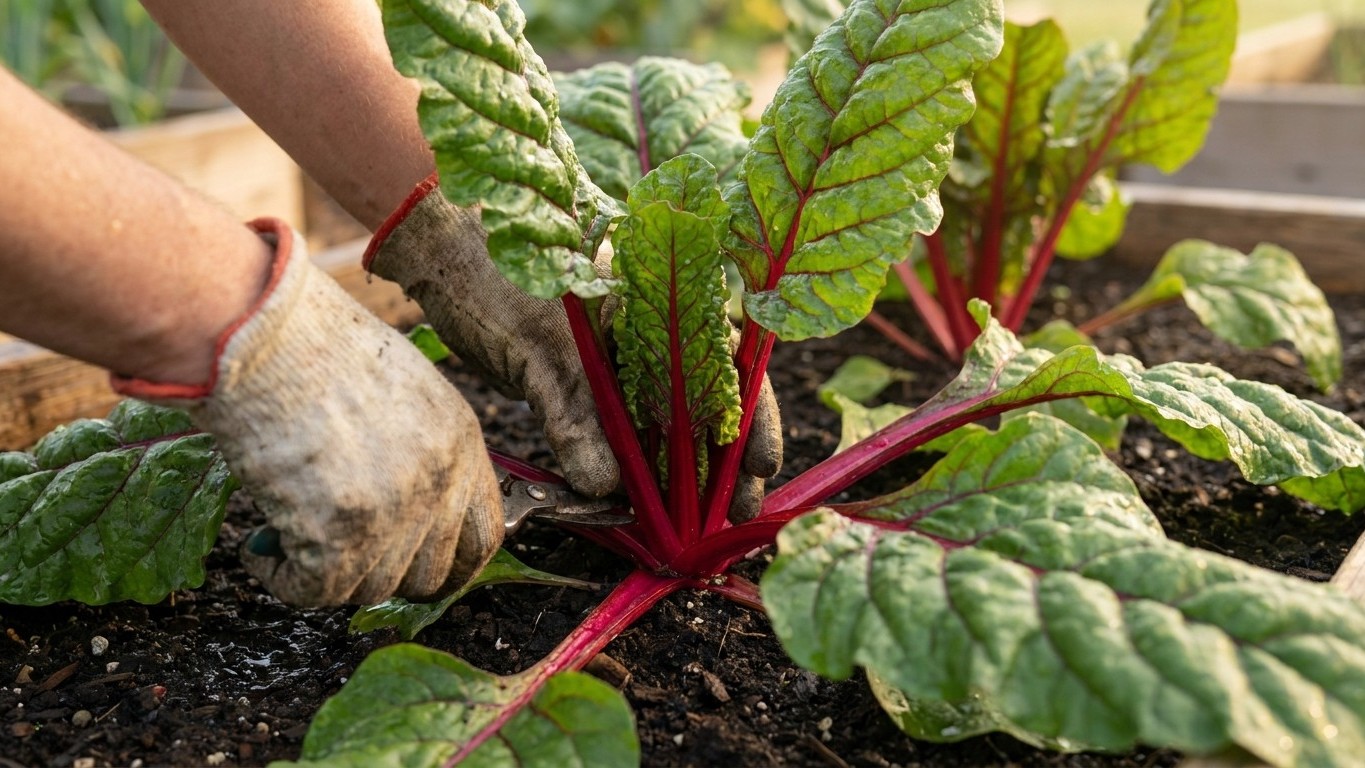
You Can Shear Swiss Chard to Two Inches — If You Spare One Point

Yes: Swiss chard can be sheared down to within 2 inches of the soil, and the plant will keep producing.
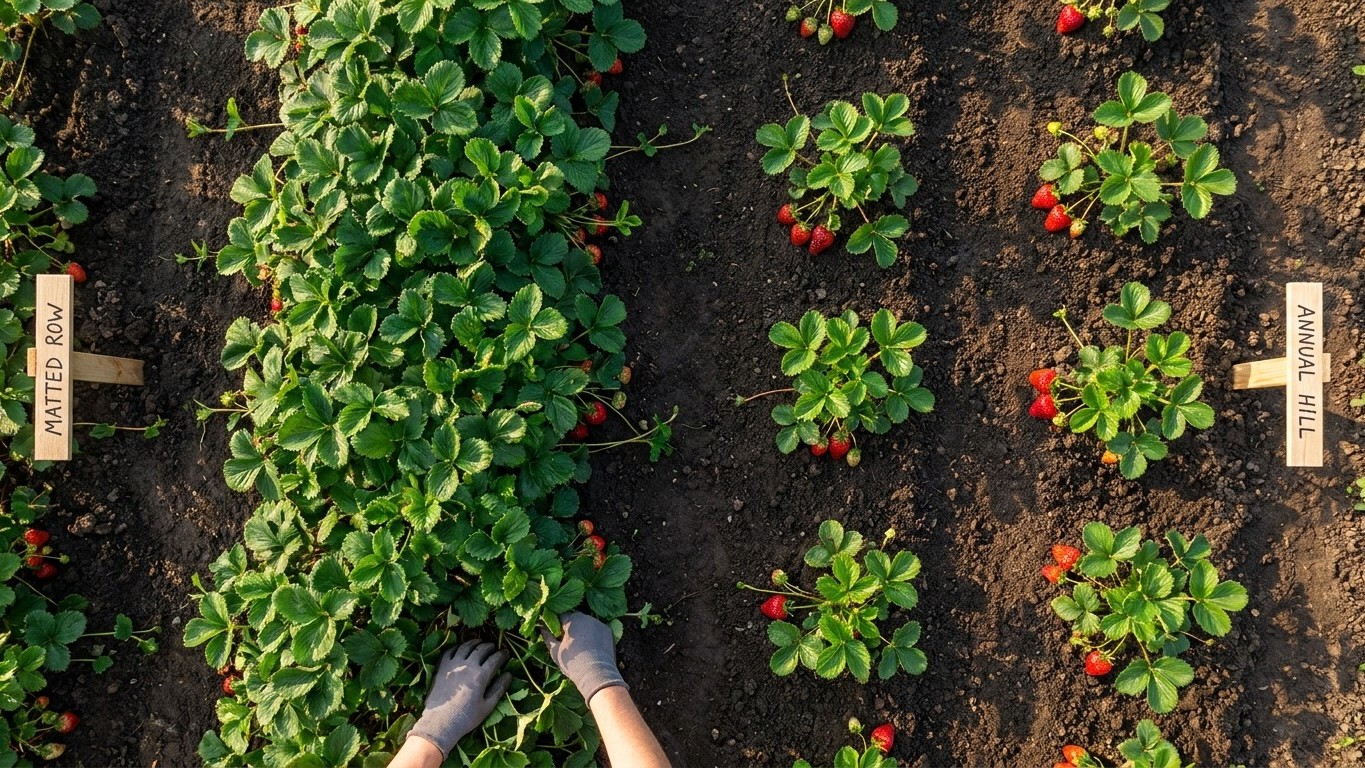
Matted Row or Annual Hill: The Whole Choice Is About Runners

Matted Row or Annual Hill: The Whole Choice Is About Runners

The choice between a matted row and an annual hill comes down to one thing: what happens to the runners a strawberry plant sends out.
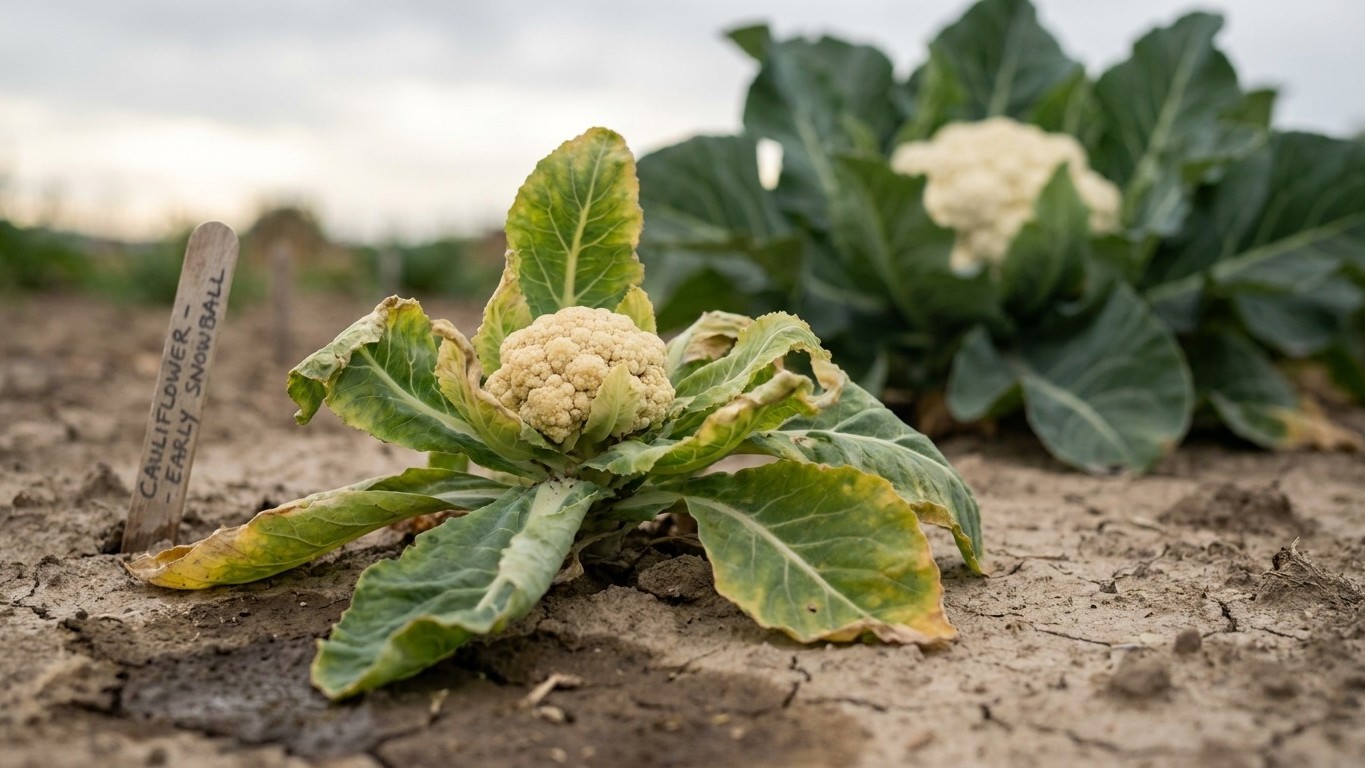
Buttoning in Cauliflower: Four Shocks That Stop a Plant Early

Buttoning in Cauliflower: Four Shocks That Stop a Plant Early

Buttoning in cauliflower comes down to four separate shocks, according to Utah State University Extension: dry soil, cold temperatures, low nitrogen, and…
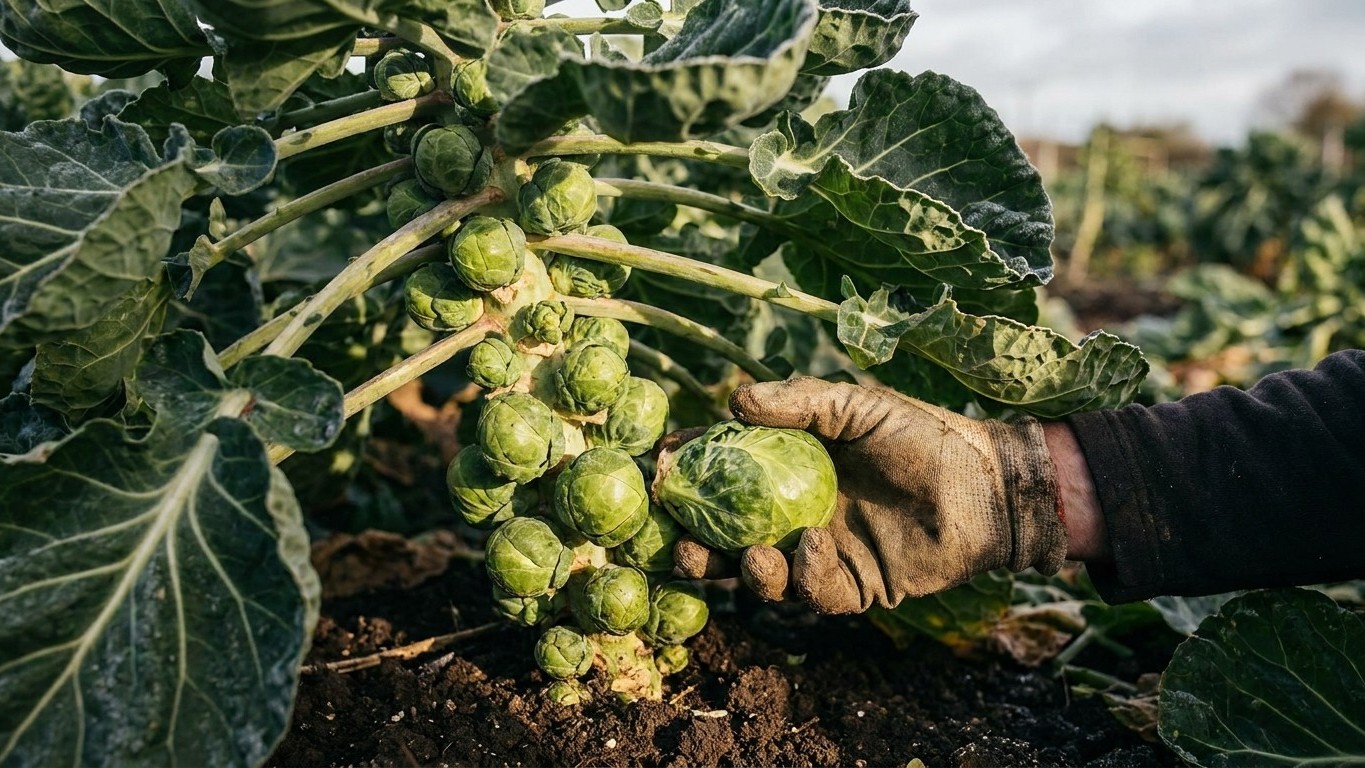
Picking Brussels Sprouts From the Bottom Up, and Keeping Them for Months

Picking Brussels Sprouts From the Bottom Up, and Keeping Them for Months

Brussels sprouts ripen from the base of the stalk upward, so the harvest itself works bottom-up: pick the lowest, tightest sprouts first and keep…
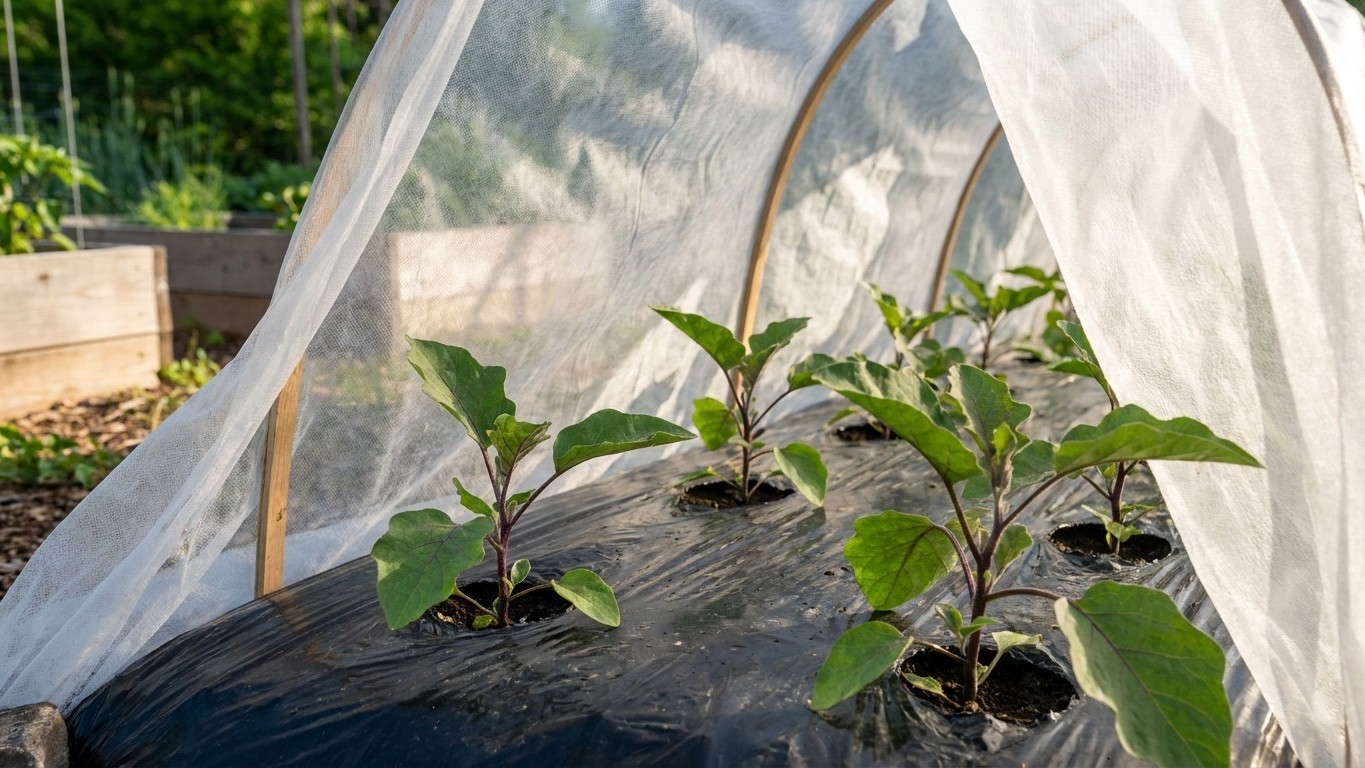
Black Plastic and Row Covers: The Only Way to Gain Weeks on an Eggplant

Black Plastic and Row Covers: The Only Way to Gain Weeks on an Eggplant

Eggplant hates cold soil, and no amount of babying in seed trays changes what happens once the plant meets open ground.
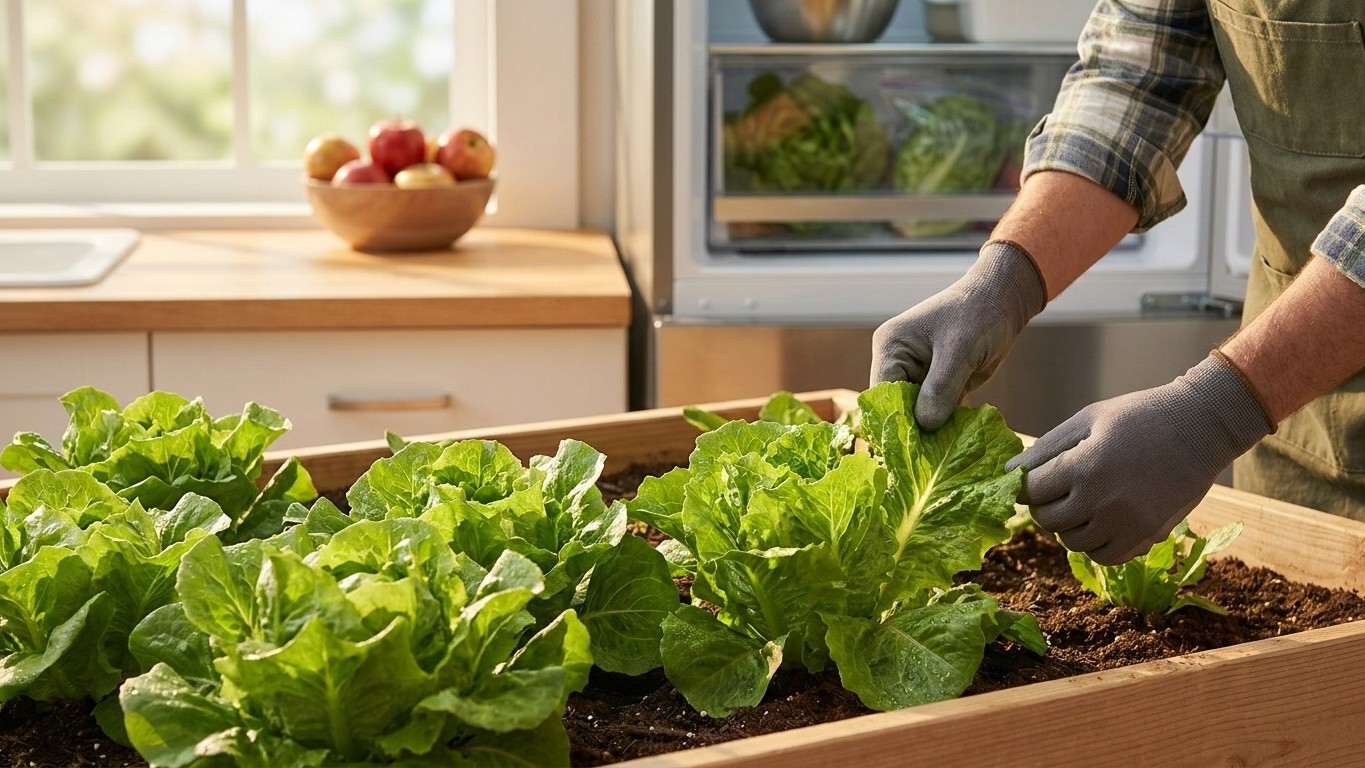
Picking Lettuce Leaf by Leaf, and Keeping It Away From Apples

Picking Lettuce Leaf by Leaf, and Keeping It Away From Apples

Pick lettuce leaf by leaf, not head by head, and it keeps producing for weeks.
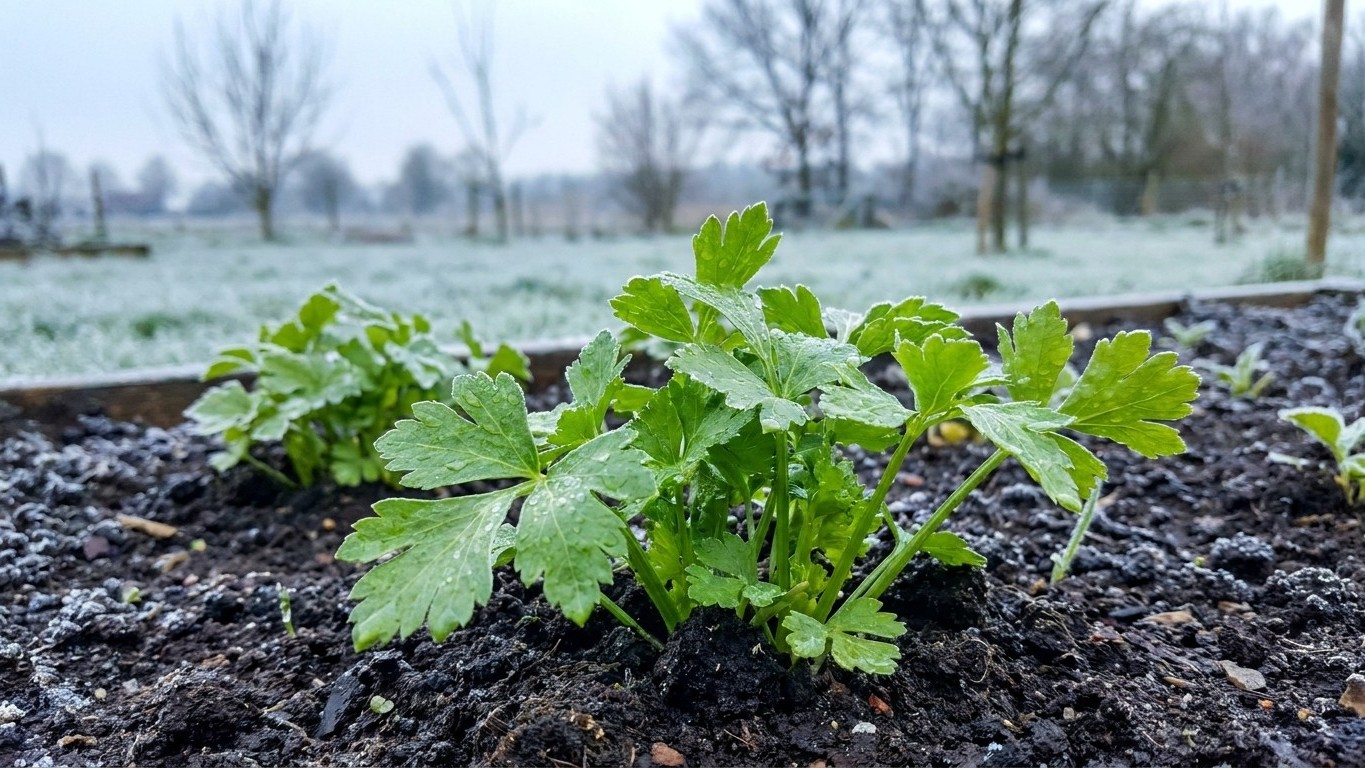
Why Celery Bolts: The Cold Does It, Not the Heat

Why Celery Bolts: The Cold Does It, Not the Heat

Celery bolts because of cold, not heat. The plant’s cool tolerance is real, but too much of it for too long flips a switch: instead of building the…
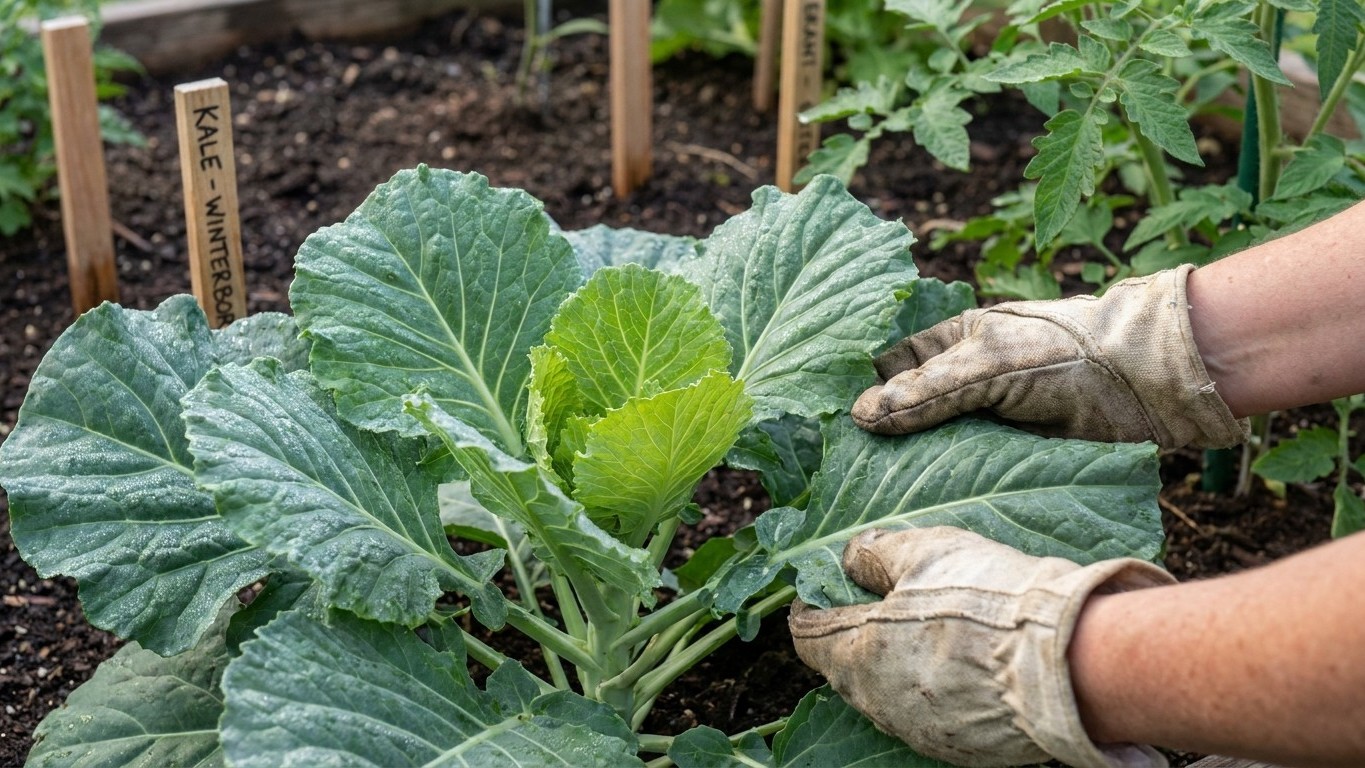
Picking Kale Leaf by Leaf, All Season Long

Picking Kale Leaf by Leaf, All Season Long

One kale plant, picked correctly, can feed you for months instead of weeks. The trick isn’t the variety you choose or the fertilizer you use.
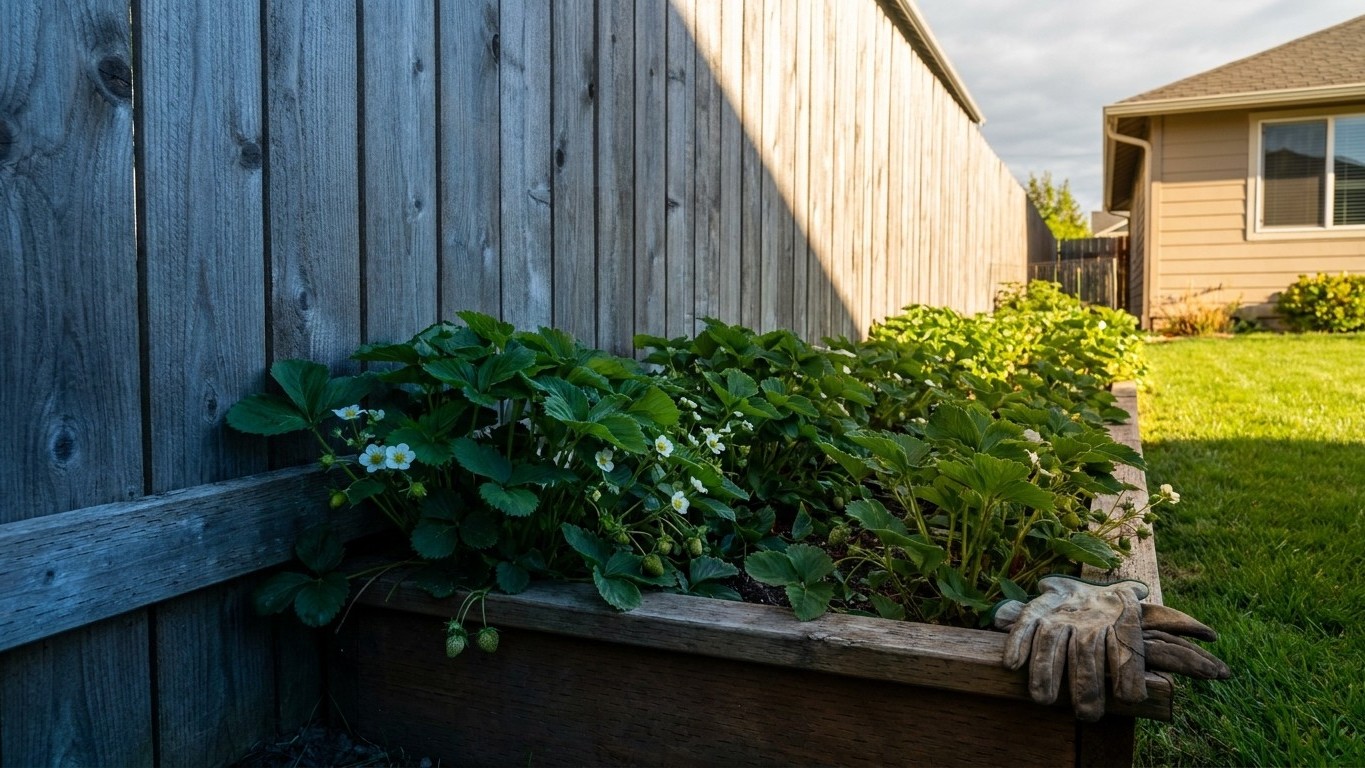
Plant Strawberries on the North Side — On Purpose

Plant Strawberries on the North Side — On Purpose

Plant strawberries on the north side of a fence, wall, or slope, and do it on purpose.
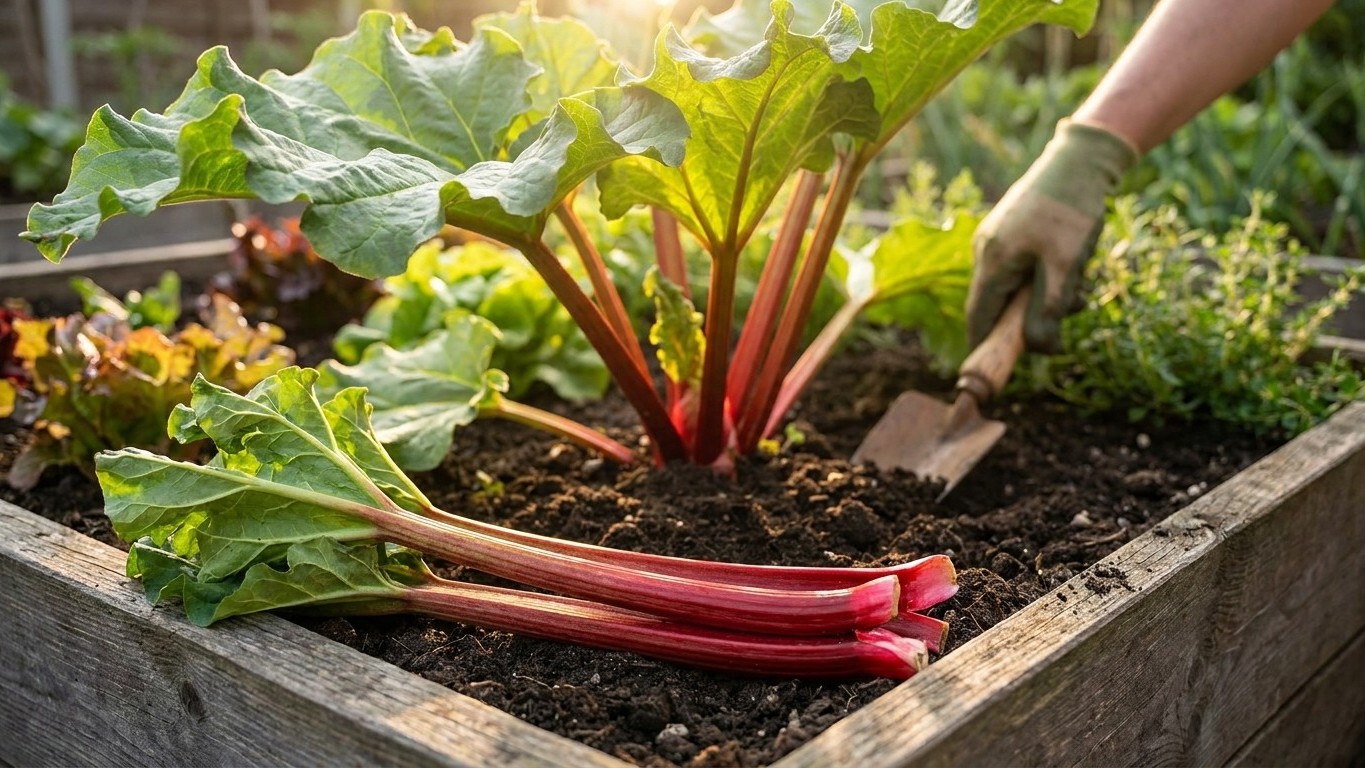
Growing Rhubarb: Two Years of Patience for Fifteen of Harvest

Growing Rhubarb: Two Years of Patience for Fifteen of Harvest

Two years of nothing, then three to four weeks in year three, then six to ten weeks every year after that once the plant reaches its fourth season.

Older posts
Newer posts
← Previous Page1 … Page554 Page555 Page556 … Page1,080 Next →

The Homestead Post

Home and garden advice with the numbers attached — written for your climate, your season and your local rules.

Sections

  • Garden
  • Home Care
  • Energy
  • Pests
  • Decor
  • DIY

Popular states

  • California
  • Texas
  • Florida
  • New York
  • Pennsylvania
  • Ohio
  • Georgia
  • North Carolina
  • All states →

The Post

  • About us
  • Contact
  • Editorial guidelines
  • Affiliate disclosure
  • Privacy policy
  • Terms of use
© 2026 The Homestead Post·Home & garden, state by state