Growing Beets in Delaware: Soil, Sowing and Bolting
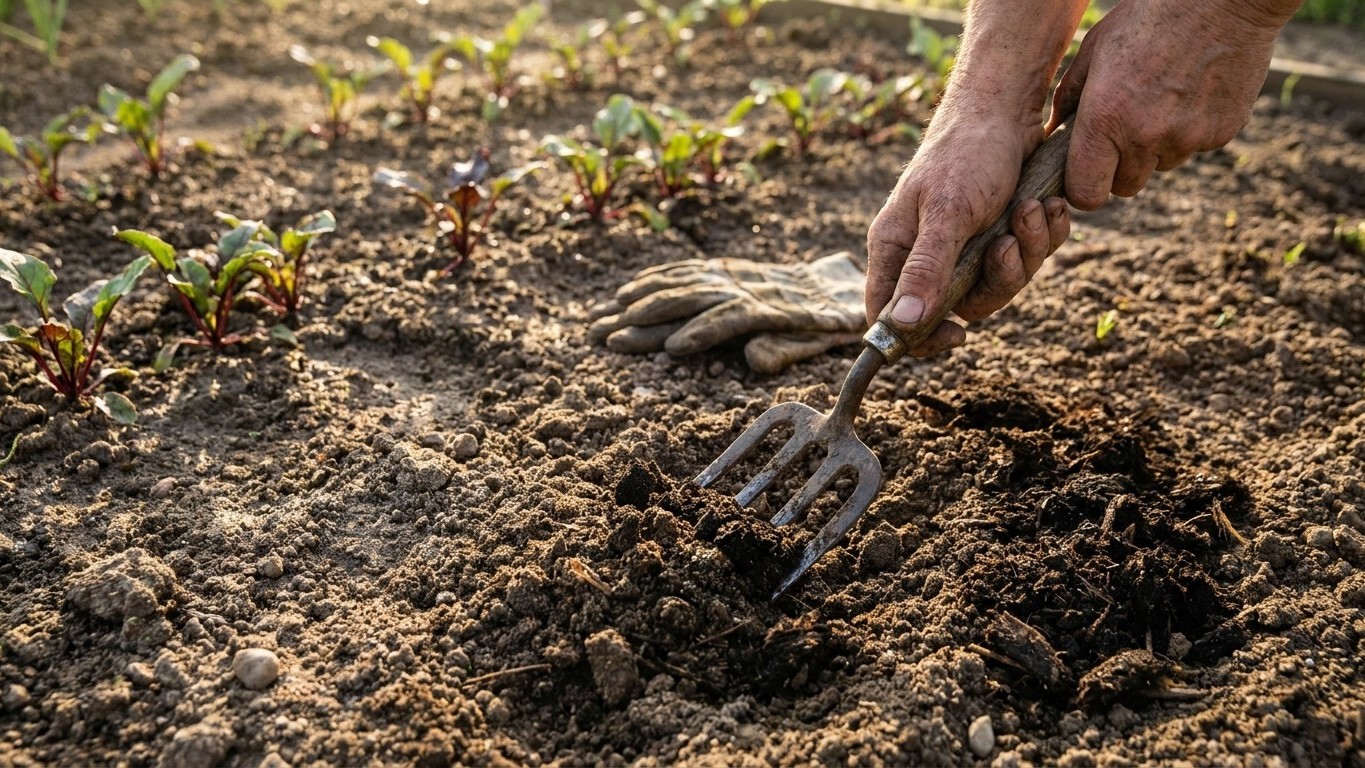
Delaware’s official soil, the Greenwich series, is a well-drained sandy loam sitting close to what beets actually want: deep, loose ground that lets a…
Home & garden, state by state
Delaware’s official soil, the Greenwich series, is a well-drained sandy loam sitting close to what beets actually want: deep, loose ground that lets a…
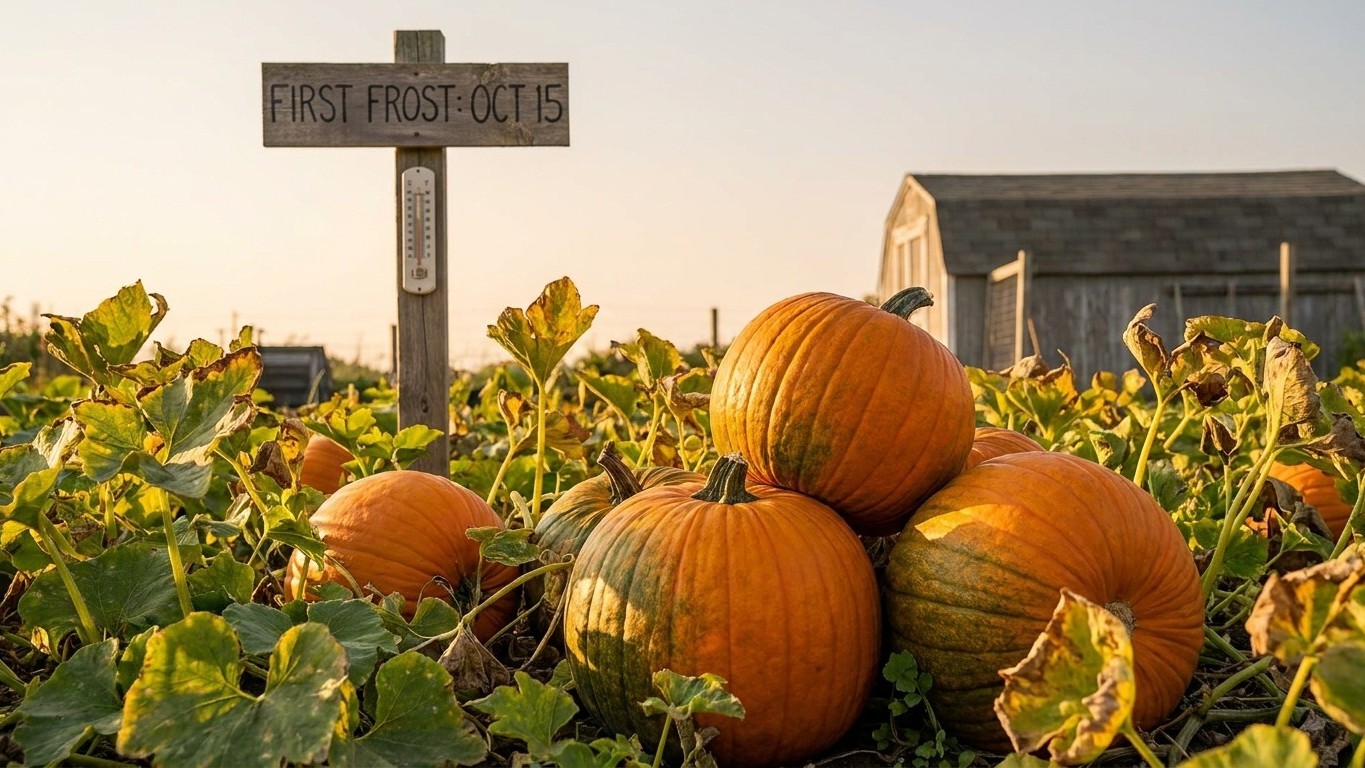
Connecticut’s first fall frost lands somewhere between October 28 and November 10, and a pumpkin needs 45 to 55 days between the moment its flower opens…
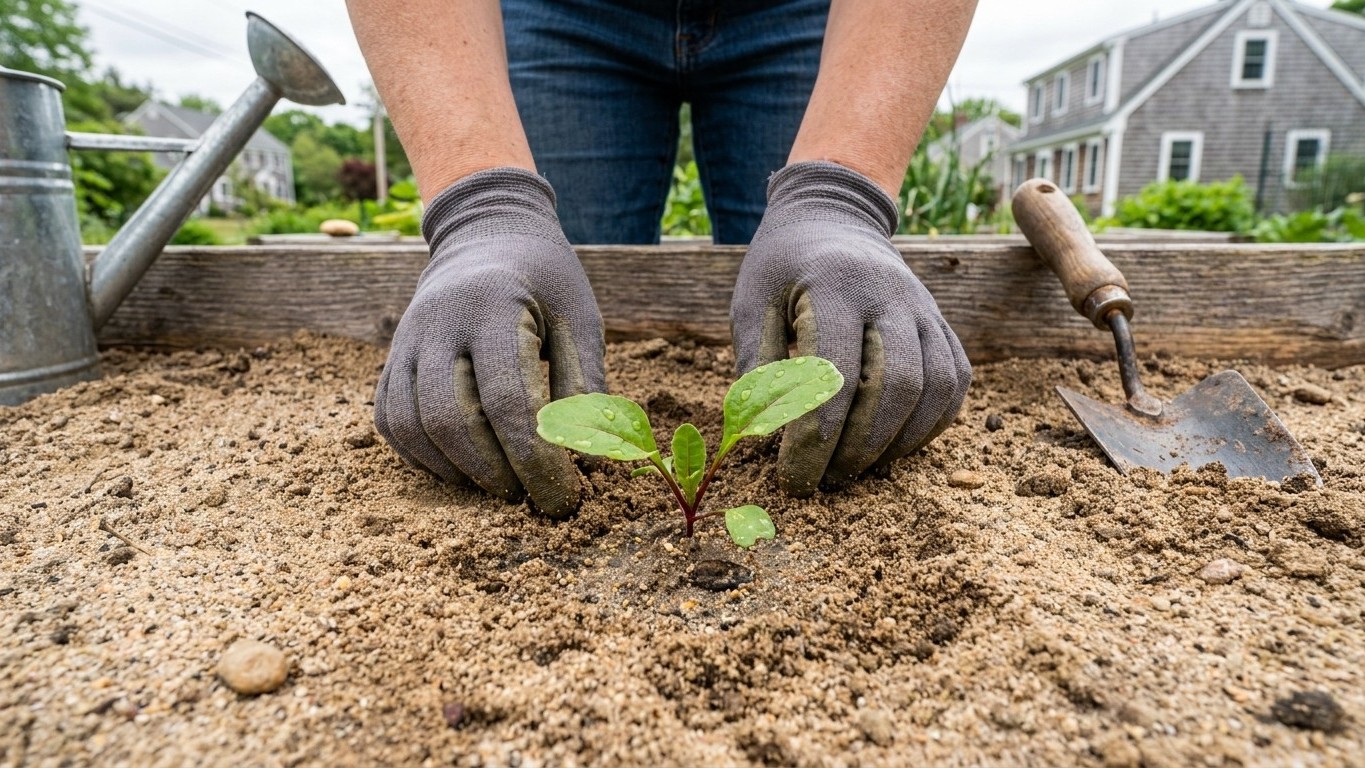
Connecticut’s representative soil runs sandy, acidic and drains fast, which pushes beet growers toward heavy amendment and tight water scheduling.
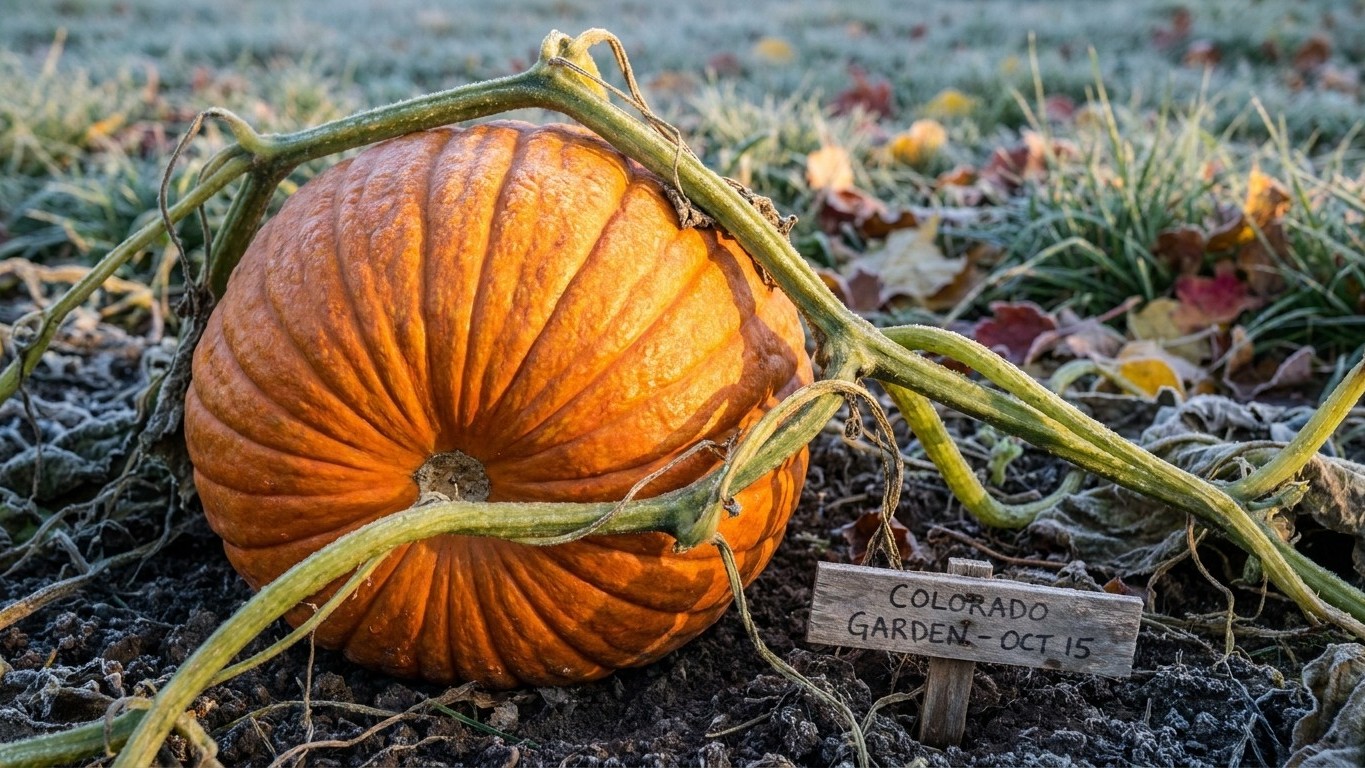
Colorado’s growing season isn’t long enough to gamble on a late-blooming vine.
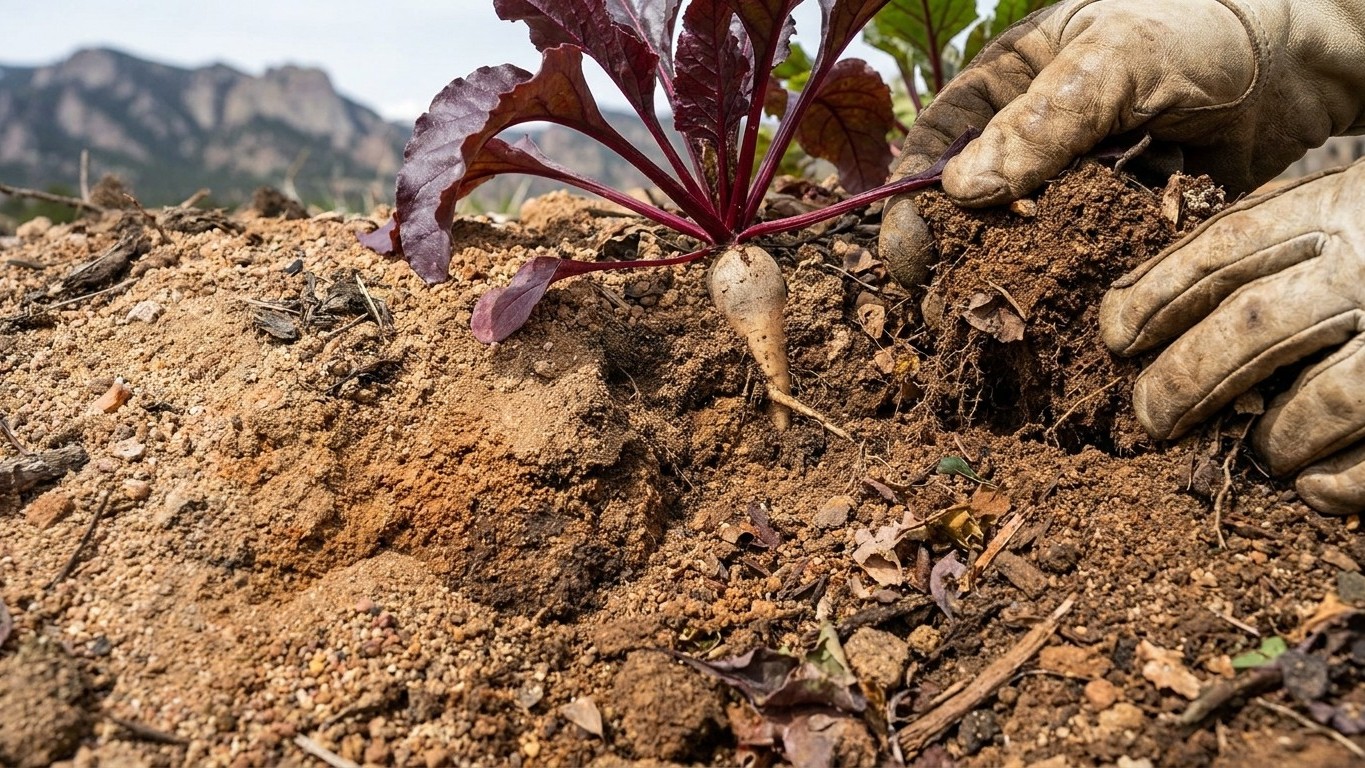
Colorado’s representative soil, the Seitz series, is a well-drained forest loam that runs slightly acid and low on nutrients storage compared to richer…
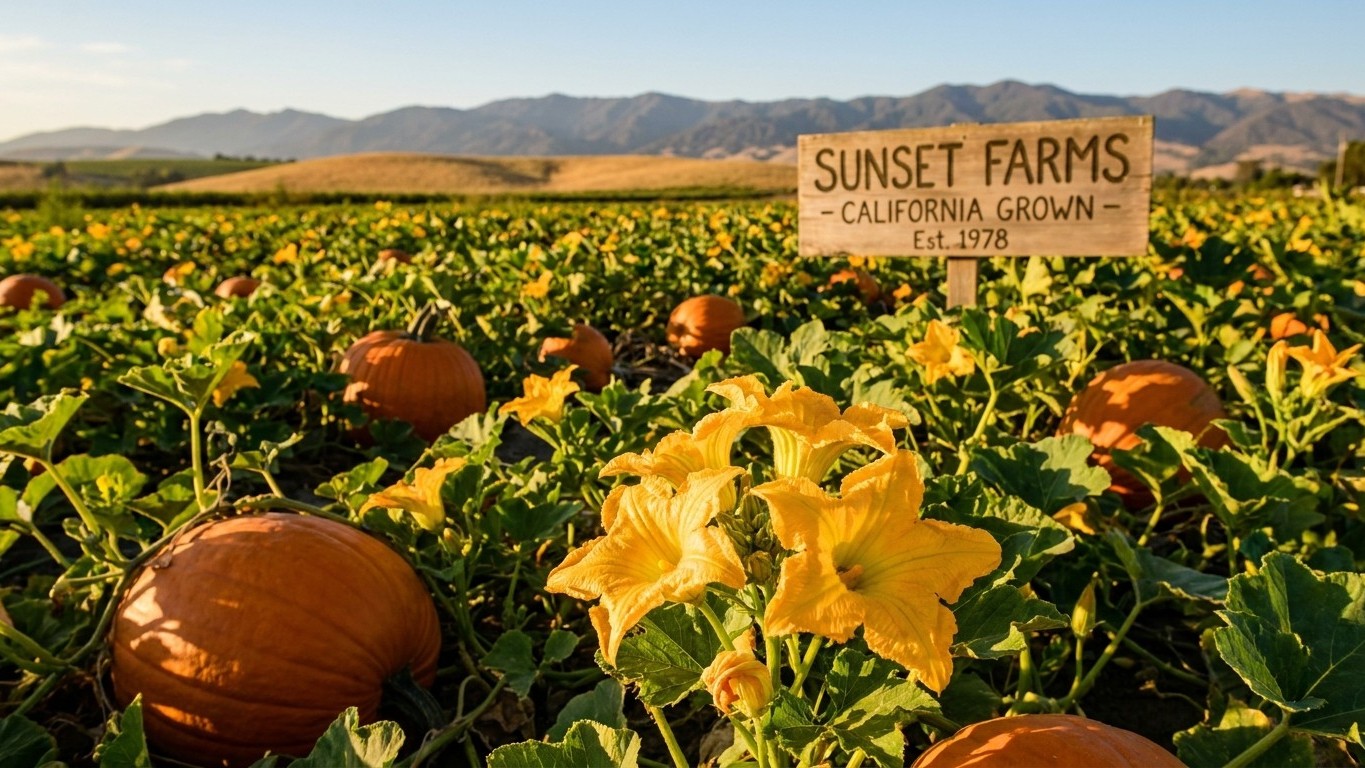
Ask this question in Los Angeles and the answer is “you have all the time in the world.” Ask it in Sacramento or Truckee and it’s a different…
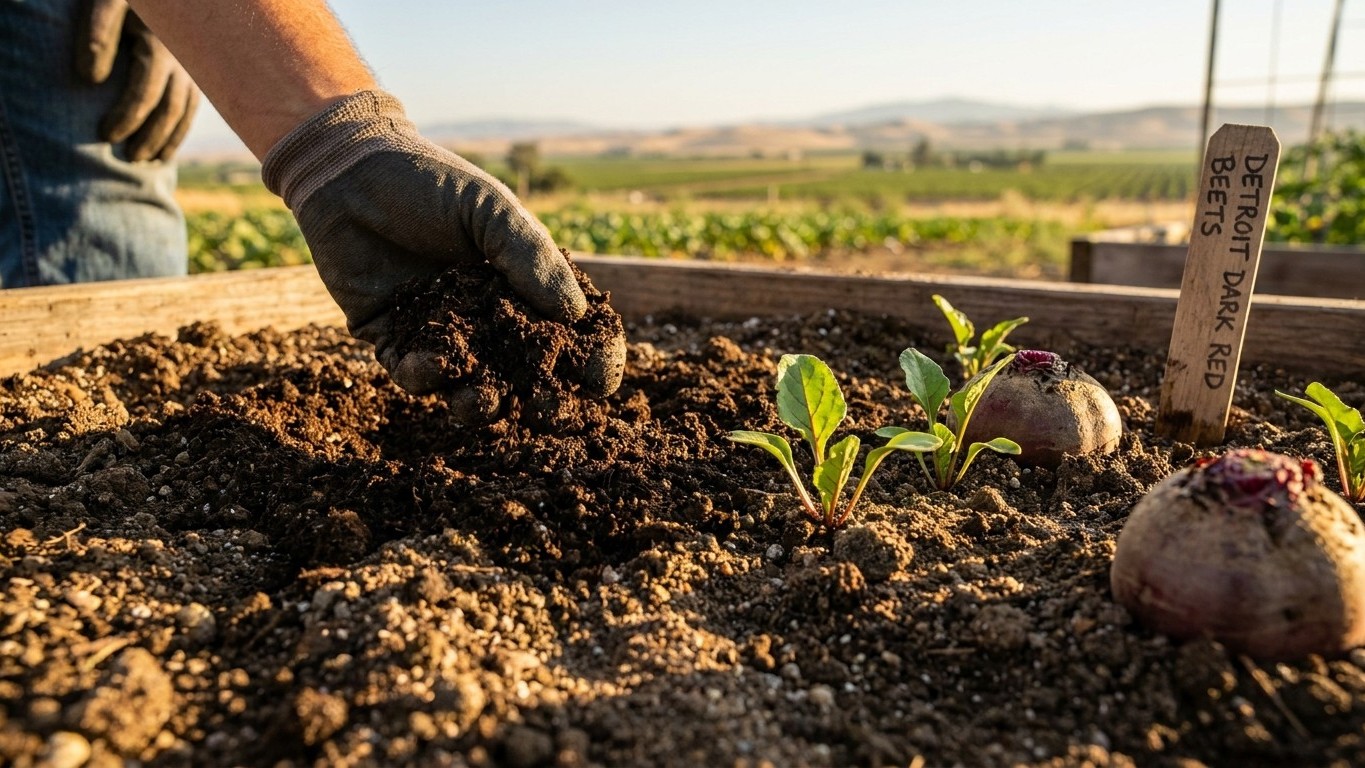
California doesn’t have one climate for beets, it has several, and the difference between the coast and the Central Valley matters more than any planting…
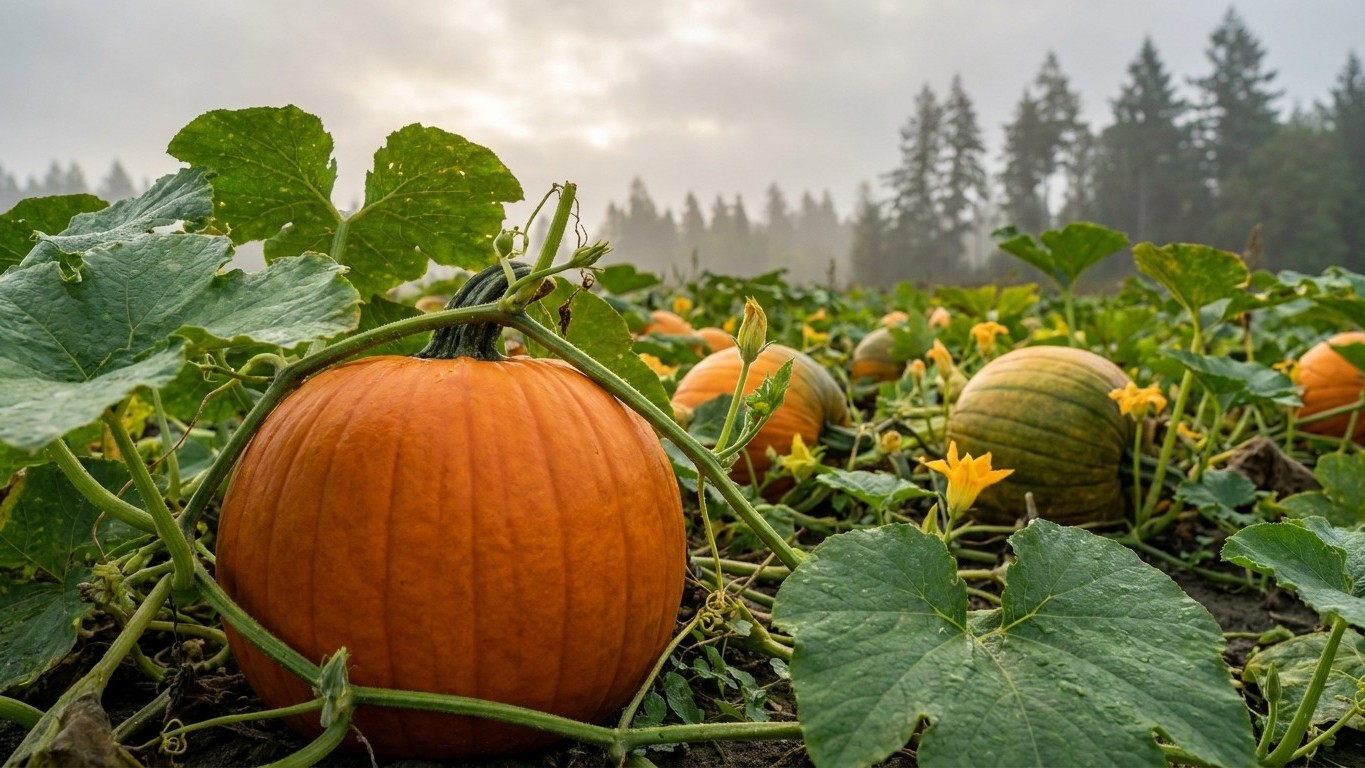
In coastal British Columbia, pumpkins ripen only when their flowers open by mid-to-late September, working back from the region’s average frost date.
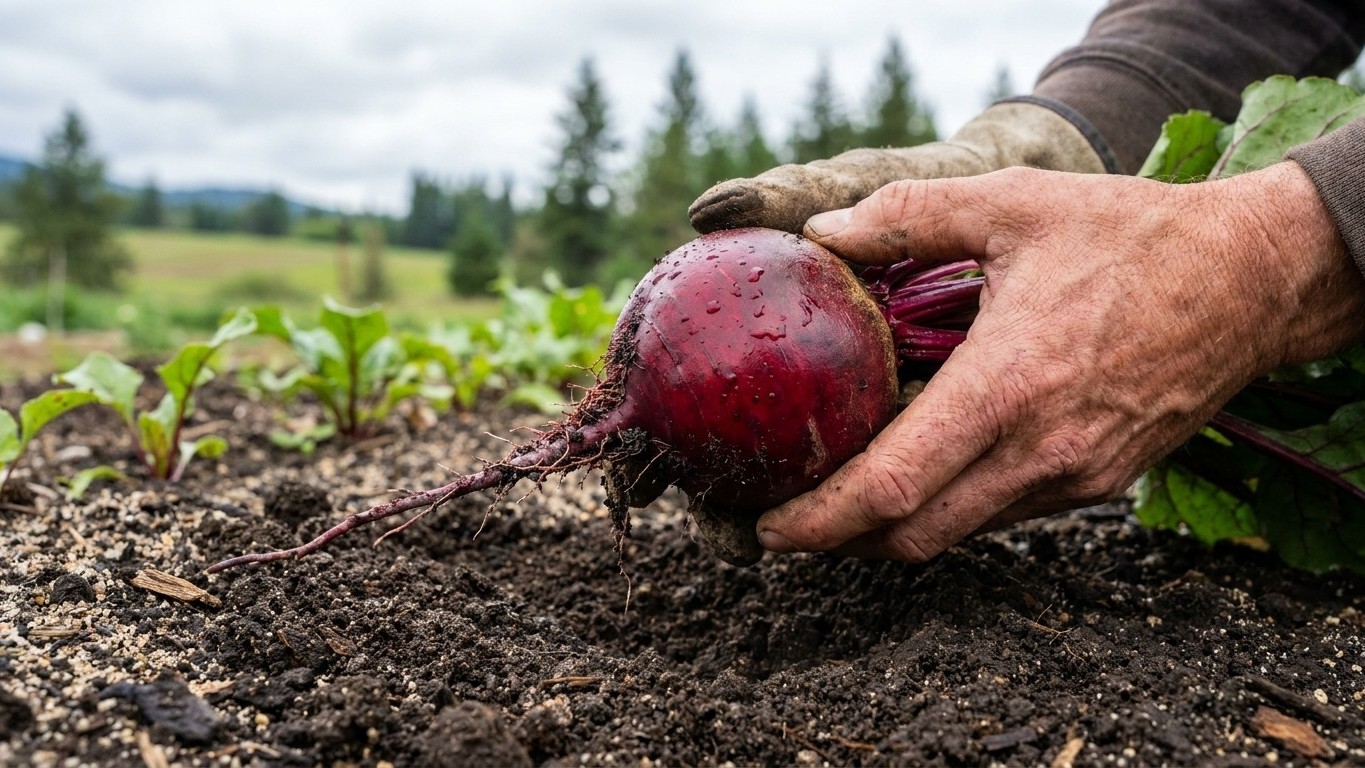
British Columbia’s farmland soil runs young and slightly acid, sandy loam over silt, well drained but light on the clay that holds moisture.
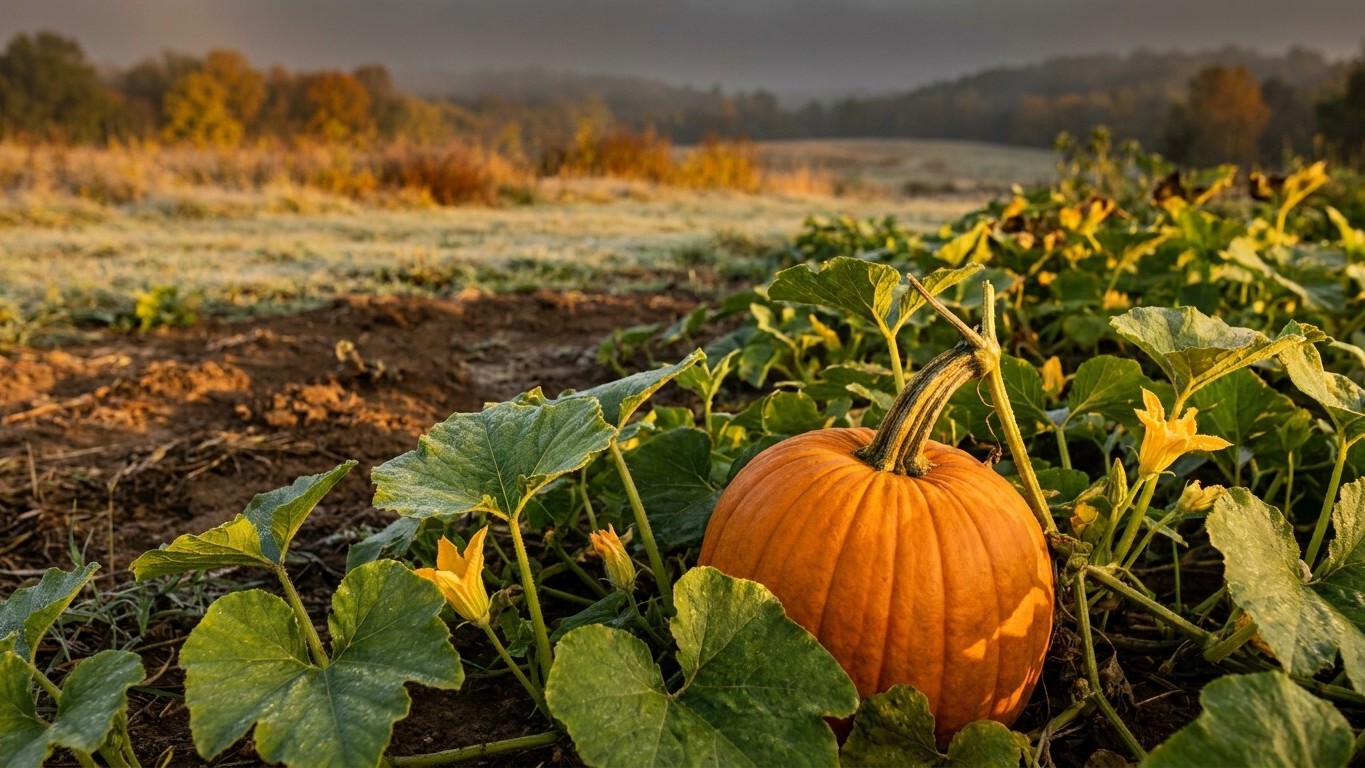
Yes, most of Arkansas gives pumpkins enough season to ripen before frost, but the deadline isn’t the seeding date; it’s the day the flower opens.