Edging a Lawn: The Line That Makes Everything Else Look Deliberate
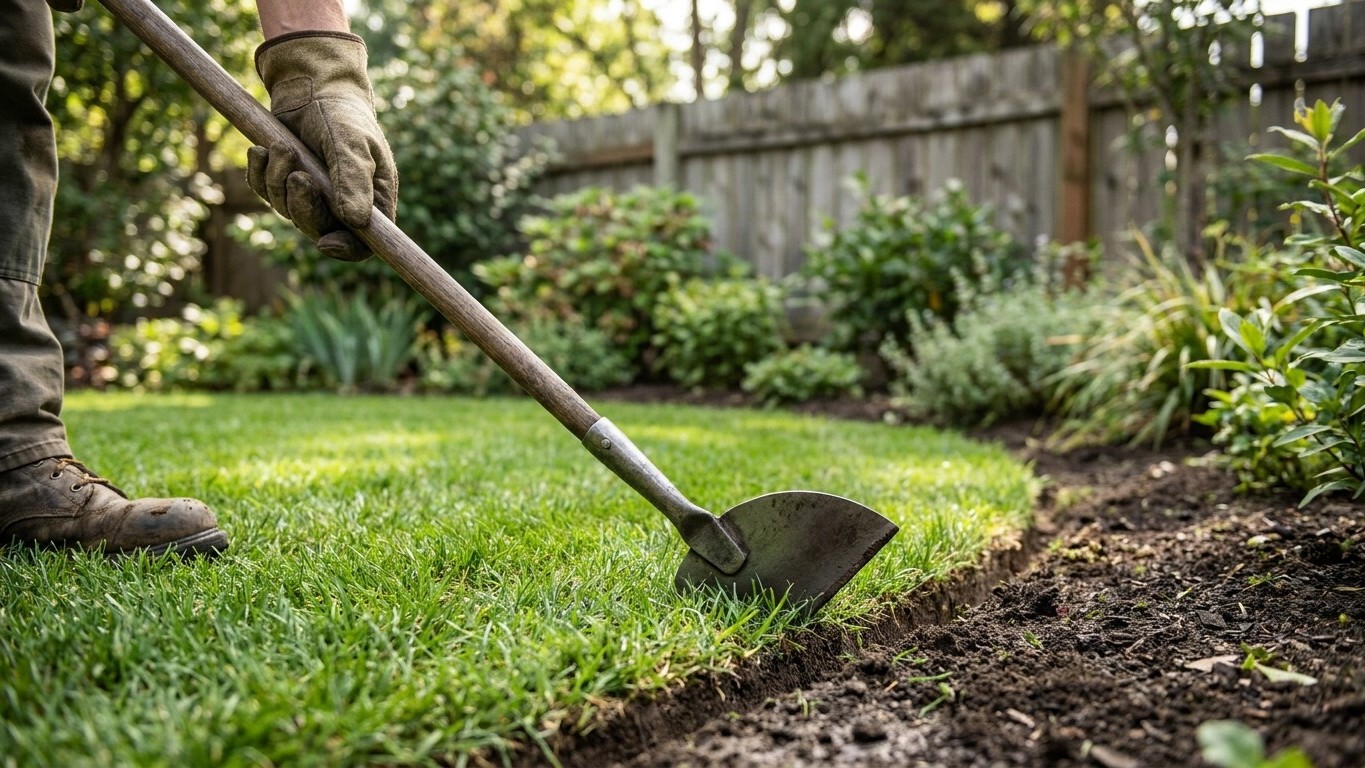
Edging timing follows the grass’s growing season, cool-season in spring and fall, warm-season in summer, not a fixed calendar date.
Home & garden, state by state
Edging timing follows the grass’s growing season, cool-season in spring and fall, warm-season in summer, not a fixed calendar date.
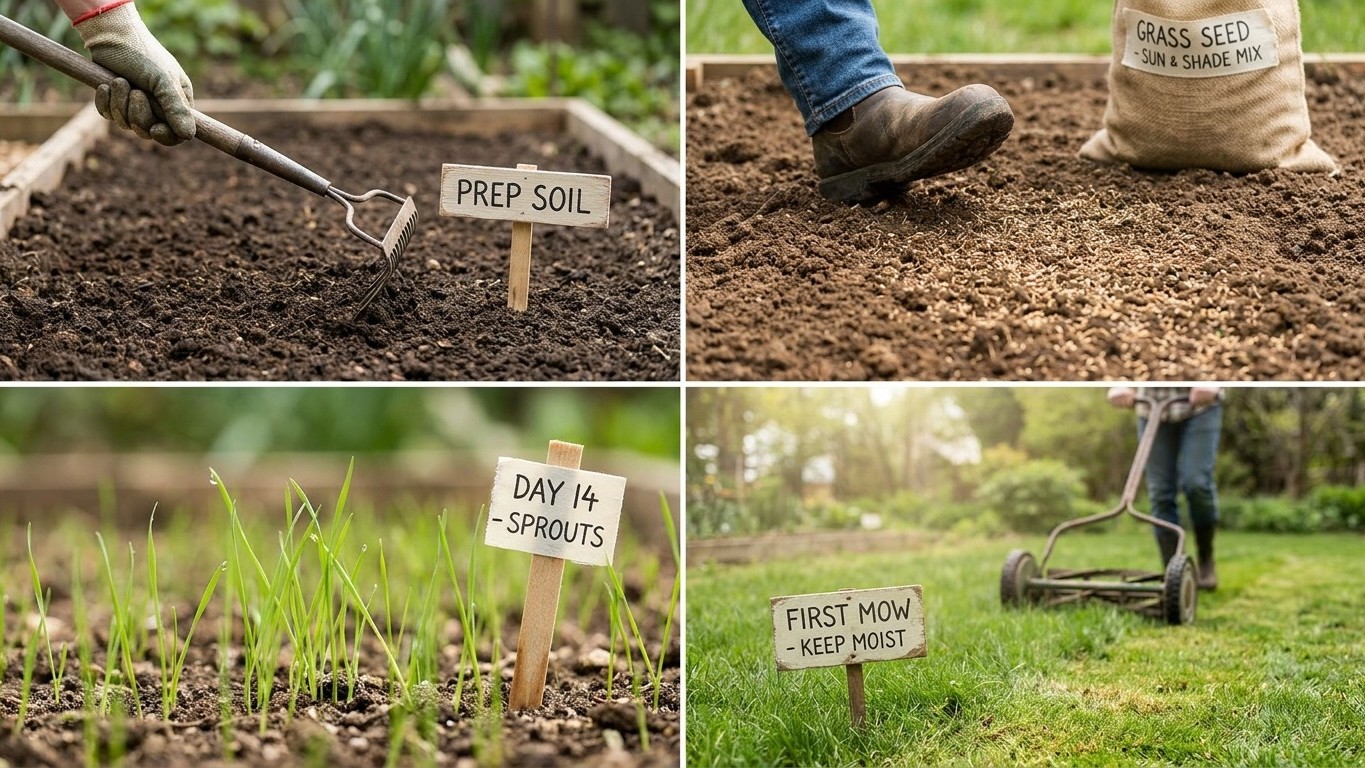
Explains how to grade, test, and seed a lawn, then the mowing height and rhythm that get seedlings from germination to their first cut safely.

A grass seed label lists purity and germination rate, but leaves out the mowing height and shade tolerance that determine whether it survives.
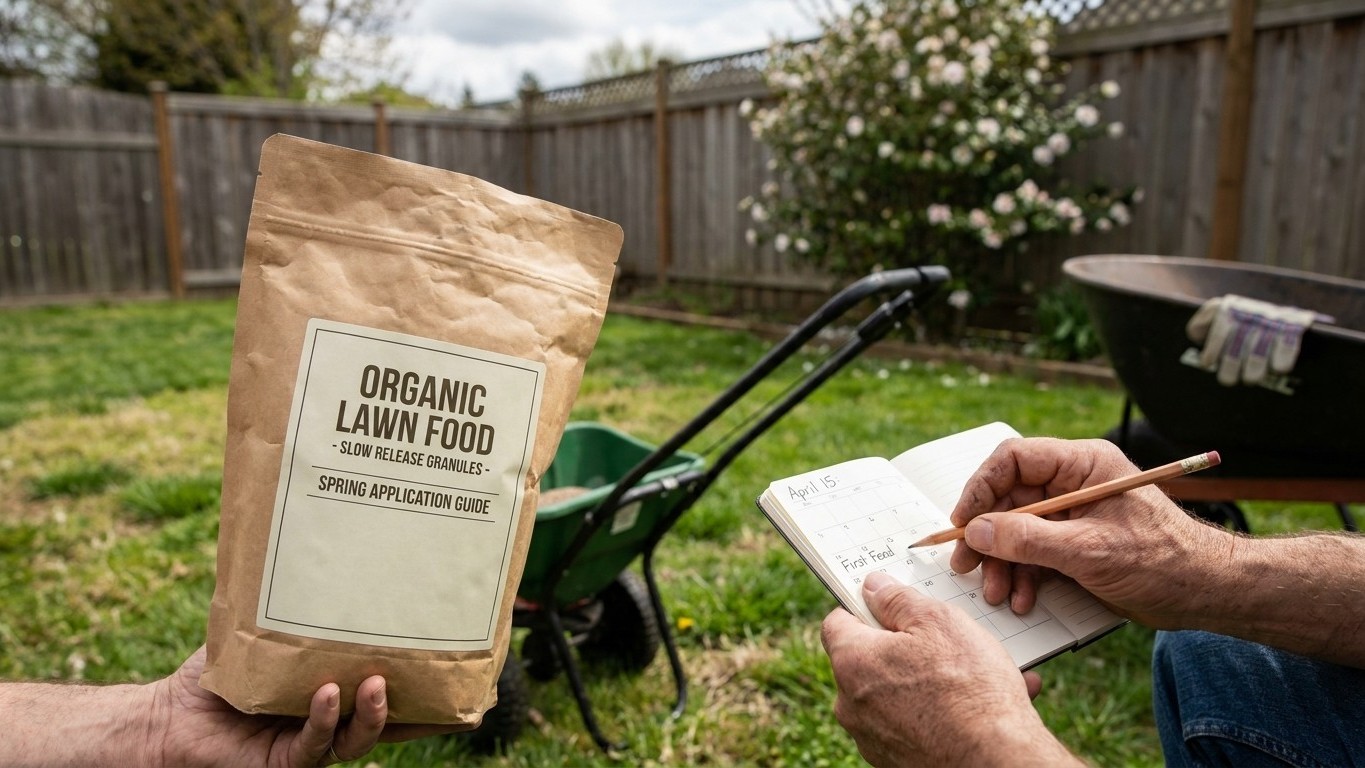
Cool-season lawns take their main feeding in fall and spring, while warm-season lawns are fed through summer, and mixing up the schedule wastes the fertilizer.
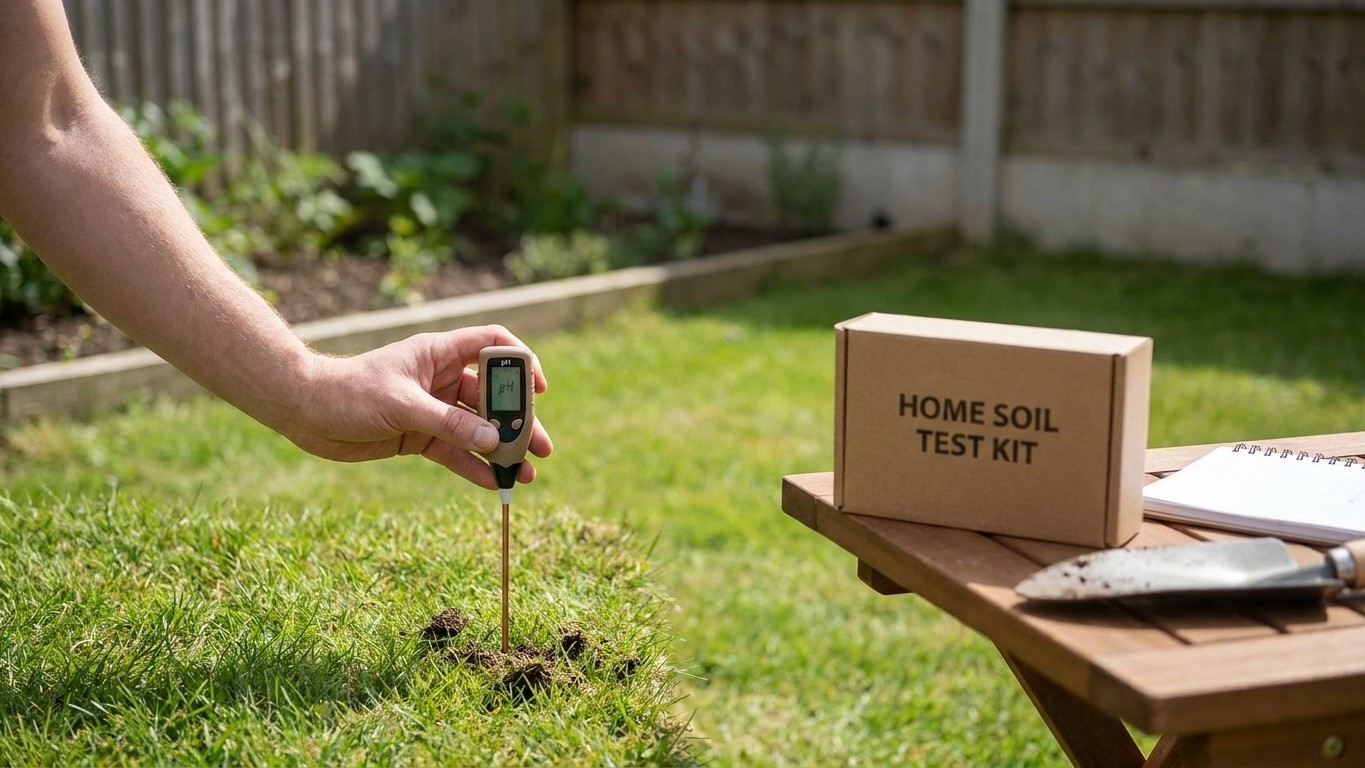
Soil testing tells you the pH and nutrient levels your lawn actually needs, so you stop guessing with lime and fertilizer purchases.
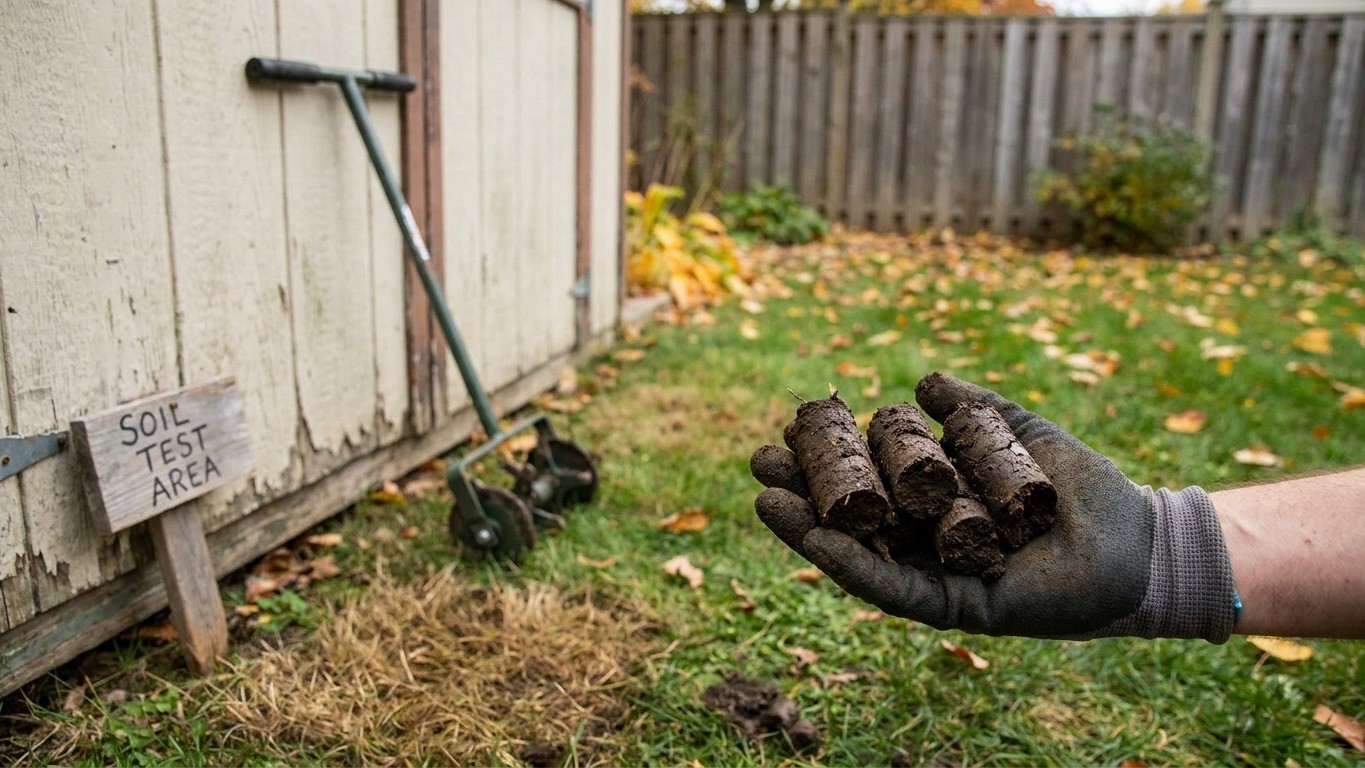
Core aeration only helps a lawn with compacted soil or heavy thatch, and timing follows the grass’s growing season rather than the calendar.
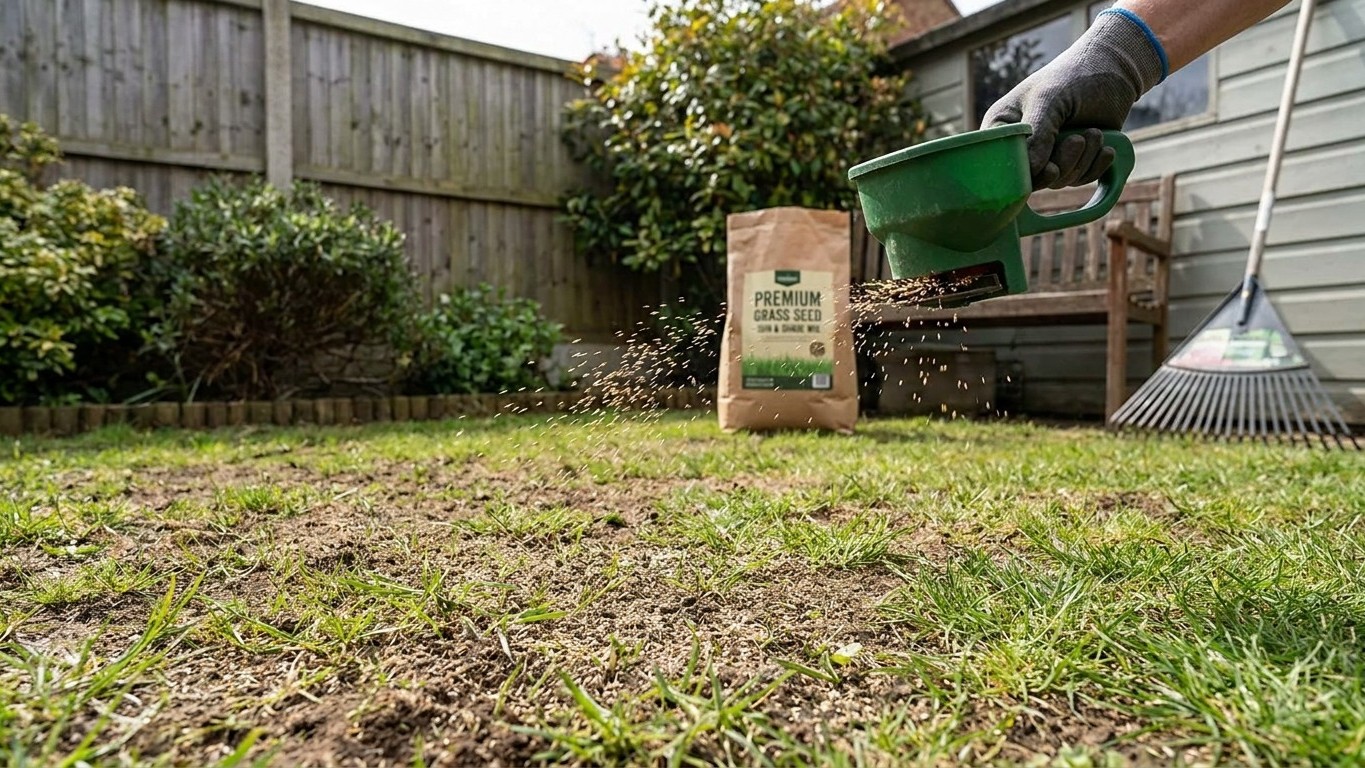
How to overseed a thinning lawn correctly, including timing by grass season, seed-to-soil contact, and the mistakes that show up weeks later.
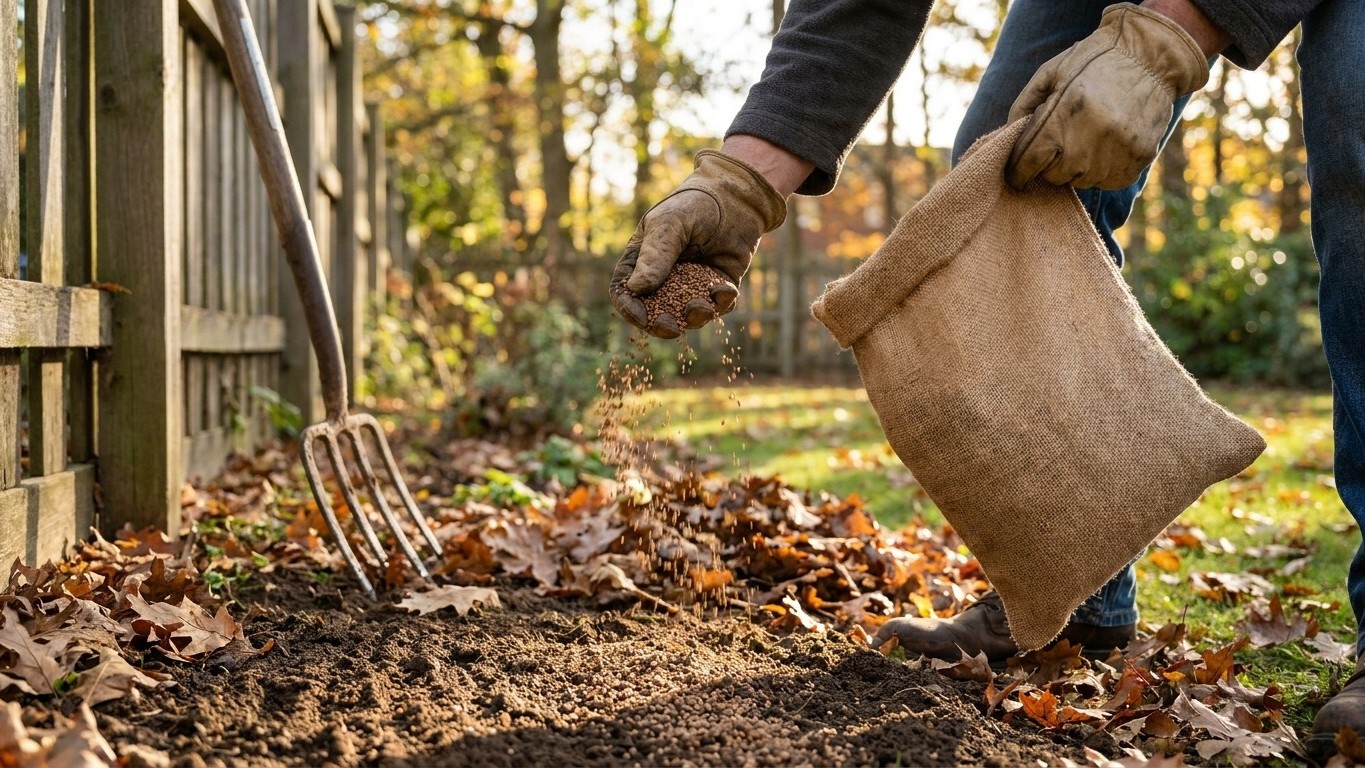
Cool-season lawns grow hardest in fall while warm-season lawns prepare for dormancy, and each needs different mowing, feeding and overseeding timing.
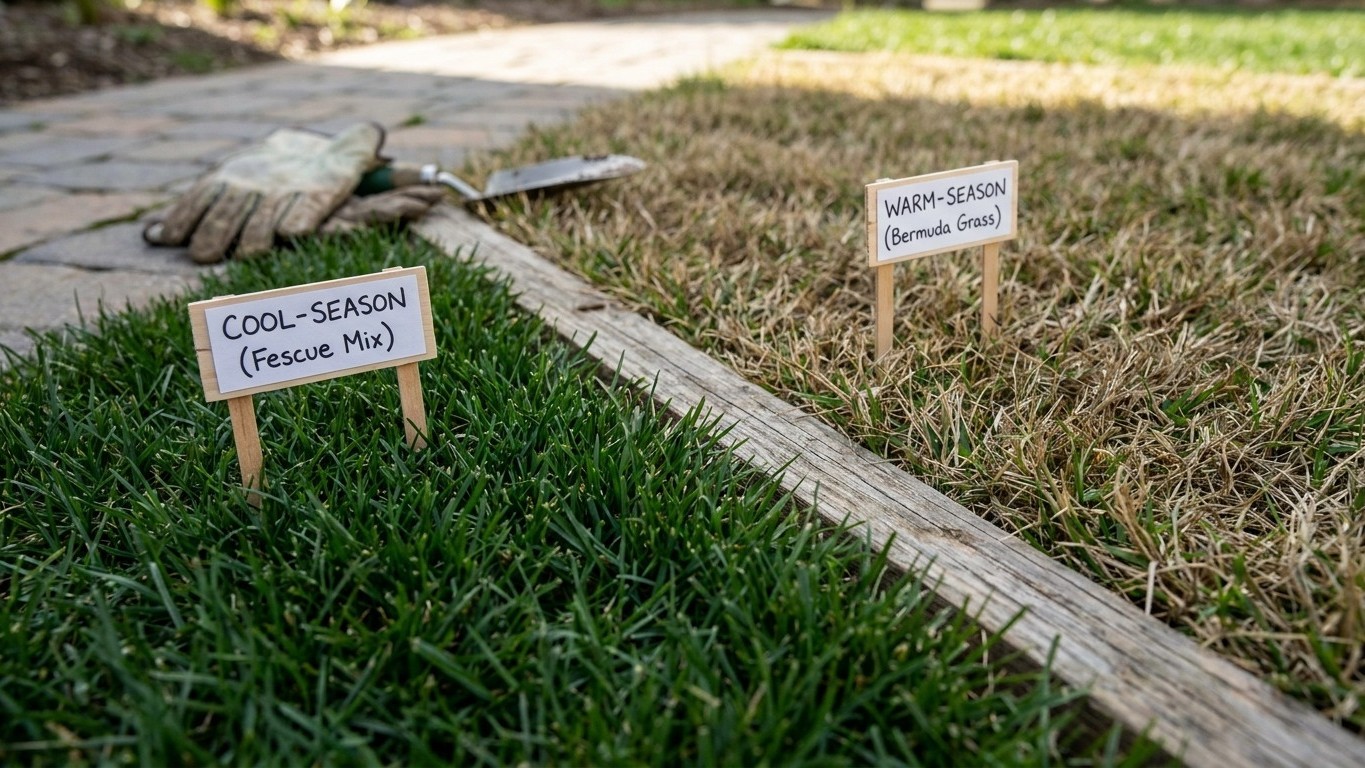
A side-by-side look at cool-season and warm-season lawn grasses, with mowing heights and shade, drought, and wear tolerance from university extension data.
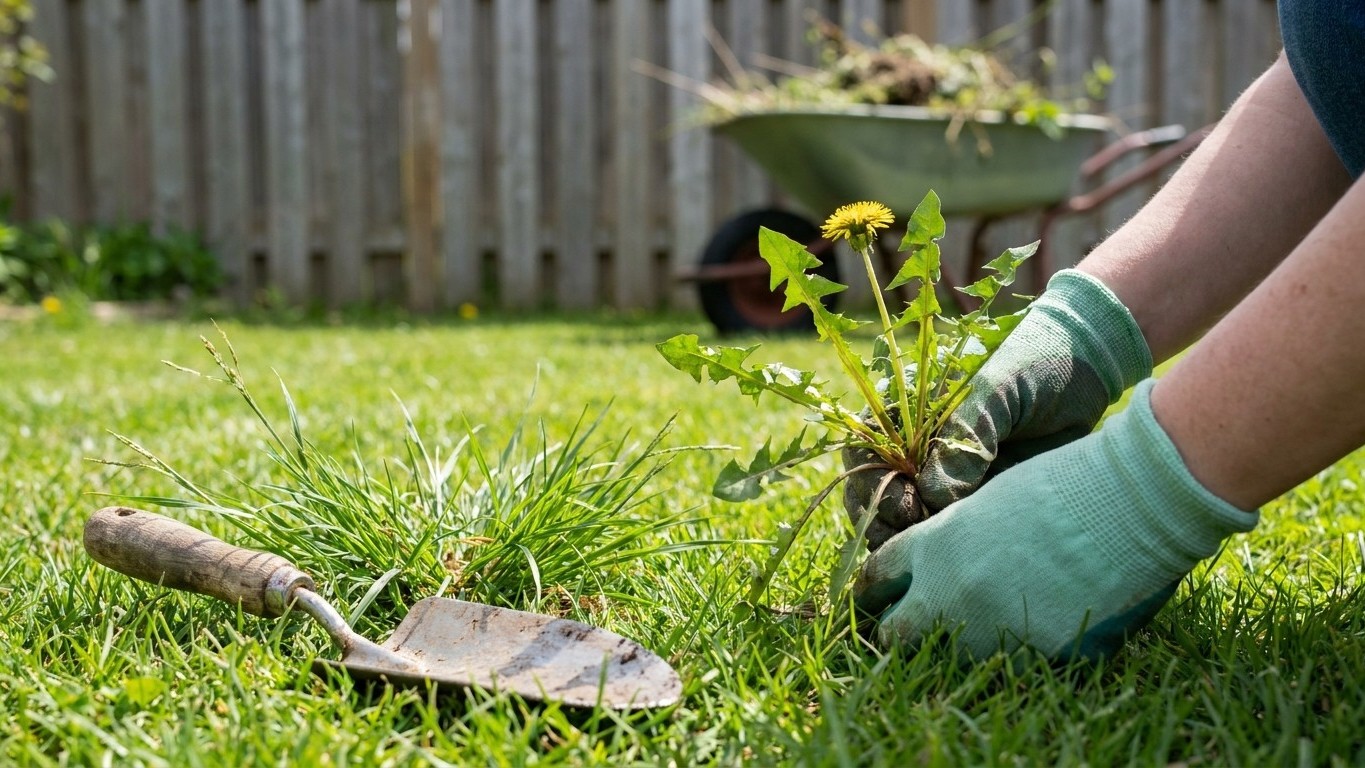
Learn to tell dandelion, crabgrass, clover and other common lawn weeds from off-type turfgrass patches using leaf shape, growth habit and mowing response.