St. Augustinegrass: Deep Shade, but Only in the Deep South
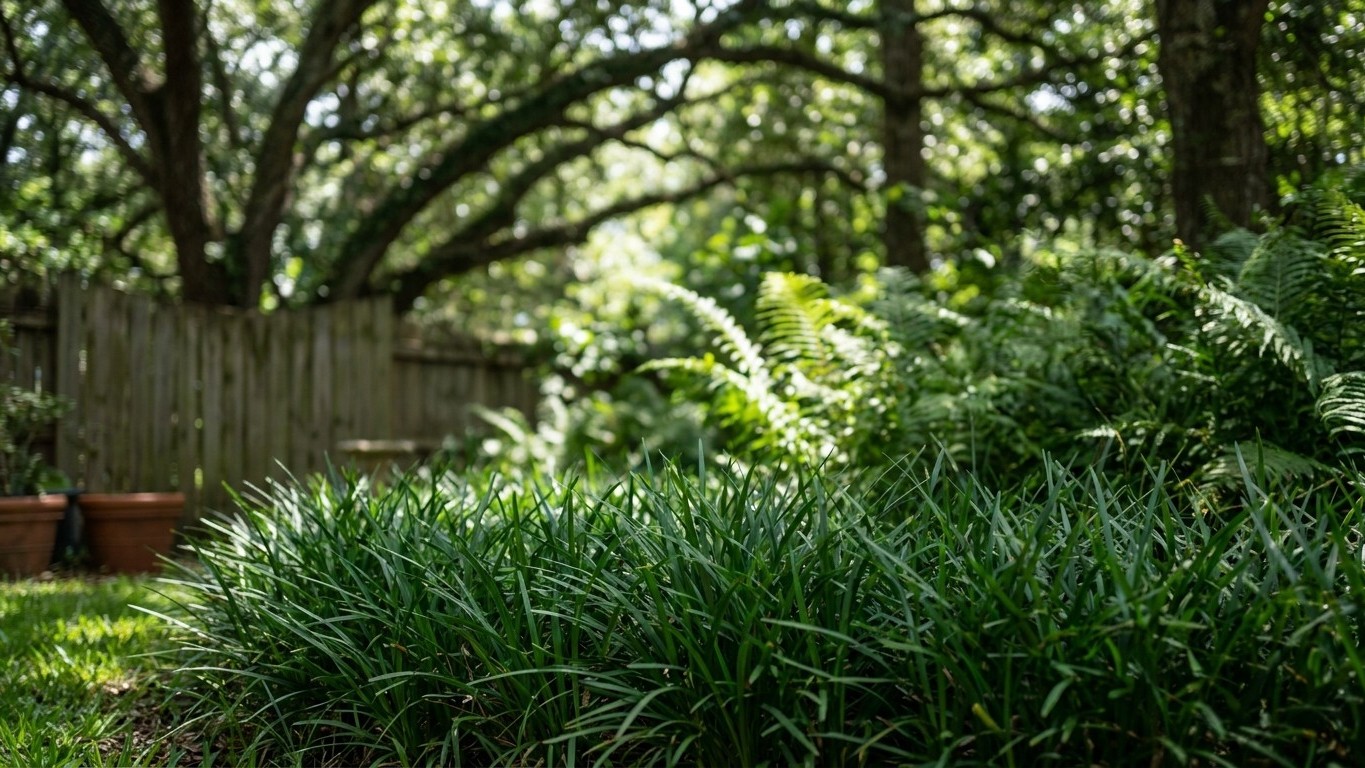
St. Augustinegrass tolerates deep shade well but its poor cold hardiness confines it to the Deep South, and it must be sodded, sprigged or plugged rather than seeded.
Home & garden, state by state
St. Augustinegrass tolerates deep shade well but its poor cold hardiness confines it to the Deep South, and it must be sodded, sprigged or plugged rather than seeded.
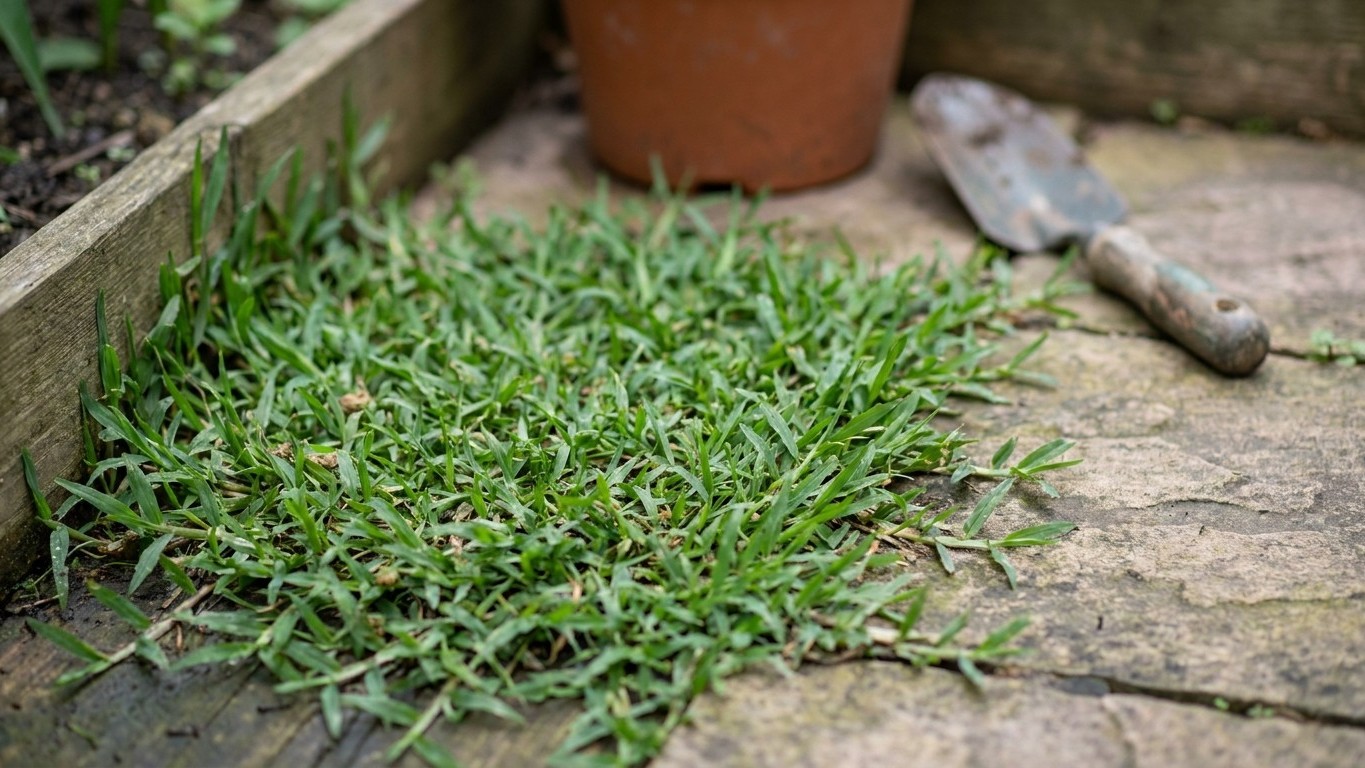
Carpetgrass holds on soggy, acid soil where other lawns fail, but it needs constant moisture and cannot take drought, shade loss, or hard freezes.
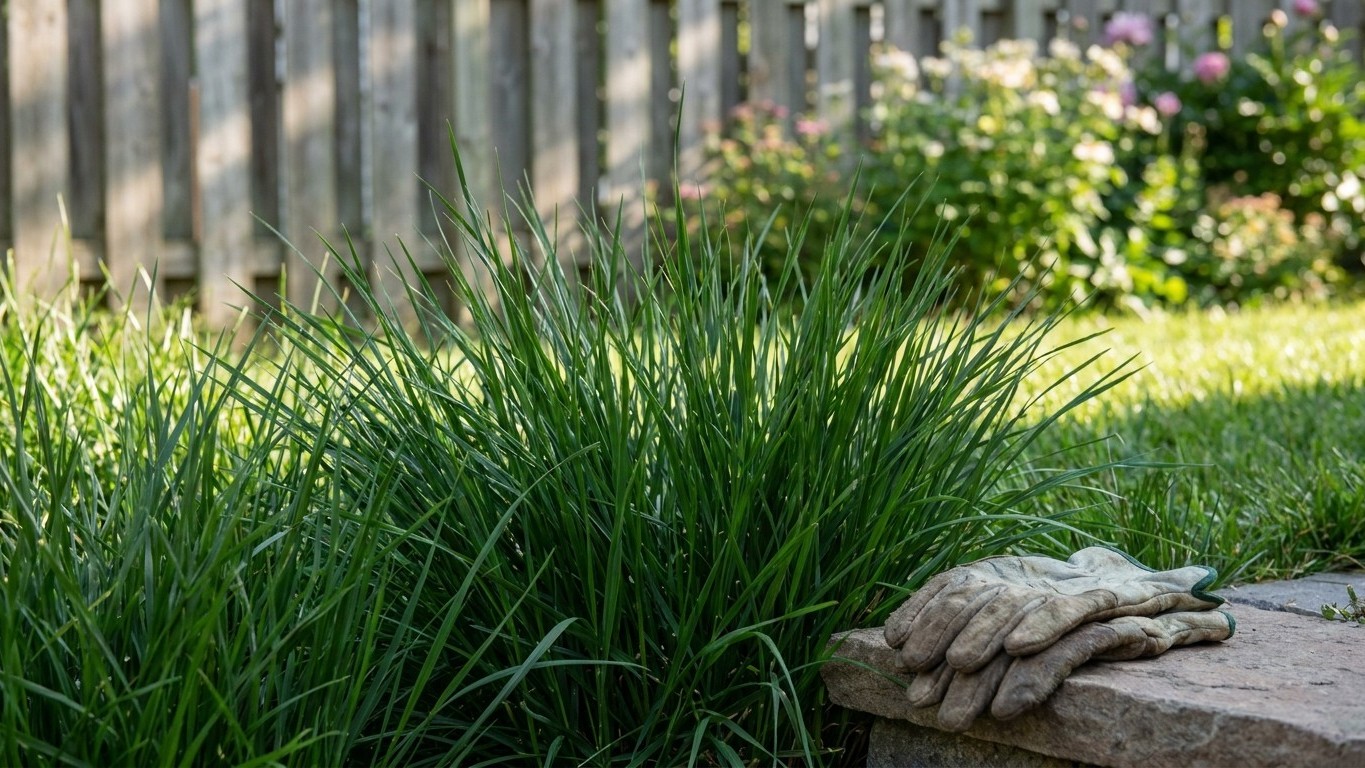
Tall fescue is a cool-season grass that does well across the northern states and in the upper Piedmont and mountains of the Southeast, but thins in hot lowlands.
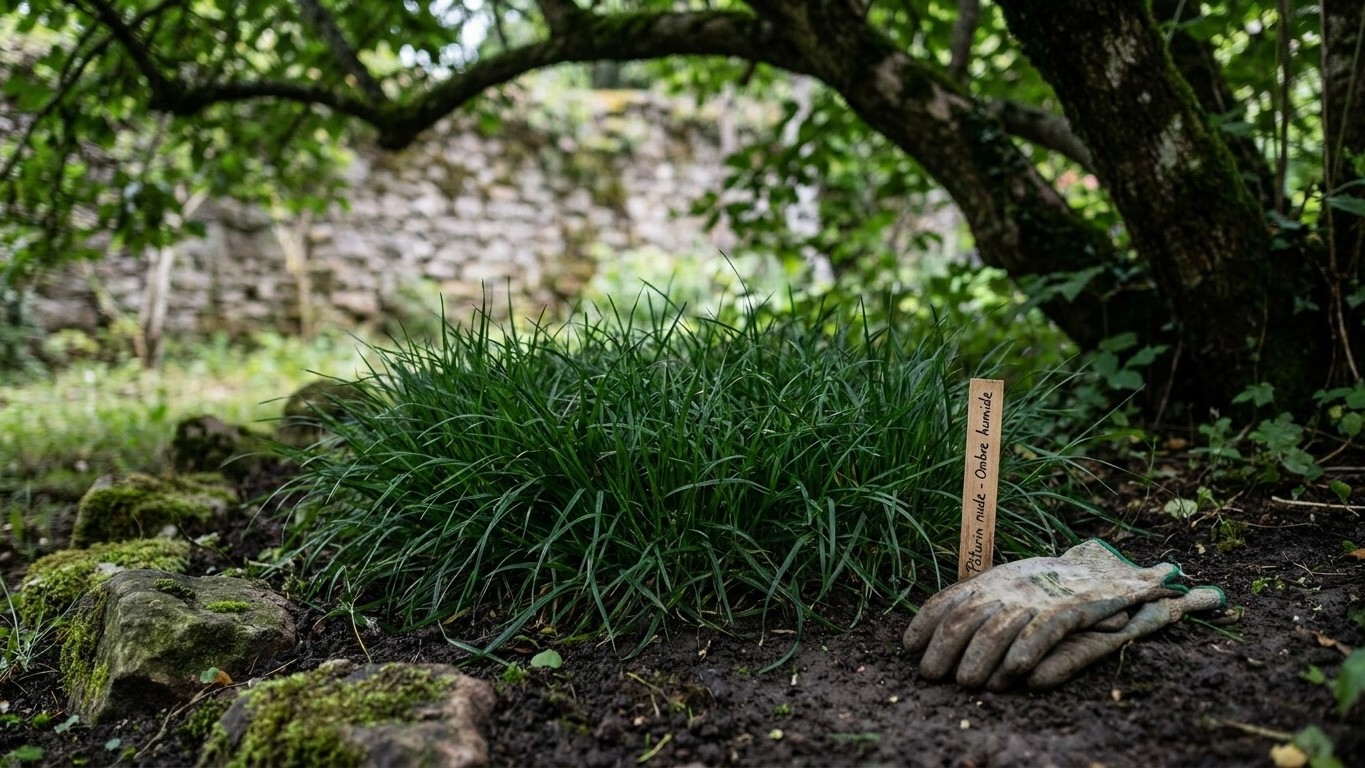
Rough bluegrass is a cool-season seeded grass for moist shade, but extension services disagree on whether it is a lawn grass or a weed. Here is where it works.
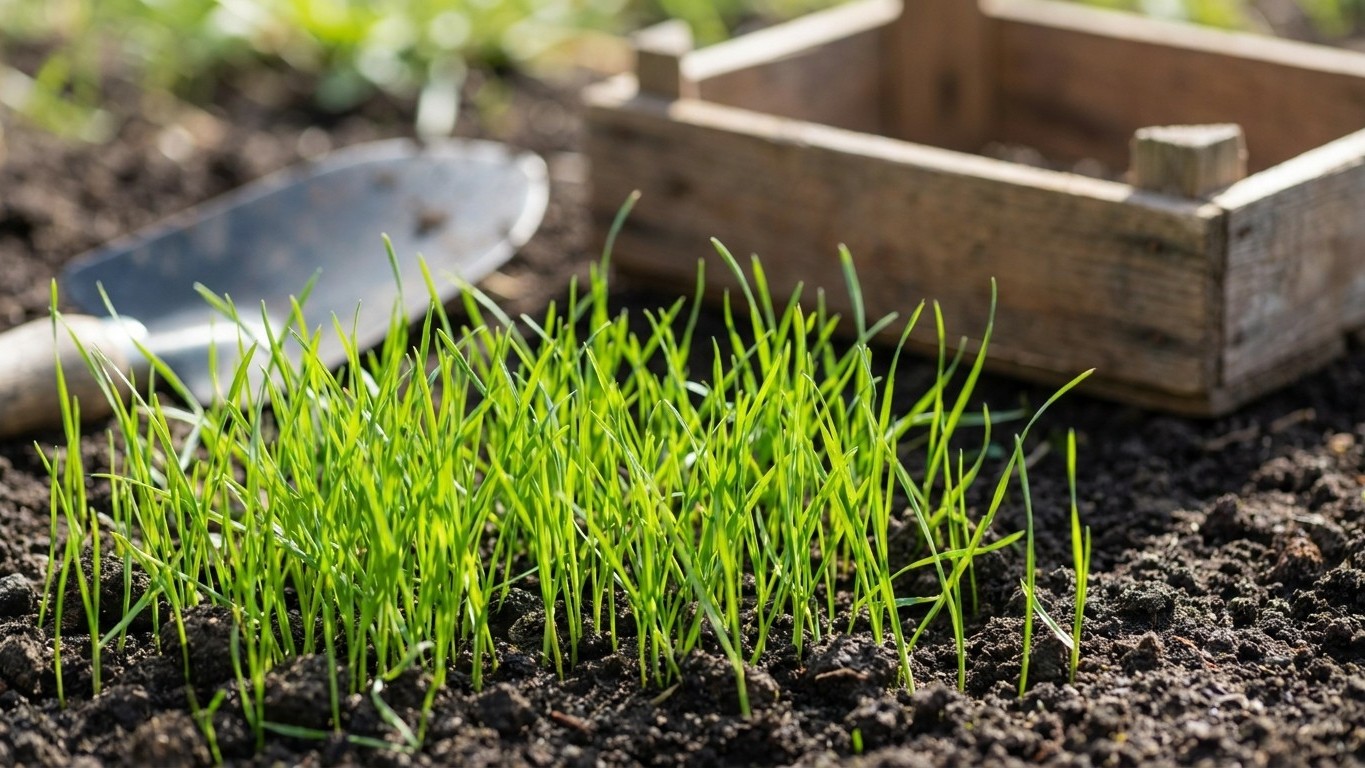
Perennial ryegrass germinates in 7 to 10 days and is a cool-season grass. This page covers where it holds, what it tolerates, seeding rates and mowing height.
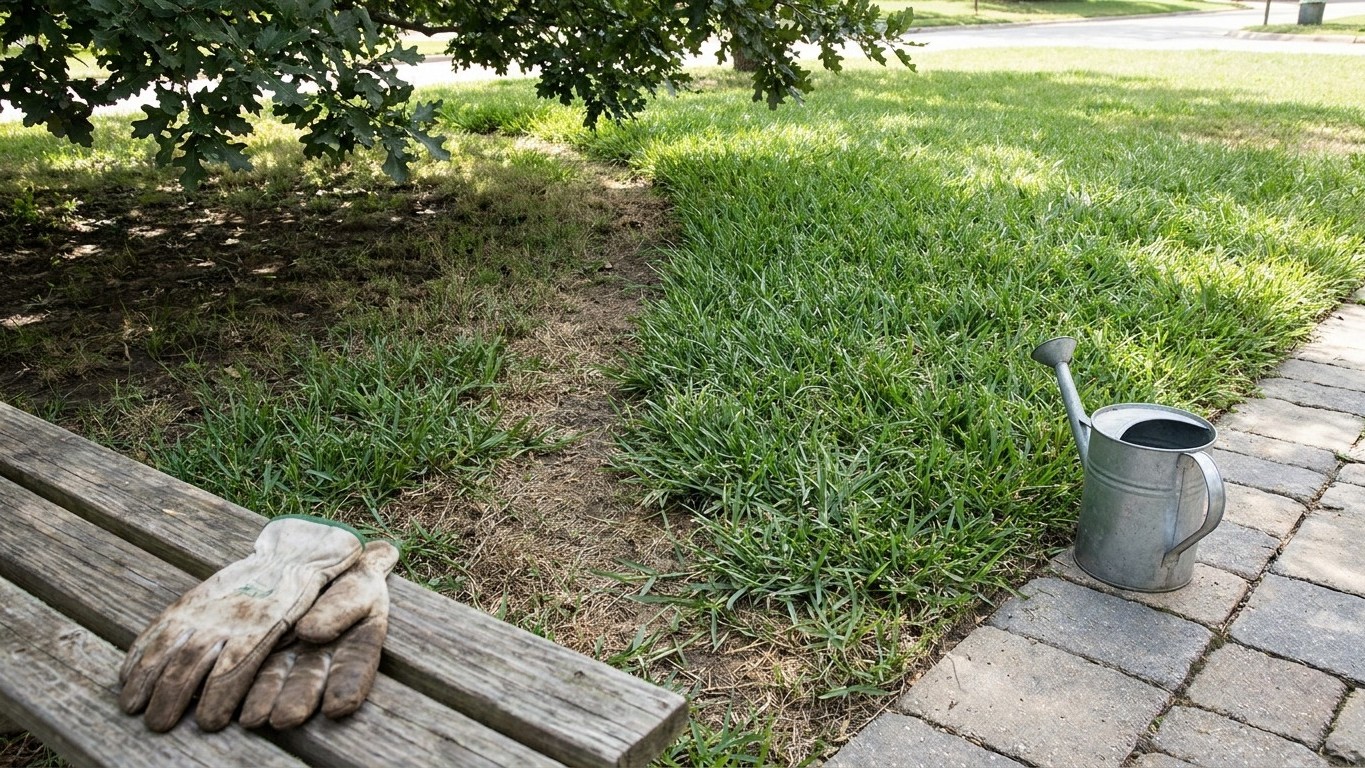
Bermudagrass handles heat, drought and heavy foot traffic across the South but fails in shade and hard winters, so match it to your climate and light first.
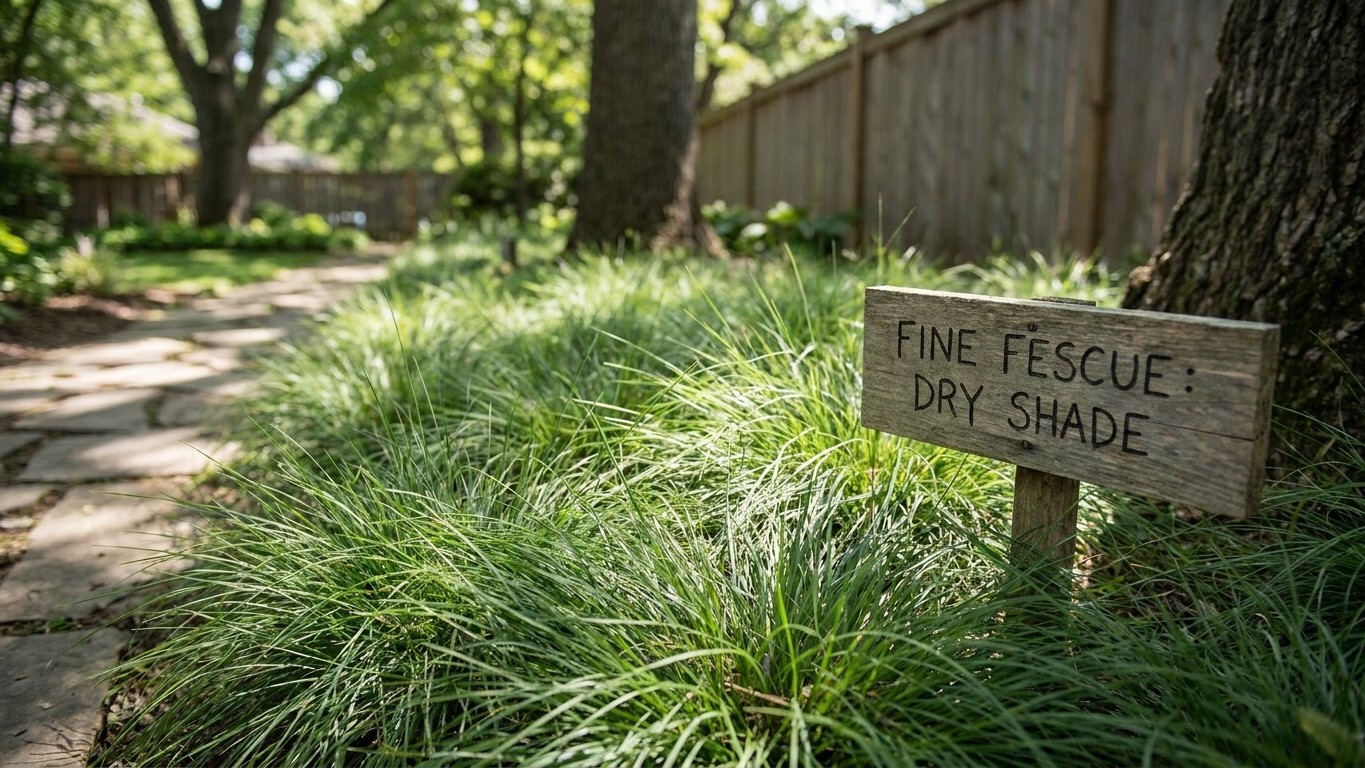
Fine fescue is a cool-season grass that copes with shade and dry soil but struggles in heat, wet ground and heavy traffic.
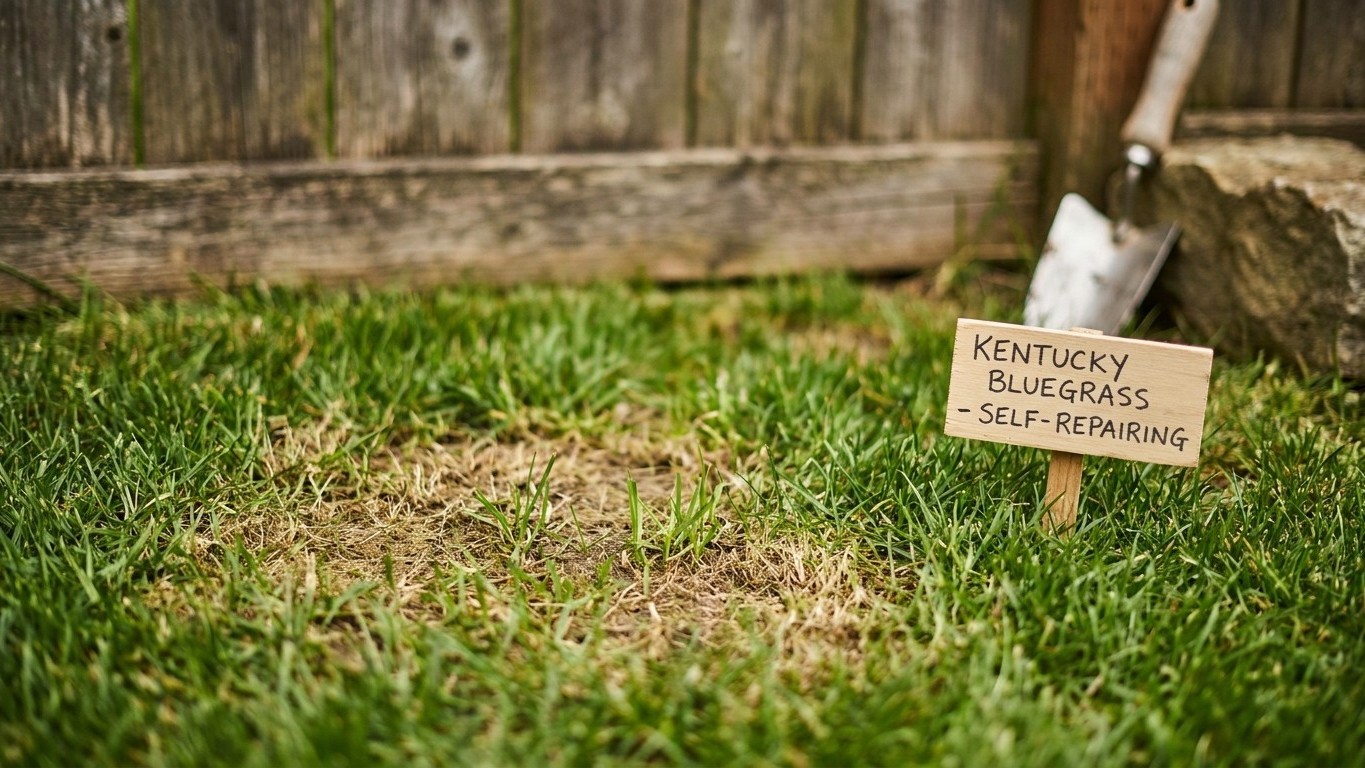
Kentucky bluegrass is a cool-season lawn grass with spreading rhizomes and slow seed. This page sorts states into first choice, compromise and will-not-hold, with seeding and mowing figures.
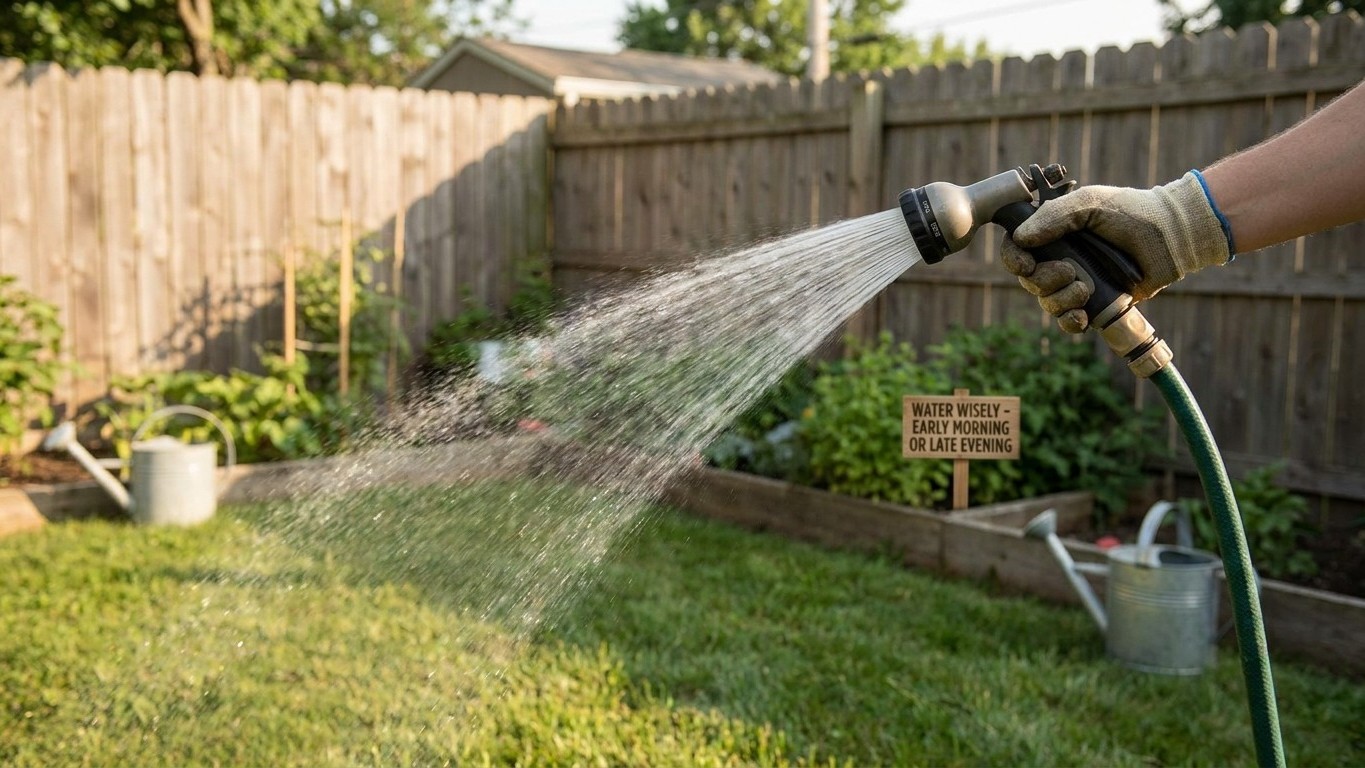
Watering needs differ for cool-season and warm-season lawns, based on the drought tolerance extension services rate for each grass species.
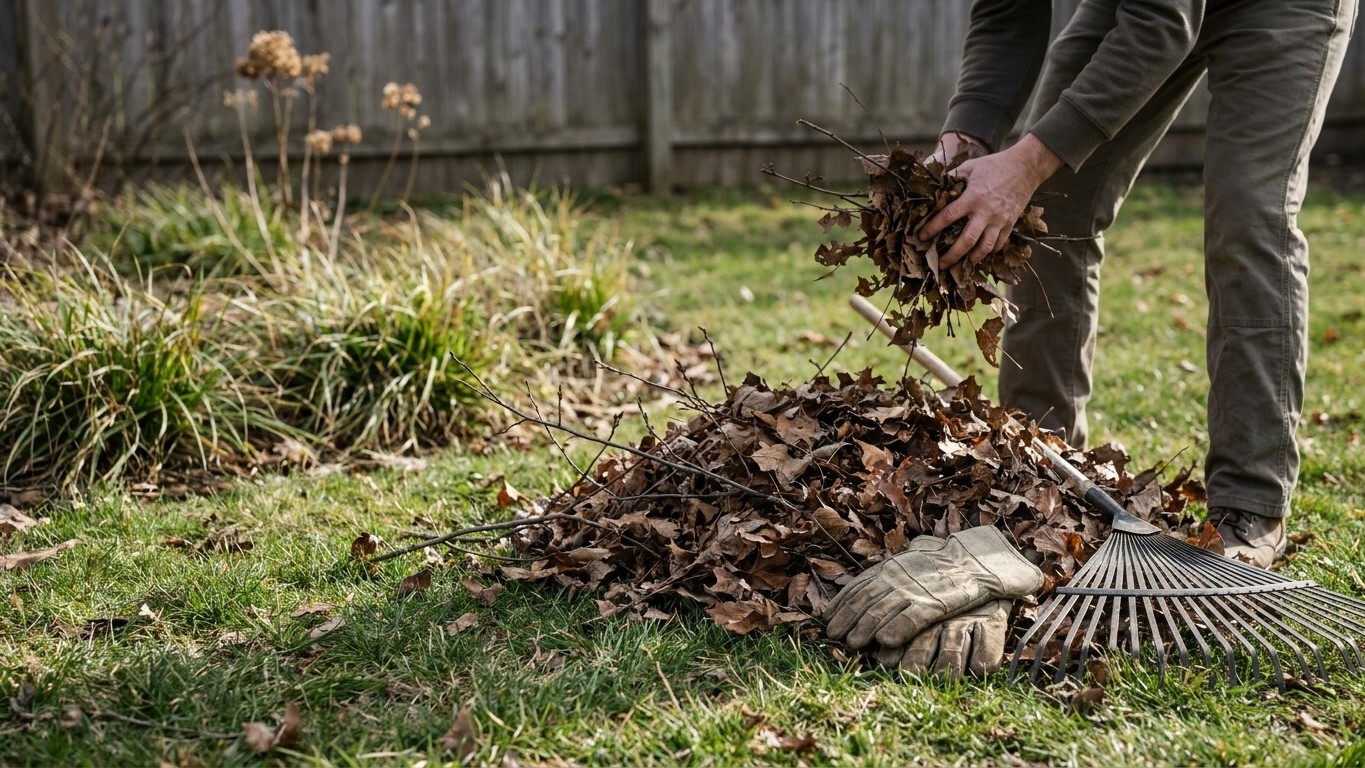
What to tackle first in spring lawn cleanup, what to leave alone, and the mowing heights and timing that decide the outcome.