Cover Crops for South Carolina Gardens
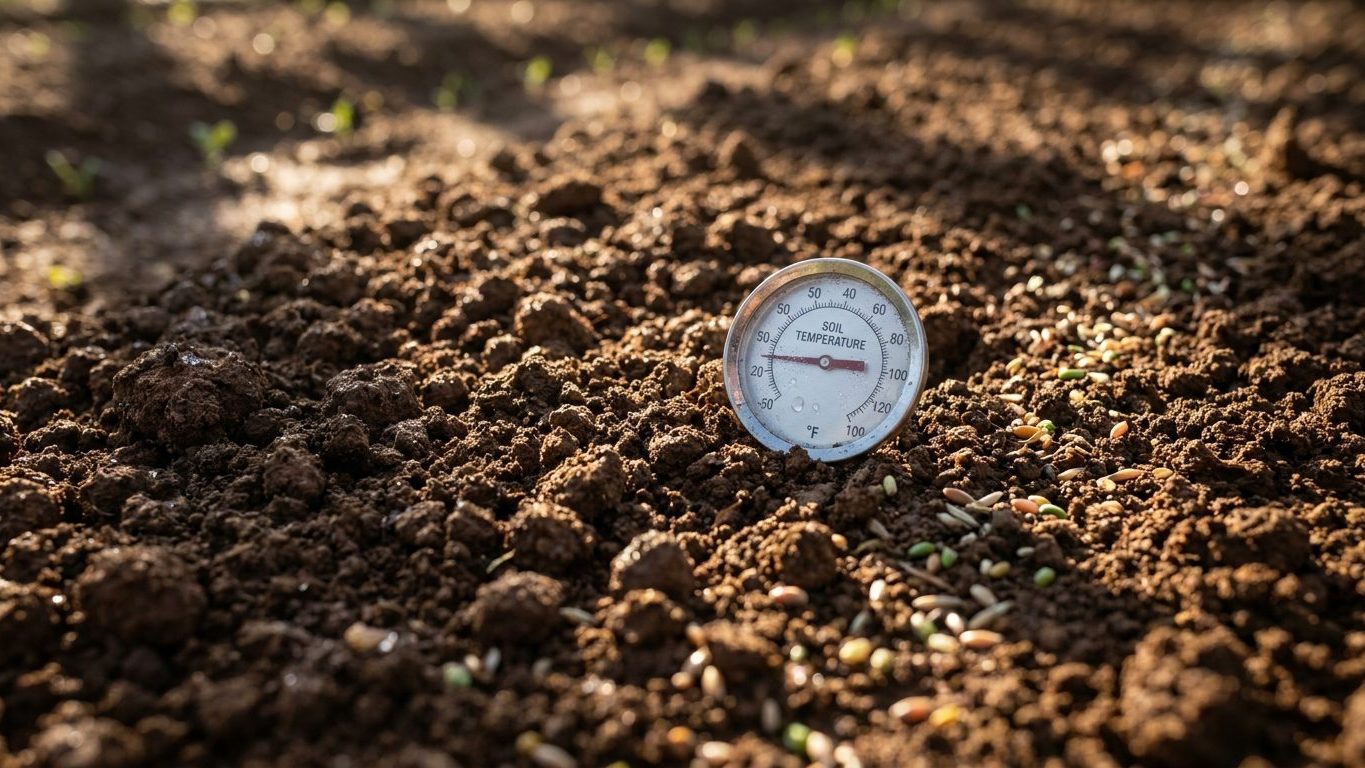
South Carolina gardeners can plant a cool-season cover crop as soon as the summer garden clears out, often by mid-fall, and expect to work it back into…
Home & garden, state by state
South Carolina gardeners can plant a cool-season cover crop as soon as the summer garden clears out, often by mid-fall, and expect to work it back into…
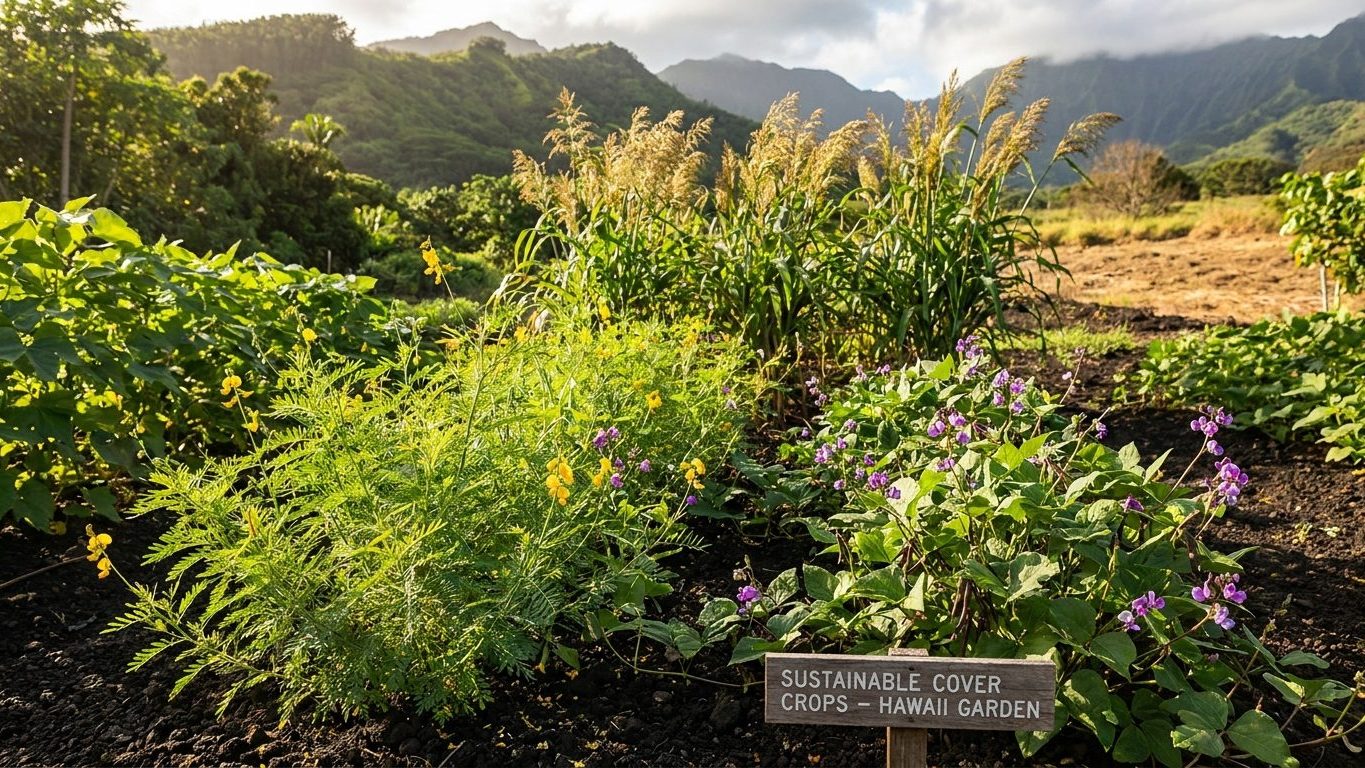
The best cover crops for Maryland split by season and soil goal: cereal rye for reliable winter-long ground cover, hairy vetch or crimson clover for a…
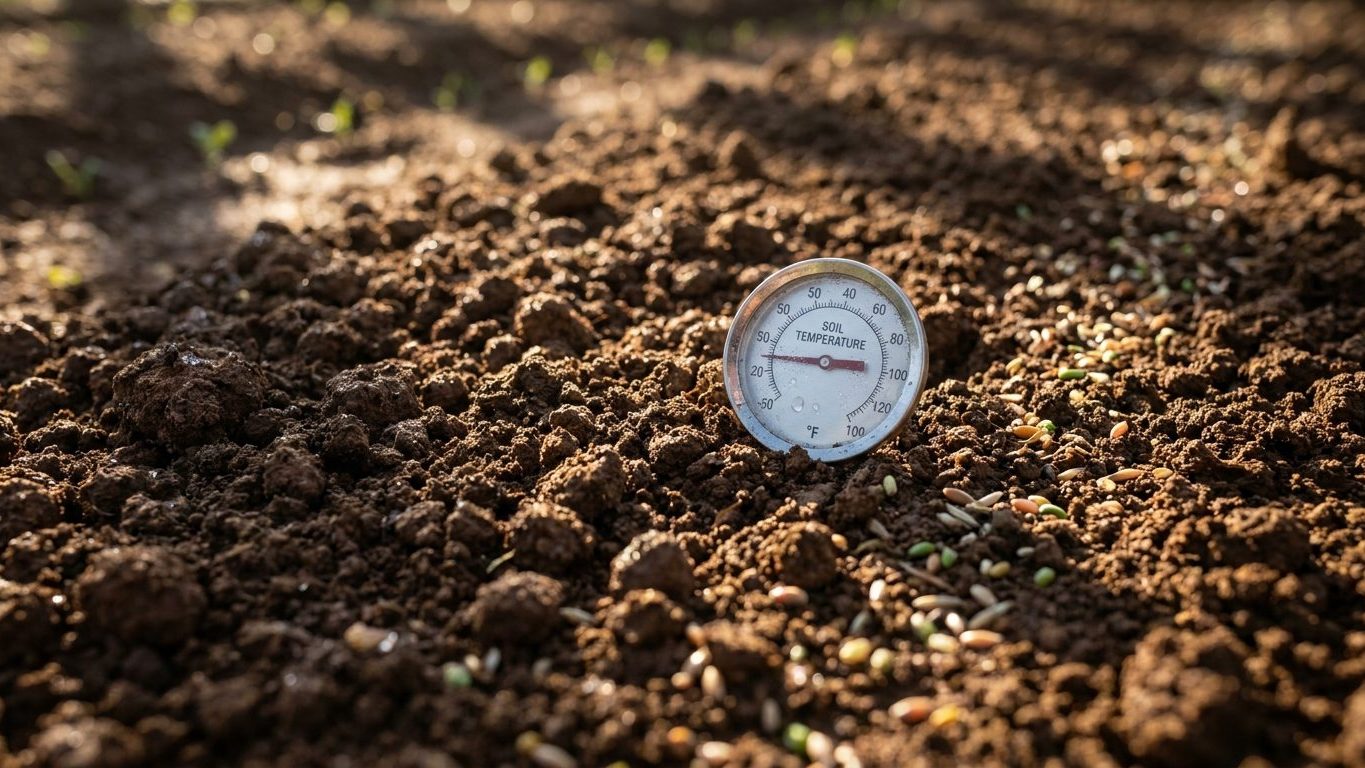
The short answer: cover crops in Saskatchewan go into the ground once the soil itself has warmed, not the moment frost risk fades, and they come out…
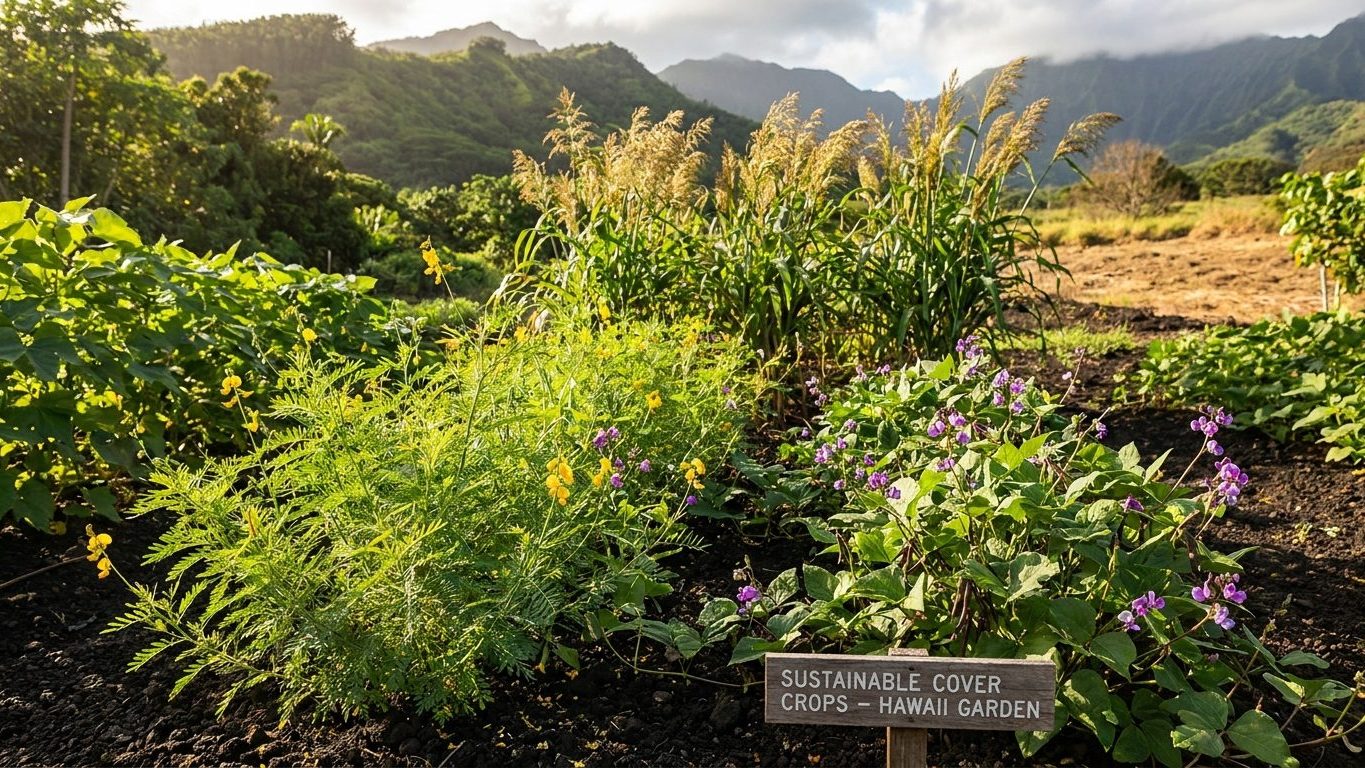
The best cover crops for Manitoba are the ones bred for a 122-day season and a January that averages -6.6°F: fall rye, spring oats, field peas, and…
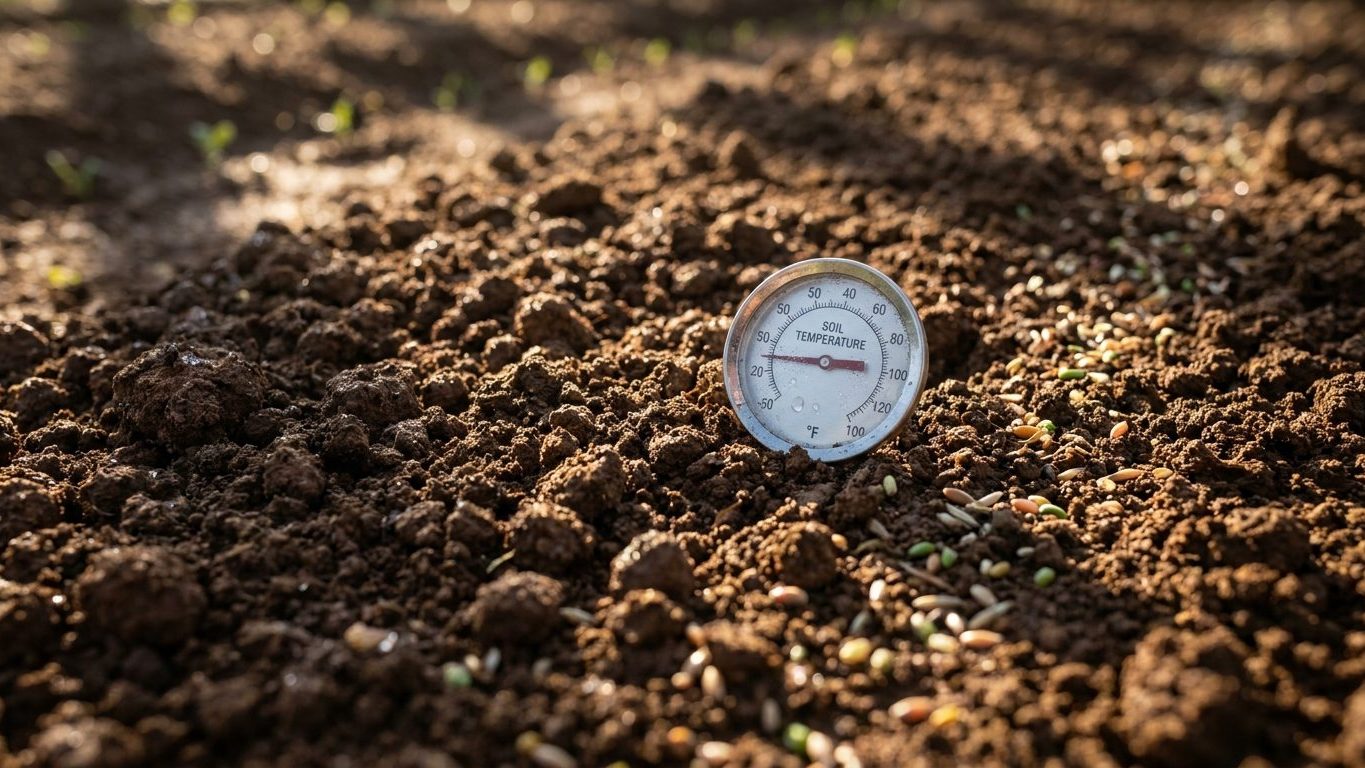
Cover crops in Rhode Island go into the ground once the soil itself has warmed, not on a fixed calendar date, and that usually means mid-to-late April…
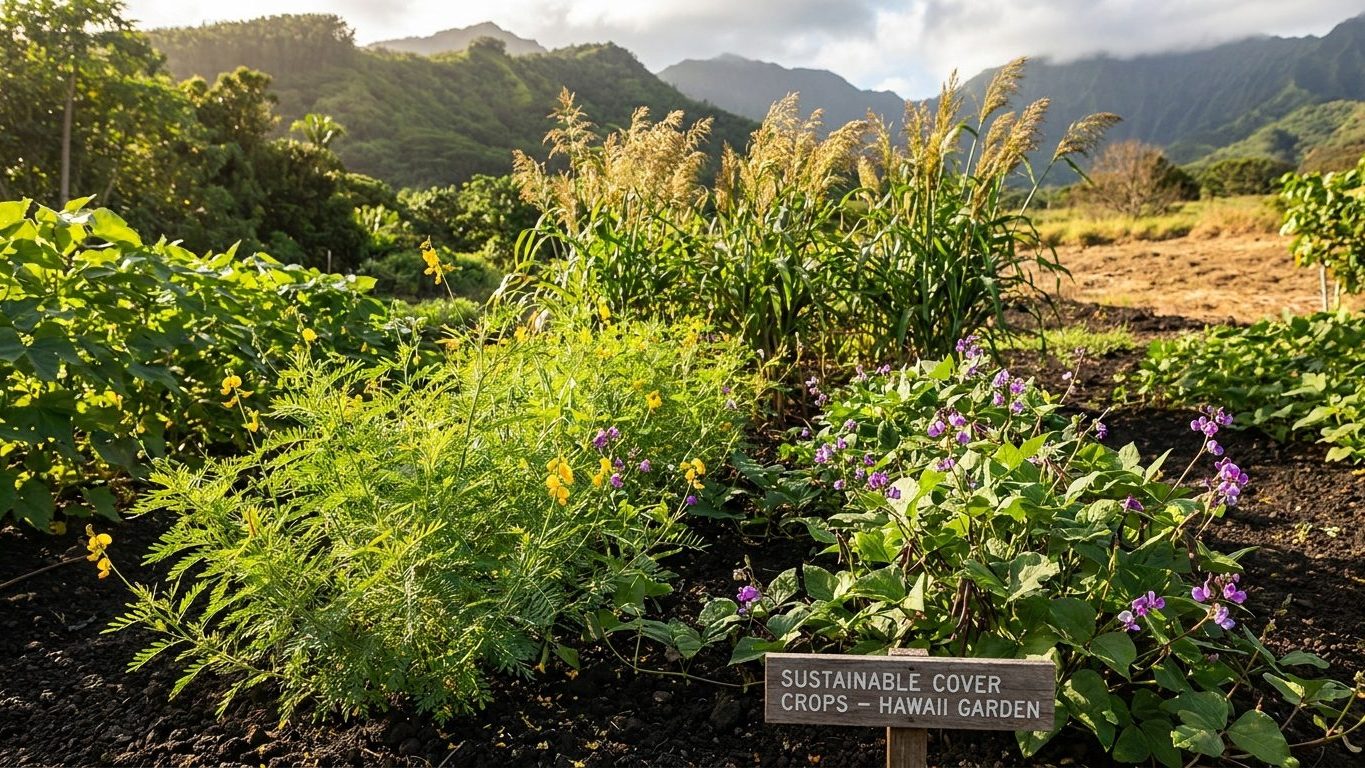
Maine’s short, cool growing season narrows the field fast. The most reliable cover crops here are winter rye, oats, field peas and buckwheat, chosen by…
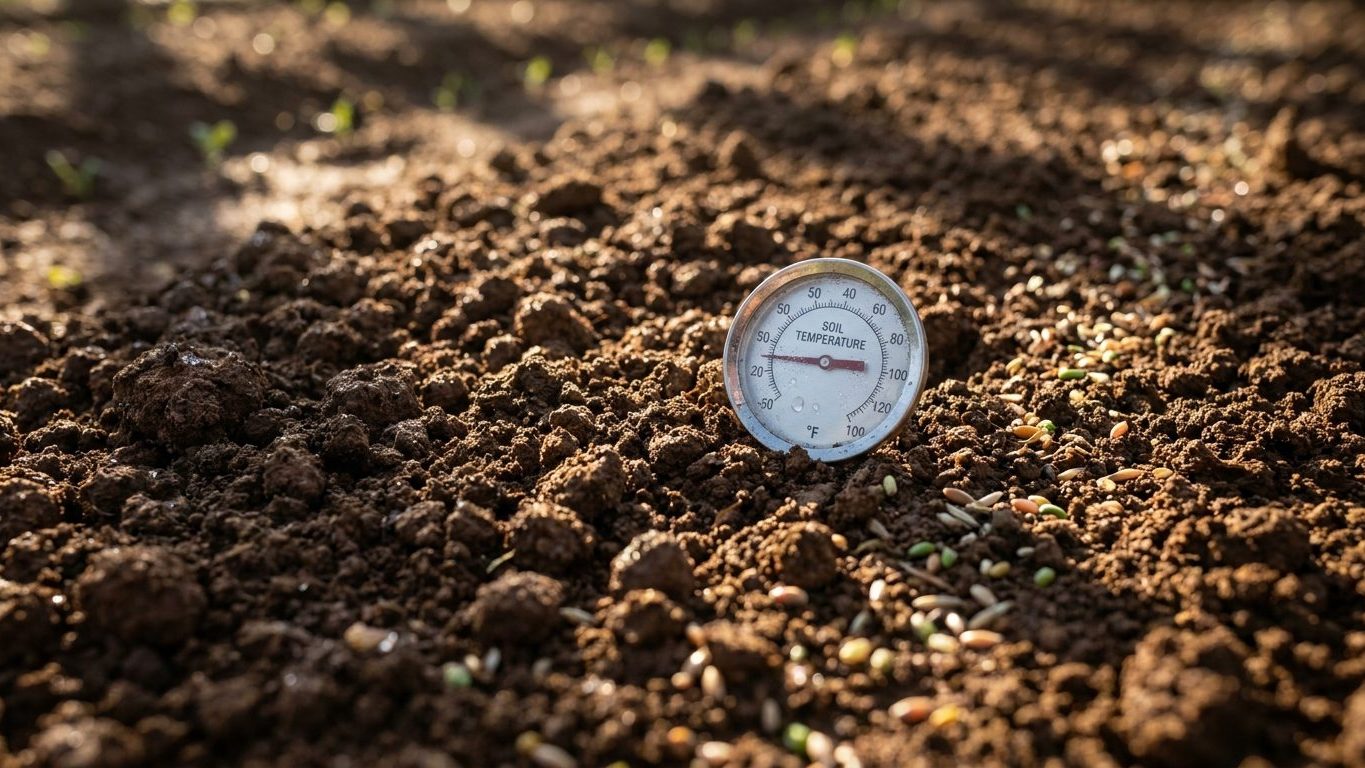
Cover crops grow reliably in Quebec gardens, but the calendar here runs on a shorter, colder script than most guides assume.
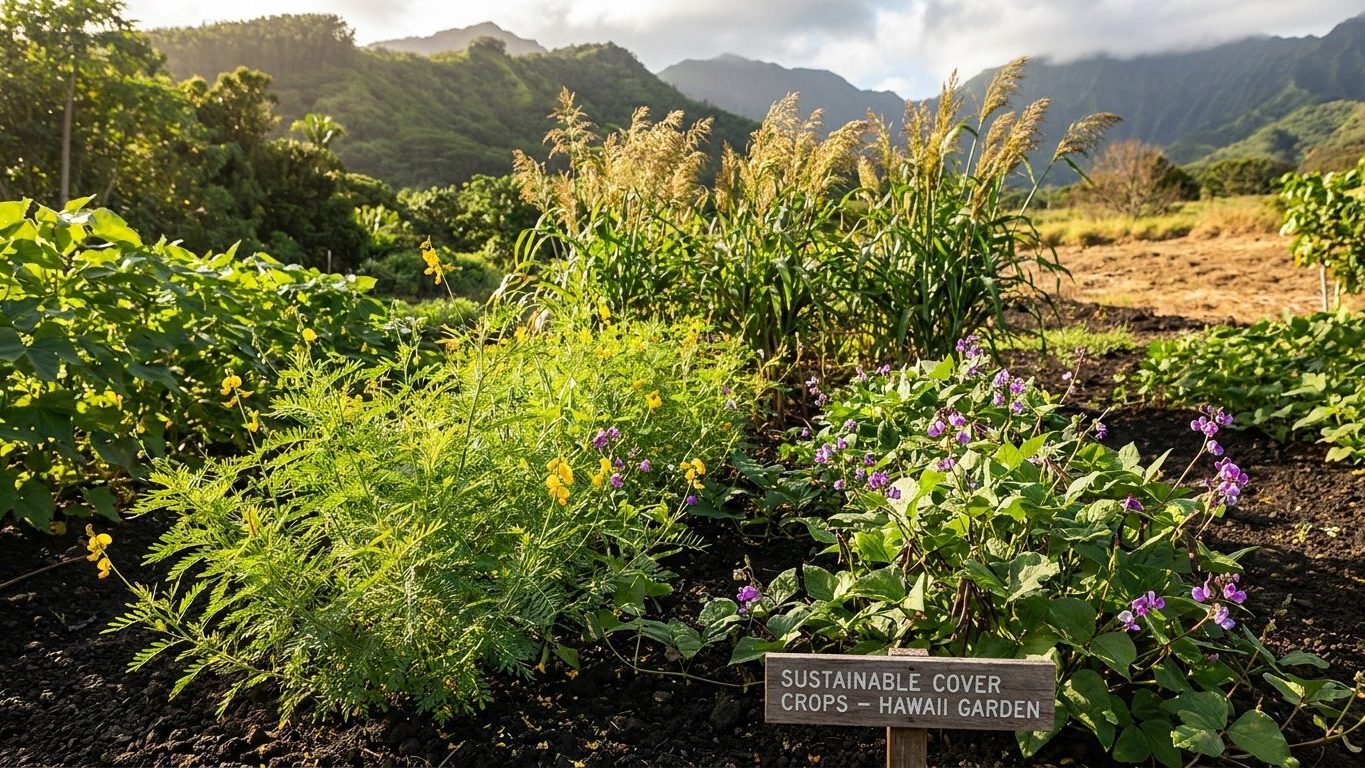
Louisiana’s answer depends on splitting the calendar into two very different jobs: a mild, nearly frost-free cool season and a long, brutally hot summer.
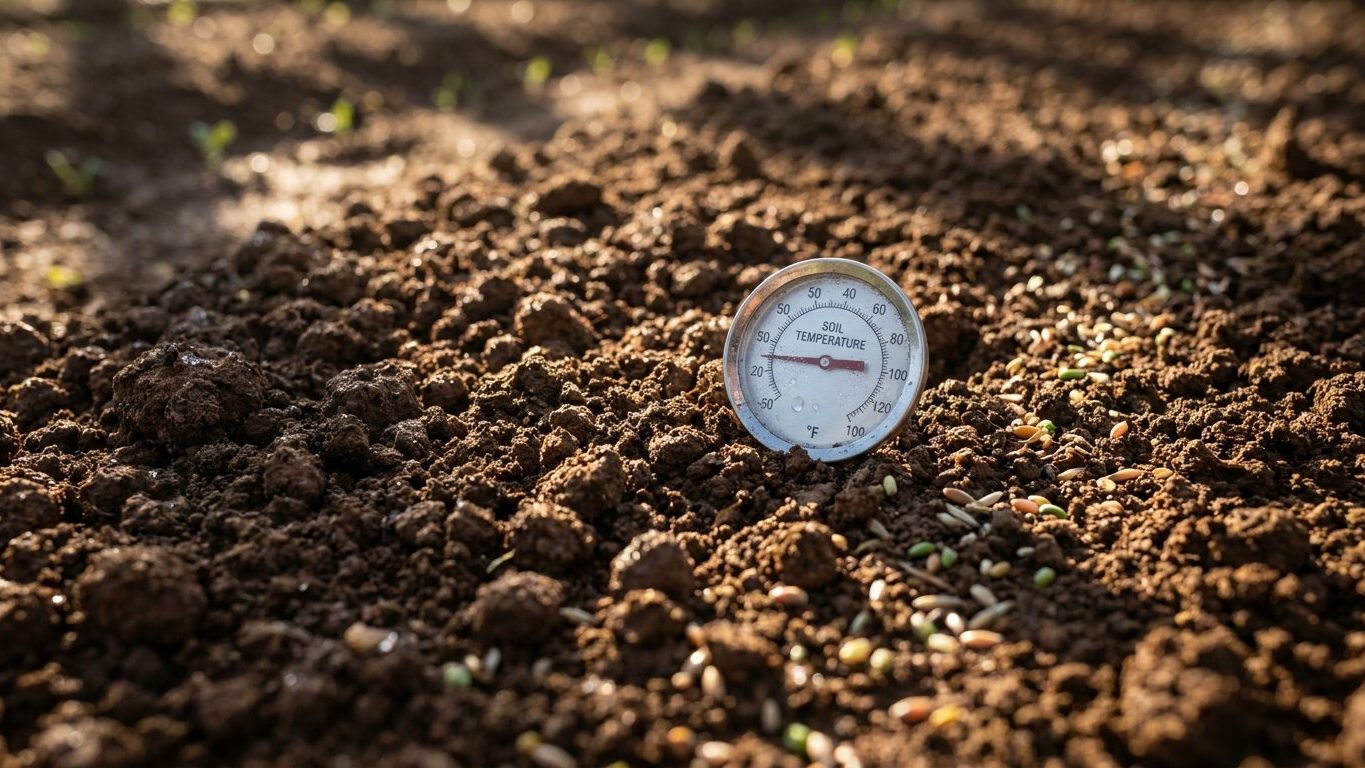
Cover crops on Prince Edward Island go into the ground once the frost risk of late spring has eased, usually from late May into June for warm-season…
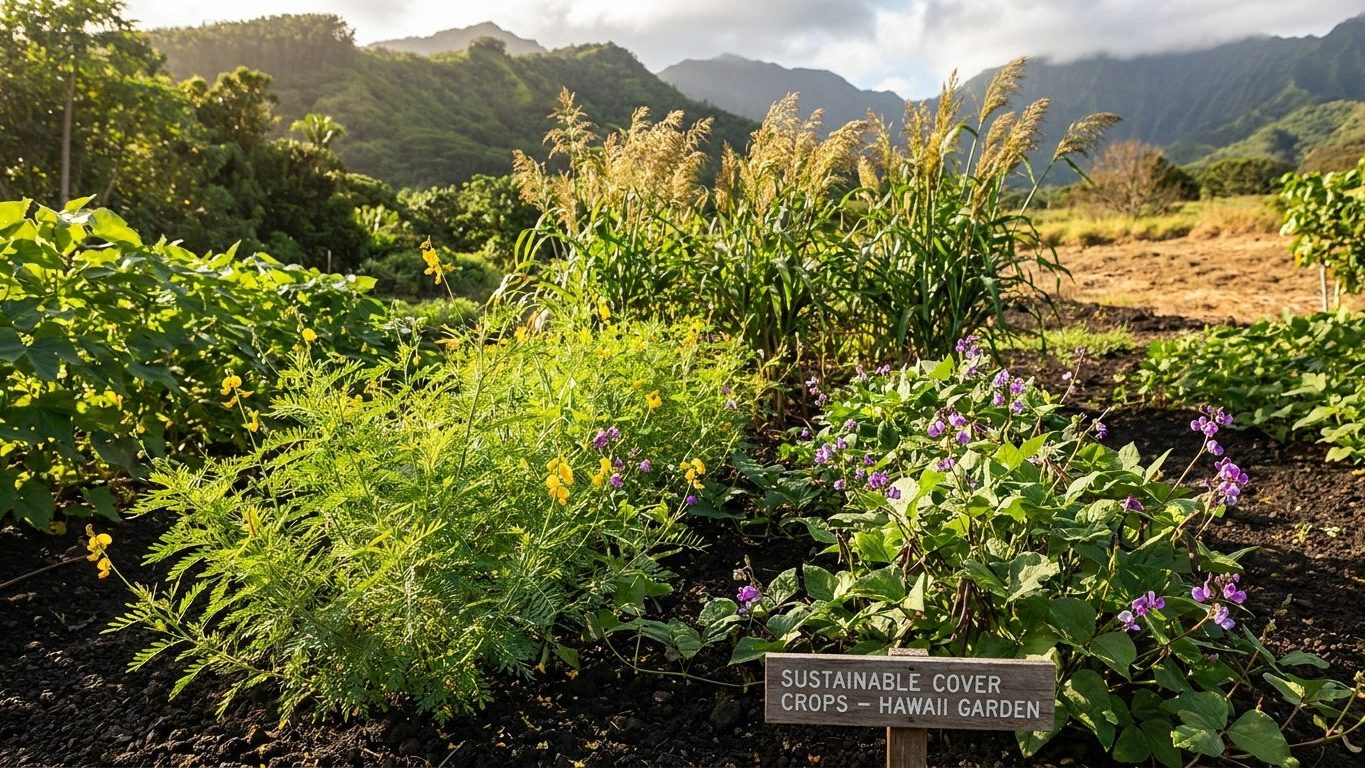
For most of Kentucky, cereal rye is the safest bet for a full-season cover crop, with crimson clover and hairy vetch as strong legume partners where…