What Eats Potato in Georgia, and When
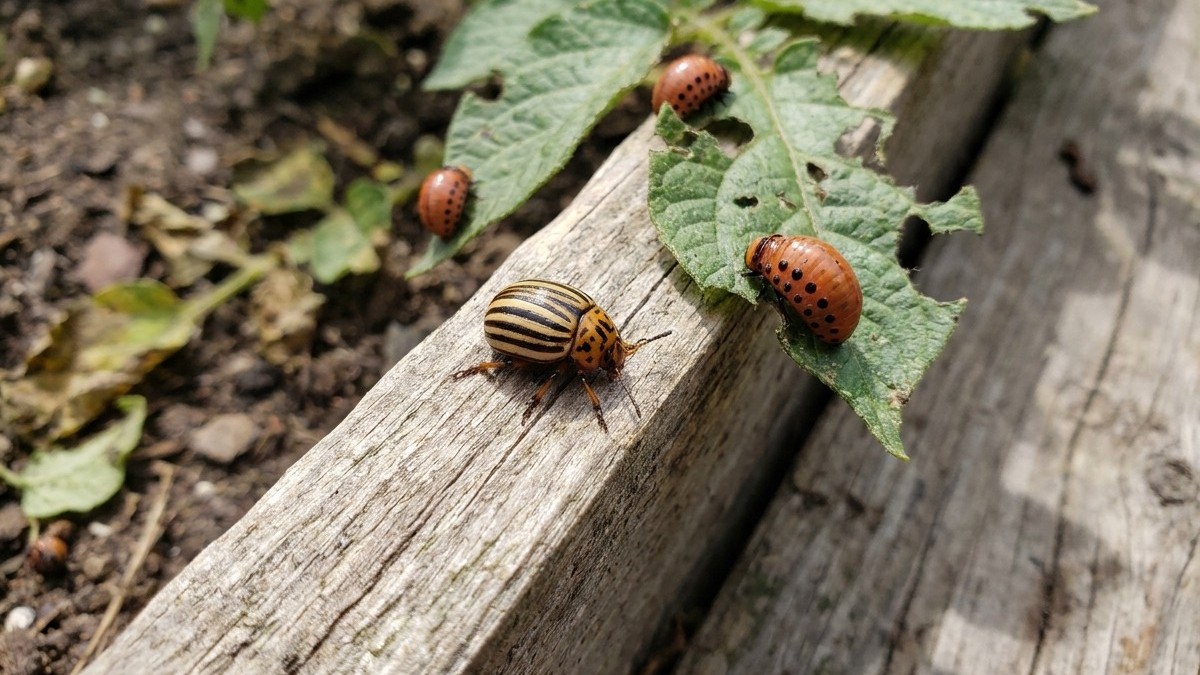
UGA Cooperative Extension documents ten insect pests on Georgia’s vegetable crops, but only four of them actually feed on potato: Colorado potato beetle…
Home & garden, state by state
Everything we have worked out for Georgia: what to plant and when, which varieties finish in time, the pests that actually turn up here, and the jobs that pay off month by month. We also cover the rest of the property, from lawns and soil to home care and energy, because a garden rarely stops at the vegetable bed.
The numbers first, because everything else follows from them. Measured at the weather station in Atlanta, the last spring freeze runs March 11 to March 29 and the first fall freeze runs November 13 to December 1, USDA zones 6a-9b, 5,477 growing degree days in the year.
Garlic does well: 13 weeks below 40 °F, comfortably past the six it needs to form a proper head.
Elsewhere on the property in Georgia: the pests that turn up here.
Figures from NOAA's 1991-2020 climate normals. A state is not one climate: elevation, a large lake or the coast can move these dates by two weeks either way, so check your own county with the extension service before you spend money.
UGA Cooperative Extension documents ten insect pests on Georgia’s vegetable crops, but only four of them actually feed on potato: Colorado potato beetle…
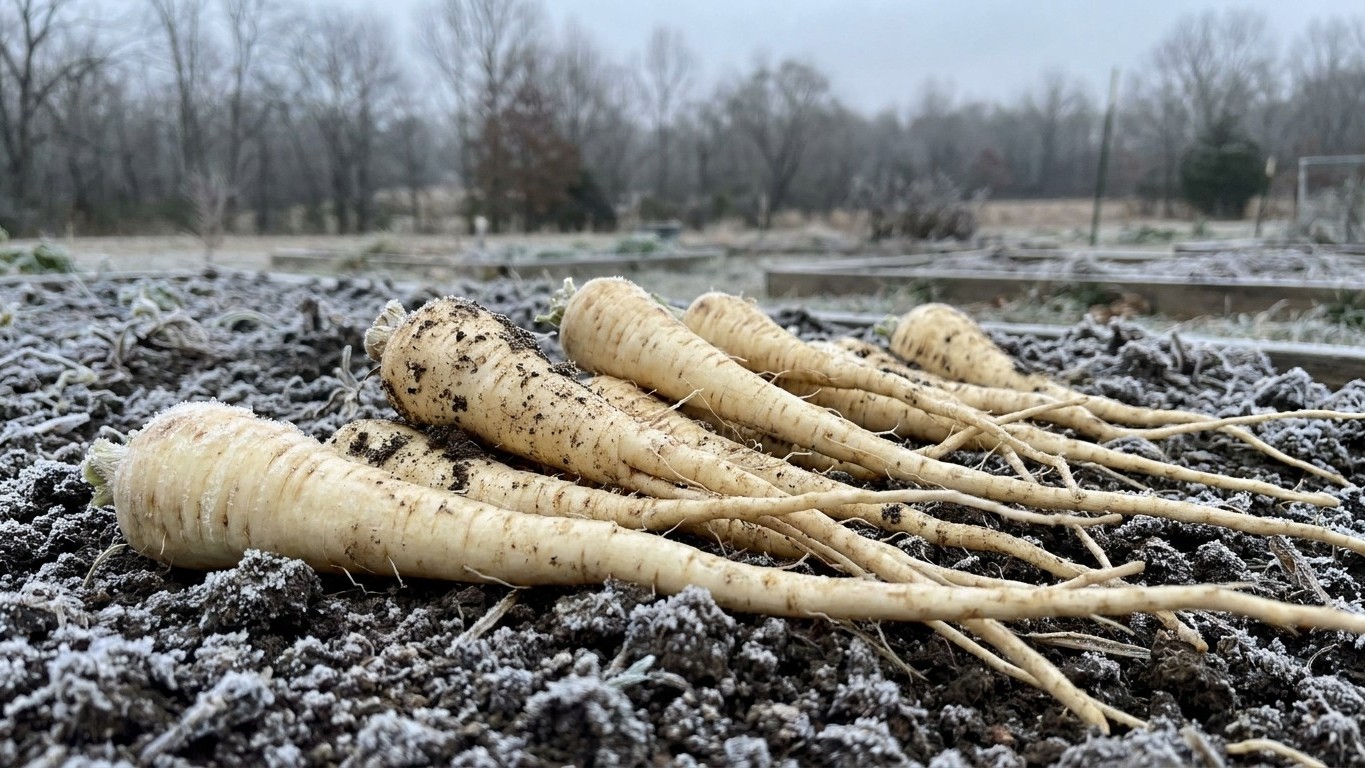
Georgia gardeners growing parsnip deal with a short list of pests: aphids, cutworms, and spider mites, all general feeders rather than parsnip specialists.
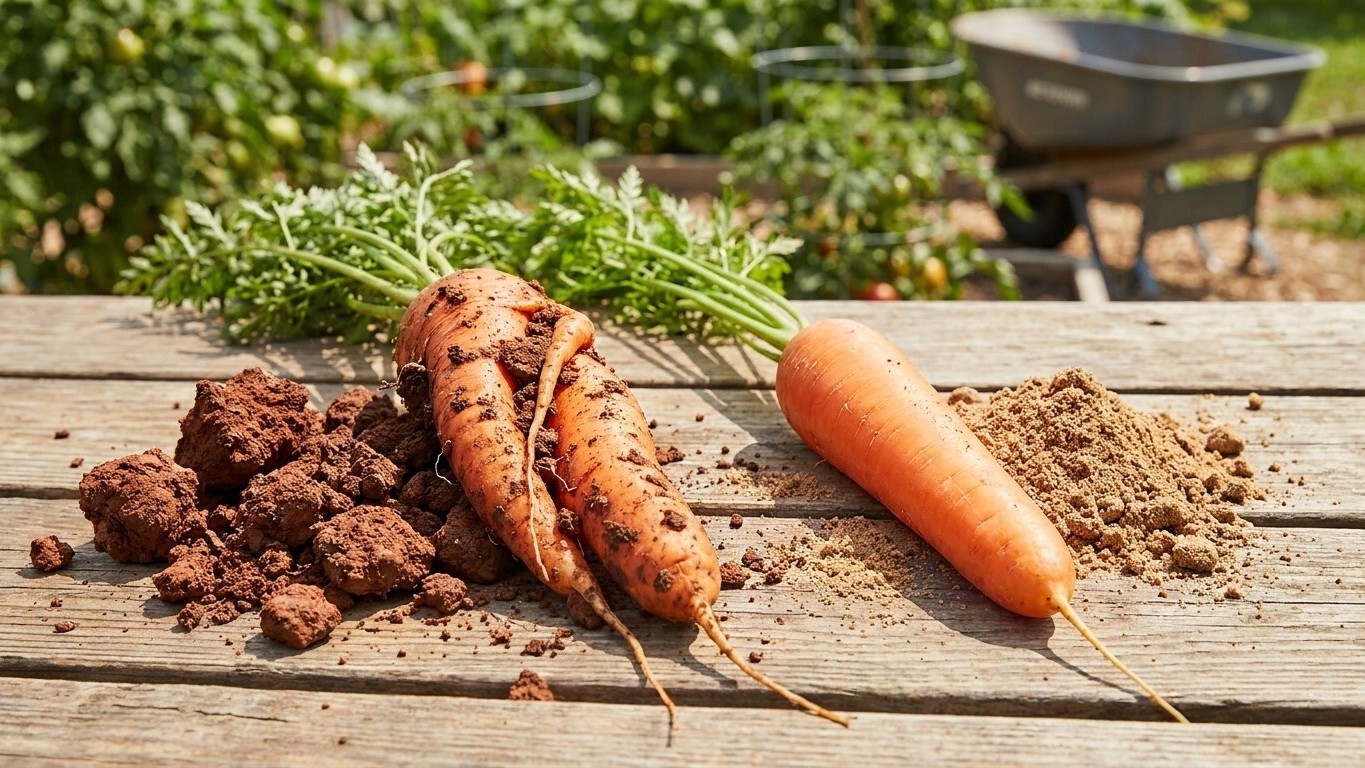
Only three of the ten species Georgia’s extension service tracks for vegetable gardens actually target carrot: aphids, cutworms, and spider mites.
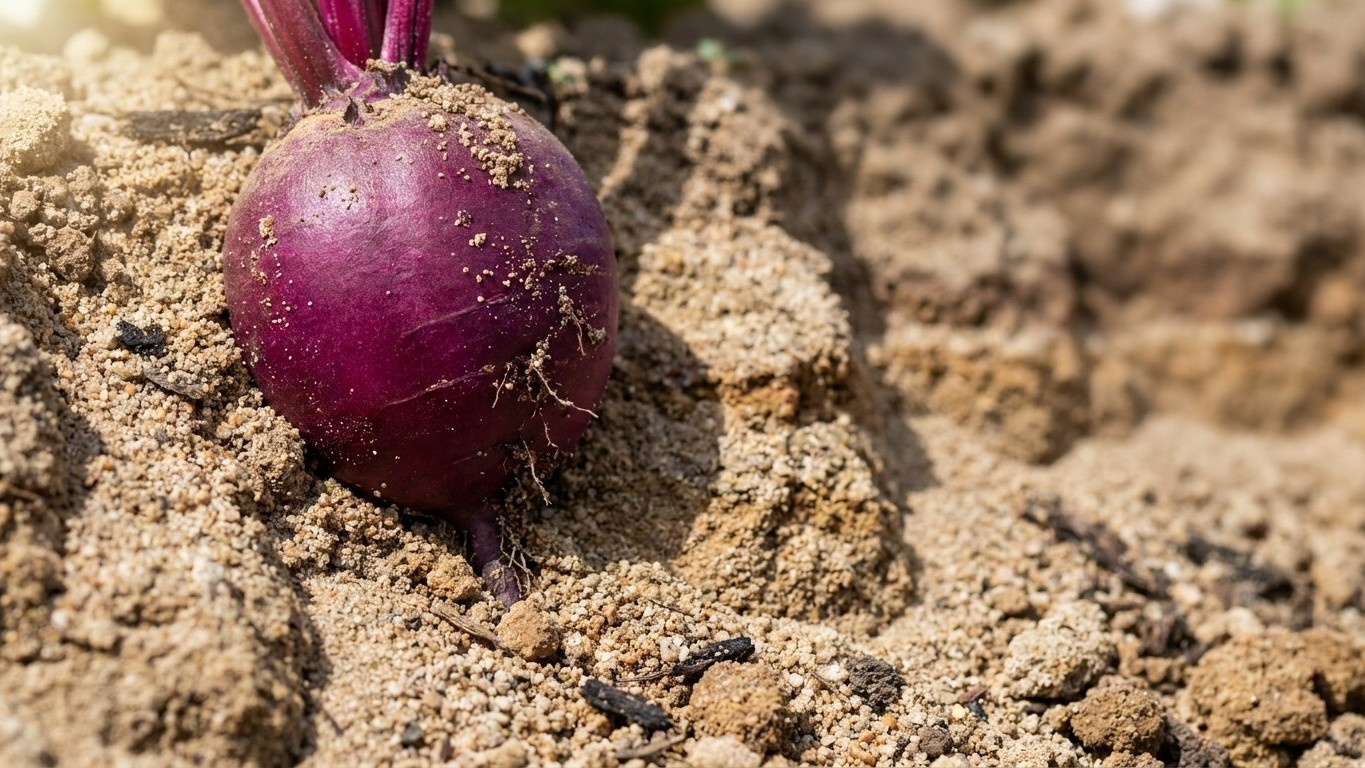
Beet in Georgia faces a short list of real threats: aphids, cutworms, and spider mites, the only three insects out of ten that UGA Cooperative Extension…
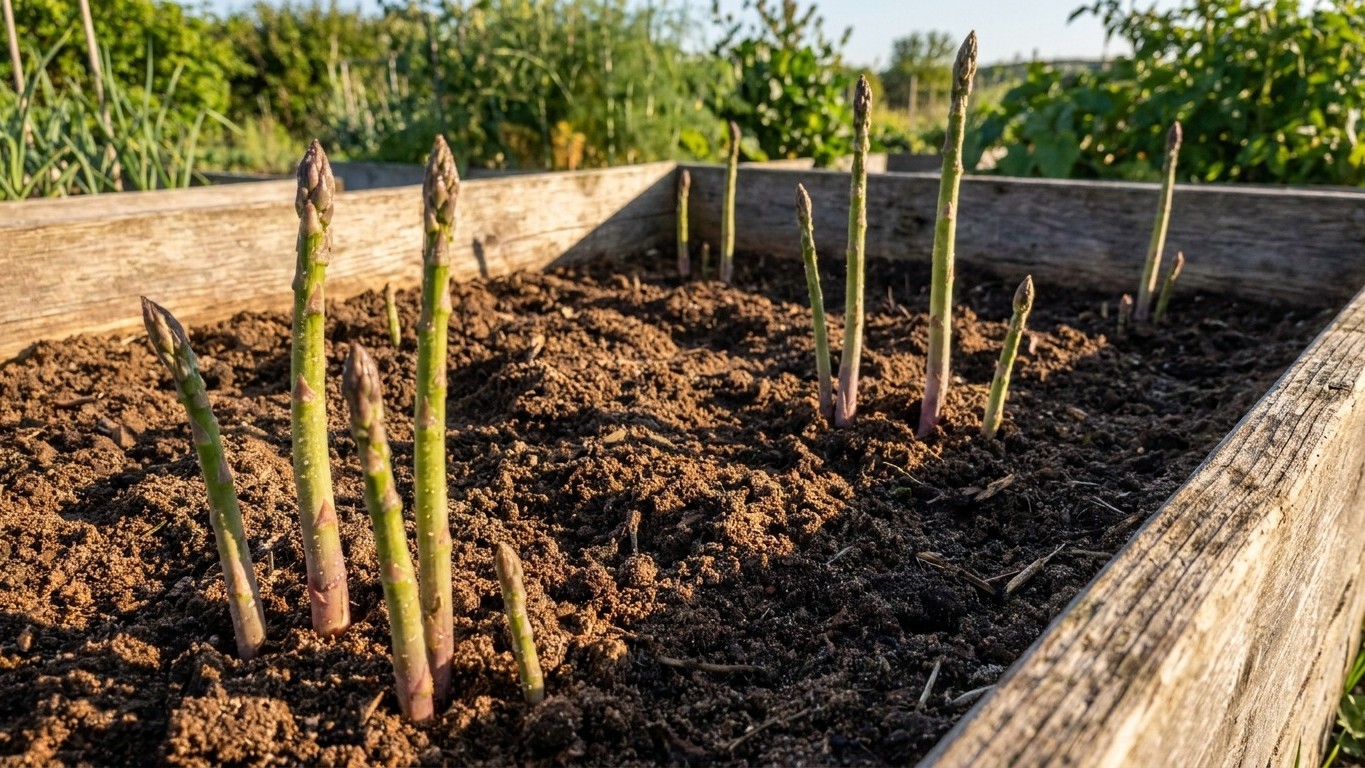
Georgia’s Cooperative Extension doesn’t publish a pest list specific to asparagus.
Frost dates in Georgia span a wide window because the state stretches from mountain valleys to the Atlantic coast.
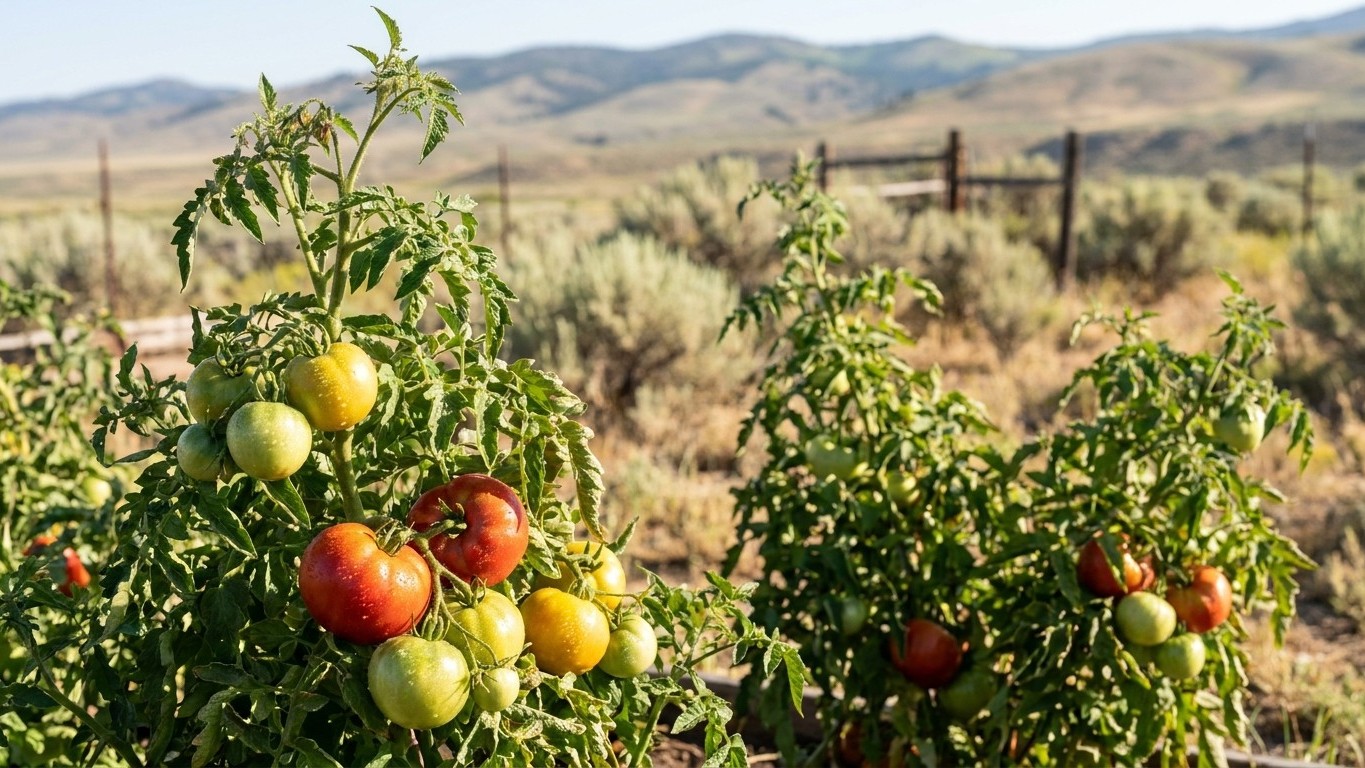
Georgia gardeners pick tomatoes based on color break, not size, and the real deadline each year is the first fall frost.
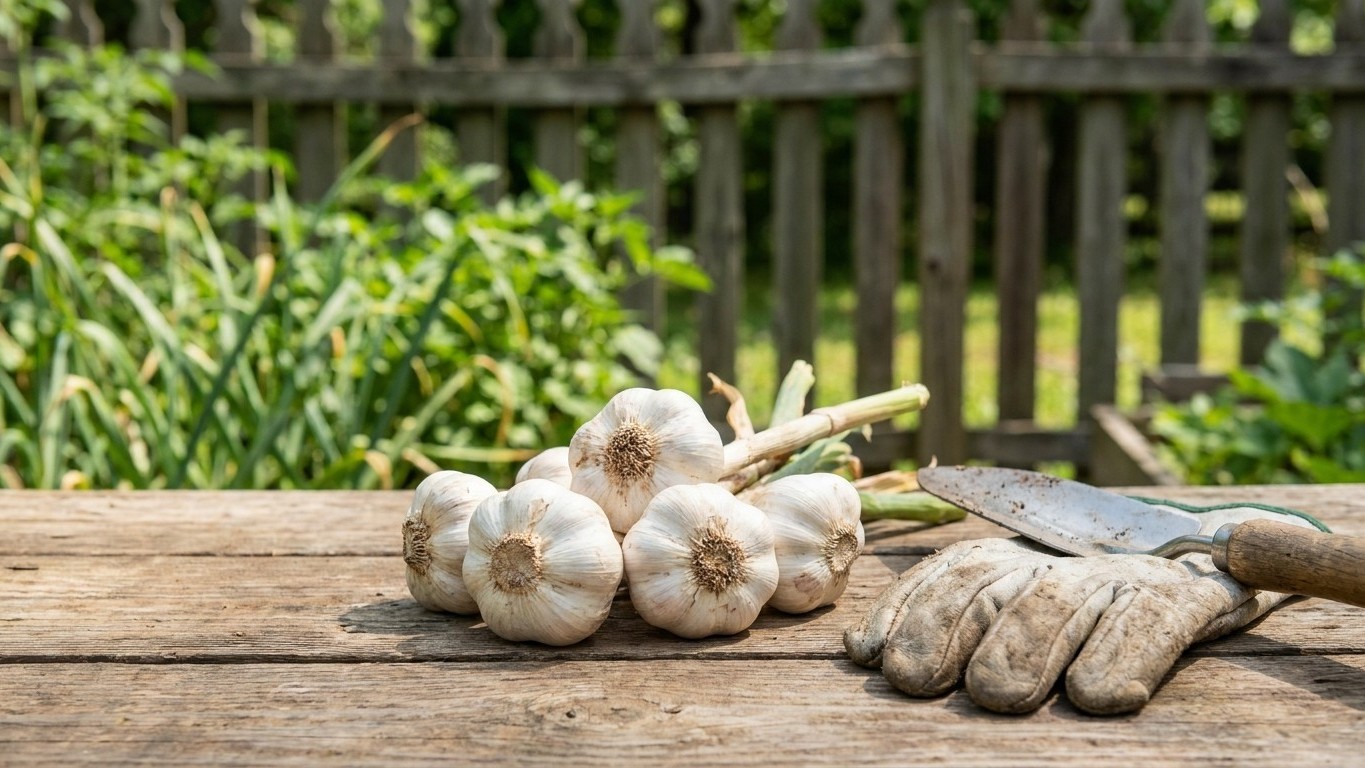
Garlic planted in Georgia in fall comes out of the ground the following summer, and the signal to pull it isn’t a date on the calendar.
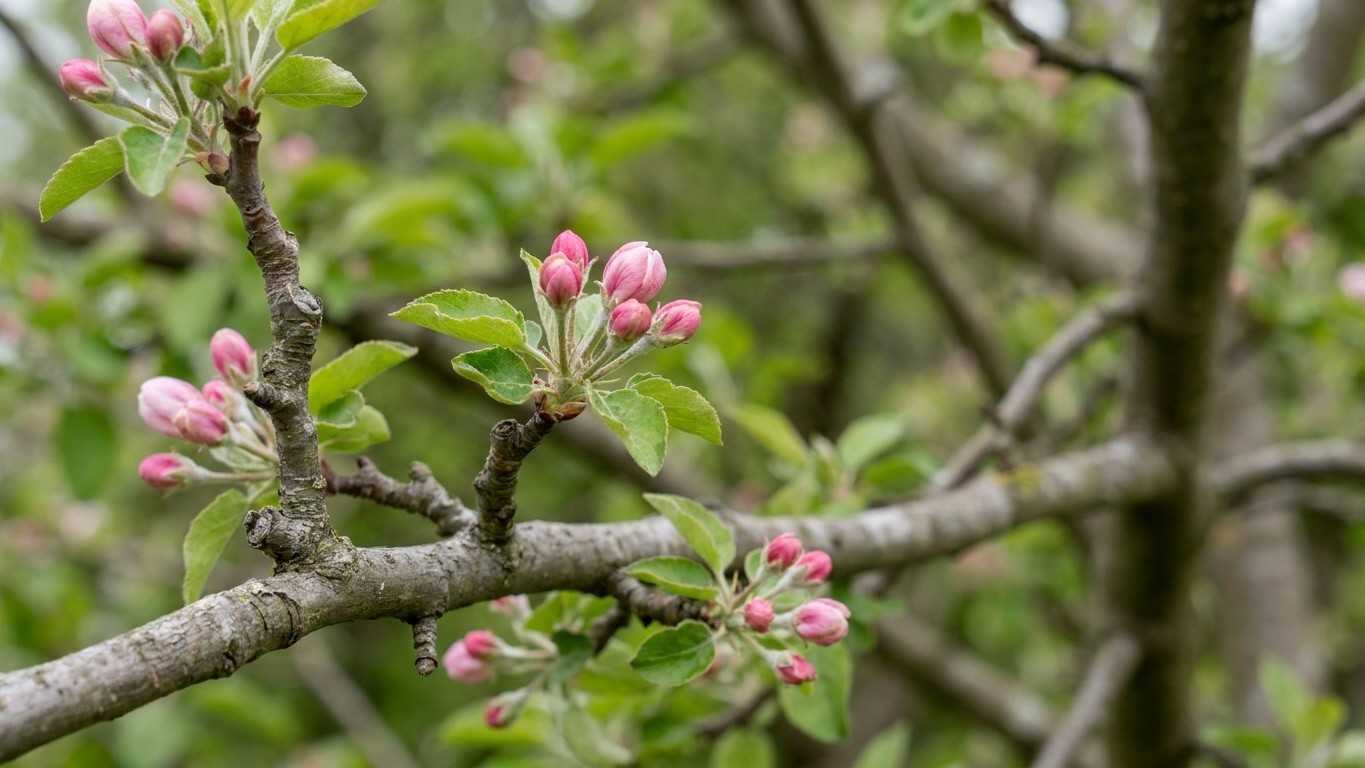
Most Georgia apples come off the tree between mid-July and late October, depending on variety, and the harvest window is set by the tree’s own signals…
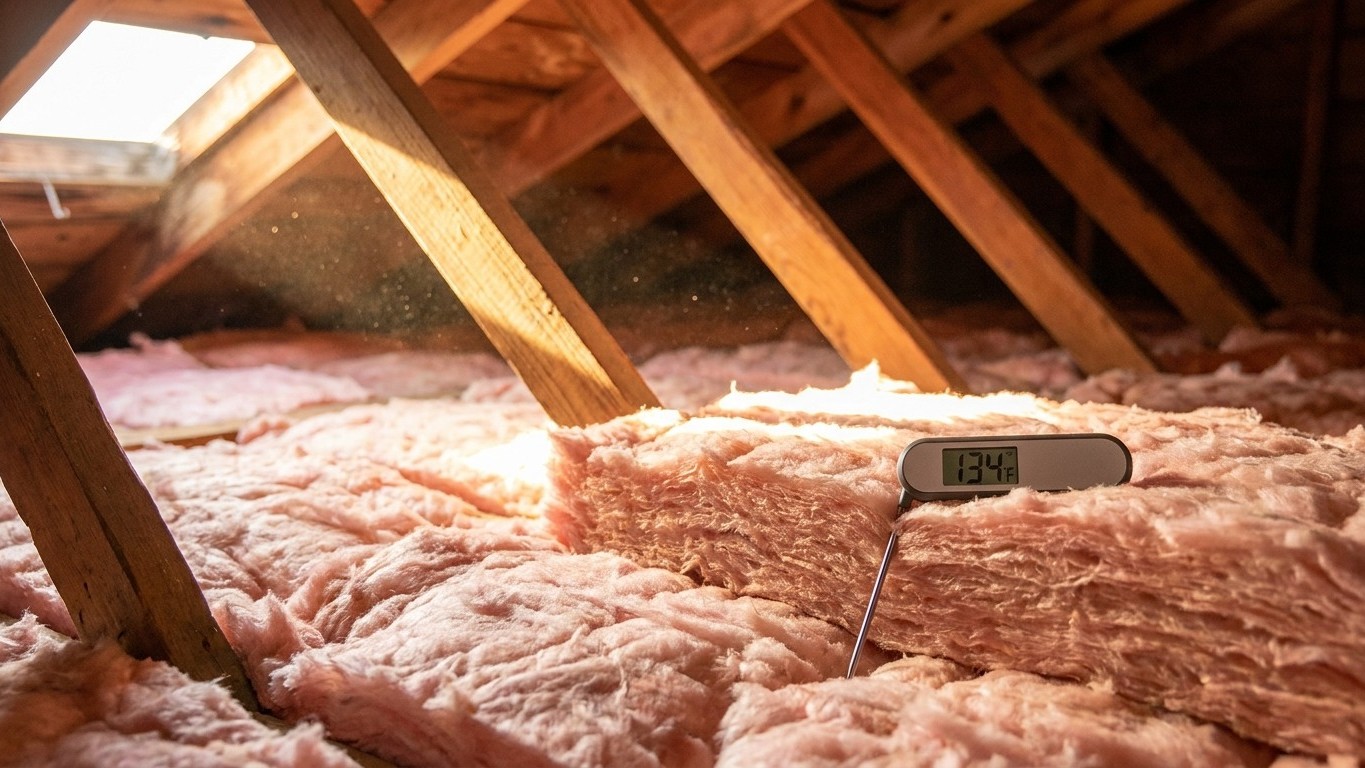
Yes, insulation keeps a Georgia home cooler, and here the case is stronger than in most states.