Browntail moth in Maine: When It Shows Up and What Stops It
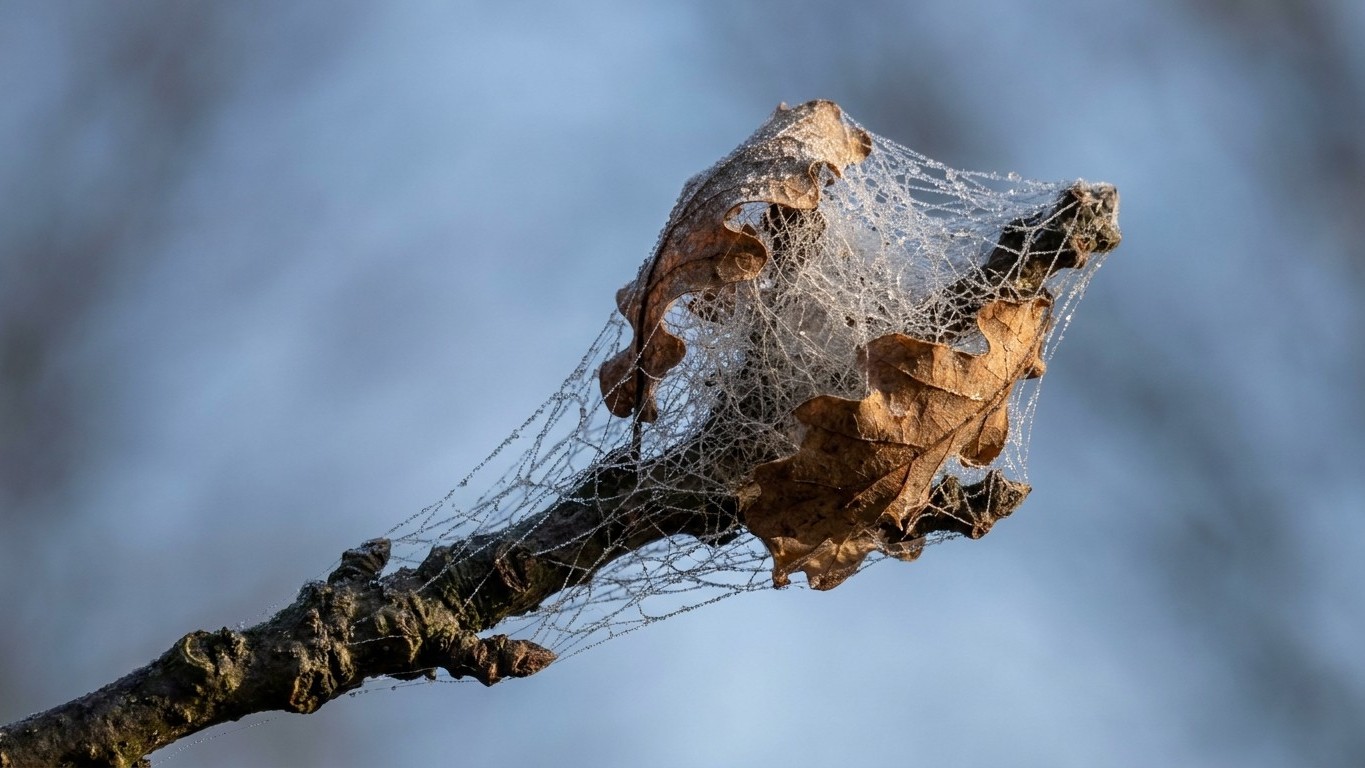
Browntail moth caterpillars are active in Maine from mid-April through late June, then again briefly in August after moths lay new eggs.
Home & garden, state by state
Everything we have worked out for Maine: what to plant and when, which varieties finish in time, the pests that actually turn up here, and the jobs that pay off month by month. We also cover the rest of the property, from lawns and soil to home care and energy, because a garden rarely stops at the vegetable bed.
The numbers first, because everything else follows from them. Measured at the weather station in Portland, the last spring freeze runs April 22 to May 1 and the first fall freeze runs October 9 to October 21, USDA zones 3b-6a, 2,408 growing degree days in the year.
That is enough for early varieties, tight for anything late. Garlic does well: 30.4 weeks below 40 °F, comfortably past the six it needs to form a proper head.
Elsewhere on the property in Maine: the pests that turn up here.
Figures from NOAA's 1991-2020 climate normals. A state is not one climate: elevation, a large lake or the coast can move these dates by two weeks either way, so check your own county with the extension service before you spend money.
Browntail moth caterpillars are active in Maine from mid-April through late June, then again briefly in August after moths lay new eggs.

A rundown of the ten pests Maine Extension tracks for home gardens, when they appear, and the low-cost controls that actually work.
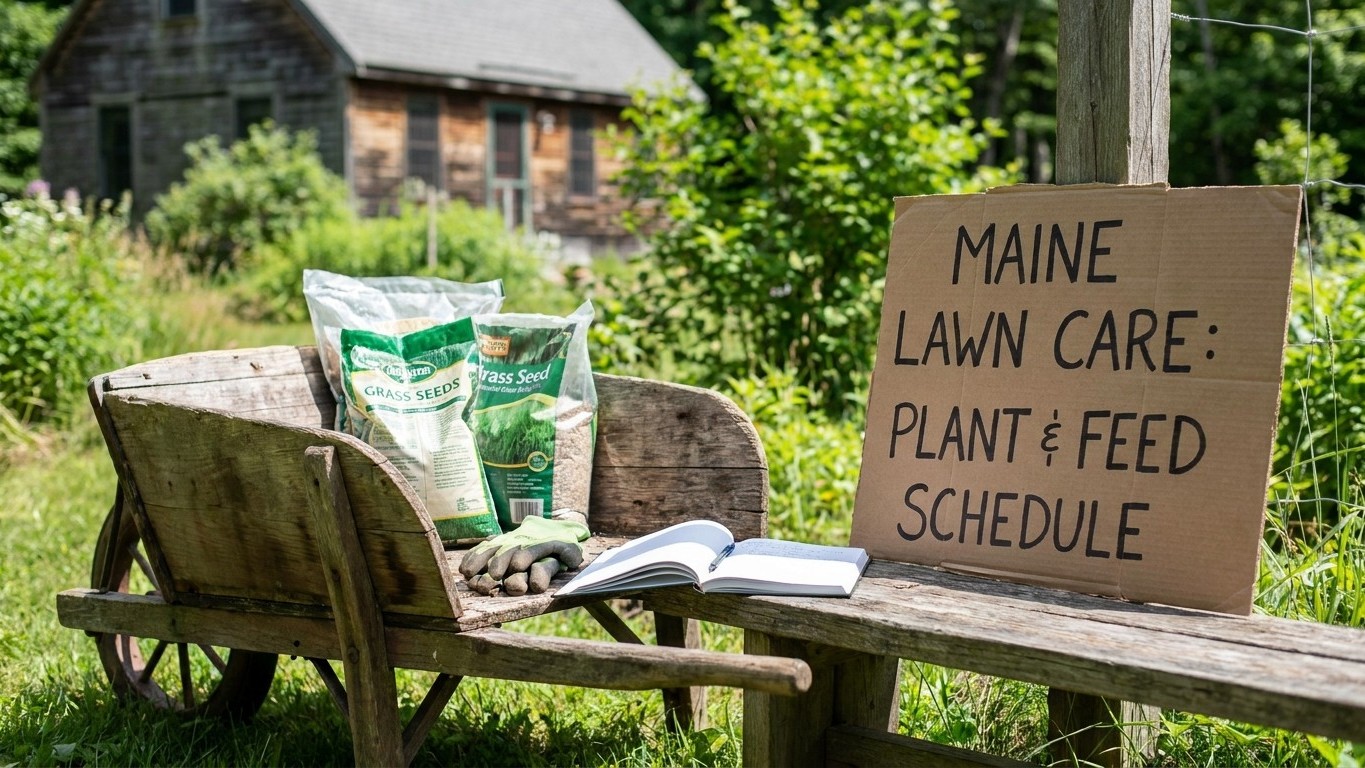
Portland’s NOAA climate normals rule out warm-season turf and set the seeding and feeding calendar for a Maine cool-season lawn.
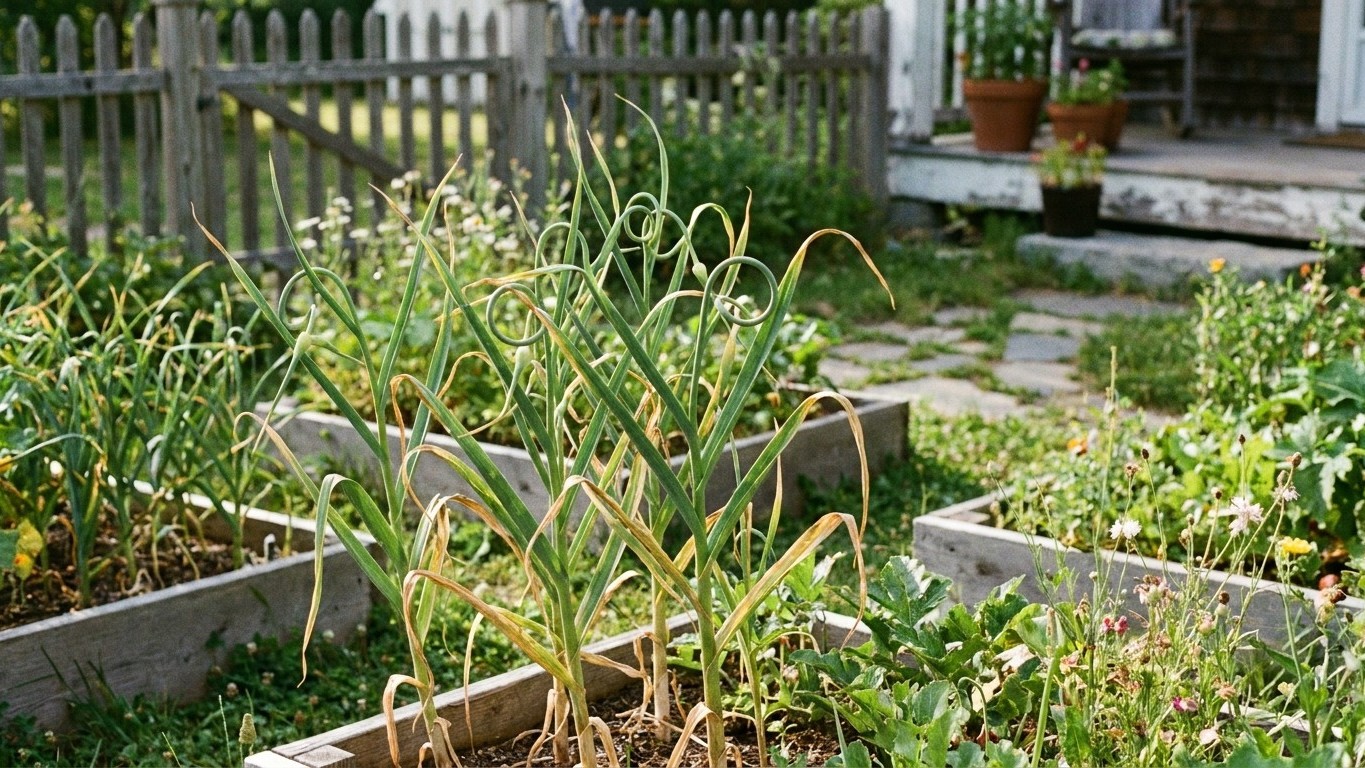
Maine’s fall frost window and its long stretch of winter cold set the planting dates and best garlic varieties, from hardneck Duganski to softneck Inchelium Red.
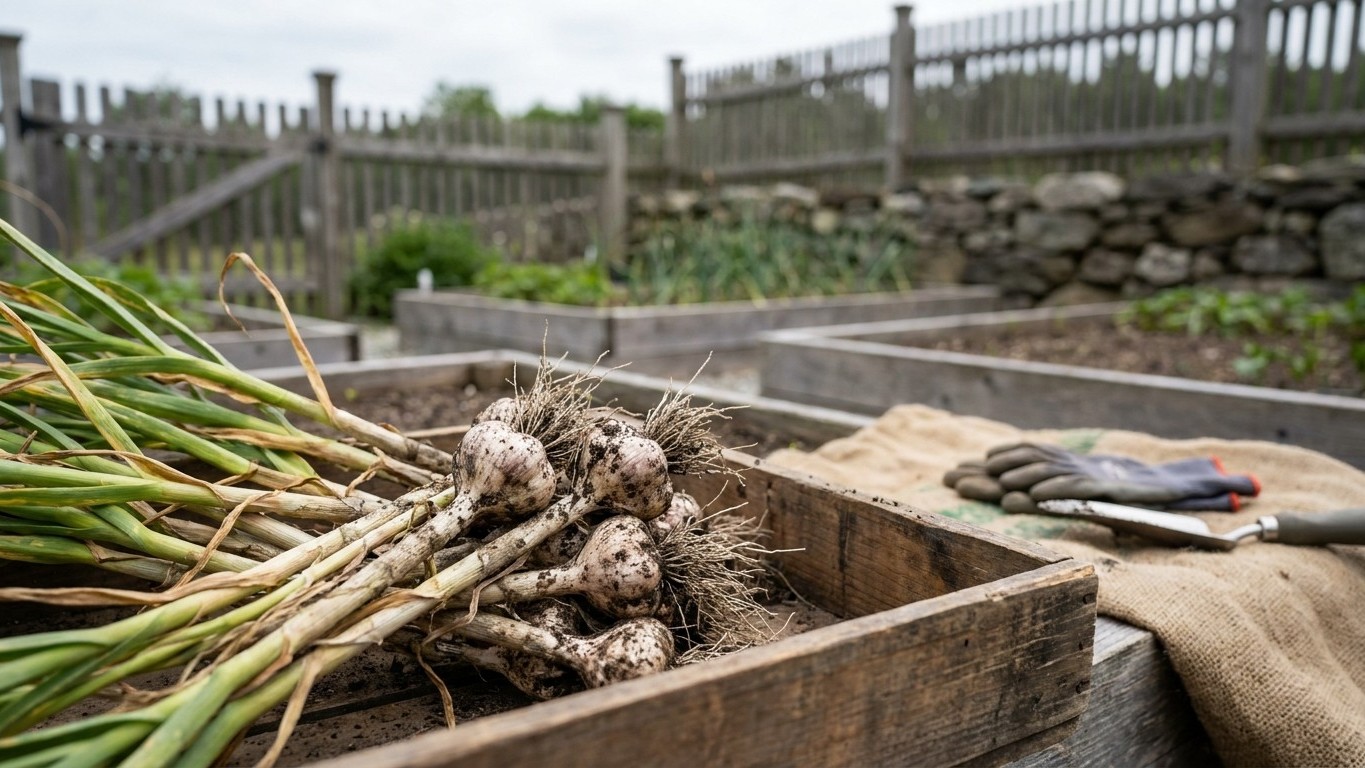
Maine gardeners plant garlic from mid September to late September, timed against Portland’s NOAA-measured first fall frost of October 9 to 21.
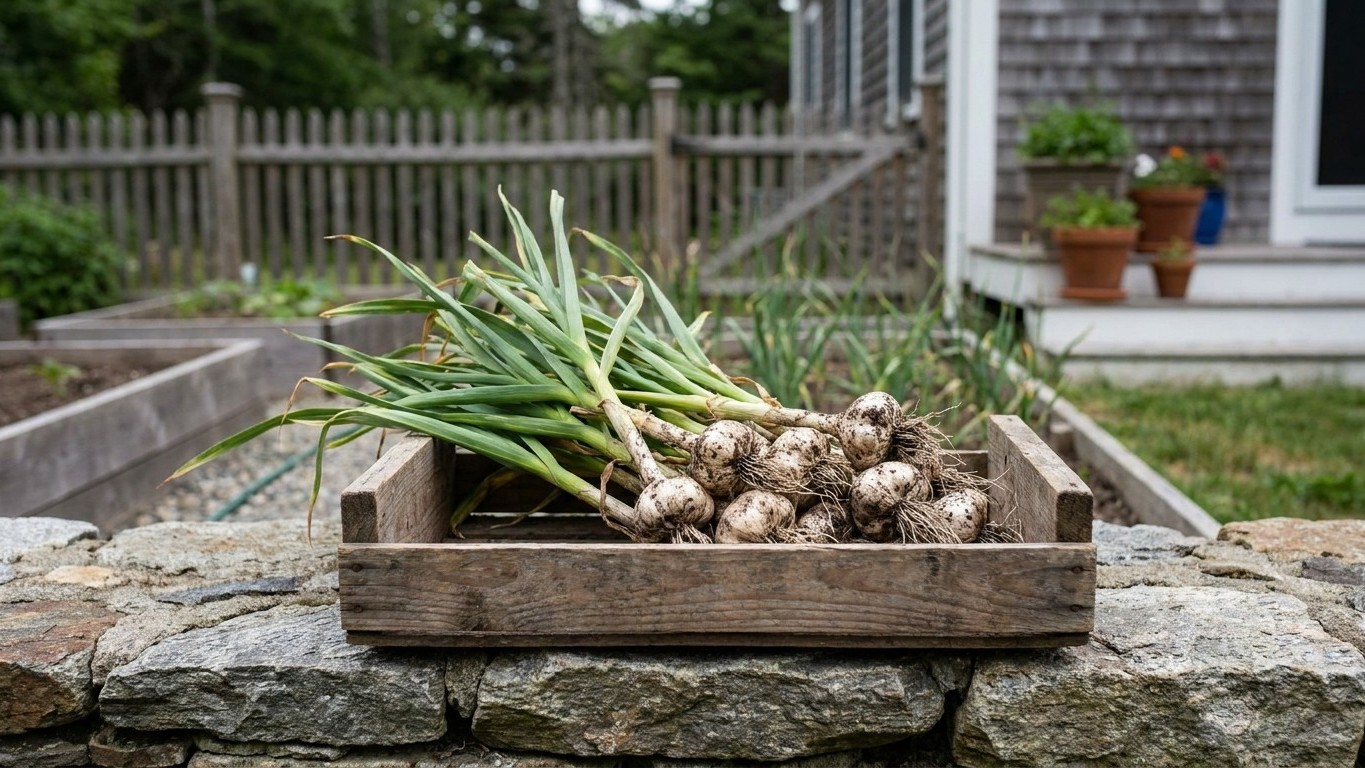
A practical rundown of fall planting dates, cold requirements, and variety choices for growing garlic successfully in Maine, from clove to cured bulb.
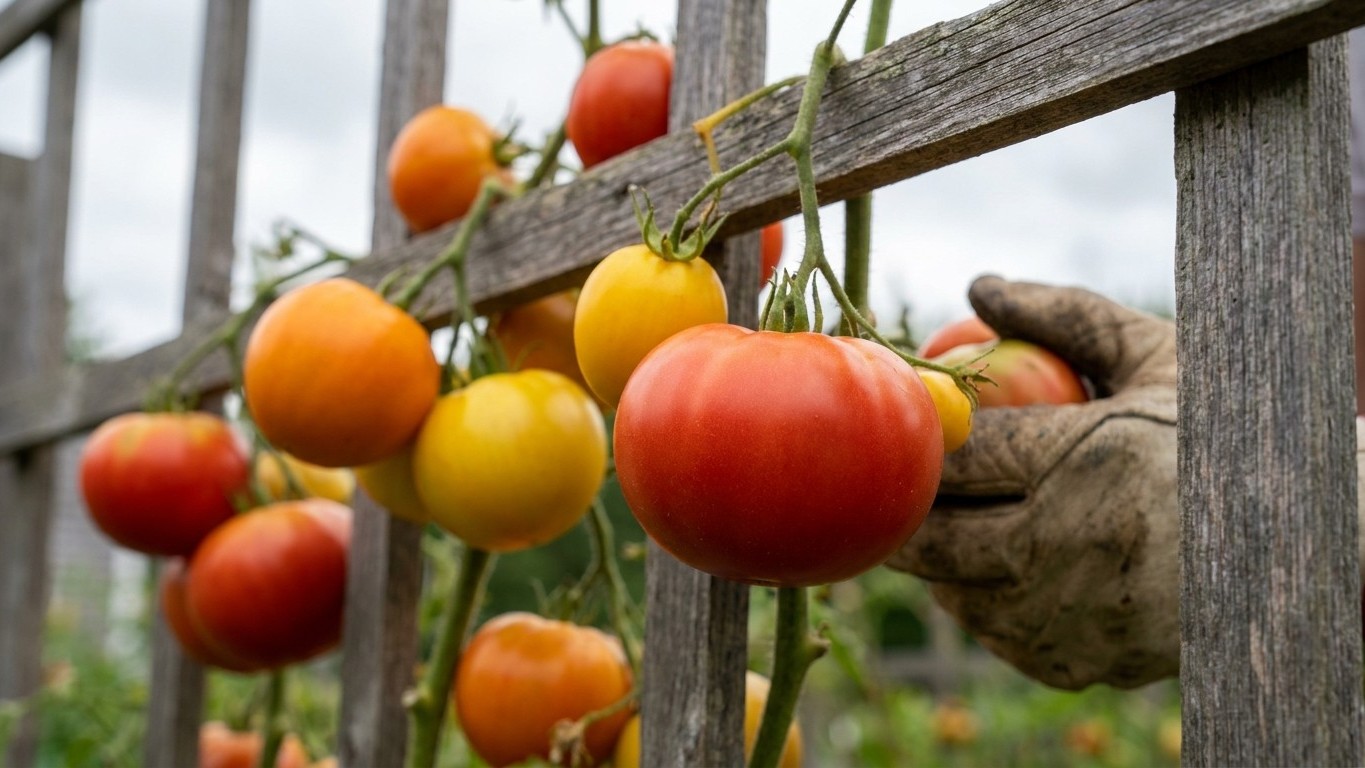
Nine tomato varieties ranked by days to maturity, showing which finish comfortably before Maine’s fall frost and which cut it close.

Maine gardeners can use NOAA’s Portland frost dates and a tomato variety’s days to maturity to calculate a safe transplant window for their own garden.
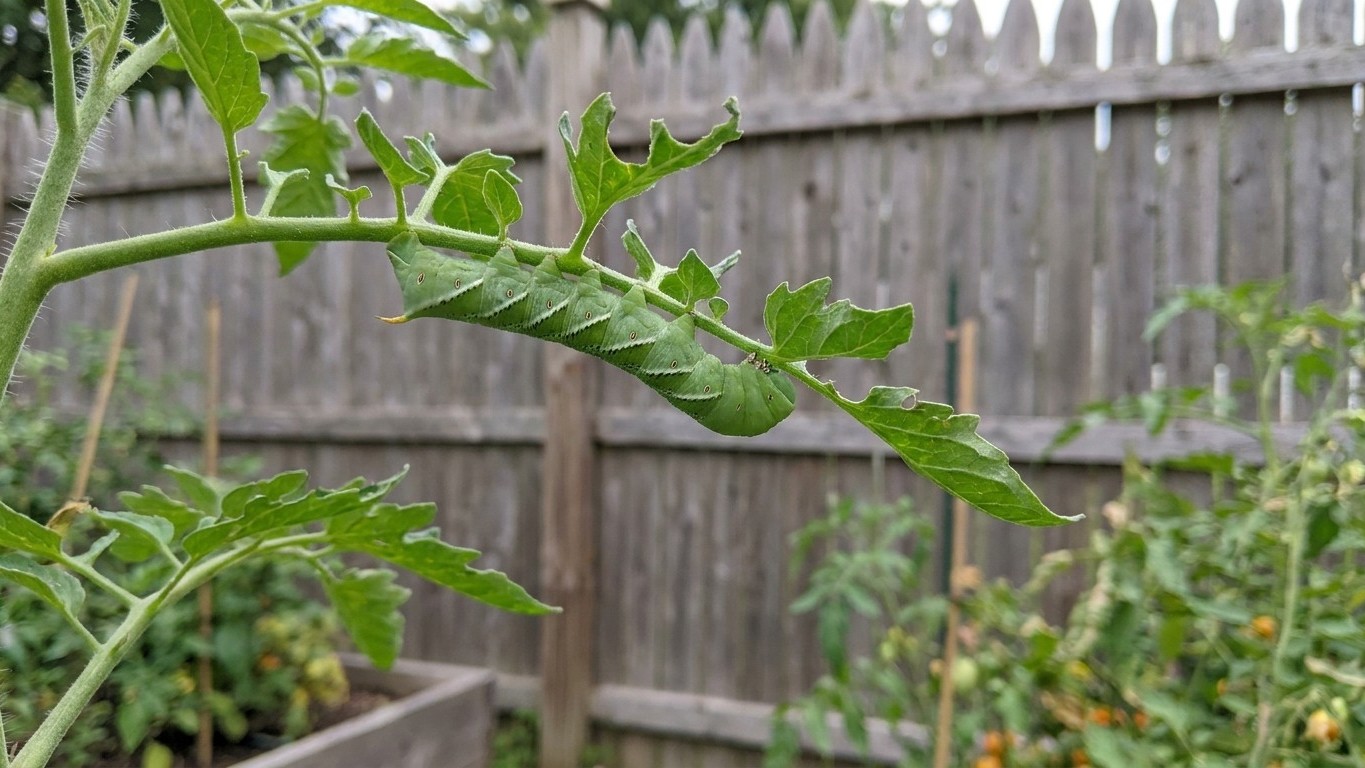
A season-by-season rundown of the tomato pests that actually appear in Maine gardens, with identification details and what treats each one effectively.
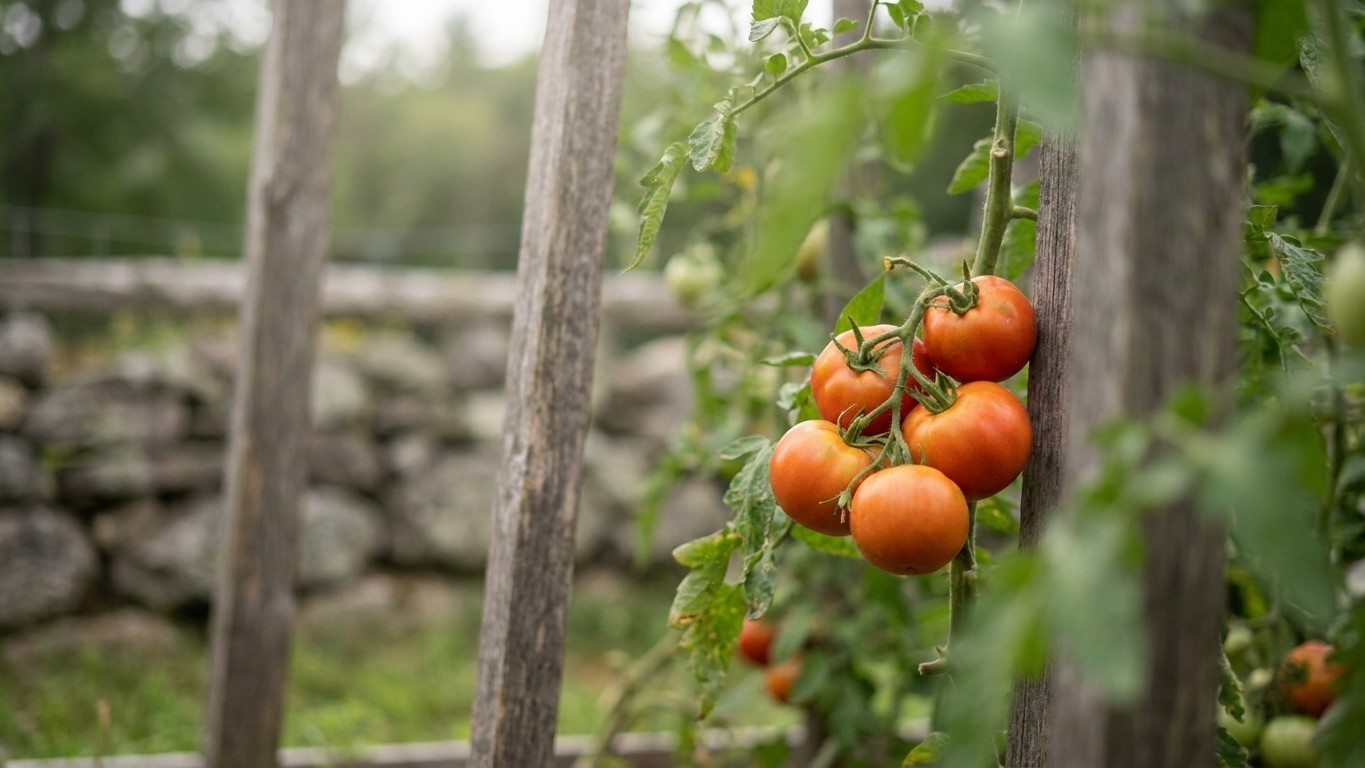
Maine’s cool, short season means picking fast-maturing, disease-resistant tomato varieties and timing transplants to the region’s late, variable spring frost.