The Best Onion Varieties for Newfoundland and Labrador
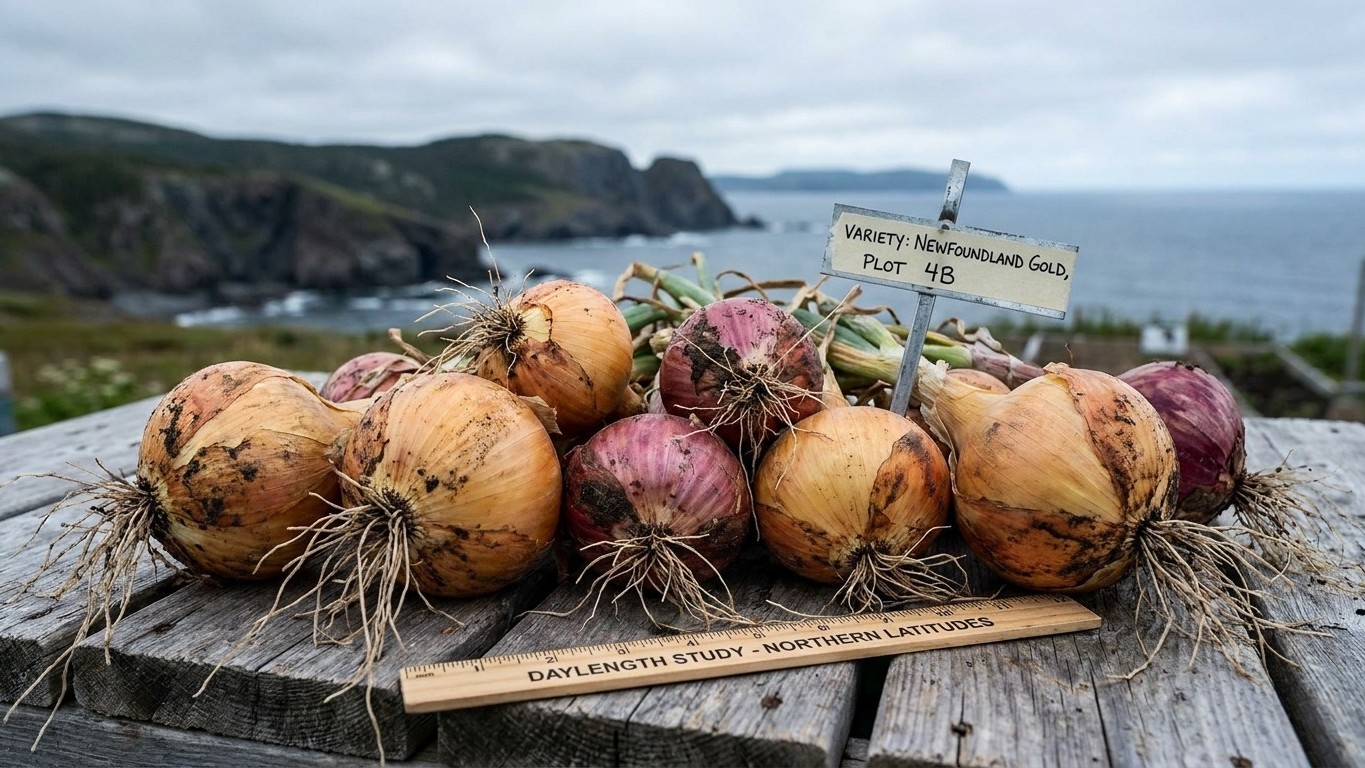
Newfoundland and Labrador sits far enough north that long-day onions are the right choice almost everywhere in the province, and a handful of…
Home & garden, state by state
Everything we have worked out for Newfoundland and Labrador: what to plant and when, which varieties finish in time, the pests that actually turn up here, and the jobs that pay off month by month. We also cover the rest of the property, from lawns and soil to home care and energy, because a garden rarely stops at the vegetable bed.
The numbers first, because everything else follows from them. Measured at the weather station in St. John's, the last spring freeze falls around May 30 and the first fall freeze falls around October 17, 1,006 growing degree days in the year.
That is little accumulated warmth: tomatoes need a tunnel or a greenhouse here, whatever the frost dates suggest. Garlic does well: 34.8 weeks below 40 °F, comfortably past the six it needs to form a proper head.
Elsewhere on the property in Newfoundland and Labrador: the pests that turn up here.
Figures from Environment and Climate Change Canada. A state is not one climate: elevation, a large lake or the coast can move these dates by two weeks either way, so check your own county with the extension service before you spend money.
Newfoundland and Labrador sits far enough north that long-day onions are the right choice almost everywhere in the province, and a handful of…
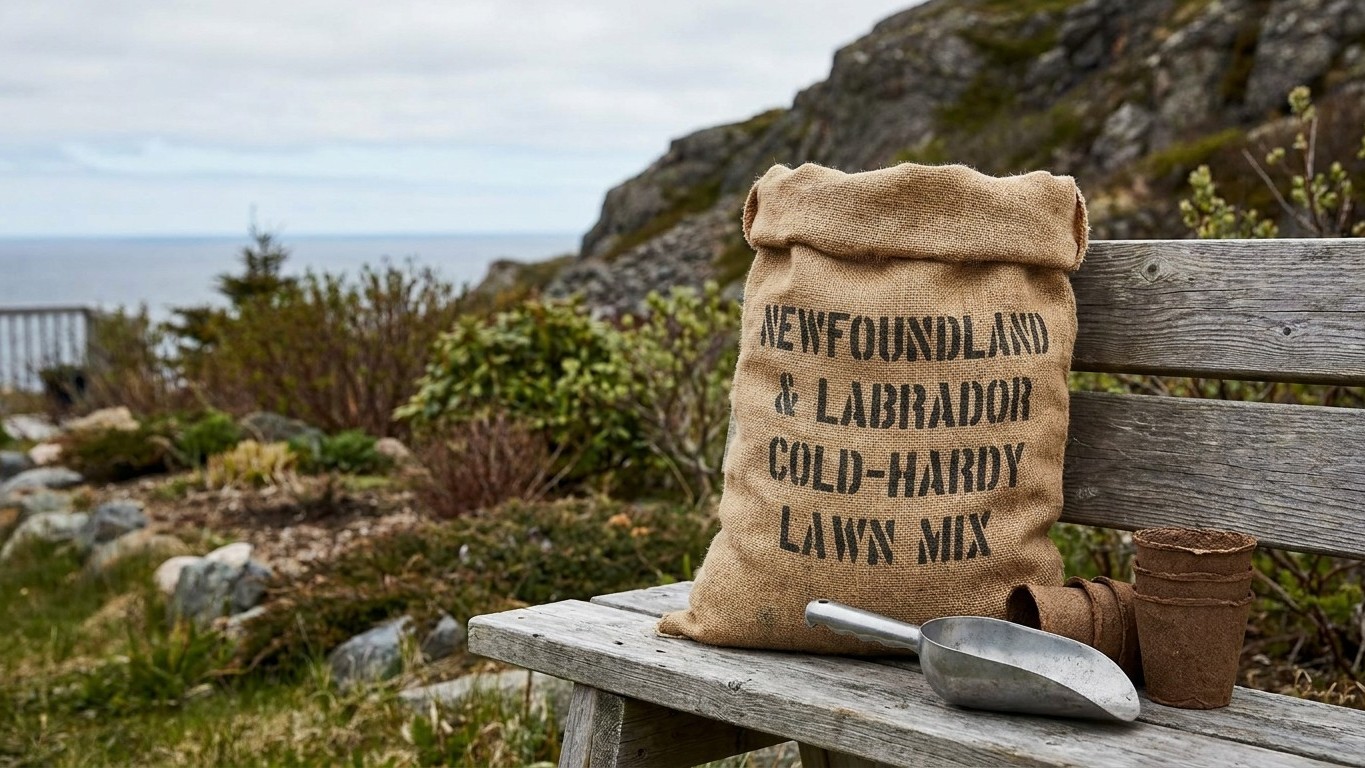
Newfoundland and Labrador’s cool, short summers favor fine fescue, Kentucky bluegrass, and perennial ryegrass seed over any warm-season grass, per regional climate and species data.
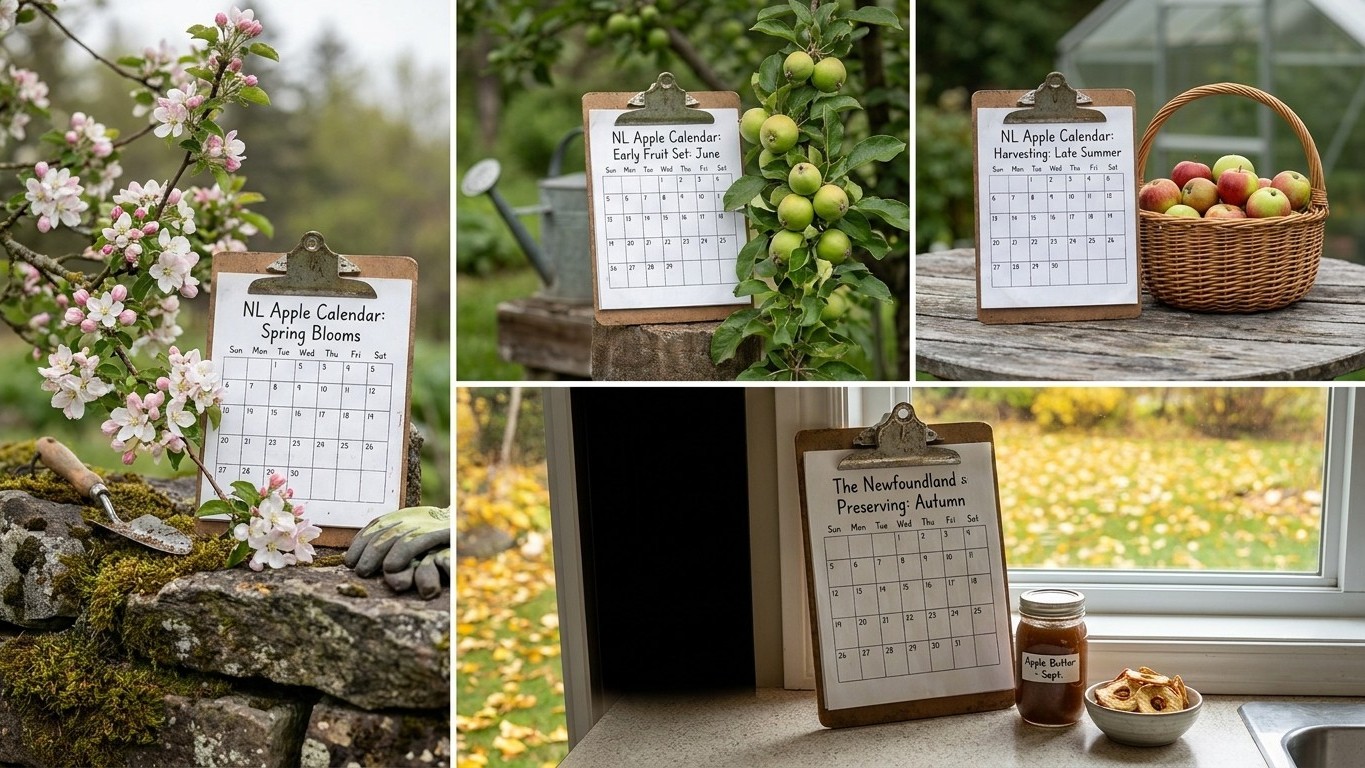
A stage-by-stage apple calendar for Newfoundland and Labrador, keyed to St. John’s frost normals rather than the calendar month.
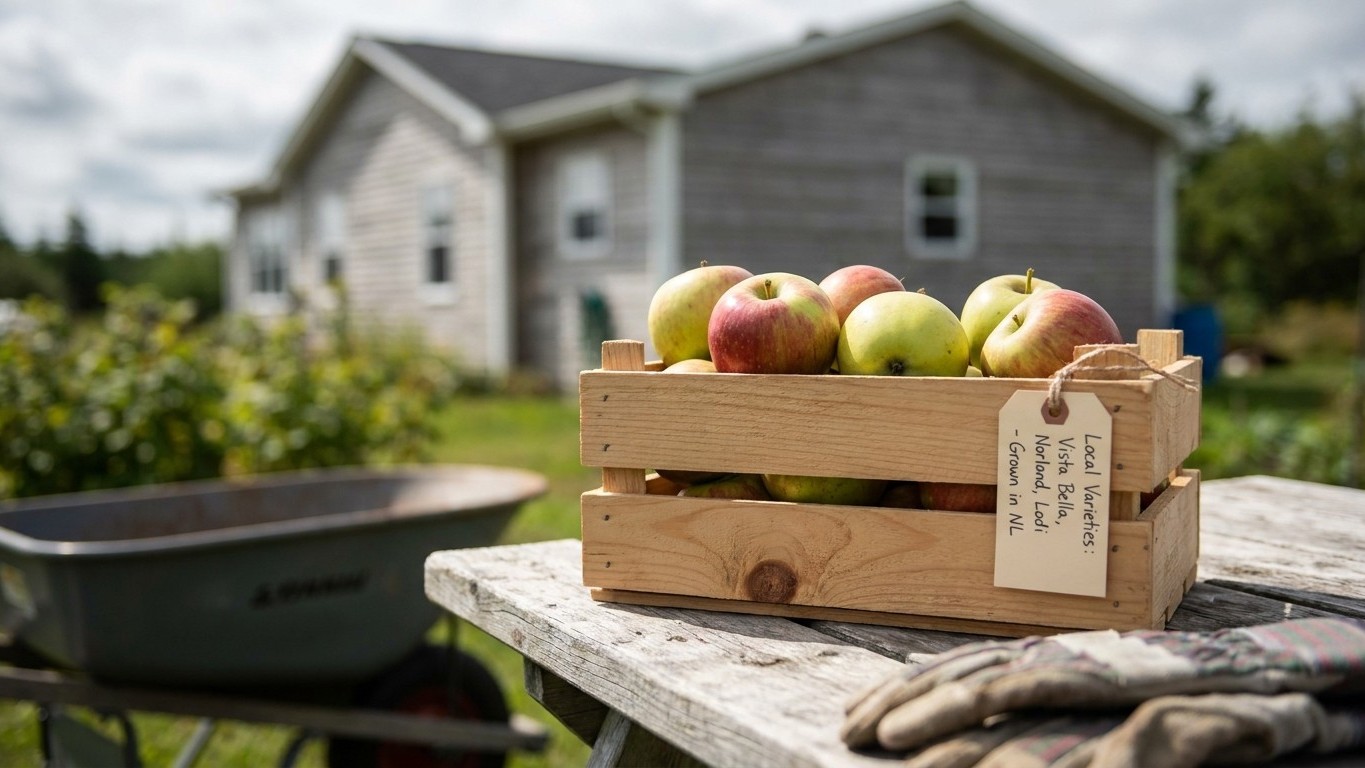
Newfoundland and Labrador’s short frost-free window narrows apple choices to the hardiest, quickest-ripening trees, with site and rootstock deciding the rest.
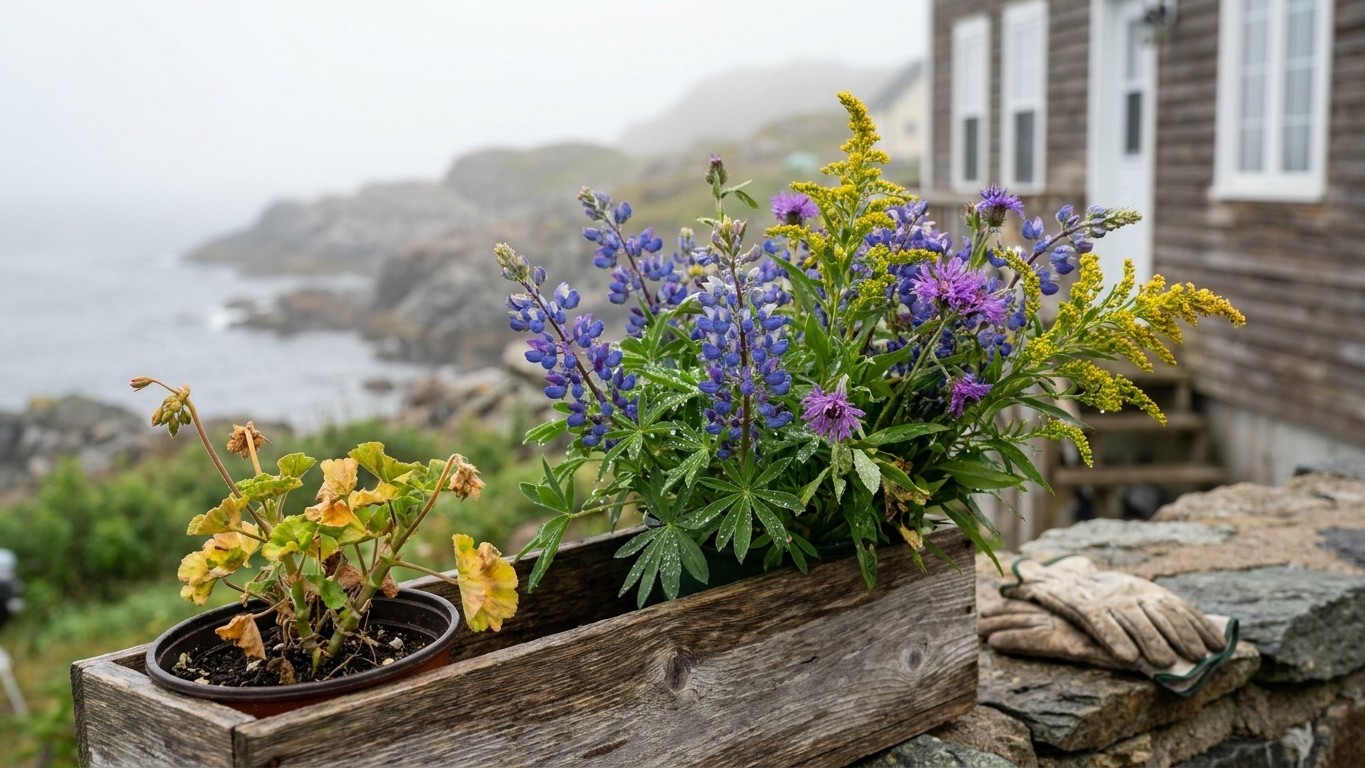
Newfoundland’s cool, short summers suit cold-hardy perennials and cool-season annuals far better than heat-loving flowers that need long, warm growing seasons to bloom.
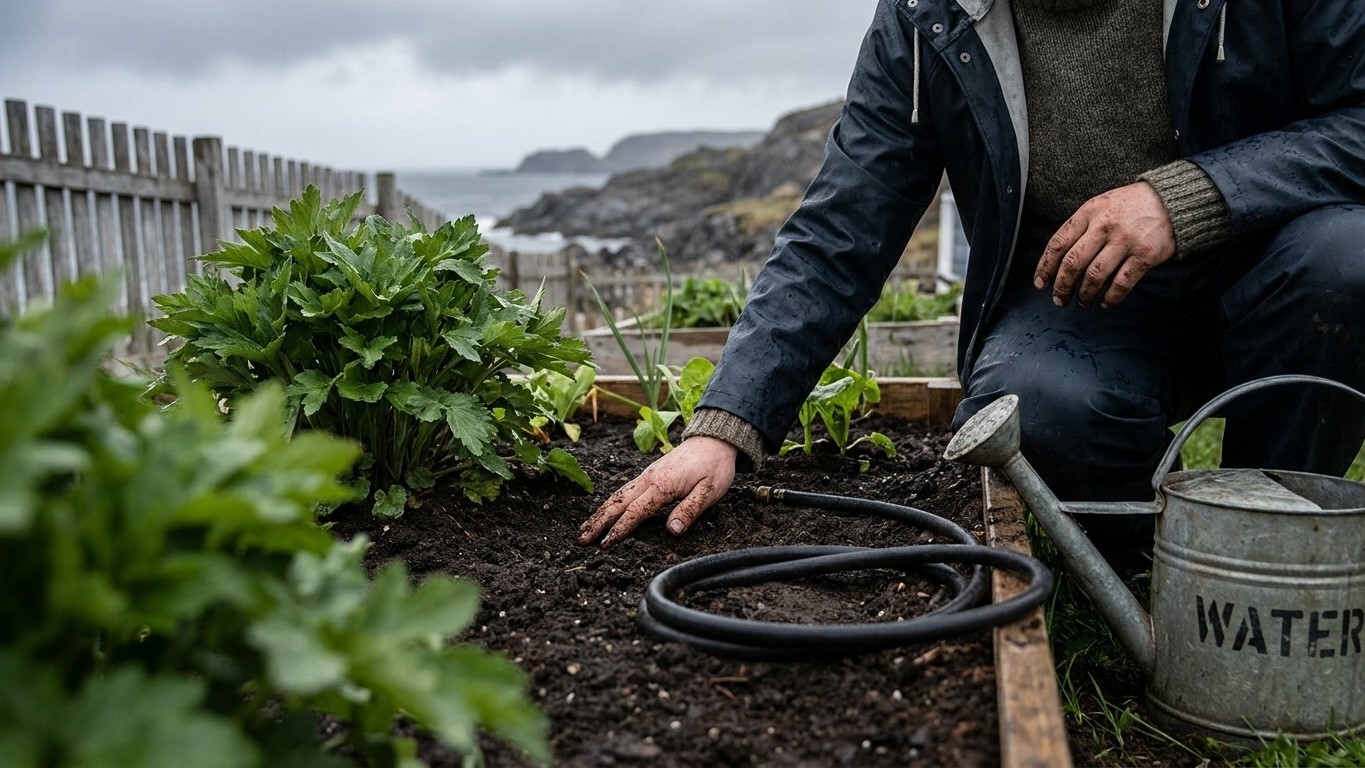
Newfoundland and Labrador’s cool, damp summers mean most gardens need far less supplemental watering than lawns in warmer provinces, but “less” doesn’t…
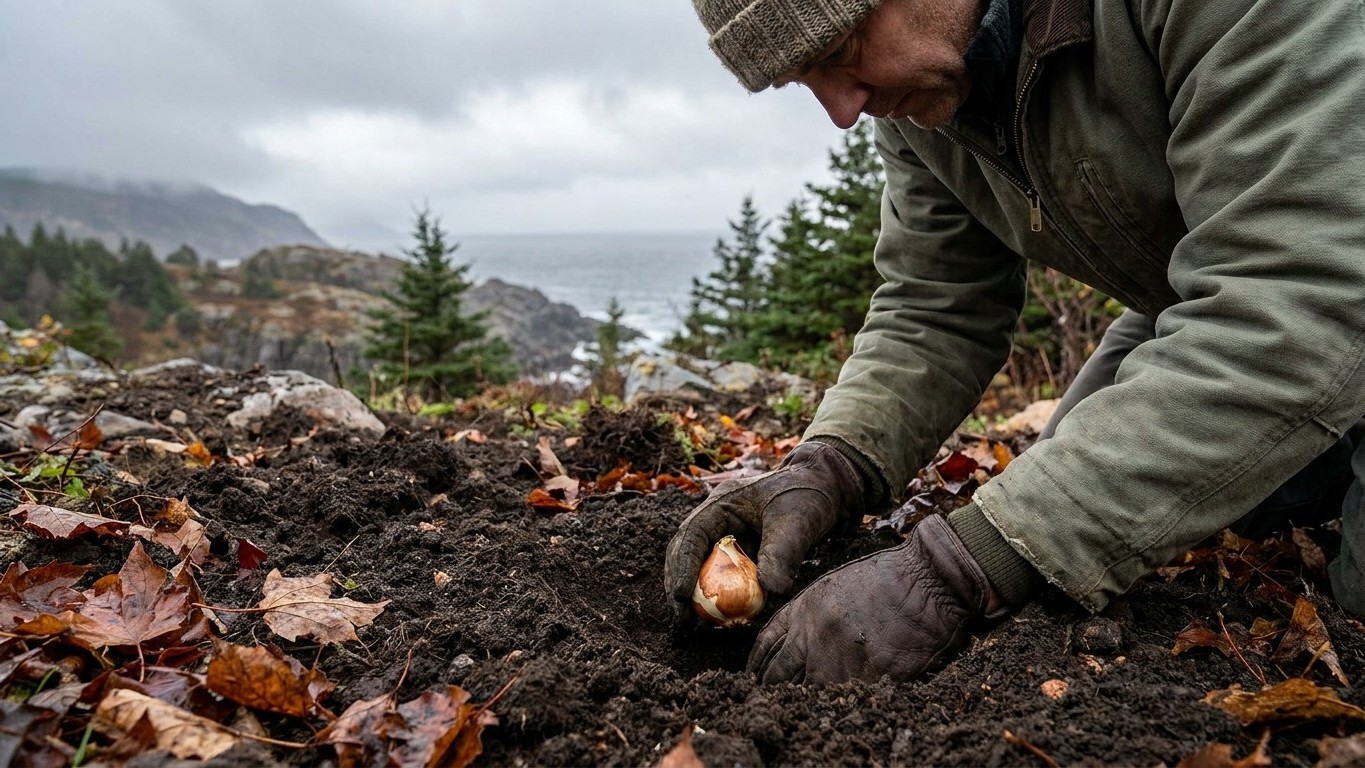
Spring bulbs planted in Newfoundland and Labrador face a paradox: the winters here are cold enough to satisfy almost any bulb’s chilling needs, but not…
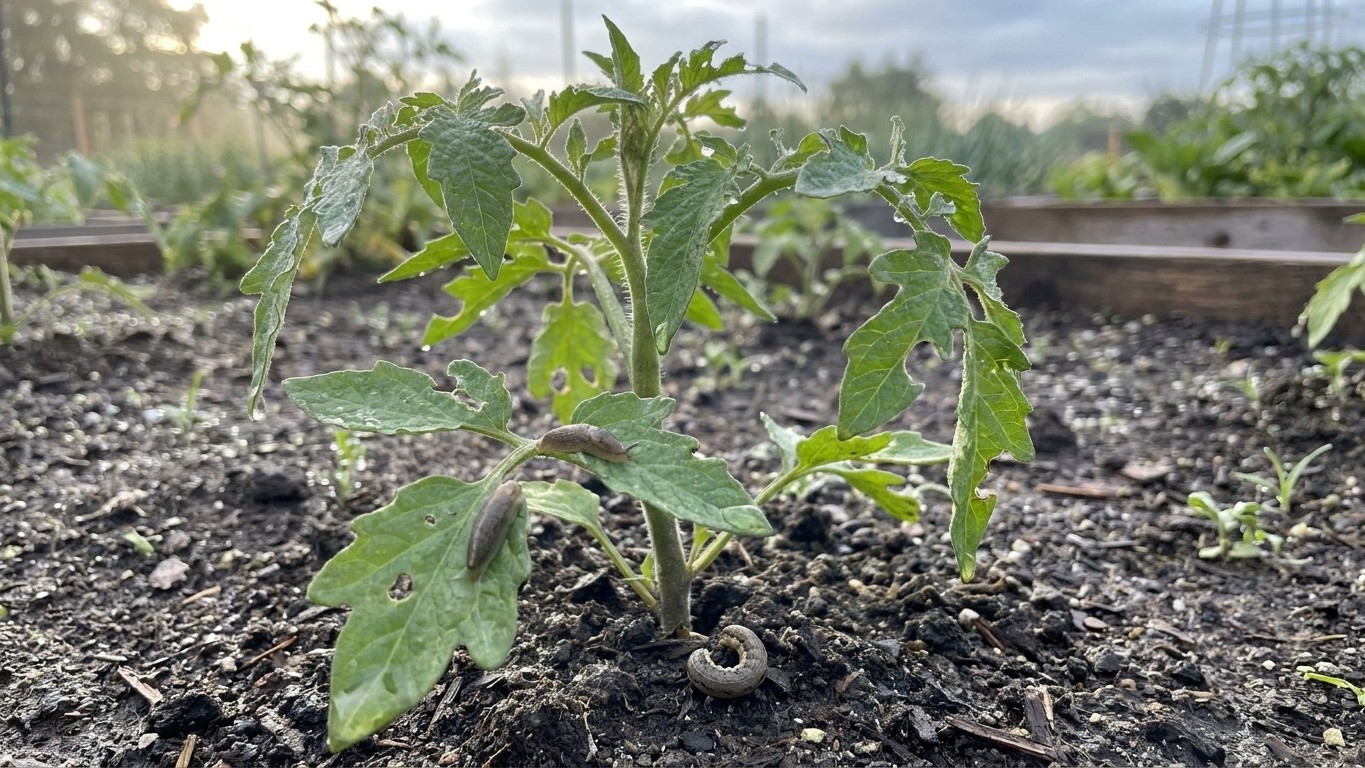
Newfoundland and Labrador’s tomato pests are mostly the cool-season, damp-weather kind, not the heat-loving insects that plague warmer provinces.
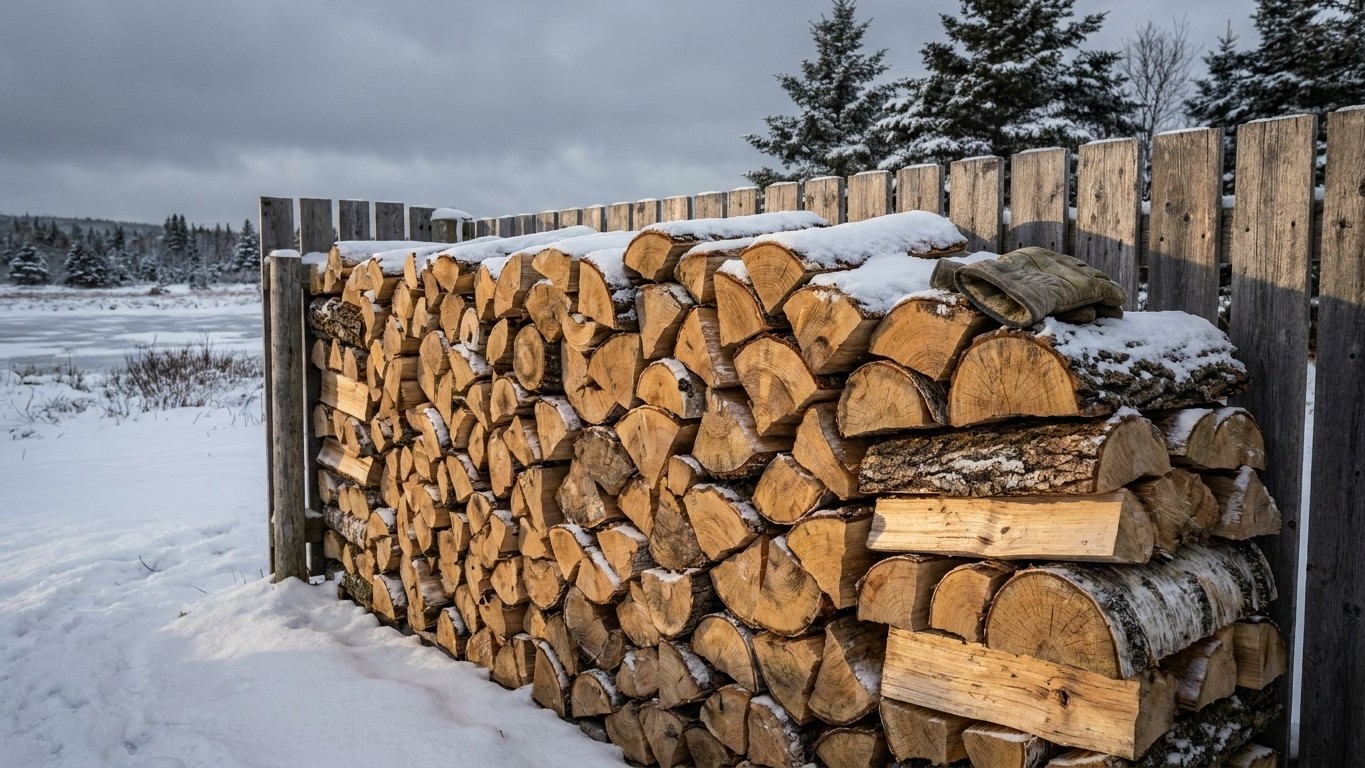
The coldest month at the St. John’s reference station averages a low of just 16.4°F.
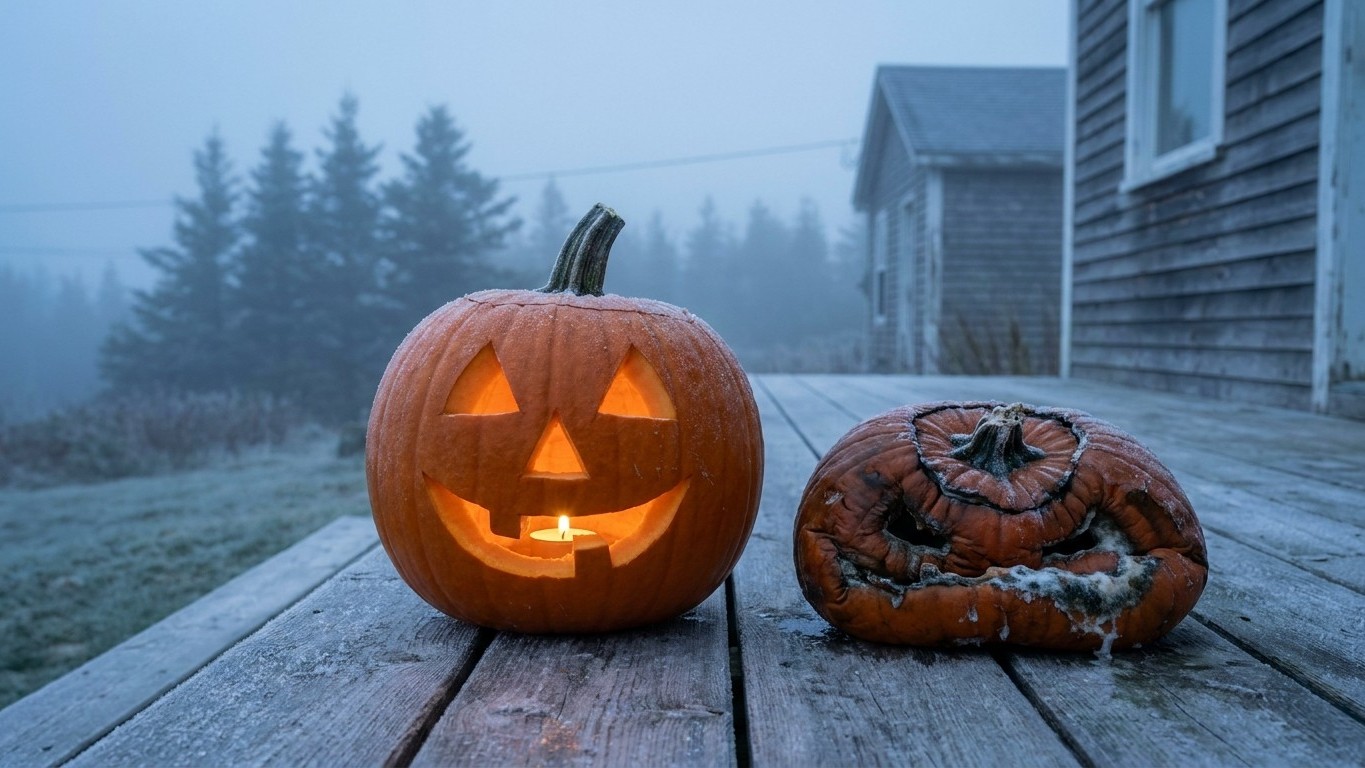
Newfoundland’s mean first fall frost lands around October 17, roughly two weeks before Halloween.