Growing Parsnips in Newfoundland and Labrador: Will They Sweeten?
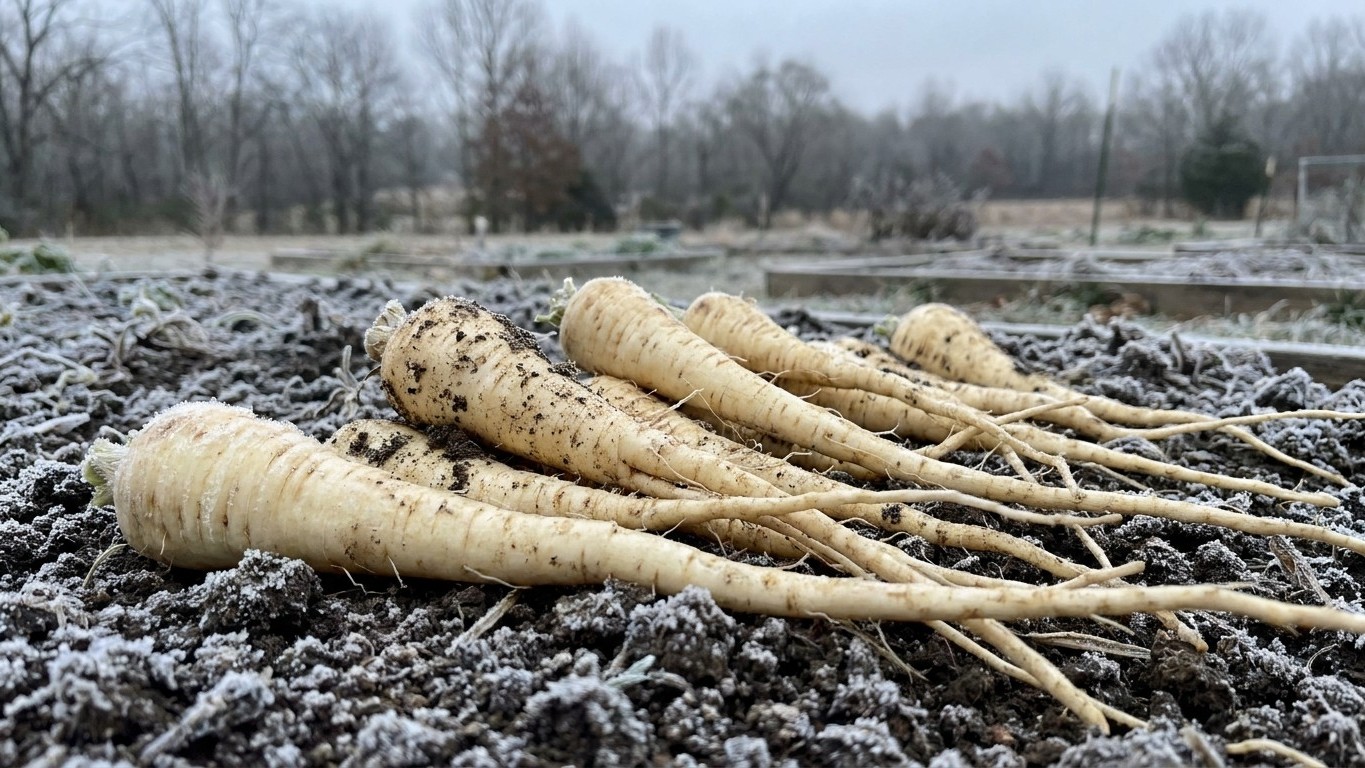
Parsnips grown in Newfoundland and Labrador do more than survive the season here, they sweeten properly.
Home & garden, state by state
Everything we have worked out for Newfoundland and Labrador: what to plant and when, which varieties finish in time, the pests that actually turn up here, and the jobs that pay off month by month. We also cover the rest of the property, from lawns and soil to home care and energy, because a garden rarely stops at the vegetable bed.
The numbers first, because everything else follows from them. Measured at the weather station in St. John's, the last spring freeze falls around May 30 and the first fall freeze falls around October 17, 1,006 growing degree days in the year.
That is little accumulated warmth: tomatoes need a tunnel or a greenhouse here, whatever the frost dates suggest. Garlic does well: 34.8 weeks below 40 °F, comfortably past the six it needs to form a proper head.
Elsewhere on the property in Newfoundland and Labrador: the pests that turn up here.
Figures from Environment and Climate Change Canada. A state is not one climate: elevation, a large lake or the coast can move these dates by two weeks either way, so check your own county with the extension service before you spend money.
Parsnips grown in Newfoundland and Labrador do more than survive the season here, they sweeten properly.
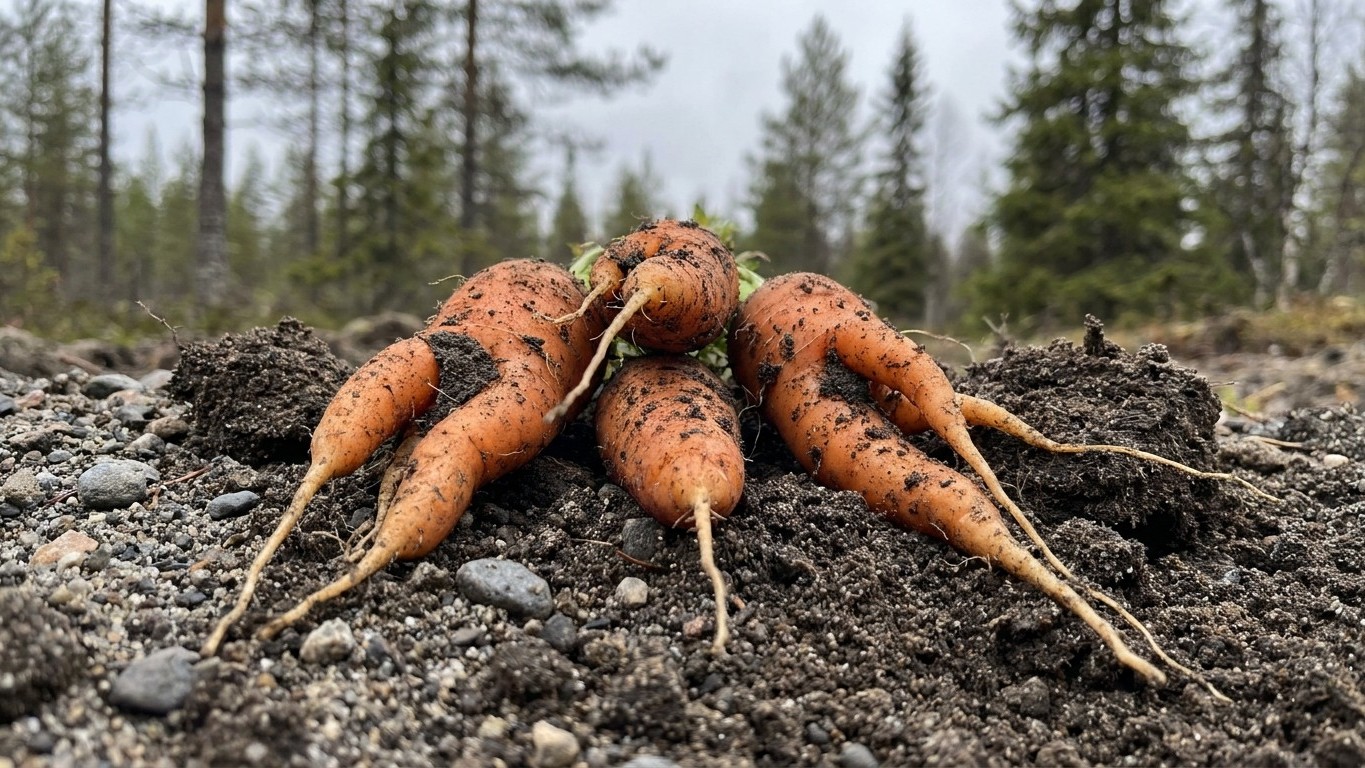
Newfoundland and Labrador’s ground runs acid and sandy, and it drains slower than it looks.
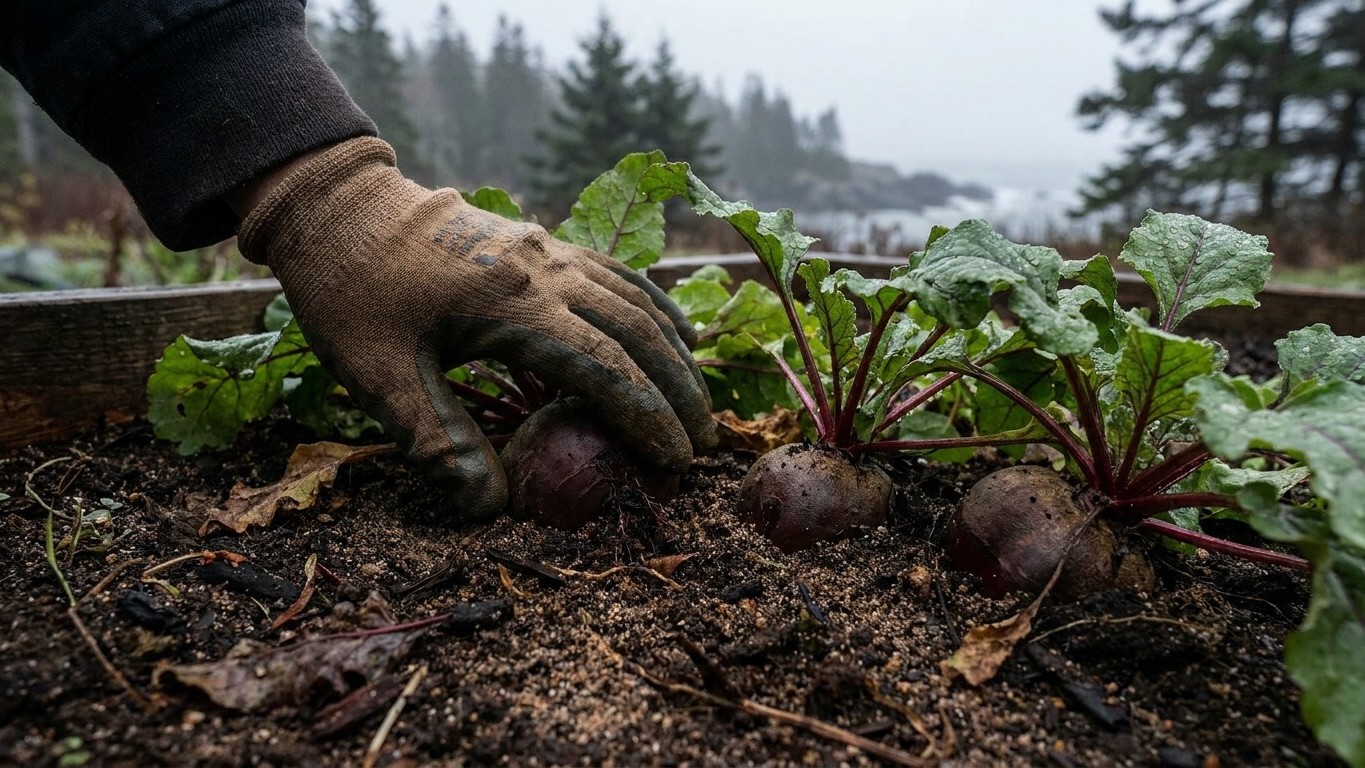
Beets in Newfoundland and Labrador do best when the grower treats the ground as sandy but sour: most agricultural soil across the province runs strongly…
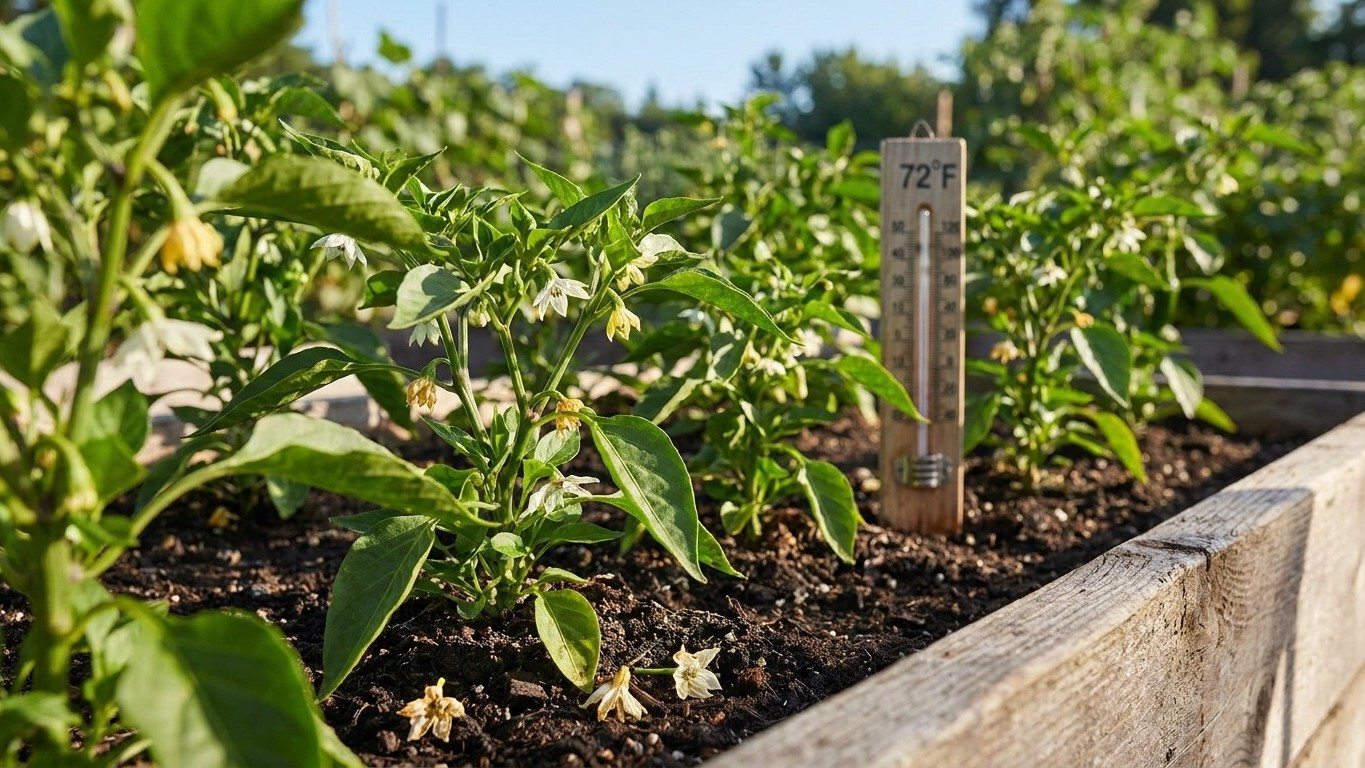
In Newfoundland and Labrador, start pepper seed indoors 8 to 10 weeks before the soil warms to 60 F and the frost risk has passed.
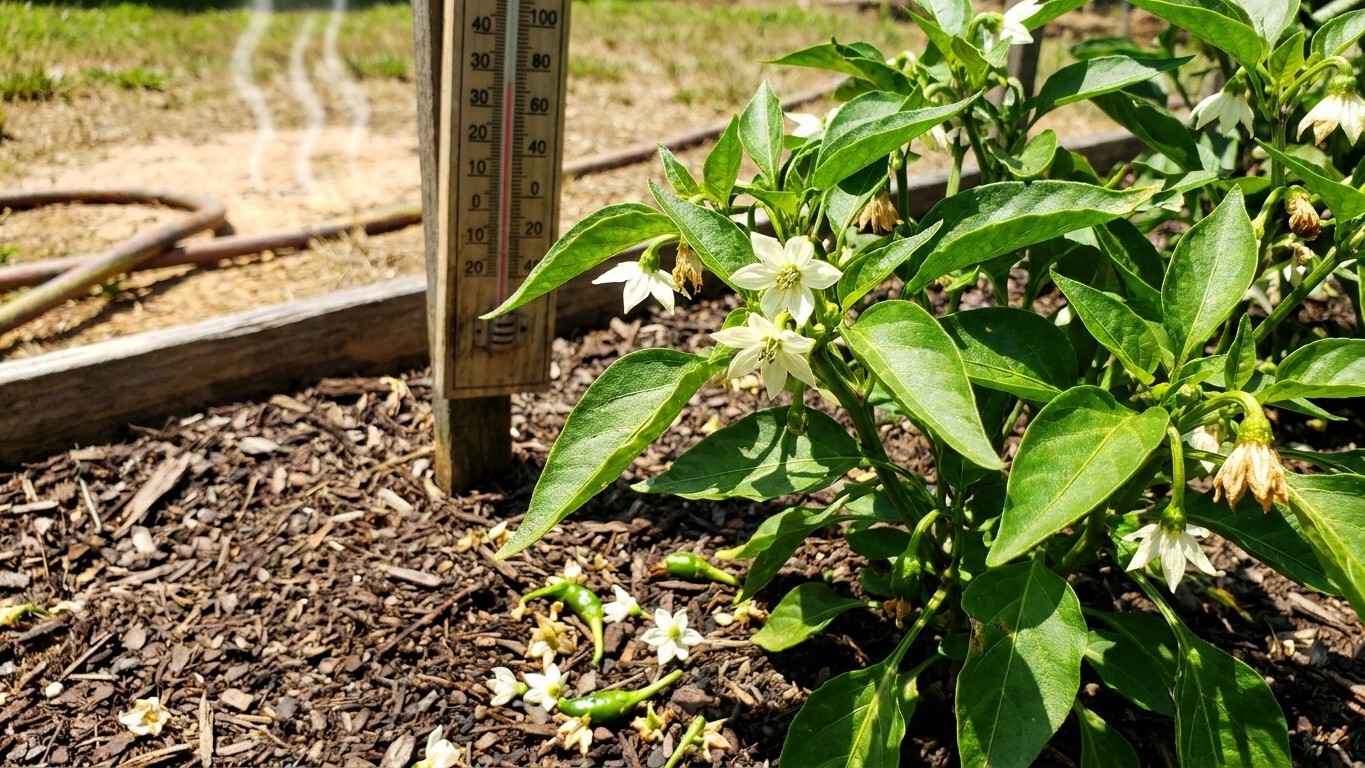
Newfoundland and Labrador rarely gets hot enough to stop pepper flowers from setting fruit. St.
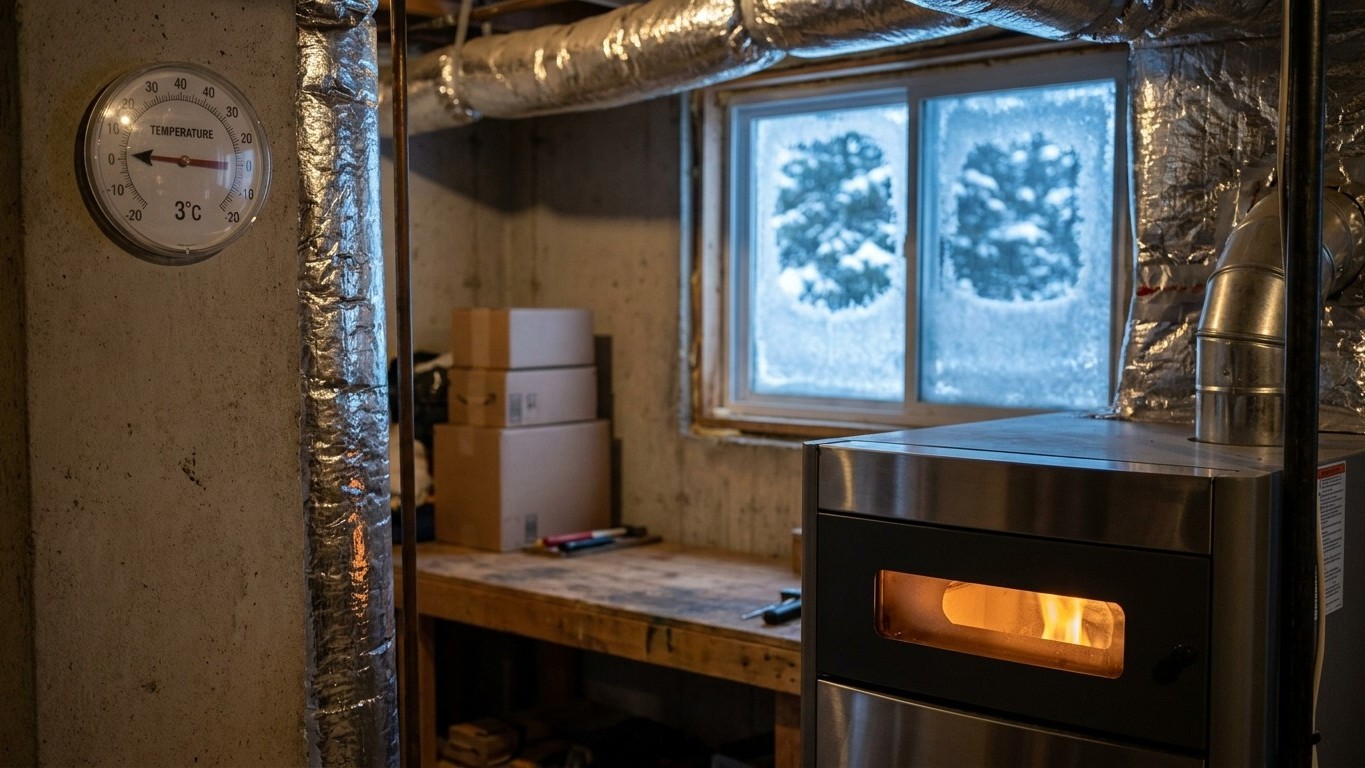
In Newfoundland and Labrador, the answer isn’t a month at all. At St. John’s, the 30-year average temperature stays below the 18°C heating threshold in…
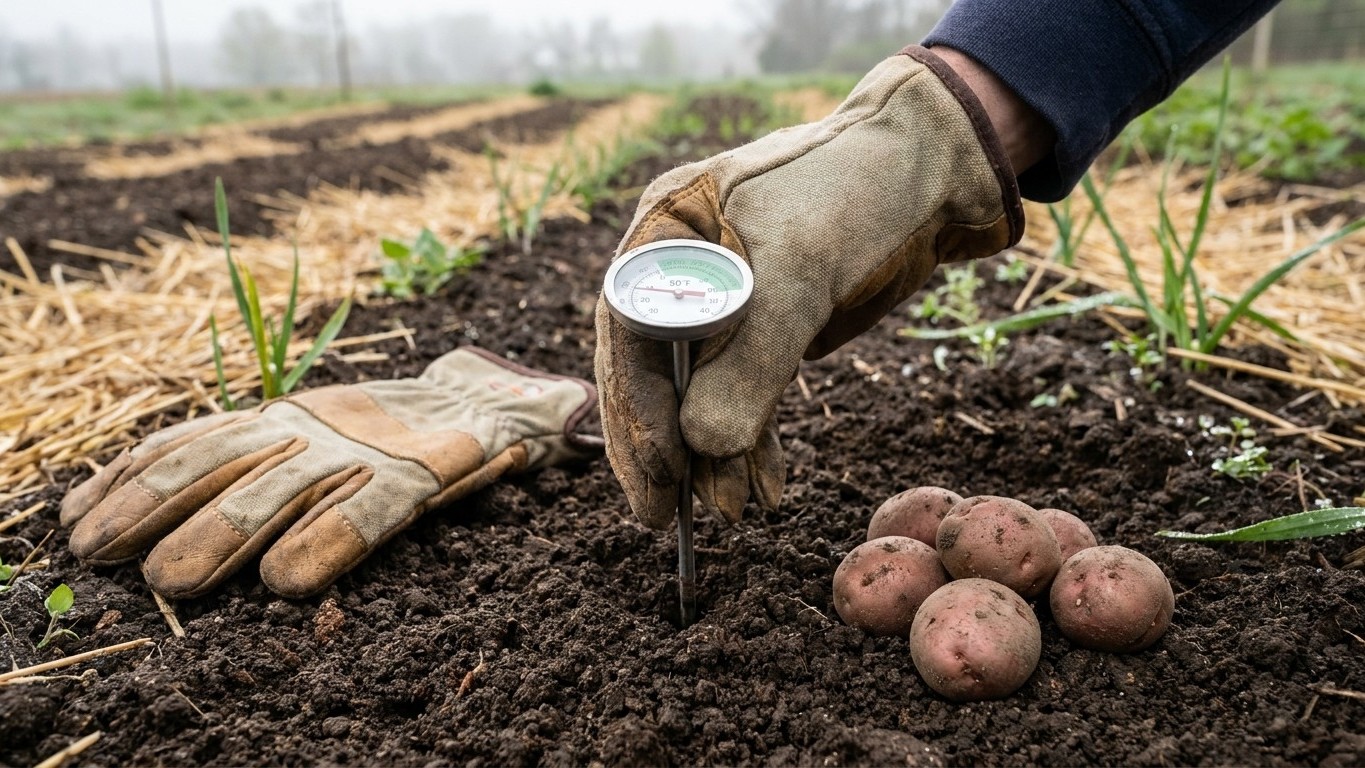
In Newfoundland and Labrador, seed potatoes generally go into the ground about two to three weeks before the last spring frost, not after it. At St.
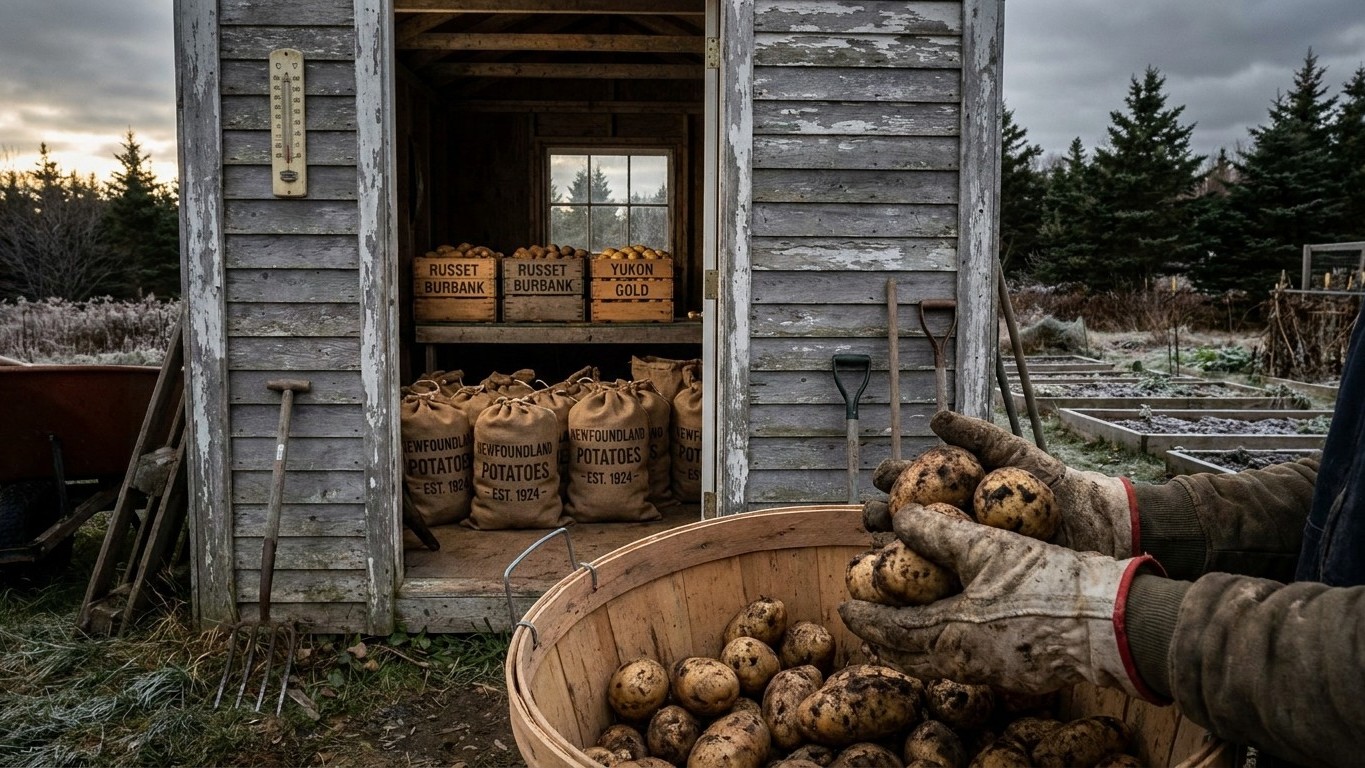
Frost at St. John’s arrives on average October 17, and the coldest month’s mean minimum sits at 16.4 F (Environment and Climate Change Canada, Canadian…
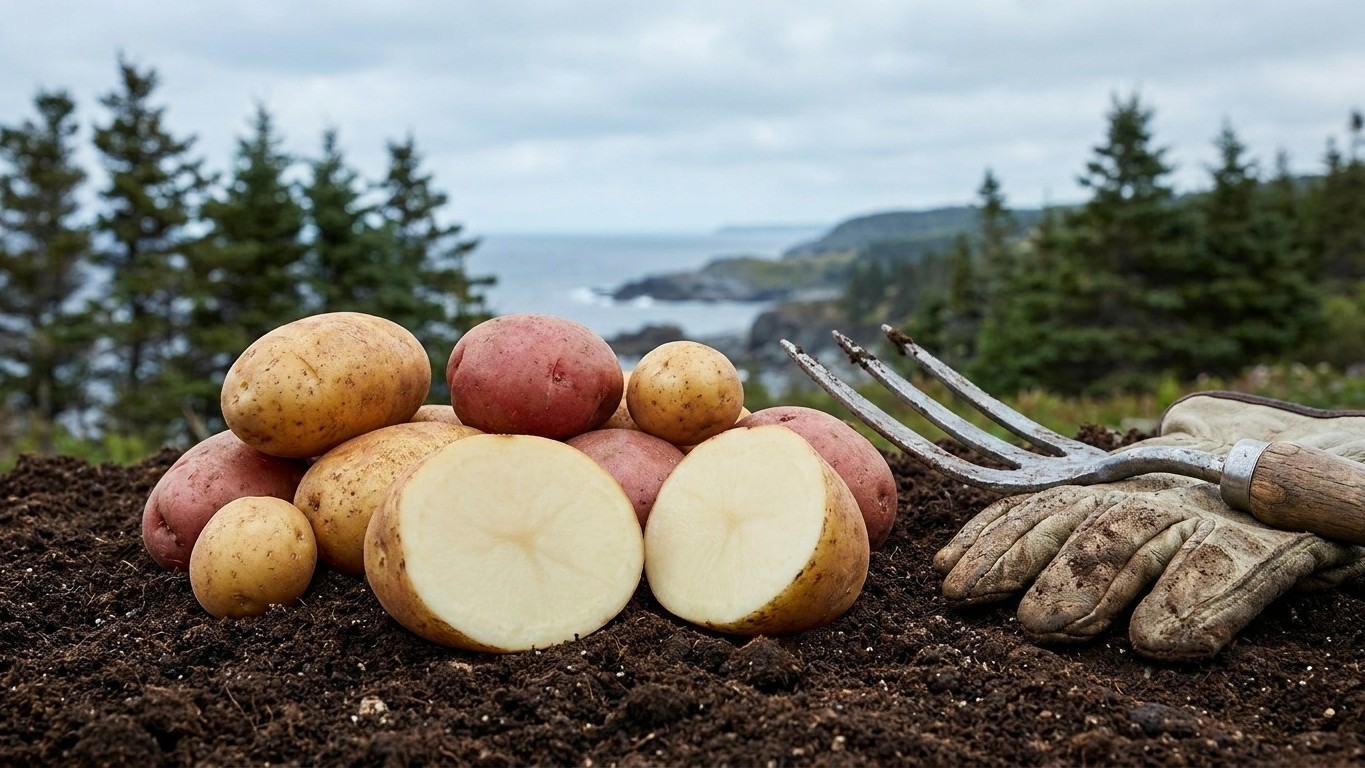
Early and mid-season varieties are the practical choice for Newfoundland and Labrador, chosen for boiling and baking rather than for a long summer in the…
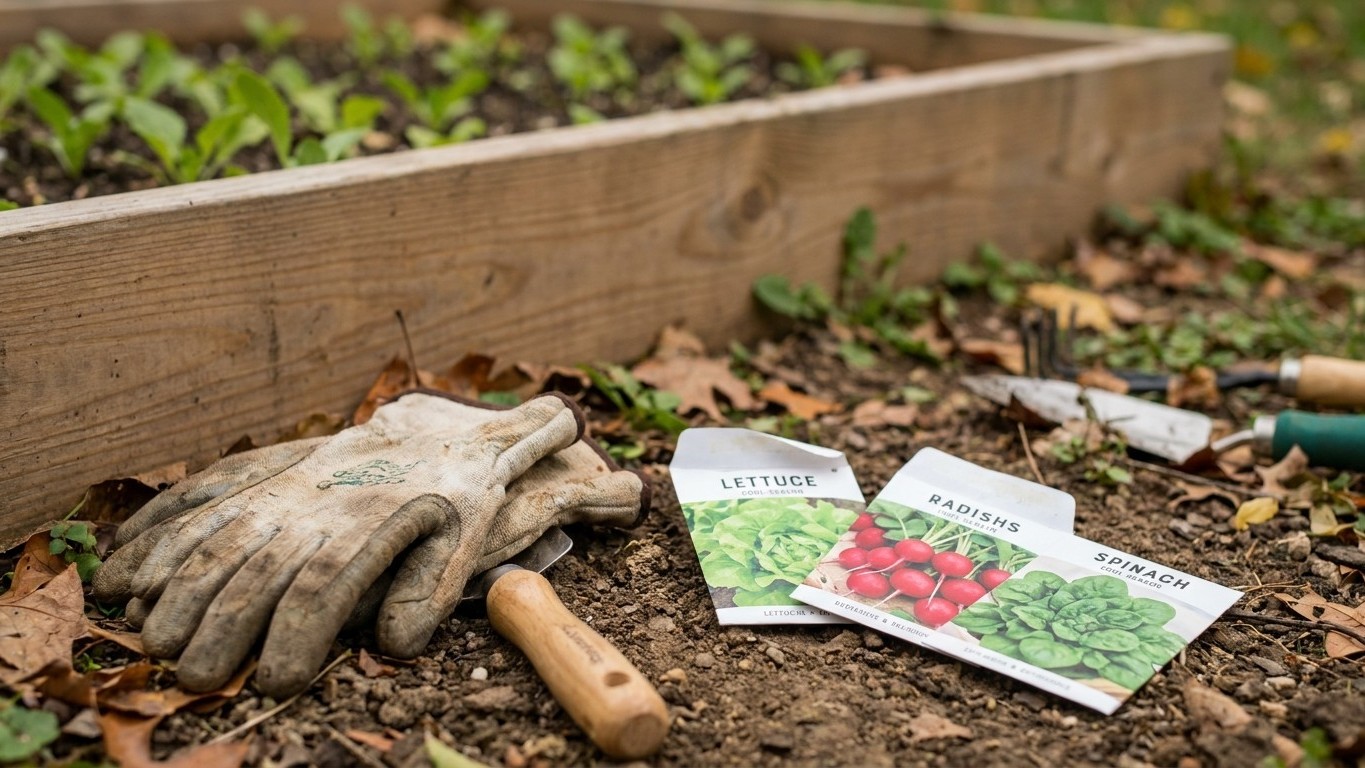
September in Newfoundland and Labrador sits in that stretch between summer’s last crops and the first real frost, which averages October 17 at St. John’s.