What Eats Carrot in North Carolina, and When
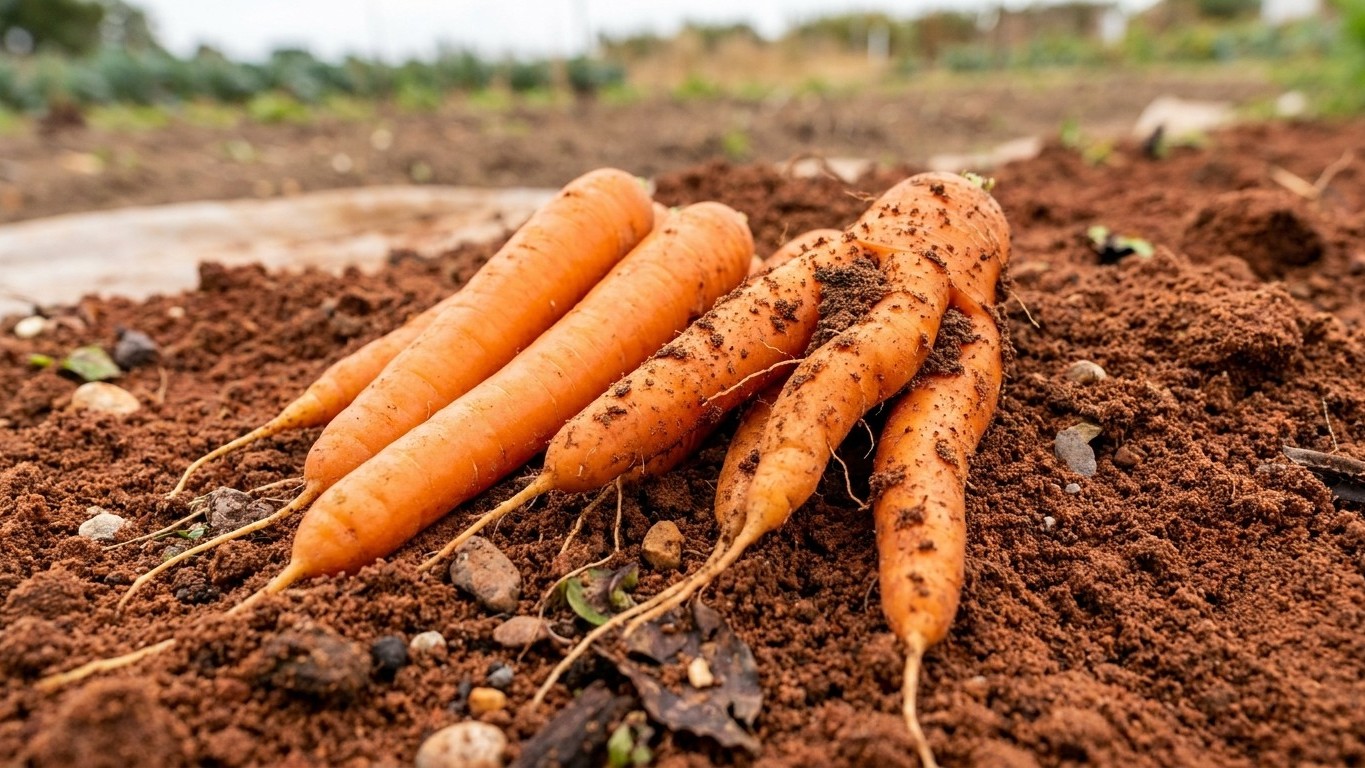
A carrot root sitting in North Carolina ground for two to three months faces two separate kinds of feeding: something working the leaves above the soil…
Home & garden, state by state
Everything we have worked out for North Carolina: what to plant and when, which varieties finish in time, the pests that actually turn up here, and the jobs that pay off month by month. We also cover the rest of the property, from lawns and soil to home care and energy, because a garden rarely stops at the vegetable bed.
The numbers first, because everything else follows from them. Measured at the weather station in Charlotte, the last spring freeze runs March 23 to April 5 and the first fall freeze runs October 30 to November 8, USDA zones 5b-8b, 4,943 growing degree days in the year.
Garlic does well: 21.8 weeks below 40 °F, comfortably past the six it needs to form a proper head.
Elsewhere on the property in North Carolina: the pests that turn up here.
Figures from NOAA's 1991-2020 climate normals. A state is not one climate: elevation, a large lake or the coast can move these dates by two weeks either way, so check your own county with the extension service before you spend money.
A carrot root sitting in North Carolina ground for two to three months faces two separate kinds of feeding: something working the leaves above the soil…

North Carolina homes cool mostly with central air. Eighty-four percent of homes run a central air-conditioning system, and 91% use some form of…
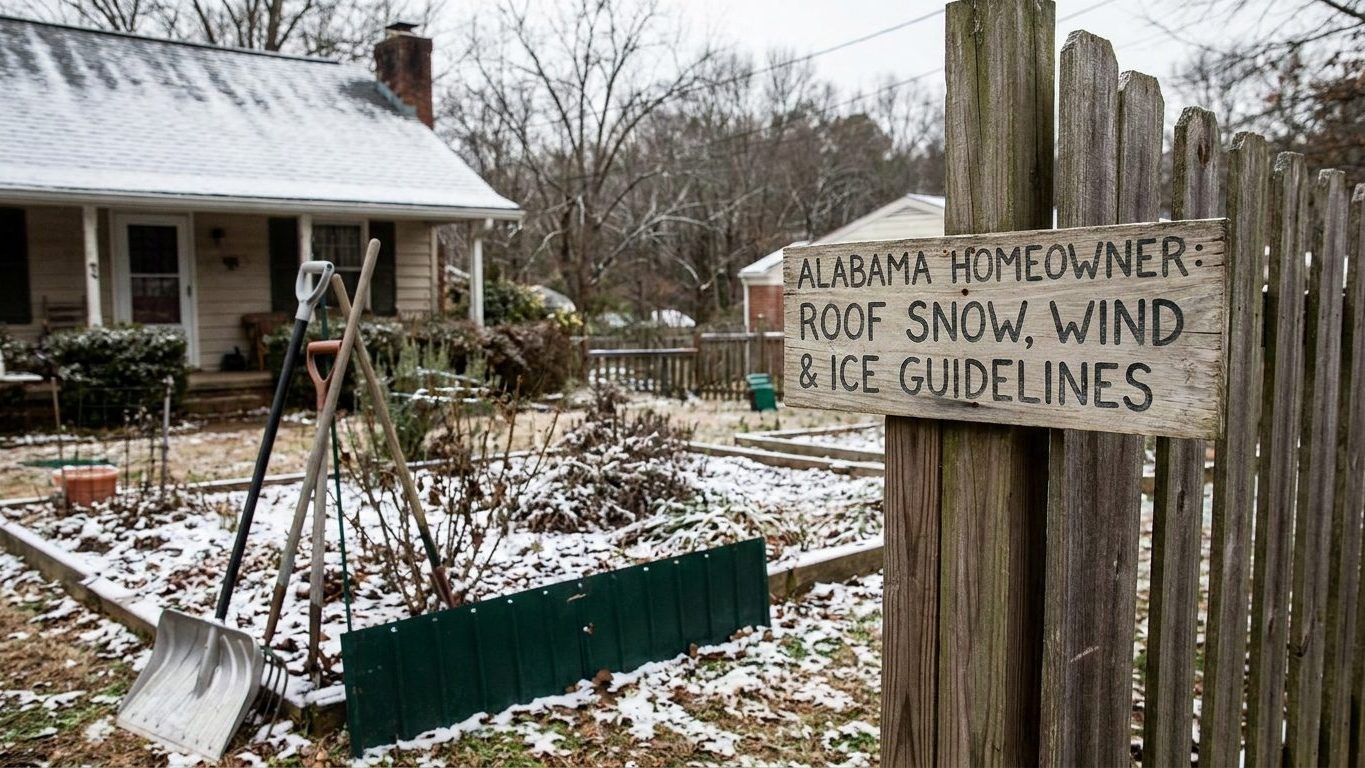
North Carolina’s roof snow load, wind speed and ice barrier rules explained using Charlotte’s design values and the state’s own residential code.
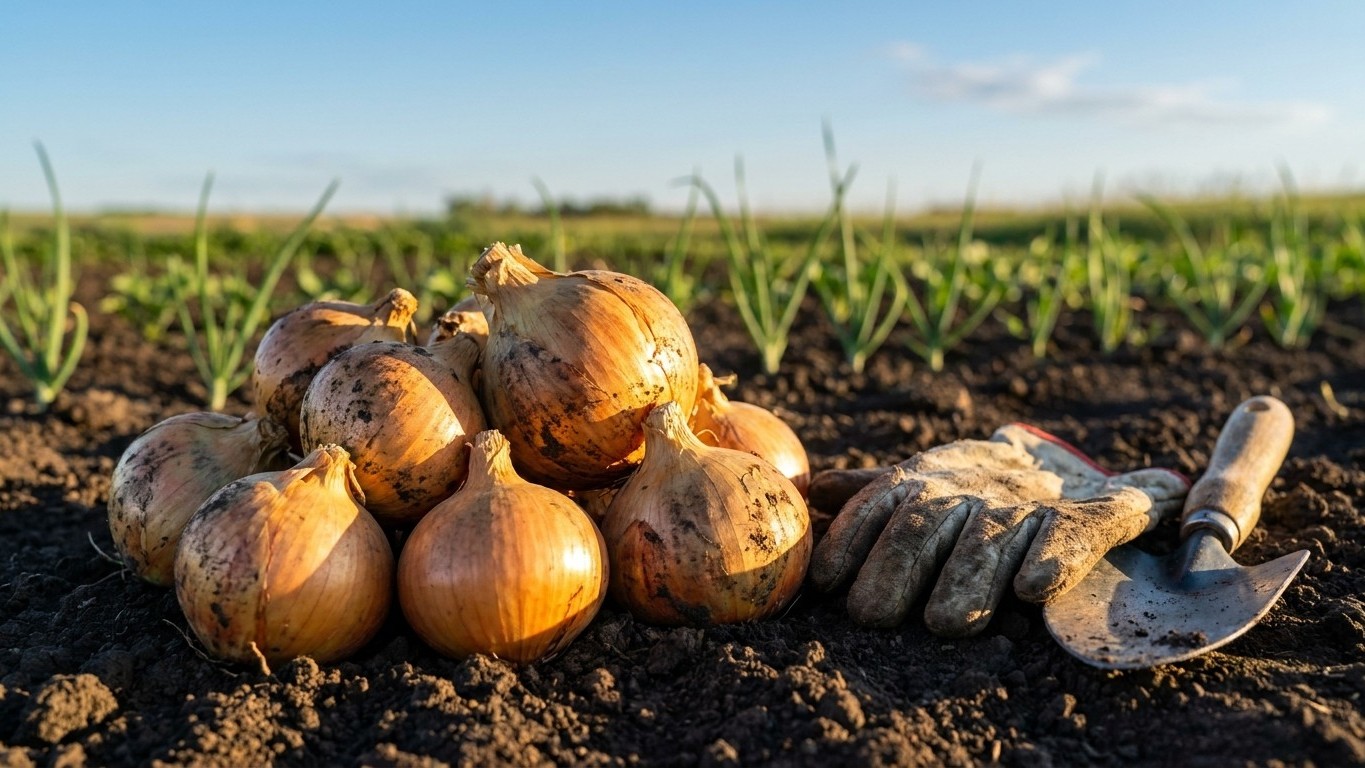
North Carolina onion growers deal with two insects worth watching: thrips, which scrape at young leaves as soon as bulbing starts, and flea beetles…
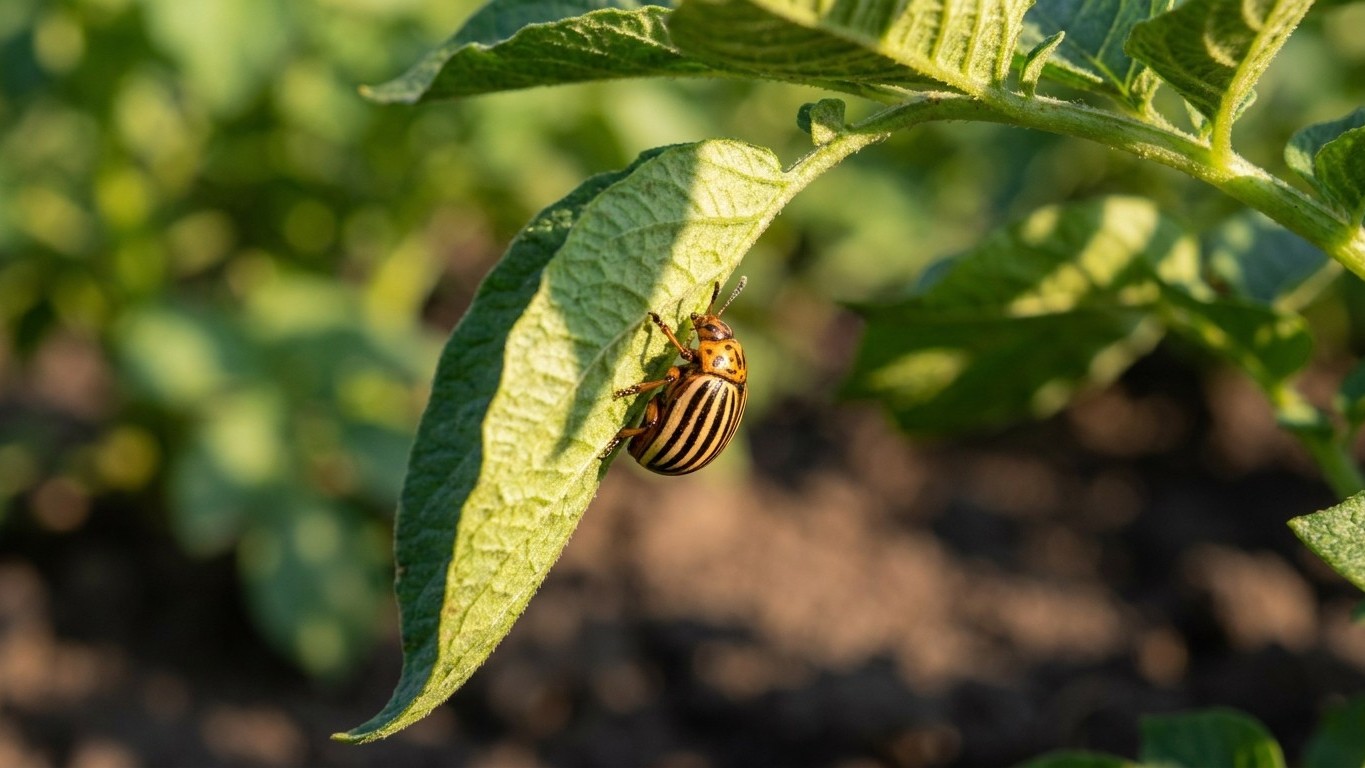
North Carolina’s potato plants face a short, specific list: flea beetles, Japanese beetles, and thrips are the ones NC State Extension documents feeding…
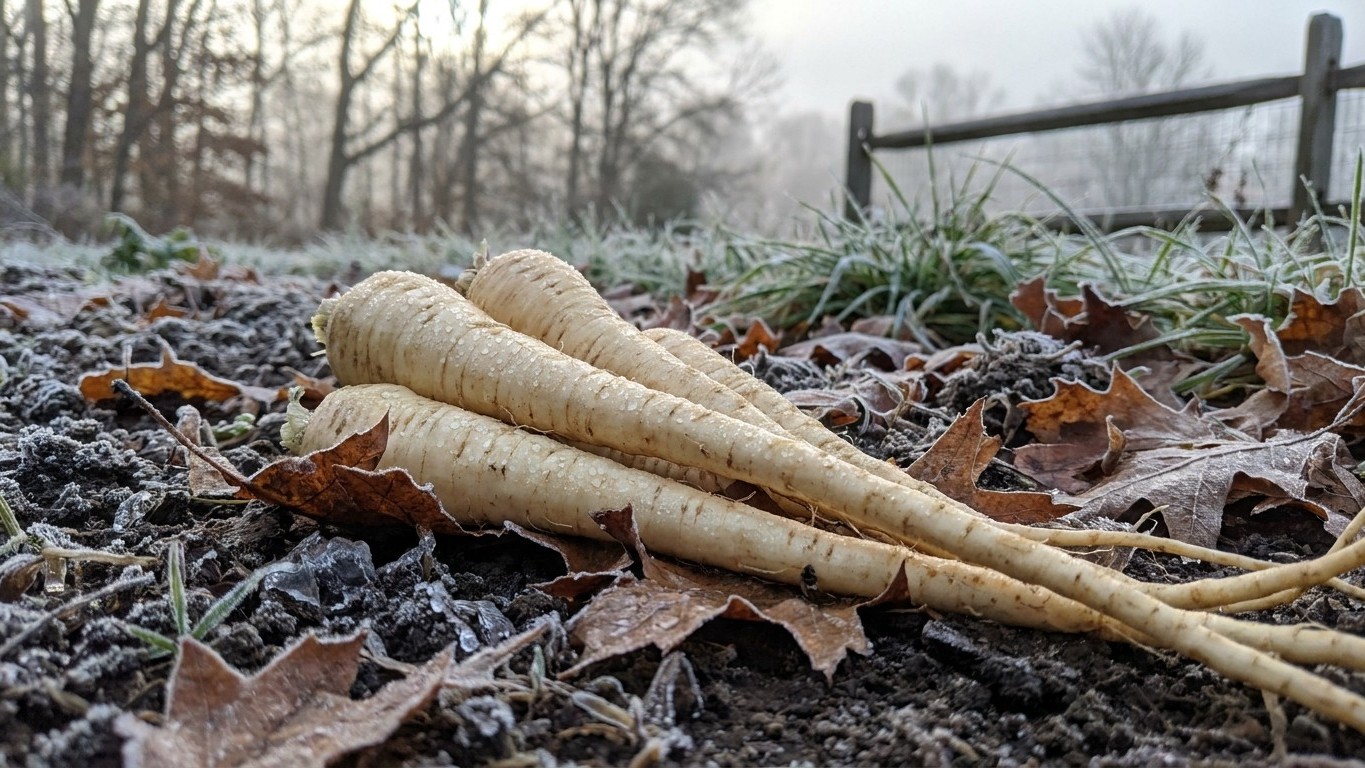
Flea beetles, Japanese beetles, and thrips are the parsnip pests documented for North Carolina, and they show up on foliage, not roots, once seedlings…
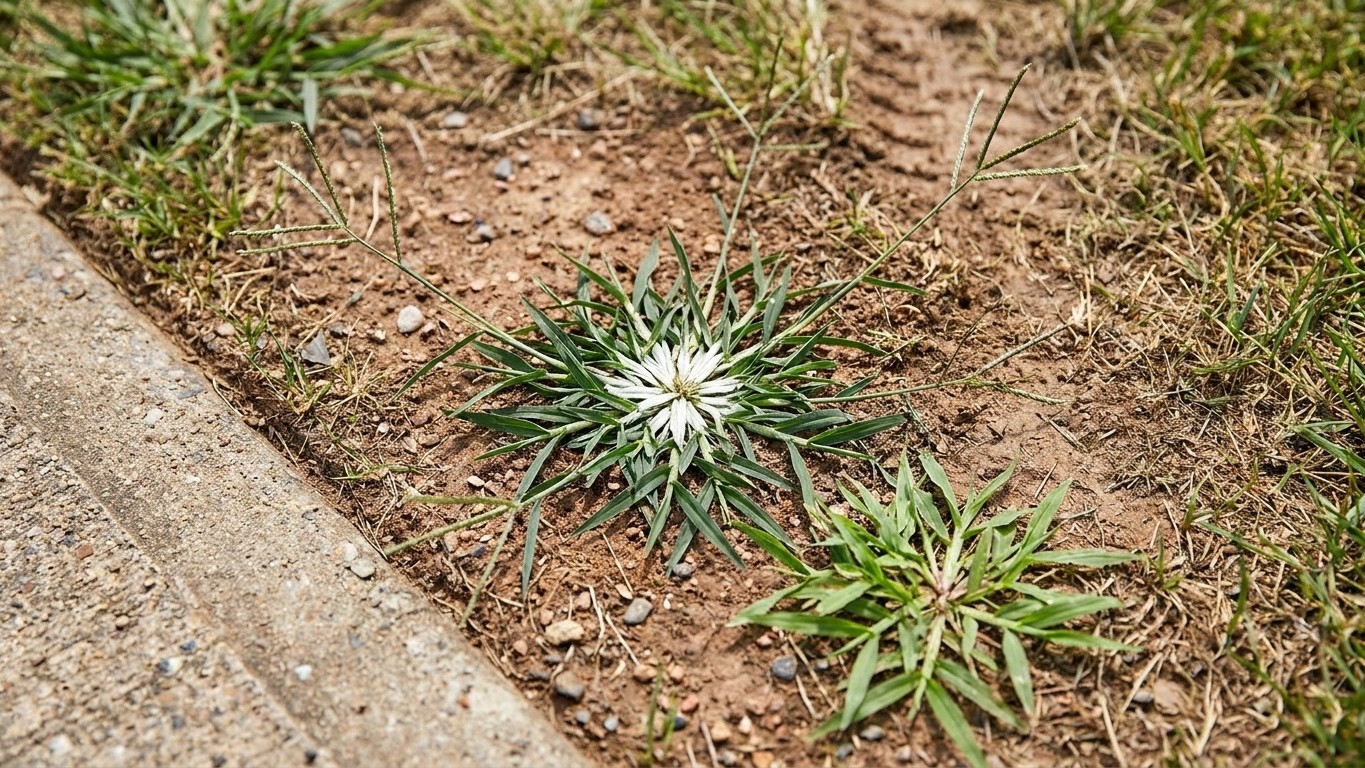
The overseeding window for most cool-season lawns in North Carolina’s Piedmont runs from mid-September through the third week of that month, timed by…
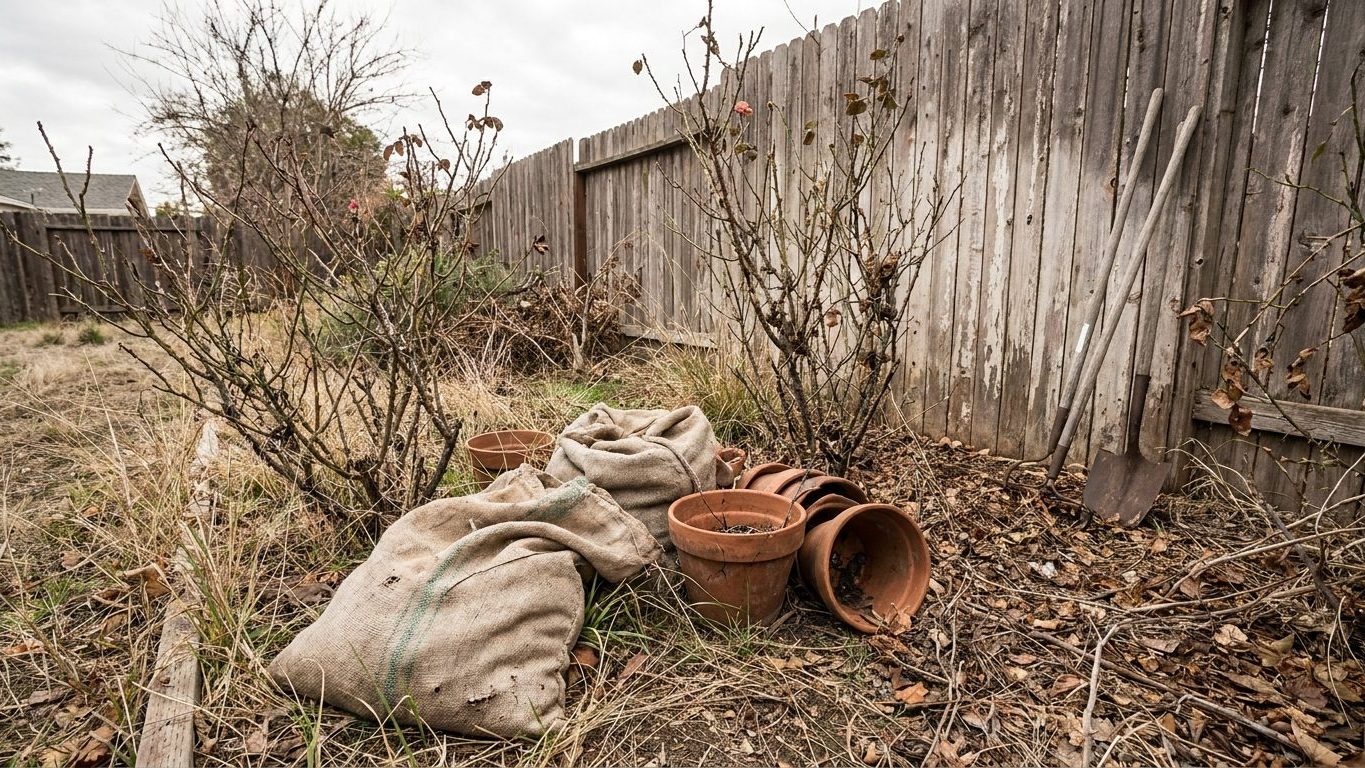
In Charlotte, the last spring frost typically falls between March 23 and April 5, with the first fall frost arriving October 30 to November 8.
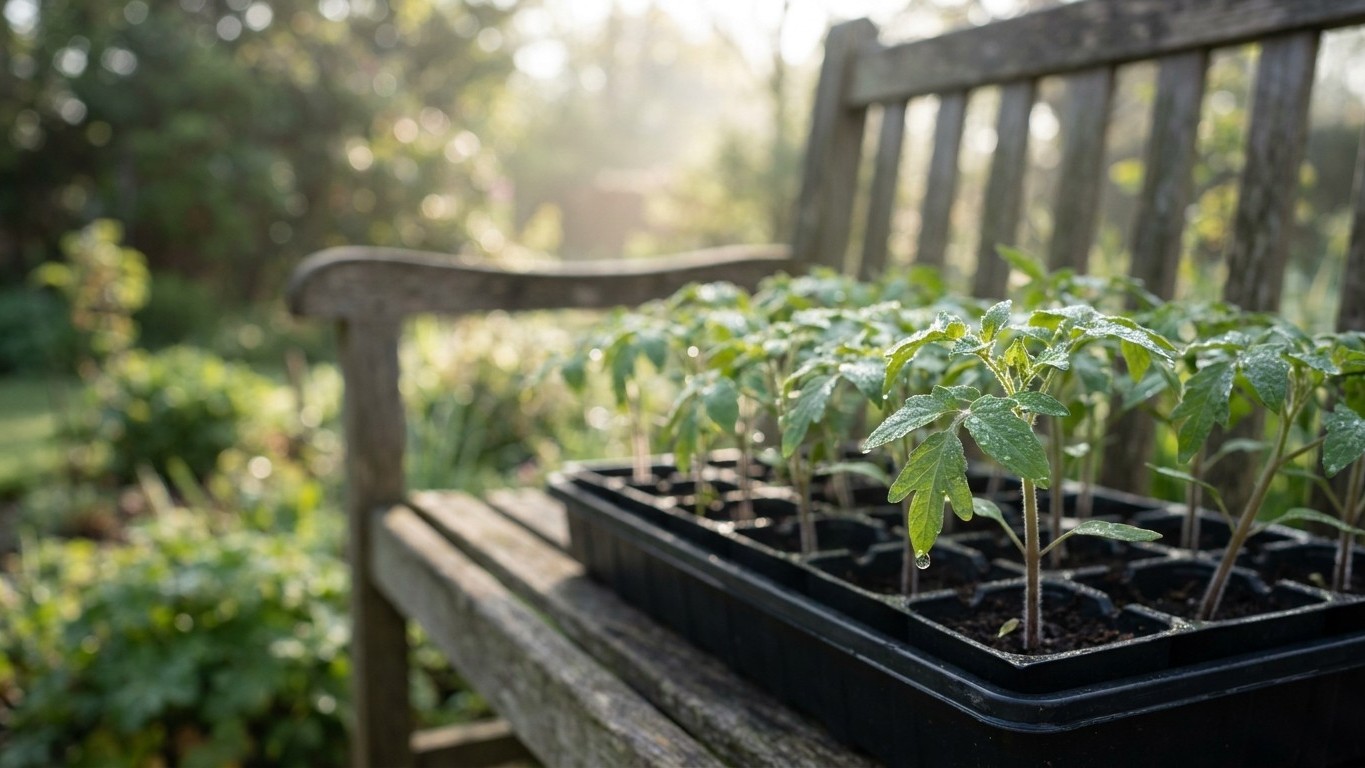
Frost decides the harvest date, not the calendar. In the Charlotte area, the first fall frost typically lands between October 30 and November 8…
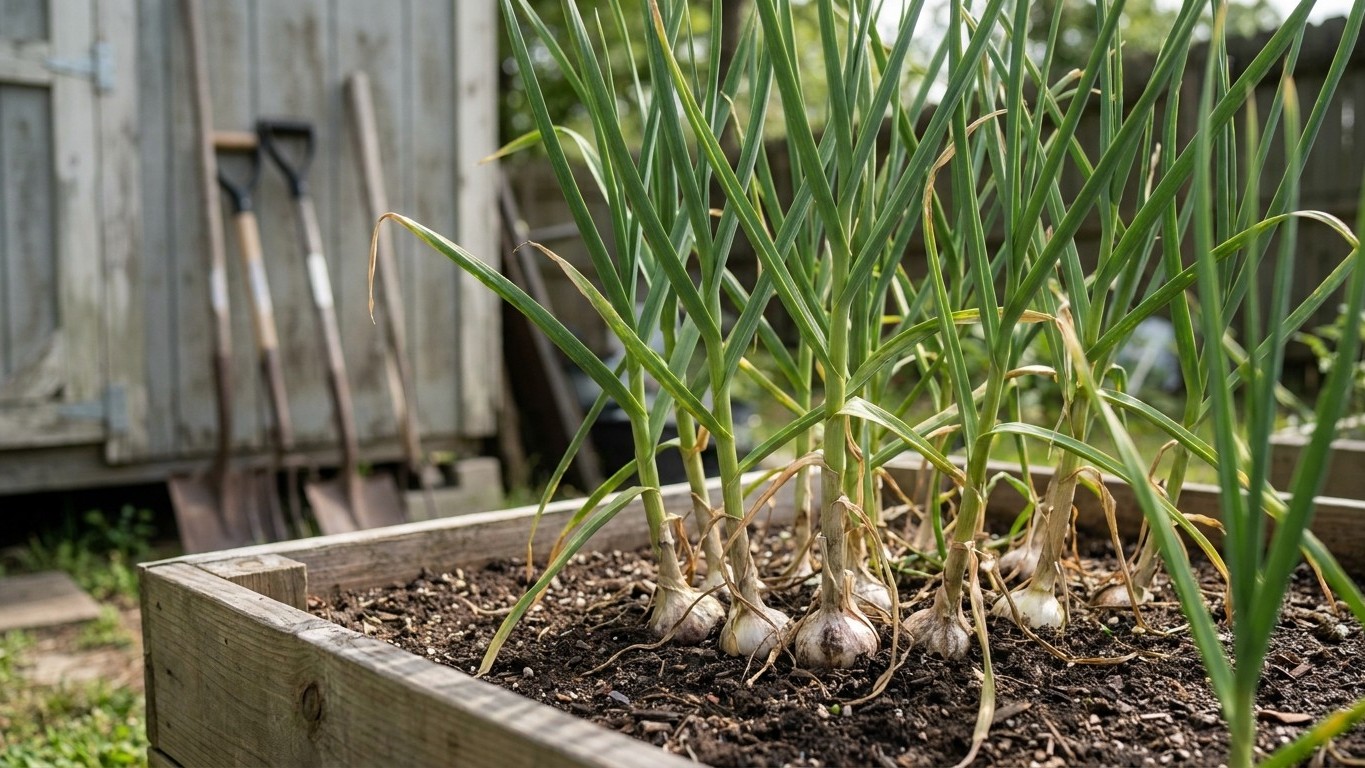
Garlic in North Carolina gets pulled based on what the leaves are doing, not a date circled on a calendar.