When to Mulch Strawberries and Perennials for Winter in North Carolina
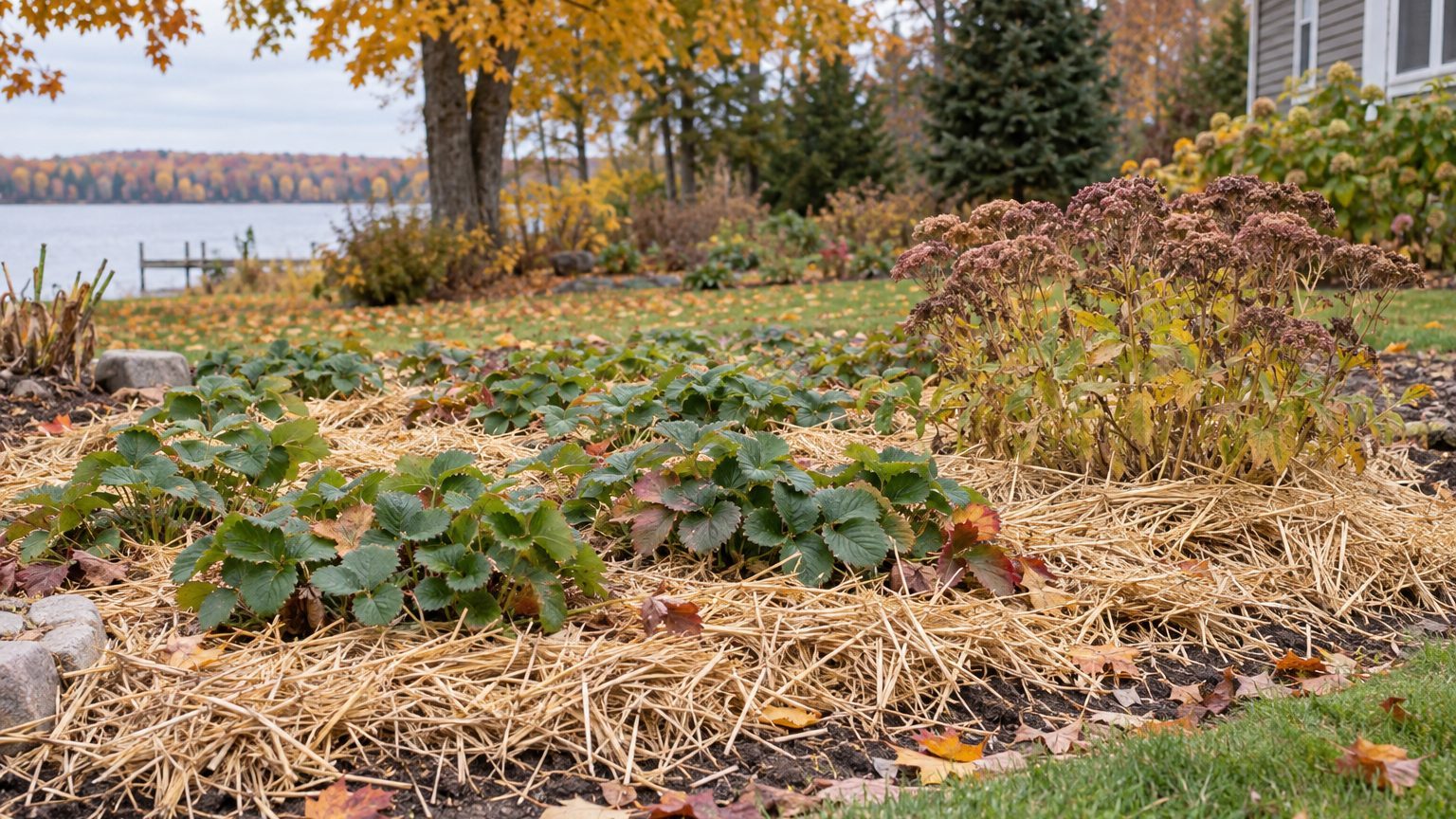
In Charlotte, winter mulch for strawberries and perennials goes down after the first frost window of October 30 to November 8 has passed and the ground…
Home & garden, state by state
Everything we have worked out for North Carolina: what to plant and when, which varieties finish in time, the pests that actually turn up here, and the jobs that pay off month by month. We also cover the rest of the property, from lawns and soil to home care and energy, because a garden rarely stops at the vegetable bed.
The numbers first, because everything else follows from them. Measured at the weather station in Charlotte, the last spring freeze runs March 23 to April 5 and the first fall freeze runs October 30 to November 8, USDA zones 5b-8b, 4,943 growing degree days in the year.
Garlic does well: 21.8 weeks below 40 °F, comfortably past the six it needs to form a proper head.
Elsewhere on the property in North Carolina: the pests that turn up here.
Figures from NOAA's 1991-2020 climate normals. A state is not one climate: elevation, a large lake or the coast can move these dates by two weeks either way, so check your own county with the extension service before you spend money.
In Charlotte, winter mulch for strawberries and perennials goes down after the first frost window of October 30 to November 8 has passed and the ground…
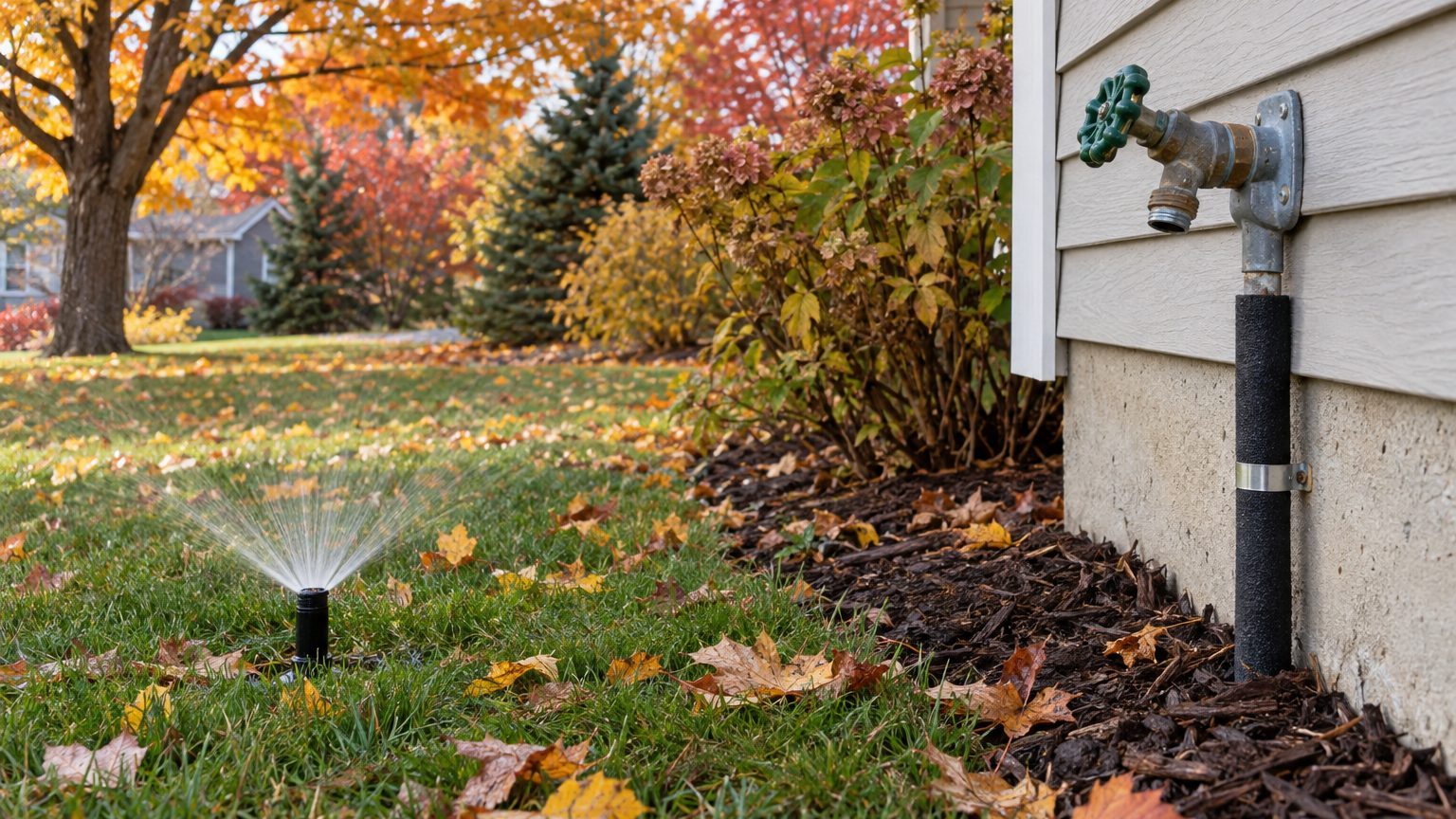
Finish before the first hard freeze, not after the first light one. For most of North Carolina, that means handling sprinklers and outdoor faucets in the…
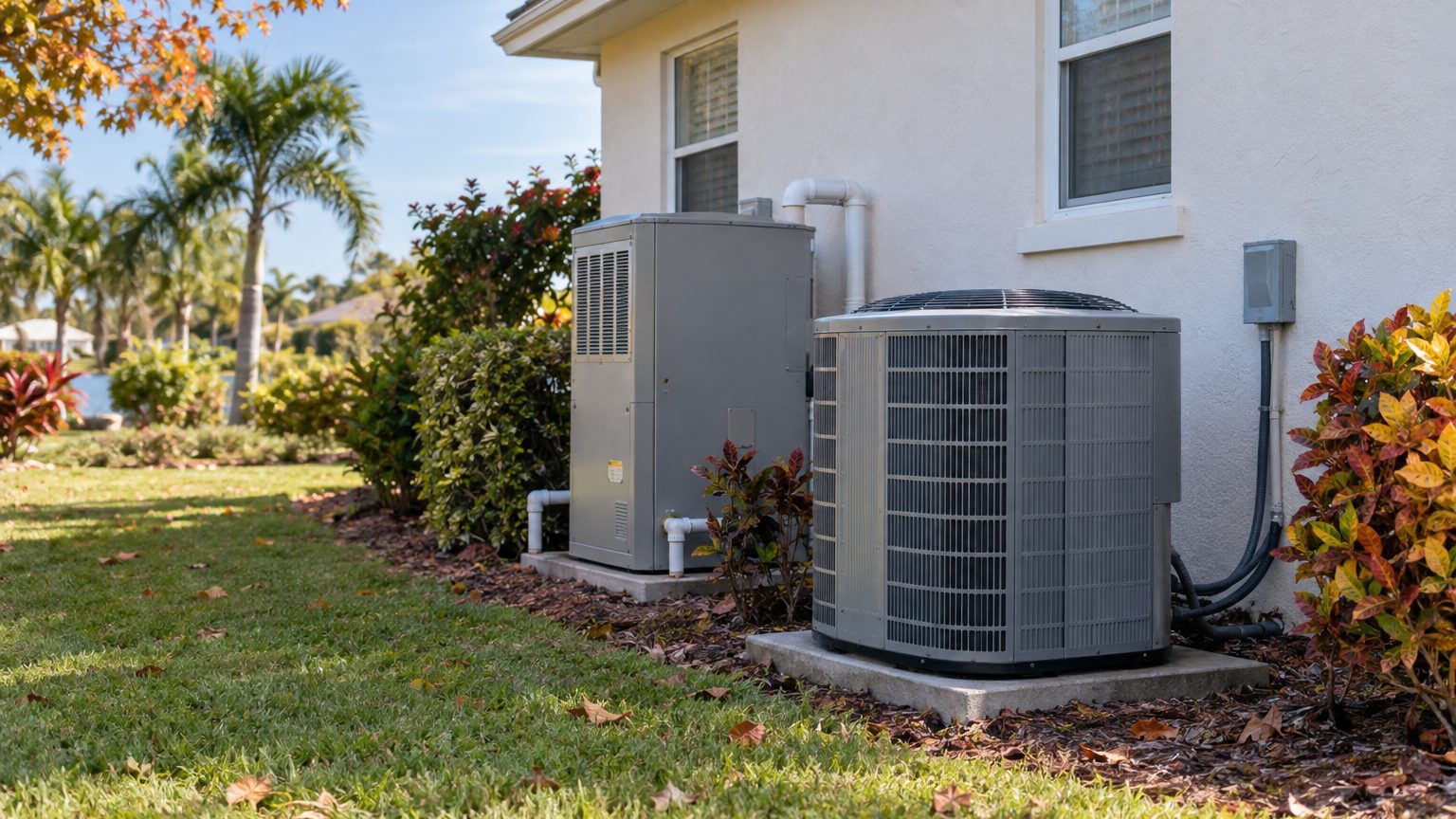
In North Carolina, a gas furnace costs less to run than a heat pump, as long as gas service already reaches the house.
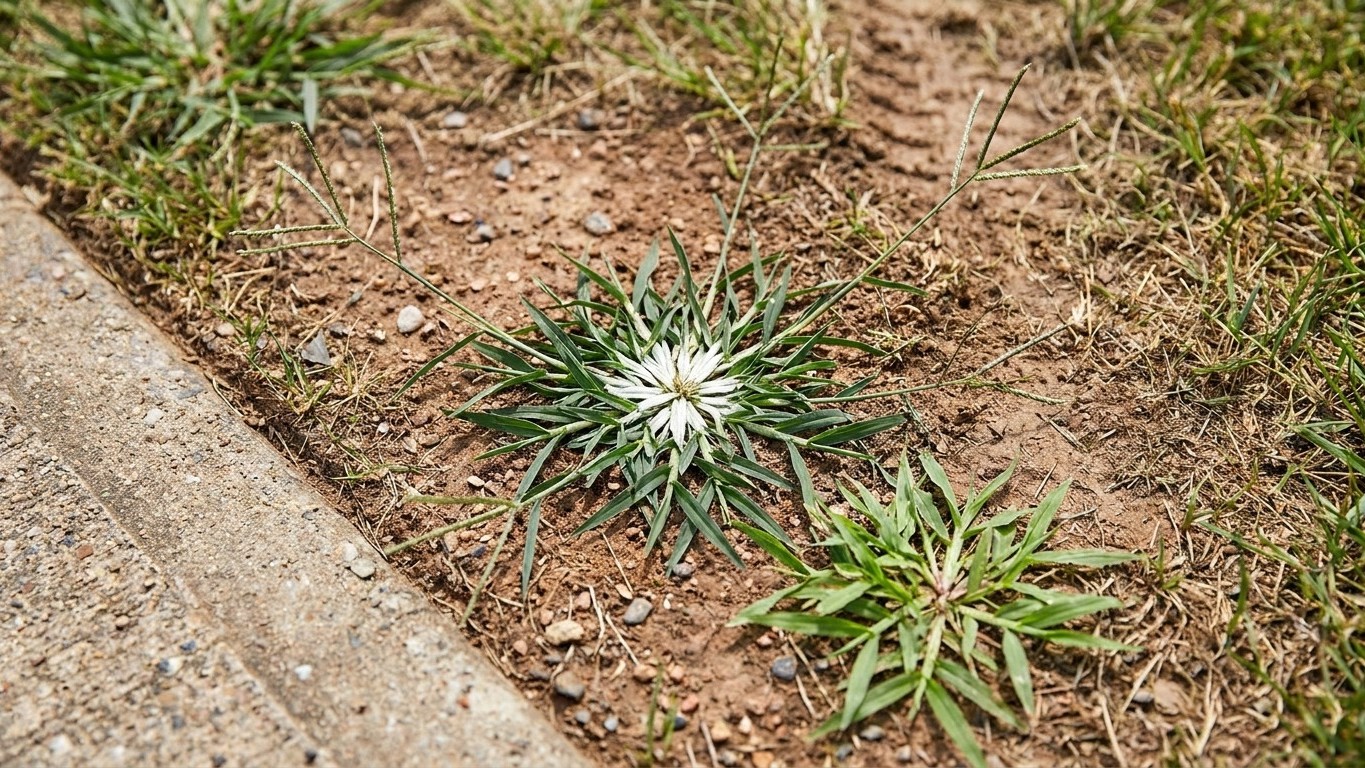
North Carolina sits in the transition zone, so the right mowing height depends on the grass under your feet. Tall fescue wants 3 to 3.5 inches.
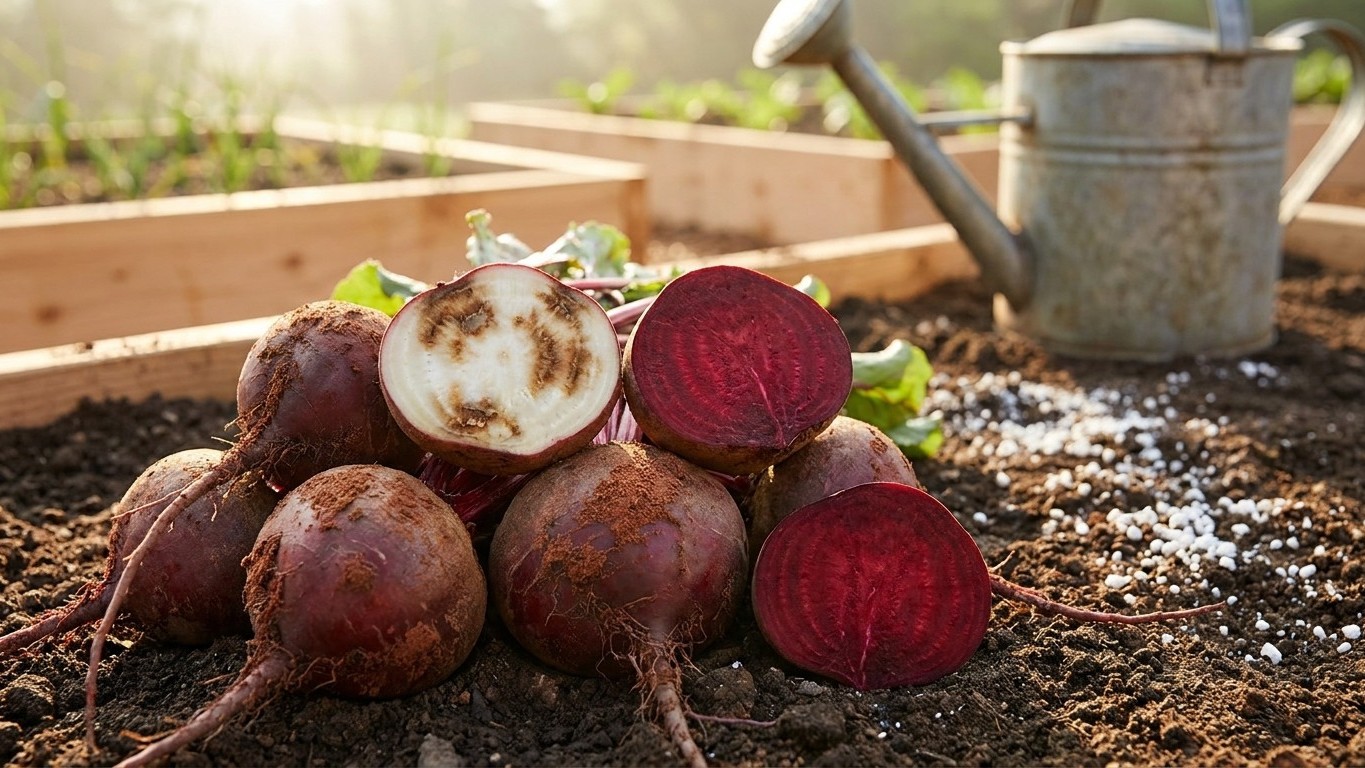
Pull beets 60 to 80 days after seeding, counted from the day the seed went into the ground. They are sown in place, so no transplant date resets the clock.
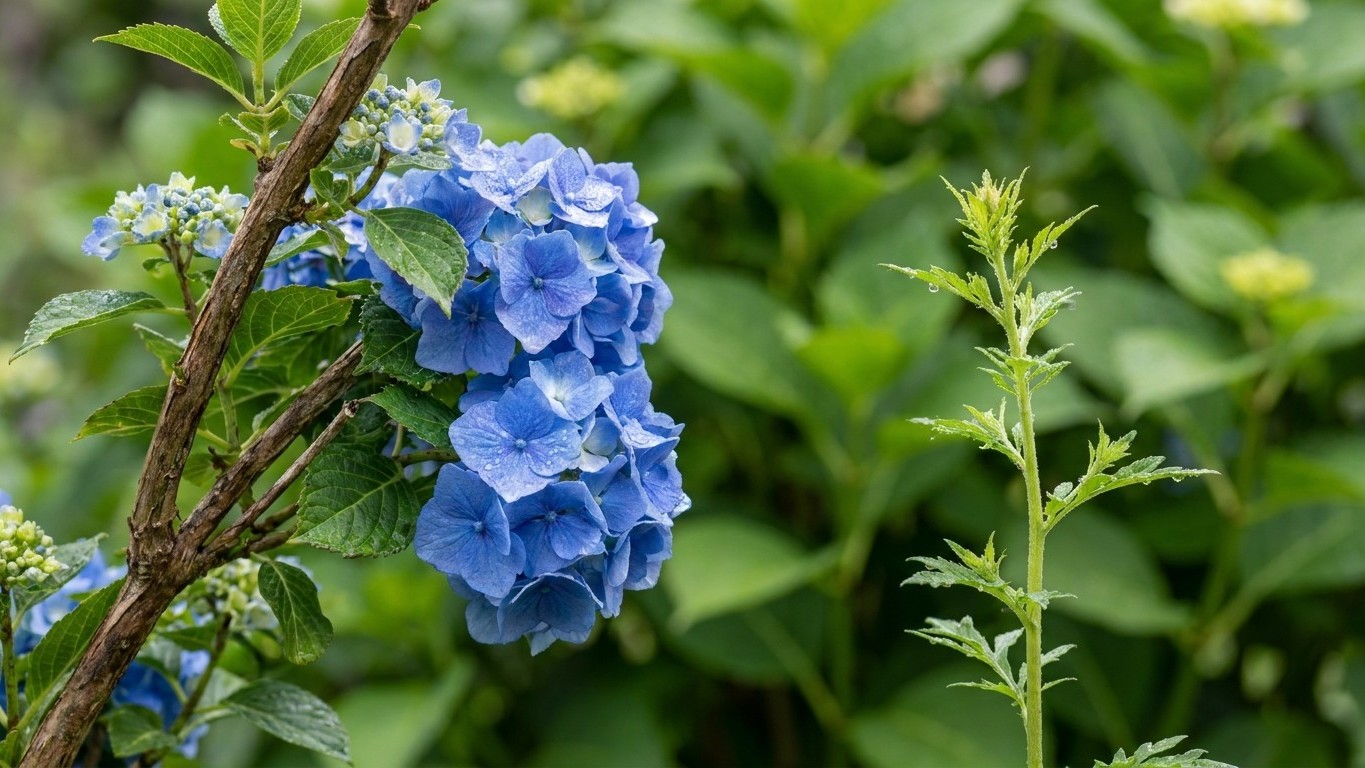
The best time for growing hydrangeas in North Carolina is fall, with spring a close second.
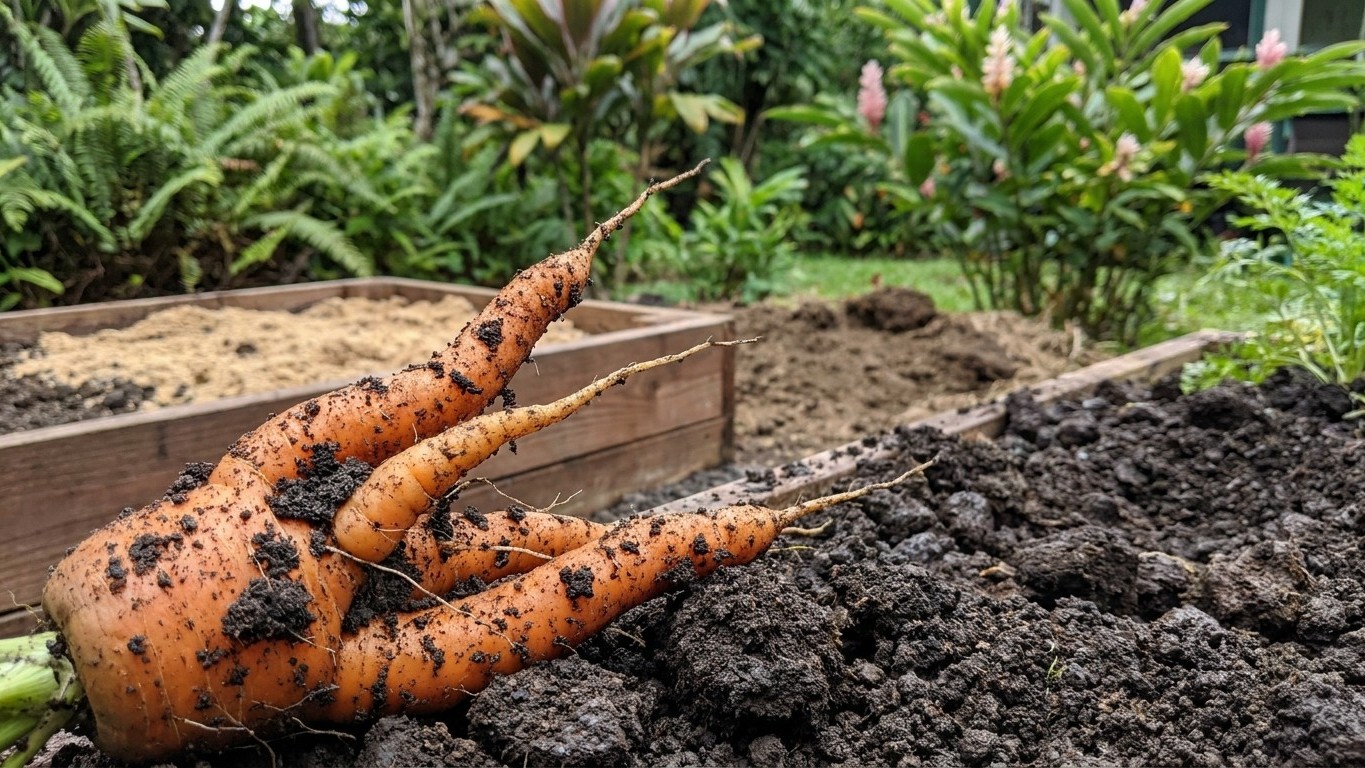
Pull carrots about 65 to 75 days after planting, according to Clemson Cooperative Extension.

In most of North Carolina, container roses go in the ground after the last spring freeze or in the fall, and bare-root roses go in while still dormant.
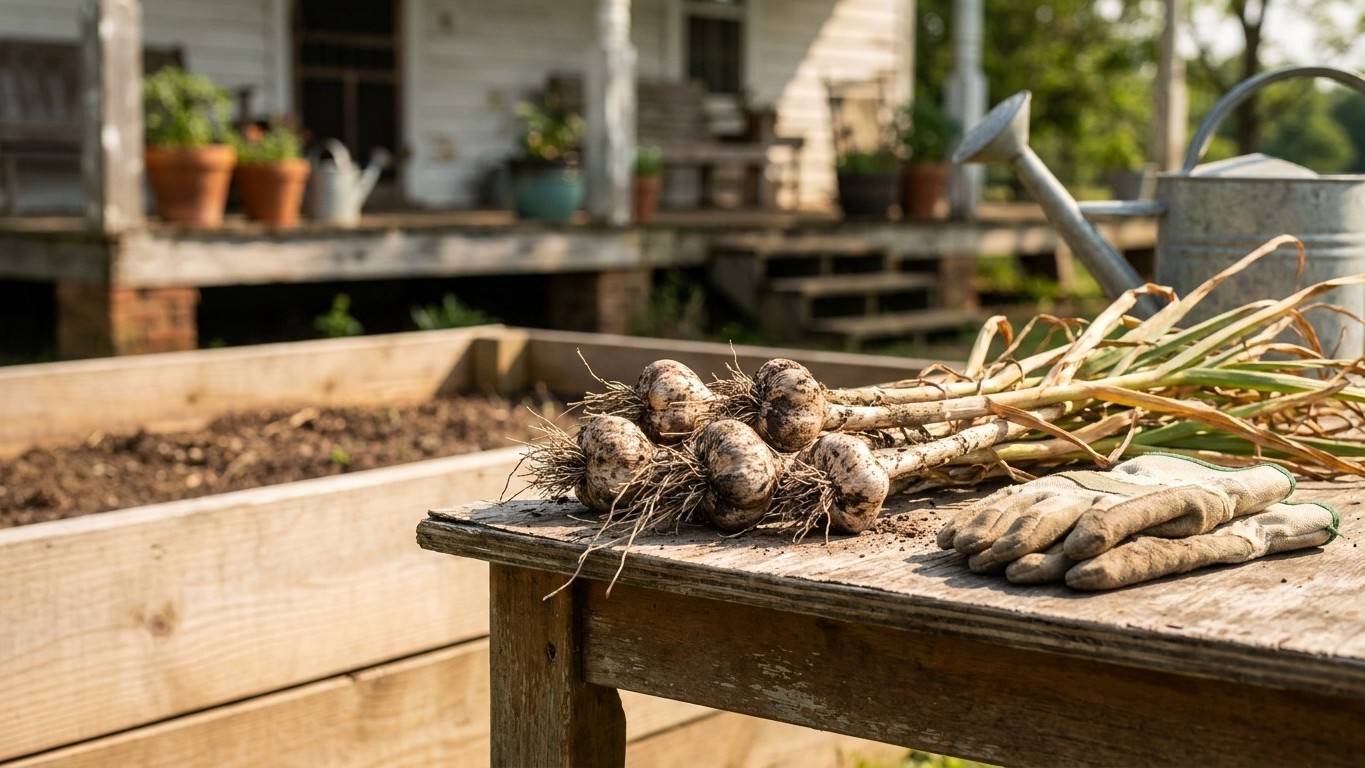
In North Carolina, a beet crop is rarely ruined by a bug. The usual culprits are thirst in the first six weeks, then heat on top of thirst, then a…
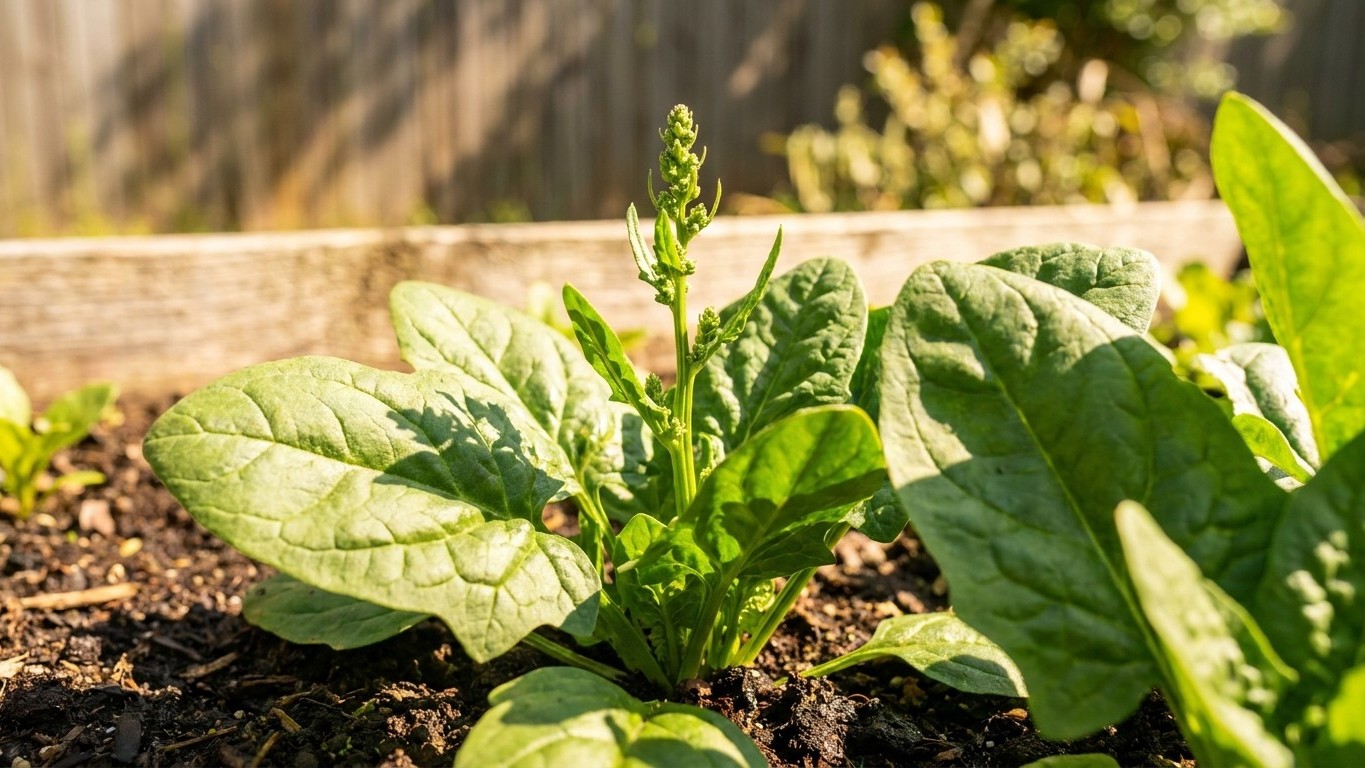
In North Carolina, cut spinach in the cool stretches on either side of summer: the weeks after a March sowing in spring, and the weeks between a…