South Carolina Soil: What You Are Digging Into, and How to Improve It
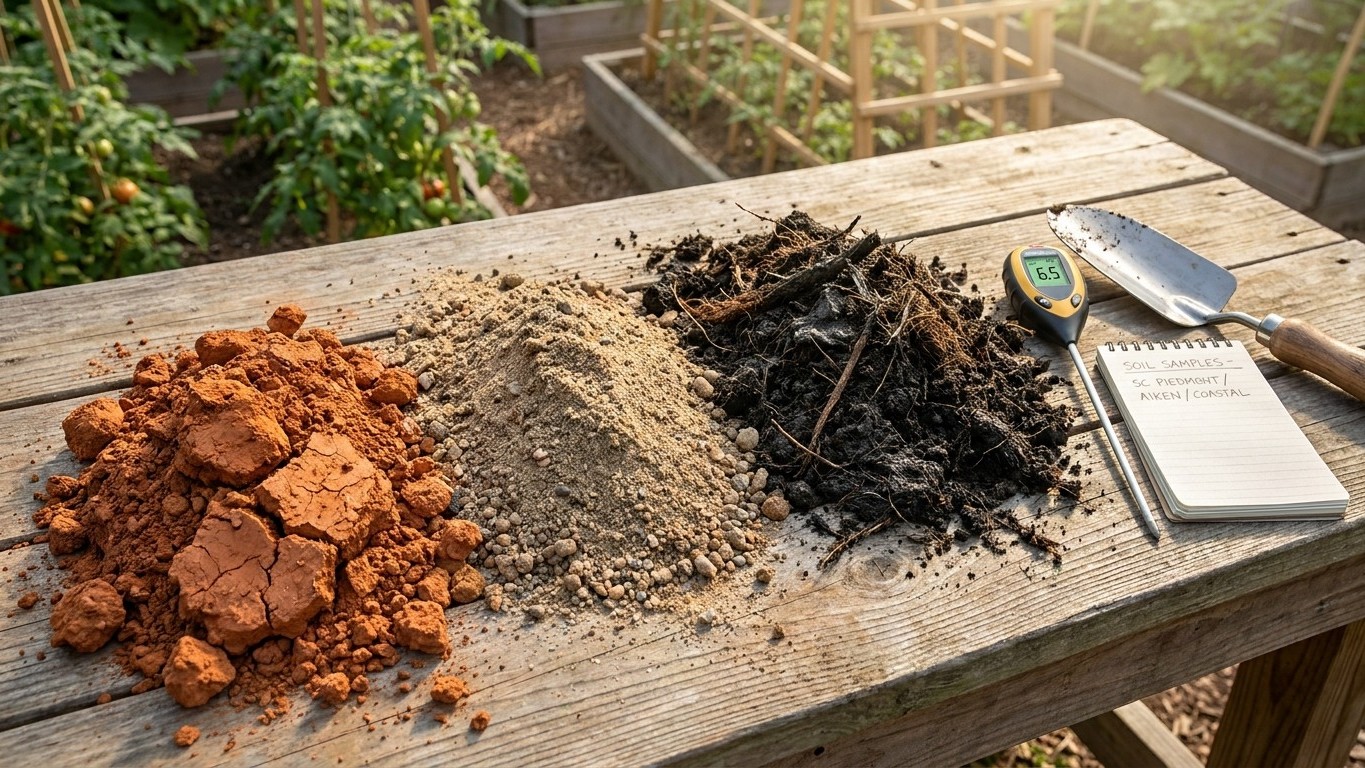
South Carolina’s official state soil is the Bohicket series, a heavy, poorly drained clay found in tidal marshes along the coast.
Home & garden, state by state
Everything we have worked out for South Carolina: what to plant and when, which varieties finish in time, the pests that actually turn up here, and the jobs that pay off month by month. We also cover the rest of the property, from lawns and soil to home care and energy, because a garden rarely stops at the vegetable bed.
The numbers first, because everything else follows from them. Measured at the weather station in Charleston, the last spring freeze runs February 28 to March 17 and the first fall freeze runs November 20 to December 5, USDA zones 7a-9a, 6,323 growing degree days in the year.
Garlic is the awkward one: only 4.3 weeks below 40 °F, where it needs six to split into cloves. Chill the cloves before planting, or grow a softneck type.
Elsewhere on the property in South Carolina: the pests that turn up here.
Figures from NOAA's 1991-2020 climate normals. A state is not one climate: elevation, a large lake or the coast can move these dates by two weeks either way, so check your own county with the extension service before you spend money.
South Carolina’s official state soil is the Bohicket series, a heavy, poorly drained clay found in tidal marshes along the coast.
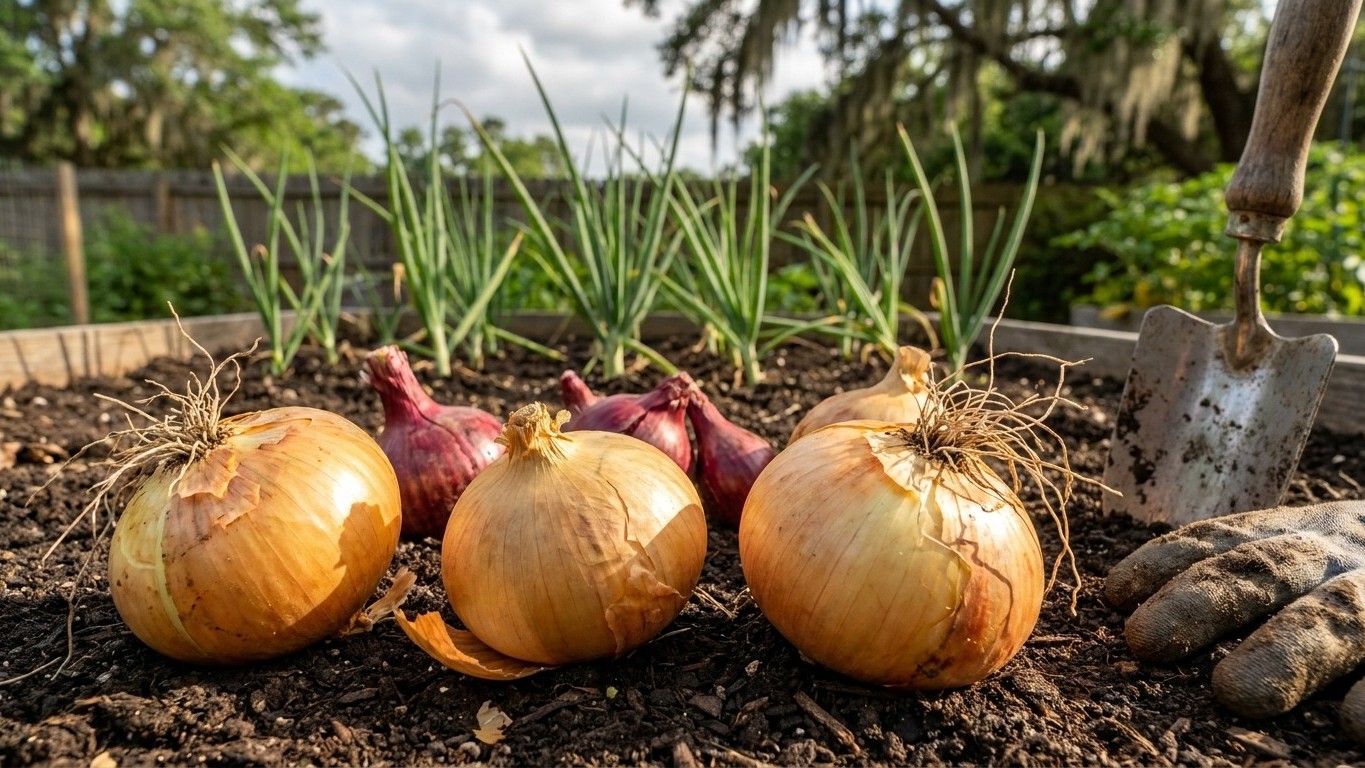
Short-day onions bulb reliably in South Carolina. Long-day onions won’t. The dividing line comes down to one number: how many hours of daylight the state…
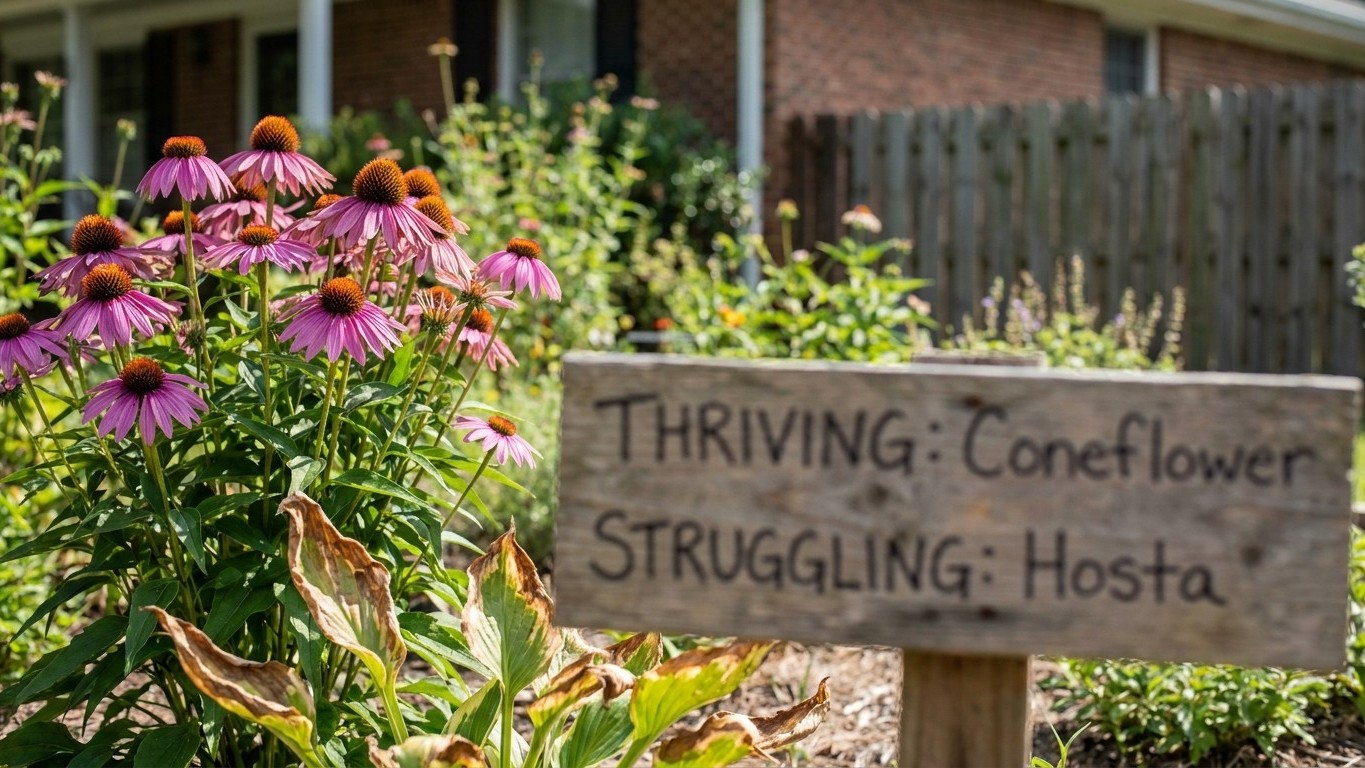
A plain look at which flowers handle South Carolina’s heat, humidity and mild winters, and which ones struggle here instead.
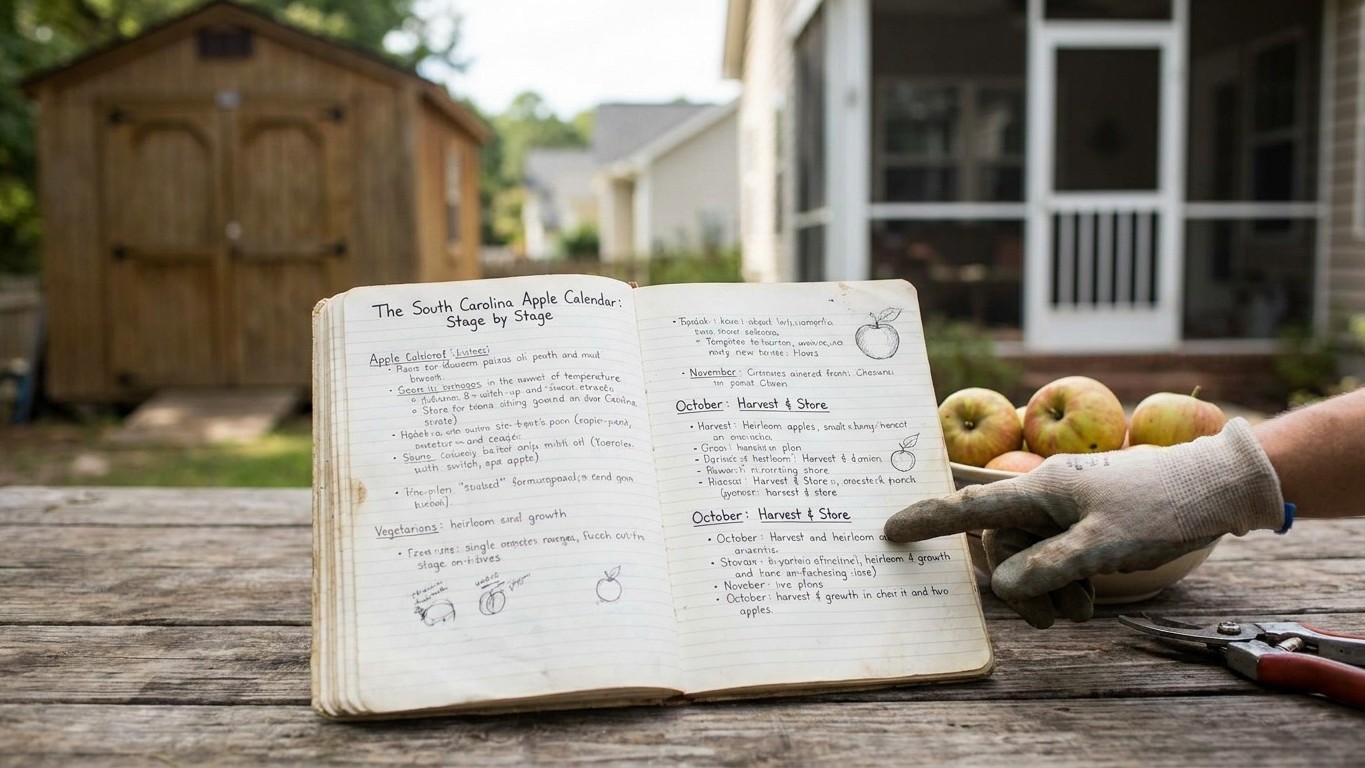
Explains how to time apple bloom and harvest in South Carolina using NOAA frost data for Charleston, and what changes in the Upstate.
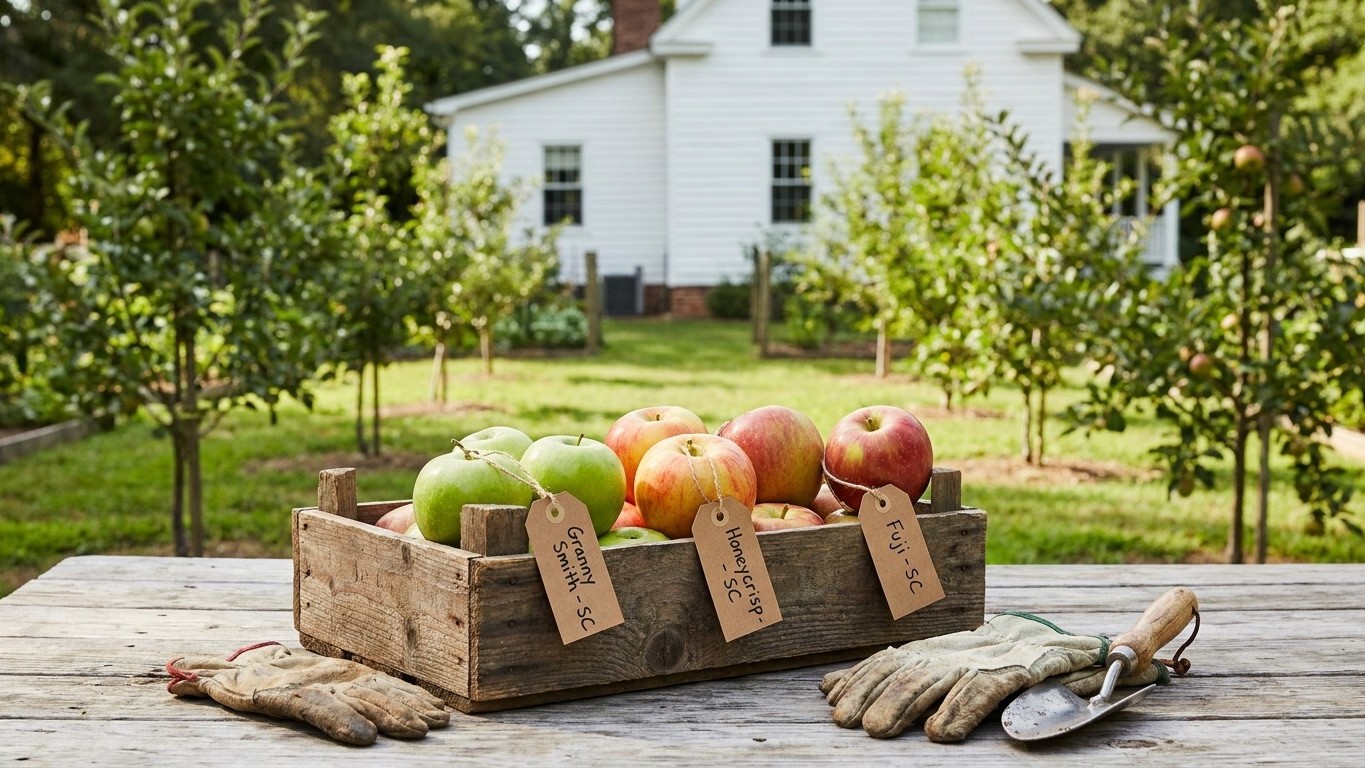
Charleston’s mild winters limit apple chill, so this piece ranks which chill tiers and regions of South Carolina actually produce fruit.
Around Charleston, the mean first fall frost lands somewhere between November 20 and December 5, weeks after Halloween has come and gone.
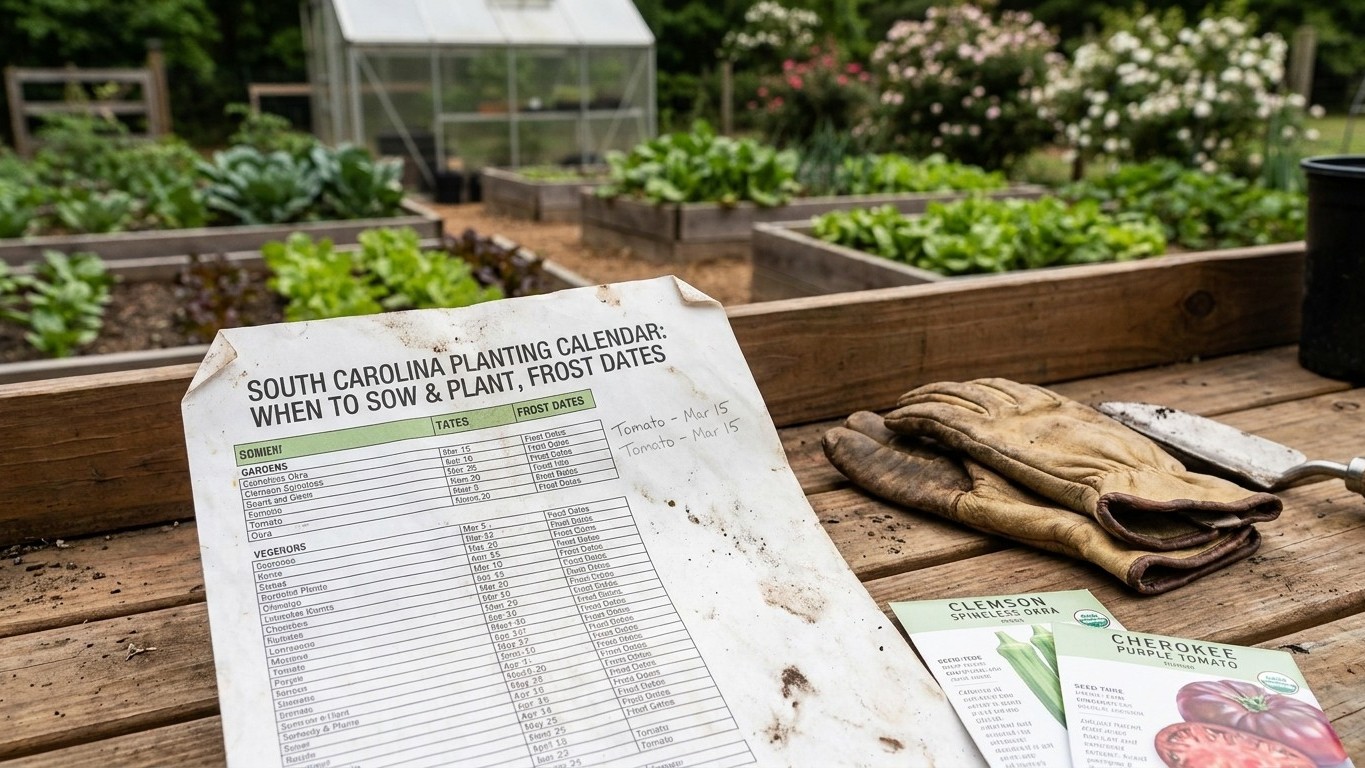
This calendar sets South Carolina planting dates from NOAA’s Charleston frost data, covering cool-season, warm-season and fall crops with real cultivar examples.
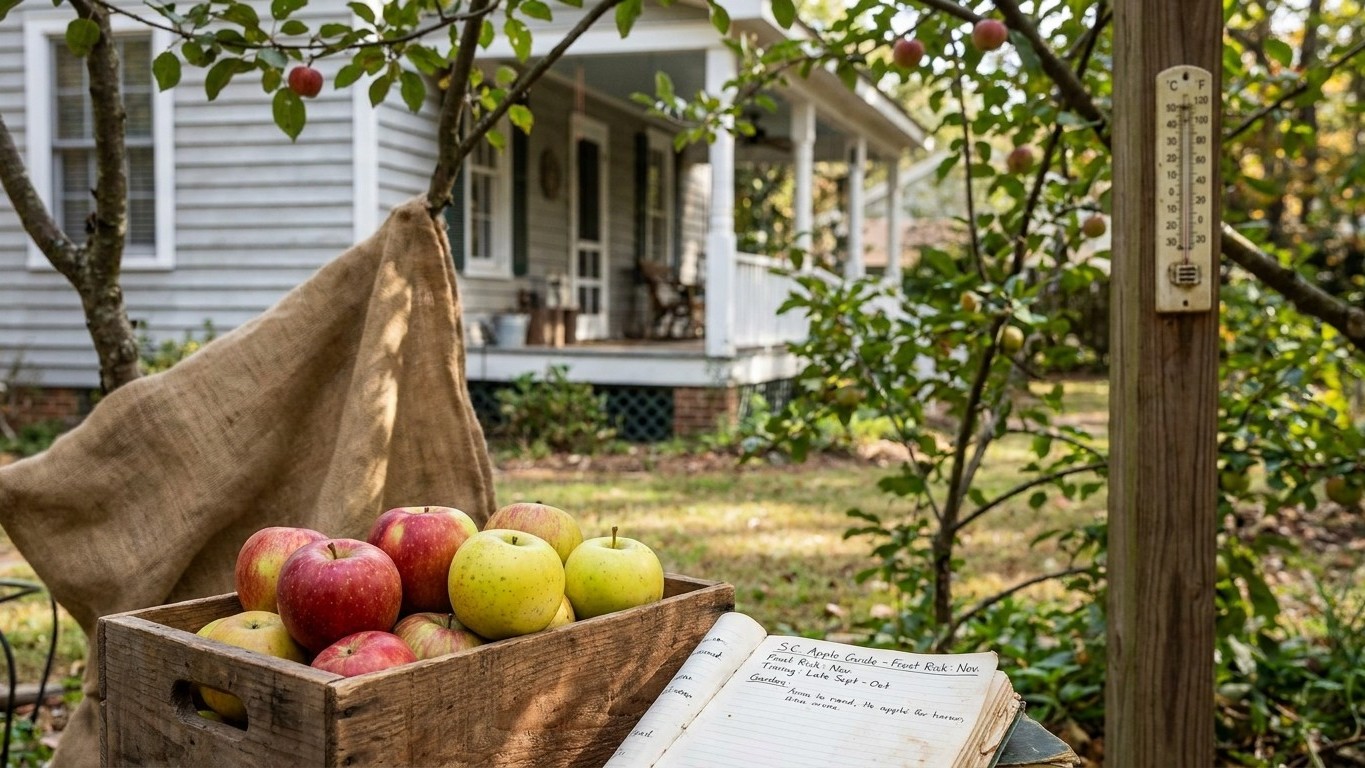
A practical look at which apple varieties suit South Carolina’s mild winters, how to pair them for pollination, and when spring frost puts the crop at risk.
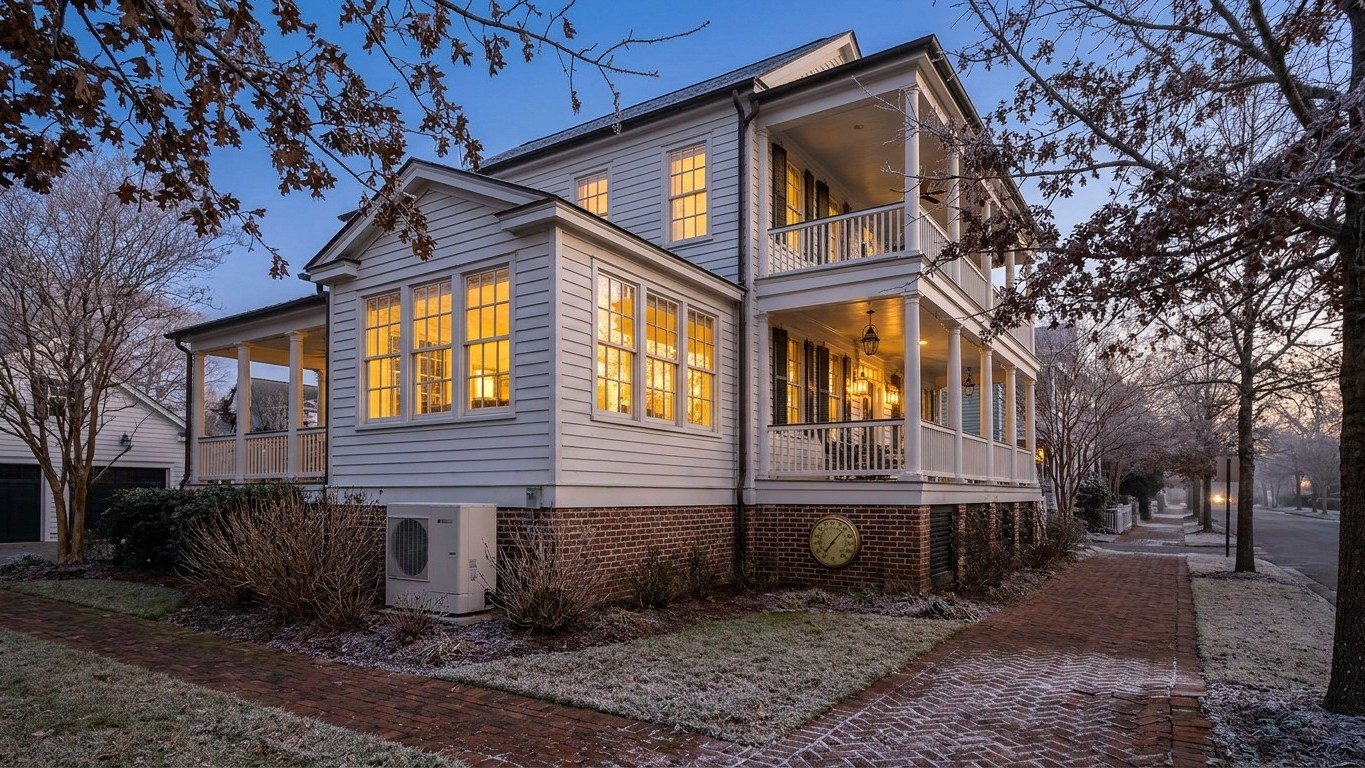
Winters here rarely turn brutal, but “mild” doesn’t mean “free.” Charleston’s coldest month averages a nightly low of 38.9°F, which sounds gentle until…
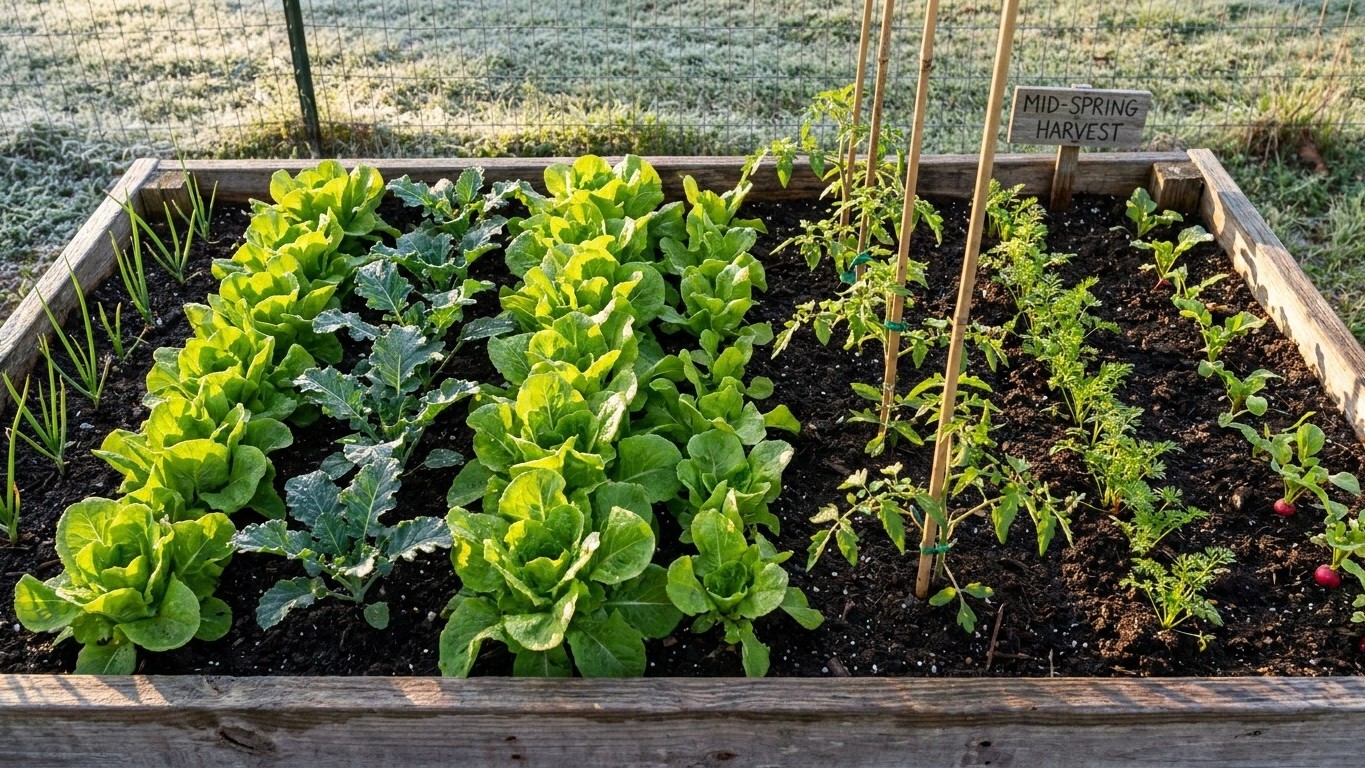
South Carolina’s growing window runs roughly eight to nine months depending on where you sit in the state, but the number that matters more than any…