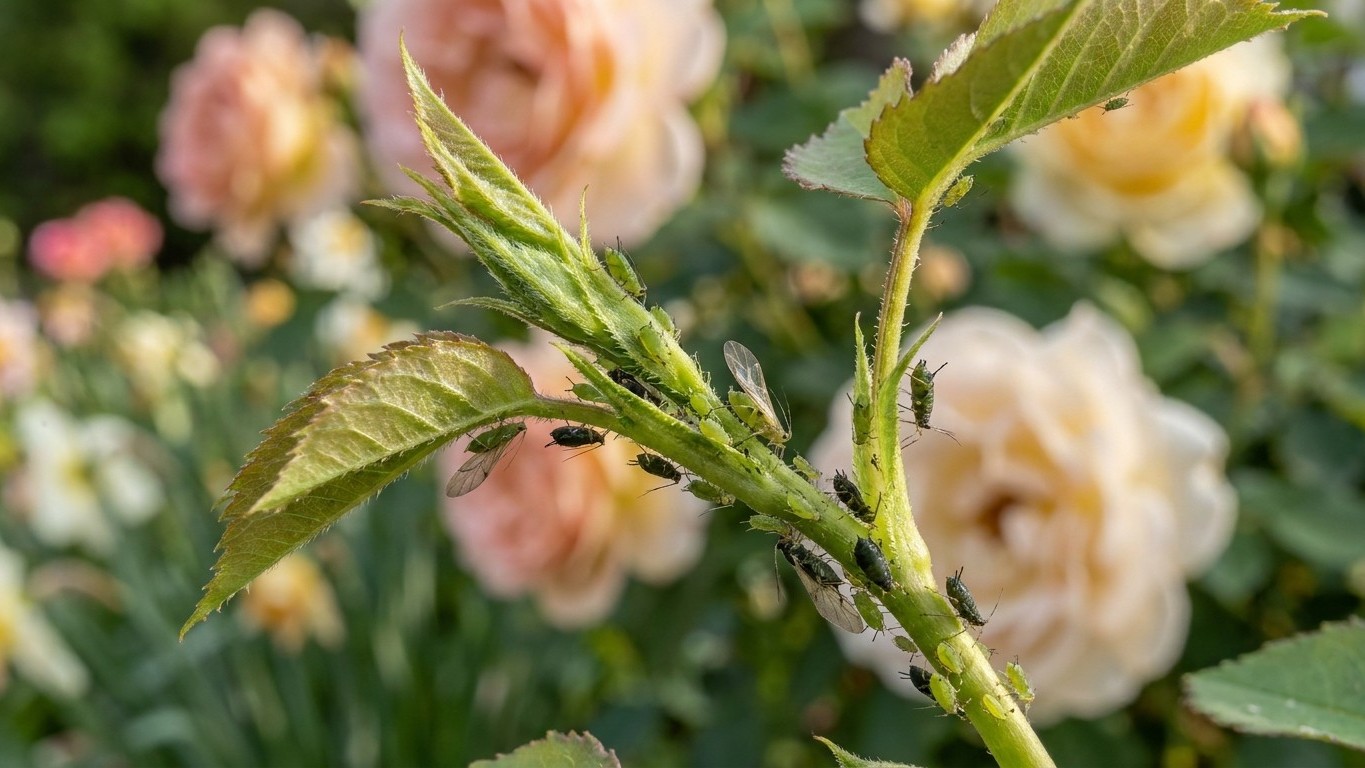

Aphids start showing up in Tennessee gardens as early as mid-March in the western part of the state and stretch their active season all the way into late October. They thrive in the mild spring and fall temperatures common across the Volunteer State, slow down during the brutal mid-summer heat, then come back strong once things cool off. Stopping them means combining early monitoring, smart plant care, and a mix of natural predators with targeted sprays, not a single silver-bullet product.
When Aphids Show Up in Tennessee

Timing depends heavily on where you live. Tennessee stretches across USDA hardiness zones 6b through 8a, and that range matters more than most gardeners realize. Memphis and the rest of West Tennessee warm up first, often seeing aphid activity on tender new growth by mid-March. Middle Tennessee, including the Nashville basin, usually lags two to three weeks behind. East Tennessee’s higher elevations around Knoxville and the Smokies can push first sightings into mid-April.
Aphids reproduce fast when temperatures sit between 65 and 80 degrees. A single female can produce dozens of offspring without mating, and those offspring mature in about a week. That’s why a handful of aphids on a rose bud in April can turn into a visible colony coating the stem by early May. Once daytime highs climb past 90, which happens routinely across the Mississippi Delta counties by June, populations crash. Heat stresses the insects and speeds up their natural predators too.
Fall brings a second wave. As temperatures ease back into that 65-to-80 sweet spot in September and October, aphids rebound on late-season vegetables, fall-planted greens, and ornamentals pushing new growth after summer pruning. Gardeners in Middle Tennessee often notice this second peak is smaller than spring’s but lasts longer, since frost typically doesn’t arrive until late October or November in the warmer valleys.
Which Species Matter Most Here
Green peach aphid and melon aphid (also called cotton aphid) are the two most common species in home landscapes statewide. Soybean aphid is the one that gets attention in agriculture. It arrived in the U.S. from Asia in the early 2000s and has since become a recurring pressure point for Tennessee’s row-crop farmers, particularly in the western and middle counties where soybeans dominate the landscape. Rose aphid shows up specifically on rose buds each spring, and woolly aphids, easy to spot by their cottony white coating, tend to cluster on crape myrtle and apple trees.
What Draws Aphids to Your Yard
Soft, new growth is the main attraction. That’s why aphids cluster on stem tips, flower buds, and the undersides of young leaves rather than on tougher, mature foliage. Anything that pushes a flush of tender growth, spring pruning, a dose of fast-release nitrogen fertilizer, or heavy rain after a dry spell, tends to trigger an aphid spike within days.
Over-fertilizing is a bigger factor than most people assume. Lawns and gardens fed heavily with high-nitrogen fertilizer produce lush, sappy growth that aphids find easier to feed on and digest. Tennessee’s clay-heavy soils already hold nutrients well, so a lighter feeding schedule, especially for roses, tomatoes, and crape myrtles, often means fewer aphid problems without any spraying at all.
Ants complicate things further. Several ant species farm aphids for the honeydew they excrete, actually protecting the aphid colonies from ladybugs and other predators in exchange for that sugary secretion. If you notice ant trails running up a stem toward a cluster of aphids, dealing with the ants is part of the fix, not just the aphids themselves.
What Actually Stops Aphids in Tennessee
Control works best as a layered approach rather than one treatment. The University of Tennessee’s agricultural research consistently points to integrated pest management, meaning cultural practices, biological control, and chemical treatment used together, as more effective and more sustainable than repeated spraying alone.
Natural Predators Do Most of the Work
Ladybugs and their larvae, lacewings, and parasitic wasps are already present in most Tennessee yards, and a single ladybug larva can eat 50 or more aphids a day before it even reaches adulthood. Broad-spectrum insecticides kill these predators just as readily as they kill aphids, which is why heavy spraying sometimes makes an infestation worse the following season. Planting dill, fennel, yarrow, or sweet alyssum near vegetable beds and roses gives these beneficial insects a reason to stick around.
Water and Soap Handle Most Home Infestations
A strong blast from the garden hose knocks aphids off stems and leaves, and most of them can’t climb back up. Repeating this every couple of days during a spring flare-up often solves the problem without any product at all. For heavier colonies, insecticidal soap or horticultural oil sprayed directly on the clusters, especially the undersides of leaves where aphids congregate, breaks down their outer coating on contact. These options degrade quickly and pose little risk to bees or beneficial insects once dry, which matters in a state where backyard pollinator gardens have grown increasingly common over the past decade.
When Systemic Treatment Makes Sense
Persistent infestations on woody ornamentals like crape myrtle or on roses that get hit every single spring sometimes call for a systemic insecticide applied to the soil, which the plant absorbs and distributes through its tissue. This approach protects new growth for weeks at a time but should be reserved for repeat offenders rather than used as a first response, since it also affects any pollinator that visits the plant’s flowers later.
Reading the Warning Signs Early
Curling or yellowing new leaves are often the first visible clue, sometimes appearing before you spot a single aphid. Flip the leaf over and check the stem joints, that’s where colonies build first. A sticky residue on leaves, patio furniture, or car windshields parked under a tree points to honeydew, the sugary waste aphids produce in large quantities. Left alone, that honeydew grows a black fungal coating called sooty mold, which doesn’t damage the plant directly but blocks sunlight from reaching the leaf surface.
Tennessee’s home gardeners tend to catch soybean-aphid-style outbreaks late because the insects favor the undersides of leaves and blend in against green stems. Checking new growth weekly from March through May, and again from September through October, catches most problems while a hose spray or soap treatment can still handle them, well before populations reach the point where a systemic product becomes the only realistic option.
One detail worth remembering heading into next season: aphids overwinter as eggs on woody plants in the coldest pockets of East Tennessee, but in the milder western counties, some populations simply survive as adults through a mild winter, meaning an outbreak can start weeks earlier than the calendar suggests if a warm February rolls through.
Related guides
- Aphids in Virginia: When It Shows Up and What Stops It
- Aphids in Georgia: When It Shows Up and What Stops It
- Aphids in Utah: When It Shows Up and What Stops It
- Aphids in Washington: When It Shows Up and What Stops It
- Flea beetles in Tennessee
- Cutworms in Tennessee
- Striped cucumber beetle in Tennessee
- Aphids in Nevada: When It Shows Up and What Stops It
- Aphids in British Columbia: When It Shows Up and What Stops It