Gardening in California: What the Season Actually Allows
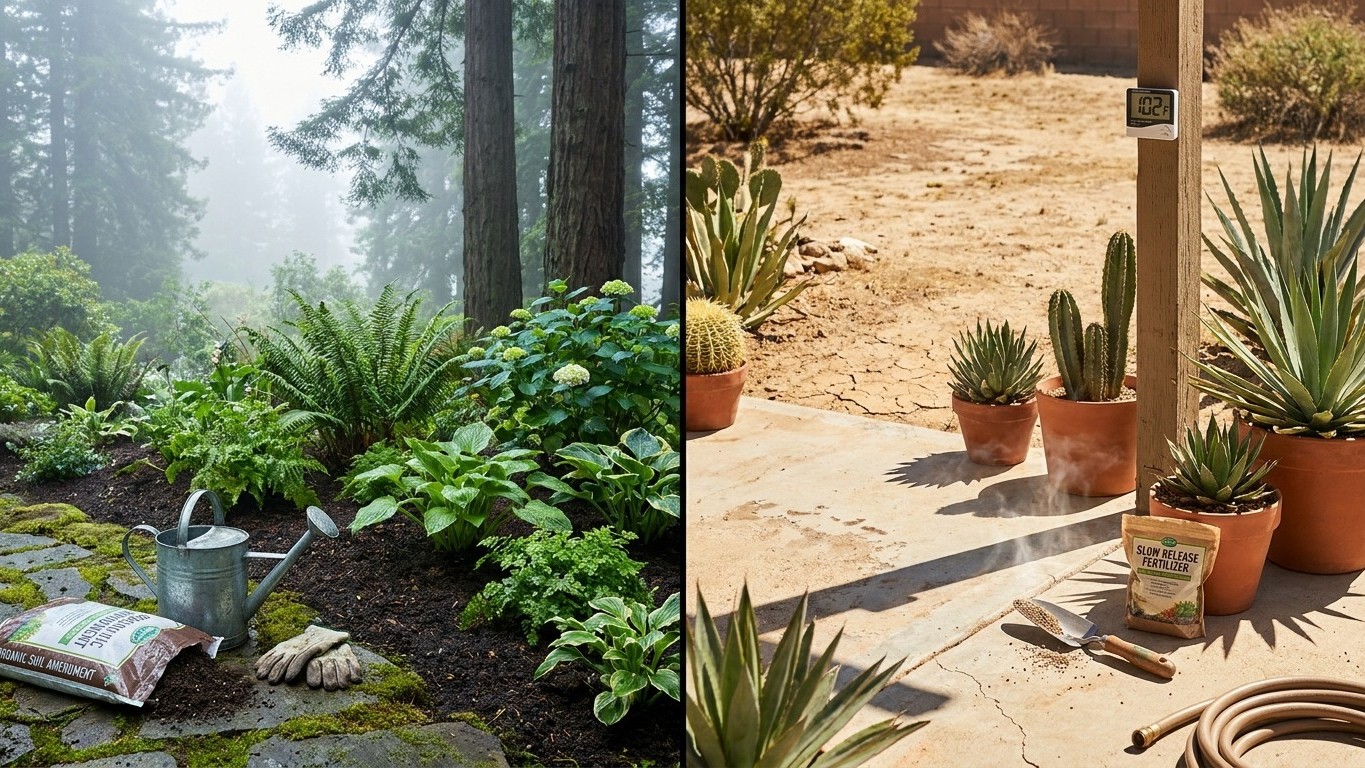
Late August in California means something different depending on whether you’re standing in a Eureka backyard fog bank or a Palm Springs patio hitting…
Home & garden, state by state
Everything we have worked out for California: what to plant and when, which varieties finish in time, the pests that actually turn up here, and the jobs that pay off month by month. We also cover the rest of the property, from lawns and soil to home care and energy, because a garden rarely stops at the vegetable bed.
The numbers first, because everything else follows from them. Measured at the weather station in Los Angeles, the last spring freeze falls around no freeze occurs in an average year and the first fall freeze falls around no freeze occurs in an average year, USDA zones 5a-11a, 4,719 growing degree days in the year.
Garlic is the awkward one: only 0 weeks below 40 °F, where it needs six to split into cloves. Chill the cloves before planting, or grow a softneck type.
Elsewhere on the property in California: the pests that turn up here.
Figures from NOAA's 1991-2020 climate normals. A state is not one climate: elevation, a large lake or the coast can move these dates by two weeks either way, so check your own county with the extension service before you spend money.
Late August in California means something different depending on whether you’re standing in a Eureka backyard fog bank or a Palm Springs patio hitting…
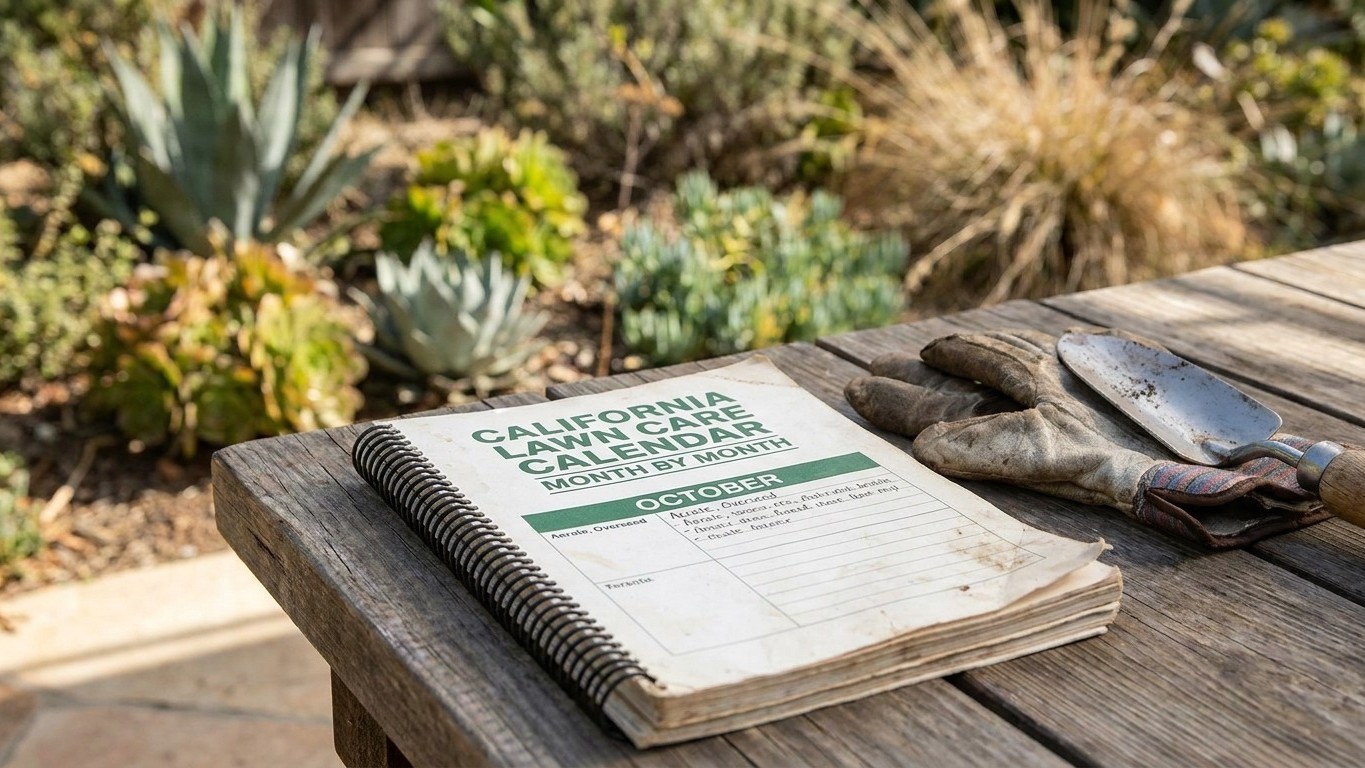
A month-by-month guide to feeding, mowing, and watering a warm-season California lawn, built around Los Angeles’s frost-free climate and its water limits.
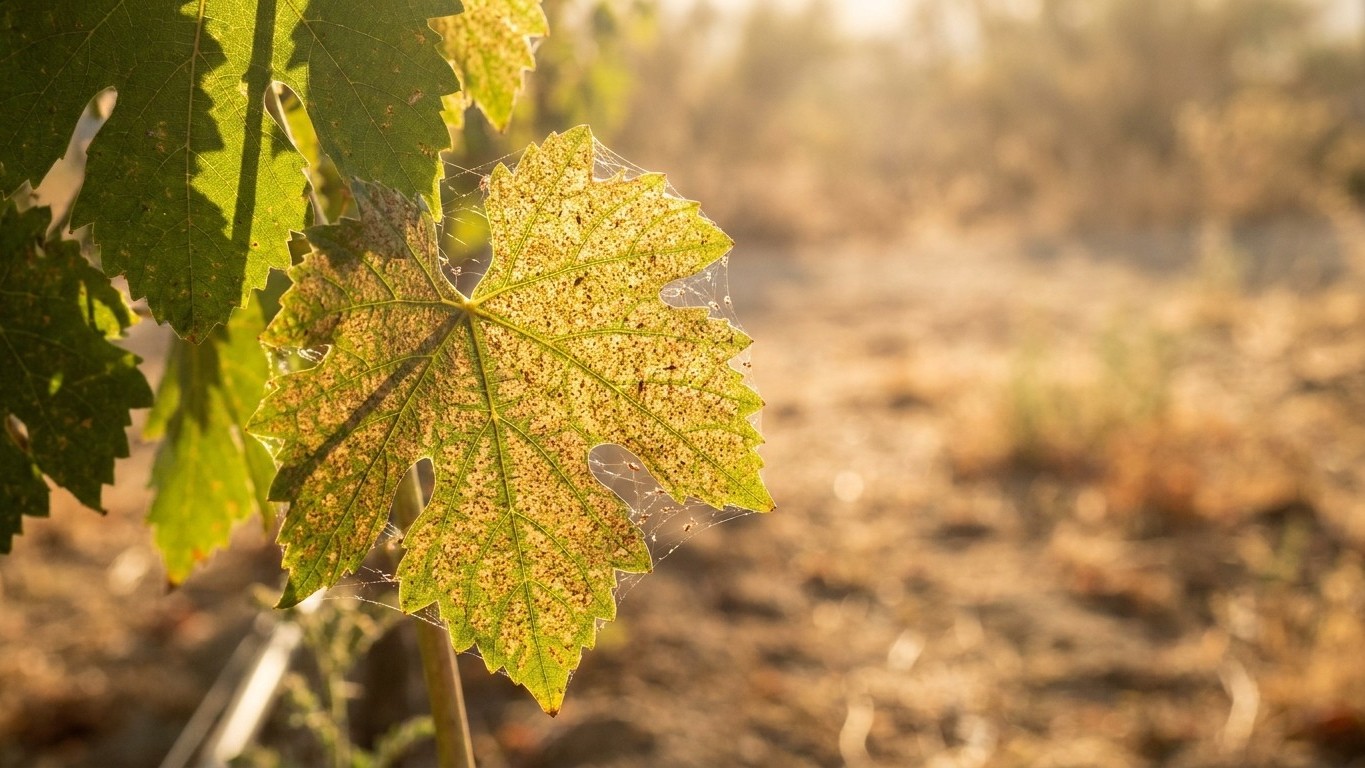
Spider mites hit their stride in California the moment temperatures climb past 90°F and the rain stops, which in most of the state means late May through…
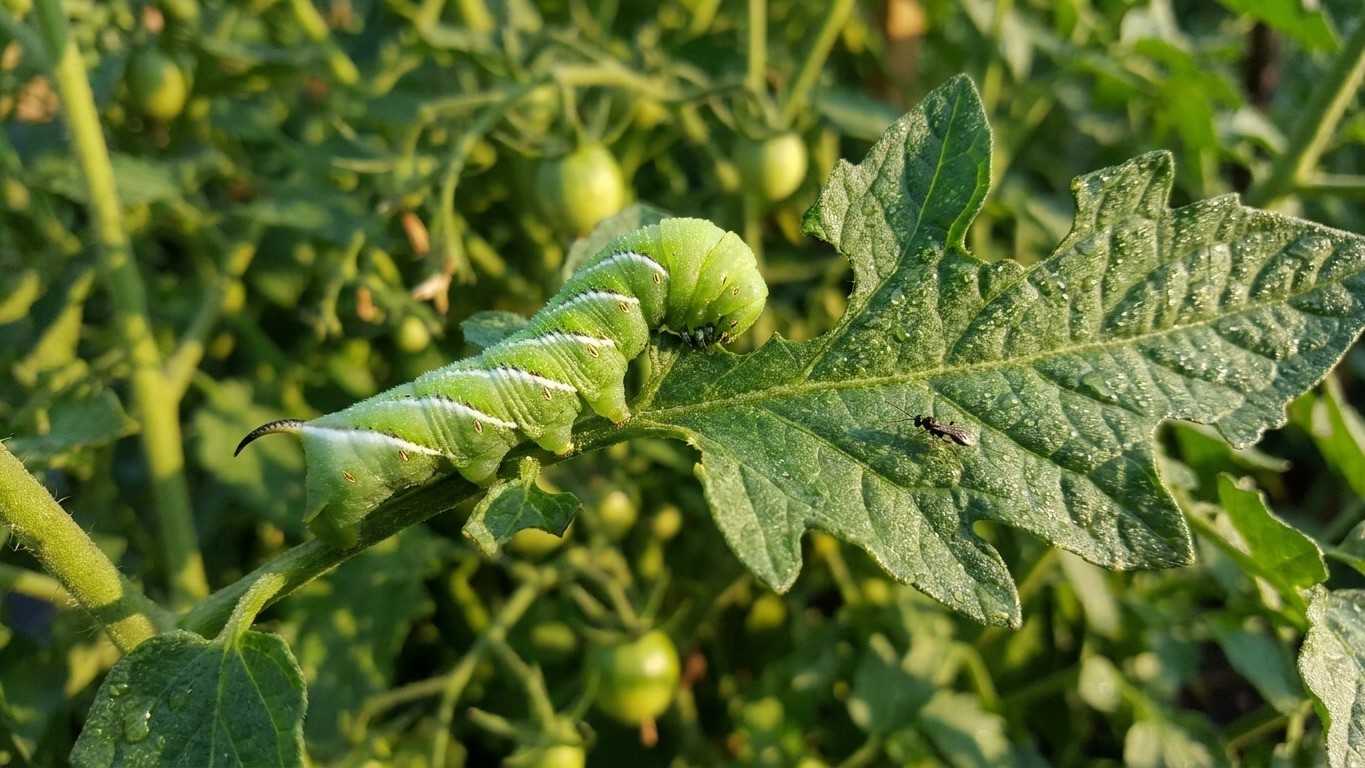
Tomato hornworms show up in California gardens as soon as night temperatures stay reliably above 50°F, which usually means late May in the Central Valley…
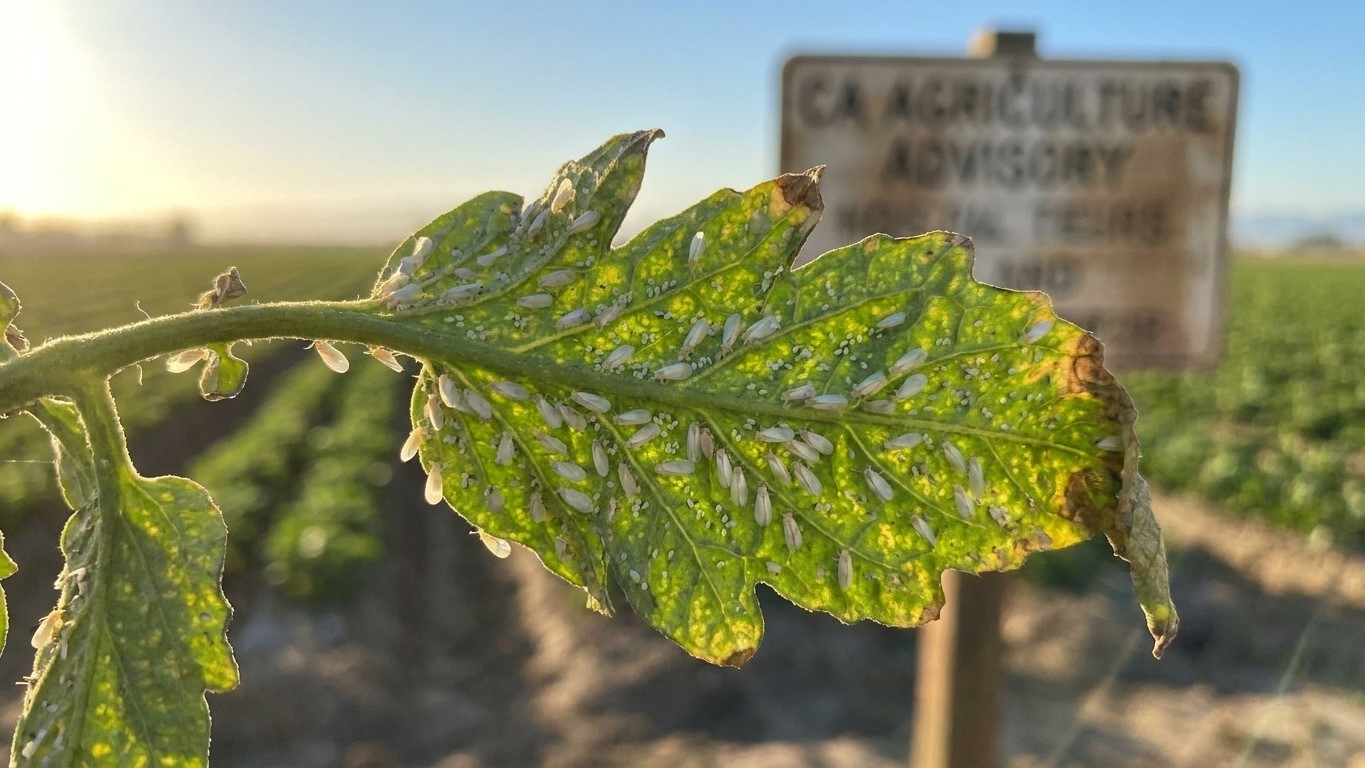
Whiteflies show up in California from late spring through fall in most regions, with populations peaking between August and October, and they never fully…
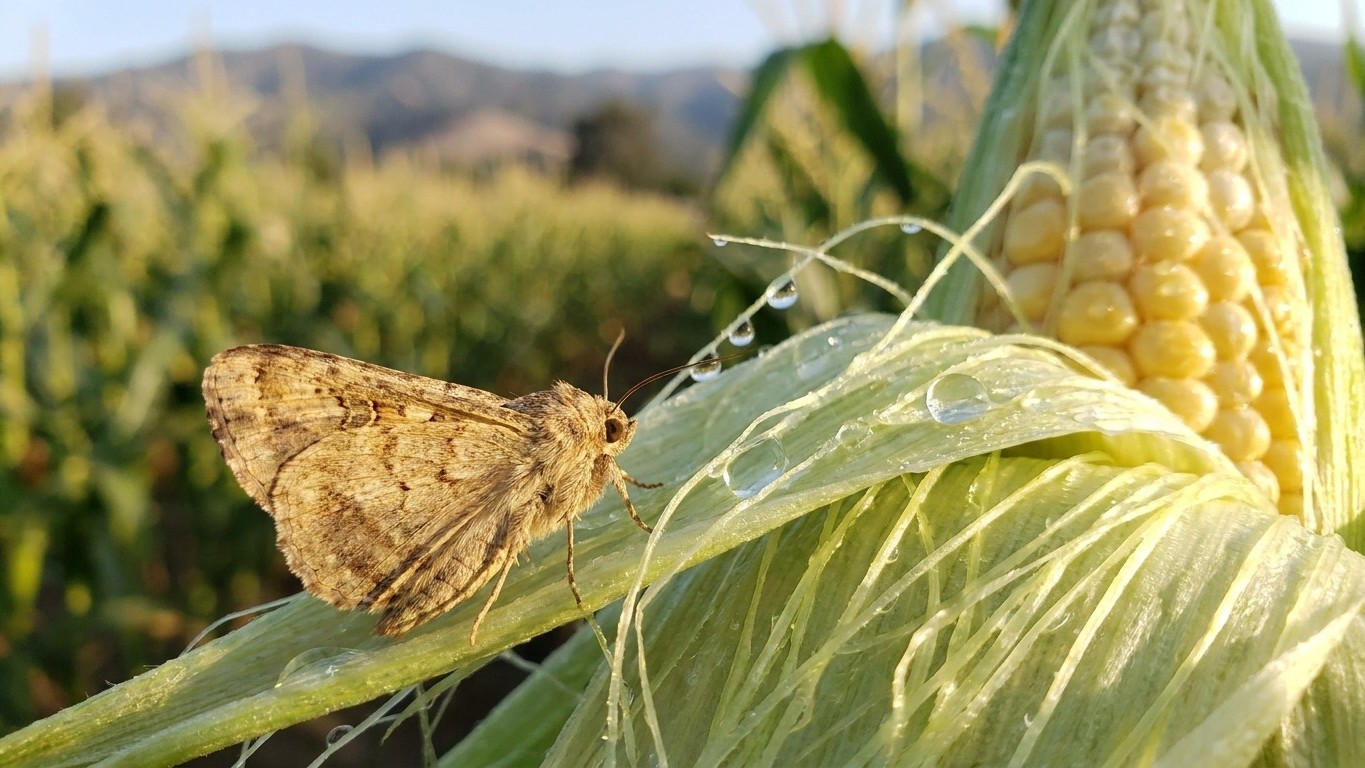
Corn earworm moths start showing up in California gardens and fields as early as March in the low desert, but for most of the state, the real pressure…
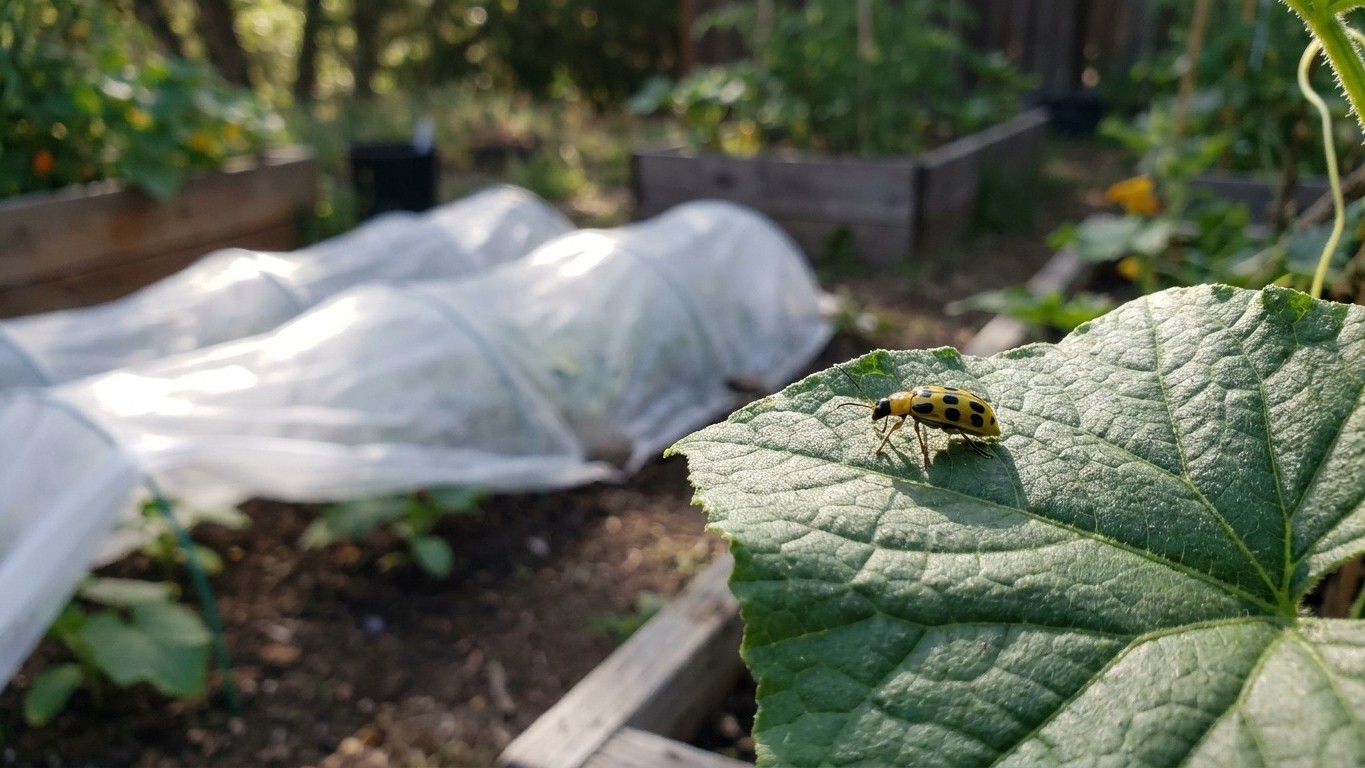
Cucumber beetles show up in California as early as March in the low desert regions and as late as May in the northern coastal valleys, with the western…
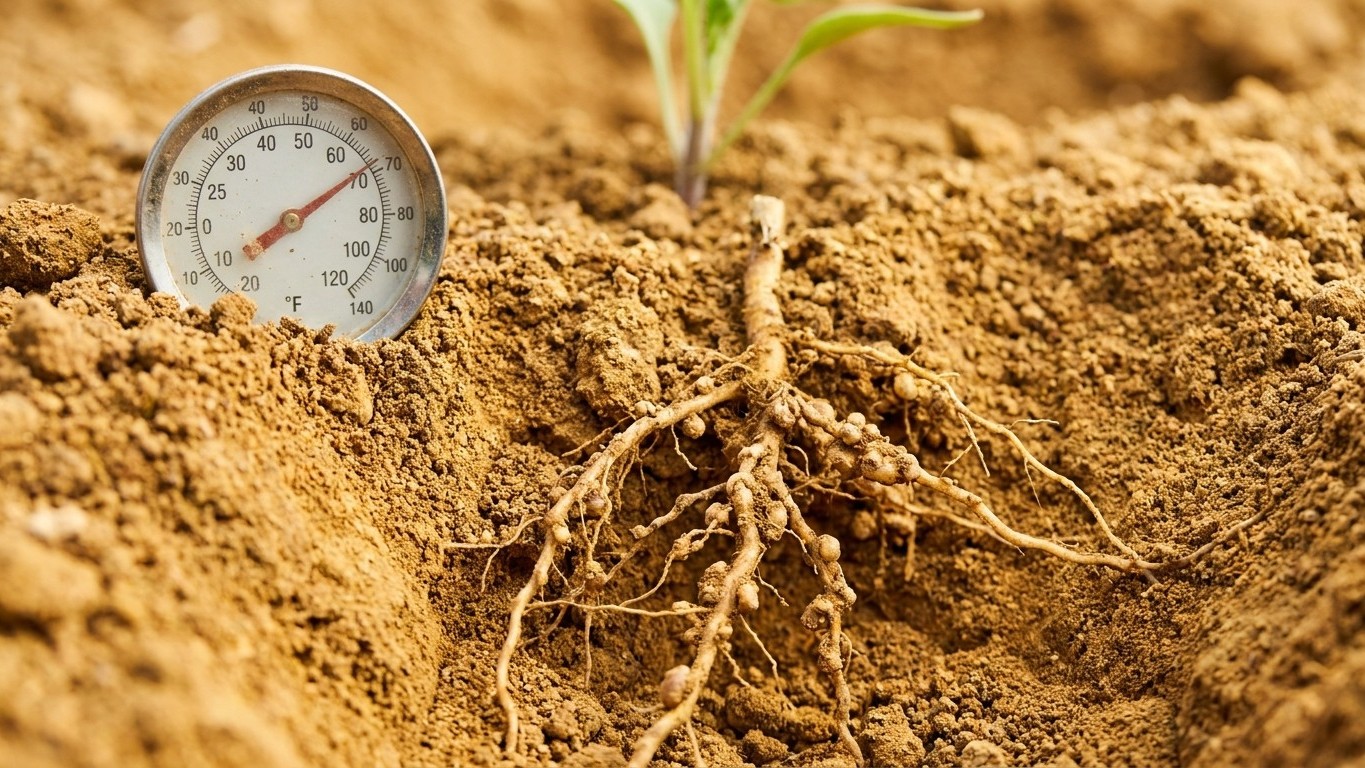
Root-knot nematodes turn up in California soil the moment temperatures climb past roughly 64°F, which in most of the state means late spring through…
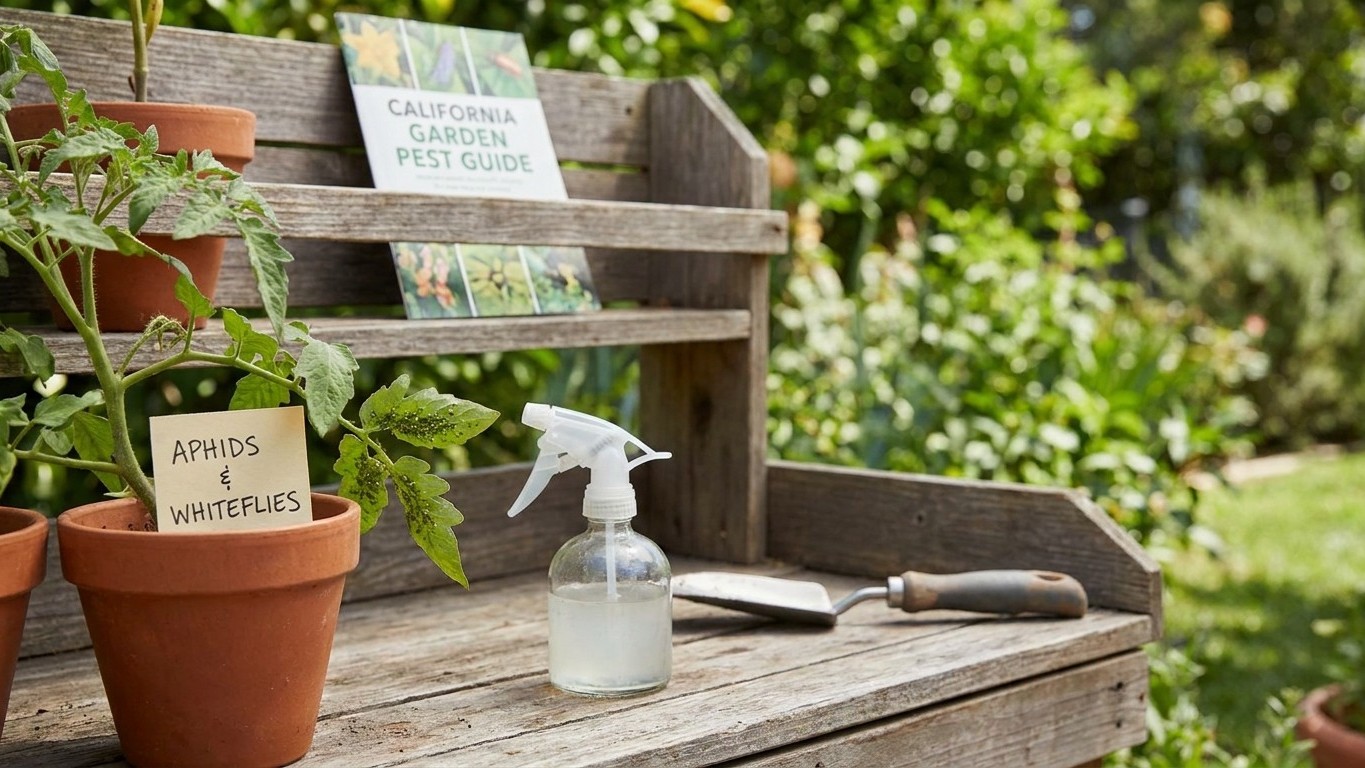
A season-by-season look at the insects and mollusks California’s state extension service flags most in home vegetable gardens, and what actually stops them.
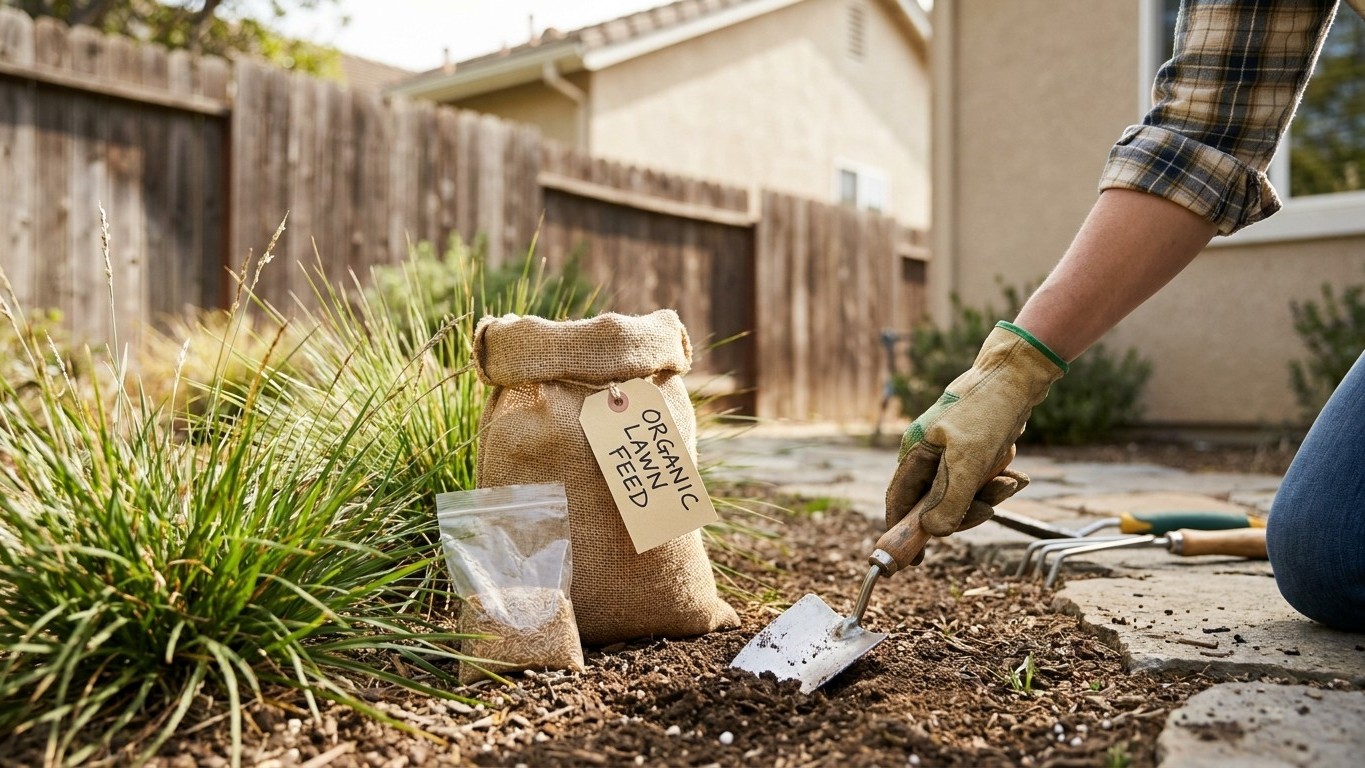
Los Angeles-area frost data and NOAA temperature normals explain why warm-season grasses like Bermudagrass and St. Augustinegrass suit California lawns, and when to feed them.