Growing Spring Bulbs in Containers in Connecticut
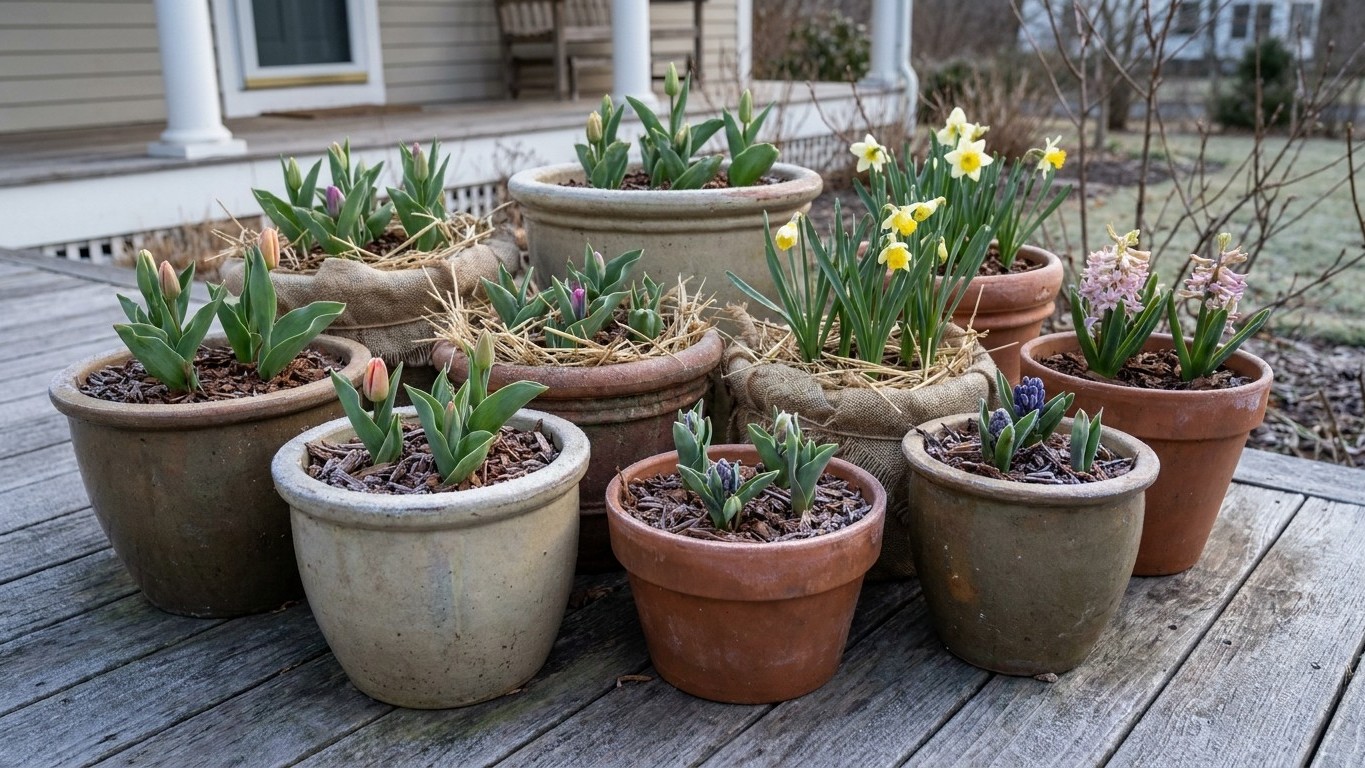
Spring bulbs in containers in Connecticut run into two separate risks: not getting the chilling that triggers bloom, and a pot that freezes solid faster…
Home & garden, state by state
Everything we have worked out for Connecticut: what to plant and when, which varieties finish in time, the pests that actually turn up here, and the jobs that pay off month by month. We also cover the rest of the property, from lawns and soil to home care and energy, because a garden rarely stops at the vegetable bed.
The numbers first, because everything else follows from them. Measured at the weather station in Bridgeport, the last spring freeze runs April 2 to April 12 and the first fall freeze runs October 28 to November 10, USDA zones 6a-7b, 3,314 growing degree days in the year.
Garlic does well: 21.8 weeks below 40 °F, comfortably past the six it needs to form a proper head.
Elsewhere on the property in Connecticut: the pests that turn up here.
Figures from NOAA's 1991-2020 climate normals. A state is not one climate: elevation, a large lake or the coast can move these dates by two weeks either way, so check your own county with the extension service before you spend money.
Spring bulbs in containers in Connecticut run into two separate risks: not getting the chilling that triggers bloom, and a pot that freezes solid faster…
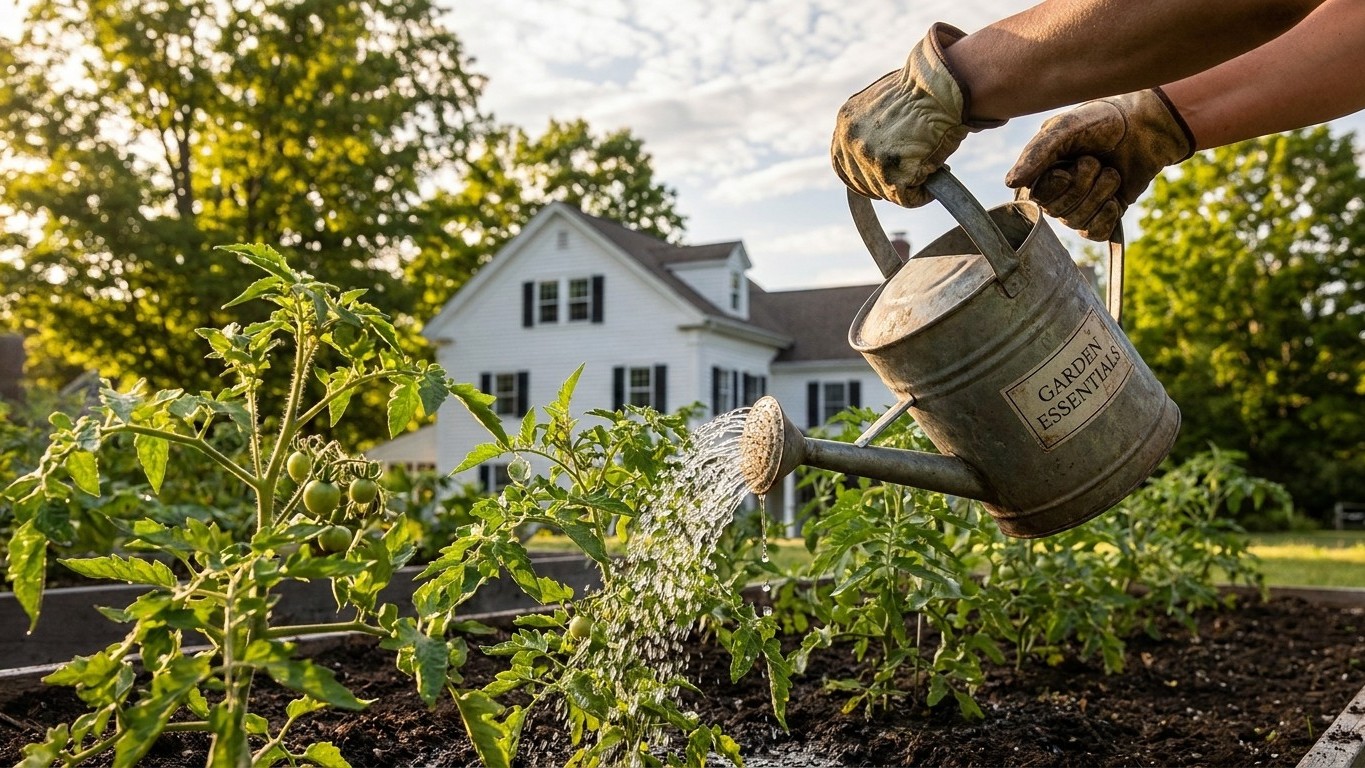
Connecticut gardeners don’t fight true drought the way the Southwest does, but they do fight inconsistency.
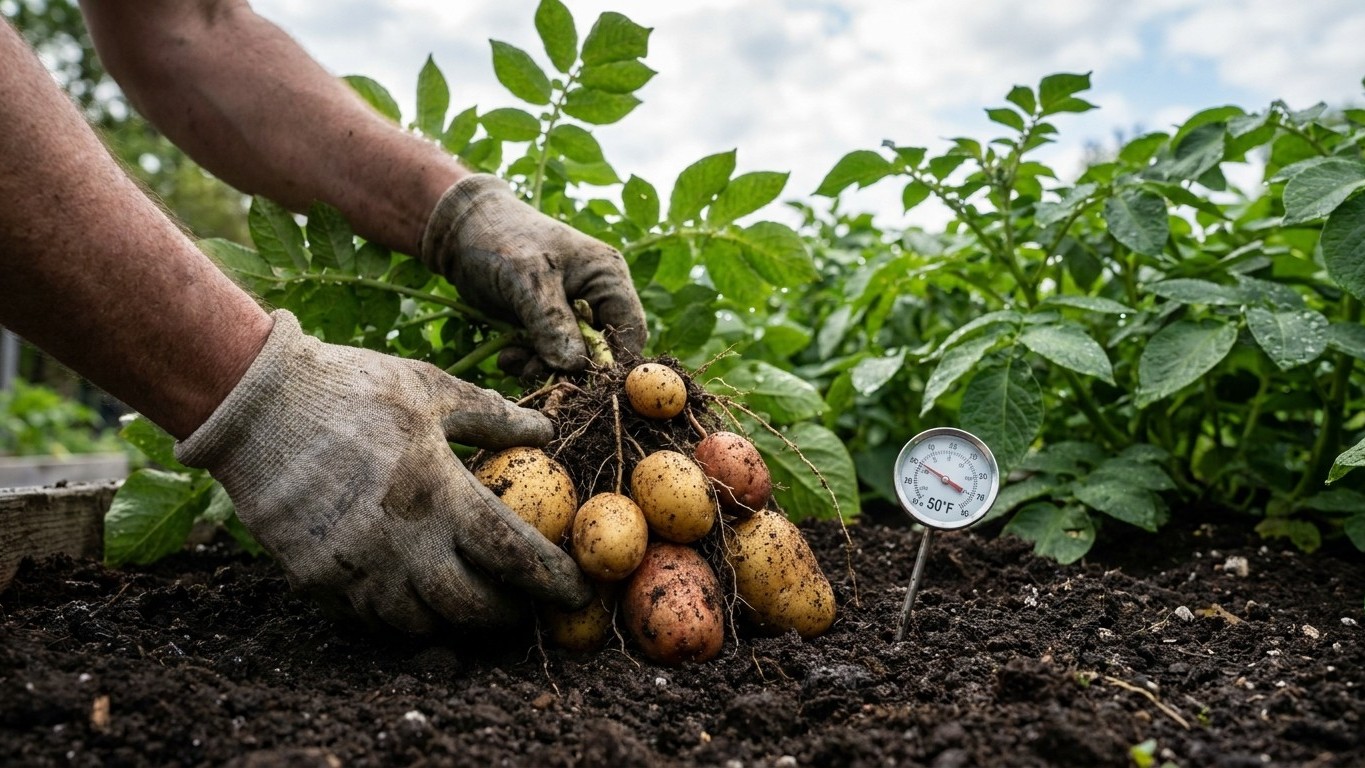
Connecticut carries one of the lowest summer heat loads in the potato-growing map: just 6.2 days a year reach 90 F or higher at the Bridgeport reference…
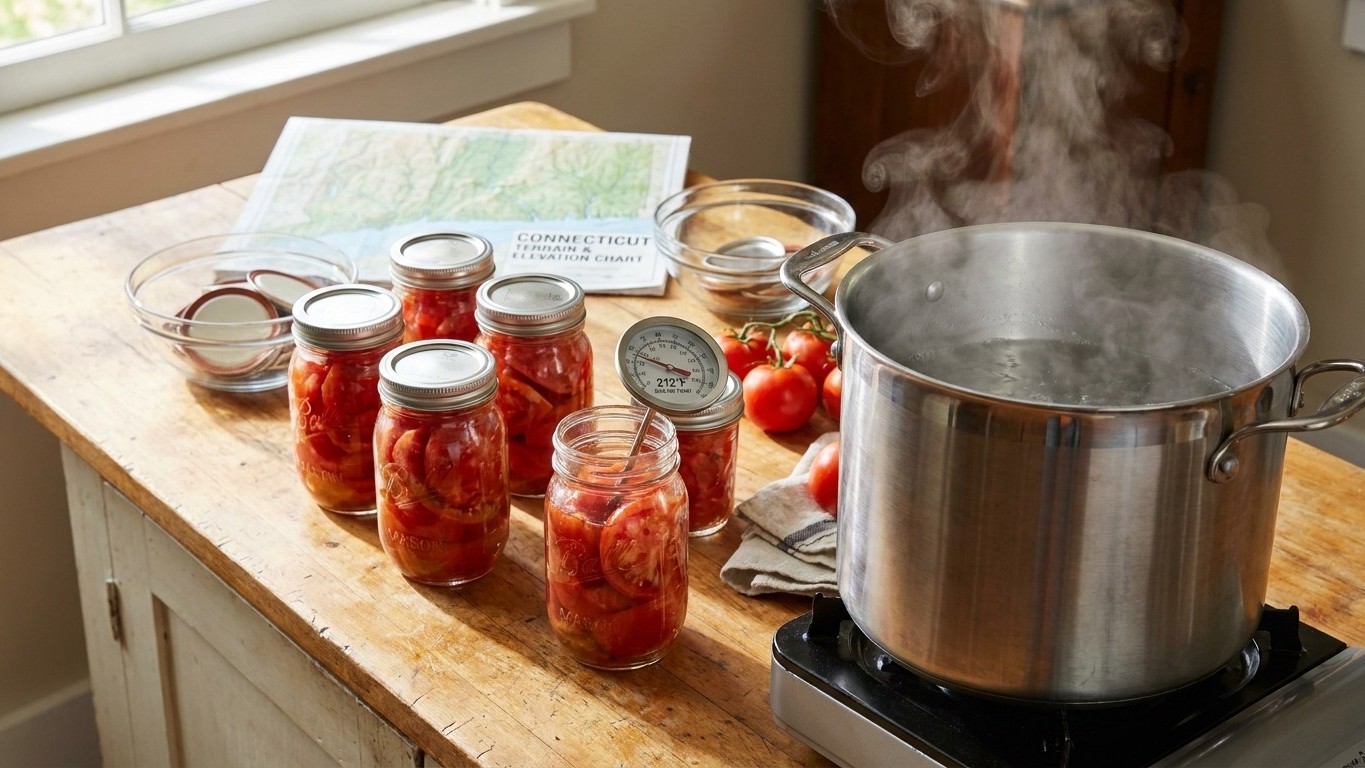
Bridgeport sits at 3 feet above sea level, and water there boils in the same 208°F to 212°F band as the rest of coastal Connecticut.
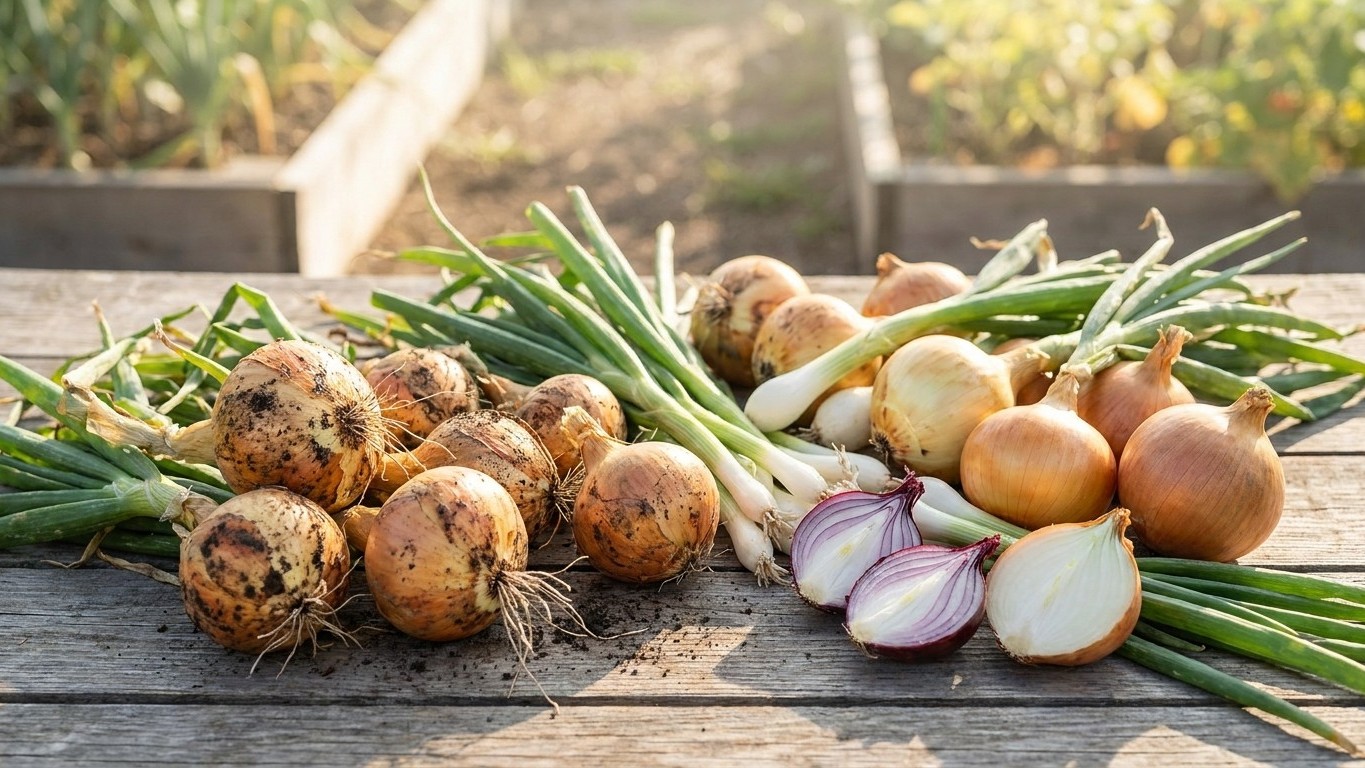
Connecticut sits at 41.16 degrees north latitude, the figure recorded at the Hartford-area weather station that anchors the state’s climate data.
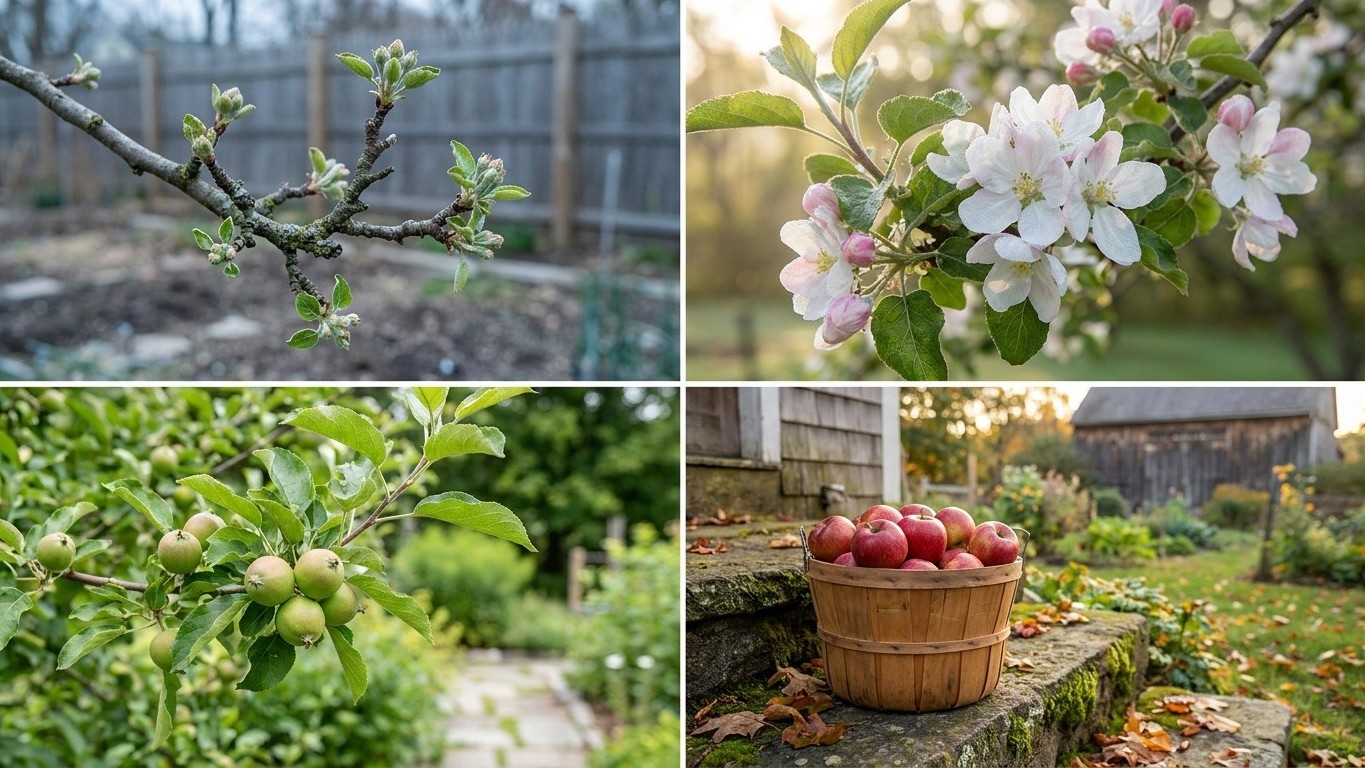
A stage-by-stage apple calendar for Connecticut, anchored on NOAA’s Bridgeport frost dates, with cultivar harvest timing and regional risks.
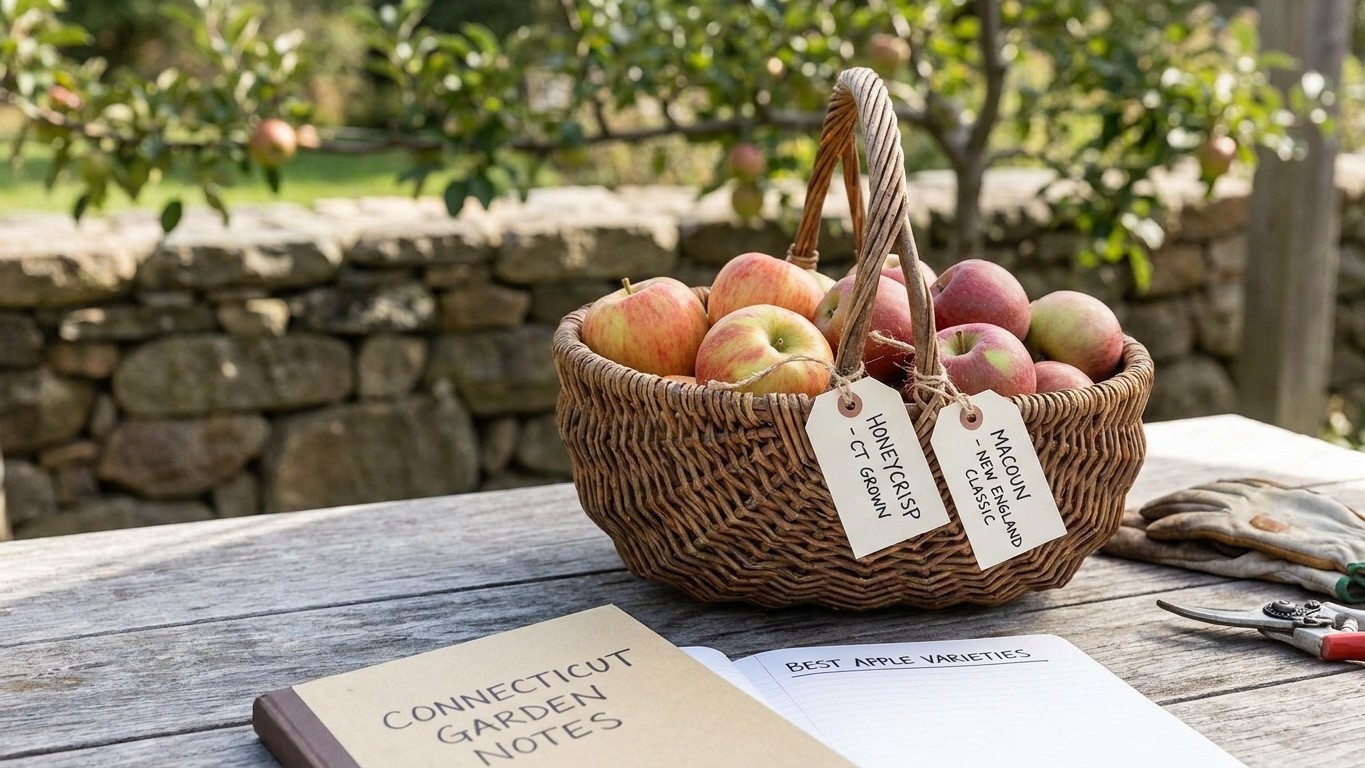
Connecticut has no single best apple variety, since success depends on bloom timing, rootstock hardiness, and matching the tree to your local frost pattern.
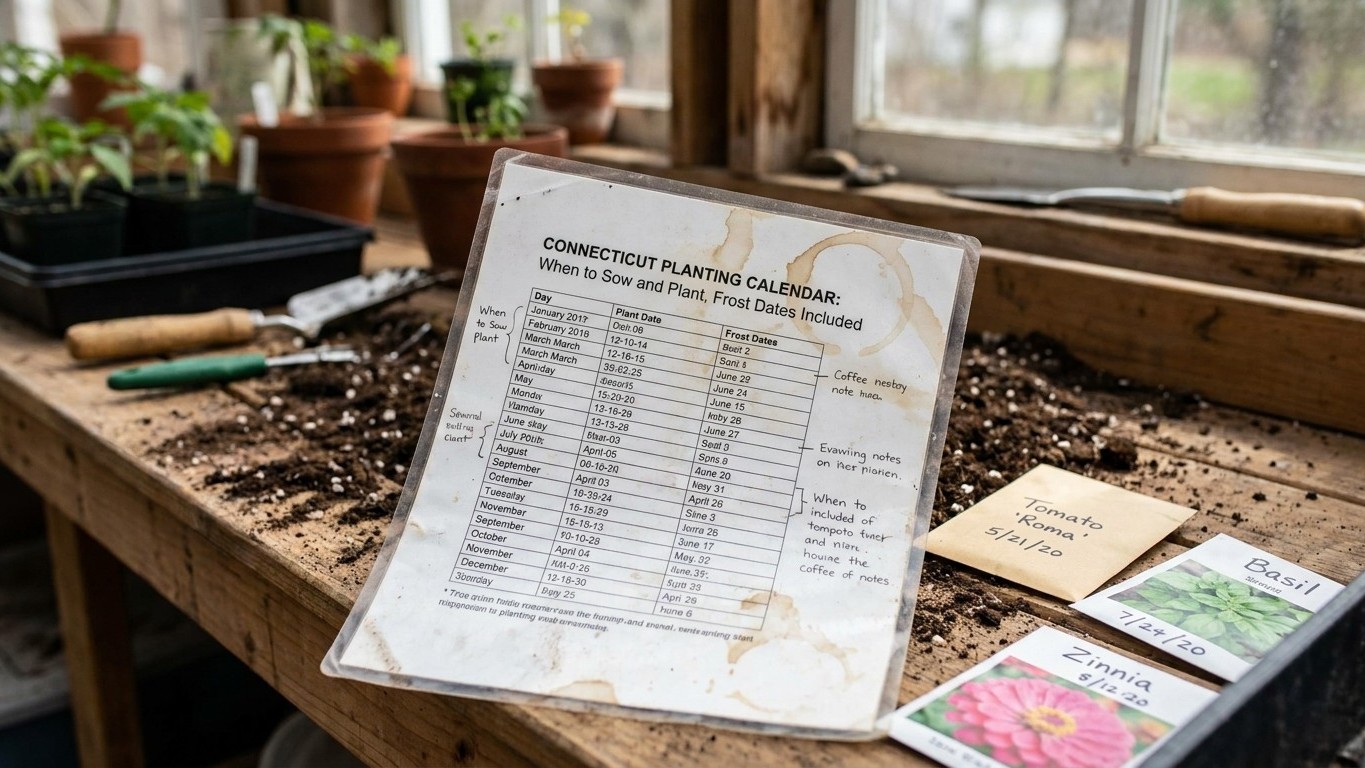
Connecticut’s frost dates run from early April to early-to-mid November depending on location, and this guide shows how to plan sowing dates around them.
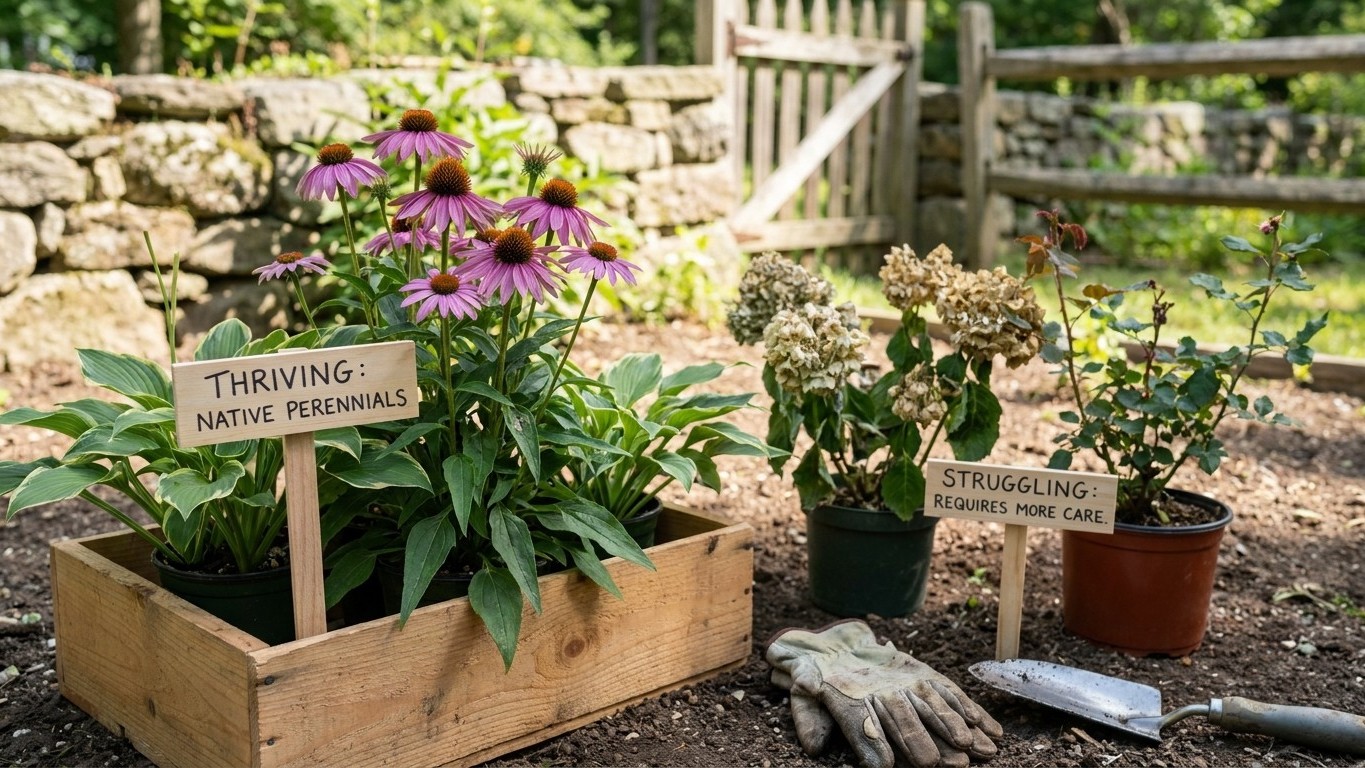
A look at which flowers hold up through Connecticut winters and summers, using NOAA and USDA climate data for the state.
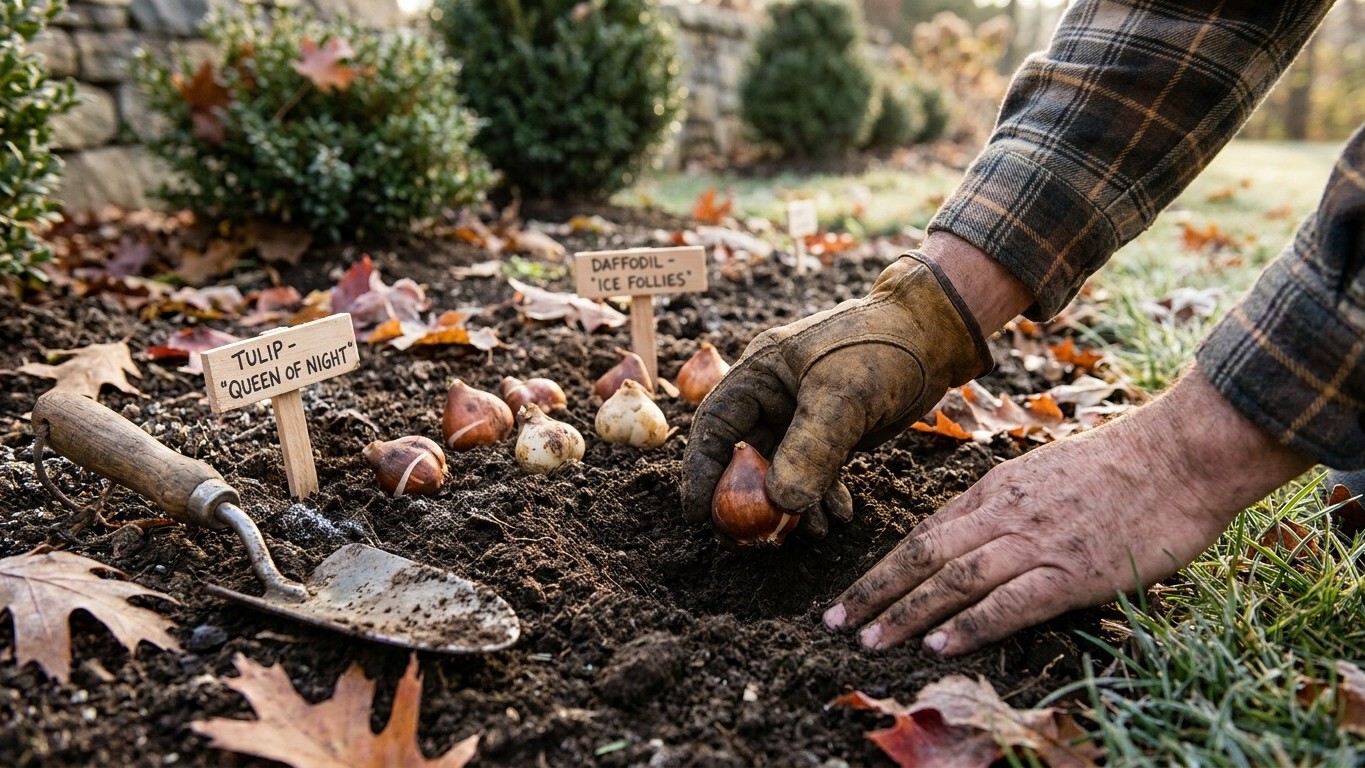
Connecticut’s winters give spring bulbs everything they need to bloom well, but the planting window matters more than most garden center tags let on.