What to Plant in Connecticut in December
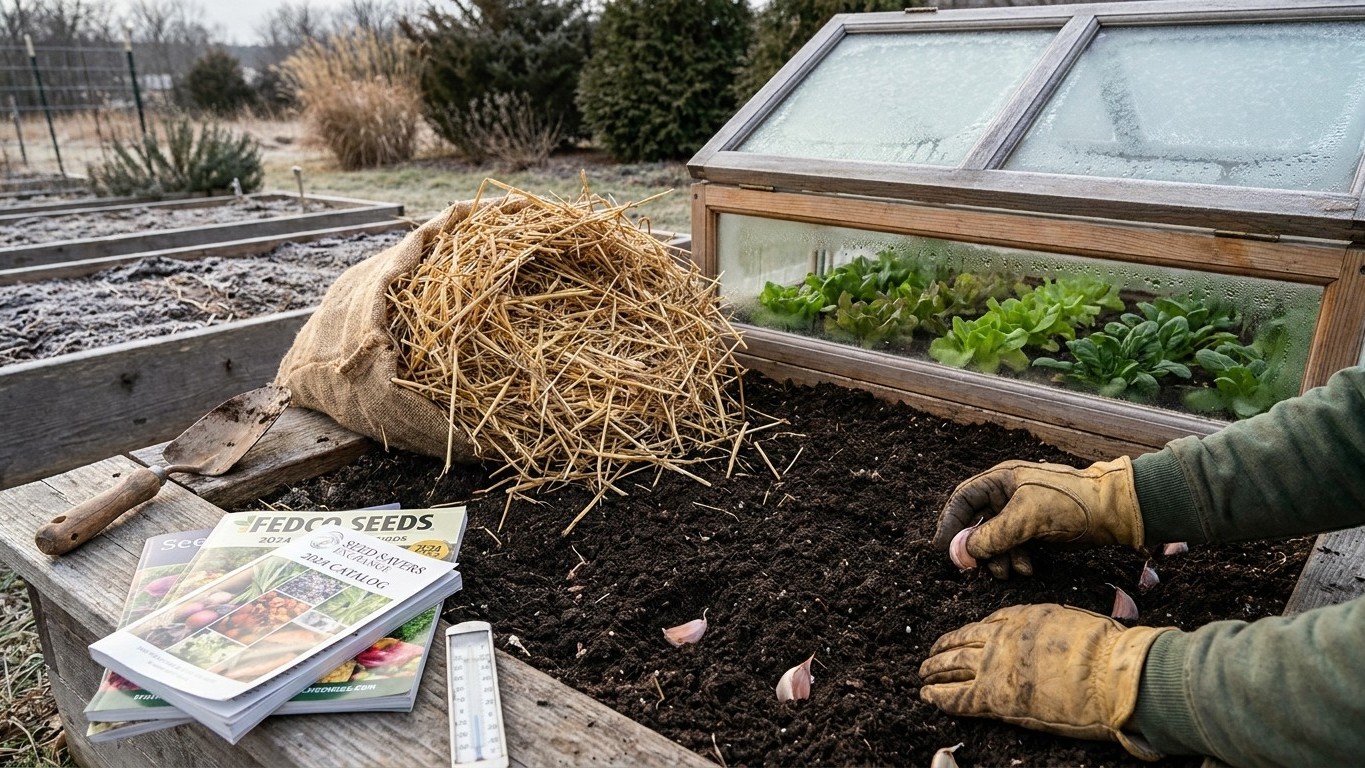
Little to nothing goes into open ground in Connecticut in December, and that’s the honest starting point.
Home & garden, state by state
Everything we have worked out for Connecticut: what to plant and when, which varieties finish in time, the pests that actually turn up here, and the jobs that pay off month by month. We also cover the rest of the property, from lawns and soil to home care and energy, because a garden rarely stops at the vegetable bed.
The numbers first, because everything else follows from them. Measured at the weather station in Bridgeport, the last spring freeze runs April 2 to April 12 and the first fall freeze runs October 28 to November 10, USDA zones 6a-7b, 3,314 growing degree days in the year.
Garlic does well: 21.8 weeks below 40 °F, comfortably past the six it needs to form a proper head.
Elsewhere on the property in Connecticut: the pests that turn up here.
Figures from NOAA's 1991-2020 climate normals. A state is not one climate: elevation, a large lake or the coast can move these dates by two weeks either way, so check your own county with the extension service before you spend money.
Little to nothing goes into open ground in Connecticut in December, and that’s the honest starting point.
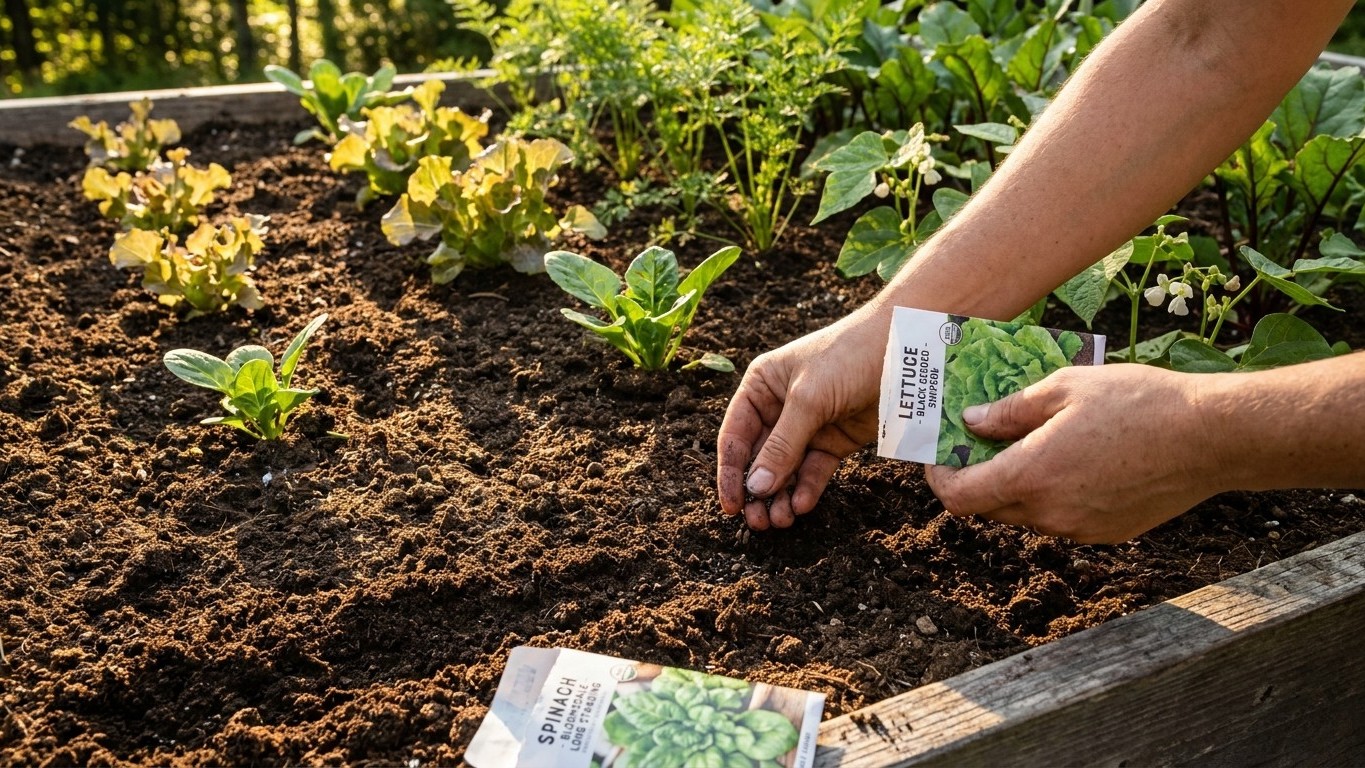
August in Connecticut sits in the heart of the growing season, well past the last spring frost and still weeks away from the first fall freeze.
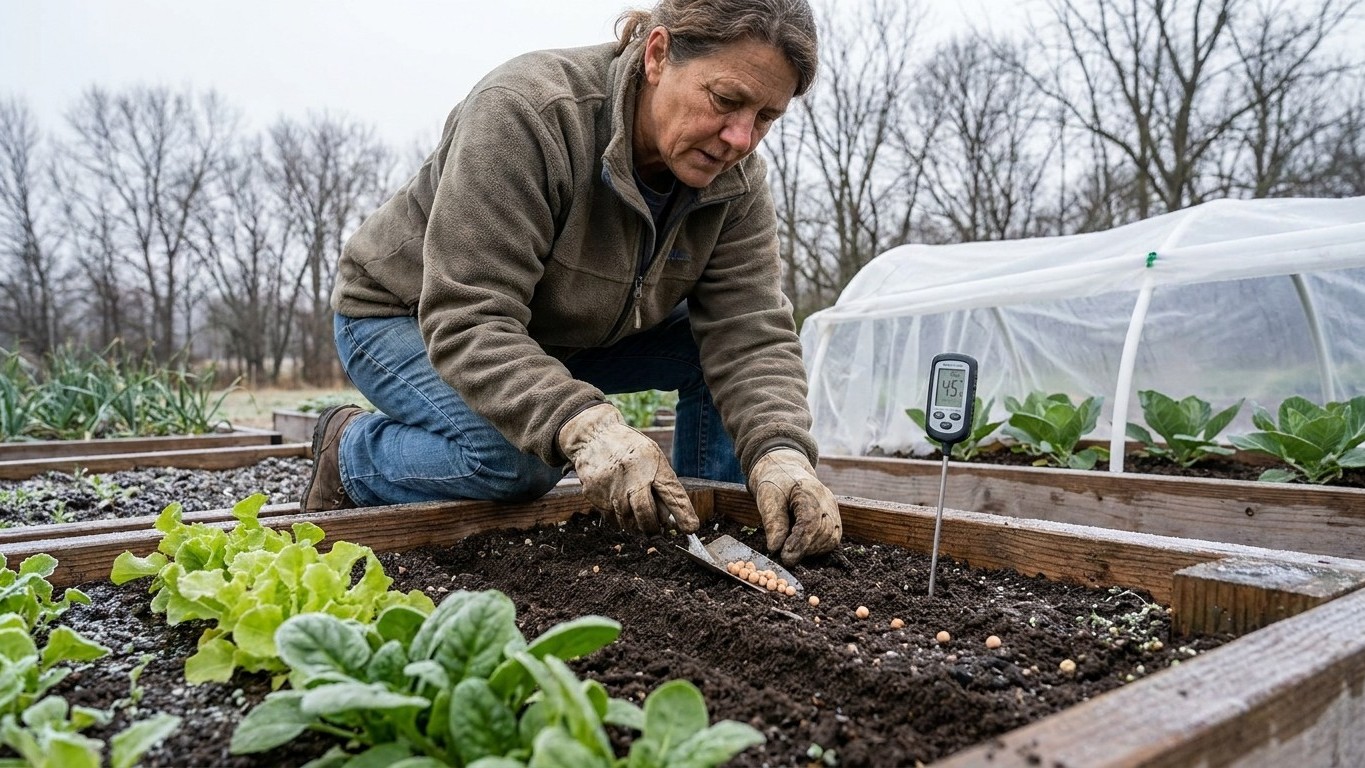
April in Connecticut sits right on top of the last frost window, so the answer changes by the week: early April still belongs to the hardiest crops in…
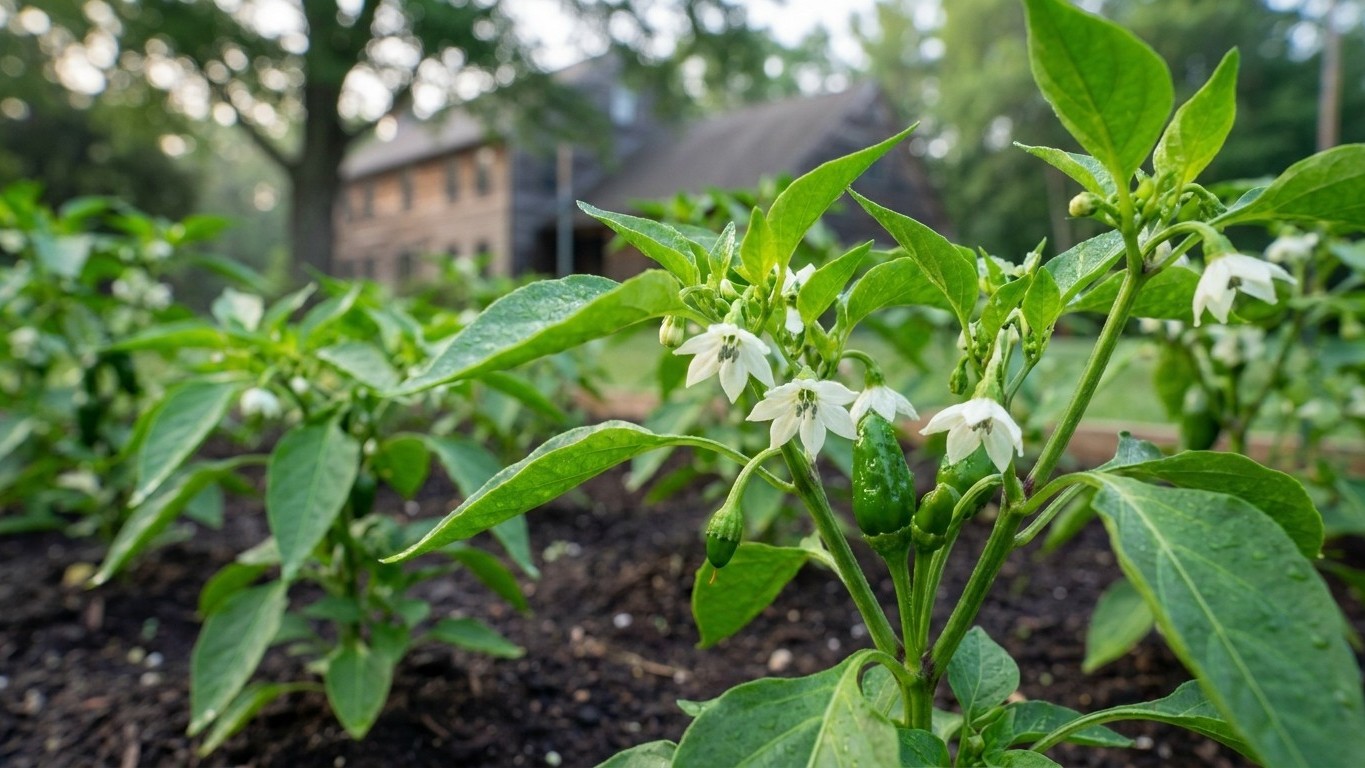
In Connecticut, pepper fruit set rarely fails from too much heat. The state averages just 6.2 days a year at or above 90°F at the Bridgeport reference…
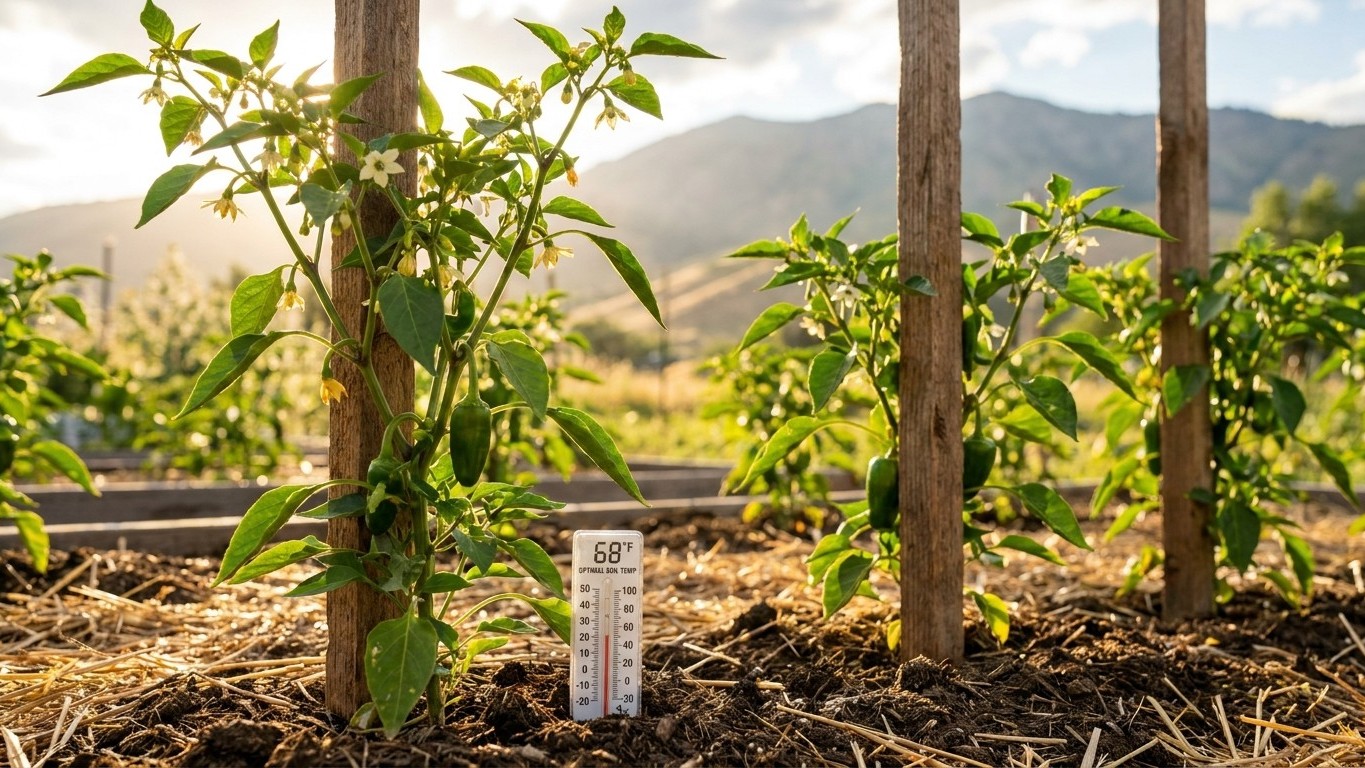
Most sweet and many hot pepper varieties ripen fully within a Connecticut season, but success depends less on the state’s average summer heat and more on…
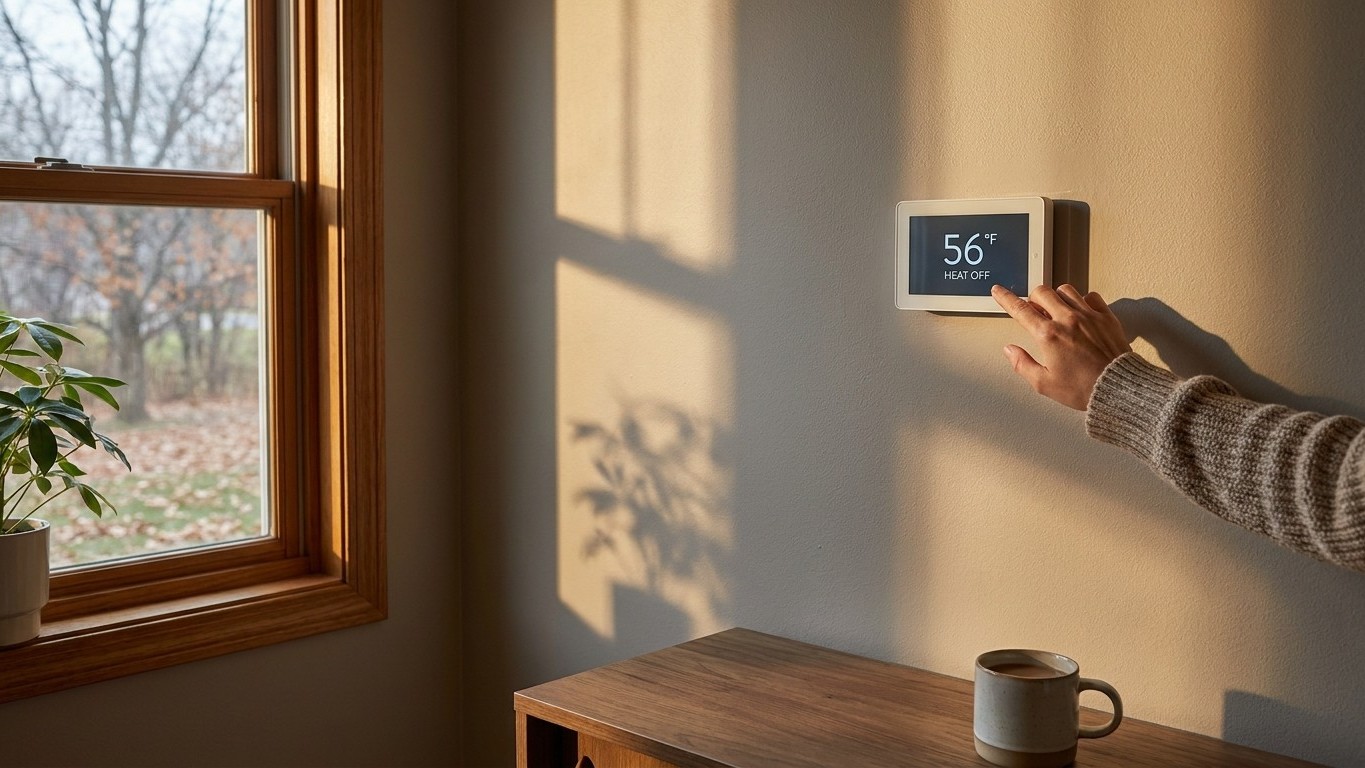
In Connecticut, heating season typically opens in October, when the average temperature normal at the state’s reference station drops below the 65°F…
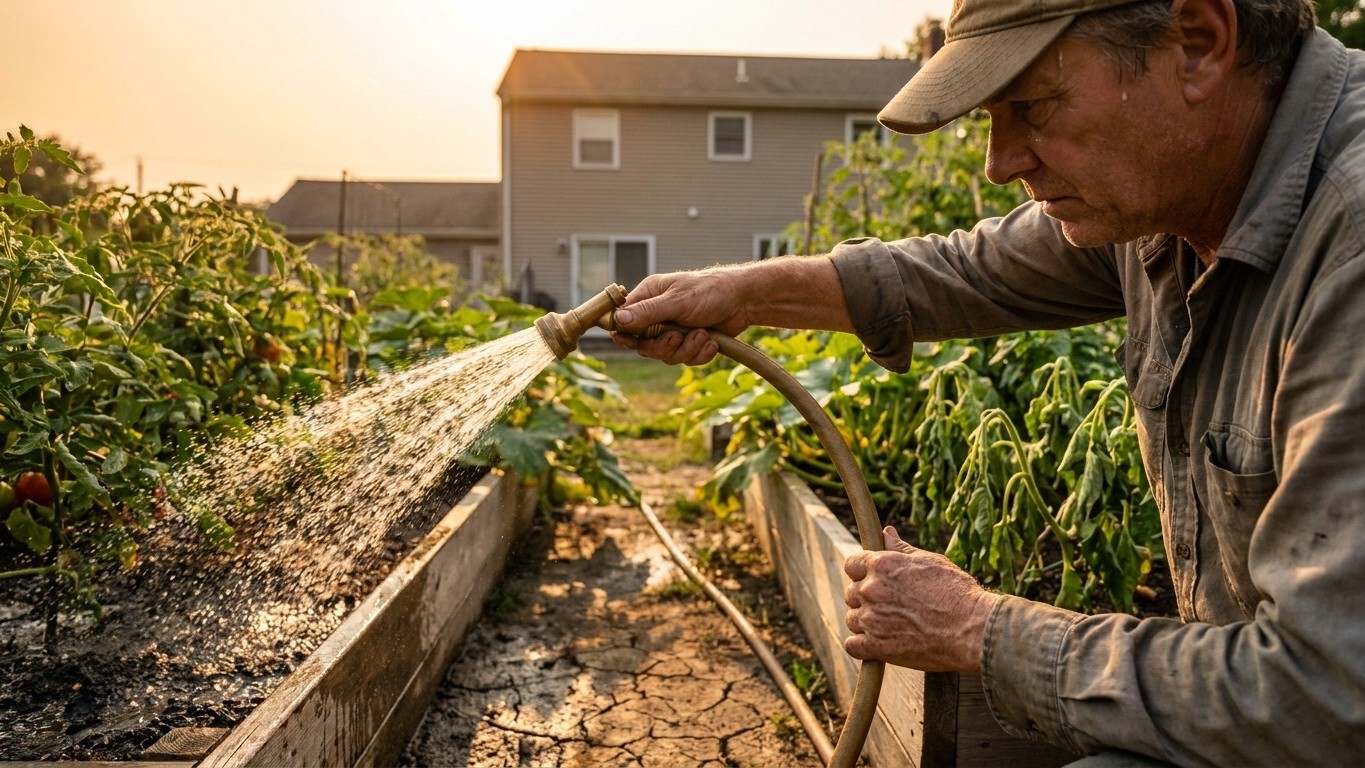
Connecticut’s driest summer month, July, brings about 3.32 inches of rain, while the state’s reference station logs 6.2 days a year at 90°F or hotter.
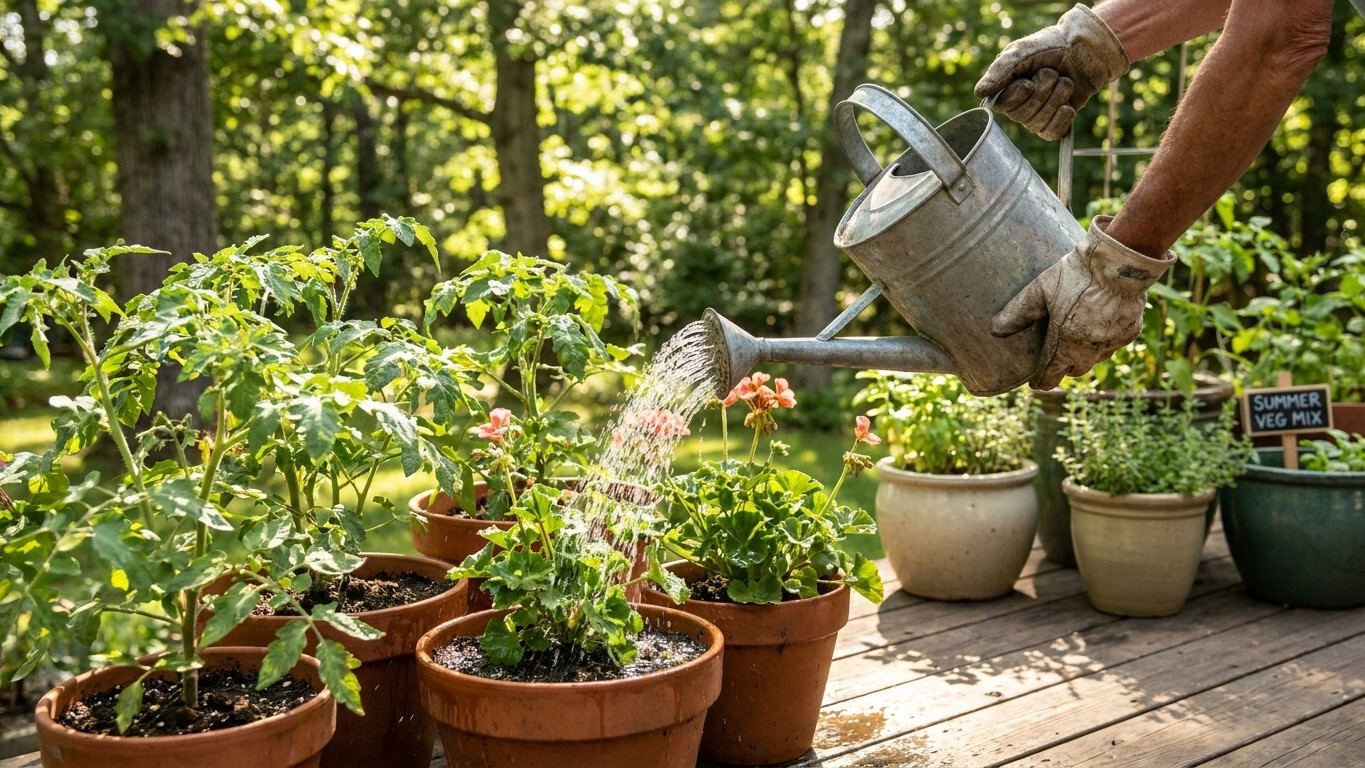
Connecticut gardens get about 3.32 inches of rain in July, the driest summer month, while the state averages 6.2 days a year at or above 90F.
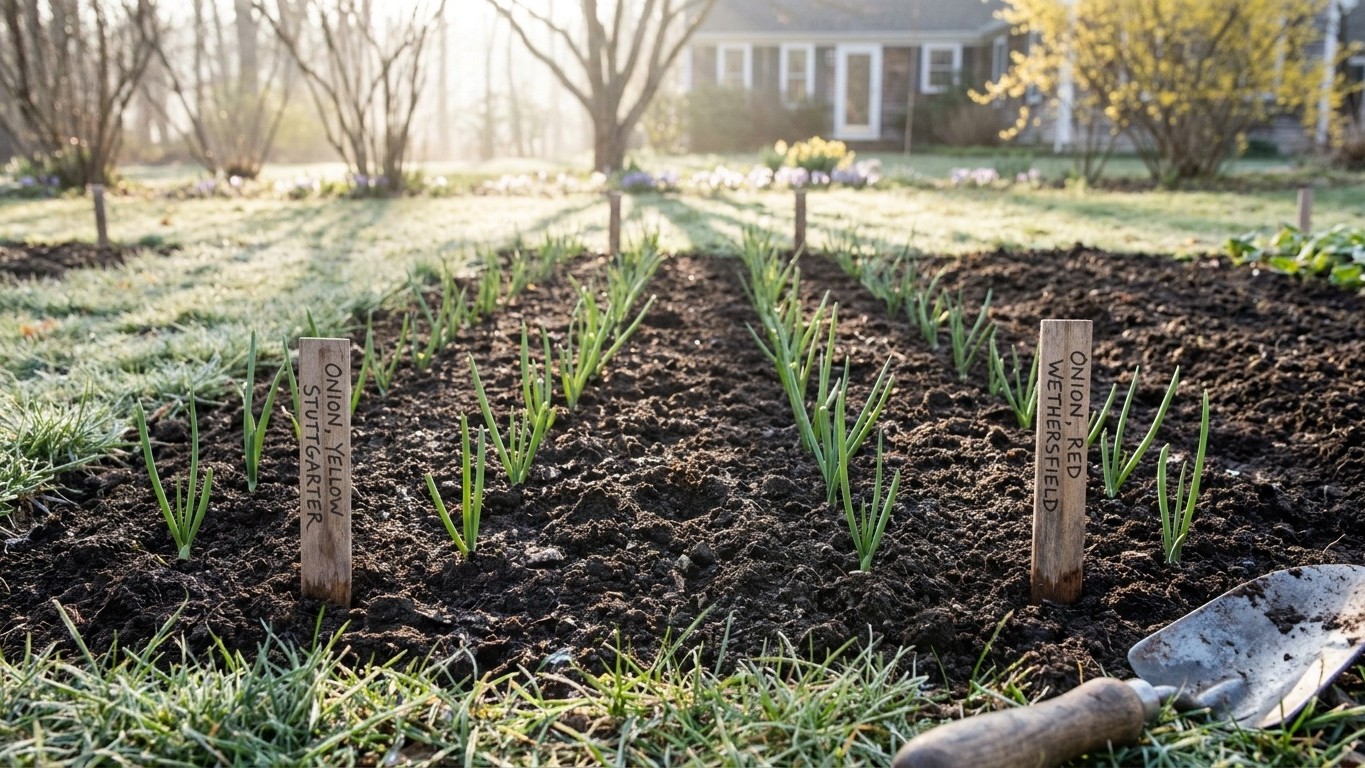
Connecticut sits at 41.16 degrees north latitude, measured at the reference station near Hartford, and the longest day of the year there brings 14 hours…
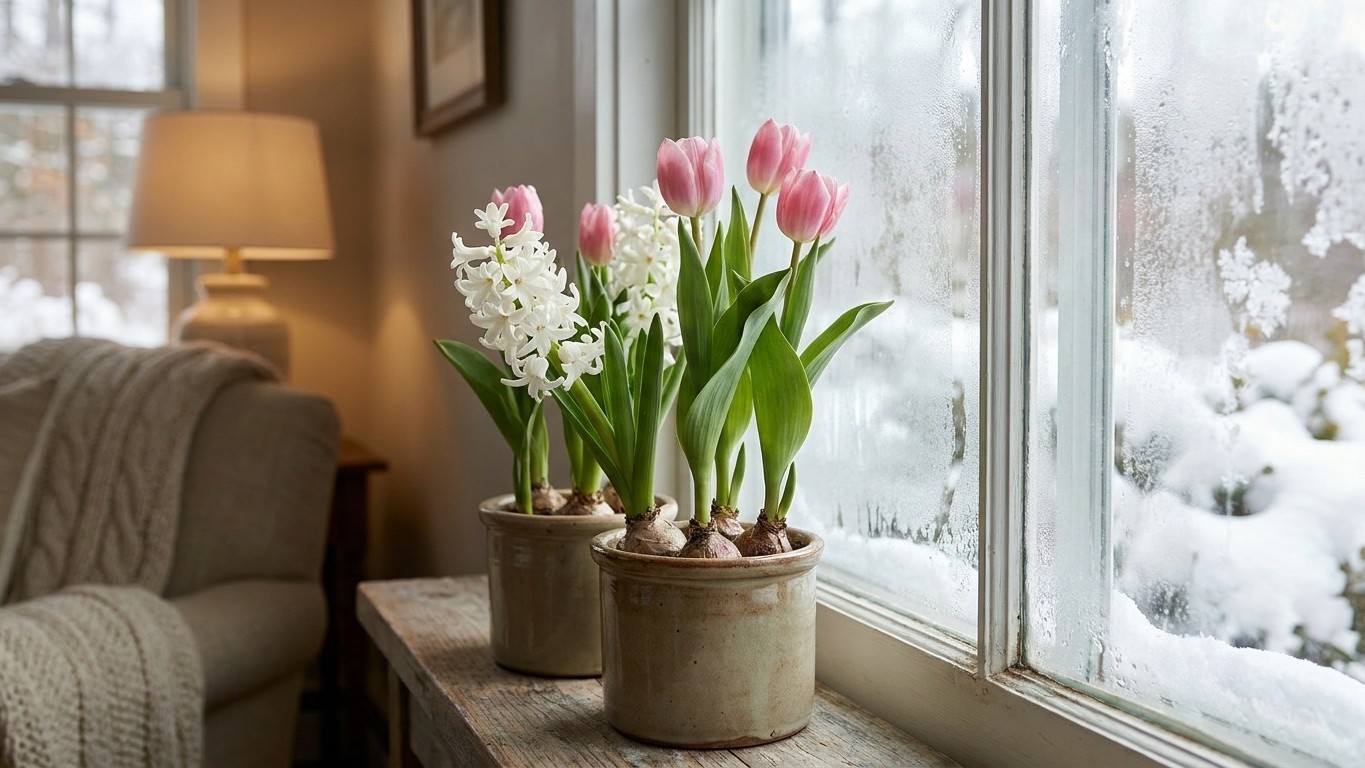
Forcing works in Connecticut, but not because winter here is too mild. The region’s coldest-month average minimum sits at 24.4F, more than enough chill…