Nutsedge: Why Pulling It Makes It Worse
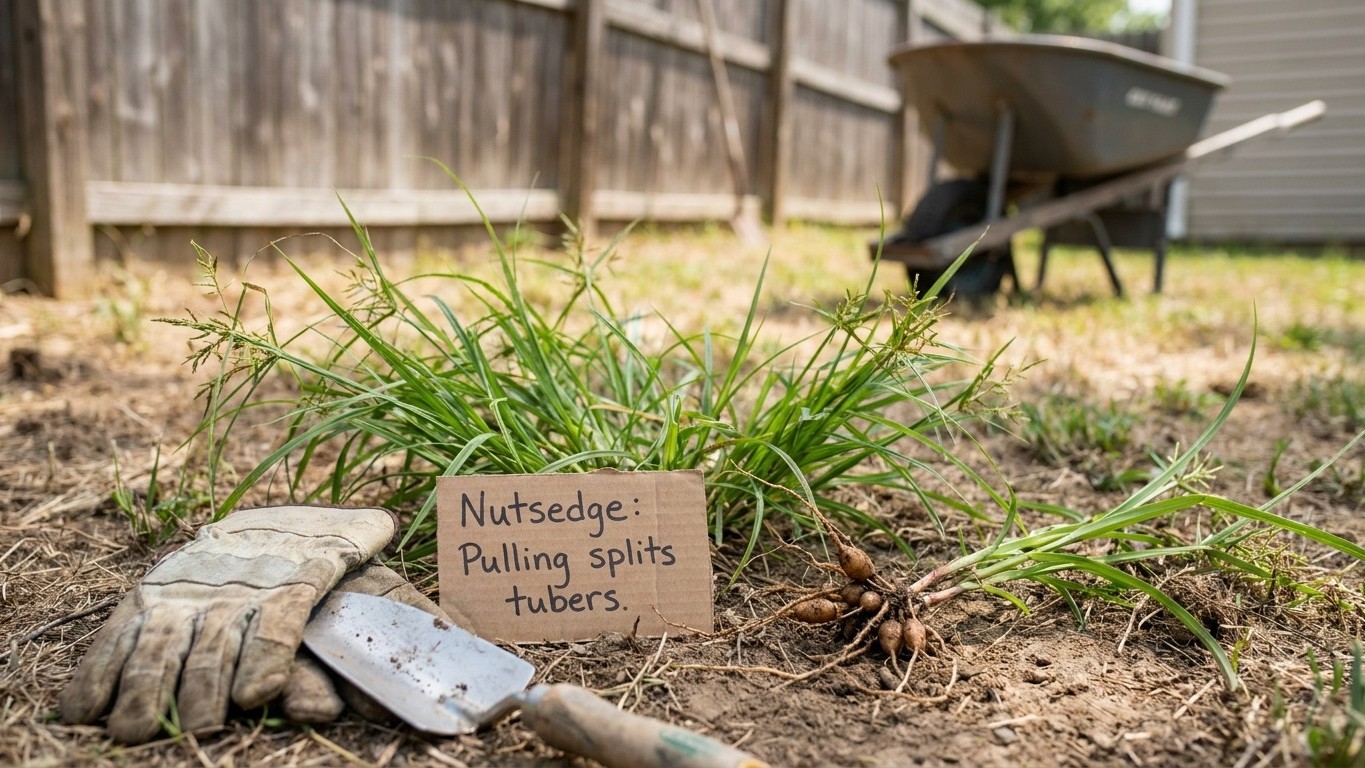
Nutsedge spreads by underground tubers that survive pulling, so identifying the plant correctly and timing treatment to its growth stage matters more than yanking it out.
Home & garden, state by state
Nutsedge spreads by underground tubers that survive pulling, so identifying the plant correctly and timing treatment to its growth stage matters more than yanking it out.
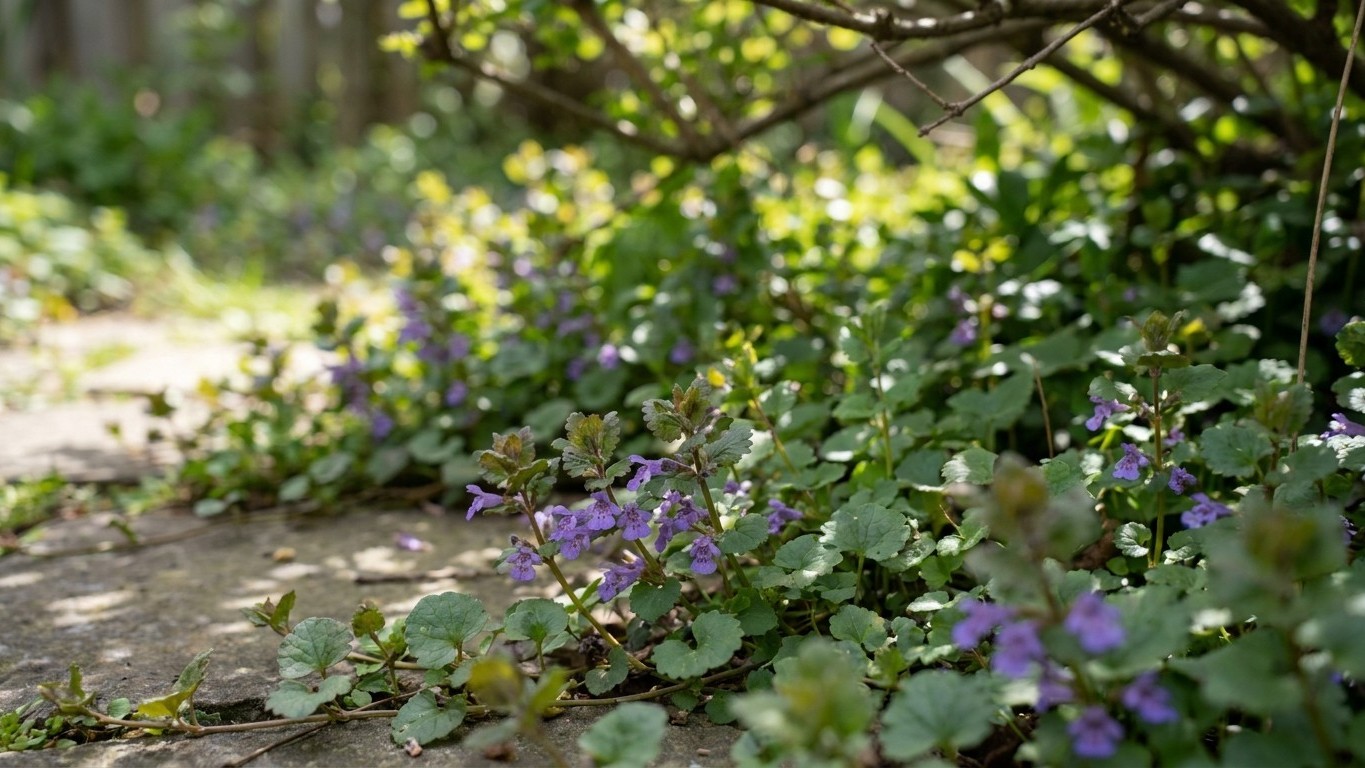
Creeping Charlie is a shade-loving mint that spreads by rooting at each stem node, so identifying and removing it takes more than mowing or spot pulling.
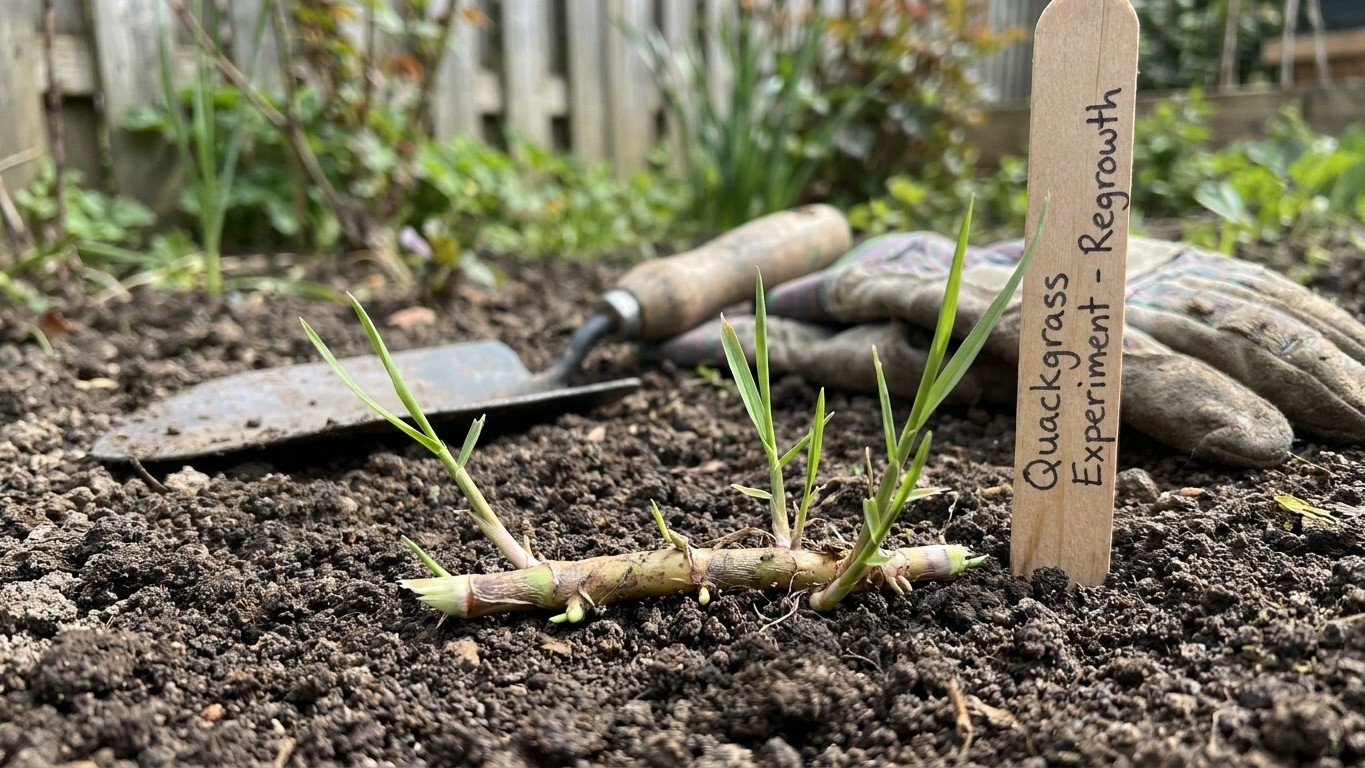
Quackgrass spreads through underground rhizomes that resprout from broken pieces, making pulling alone ineffective without follow-up control and thicker turf.
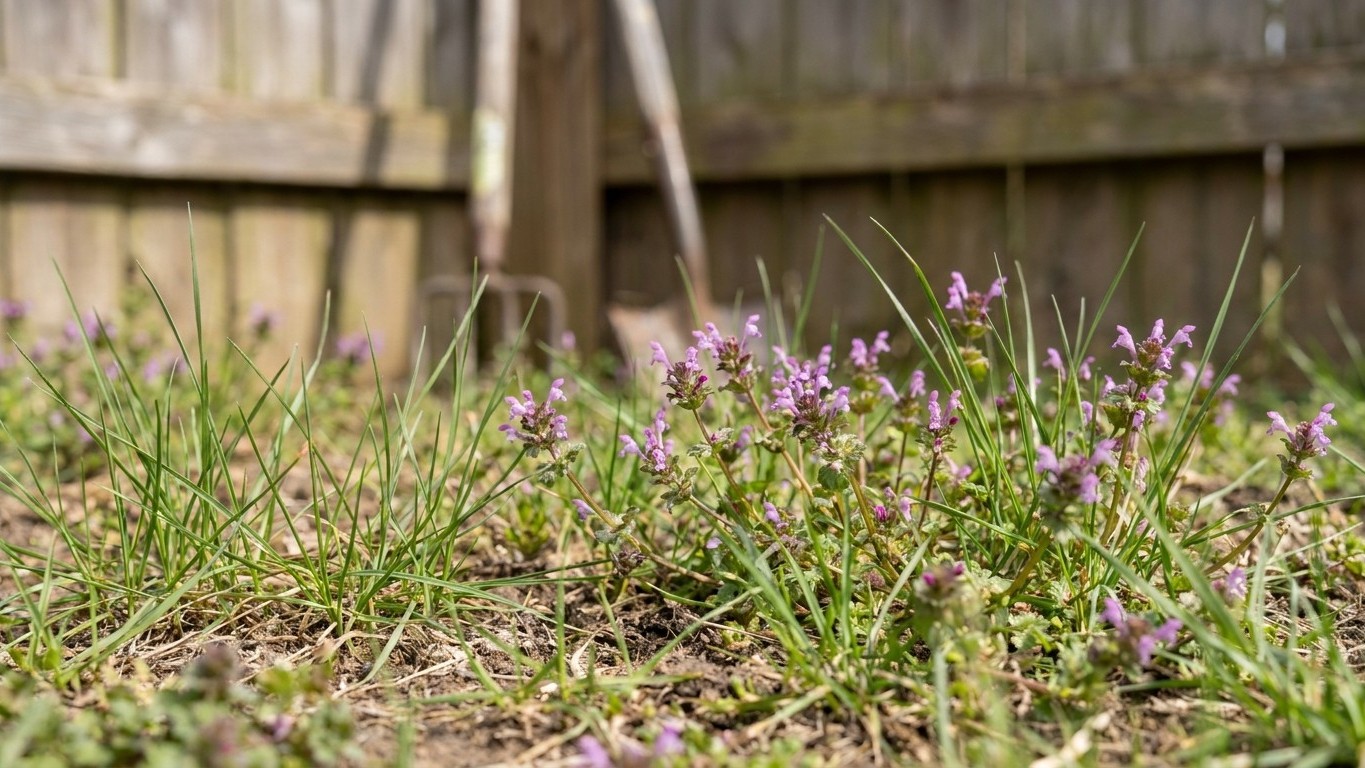
Henbit’s purple blooms are harmless on their own, but they show up exactly where lawn turf has thinned enough to let the seed take hold.
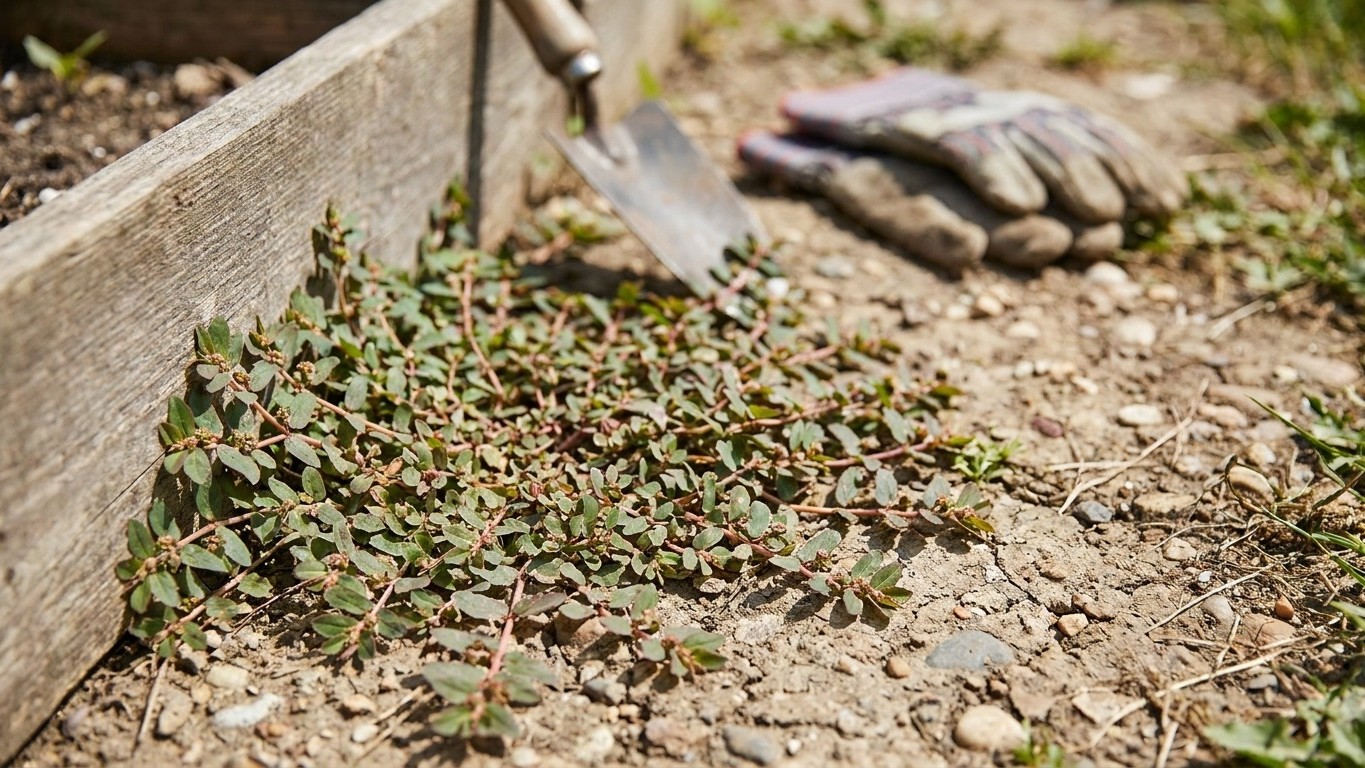
Spotted spurge spreads into a flat mat wherever turf has thinned. Here’s how to identify it, stop it, and close the gap for good.
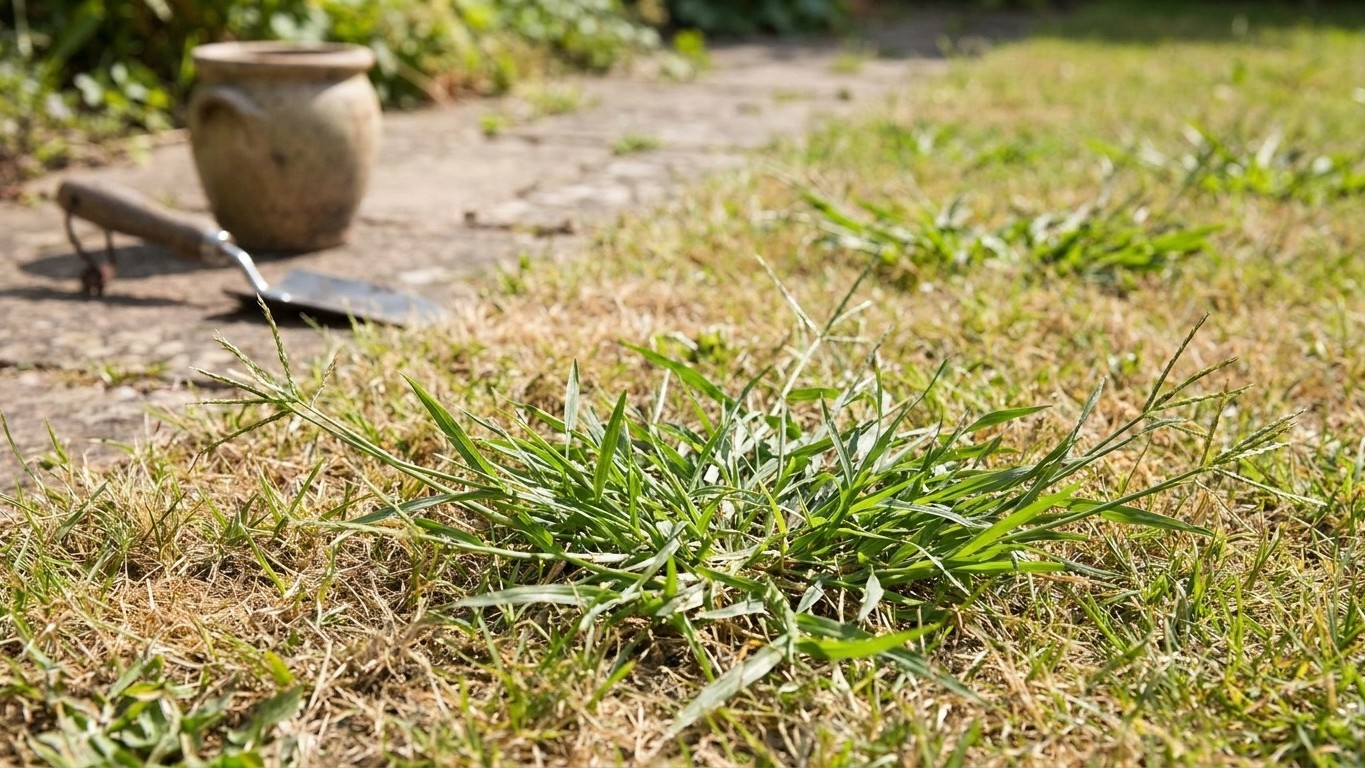
Crabgrass timing depends on soil warmth, not a date on the calendar, and getting that window right decides whether chemical control works at all.
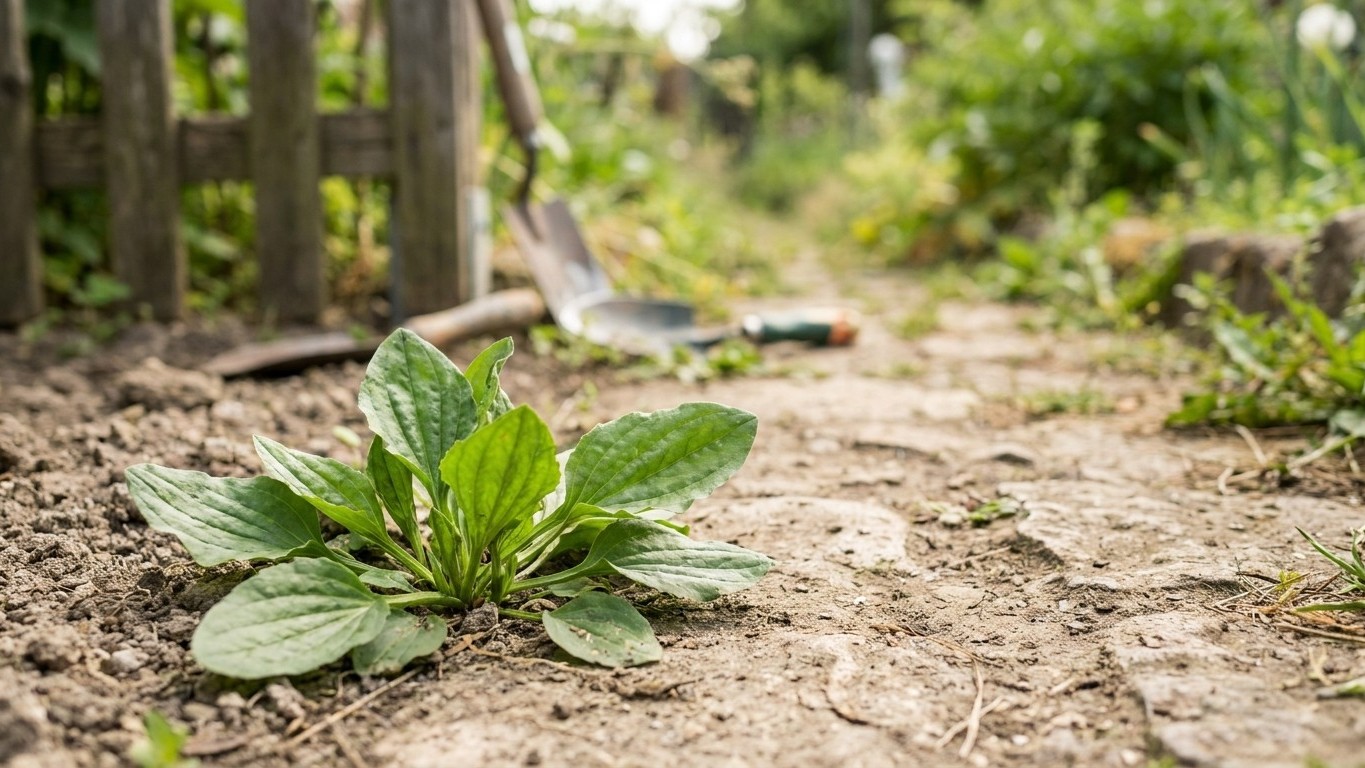
Broadleaf plantain grows where turf is thin and soil is packed hard. Learn to identify it, pull it correctly, and time herbicide use right.
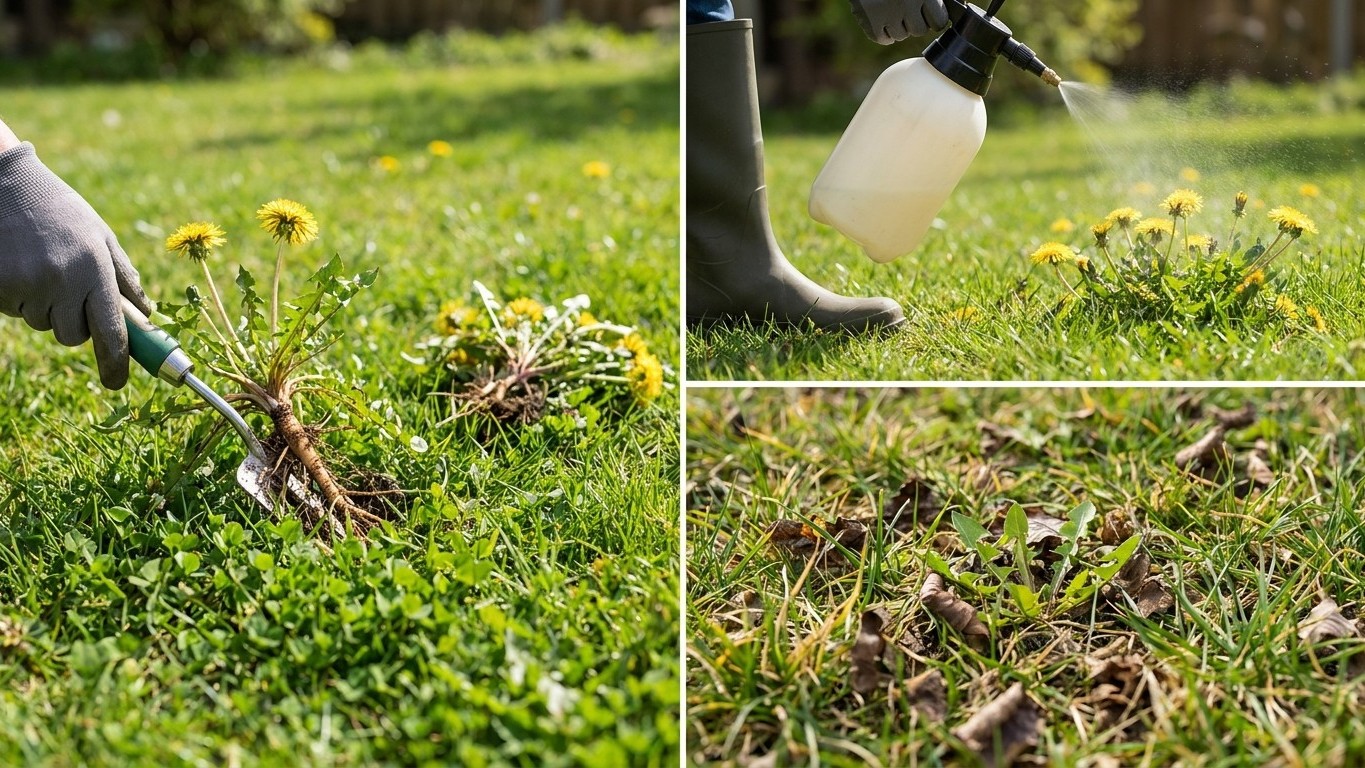
How to identify dandelion for certain, why it took hold, and the pulling, spraying, and turf-thickening steps that actually keep it from coming back.
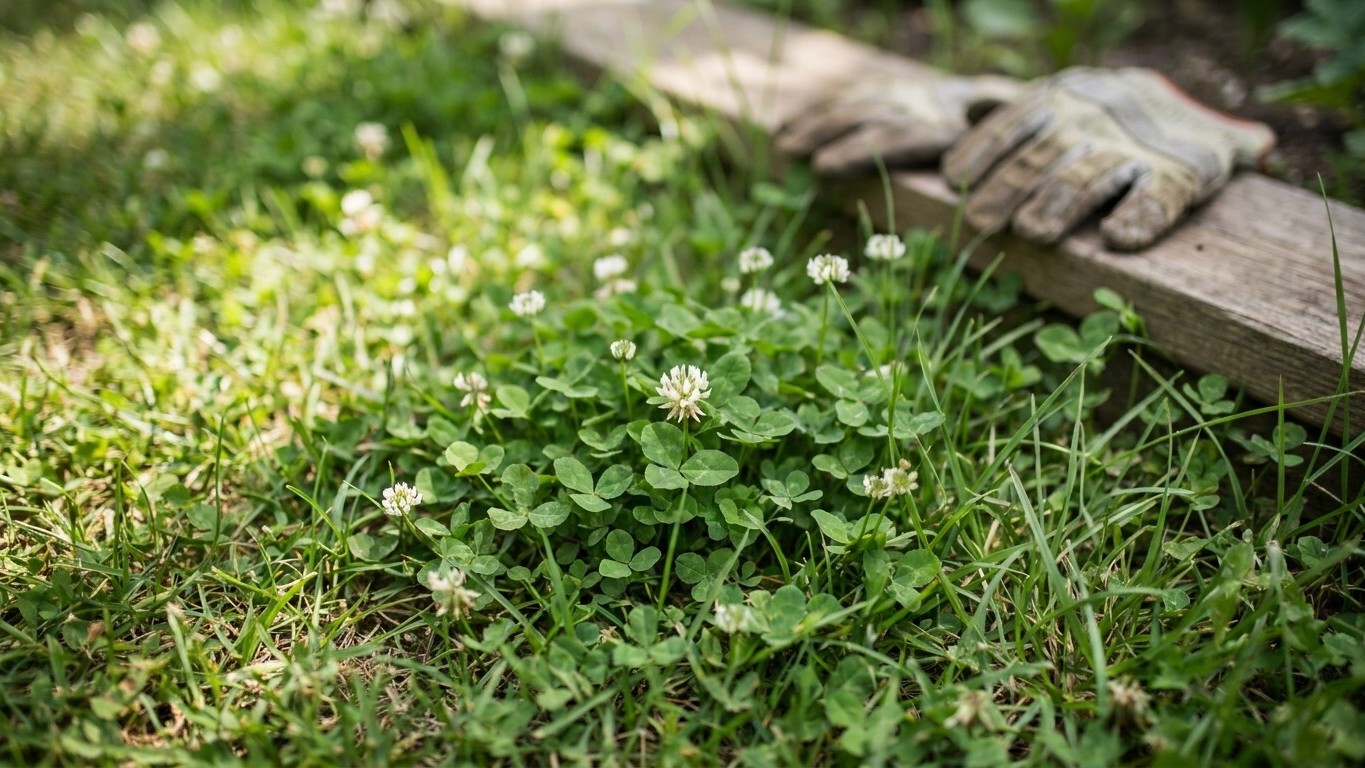
Clover spreads fastest in thin, low-nitrogen lawns, and pulling it or spraying it does little unless the turf itself gets thicker.
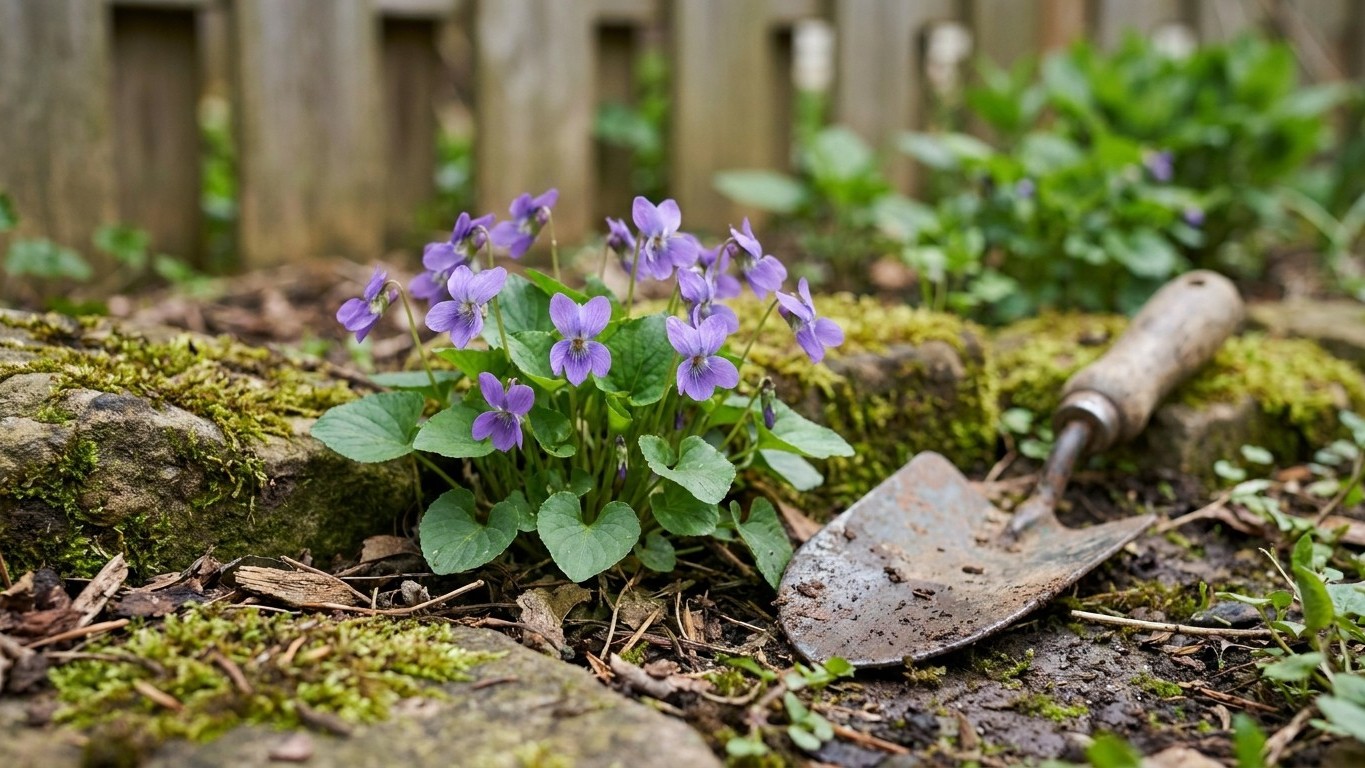
Wild violet spreads by rhizome and flowers that never open, so pulling alone rarely removes it, and most treatments need repeating.