Skip to content

The Homestead Post

Home & garden, state by state

  • Home
  • Garden
    • Flowers
    • Lawn
    • Soil & Compost
    • Trees & Shrubs
    • Vegetables
  • Home Care
    • Electrical
    • Foundations
    • HVAC
    • Plumbing
    • Roofing
  • Energy
    • Heating & Cooling
    • Insulation
    • Rebates & Credits
    • Solar
  • Pests
    • Ants
    • Mosquitoes
    • Rodents
    • Termites
    • Ticks
  • Decor
    • Bedrooms
    • Kitchens
    • Living Rooms
    • Outdoor Spaces
  • DIY
    • Repairs
    • Tools
    • Weekend Projects
  • State Guides
    • Northeast
      • Connecticut
      • Maine
      • Massachusetts
      • New Hampshire
      • New Jersey
      • New York
      • Pennsylvania
      • Rhode Island
      • Vermont
    • Southeast
      • Alabama
      • Arkansas
      • Delaware
      • Florida
      • Georgia
      • Kentucky
      • Louisiana
      • Maryland
      • Mississippi
      • North Carolina
      • South Carolina
      • Tennessee
      • Virginia
      • West Virginia
    • Midwest
      • Illinois
      • Indiana
      • Iowa
      • Kansas
      • Michigan
      • Minnesota
      • Missouri
      • Nebraska
      • North Dakota
      • Ohio
      • South Dakota
      • Wisconsin
    • Southwest
      • Arizona
      • New Mexico
      • Oklahoma
      • Texas
    • West
      • Alaska
      • California
      • Colorado
      • Hawaii
      • Idaho
      • Montana
      • Nevada
      • Utah
      • Wyoming
    • Pacific Northwest
      • Oregon
      • Washington
    • Canada
      • Alberta
      • British Columbia
      • Manitoba
      • New Brunswick
      • Newfoundland and Labrador
      • Northwest Territories
      • Nova Scotia
      • Nunavut
      • Ontario
      • Prince Edward Island
      • Quebec
      • Saskatchewan
      • Yukon

A Lawn That Will Not Grow: Working Through the Four Causes
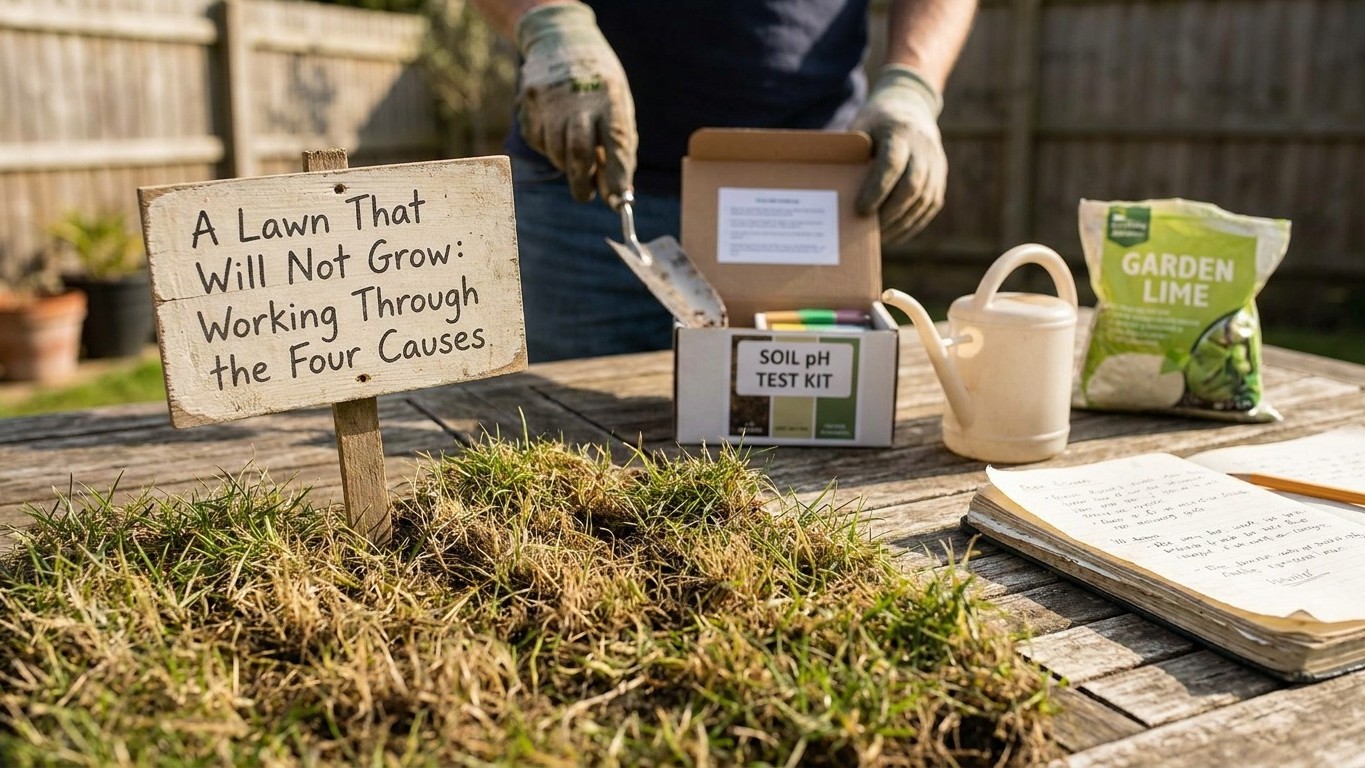
A Lawn That Will Not Grow: Working Through the Four Causes

A lawn that stops growing usually has one of four fixable causes: wrong mowing height, a mismatched grass species, poor feeding timing, or normal seasonal dormancy.
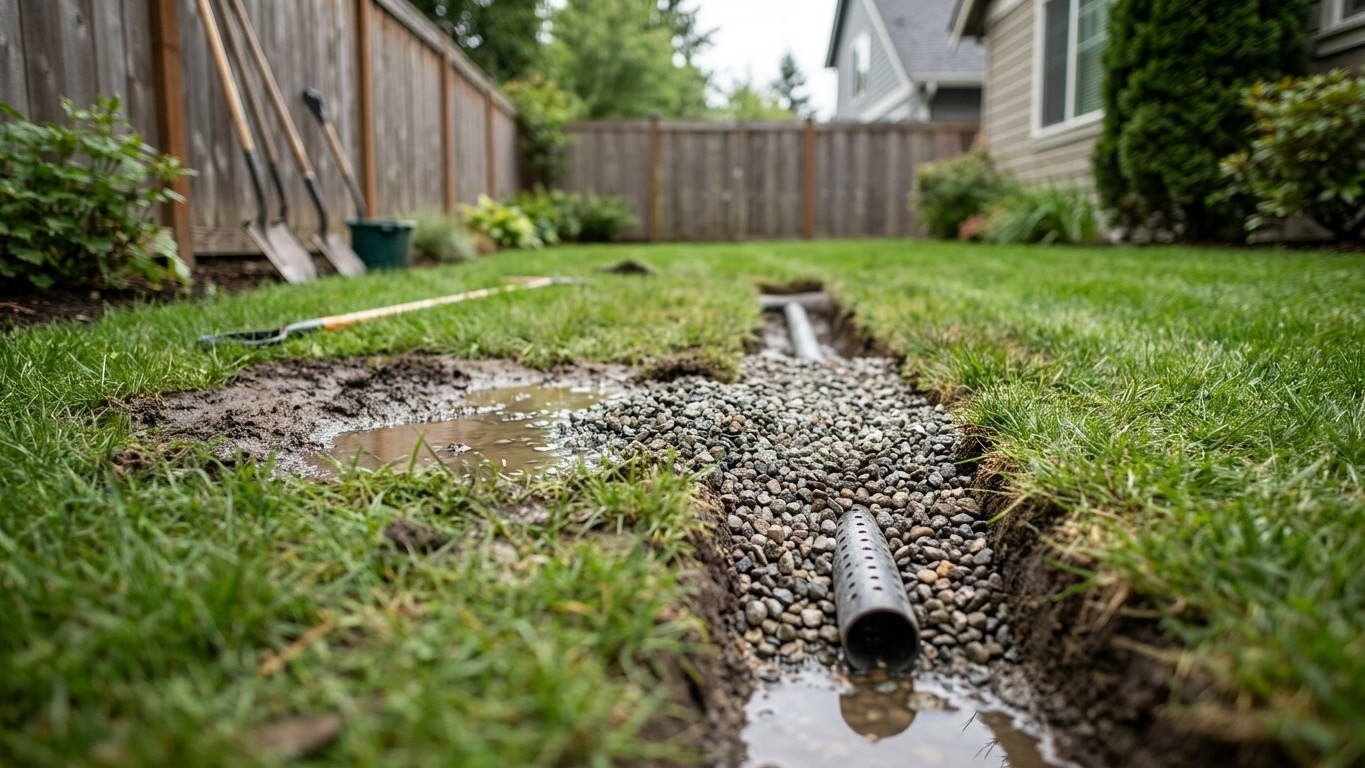
Standing Water on a Lawn: Drainage Fixes That Actually Hold

Standing Water on a Lawn: Drainage Fixes That Actually Hold

A practical breakdown of why lawns pool water, how to tell it apart from disease or grub damage, and the grading, aeration, and drainage fixes that hold.
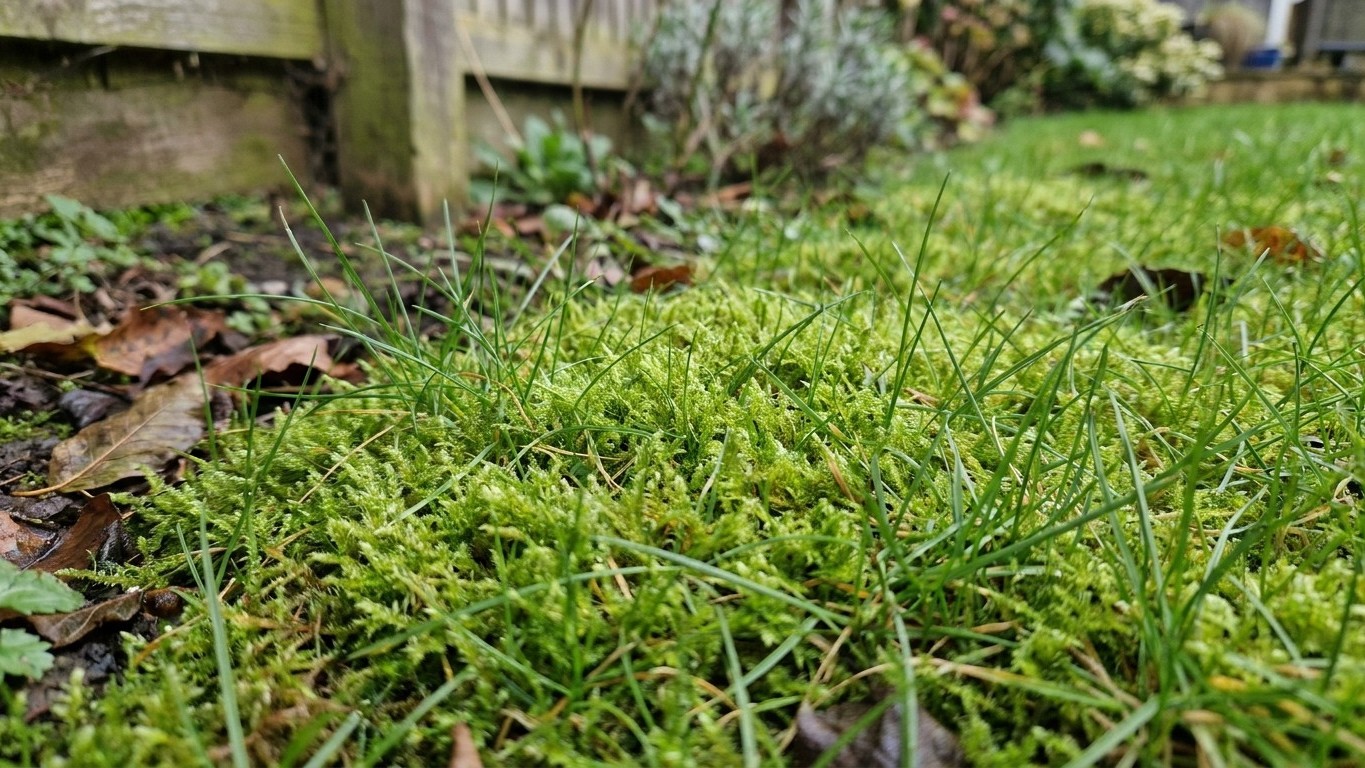
Moss in a Lawn: What It Tells You About the Soil Underneath

Moss in a Lawn: What It Tells You About the Soil Underneath

Moss in a lawn signals thin turf, not disease. Learn to read the shape, rule out look-alikes, and fix the shade or drainage cause.
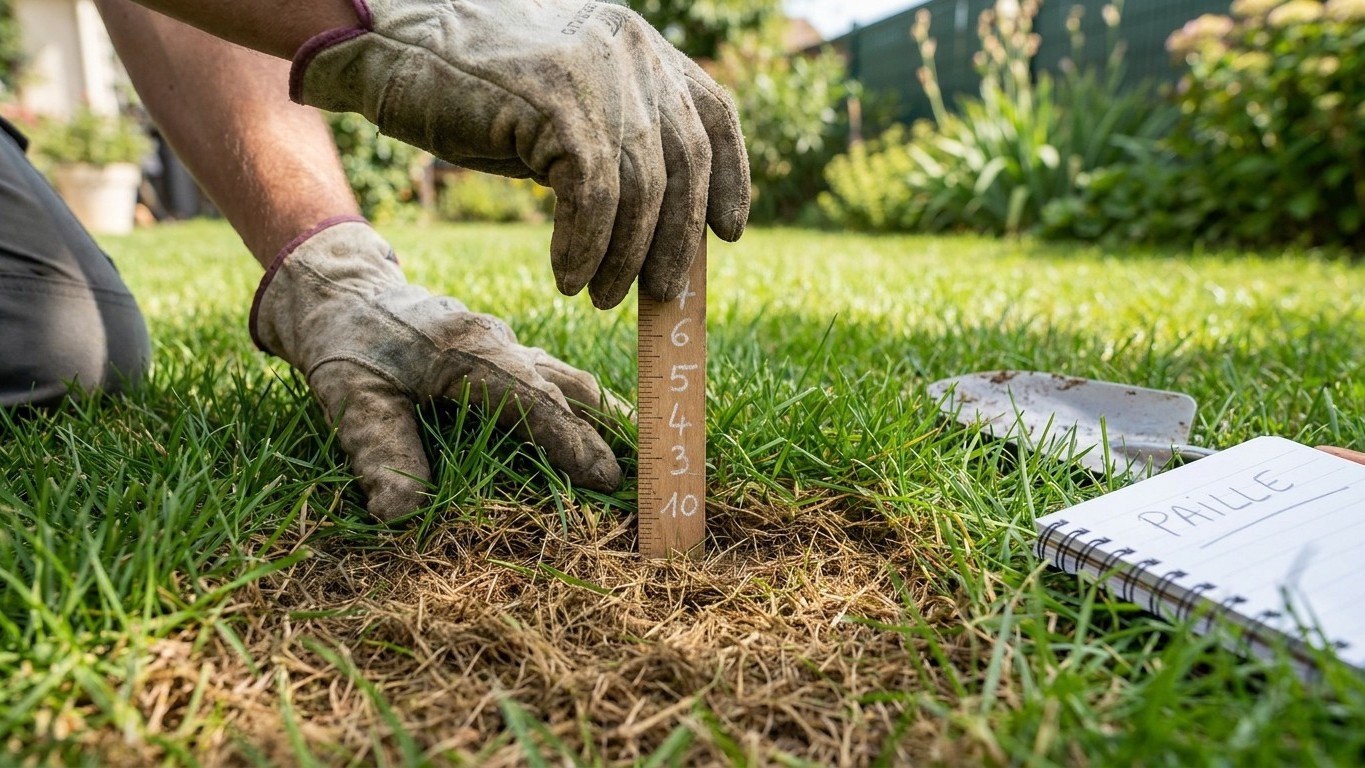
Thatch: How to Measure It Before You Decide to Remove It

Thatch: How to Measure It Before You Decide to Remove It

Cutting a small plug of turf and measuring the thatch layer with a ruler tells you whether your lawn needs dethatching.
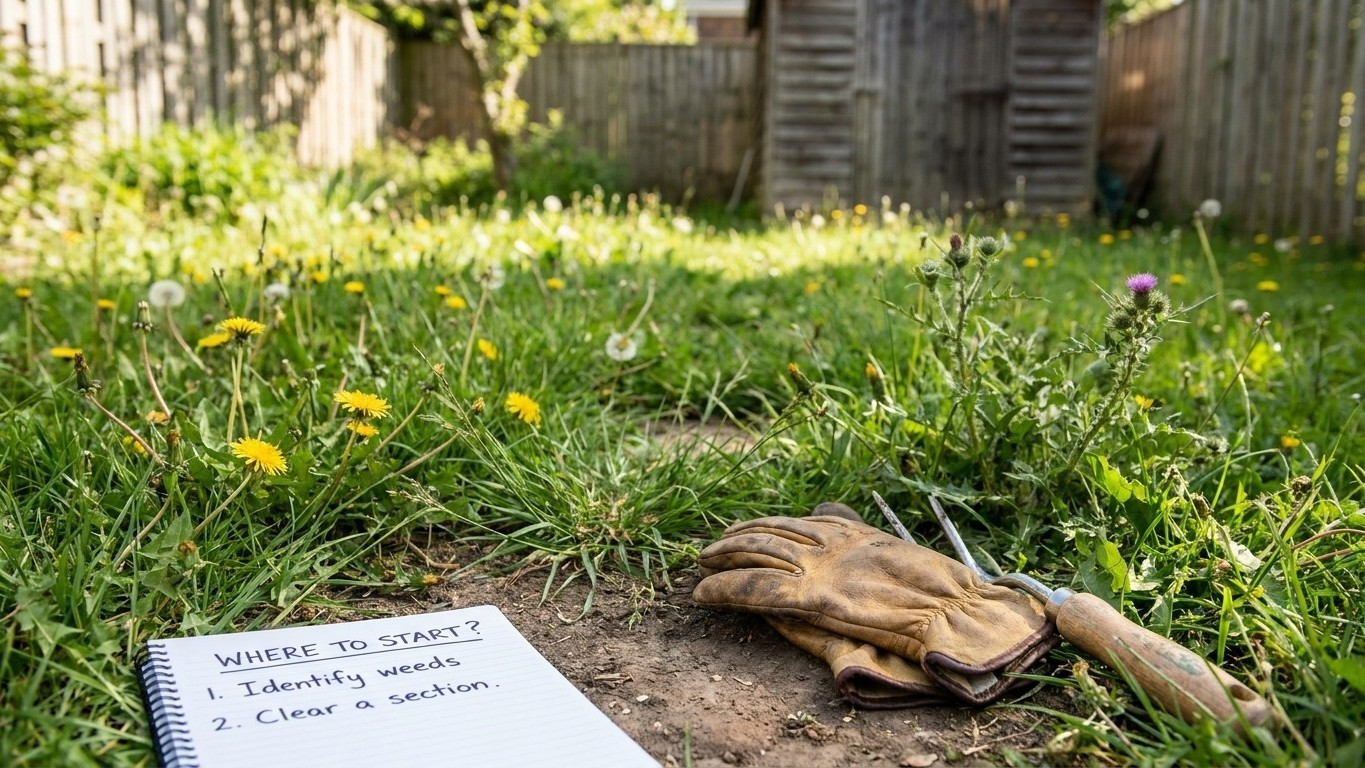
A Lawn Taken Over by Weeds: Where to Start

A Lawn Taken Over by Weeds: Where to Start

Learn to read a weedy lawn’s pattern, rule out grubs and disease, and fix the mowing or watering habit that let weeds move in.
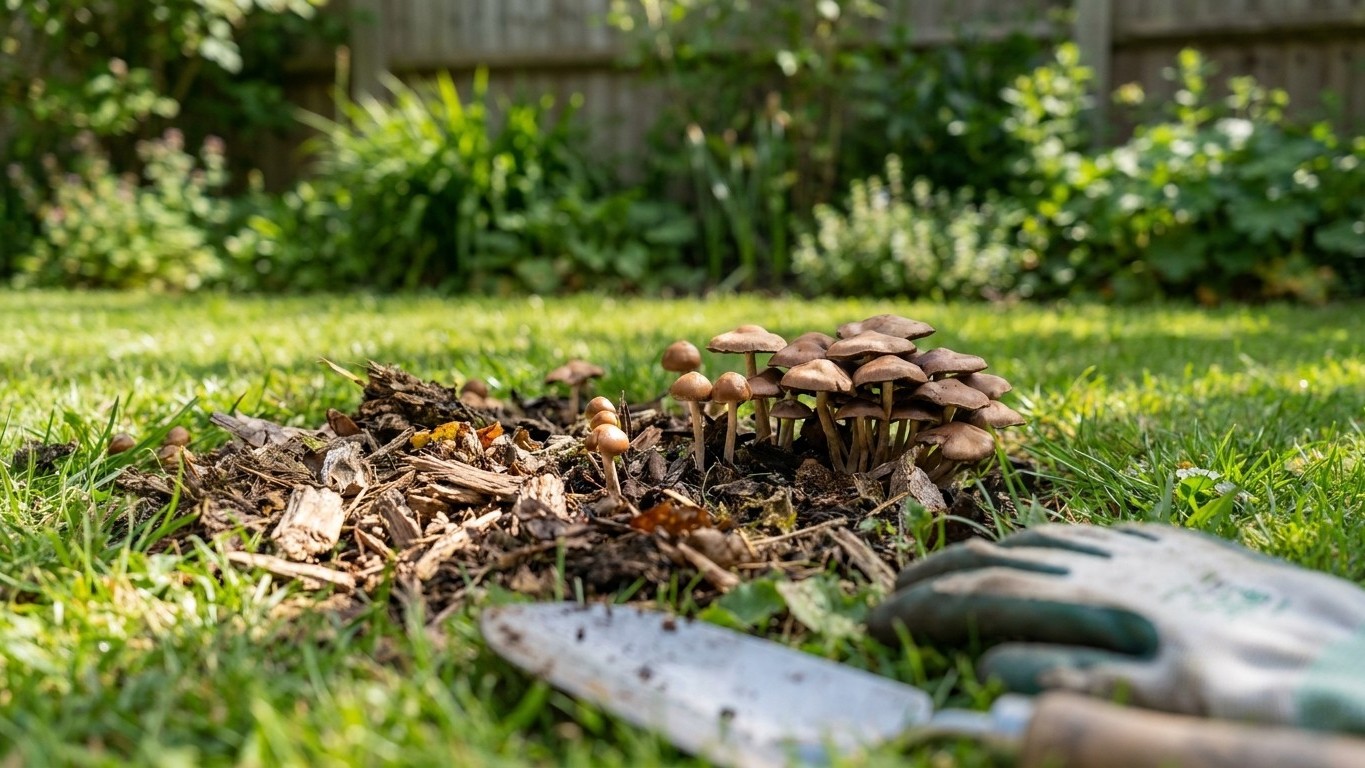
Mushrooms in a Lawn: What They Are Feeding On

Mushrooms in a Lawn: What They Are Feeding On

Lawn mushrooms are fungi decomposing buried organic matter rather than a sign of grass disease, explained by ring shape, thatch buildup and recent rain.
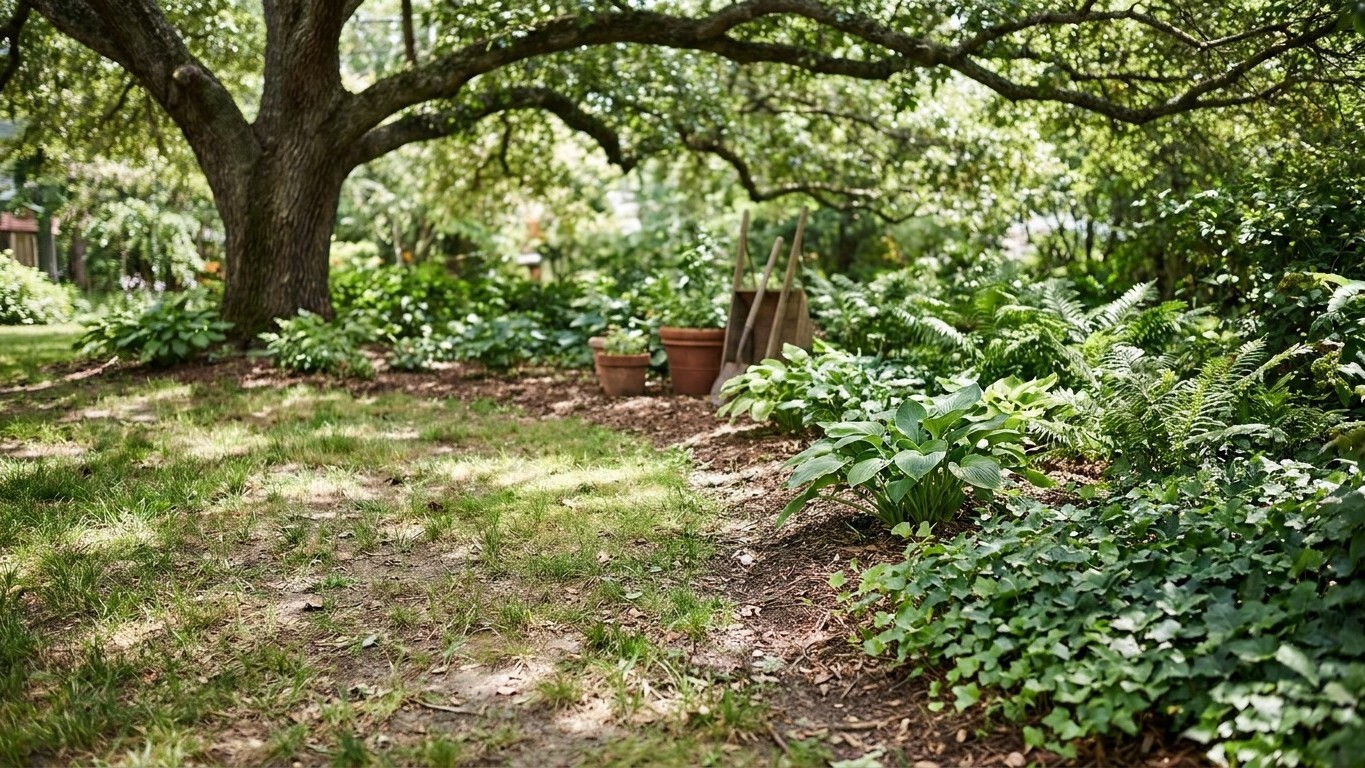
Grass That Thins Under Trees: What Will Actually Grow There

Grass That Thins Under Trees: What Will Actually Grow There

Grass under trees thins because of shade and root competition, not disease. Here’s what to plant, what to fix, and what to leave alone.
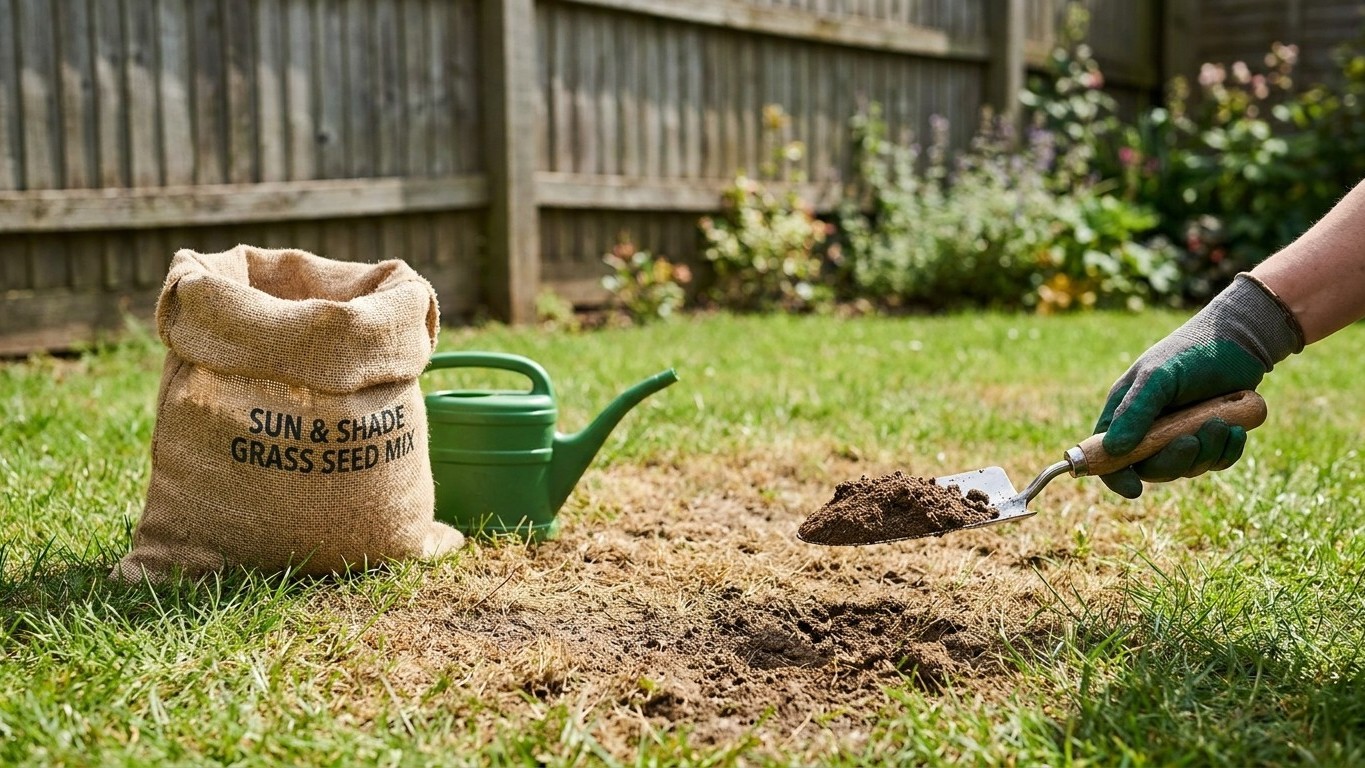
Bare Spots in a Lawn: Why They Appear and How to Close Them

Bare Spots in a Lawn: Why They Appear and How to Close Them

Bare spots in a lawn form in circles, lines, or drifts, and the shape usually reveals whether the cause is grubs, disease, urine, or mowing damage.
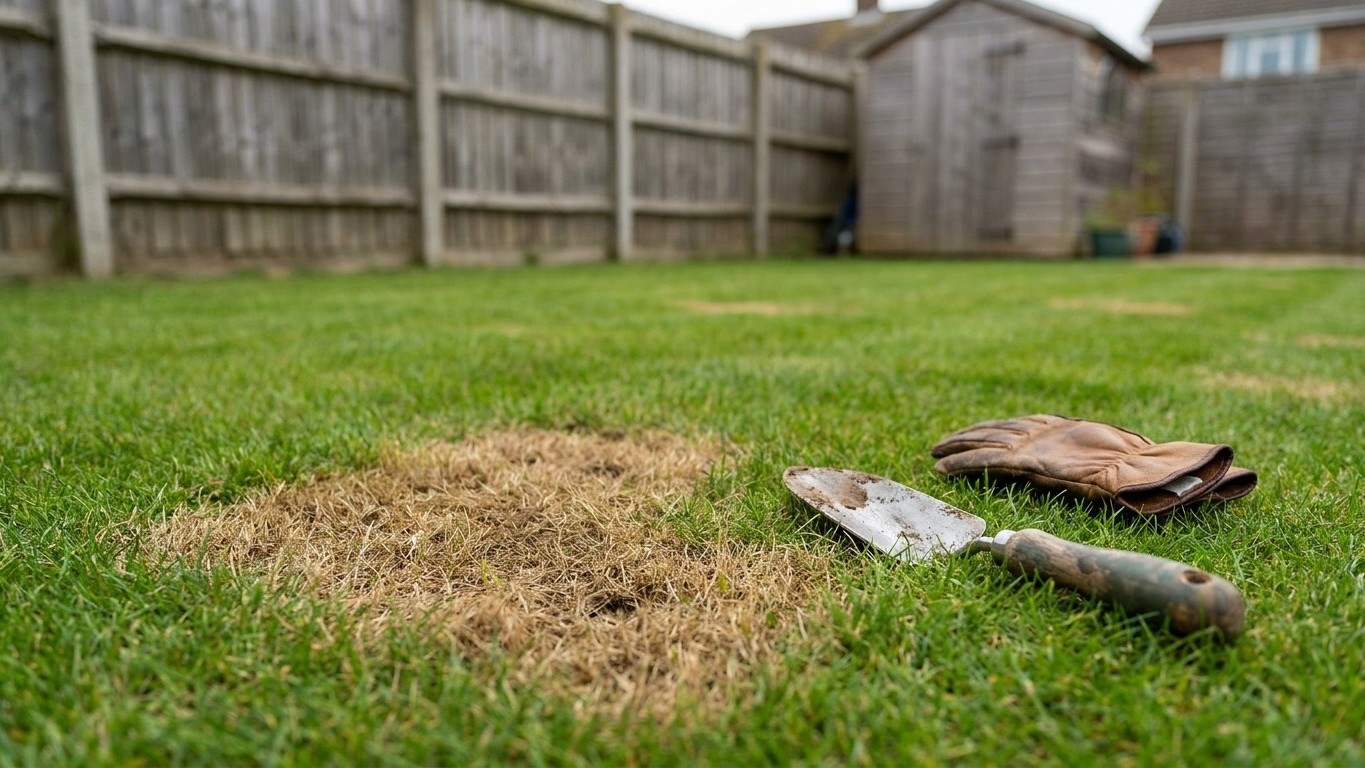
Brown Patches in a Lawn: Reading the Shape to Find the Cause

Brown Patches in a Lawn: Reading the Shape to Find the Cause

Learn to read a brown patch’s shape, edges, and spread pattern to tell fungus, grubs, dog urine, drought, and mower damage apart before treating your lawn.
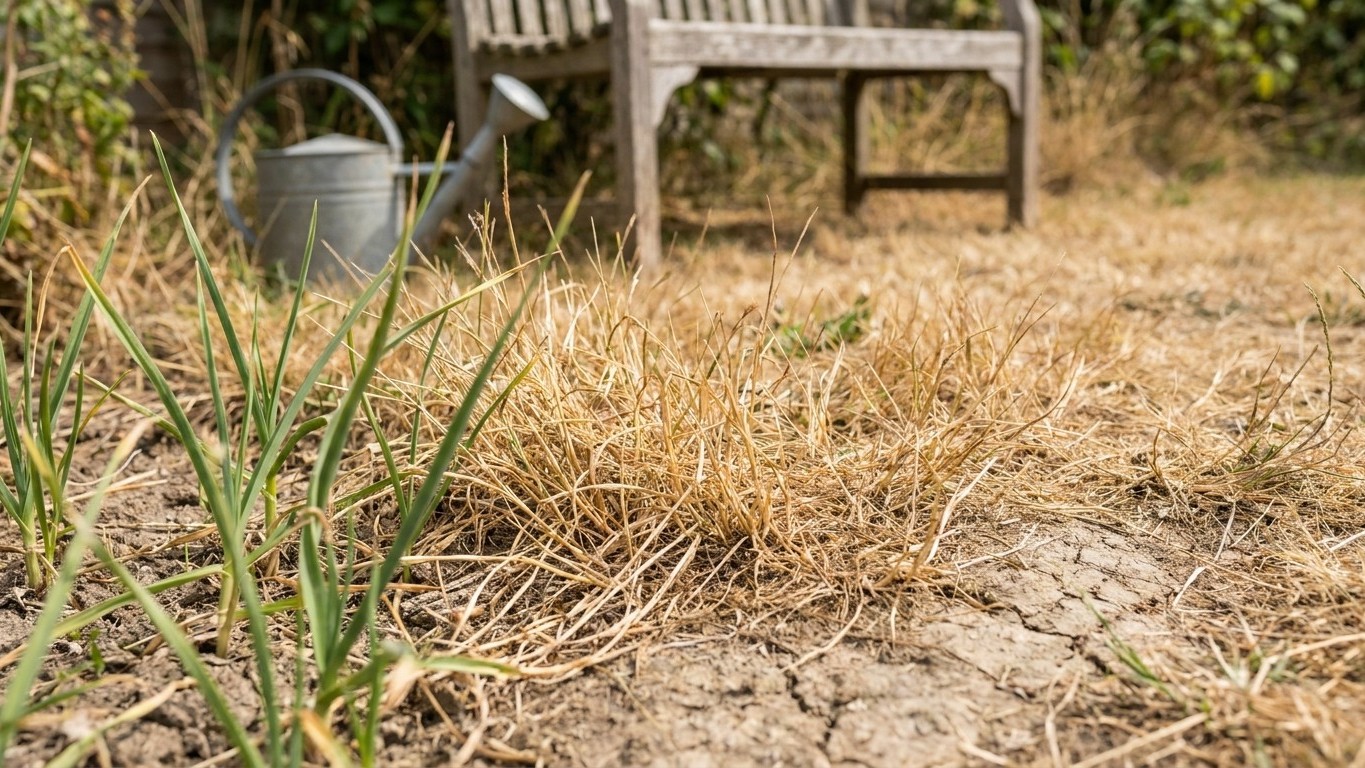
Drought-Stressed Grass: Telling Dormancy From Death

Drought-Stressed Grass: Telling Dormancy From Death

Learn to tell a dormant lawn from a dead one using a simple root tug test before you water, fertilize or reseed anything.

Older posts
Newer posts
← Previous Page1 … Page827 Page828 Page829 … Page890 Next →

The Homestead Post

Home and garden advice with the numbers attached — written for your climate, your season and your local rules.

Sections

  • Garden
  • Home Care
  • Energy
  • Pests
  • Decor
  • DIY

Popular states

  • California
  • Texas
  • Florida
  • New York
  • Pennsylvania
  • Ohio
  • Georgia
  • North Carolina
  • All states →

The Post

  • About us
  • Contact
  • Editorial guidelines
  • Affiliate disclosure
  • Privacy policy
  • Terms of use
© 2026 The Homestead Post·Home & garden, state by state