What to Plant in Hawaii in September
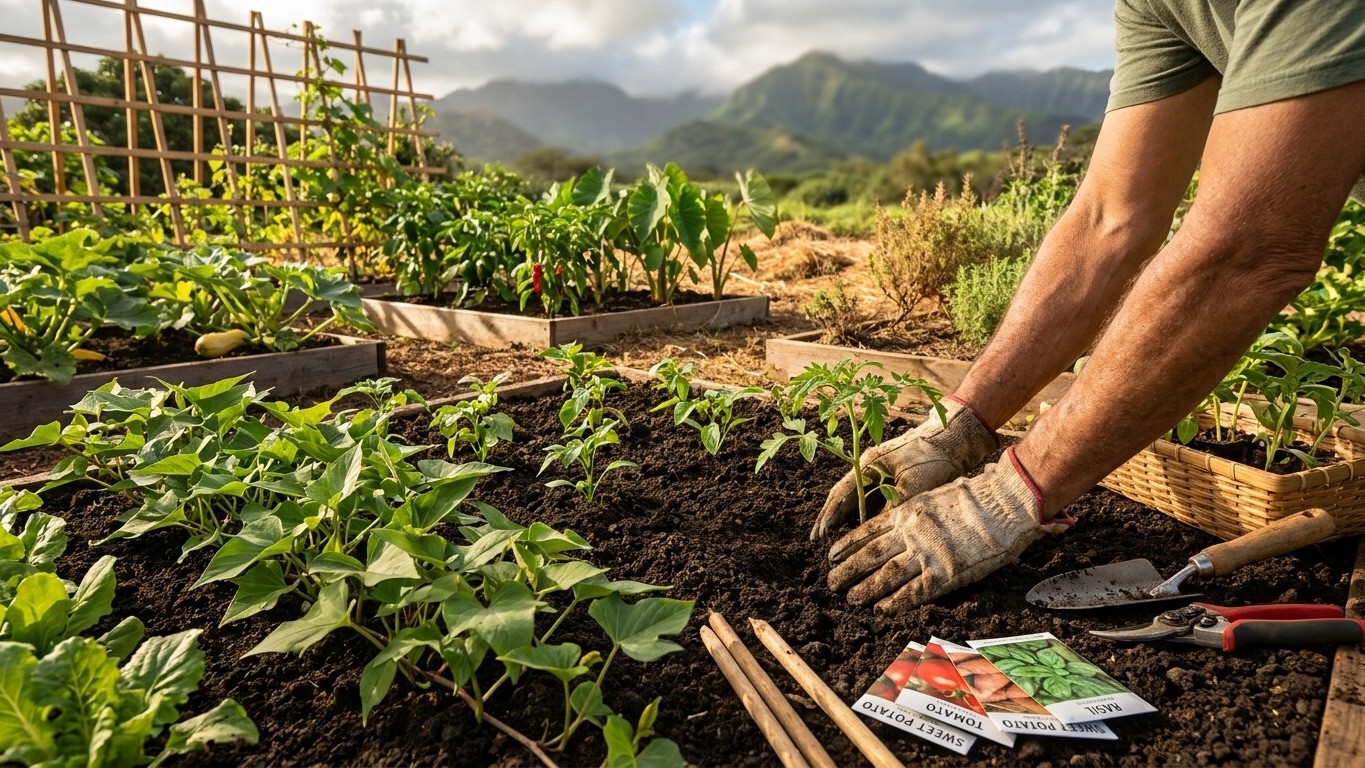
September in Hawaii means planting continues almost exactly as it did in August: warm-season vegetables, tropical roots and vine crops go into the ground…
Home & garden, state by state
Everything we have worked out for Hawaii: what to plant and when, which varieties finish in time, the pests that actually turn up here, and the jobs that pay off month by month. We also cover the rest of the property, from lawns and soil to home care and energy, because a garden rarely stops at the vegetable bed.
The numbers first, because everything else follows from them. Measured at the weather station in Honolulu, the last spring freeze falls around no freeze occurs in inhabited areas and the first fall freeze falls around no freeze occurs in inhabited areas, USDA zones 9a-13a, 9,934 growing degree days in the year.
Heat, not frost, is what shortens the season here: above 86 °F tomato pollen goes sterile, so growers run a spring crop and an autumn one rather than a single long season. Garlic is the awkward one: only 0 weeks below 40 °F, where it needs six to split into cloves. Chill the cloves before planting, or grow a softneck type.
Elsewhere on the property in Hawaii: the pests that turn up here.
Figures from NOAA's 1991-2020 climate normals. A state is not one climate: elevation, a large lake or the coast can move these dates by two weeks either way, so check your own county with the extension service before you spend money.
September in Hawaii means planting continues almost exactly as it did in August: warm-season vegetables, tropical roots and vine crops go into the ground…
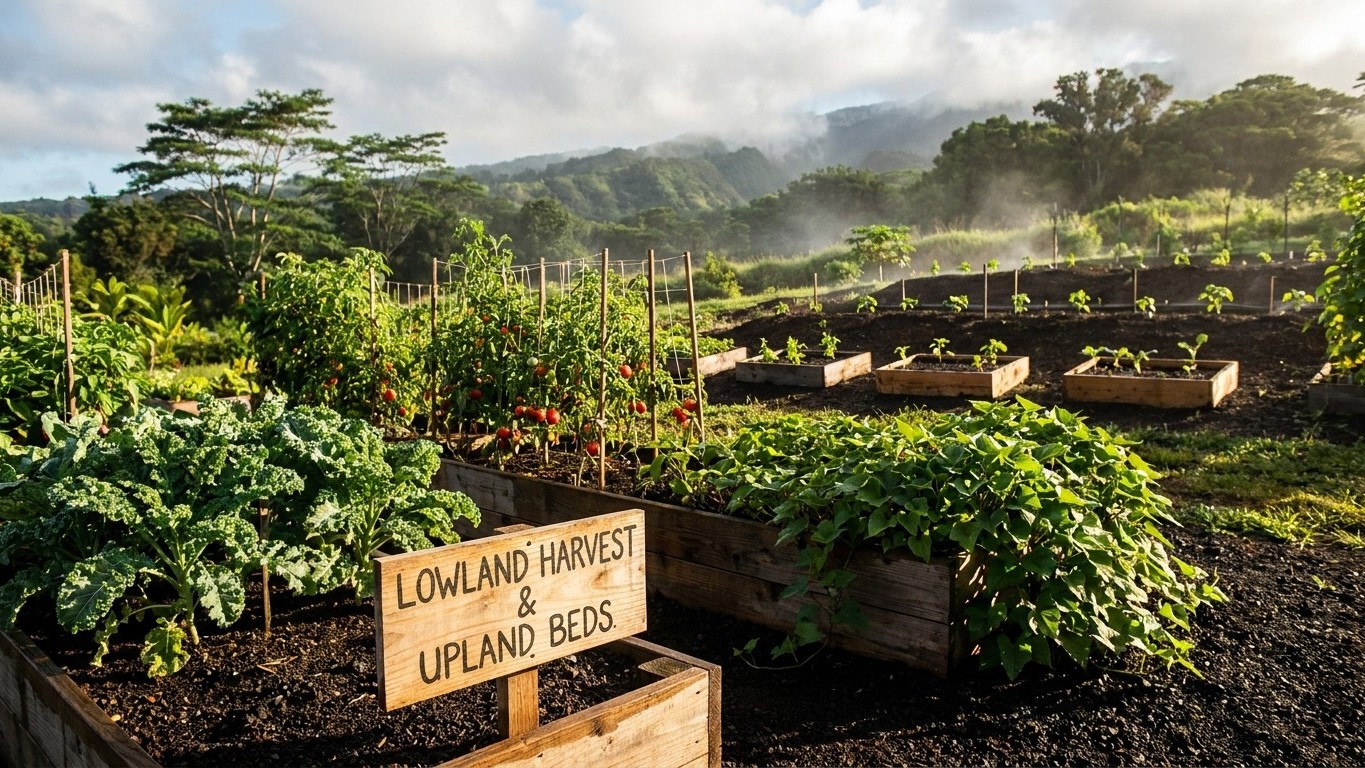
There’s no last-frost date to check before planting in Hawaii in October, because frost never touches the islands’ gardens.
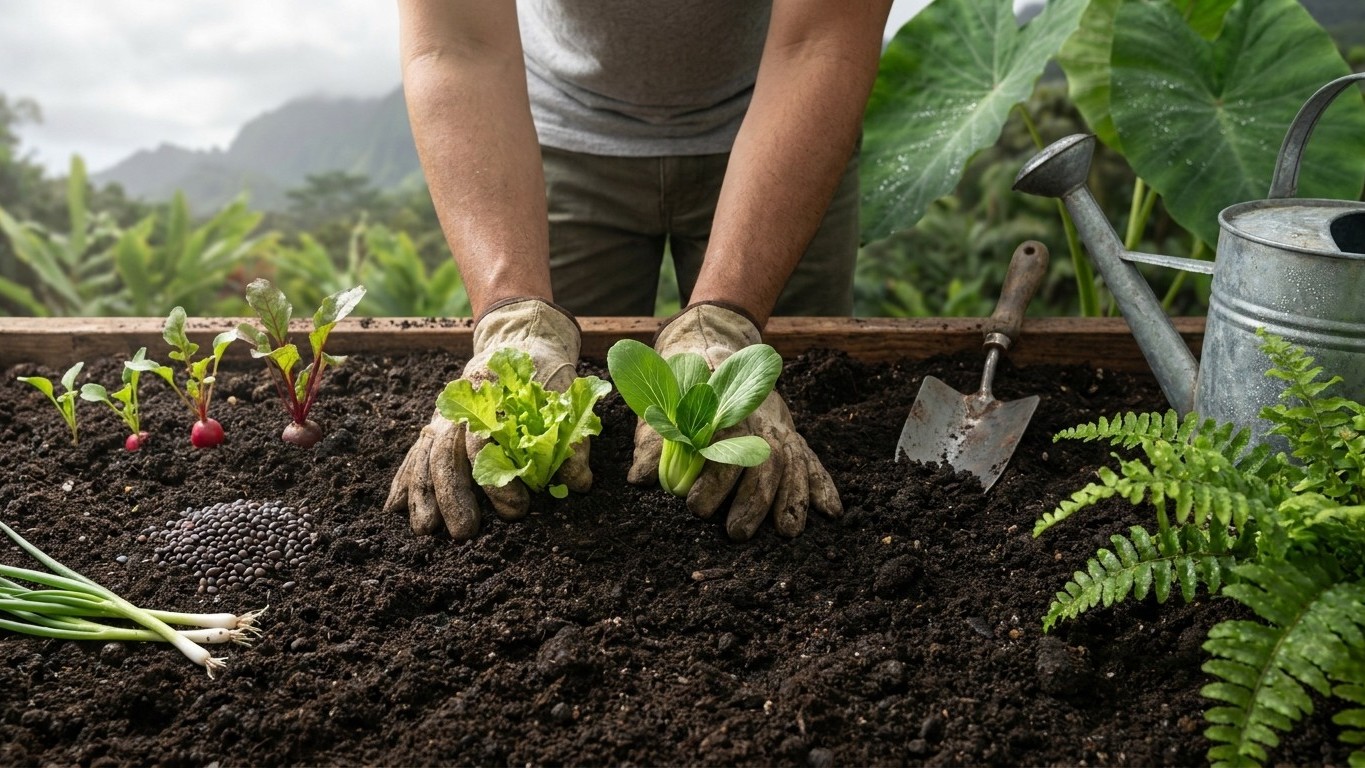
November is one of the better planting months in the Hawaiian Islands, not a lesser one.
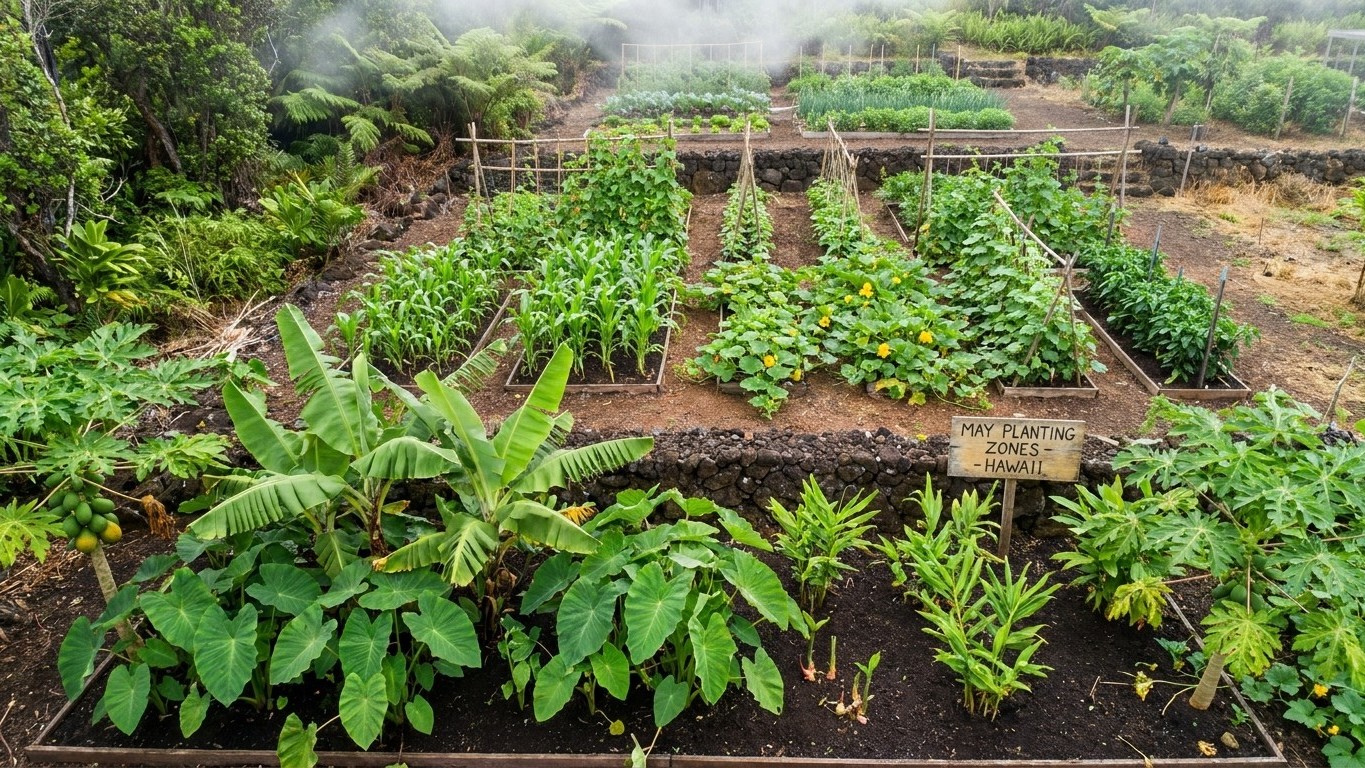
May sits at the hinge between Hawaii’s wetter months and its drier half, and that shift, not any frost date, is what decides the planting list.
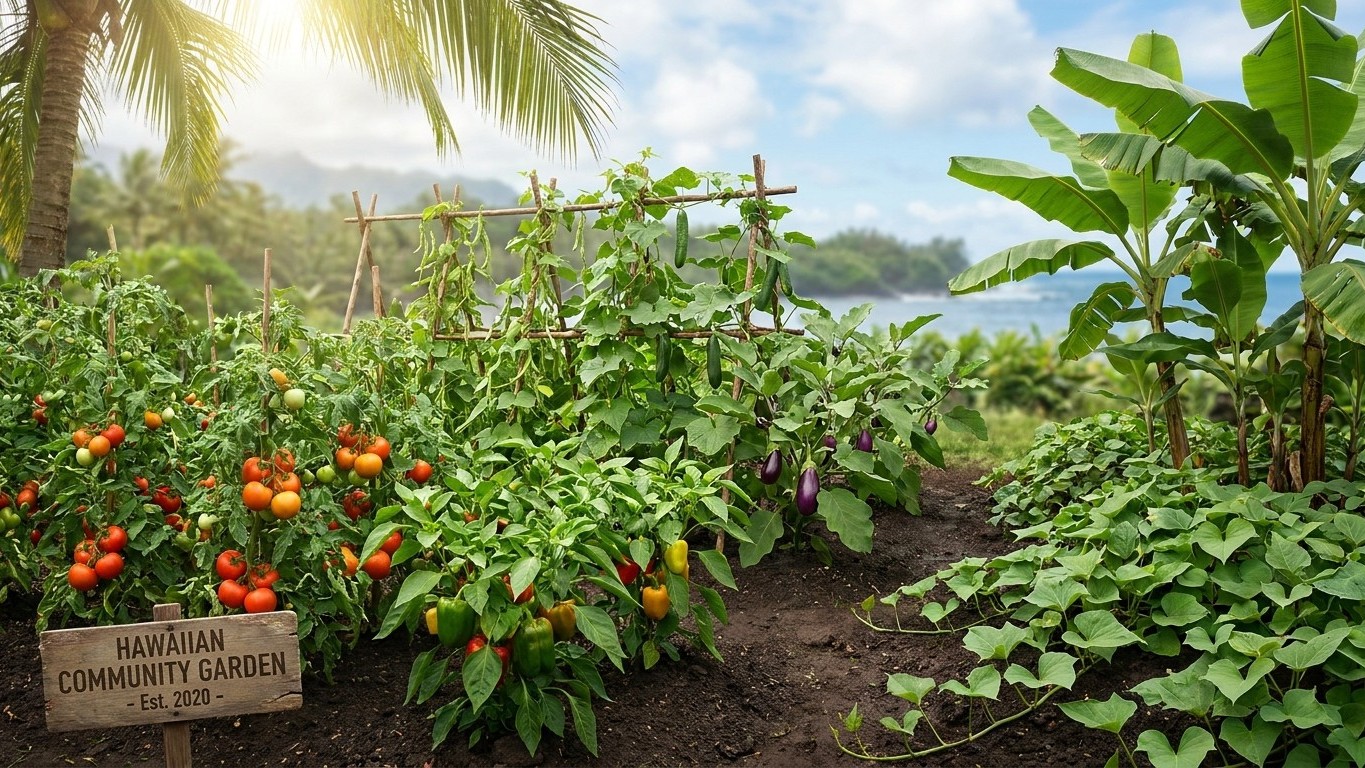
In Hawaii, March isn’t governed by a frost date because none exists in the places people garden.
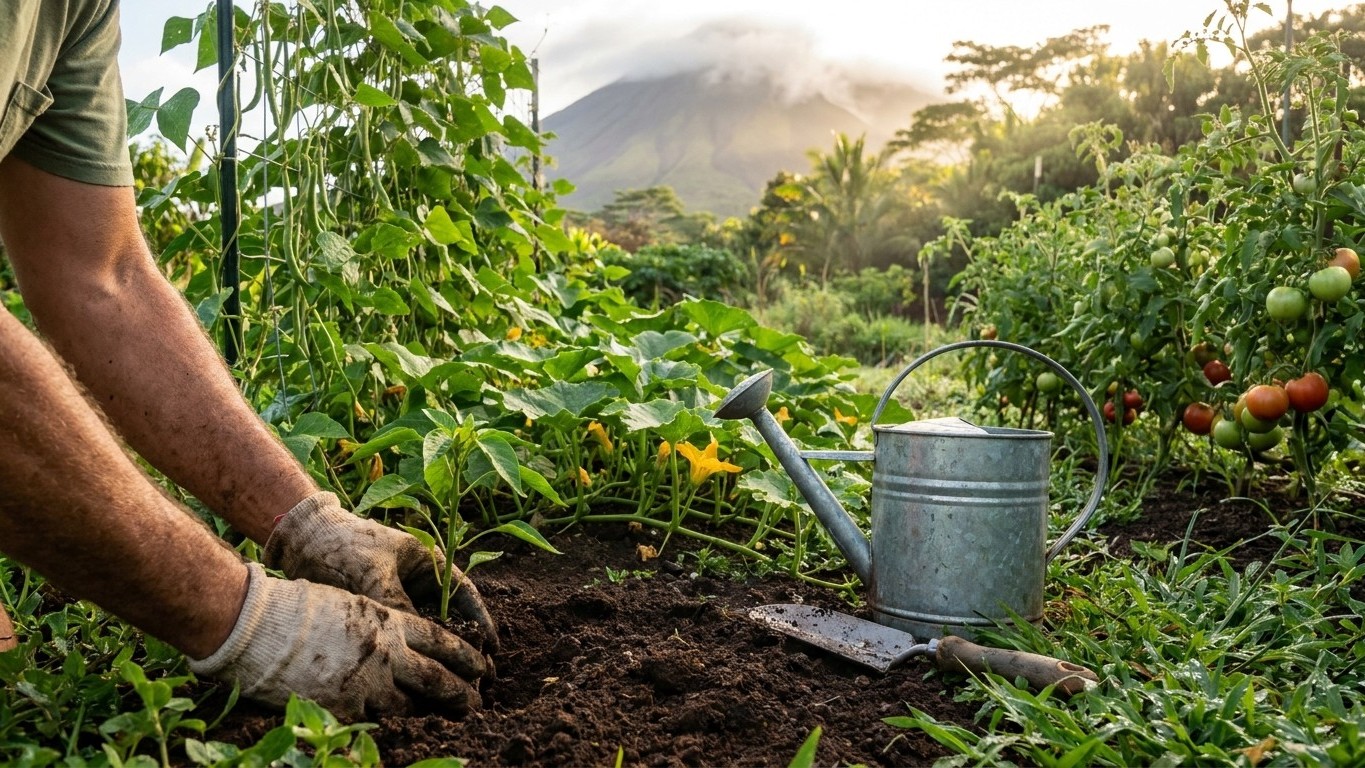
June puts Hawaii’s warm-season vegetables and tropical fruit starts into active growth almost everywhere in the state, but the calendar that actually…
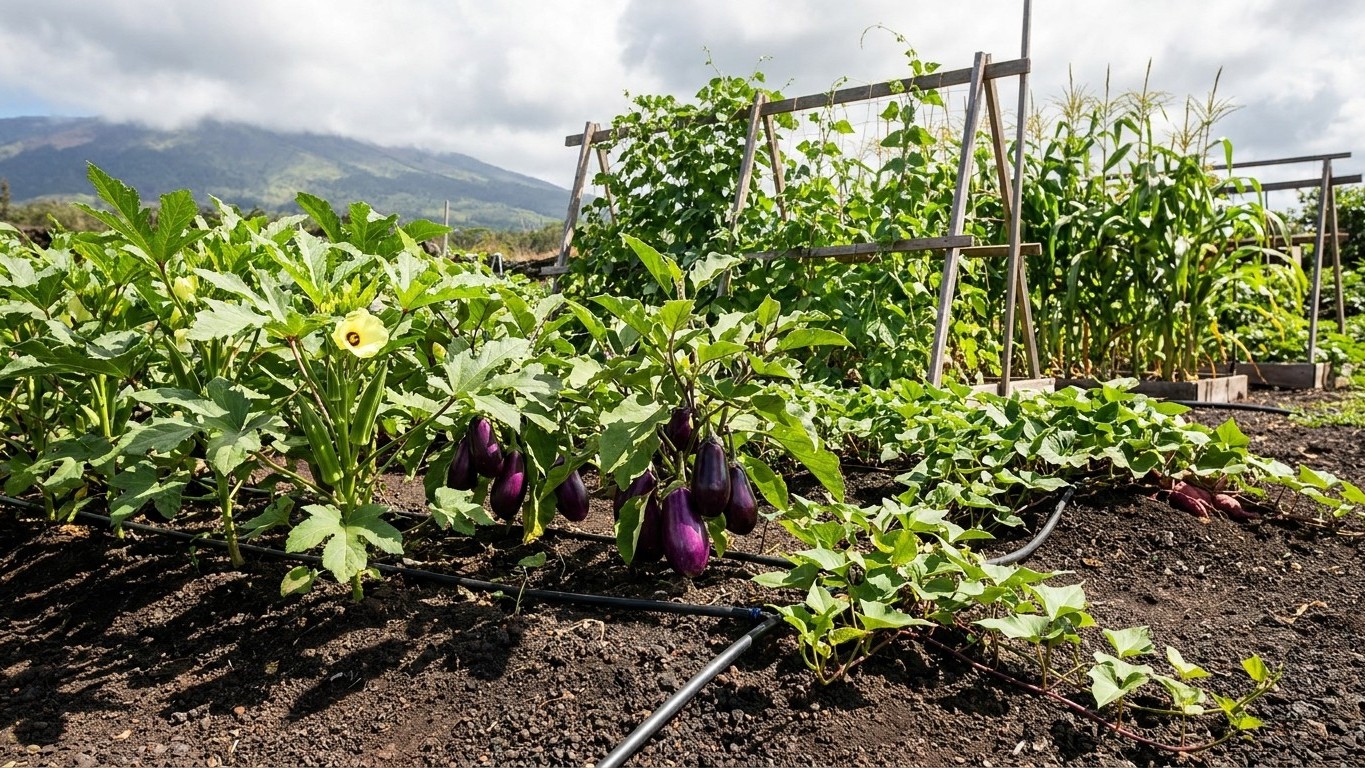
July in Hawaii isn’t ruled by a planting calendar tied to frost dates, because lowland Hawaii doesn’t have a frost season at all.
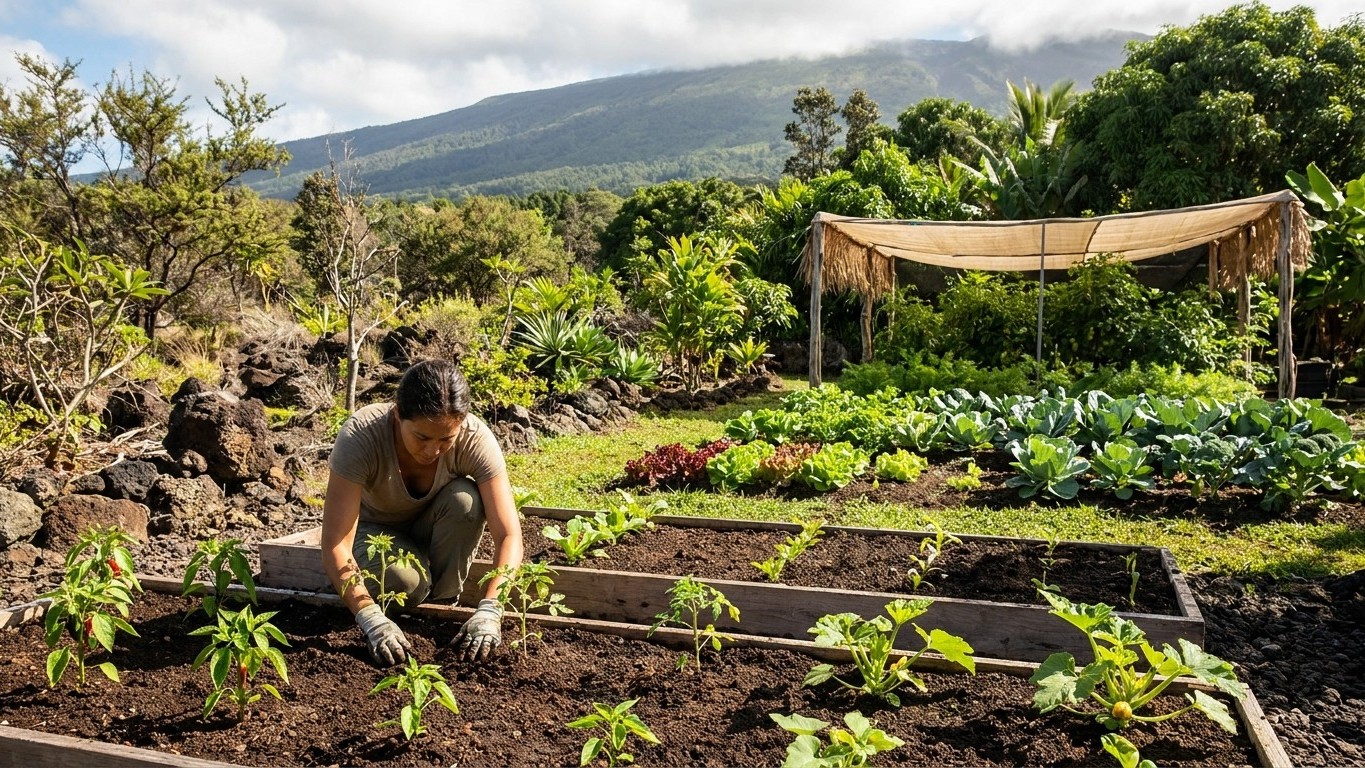
January in Hawaii isn’t a waiting month. There’s no frost line to clear, so the real question is elevation and rainfall exposure: warm-season vegetables…
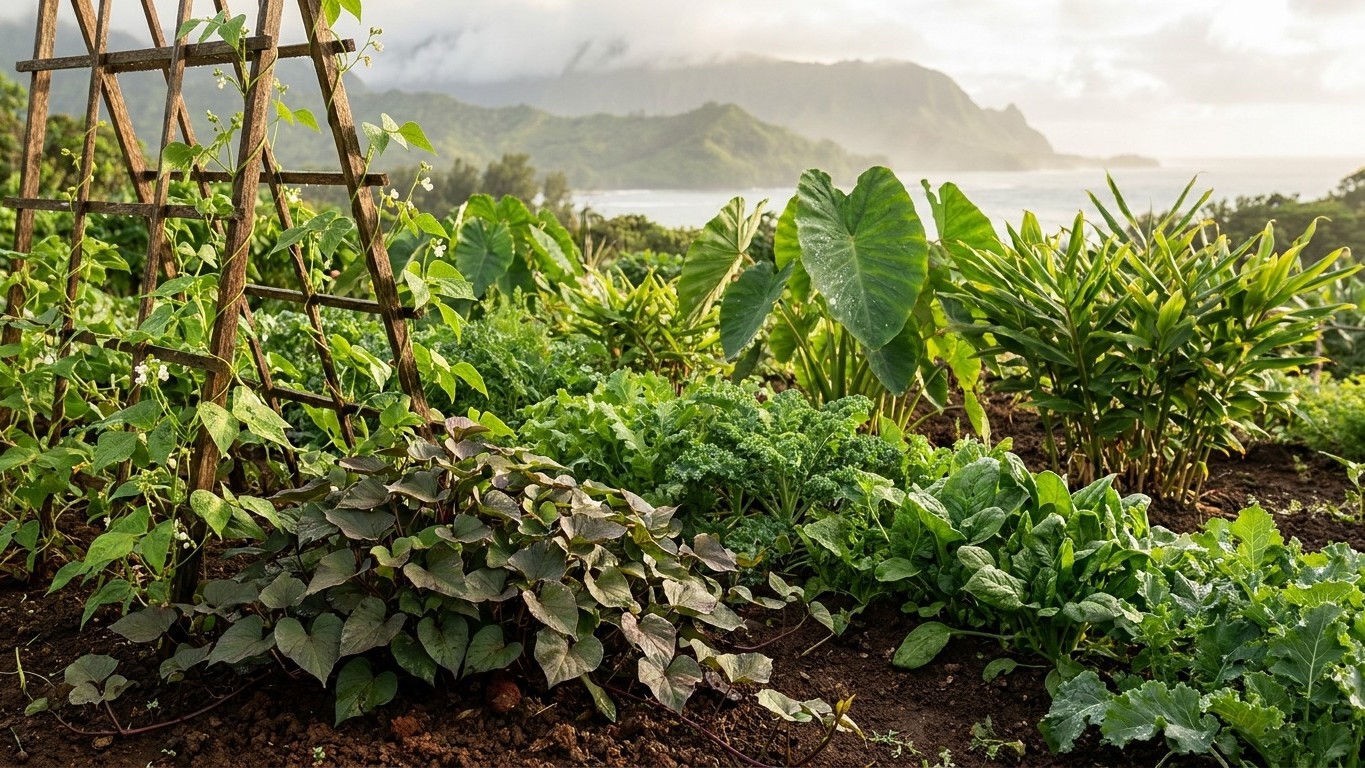
February in Hawaii isn’t governed by a last-frost date because there isn’t one anywhere people garden. The real question is elevation and rain exposure.
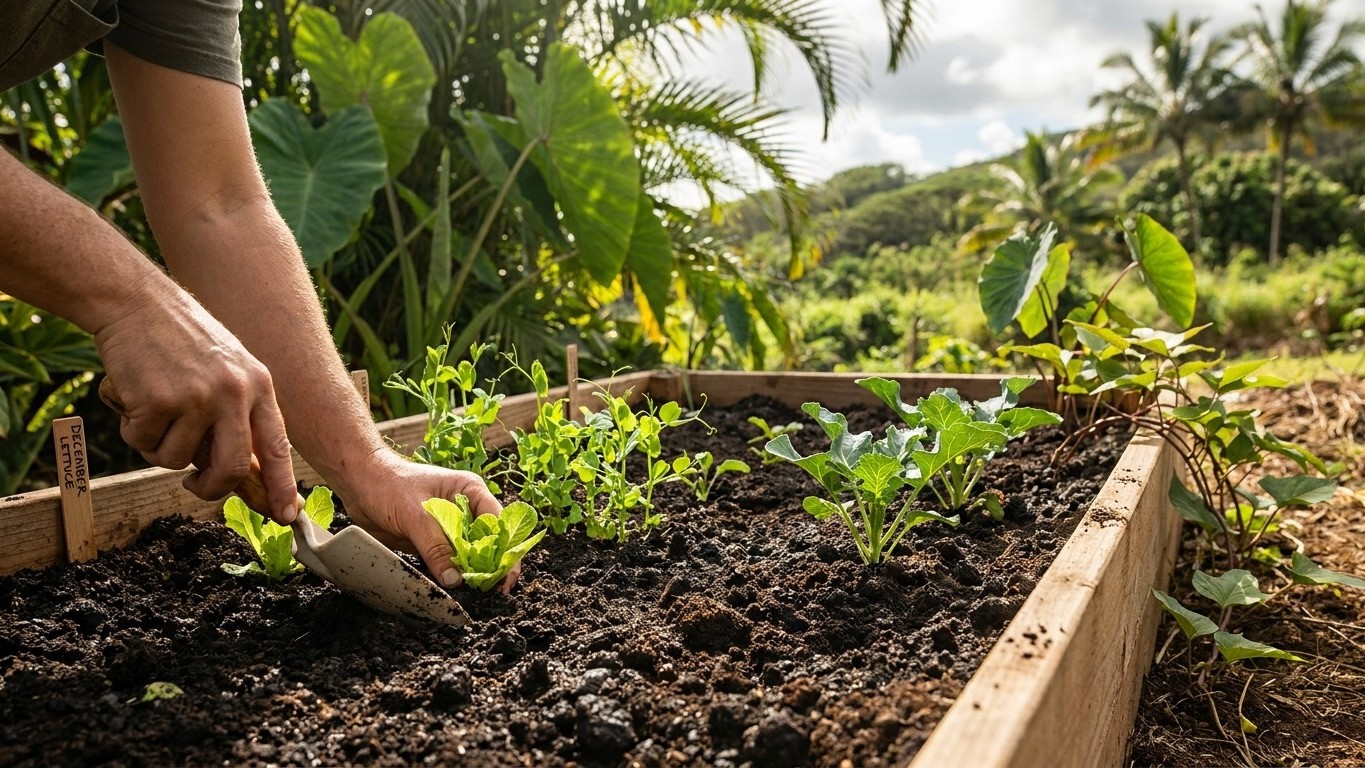
December is one of the best planting windows in Hawaii, not despite winter but because of it.