Growing Onions in Nevada: Which Varieties Actually Bulb
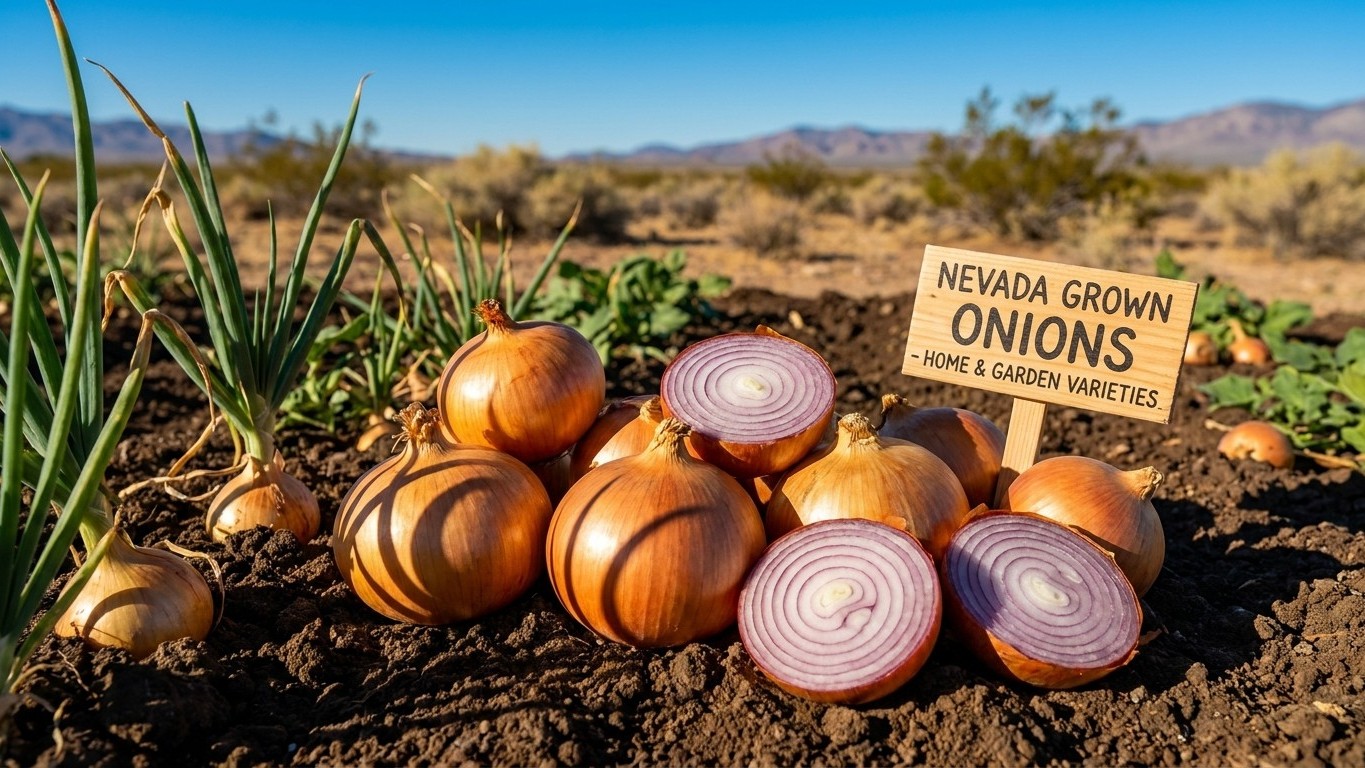
Onions bulb by day length, not by heat — and Nevada’s numbers put most of the state in intermediate-day territory, with a narrow band of short-day…
Home & garden, state by state
Everything we have worked out for Nevada: what to plant and when, which varieties finish in time, the pests that actually turn up here, and the jobs that pay off month by month. We also cover the rest of the property, from lawns and soil to home care and energy, because a garden rarely stops at the vegetable bed.
The numbers first, because everything else follows from them. Measured at the weather station in Las Vegas, the last spring freeze runs January 7 to February 1 and the first fall freeze runs December 8 to December 23, USDA zones 4a-10a, 6,694 growing degree days in the year.
Heat, not frost, is what shortens the season here: above 86 °F tomato pollen goes sterile, so growers run a spring crop and an autumn one rather than a single long season. Garlic does well: 8.7 weeks below 40 °F, comfortably past the six it needs to form a proper head.
Elsewhere on the property in Nevada: the pests that turn up here.
Figures from NOAA's 1991-2020 climate normals. A state is not one climate: elevation, a large lake or the coast can move these dates by two weeks either way, so check your own county with the extension service before you spend money.
Onions bulb by day length, not by heat — and Nevada’s numbers put most of the state in intermediate-day territory, with a narrow band of short-day…
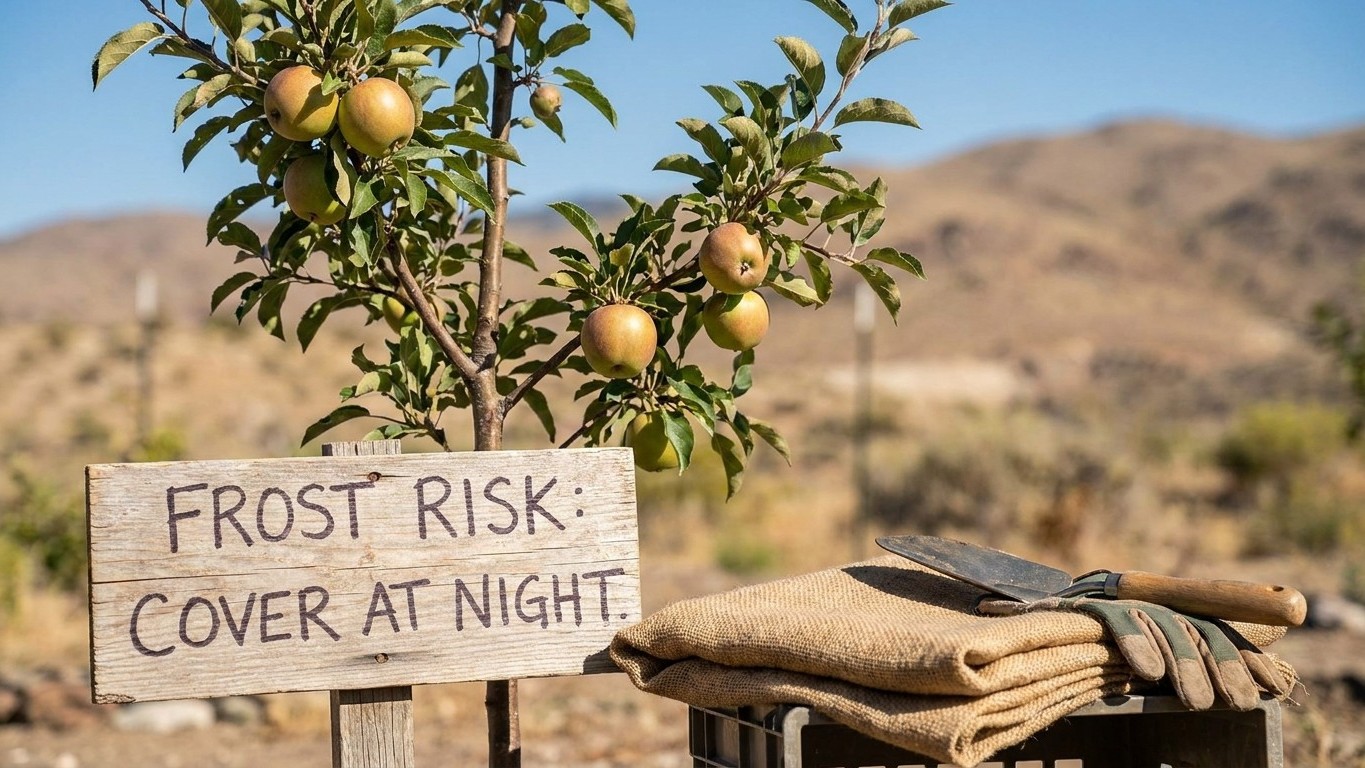
Nevada’s apple climate runs from cold mountain valleys to mild desert basins, and the right variety, pairing and frost timing depend on which one you’re in.
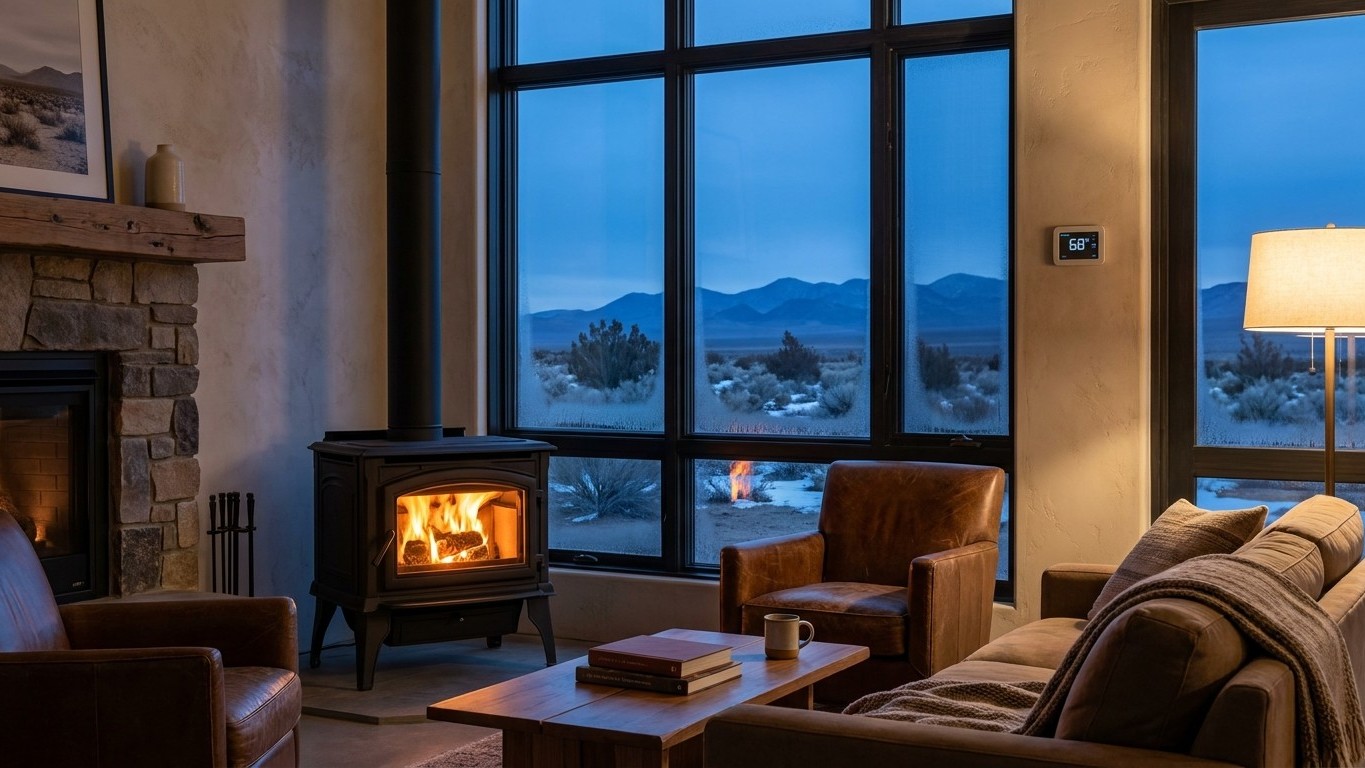
Winter in Nevada rarely feels brutal, but it lingers. The coldest month averages a nightly low of 39.6°F in the Las Vegas reference station, a figure…
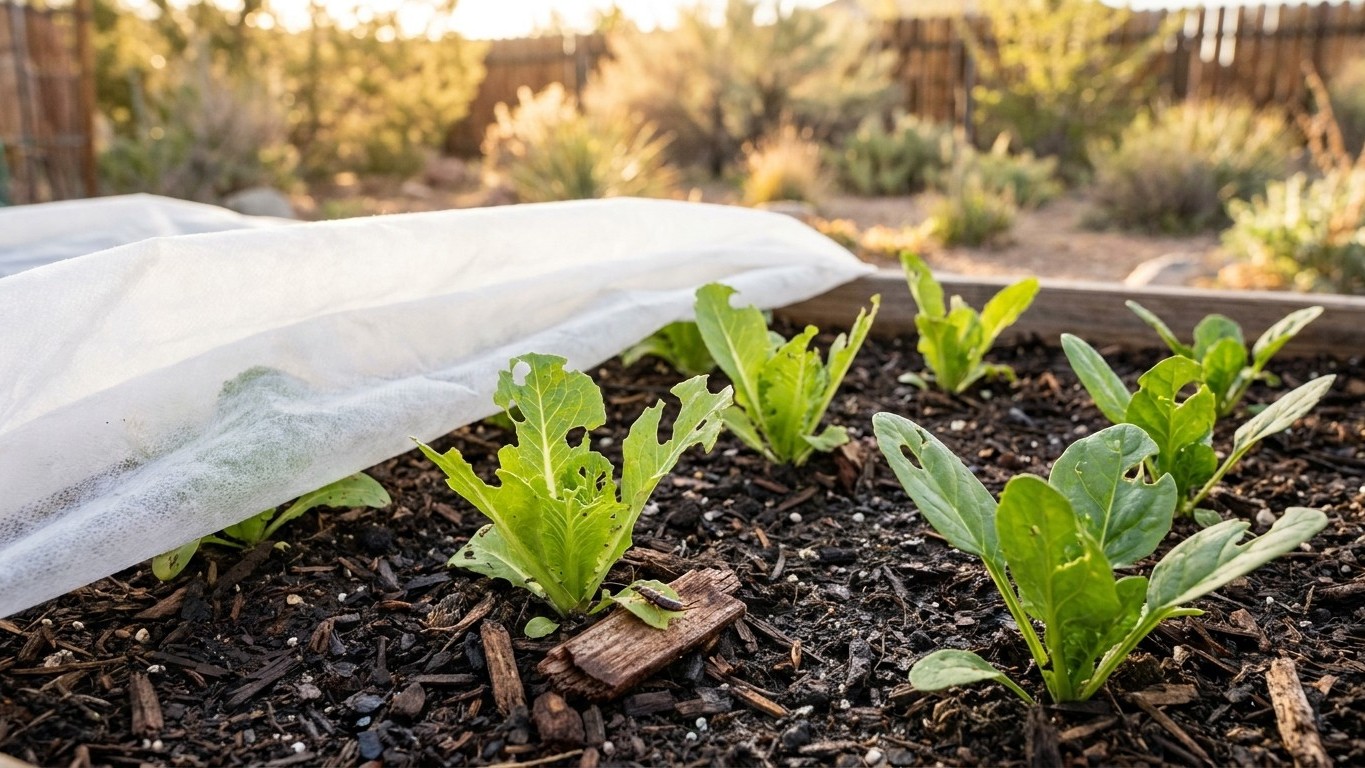
Earwigs show up in Nevada gardens as soil temperatures climb in spring, not on a fixed calendar date, and they target soft seedlings, corn silks, and…
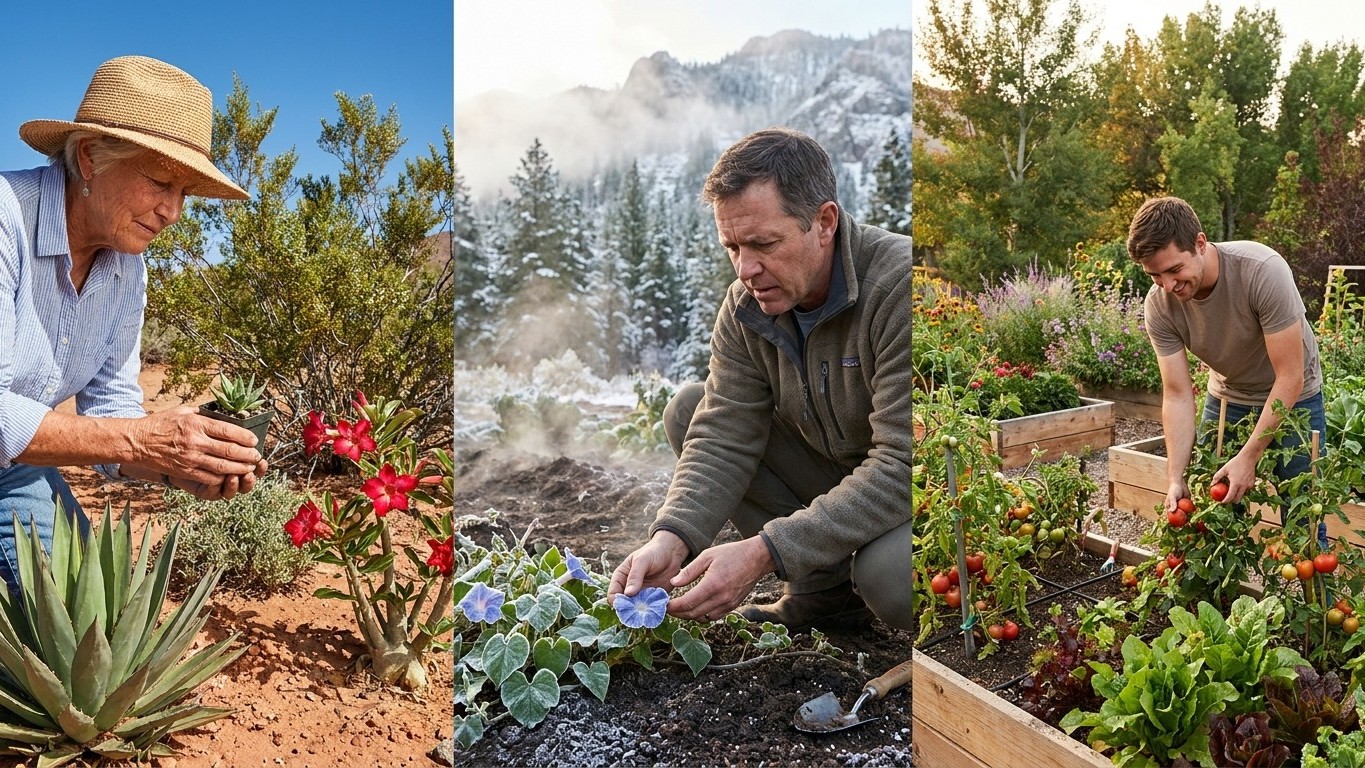
Nevada’s growing season isn’t one thing. It’s at least three: a low desert that barely freezes, high mountain valleys that freeze hard and often, and a…
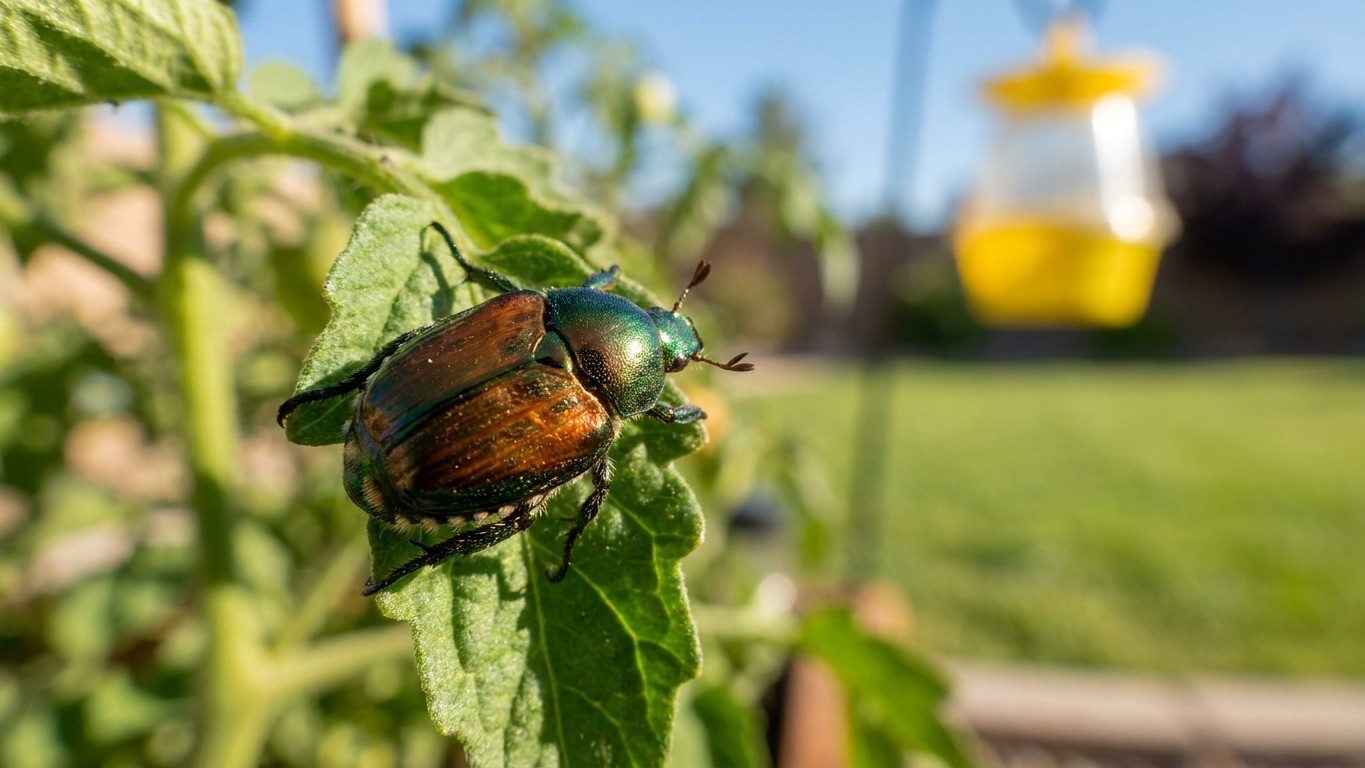
Nevada’s climate does most of the work here: Japanese beetle (Popillia japonica) is not established anywhere in the state, and the odds of it becoming a…
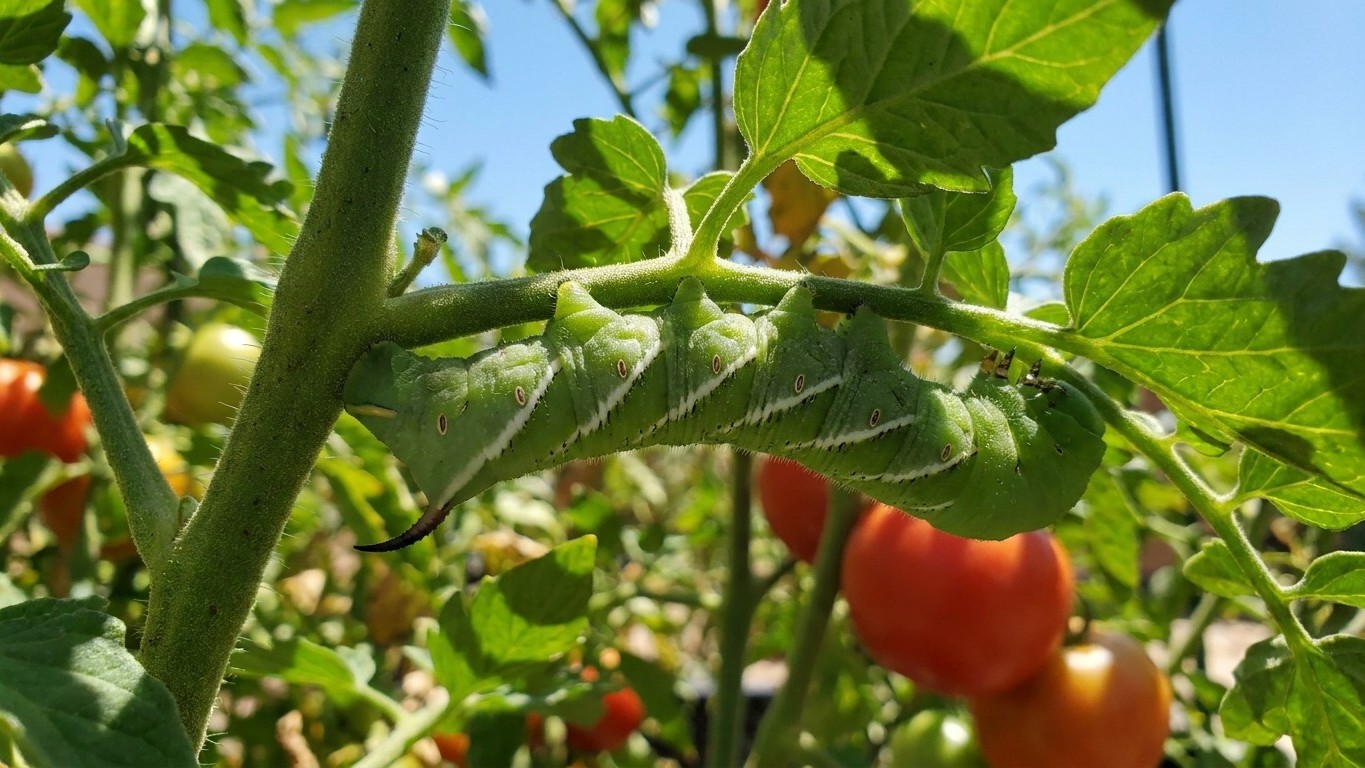
Tomato hornworms show up in Nevada gardens from late June through September, with the heaviest activity hitting in July and August once daytime…
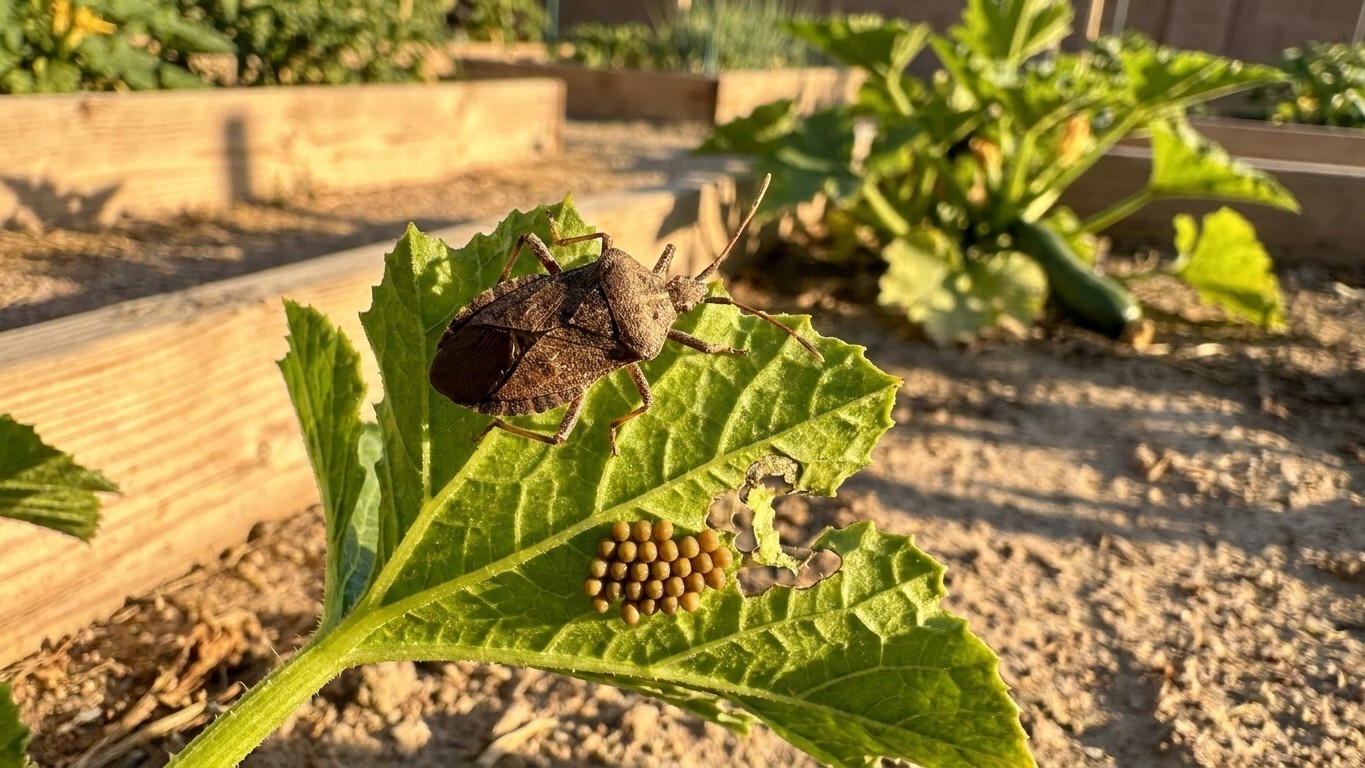
Squash bugs show up in Nevada gardens right after the soil warms in spring, typically mid-April in the Las Vegas Valley and closer to late May or June in…
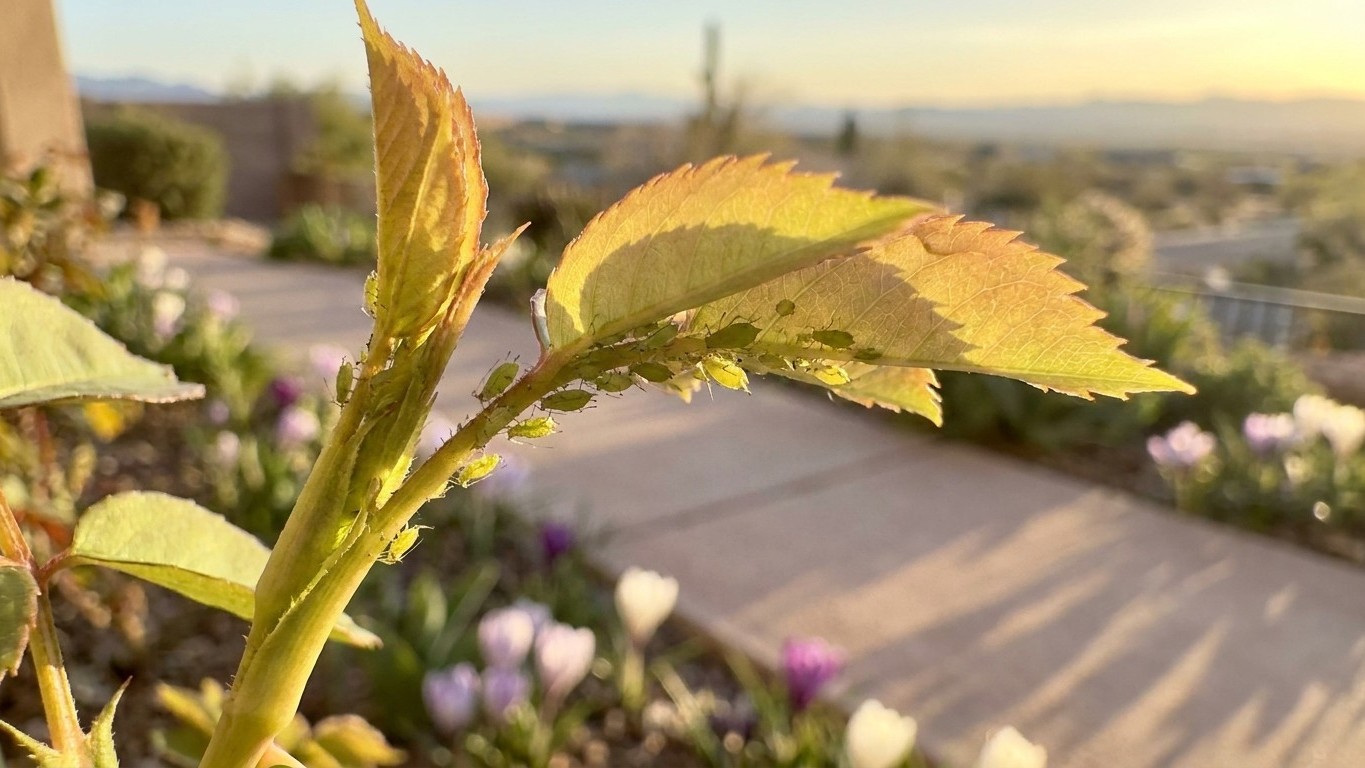
Aphids in Nevada follow the water, not the calendar. In Las Vegas and Henderson, they cluster on new growth in March and April, vanish once summer…
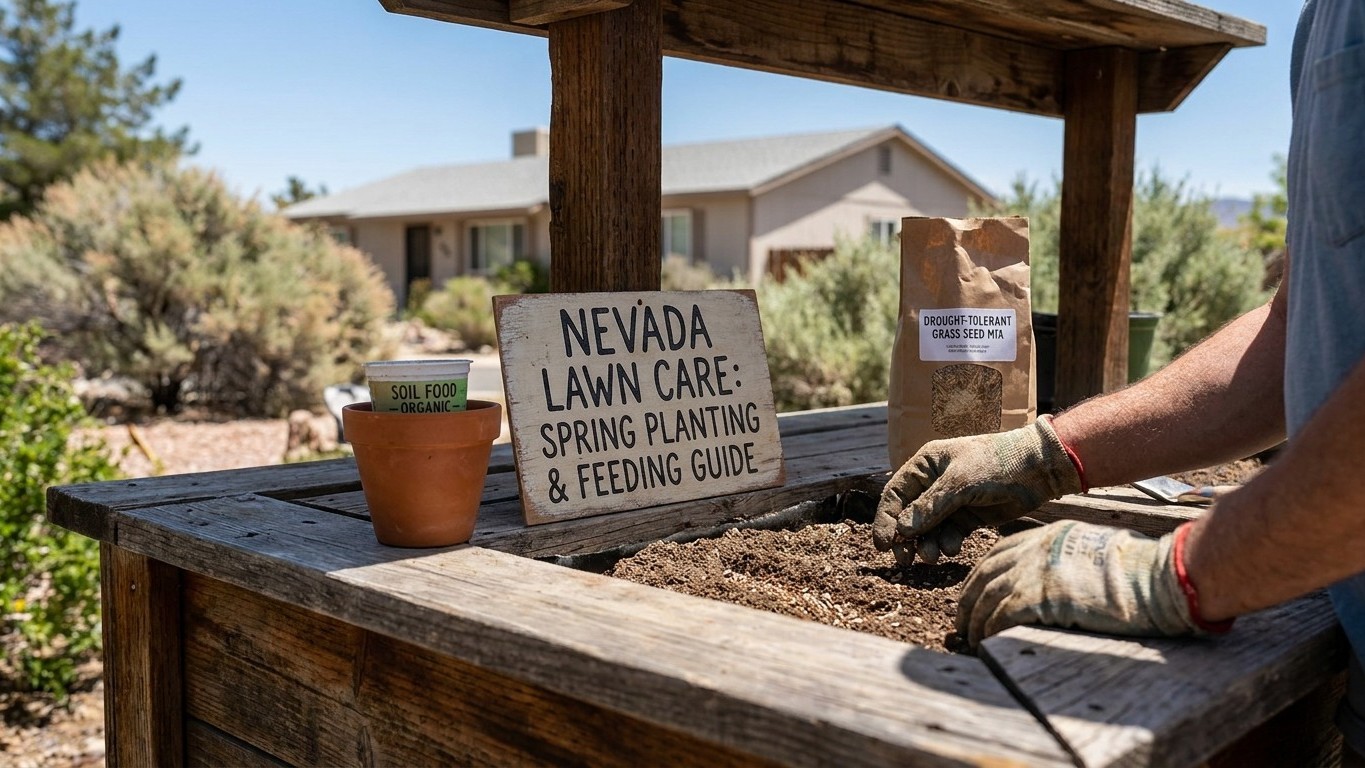
Nevada’s warm desert valleys need Bermudagrass or Zoysiagrass, but elevation changes everything: this guide gives the planting window and feeding schedule for your county.