The Best Grass Seed for Oregon Lawns
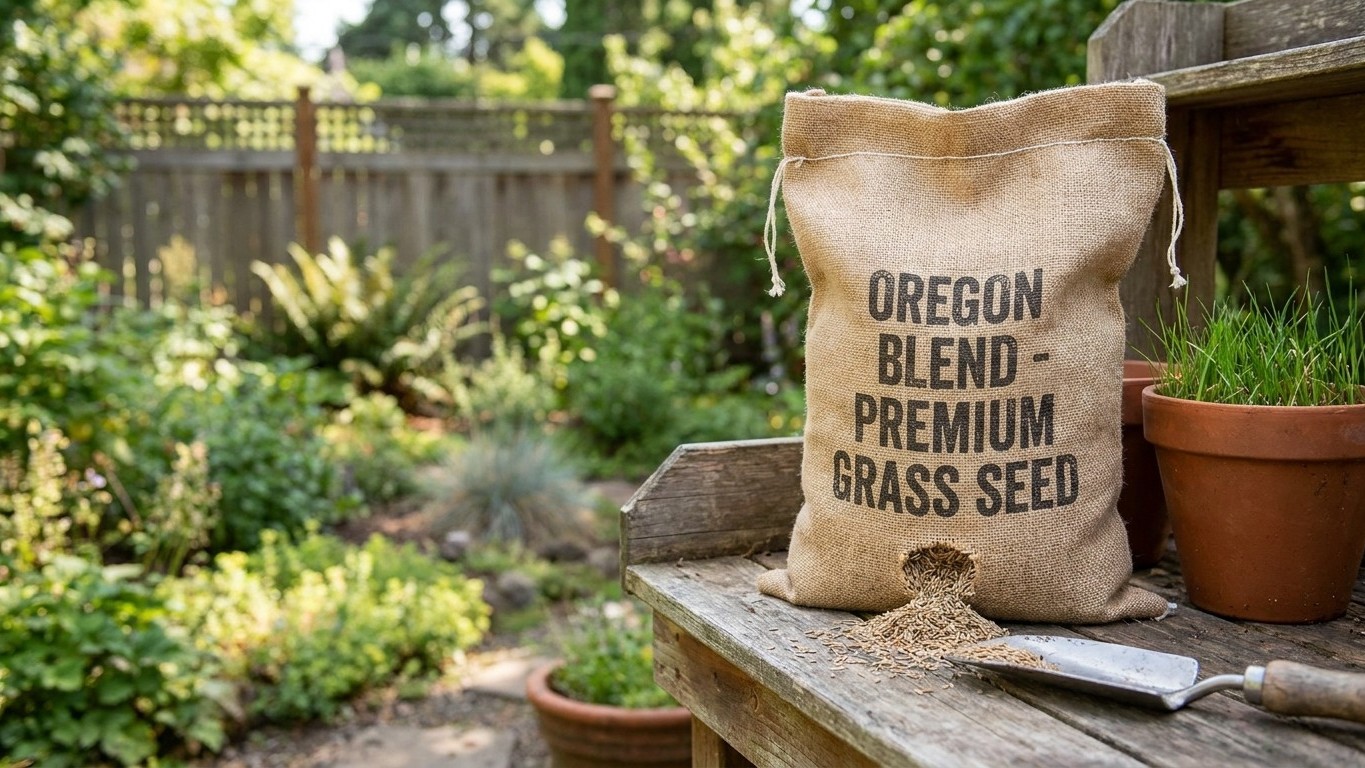
Oregon’s transition-zone climate means no single grass thrives year-round, so choosing between cool-season and warm-season turf means accepting a trade-off.
Home & garden, state by state
Everything we have worked out for Oregon: what to plant and when, which varieties finish in time, the pests that actually turn up here, and the jobs that pay off month by month. We also cover the rest of the property, from lawns and soil to home care and energy, because a garden rarely stops at the vegetable bed.
The numbers first, because everything else follows from them. Measured at the weather station in Portland, the last spring freeze runs March 6 to March 21 and the first fall freeze runs November 11 to November 27, USDA zones 4a-9b, 2,942 growing degree days in the year.
Garlic does well: 17.4 weeks below 40 °F, comfortably past the six it needs to form a proper head.
Elsewhere on the property in Oregon: the pests that turn up here.
Figures from NOAA's 1991-2020 climate normals. A state is not one climate: elevation, a large lake or the coast can move these dates by two weeks either way, so check your own county with the extension service before you spend money.
Oregon’s transition-zone climate means no single grass thrives year-round, so choosing between cool-season and warm-season turf means accepting a trade-off.
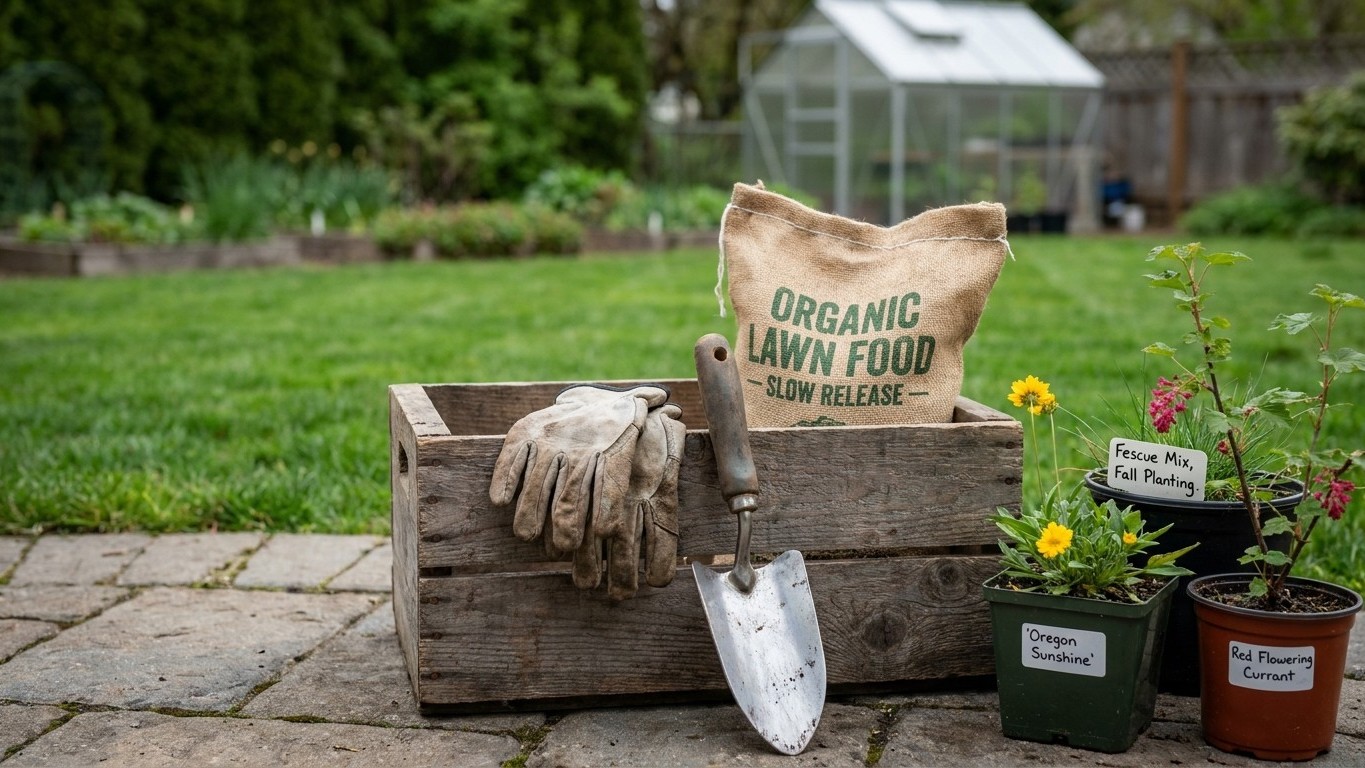
Portland’s climate normals rule out a single best lawn grass for Oregon, and set the real windows for seeding, feeding, and mowing season by season.
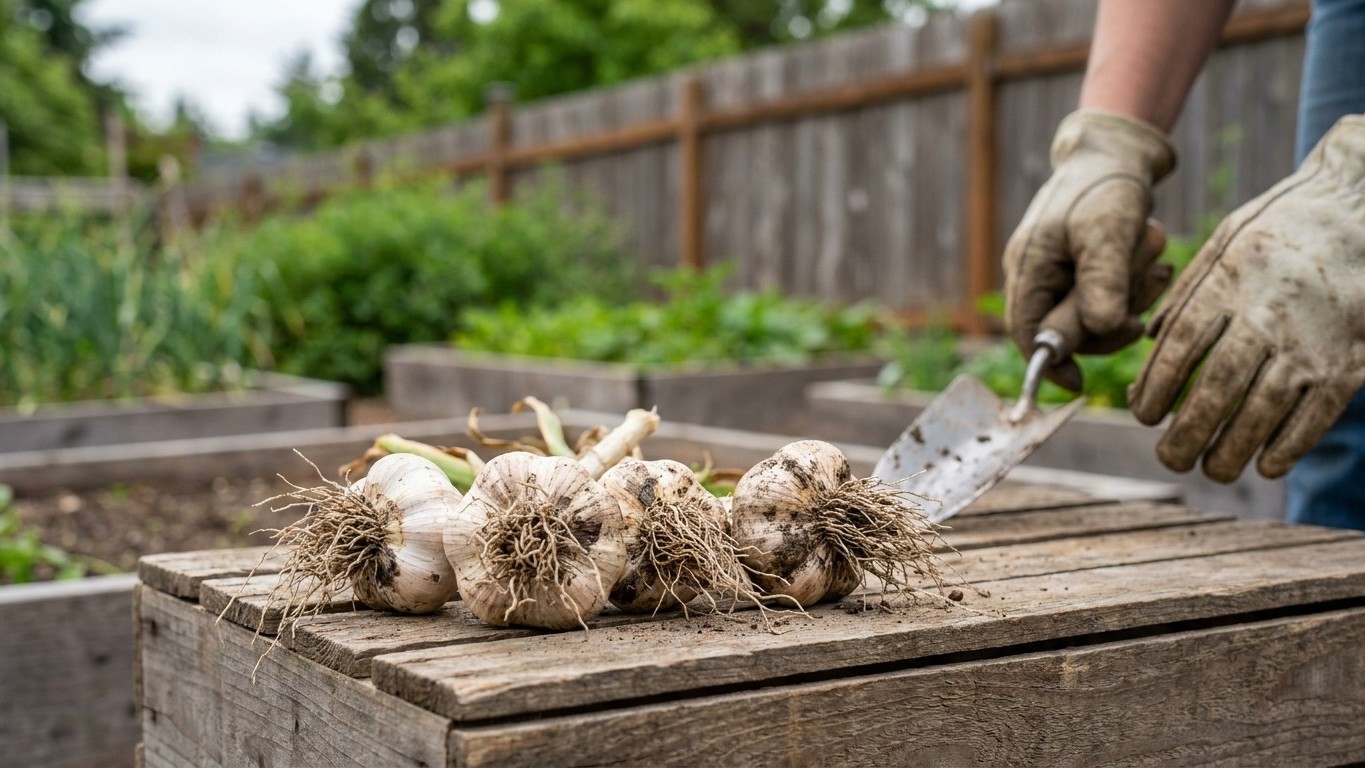
Oregon garlic goes in late October to early November, timed against Portland’s NOAA frost data, with cold winters more than enough to split cloves properly.
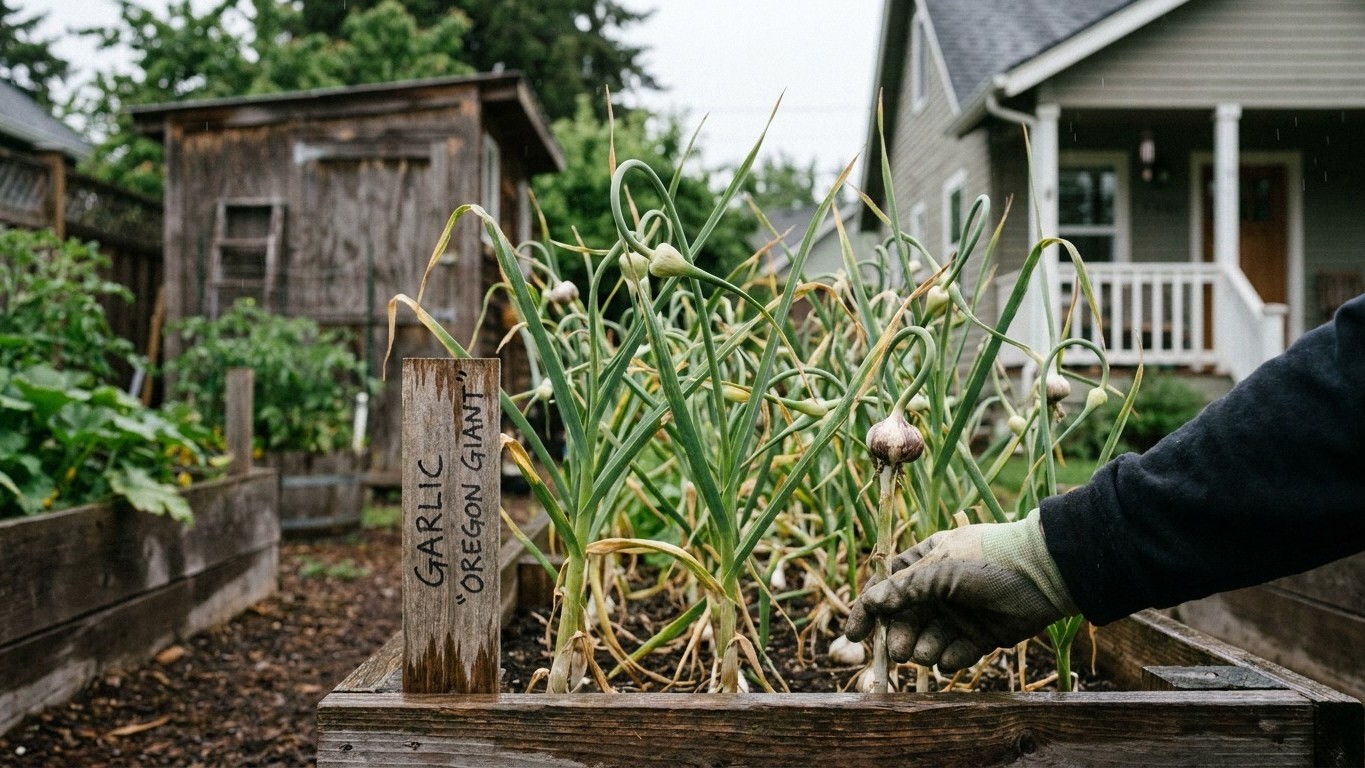
Oregon’s frost timing and winter chill length decide which garlic varieties suit each region, from the Willamette Valley to the high desert plains.
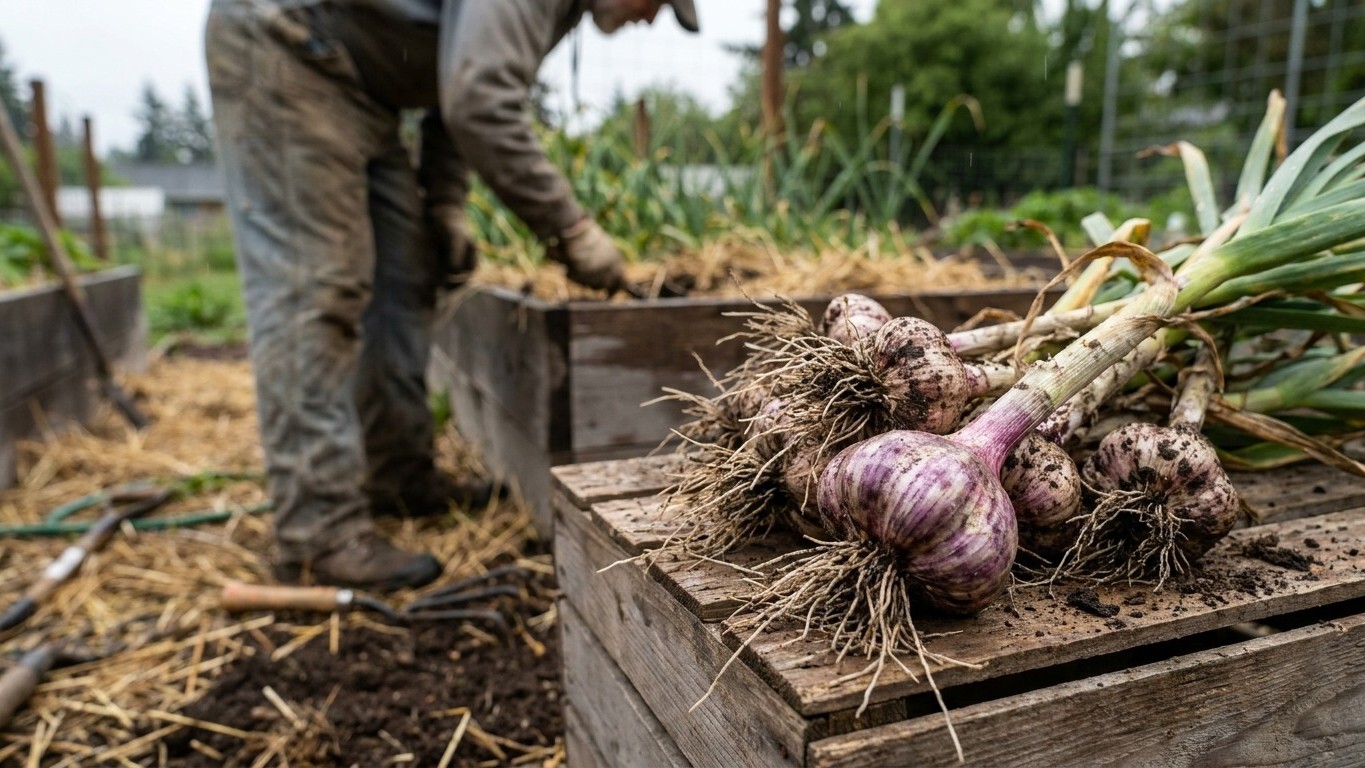
West of the Cascades, Oregon winters run mild enough that garlic’s cold requirement isn’t guaranteed, so growers choose softneck varieties or pre-chill hardneck cloves before planting.
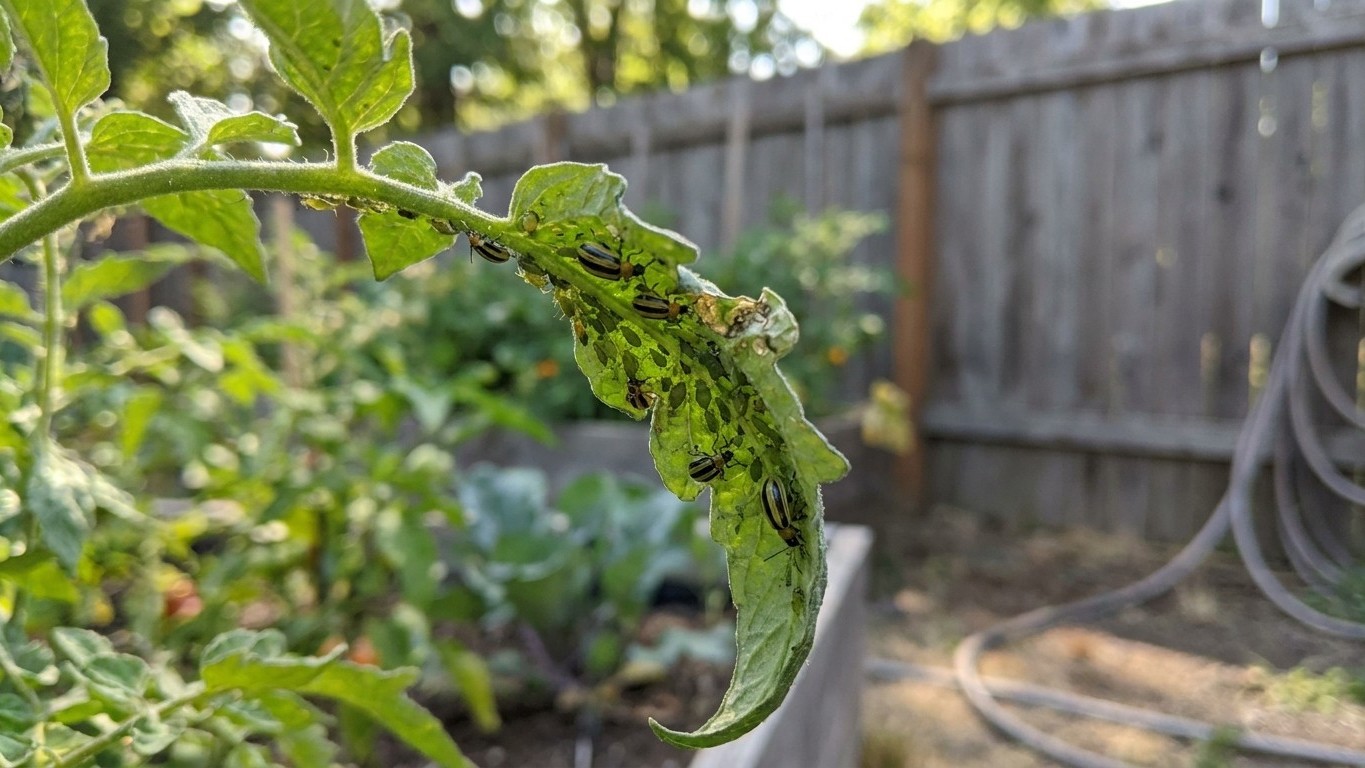
Identifies the tomato pests that actually occur in Oregon gardens, from spring cutworms to fall stink bugs, with how to recognize and manage each one.
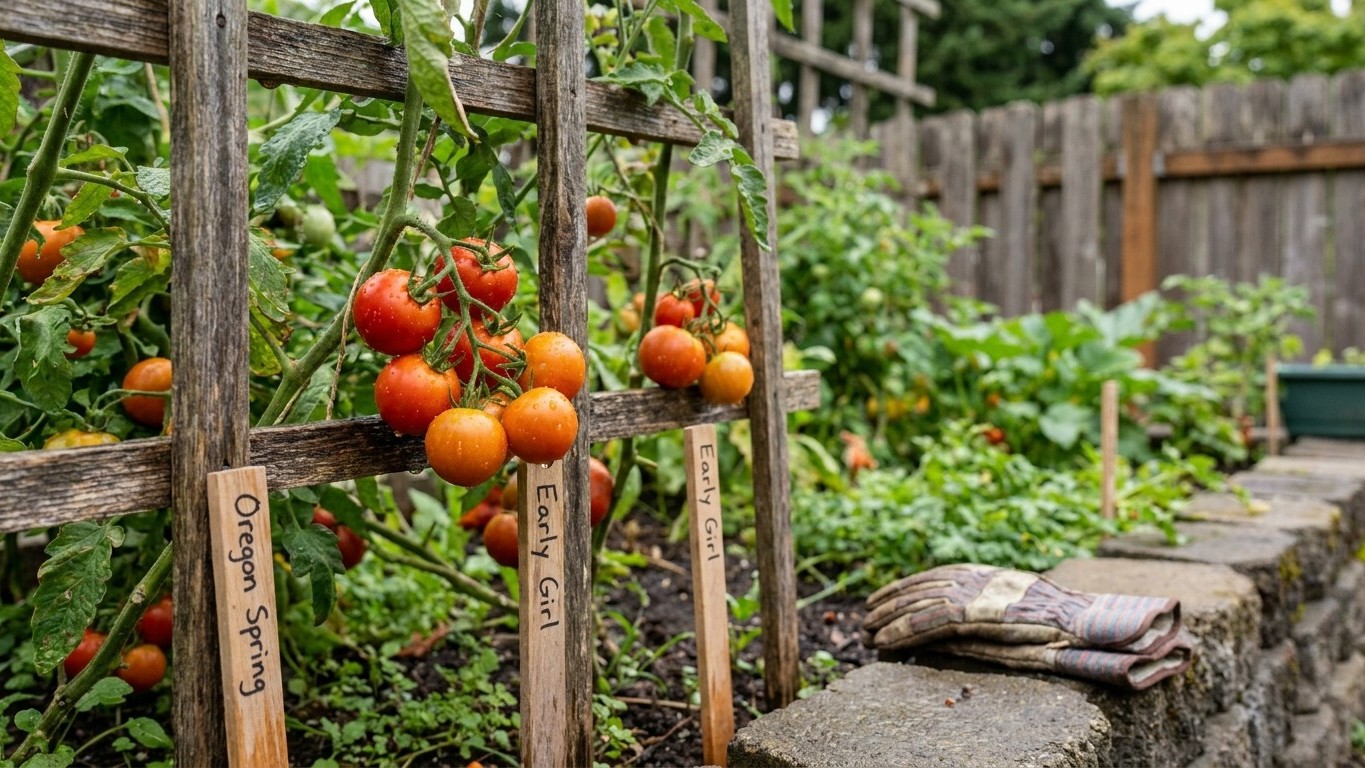
Nine cataloged tomato varieties matched against Portland’s frost window, from 55-day cherry tomatoes to 78-day paste types, so you can pick one that finishes.
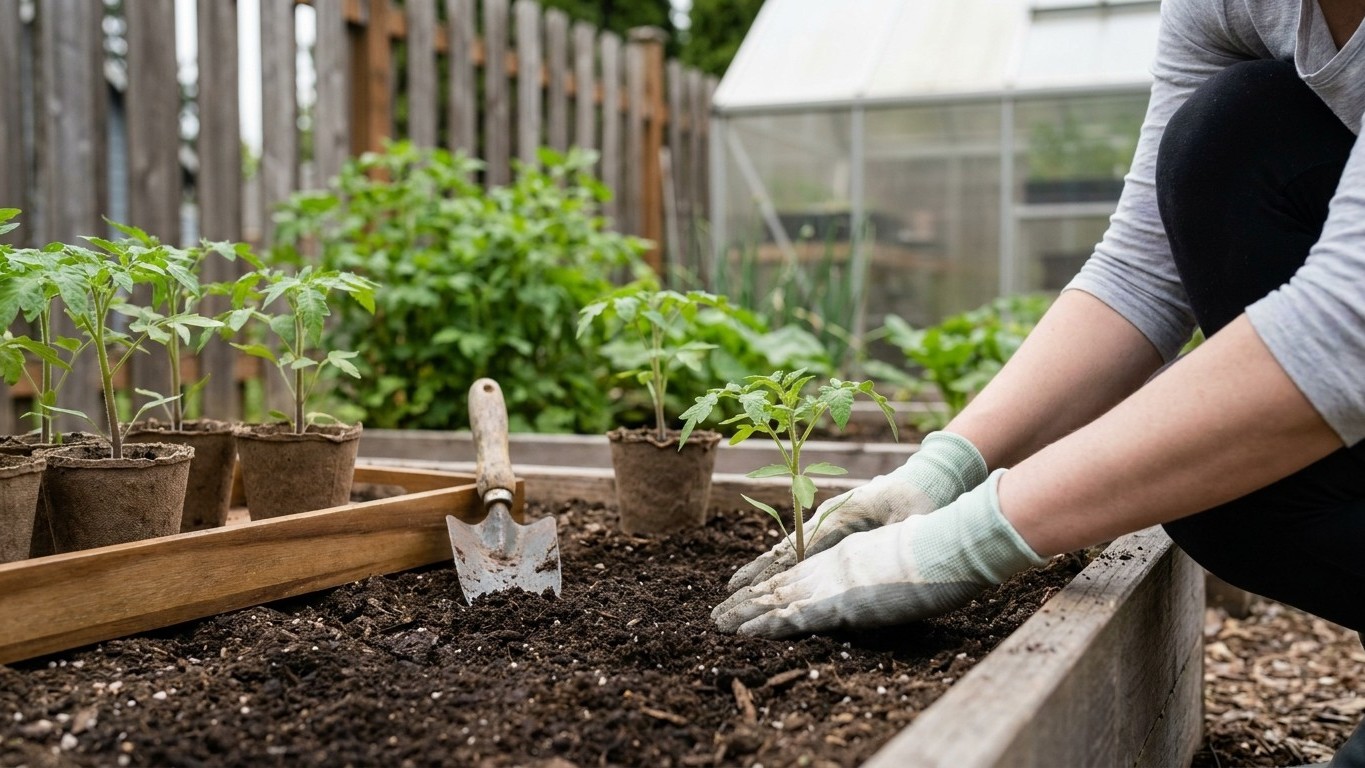
Oregon’s tomato transplant date comes from NOAA’s Portland frost data, and this page shows how to count forward using each variety’s days to maturity.
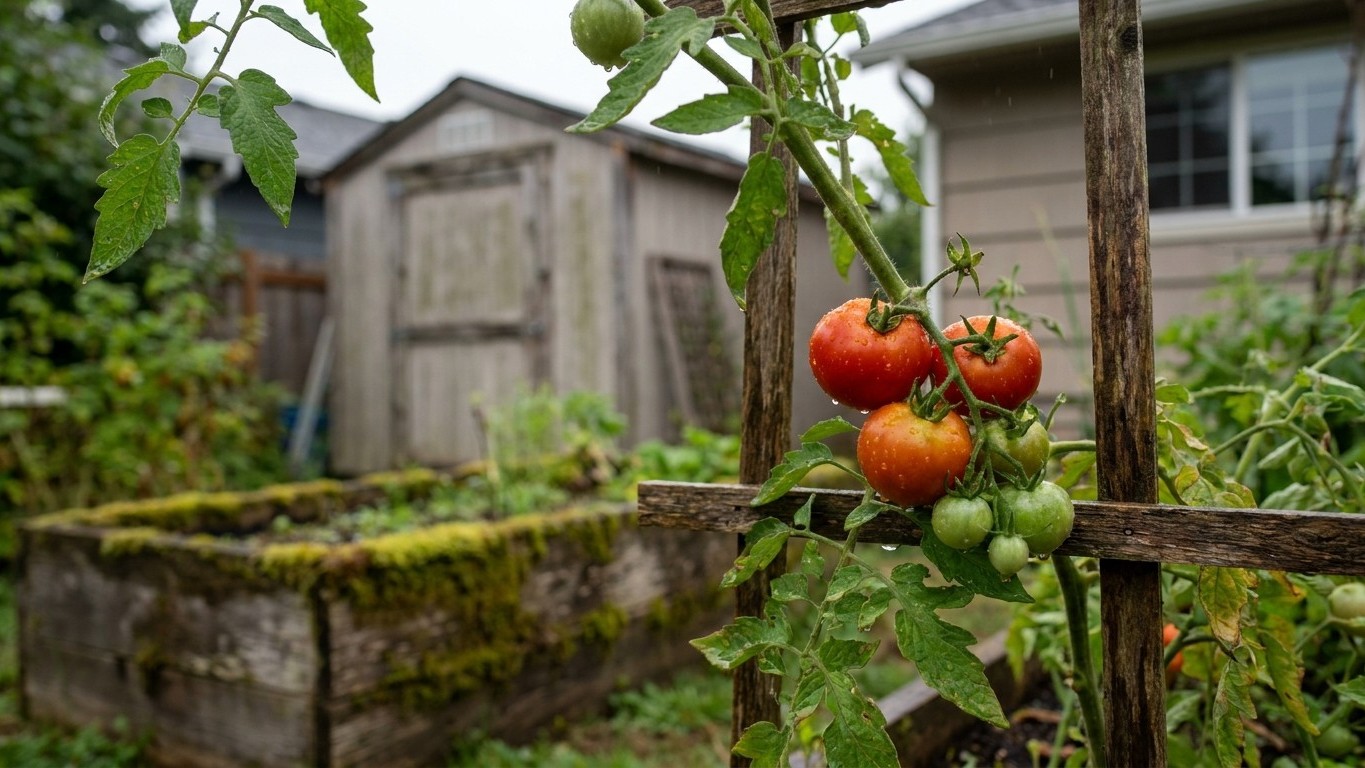
Oregon’s tomato planting dates, best varieties by region, and the pests and diseases most likely to show up in a home garden this season.