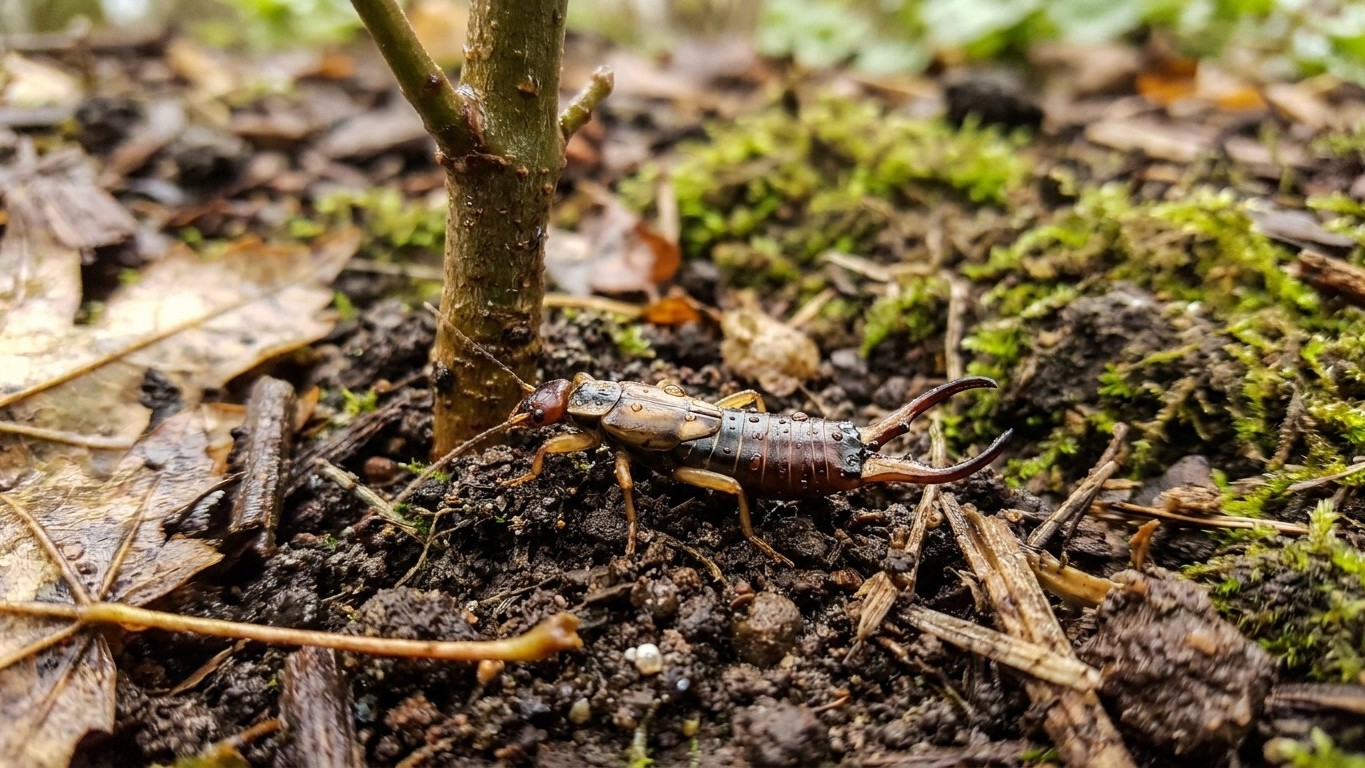

European earwigs turn up in Oregon lawns, patios, and garden beds from late spring through early fall, with populations peaking in July and August when the previous year’s eggs have matured into adults. They favor the state’s damp, mild climate, and they’ve been established here since the early 1900s. Controlling them comes down to three moves: dry out their hiding spots, trap or bait the active population, and seal the gaps that let them slip indoors.
Why Oregon Became Earwig Territory

The European earwig (Forficula auricularia) isn’t native to North America. Historical records point to Seattle around 1907 as the first documented U.S. sighting, and from there the insect spread down the Pacific Coast, finding the Willamette Valley’s mix of moisture and mild winters to its liking almost immediately.
Oregon’s climate checks every box the species needs. Wet winters keep soil moisture high enough for overwintering adults to survive, while summer temperatures rarely climb hot and dry enough to knock back populations the way they might in inland states. Portland, Salem, Eugene, and the coastal counties all report heavy earwig activity most years. Drier pockets east of the Cascades see fewer of them, simply because the soil doesn’t hold the humidity earwigs depend on.
One detail surprises a lot of homeowners: earwigs aren’t purely destructive. They eat aphids, mites, and decaying plant material, which makes them useful predators in small numbers. The trouble starts when populations explode, because that same appetite turns toward tender seedlings, soft fruit, and flower petals once the easy food runs out.
When Earwigs Show Up During the Oregon Year
Earwig activity follows a predictable calendar in Oregon, and knowing the stages helps target control before numbers get out of hand.
Fall mating and winter dormancy
Adults mate in autumn, usually October through November, then burrow two to four inches into the soil to overwinter as pairs. Females lay 20 to 60 eggs in underground chambers between December and February, guarding the clutch until nymphs hatch.
Spring emergence
Nymphs surface in March and April across most of western Oregon. At this stage they’re pale, wingless, and easy to mistake for a different insect entirely. They molt several times through late spring, and by early summer they resemble miniature adults with functioning pincers.
Summer population peak
July and August bring the highest earwig counts of the year. This is when homeowners start finding them under doormats, inside porch light fixtures, and clustered in mulch beds by the dozen. A single female’s offspring from the previous fall can produce a visible infestation by midsummer if conditions stayed favorable.
Activity tapers off in September as adults prepare for another mating cycle, and the loop starts over.
Where They Hide and What Draws Them In
Earwigs are nocturnal and photophobic, meaning they actively avoid light. During the day they wedge themselves into any tight, moist gap they can find. Common hiding spots around Oregon homes include:
- Under stacked firewood or landscape timbers touching the ground
- Beneath mulch, especially bark mulch that stays damp for days after watering
- Inside cracked or gapped foundation vents and crawl space openings
- Under potted plants and saucers that trap standing water
- In rolled-up patio umbrellas, outdoor furniture cushions, and door thresholds
Irrigation habits matter more than most people realize. Homes with drip systems running late in the evening or lawns watered right before dusk tend to report heavier earwig presence, because the moisture peaks exactly when the insects become active. Cutting back evening watering in favor of early morning irrigation removes a big part of the appeal without any pesticide involved.
What Actually Stops European Earwigs in Oregon
No single method wipes out an earwig population overnight, but combining a few targeted steps brings numbers down within two to three weeks in most cases.
Moisture and habitat reduction
Start with drainage. Redirect downspouts away from foundation beds, pull mulch back a few inches from siding, and thin out dense ground cover where earwigs cluster. Firewood stacks should sit on a rack rather than directly on soil. These changes alone can cut a population significantly because they remove the daytime shelter earwigs need to survive the sunlight.
Trapping
Simple traps work well for monitoring and knocking down numbers in a contained yard. A shallow tuna can filled with a half-inch of vegetable oil and a splash of fish oil, set flush with the soil near garden beds, draws earwigs overnight and drowns them. Rolled, damp newspaper left out at dusk and collected (then discarded) at sunrise catches dozens at a time during peak summer weeks. Both methods avoid chemicals entirely and suit yards with pets or edible gardens.
Baits and targeted treatments
For heavier infestations, granular baits containing spinosad or carbaryl, scattered along foundation lines and mulch beds in the evening, target earwigs as they emerge to feed. Perimeter treatments with pyrethroid-based products (cyfluthrin or permethrin, applied per label directions) create a barrier along siding, window wells, and door thresholds. These work best applied in late afternoon, just ahead of nighttime activity, and typically need reapplication every four to six weeks during peak season.
Sealing entry points
Earwigs don’t chew their way indoors, they walk in through existing gaps. Weatherstripping on exterior doors, caulking around window frames, and mesh covers on foundation and crawl space vents block the most common entry routes. Older Oregon homes with wood siding tend to develop small gaps at trim boards over time, and those seams are worth checking every spring before the emergence period ramps up.
Garden Damage Worth Watching For
Earwigs cause the most visible damage to seedlings, dahlias, zinnias, and soft fruit like strawberries and raspberries, which are widely grown across Oregon backyards. Damage shows up as irregular holes in leaves and petals, ragged edges on young seedlings, and shallow gouges in ripening berries, patterns that get blamed on slugs more often than they should. Checking plants after dark with a flashlight is the fastest way to confirm earwigs are the culprit, since they retreat to hiding spots the moment daylight hits.
Raised beds and container gardens see less damage overall, mainly because the drier, better-drained soil in containers doesn’t hold the moisture earwigs need nearby. Gardeners dealing with repeat damage in ground-level beds sometimes switch vulnerable seedlings to containers for their first few weeks, which sidesteps the problem until plants toughen up.
A Population That Rarely Disappears Entirely
Even with consistent control, Oregon’s climate means European earwigs stick around at some baseline level year after year. The realistic goal for most homeowners isn’t elimination, it’s keeping numbers low enough that they stay outdoors doing pest control on aphids rather than working their way onto porches and into garden beds. Yards that combine dry perimeter zones, regular trapping during July and August, and sealed entry points typically report far fewer indoor sightings than those relying on chemical treatment alone.